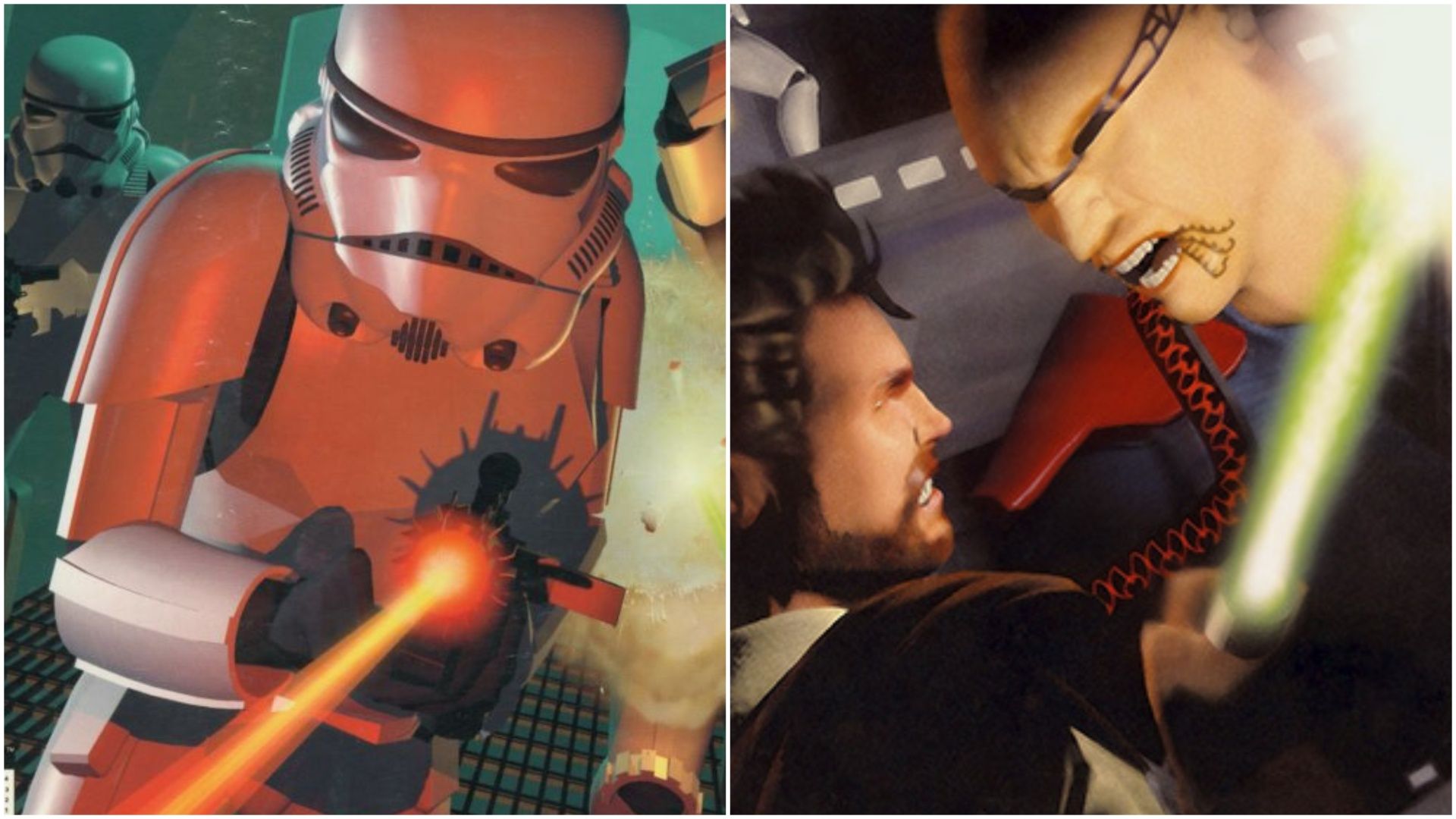
Following the release of Return of the Jedi in 1983, Star Wars movies didn’t appear in theaters again until The Phantom Menace in 1999, which launched the prequel trilogy. Because there weren’t any major Star Wars films released in the late 1980s and early 1990s, video games kept the franchise alive for fans.
The 1990s marked a turning point for Star Wars, as the franchise started exploring new territory beyond its original stories. This period, between films, saw a focus on the grittier, more criminal side of the galaxy. It became common to see characters outside the typical Jedi order using lightsabers and the Force.
A major shift in the Star Wars universe happened with the ‘Jedi Knight’ series of games, which followed the adventures of Kyle Katarn. Throughout five games, Katarn’s complex connection to the Force and the Jedi was explored, offering a fresh perspective on the Star Wars galaxy that both complemented and expanded upon the existing Skywalker story.
Ever since Disney bought Star Wars back in 2012, my favorite character, Kyle Katarn, and his whole story have been stuck in what they call ‘Legends’ – basically, it’s not official canon anymore. I’ve heard whispers that Dave Filoni over at Lucasfilm might bring him back someday, but the old Jedi Knight games feel totally lost to the pre-Disney days. Honestly, it’s not just about losing Kyle, it’s about losing a really cool, unique vibe that Star Wars used to have – and I’m still hoping we get that feeling back.
The Force is Strong with Katarn
Kyle Katarn first appeared in the 1995 Star Wars game, Dark Forces, as a former Imperial operative who switched sides to fight with the Rebel Alliance. His story is significant because he and his ally, Jan Ors, stole the plans for the Death Star before the events of A New Hope. This act launched a long and detailed storyline that continued through various games until 2003’s Jedi Academy.
For over eight years and across five games, the Jedi Knight series successfully captured the feel of Star Wars while also establishing its own unique identity – something many other spin-off games lacked. While most Star Wars games of that era simply retold or recreated scenes from the movies – which was enjoyable in its own right – Jedi Knight truly carved out its own story and gameplay within the Star Wars universe, instead of just imitating the films.
I remember when Dark Forces came out – it was a really cool time to be a Star Wars fan. The story wasn’t locked down like it is now, so it felt like anything could happen. Basically, developers could pitch pretty wild ideas, and George Lucas would just decide what he liked and what didn’t make the cut. It was a pretty straightforward system, and honestly, it led to some of the best Star Wars games ever, in my opinion.
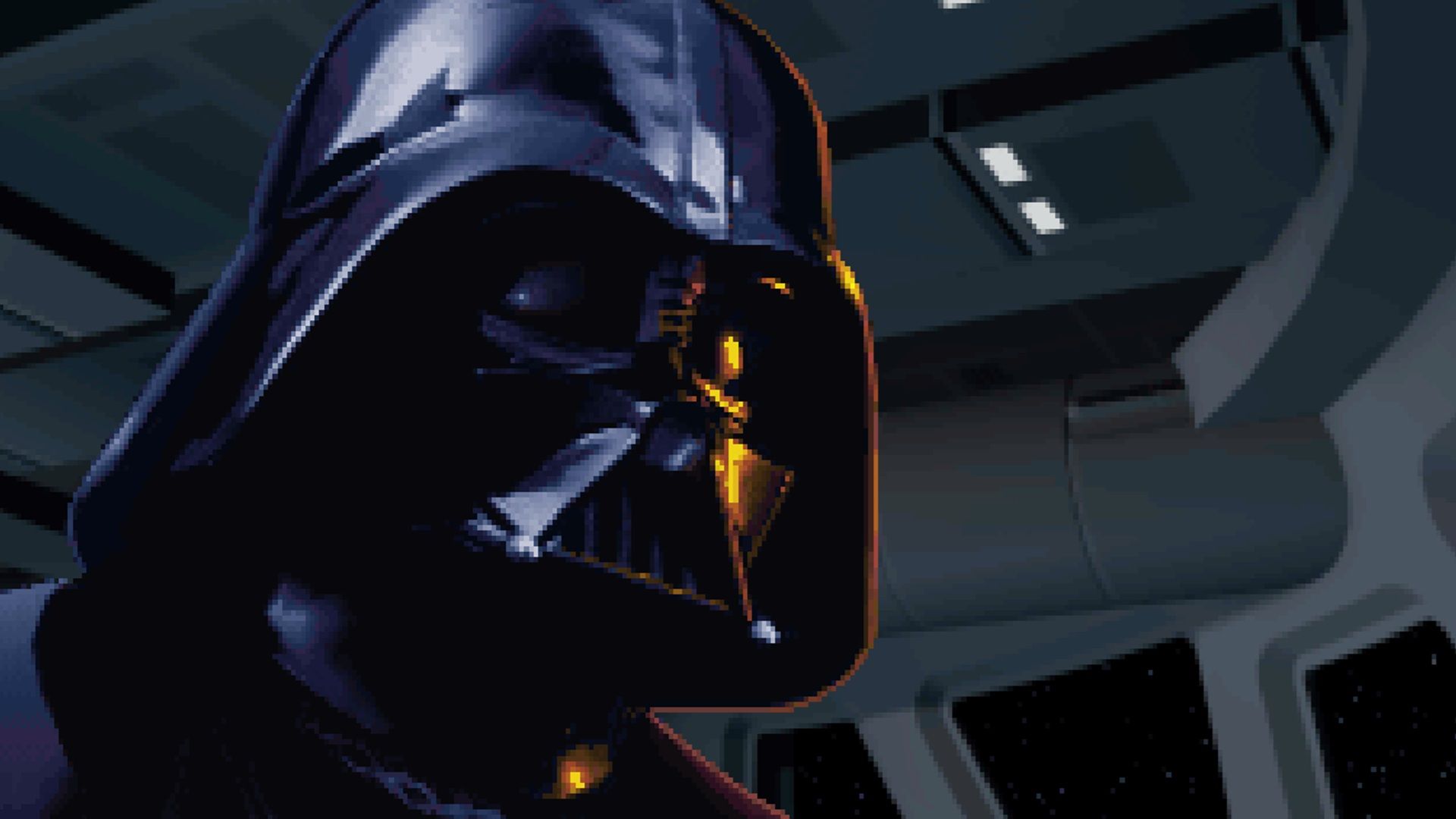
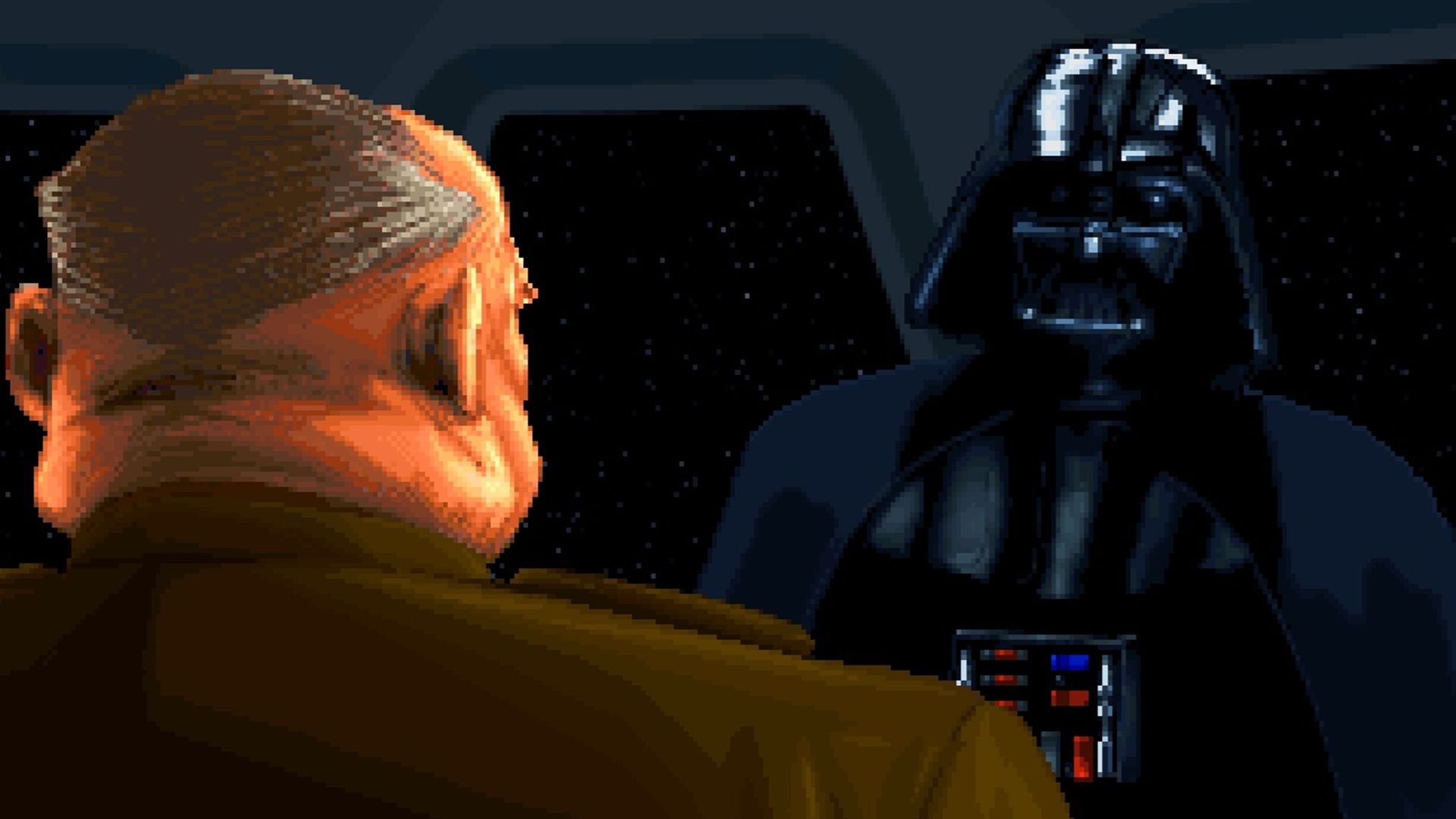
Darth Vader’s appearance in Dark Forces wasn’t considered strange or unusual at the time. This approach shaped all of the Jedi Knight games and other titles released during that period. While established storylines were important, the rules weren’t as strict as they would become later. Even though George Lucas carefully controlled what was considered official canon, surprising and unexpected elements were still permitted – and even flourished.
A More Civilized Age
The Jedi Knight games each offer a complete and satisfying adventure that stands on its own. I actually enjoy most of the newer Disney Star Wars content, but what I really loved about Jedi Knight was how each game felt separate from the movies while still being deeply connected to the Star Wars universe.
The Jedi Knight games successfully captured the feel of Star Wars while also establishing their own unique identity, something many other spin-off titles lacked.
Kyle Katarn’s story originally took place shortly after Return of the Jedi, and while I enjoyed the first Dark Forces game, the series truly hit its stride with the sequel. That sequel launched a remarkable period where each game felt like a full-fledged Star Wars movie. Modern Star Wars games like Outlaws and Respawn’s Jedi series are also fantastic, offering incredibly immersive and cinematic experiences, but the Dark Forces sequels were something special.
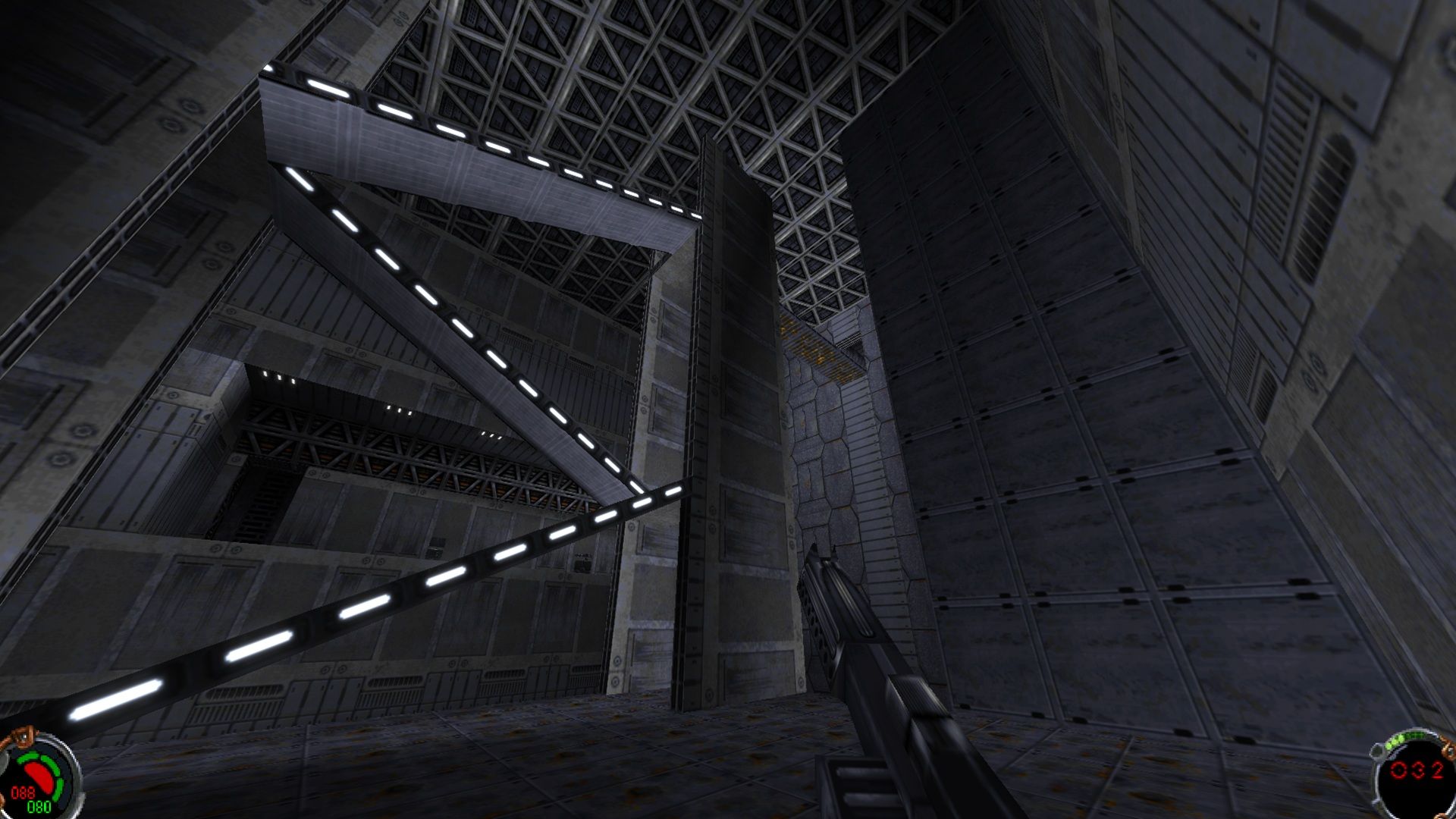
The Jedi Knight series didn’t feel like a simple side story; it felt like a natural continuation of the Star Wars universe. Kyle and Jan’s adventures had a significant impact on the broader Star Wars Expanded Universe and were also groundbreaking for their use of technology at the time.
The Sith Engine, used in Dark Forces II, was incredibly fast and capable of rendering detailed 3D graphics. Even now, the game’s large and expansive levels are striking, creating a truly immersive experience. I was so captivated by how the engine worked that it sparked my enduring passion for building computers.
Like a Fine Wine
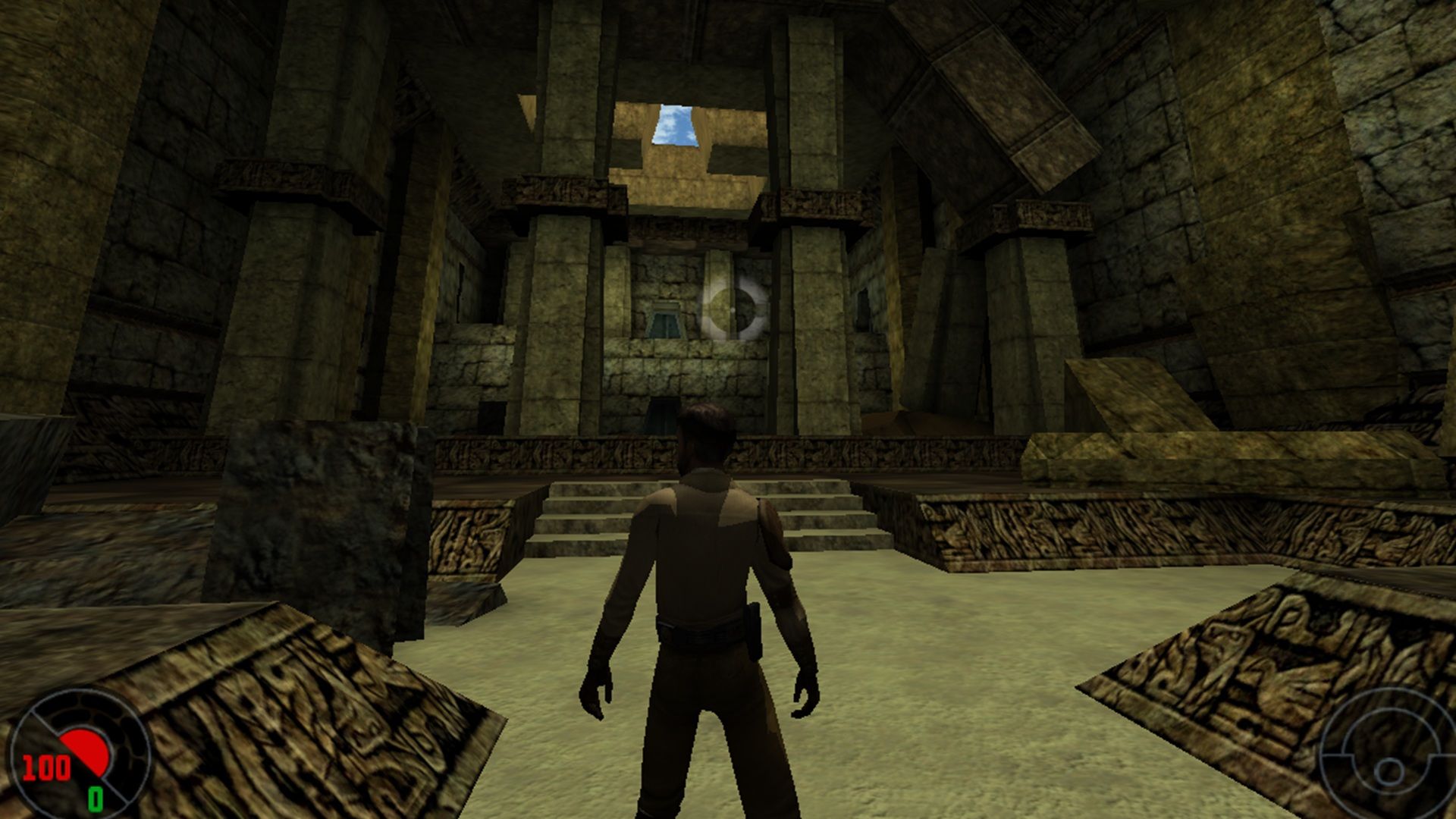
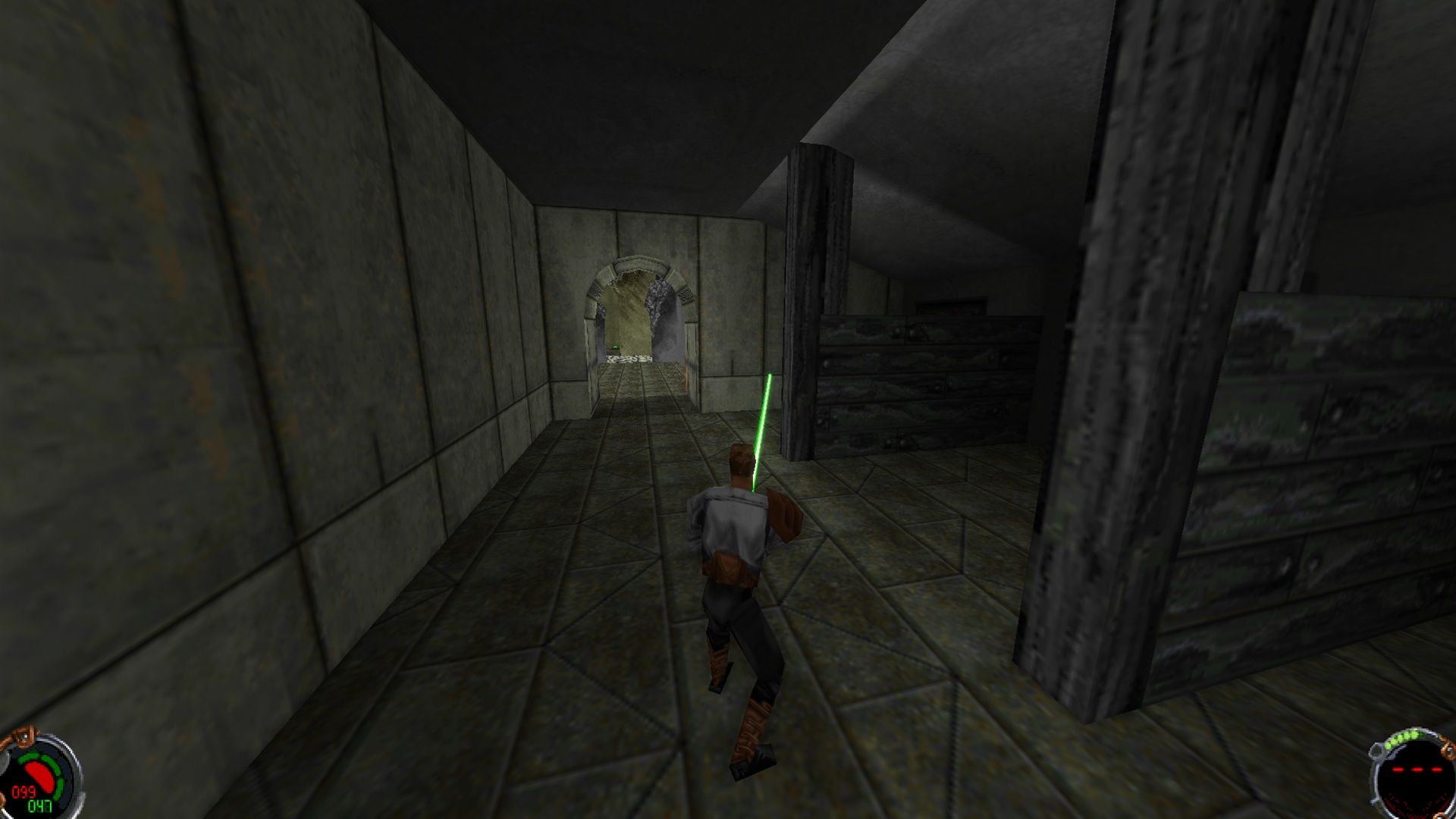
By the time Jedi Academy concluded the series in 2003, it had established a unique and confident style. The games, starting with Dark Forces II, skillfully blended first- and third-person gameplay, creating a thrilling and chaotic experience. The ability to switch between viewpoints and wield a lightsaber was particularly impressive.
Despite George Lucas being very careful about what he considered official Star Wars material, some surprisingly unusual ideas were still included and even became popular.
Dark Forces II was groundbreaking for its time, being the first game to allow players to wield a lightsaber in a fully 3D environment. That innovative design became a hallmark of the series, reaching its peak with Jedi Outcast in 2002. The seamless switching between blaster and lightsaber combat was exceptionally well done and is something many fans would love to see in a new Disney Star Wars game. Respawn’s Jedi series captures some of that same magic and feels like the closest we’ve gotten to a modern reimagining of those classic games.
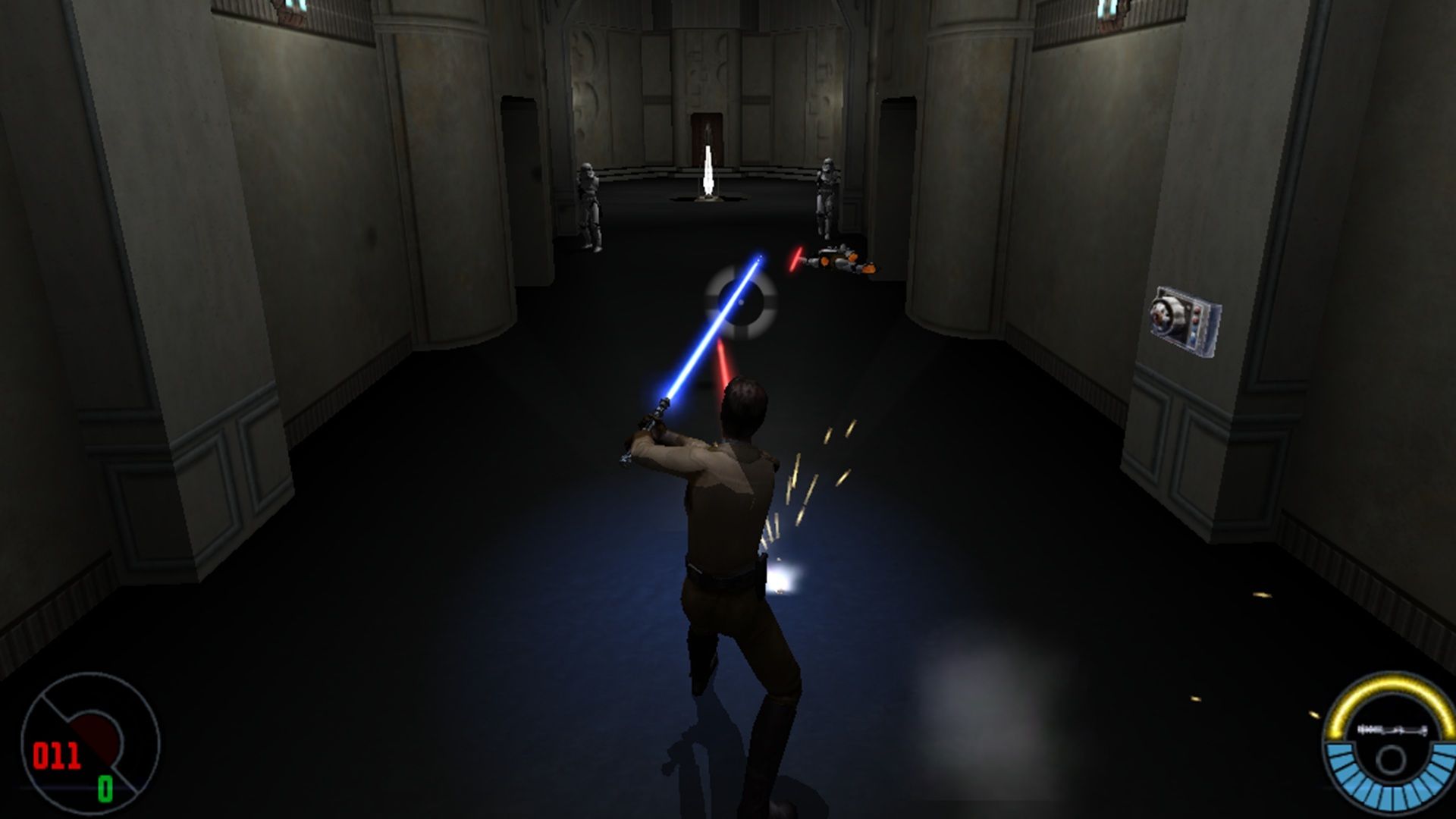
What’s really lacking in a lot of Star Wars stories is a balance – a deep respect for the established lore combined with the freedom to tell truly unexpected and unconventional tales. The Jedi Knight series struck that balance perfectly. It presented characters who felt surprisingly normal, making the mystical Force seem like an everyday part of life. This approach made the Force and lightsabers feel accessible, suggesting that anyone determined enough could become a skilled and impressive fighter.
Read More
- Gold Rate Forecast
- Avengers: Doomsday Spoilers & Leaks Addressed By Director Joe Russo: “It’s Over-Policed”
- Assassin’s Creed is getting a live stage spin-off with parkour and choreographed fights
- INJ/USD
- STX/USD
- Detonate codes (December 2025)
- Crimson Desert Guide – How to Pay Fines, Bounties & Debt
- Apple TV’s Imperfect Women Becomes No. 1 Most-Watched Show Globally
- What is Omoggle? The AI face-rating platform taking over Twitch
- Pragmata: Every Hacking Mode, Ranked
2026-05-12 16:40