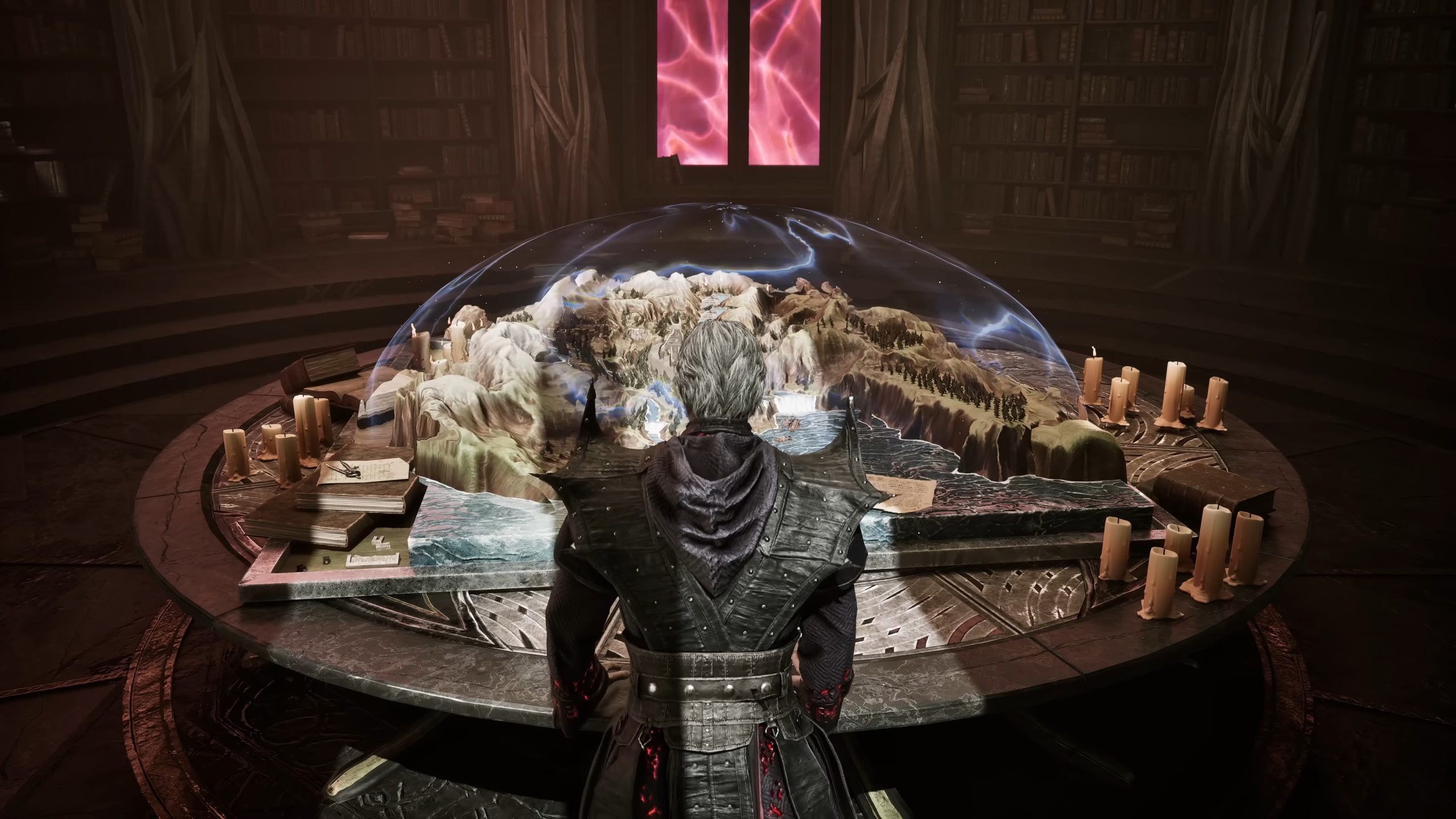
It’s rare, but sometimes difficult, flawed games still manage to find an audience, even if critics point out their problems. If that happened twice, I’d have a small amount of money by 2026. That brings us to Alkimia Interactive’s Gothic 1 Remake.
You might have seen its Metacritic score of 73 and quickly read a few reviews, then moved on. Games like Laufey, E-Day, and Wolverine were much more talked about at the time. Unfortunately, it came out during a very busy summer for new game releases, so it didn’t get as much attention as it deserved.
As you may have seen in our review (where we scored it a 6/10), this game has several issues. Players are reporting bugs, sound problems, and crashes. On PlayStation 5, it frustratingly doesn’t offer a smooth 60 frames-per-second experience – even the more powerful PS5 Pro version is limited to 30 FPS. To make matters worse, the close-combat fighting feels awkward and difficult to control, often making it easier to rely on computer-controlled allies.
Look, what really makes Gothic… well, Gothic, is all the weird little things it throws at you. Like, regular humans can’t actually kill me – apparently I’m in a prison built from a failed war, which is a whole thing – but they will happily rob me blind! And since I start off super weak, constantly scrambling for every bit of gear and coin just to survive… honestly, it’s enough to make you rage quit. You might be better off going back to that Kingdom Come: Deliverance hardcore run you’ve been putting off.
What explains the strong launch of Gothic 1 Remake? It sold over half a million copies in its first week and reached a peak of 77,731 concurrent players on Steam. Even considering the bugs and balance issues that have been addressed since launch – as shown in the first major patch – the game still boasts a “Very Positive” rating, with 81% of its 3,603 reviews being positive.
Nostalgia is a powerful force, and game companies are very good at using it to their advantage. We’ve seen countless re-releases, ports, remakes, special editions, updated versions, and even sequels released years after the original games – just about anything you can think of! It’s easy to be critical, especially when these new releases don’t live up to expectations, but sometimes this approach leads to truly great games. The recent success of Resident Evil is a perfect example.
Each game project has unique goals, which often means simplifying or removing potentially divisive features. We focus on things like making combat flow better, empowering the player, and ensuring the game world is easy to understand. Ultimately, this is an open-world game, and we want players to freely explore everything and enjoy the stunning visuals created with Unreal Engine 5.
That’s just how Gothic is. Its rough edges, awkwardness, and general clunkiness aren’t flaws – they’re essential to what makes the game unique. It was one of the first games from European developers to try something truly ambitious, even if it wasn’t as polished as major American or Japanese titles. Rebuilding it to be perfectly smooth would erase everything fans enjoyed about the original, leaving behind just a prettier copy.
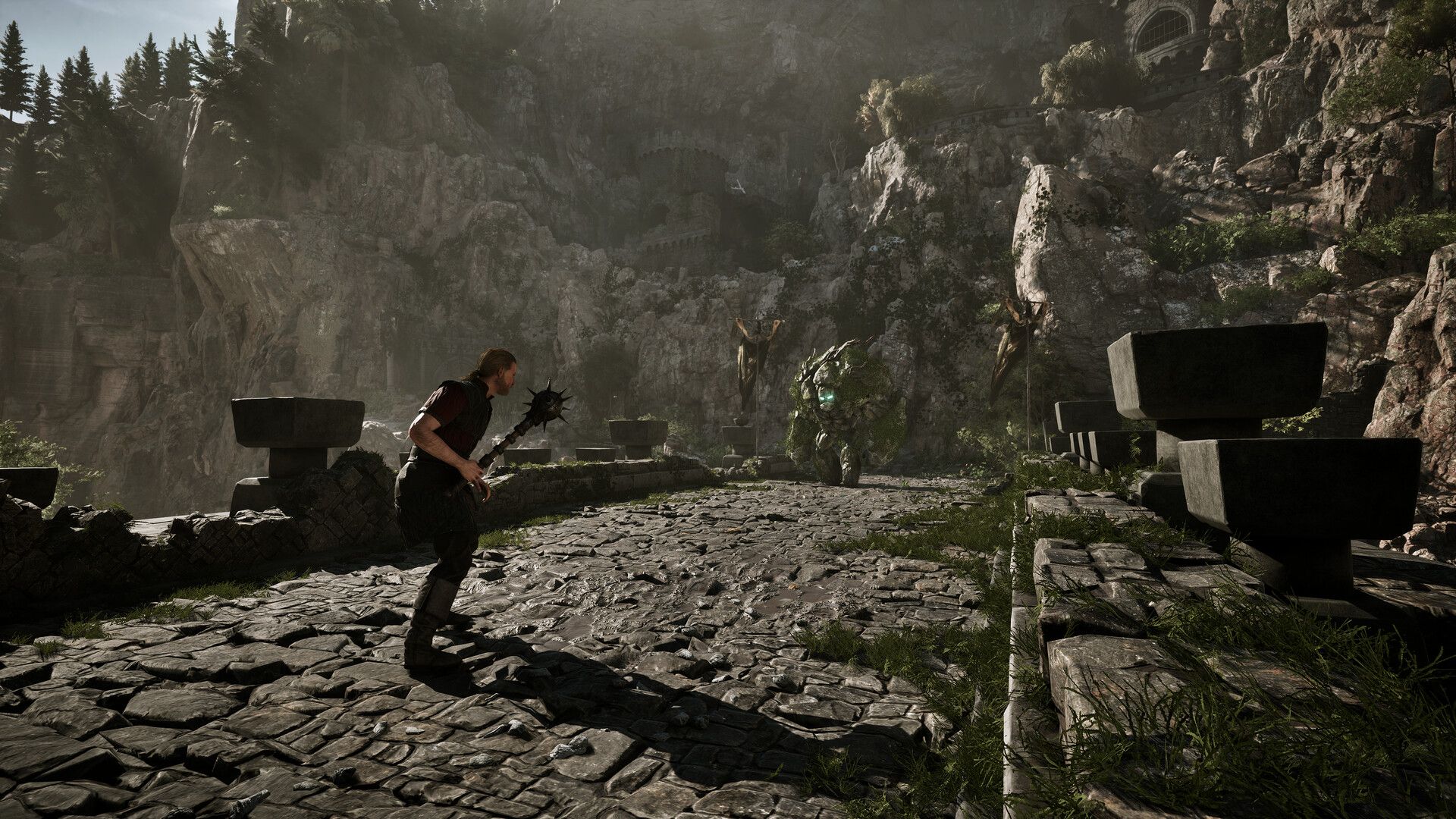
A core design choice is starting the player at a significant disadvantage – you begin with nothing and have to earn everything. It’s intentionally harsh, but that difficulty unlocks a unique sense of freedom. You can explore a huge world, engage with diverse characters, and truly test your limits.
This dedication to detail extends to the game’s combat system. Looking back at the development updates, it’s clear Alkimia put a lot of effort into the remake, and the combat diaries are particularly revealing. Character progression isn’t just about numbers; it’s visually represented in their attacks. You’ll see them start as a beginner and gradually learn more complex techniques. Like the original game, success relies on carefully observing the world, understanding your enemies, and knowing your own capabilities to figure out how to move forward.
This is true of real life, too. If you start without any knowledge, you won’t understand how your choices affect things, who to trust, or even how to get by. It’s a challenge that requires patience, determination, and sometimes, a bit of trial and error – just like the original version, before you finally figure everything out.
It might sound strange, but there’s a real sense of fun in this kind of challenging gameplay – it was what made the original Gothic game so popular. However, just like before, it won’t appeal to all players. Some prefer open-world RPGs that are easygoing, with lots of story, constant directions, clear objectives, and combat that feels immediately satisfying. This is why games like Assassin’s Creed, especially the newer ones focused on action RPG elements, remain so successful.
Many people appreciate games like Crimson Desert that emphasize exploration and independent discovery. These titles often offer complete freedom from the start, letting players chart their own course. There’s a wide range of open-world games available, and this freedom is likely a key reason why the genre remains so popular.
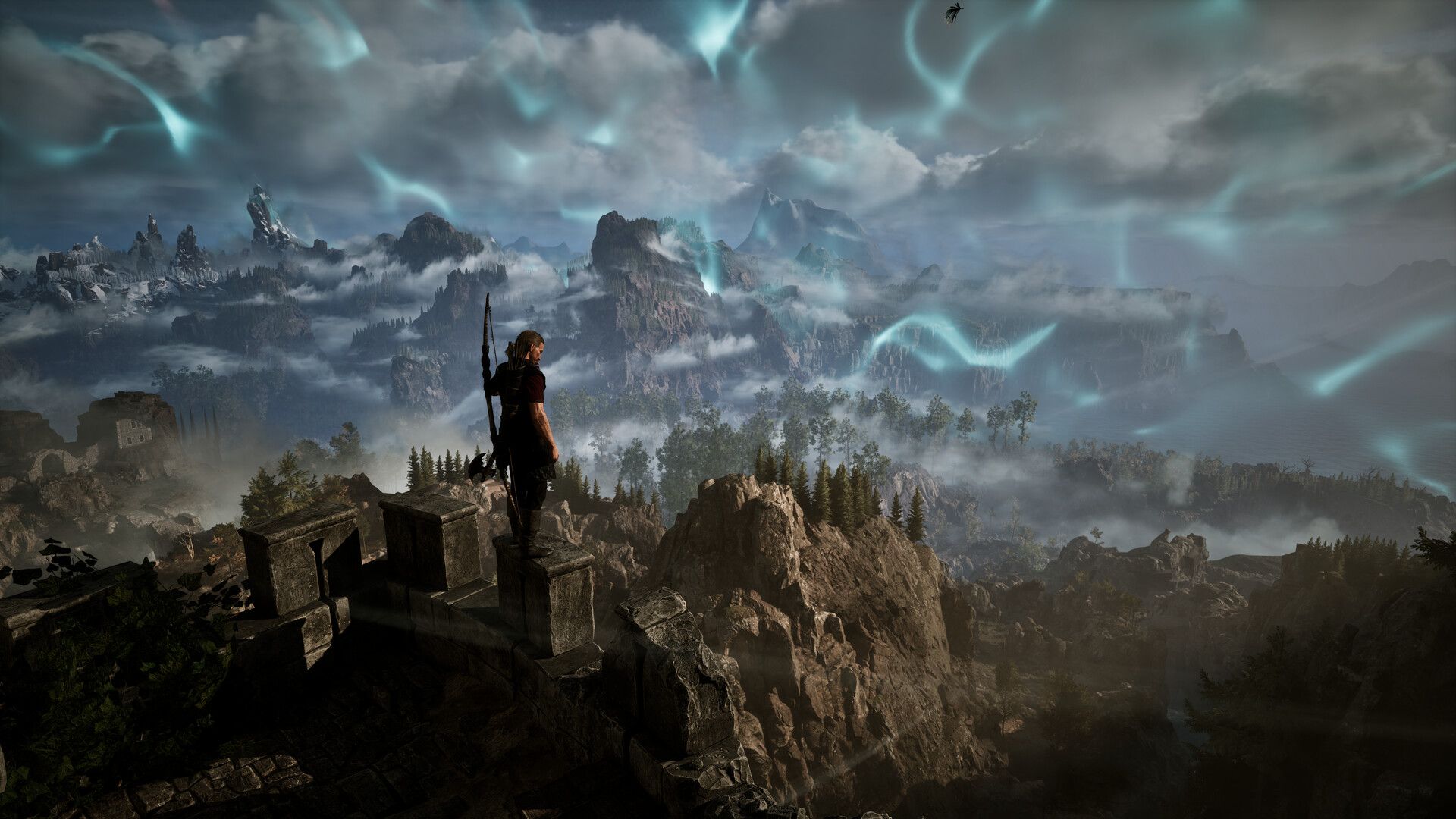
Nothing really compares to Gothic. While several newer games try to recreate its unique atmosphere and challenging gameplay – like Of Ash and Steel – they never quite succeed. What makes Gothic special is how everything works together: the detailed world, overall design, character progression, and sense of freedom. It truly lets you transform from an unknown outsider into a force that can shake up the established order.
Alkimia immediately grasped what fans wanted: a faithful recreation of the original game, including its dark fantasy style and gritty atmosphere. They prioritized delivering that experience, even if it meant sacrificing some modern conveniences or smooth gameplay.
Honestly, it’s tough to say exactly how well the original Gothic sold back in the day, or even in 2001! So when I see people saying the remake’s numbers are just because of the name recognition, I disagree. It feels like more than just nostalgia getting fans excited. I think a lot of us RPG players are really craving something different – something challenging, even if it’s a bit unforgiving. Let’s be real, the original was tough! Some people might bounce off after an hour, only to come back years later when it finally clicks… and that’s okay! The fact that Gothic 1 Remake can do that while still feeling like the game we loved is amazing, flaws and all.
Please remember that the opinions shared in this article belong solely to the author and don’t reflect the official stance of GamingBolt.
Read More
- Off Campus Season 1 Soundtrack Guide
- Netflix’s Little House On The Prairie Reboot: Release Date, Cast & Everything We Know
- Infinity Nikki Candlelight Reverie Challenge and Rewards Guide
- Gold Rate Forecast
- Brent Oil Forecast
- Prime Video’s New R-Rated Spy Thriller Is Officially No.1 On Streaming Despite Poor Reviews
- Silver Rate Forecast
- EUR ZAR PREDICTION
- 24 Jump Street in the works with Jonah Hill and Channing Tatum set to return
- KPop Demon Hunters Meets Avatar: The Last Airbender In Netflix’s 3-Part Fantasy Series
2026-06-15 21:53