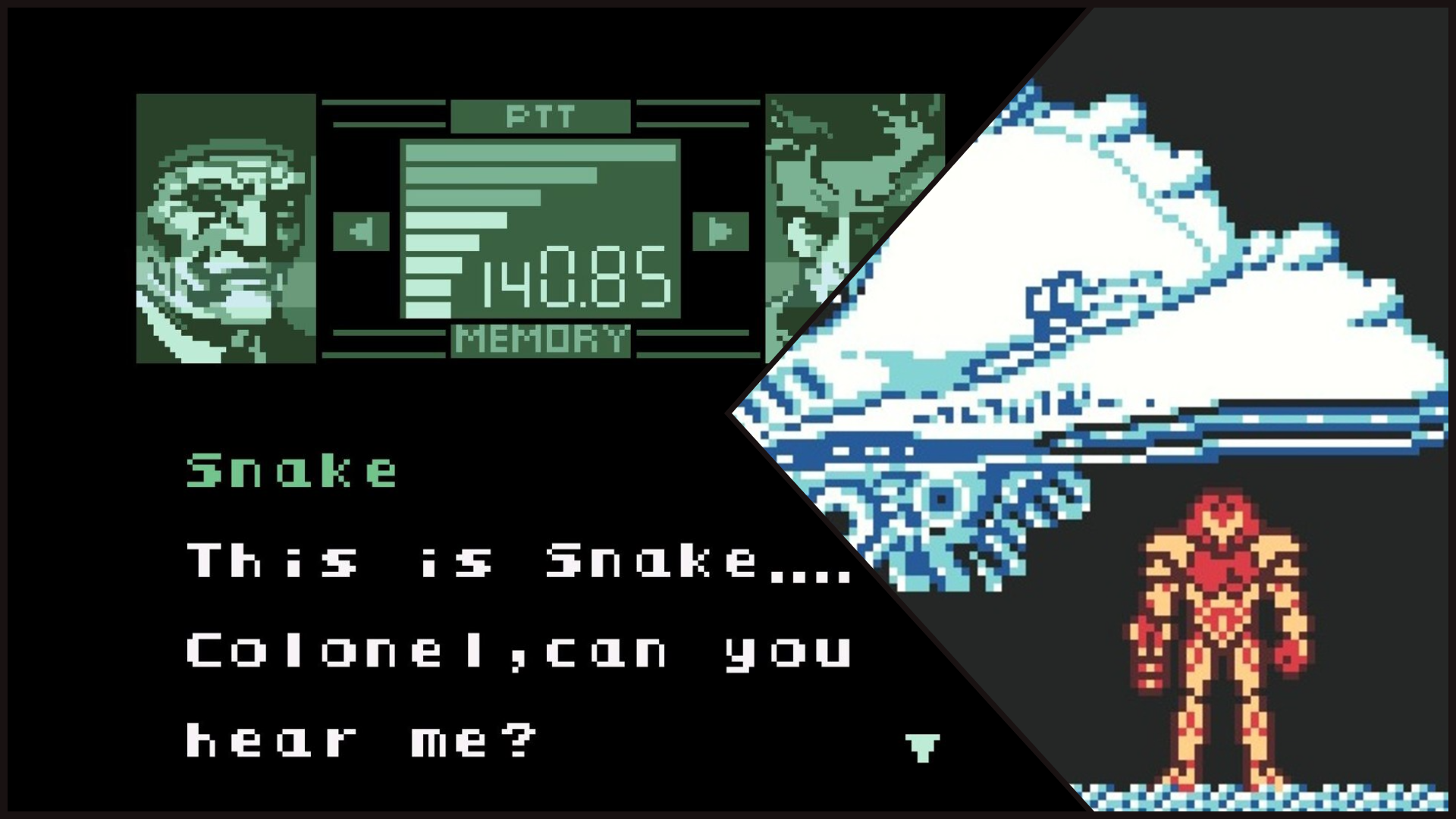
Honestly, when I think about everything that went into it, I’m amazed the original Game Boy took off the way it did! It wasn’t the first handheld with swappable games, and it definitely wasn’t a tech powerhouse, even back then. And the screen? Forget black and white – it was black and that weird shade of green! It’s incredible it was as popular as it became, considering all that.
Despite its simplicity, the system had three key strengths. Because it wasn’t overly complex, it was remarkably affordable and used batteries very efficiently. But the biggest advantage was the games Nintendo created for it. While the Sega Game Gear and Atari Lynx were impressive, you couldn’t play classics like Tetris or Super Mario Land on those systems.
As a huge Game Boy fan, what always blows me away is how many incredible games were released on that little system. For a long time, handheld games got a bad rap – people thought they were just watered-down versions of what you’d find on the NES. But so many Game Boy titles were genuinely fantastic, even if you compared them to games on bigger consoles! Today, I want to share some Game Boy (and Game Boy Color) games that really made a splash – they had a bigger impact on gaming than people give them credit for. And honestly, they’re all amazing, so I’m not even going to bother ranking them!
10. The Legend of Zelda: Link’s Awakening
The One that Broke the Rules
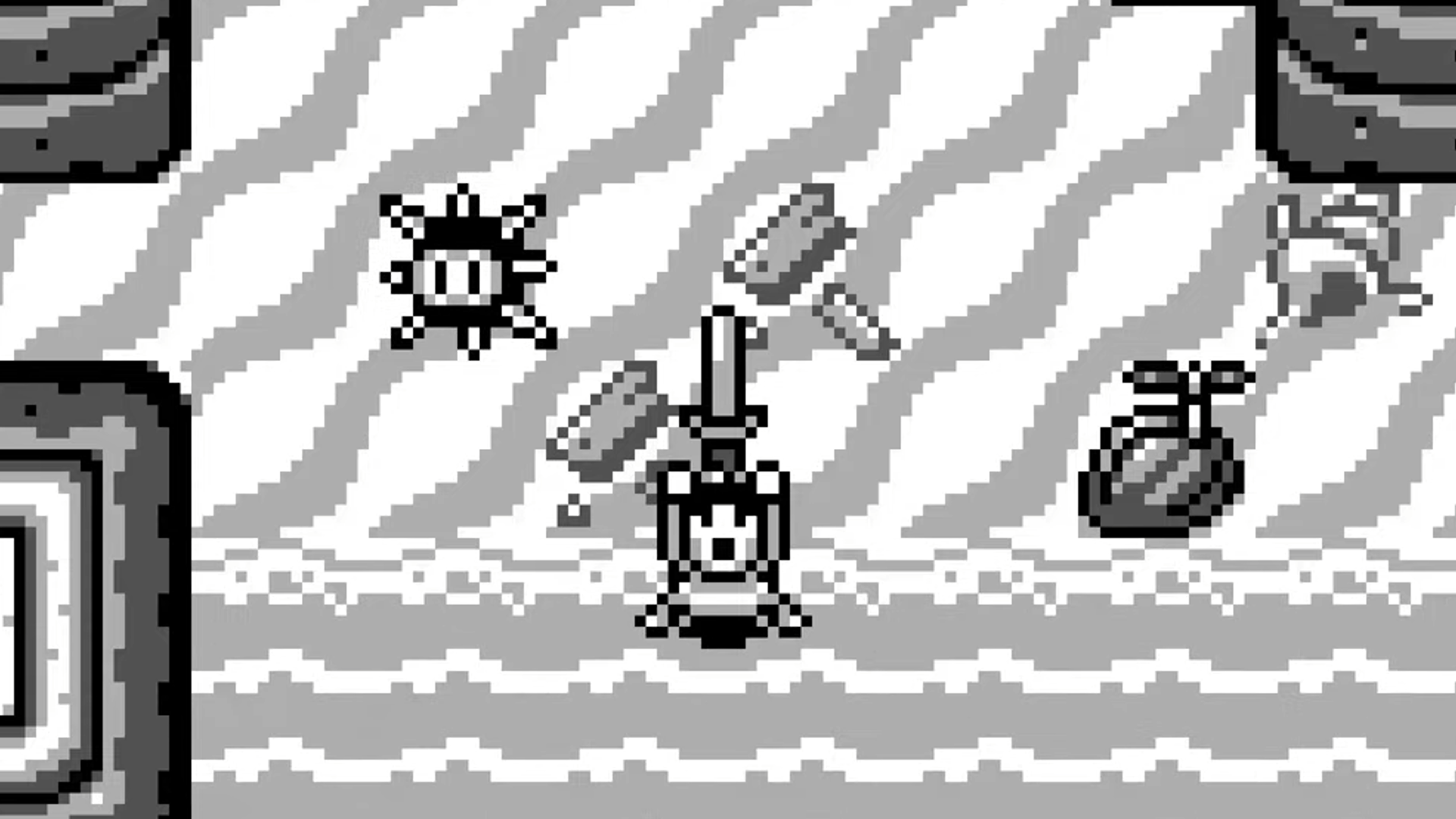
When The Legend of Zelda: Link’s Awakening came out, the series had already gone through its experimental phase with Zelda II: The Adventure of Link and found its footing. The Legend of Zelda: A Link to the Past had already wowed players on the Super NES, so many wondered how a Zelda game could actually improve by being released on the smaller Game Boy.
The success of Link’s Awakening came as a surprise because most people didn’t expect much from a Zelda game on the limited 8-bit, monochrome Game Boy. With series creator Shigeru Miyamoto focused on other projects, director Takashi Tezuka had the freedom to make some significant changes. One of the biggest was letting players equip items other than Link’s sword, opening up a lot of creative gameplay possibilities and item combinations.
Link’s Awakening perfectly showcased Nintendo’s strength: creatively reimagining familiar ideas. This willingness to innovate is a key reason why the Zelda series remains so groundbreaking even now.
9. Pokémon Red/Pokémon Green
Did You Catch Them All?
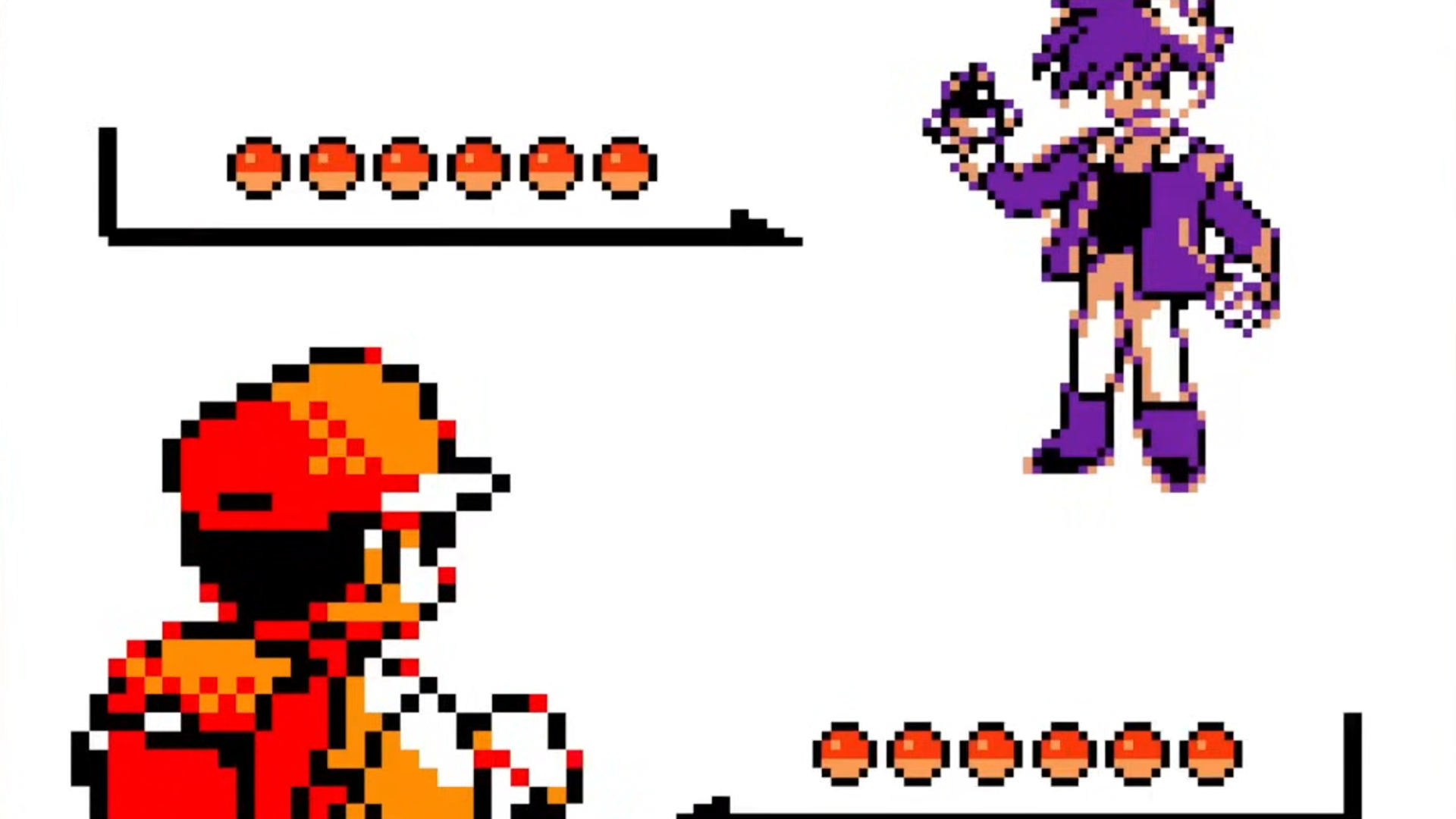
It’s clear Pokémon has had a huge impact on the world. Just look around! But let’s focus on how the original Red and Green games changed the video game industry. Honestly, we could spend a long time listing all their contributions. However, when considering their influence on modern gaming, it’s important to remember they helped make role-playing games, or RPGs, incredibly popular.
Before Pokémon became a global phenomenon, Nintendo of America really wanted to make Japanese-style Role-Playing Games popular in the US. They heavily promoted the very first Final Fantasy and Dragon Quest (released as Dragon Warrior here) on the NES, using a lot of advertising, particularly in Nintendo Power magazine. They even ran a big contest to support Final Fantasy and gave away copies of Dragon Warrior with magazine subscriptions. However, despite their efforts, these games didn’t really catch on.
Before Final Fantasy VII came out, Pokémon Red and Green captivated a generation with their focus on exploration and turn-based battles, and the series has remained incredibly popular ever since. These games not only got kids interested in RPGs (and buying them!), but they also inspired developers to add RPG-like features to all sorts of other games – a trend we still see today. While the original gameplay might not feel as polished now, its influence is undeniable, though opinions on that vary.
8. Kirby’s Tilt ‘N’ Tumble
Nintendo Was Experimenting with Motion Controls Even Back Then
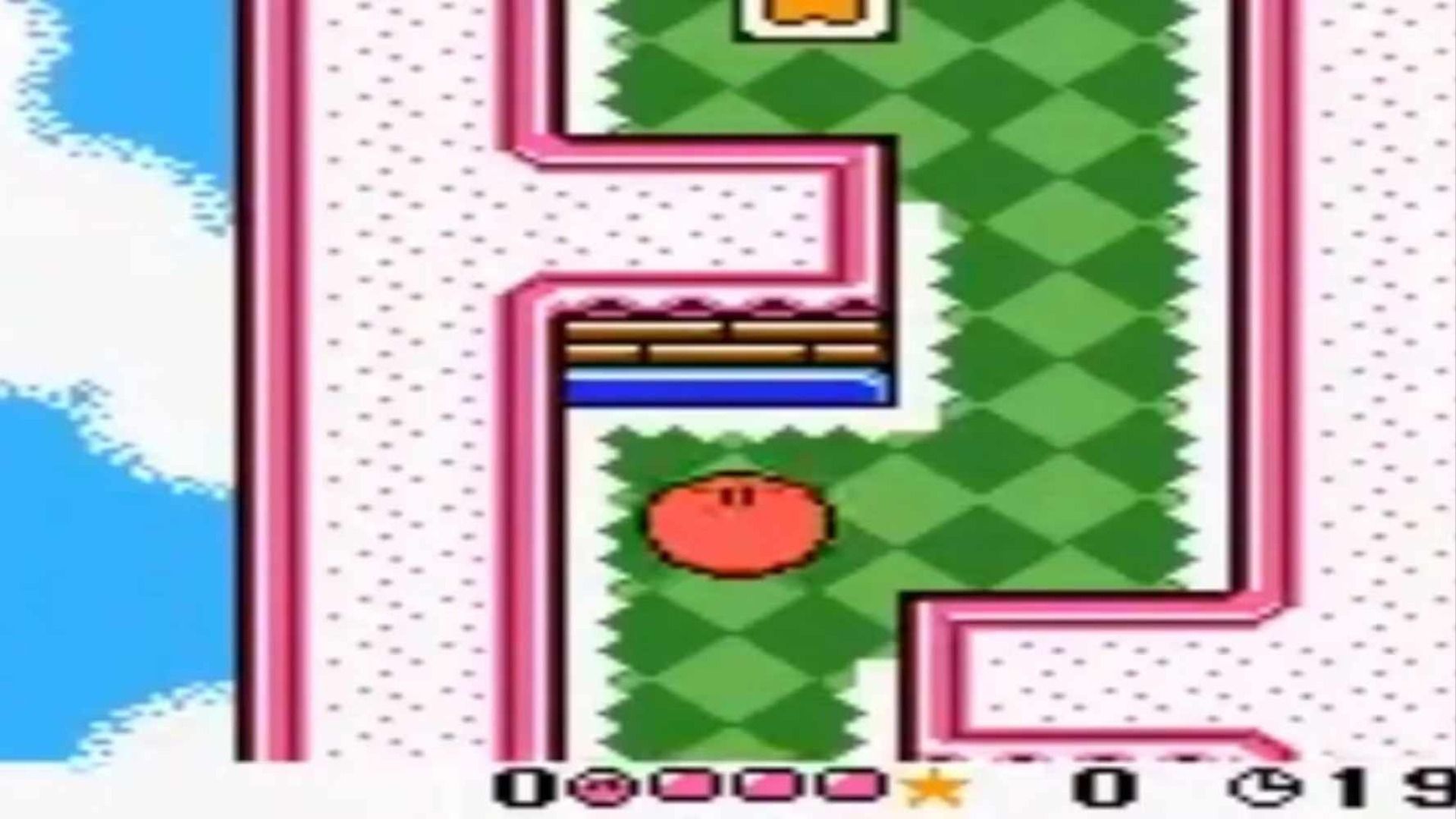
The announcement of the Wii in the early 2000s really took the world by surprise. Everyone wondered about these “motion controls” and how Nintendo had come up with the idea. While it wasn’t a completely new concept – the board game Labyrinth had used similar ideas for years – and even earlier, a game called Kirby’s Tilt ‘N’ Tumble had explored motion-based gameplay.
Tilt ‘N’ Tumble used motion controls – the same technology later found in the Wii – to let players move Kirby around the game. It was a success, selling over 1.2 million copies worldwide. While not the sole reason, it showed Nintendo that people were interested in this type of gameplay, helping pave the way for the Wii.
7. Super Mario Land 2: 6 Golden Coins
Proving SNES Quality Games Were Possible
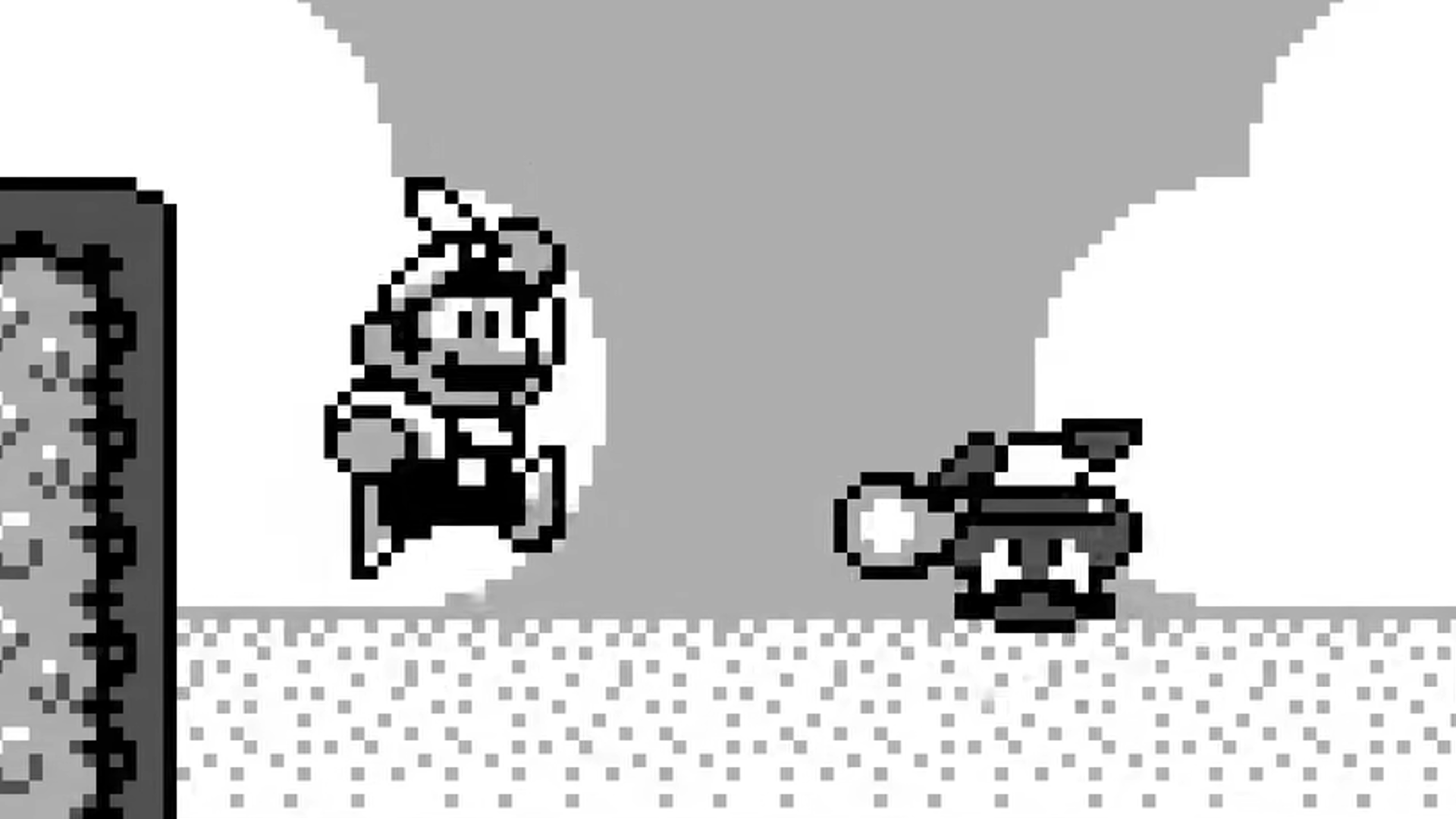
There’s plenty to say about Super Mario Land. It was enjoyable and played a part in the success of the Game Boy, selling over 100 million units. However, it wasn’t known for its graphics. The original Super Mario Bros. on the NES actually looked better, and that was before people even saw how good Mario could look on more powerful systems.
Look, as a gamer, I remember Super Mario Land being a huge deal. It actually sold way more copies than even Super Mario Bros. 3 – over 25 million, which is crazy! So, of course, they started planning a sequel. But by the time they were ready, the Super Nintendo and Super Mario World had already dropped. Honestly, a new Mario game looking like Super Mario Land just wouldn’t have flown, even if it was for the Game Boy.
As a huge fan, I was absolutely blown away by Super Mario Land 2: 6 Golden Coins. It wasn’t just a retro-looking game – it genuinely looked fantastic, even compared to Super Mario World! The sprites were incredibly detailed, and Nintendo really pushed the Game Boy to its limits with that cartridge. Plus, it introduced Wario, who quickly became one of Mario’s biggest enemies! It wasn’t just a fun game; it proved that you could make something amazing even with limited technology. It totally changed my mind about what the Game Boy was capable of!
6. Warioland: Super Mario Land 3
Nintendo Introduces Their Trojan Horse Method of Branding
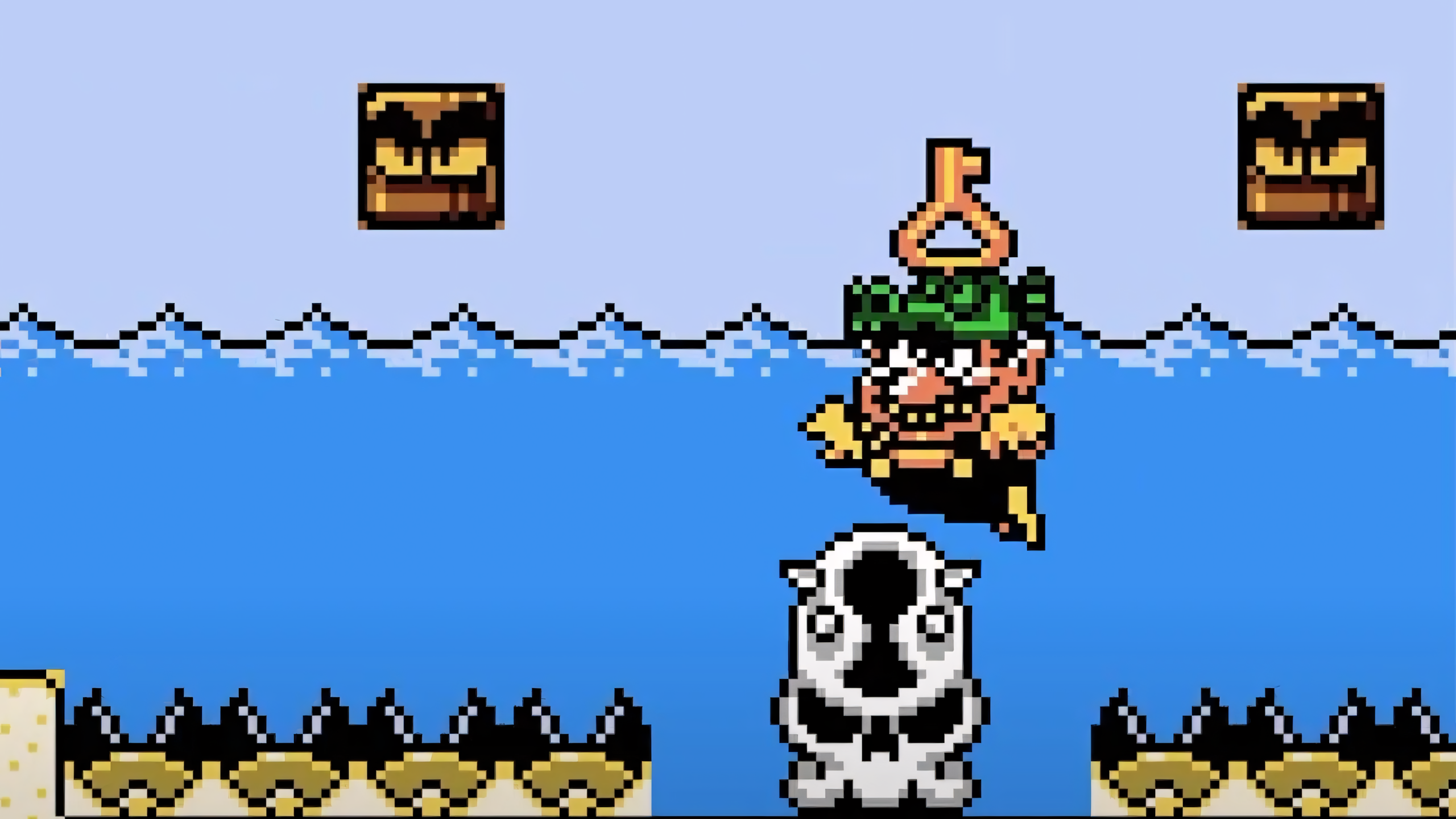
Wario became incredibly popular after being the villain in Super Mario Land 2: 6 Golden Coins. His appearance was so well-received that Nintendo decided to create a game starring him as the main character. They considered simply naming it Wario, but worried players unfamiliar with Super Mario Land 2 might not understand who he was or be interested in a game led by this new character. Ultimately, though, they decided against that simple title, just to be safe.
Nintendo cleverly established Wario’s first solo game as a direct continuation of Super Mario Land 2 by simply adding a subtitle to Wario Land. This proved successful, with the game selling over 5 million copies worldwide. They used a similar tactic when creating a game for Yoshi, the popular character from Super Mario World, releasing it as Super Mario World 2: Yoshi’s Island. Interestingly, Nintendo originally planned to title Super Mario World as Super Mario Bros. 4: Super Mario World in Japan, but decided the name was too long for Western audiences and opted for the shorter, more familiar title we know today.
5. Donkey Kong (1994)
Now, THIS is How to Remake a Classic

It’s hard to overstate how important Donkey Kong is to Nintendo’s history. The game rescued the company’s arcade business and introduced one of its most iconic characters – the mustachioed, hat-wearing hero we all know. Legend has it that Nintendo even built the original Famicom console with the goal of perfectly recreating Donkey Kong at home. Because of this legacy, when the game was ported to the Game Boy, Nintendo wanted to do more than just a simple conversion.
When I first started playing, it felt like the classic Donkey Kong I remembered! But honestly, that’s just the beginning. Once you beat the first four levels, the game really opens up. It’s like Shigeru Miyamoto was testing out ideas he’d use in future games – things he hadn’t even fully developed yet! Mario can pull off some amazing moves, like surviving huge falls, doing flips, and even carrying his hammer through the levels. And with a whopping 97 brand-new levels, they added a world map to help you keep track! To me, Donkey Kong ’94 is the perfect example of how to take an old favorite and make it feel fresh and exciting without losing what made it special in the first place.
4. Tetris
That Theme Music is Now Stuck in Your Head
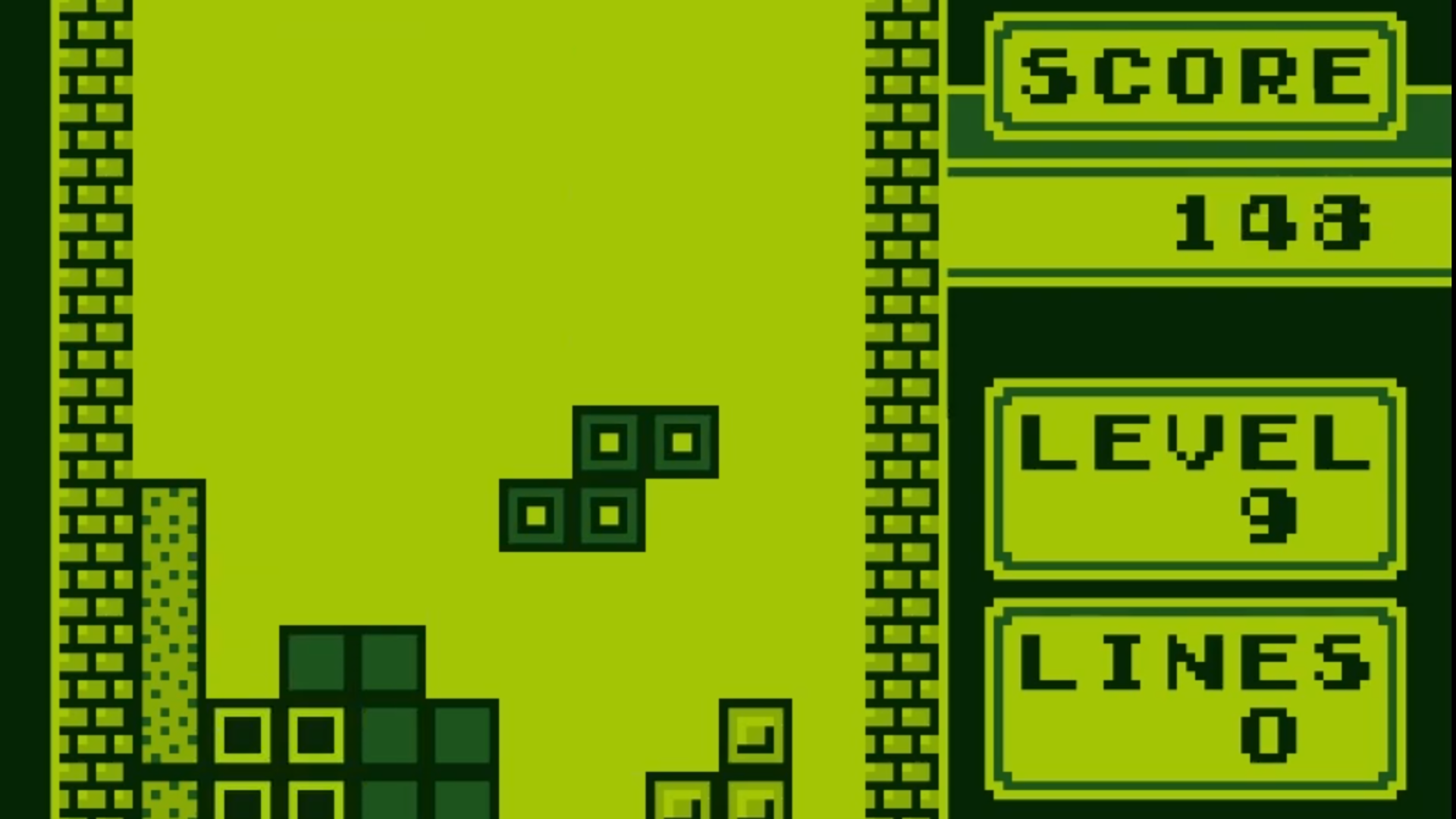
If you watch documentaries about the Game Boy on YouTube, you’ll almost always see the same clip: a woman receiving a Game Boy as a gift, often at a party. This scene is famous because the Game Boy usually came with a copy of Tetris, which was a huge reason for its initial success. Tetris appealed to everyone – from commuters on public transport to kids at school.
Nintendo quickly learned that many older adults were interested in their games, and appealing to them didn’t mean changing their focus on family-friendly content. They also discovered that simple, easy-to-learn games were just as popular as complex role-playing games – you can see this today by looking at the most popular games on app stores like Apple and Android.
3. Metroid II: Return of Samus
More Than Just a “Portable Version” of a Classic Game
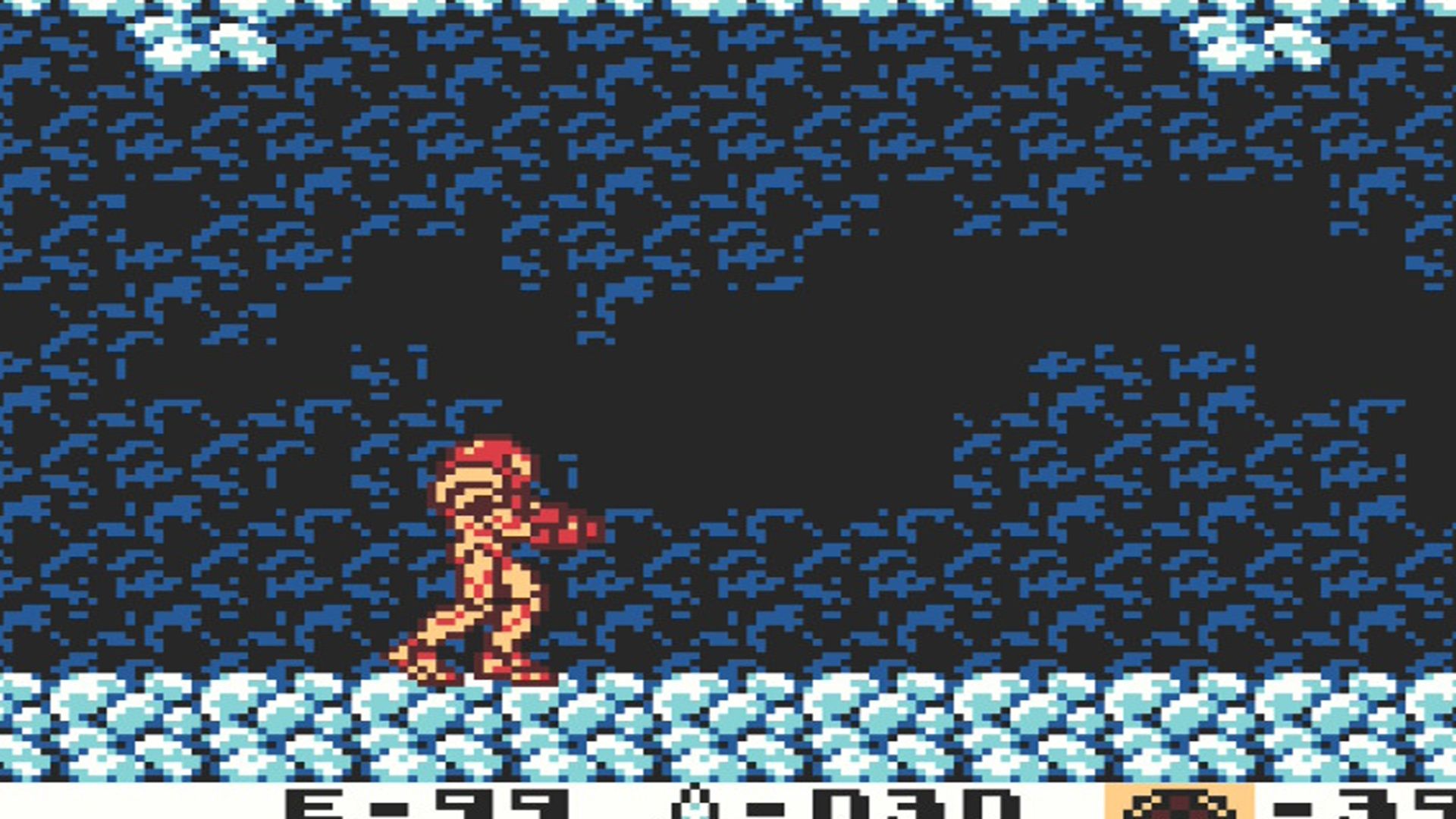
Historically, Game Boy games were often considered simplified versions of games available on home consoles. A good example is comparing Super Mario Bros. to Super Mario Land. It was generally thought that the Game Boy didn’t get entirely new, full-fledged installments in major game series. However, that assumption isn’t actually true.
Subscribe to the newsletter for deeper Game Boy insights
I didn’t have a single favorite NES game growing up – my preference changed pretty often! – but Metroid always struck me as the coolest. That’s why I loved its sequel, Metroid II: Return of Samus, and still do – it’s my favorite Game Boy game. More importantly, it proved that a series could thrive on that handheld console.
Metroid II wasn’t a spin-off or side story; it was a core installment in the Metroid series, continuing the main storyline. This is similar to how Link’s Awakening and Kid Icarus: Of Myths and Monsters were considered important parts of their franchises. And while Metroid: Samus Returns is a good game, it’s notable because it remade an 8-bit game that didn’t necessarily need a remake.
2. Metal Gear: Ghost Babel
Kept You Waiting, Huh? Oh, You Weren’t Waiting? Never Mind.
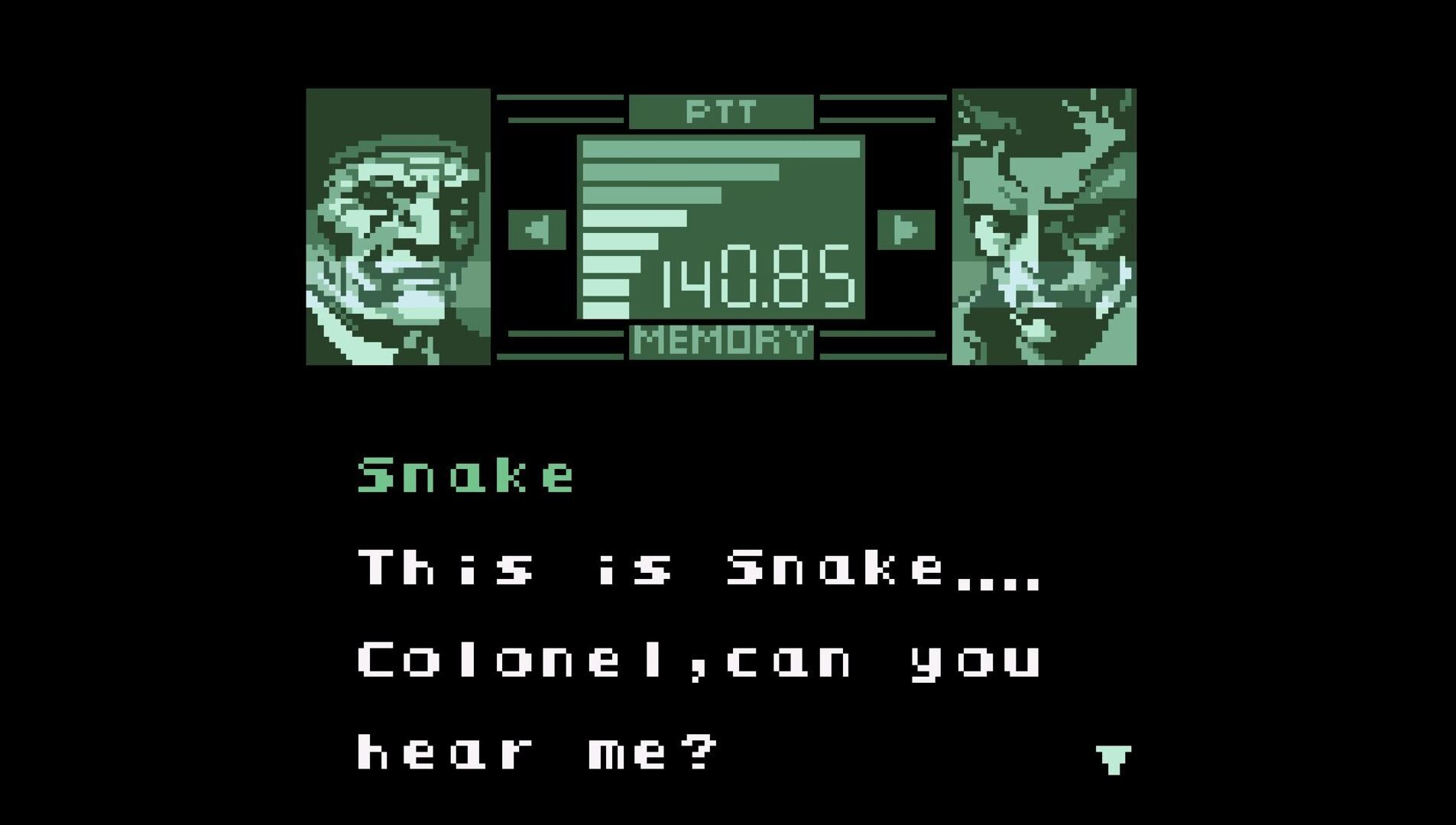
The Metal Gear Solid series is known for its intricate gameplay and movie-like stories, but it actually started as a simple 8-bit game. Many of the things fans love about the series first appeared in those early games for the MSX computer. So, it wasn’t surprising when Metal Gear successfully moved to the Sony Playstation and then to handheld consoles. What was surprising, though, was just how incredible it looked and played on portable hardware.
Metal Gear Solid: Ghost Babel (known as just Metal Gear Solid outside of the US) isn’t officially part of the main Metal Gear story. It’s more of a sequel to the very first game, set in its own separate timeline. Similar to how the Wario Land games used the Super Mario name, Ghost Babel borrowed the popular ‘Metal Gear Solid’ title to gain recognition—the name ‘Solid’ clearly resonated with players! Despite being an offshoot, it’s just as engaging and intricate as the early Metal Gear titles. While series creator Hideo Kojima was only a producer on this game, it’s remarkably well-made and feels like one of his directed projects.
1. X
Consider the Spot Marked!
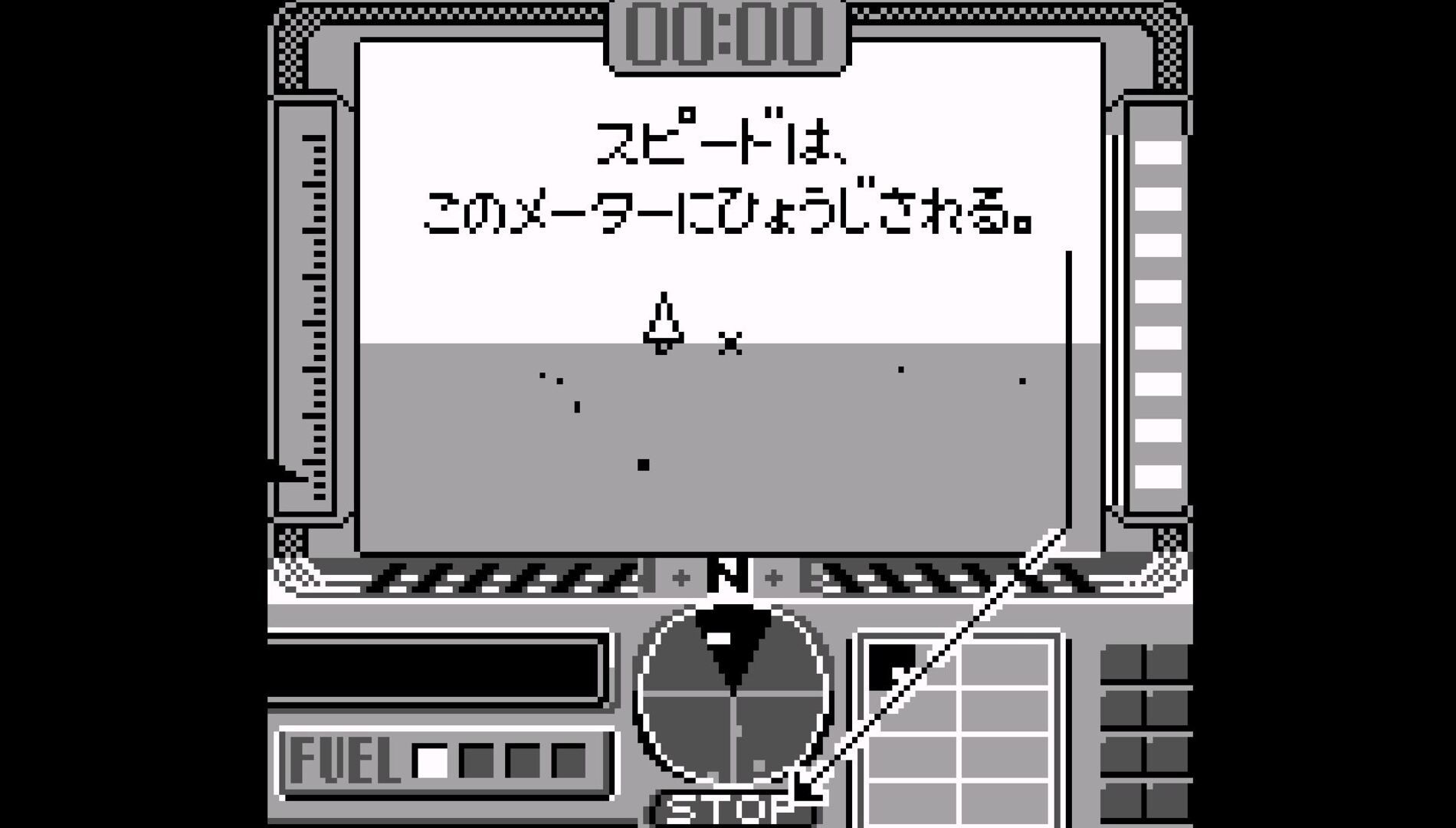
We’ll finish our list with a game many of you likely recognize, but probably haven’t played. This 1992 title, simply called X, was incredibly important because it helped pave the way for games like Star Fox – and 3D gaming as a whole. Along with Faceball 2000, it was a remarkable technical feat for its time, even if the gameplay wasn’t amazing. Interestingly, both games were created by the same person, Dylan Cuthbert, who later went on to develop Star Fox for the Super Nintendo.
Once the hardware could handle 3D graphics, the special technology used to create it became unnecessary. However, the leap from 2D to 3D game development was huge, and these early 3D games provided developers with valuable experience.
Read More
- Gold Rate Forecast
- What is Omoggle? The AI face-rating platform taking over Twitch
- Wartales Curse of Rigel DLC Guide – Best Tips, POIs & More
- Hokum: Director Damian McCarthy’s Scary New Horror Movie Starring Adam Scott
- The Devil Wears Prada 2 Cameos You May Have Blinked and Missed (Plus Lady Gaga)
- How To Grow Money Trees In Animal Crossing: New Horizons
- Monarch: Legacy of Monsters Confirms Why Godzilla Didn’t Kill Kong
- Elden Ring Is Back With A New Free Game, Thanks To The Fans
- The Strongest Mortal Kombat II Movie Characters, Ranked
- Audible opens first ‘bookless bookstore’ in New York
2026-05-08 22:42