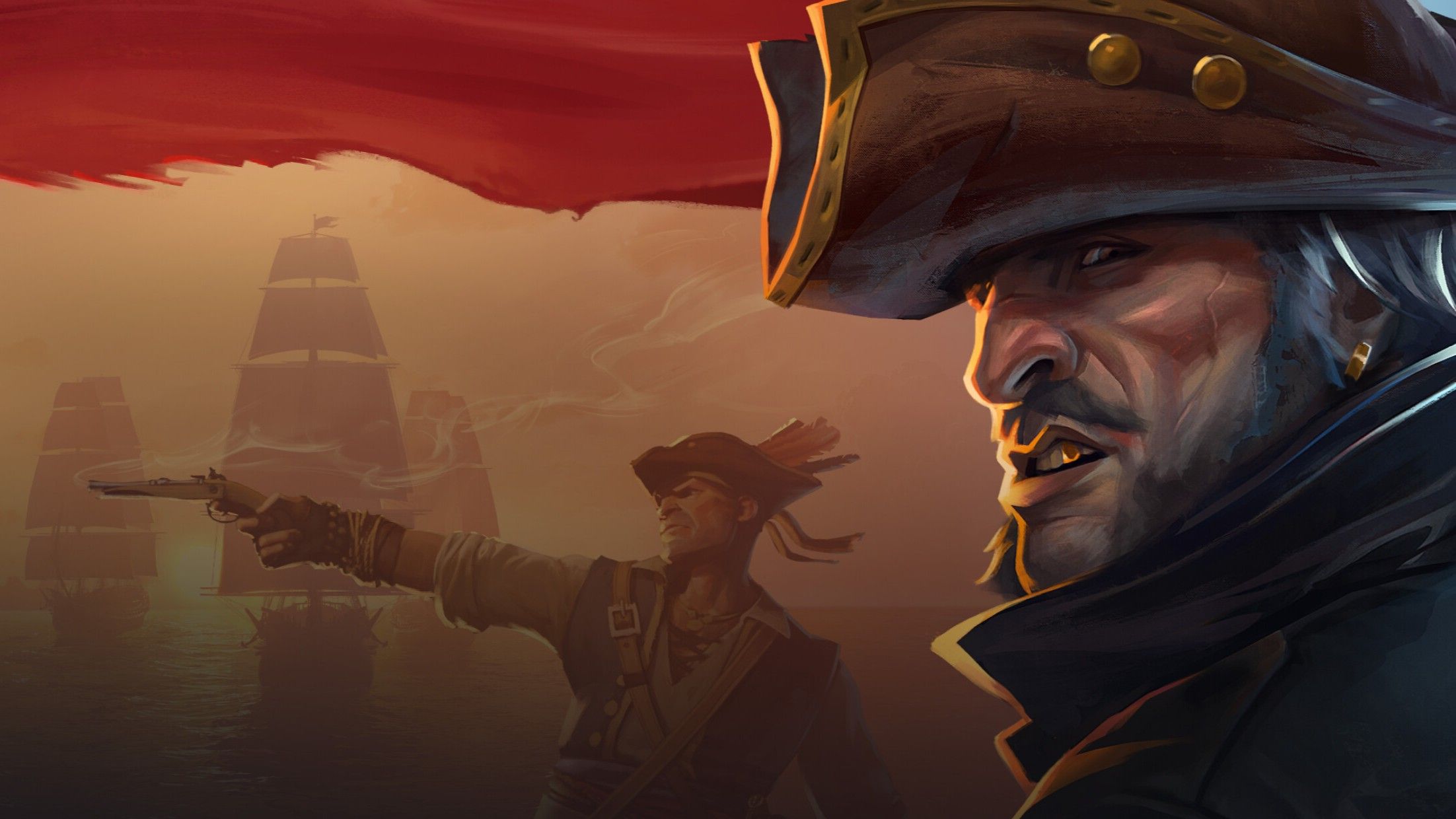
Windrose is a new survival-crafting game from indie developer Kraken Express that’s rapidly gaining popularity. Players become pirates, teaming up with friends to sail the ocean, explore diverse environments, battle challenging bosses, and gather resources to chart their course to new lands.
The game quickly became a hit, selling over a million copies in just six days after its initial release. This success is largely due to positive player feedback and a well-received demo that generated a lot of excitement. Industry analysts are surprised by this rapid growth, especially considering that many large, high-budget games take months to reach similar sales figures.
As a huge fan, I have to say Windrose is amazing! It totally scratches that itch for a classic pirate adventure – you really feel like you’re swashbuckling and hunting for treasure. But honestly, what makes it even better is playing with friends. It’s a fantastic co-op experience, and I immediately started telling all my gaming buddies they need to check it out.
I’ve been thinking about why Windrose feels so different, and it really comes down to how the developers, Kraken Express, made and promoted their game. It also hits at a bigger thing – a lot of us gamers are starting to get a little tired of what the big AAA studios are putting out. Windrose feels like a perfect example of what indie games can do right now, and honestly, it feels like a guide for those bigger studios on how to get us excited again.
How Did Windrose Get So Popular?
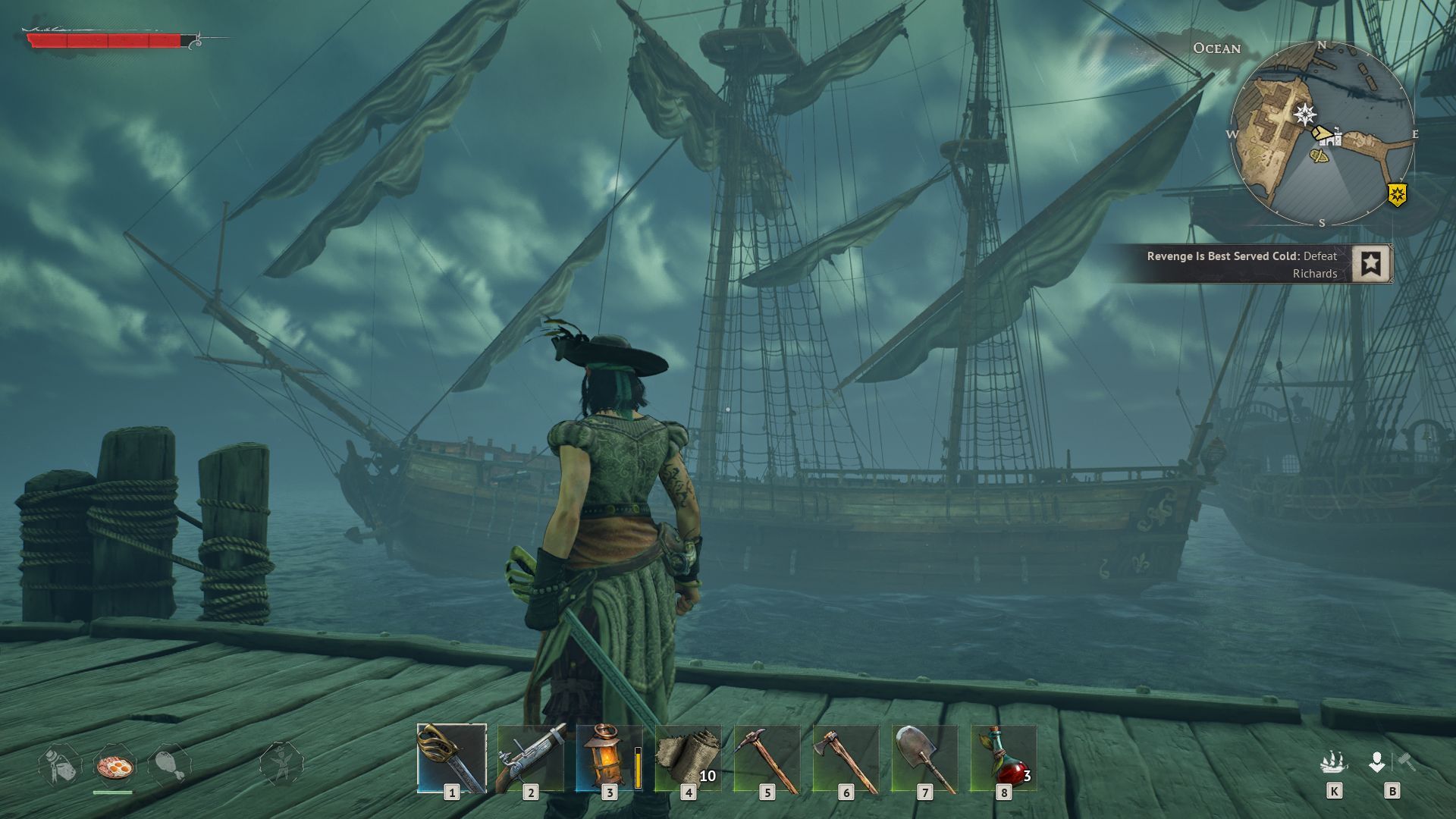
Windrose achieved success in a way that differs sharply from Highguard’s failure. Unlike Highguard, which kept much of its game secret hoping to generate excitement with a surprise launch, Windrose was remarkably open with players. Before the game’s early access release, they launched a demo in February, allowing players to try it out and providing valuable feedback and positive word-of-mouth.
One major reason Windrose has gained so many dedicated fans quickly is that players have been waiting for a pirate game like this for a long time. Many loved the pirate adventures in Assassin’s Creed IV: Black Flag and have been searching for a similar experience. While Ubisoft’s Skull and Bones didn’t quite deliver, Windrose has emerged as a strong contender to fill that void and become the pirate game fans have been hoping for.
Okay, so I’ve been playing Windrose, and it’s a really solid survival game. There’s a ton to do, which is awesome. Honestly, if your friend loves games like Elden Ring, you could totally describe it as that, but with pirates! For those of us who are into survival and crafting, people are already comparing it to Valheim, which is a good sign. Even just doing everyday stuff like farming or fishing feels really good and adds to the experience, and it’s even better when you’re doing it with friends. It’s a game you can really share.
Why Are Indies Able to Outpace AAAs?
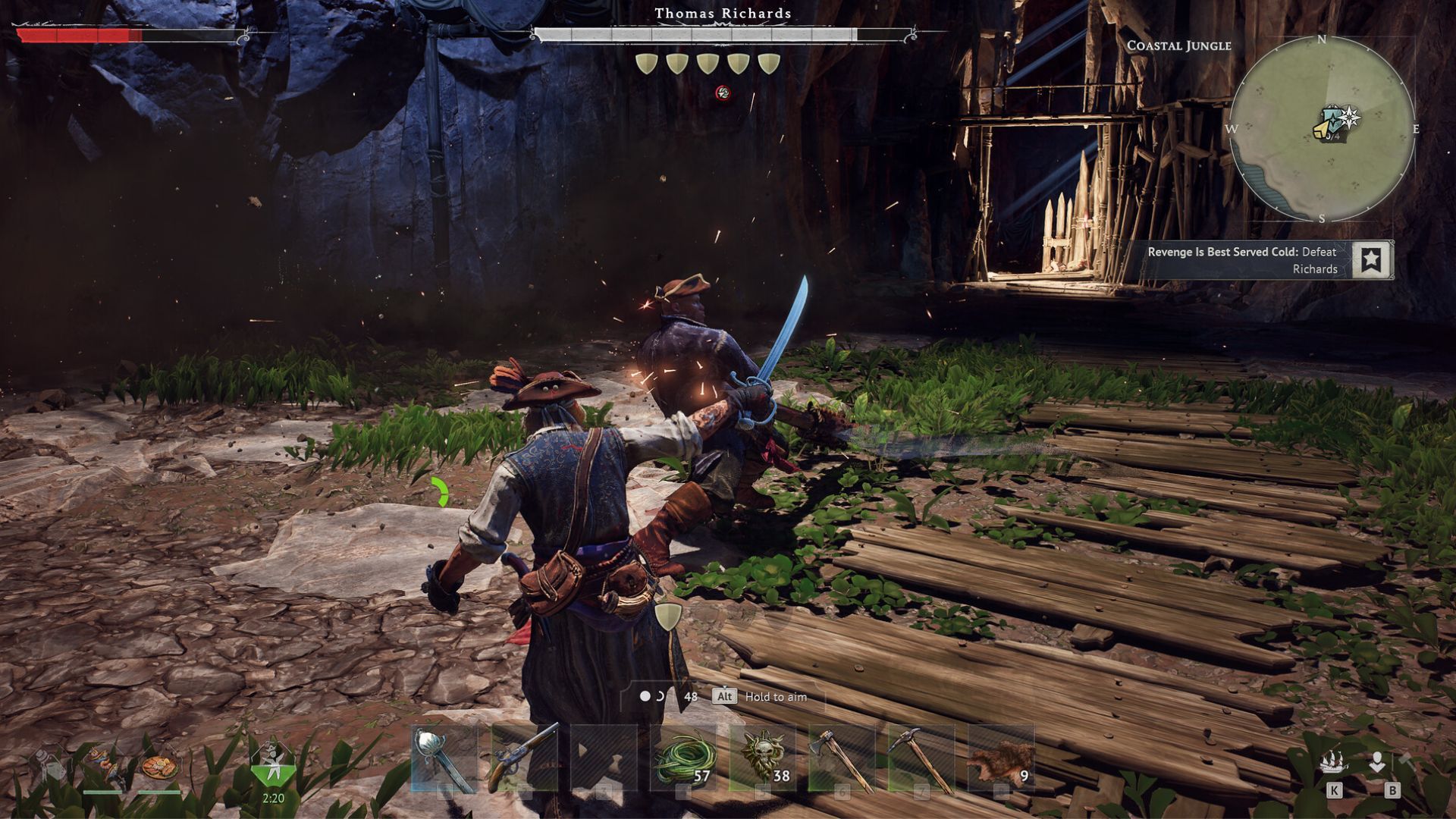
Recently, many people have been wondering how smaller, independent game studios have been creating games that are as successful – and sometimes even more successful – than those from large, established studios. Games like Balatro, Slay the Spire 2, and Clair Obscur: Expedition 33 are great examples, having quickly become popular with players and winning awards.
Unlike some other recent releases, the launch of Sony and Bungie’s online shooter, Marathon, faced a lot of criticism and negativity. Although the game sold reasonably well and maintained a decent player base, many were quick to call it a failure.
Players tend to be very supportive and enthusiastic about independent games, but much more critical of big-budget titles, often quick to point out any flaws. This isn’t entirely unfair – indie and mid-range games often showcase incredible creativity and genuine passion, building dedicated communities around them. In contrast, large studios frequently release ‘live service’ games filled with pricey cosmetic items that don’t always feel worth the cost.
These games have huge development costs, so they rely heavily on players spending money within the game to stay afloat. If they don’t attract enough spending, they often get shut down within a year of release.
Recently, several ambitious online games have failed to gain traction, most notably PlayStation’s Concord, which reportedly cost $400 million to develop but didn’t make any profit. PlayStation has also cancelled multiple other planned live-service games, including online multiplayer versions of The Last of Us, Spider-Man, and God of War. The cancellation of the God of War project even led to the closure of Bluepoint Games, a well-respected studio known for its high-quality remakes of single-player classics.
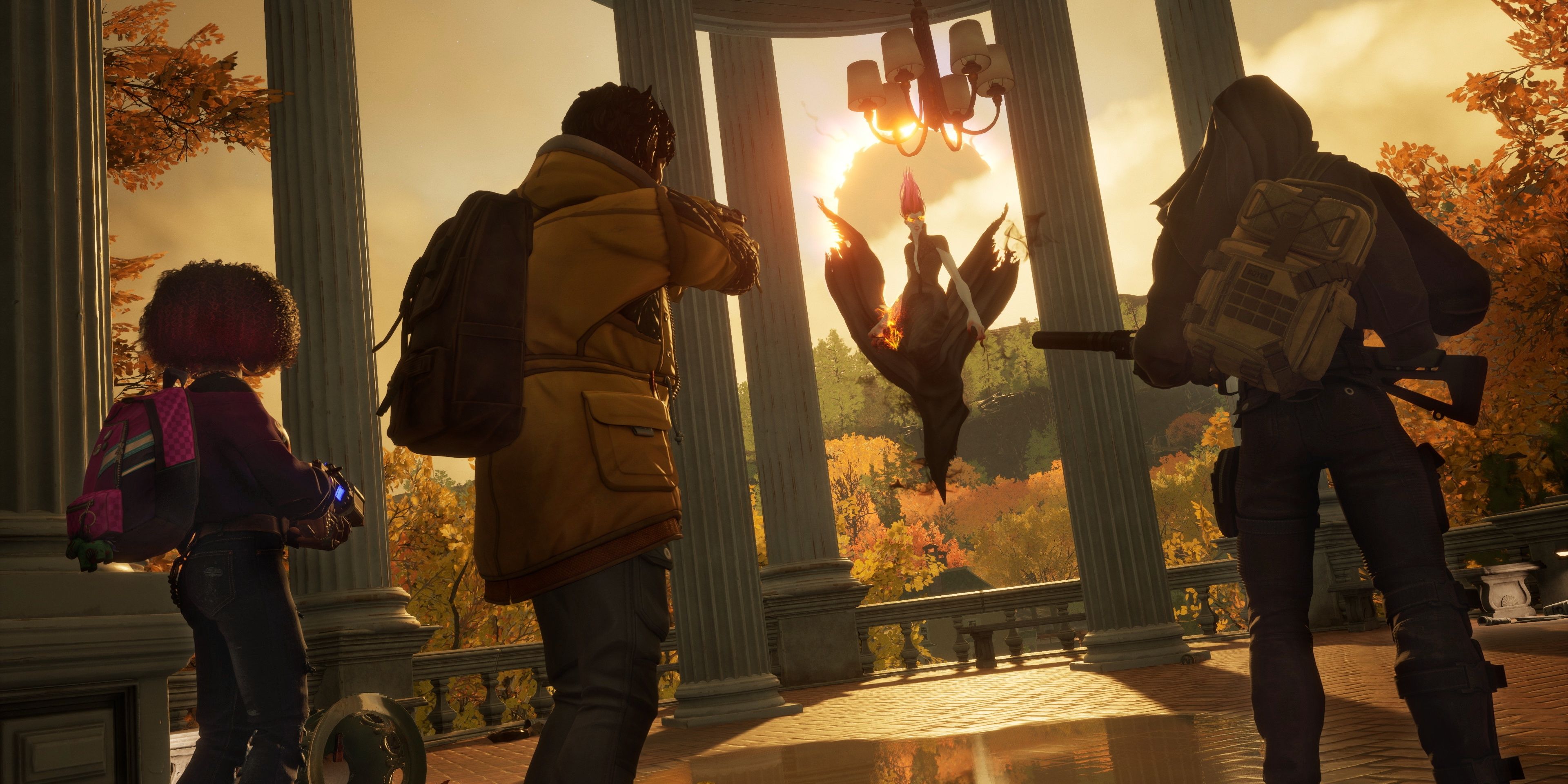
The most puzzling thing about Redfall is its target audience. The developers at Arcane disliked the idea of constantly updating the game with new content, and the pressure to do so really hurt team morale. Players have also been clear that they’re tired of multiplayer games trying to copy Fortnite’s model and prefer simpler games with fair ways to spend money. If the people making the game didn’t want to make it this way, and players don’t want to play it, it’s hard to understand who this game is actually for.
So, while there’s a ton of new stuff coming out, it’s really important to remember that most of it is indie games, not big-budget AAA titles. I checked SteamDB, and in just one month – March – they had over 2,400 games added, but a whopping 1,400 of those were indie! It’s tough for any game to really stand out, but indies especially need to get people talking – whether it’s good or bad – to become a big hit. It doesn’t happen often, but when it does, it’s awesome!
What Can AAA Learn From Windrose’s Success?
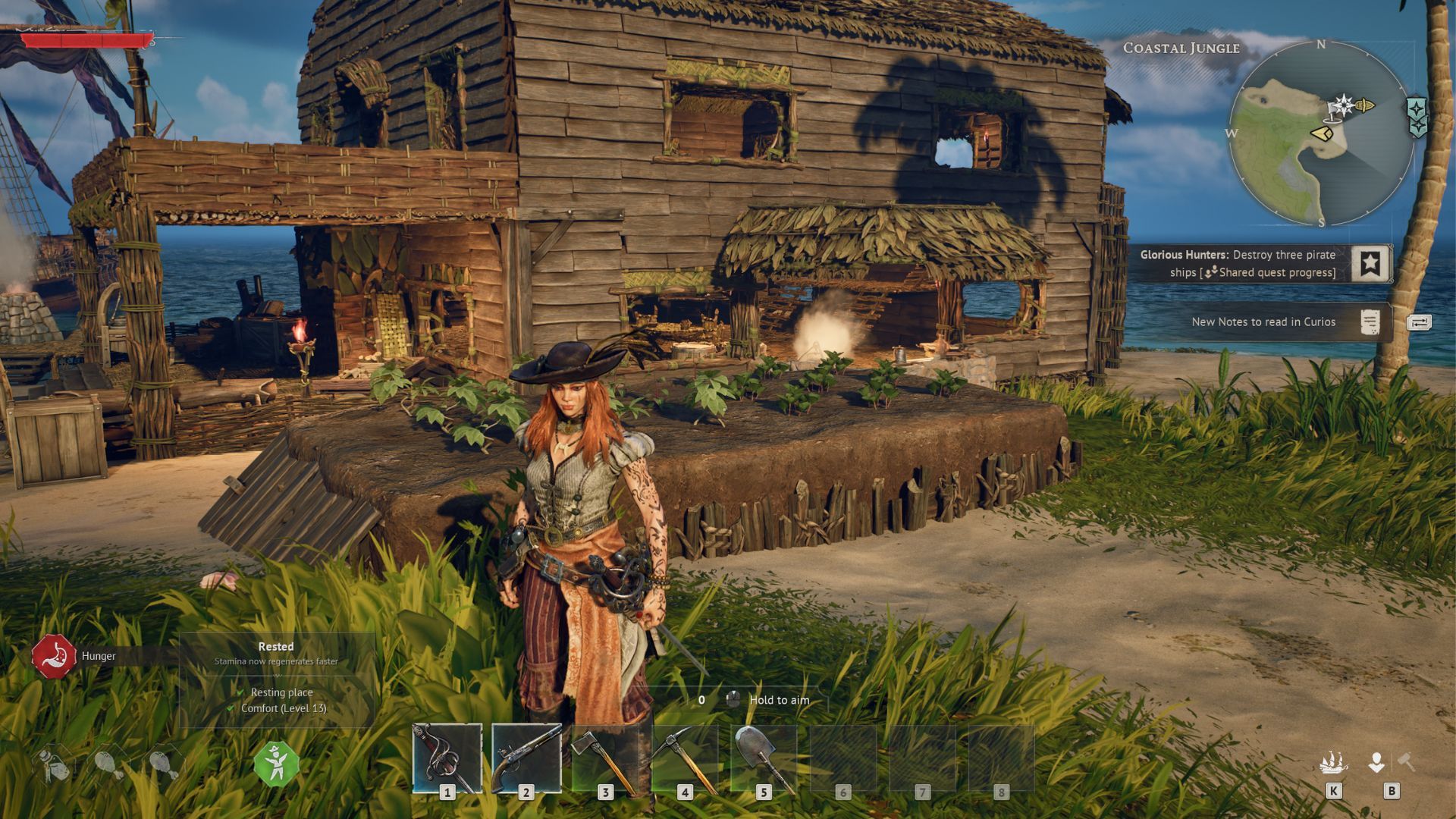
Even though Windrose quickly became a hit, larger game studios shouldn’t overlook its significance.
As with any game, positive feedback from players is essential for growth, and it’s best to showcase a polished version early on to generate excitement.
Windrose is gaining popularity because it’s finally giving gamers what they’ve wanted for over a decade. Many games try to copy whatever’s currently popular, but by the time they’re finished, those trends have often passed. We’ve seen this a lot – especially with genres like battle royale, where many games appeared long after the initial hype died down.
People tend to be very supportive and enthusiastic about independent games, but they’re often quick to find fault with major, blockbuster titles.
Kraken Express has found success with its pirate adventure, something many larger, more established games are currently missing. The game wasn’t always what it is today – it began as a player-versus-player free-to-play game called Crosswind. But after testing it with players in August 2025, the developers listened to feedback and cleverly changed the game to focus on players working together instead.
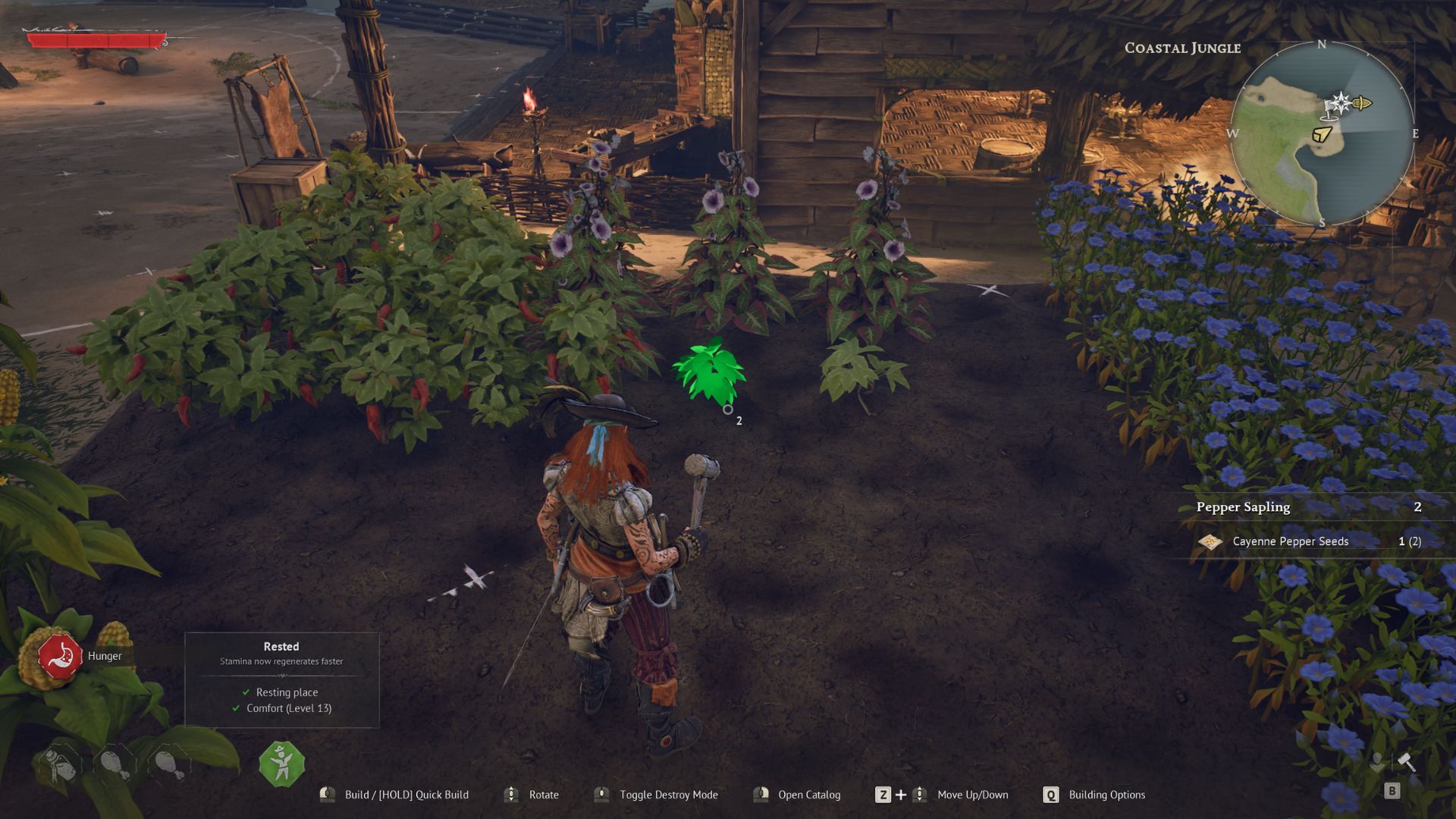
Switching our focus not only reduced the frustration new players felt when facing tougher opponents, but also let us emphasize the social aspects of the game. Playtesting showed players really enjoyed building and crafting, creating a more relaxed and inviting experience that’s easy to share with others.
Making big changes to a game is especially challenging for large studios because of their complex decision-making processes. However, it’s clear that listening to players early on and focusing on what they enjoy is incredibly valuable. This approach helps identify and fix problems before the game is released. Avoiding post-launch fixes is important, as a poor initial impression can lead to increased criticism and require more work to recover from.
Honestly, it really bummed me out learning about the developers at Highguard and Redfall who tried to speak up about problems with their games. They brought these issues to their bosses, and then to see them get silenced and then fired right after launch? It’s just awful. I kept thinking, if they’d been given the time and support to rework things, maybe turn it into something truly special like Windrose did, they could have pulled a Final Fantasy XIV – a real comeback story. It’s such a shame to see potential wasted like that.
Why Windrose Continues Indie’s Streak of Outperforming AAA
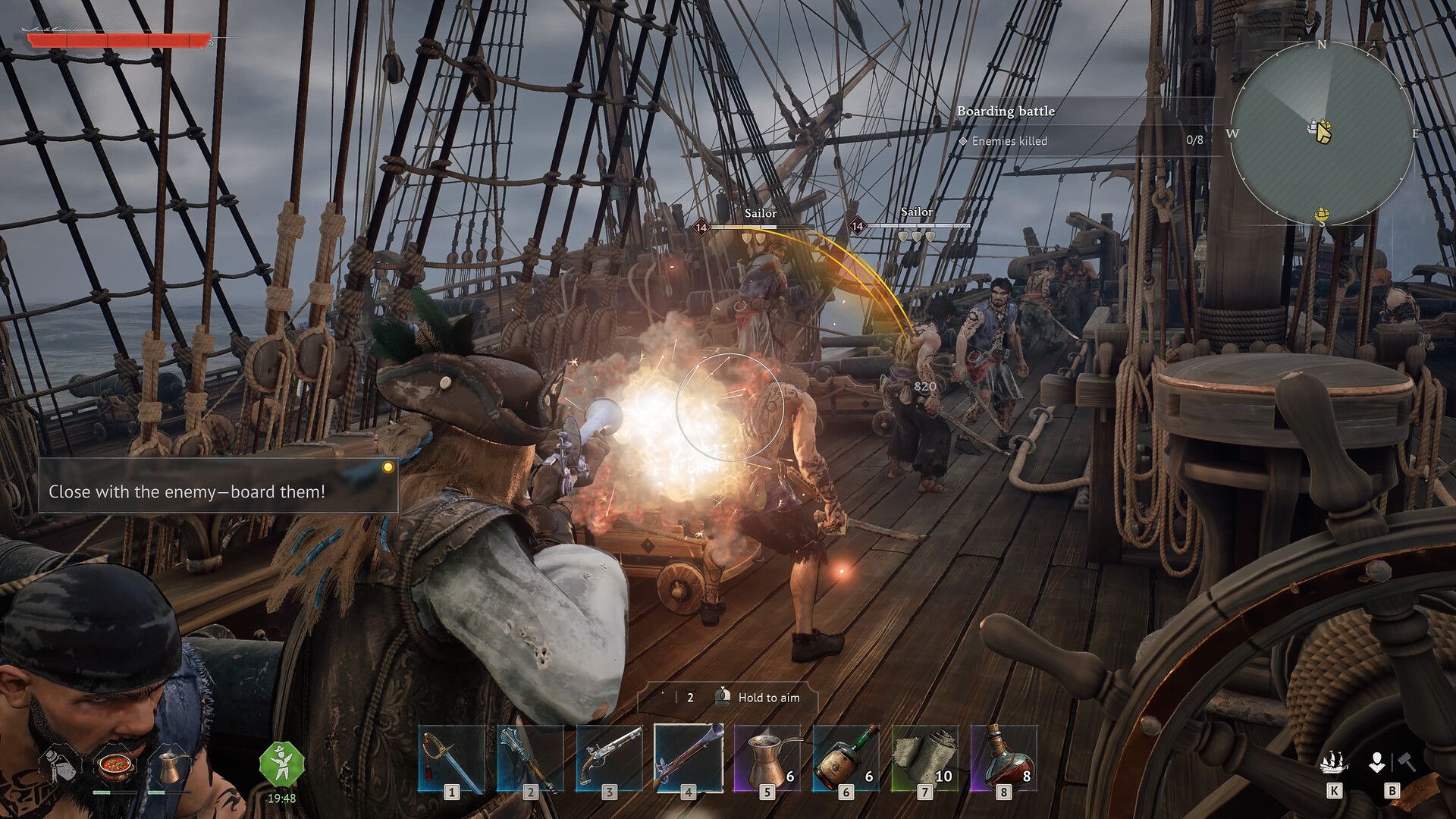
I previously mentioned that the idea that indie games are doing better than big-budget games is misleading. It only focuses on the successful indie titles and overlooks the many that nobody plays. However, the success of games like Windrose shows that indie games are increasingly popular with more casual players.
Subscribe to our newsletter for deeper indie game analysis
The video game industry is a massive market, earning over $197 billion last year, and it’s still growing quickly – projected to increase by 7.5% this year, according to NewZoo. Recent data from the Entertainment Software Association shows that gaming is becoming more inclusive, with 51% of players being male and 48% female, suggesting the traditional gender gap is shrinking.
There are many factors contributing to this – I could go on and on about things like the decline of local arcades, the shift to online communication during the pandemic, and gaming becoming more affordable. However, a major reason is that independent game developers now fill a space that large, mainstream game companies simply can’t maintain anymore.
In the past, big game studios like Rockstar would often create smaller games, such as those based on Austin Powers for the Game Boy, while also working on huge titles like Grand Theft Auto. Today, these large studios can only focus on a limited number of projects because games are much more expensive and require larger teams to develop. Plus, many experienced developers are leaving these big companies – sometimes because of burnout, and sometimes due to layoffs – and are starting their own independent game studios where they can pursue their own creative ideas.
There’s a gap in the gaming market because big studios now almost exclusively create extremely expensive games. This has created an opportunity for independent, or ‘indie,’ games to thrive. These smaller titles offer focused, well-designed experiences at lower prices and don’t require massive time commitments from players.
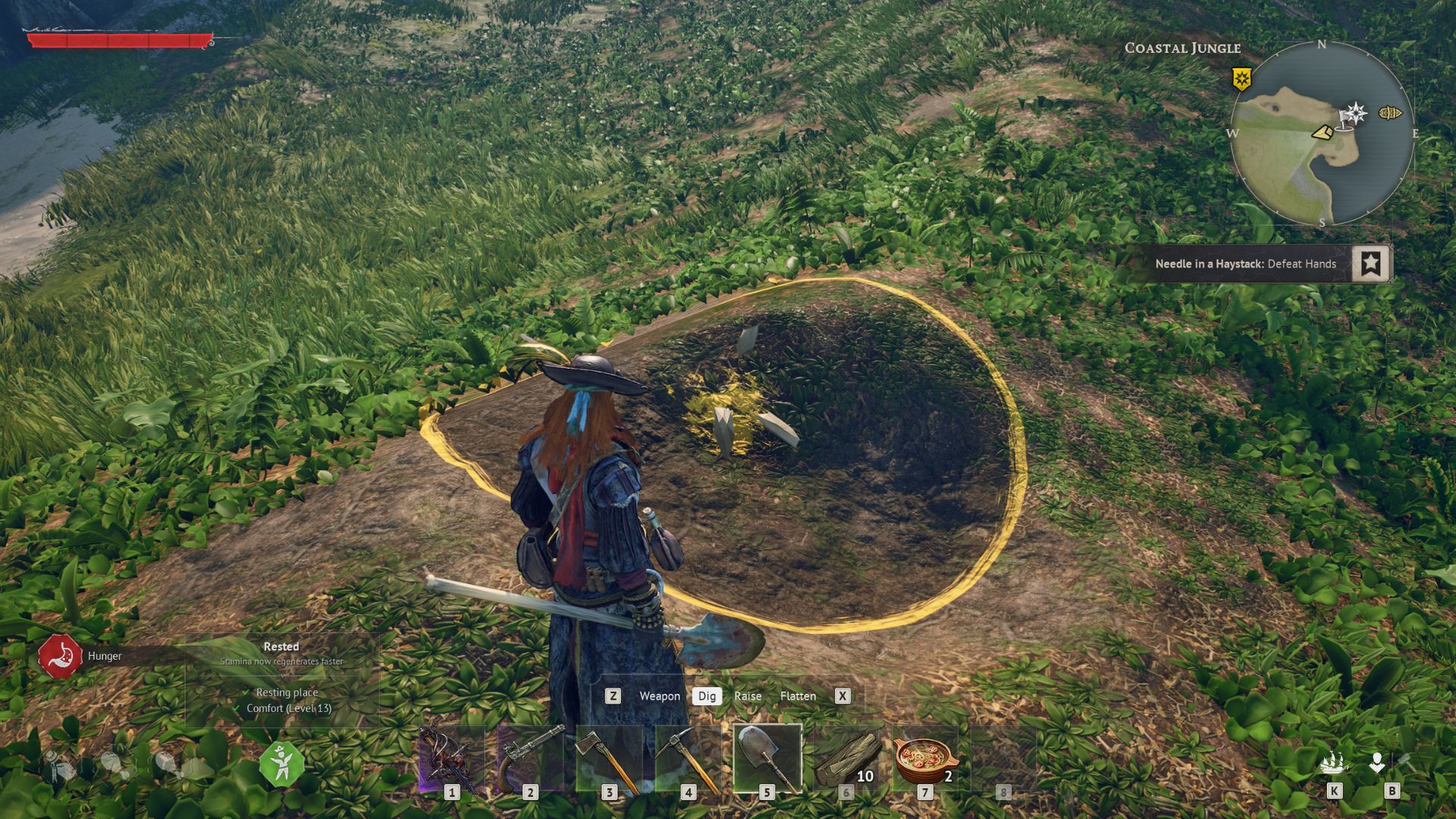
Indie games often spread quickly through word-of-mouth because they’re usually more original and less polished than mainstream titles. Games like Peak, Lethal Company, and Stardew Valley have become incredibly popular, building dedicated communities thanks to their unique and creative designs.
While big-budget AAA games still dominate the market – evidenced by the fact that most major studios are avoiding a release near GTA 6 this November – independent games are quickly gaining ground. A surge of talented developers, cheaper game-making tools, and the freedom to try new things are leading to a fantastic wave of creative indie titles.
It’s not surprising that Windrose is doing a better job of creating a realistic pirate game than major studios, particularly since those studios are making a lot of mistakes. The biggest question now is whether the game will fully launch as planned within the next year or two. However, with its strong start, it’s likely to maintain a loyal player base for the foreseeable future.
Read More
- Netflix’s Little House On The Prairie Reboot: Release Date, Cast & Everything We Know
- Off Campus Season 1 Soundtrack Guide
- YouTuber arrested after viral AI bodycam videos spark real police complaints
- Silver Rate Forecast
- Prime Video’s New R-Rated Spy Thriller Is Officially No.1 On Streaming Despite Poor Reviews
- Brent Oil Forecast
- Peaky Blinders: The Immortal Man’s Tommy Shelby Is a Better Father Than Michael Corleone
- Gold Rate Forecast
- Bulgakov’s Take: Koreans Bet the Farm on Chips, Crypto, and Chaos
- EUR ZAR PREDICTION
2026-04-23 18:41