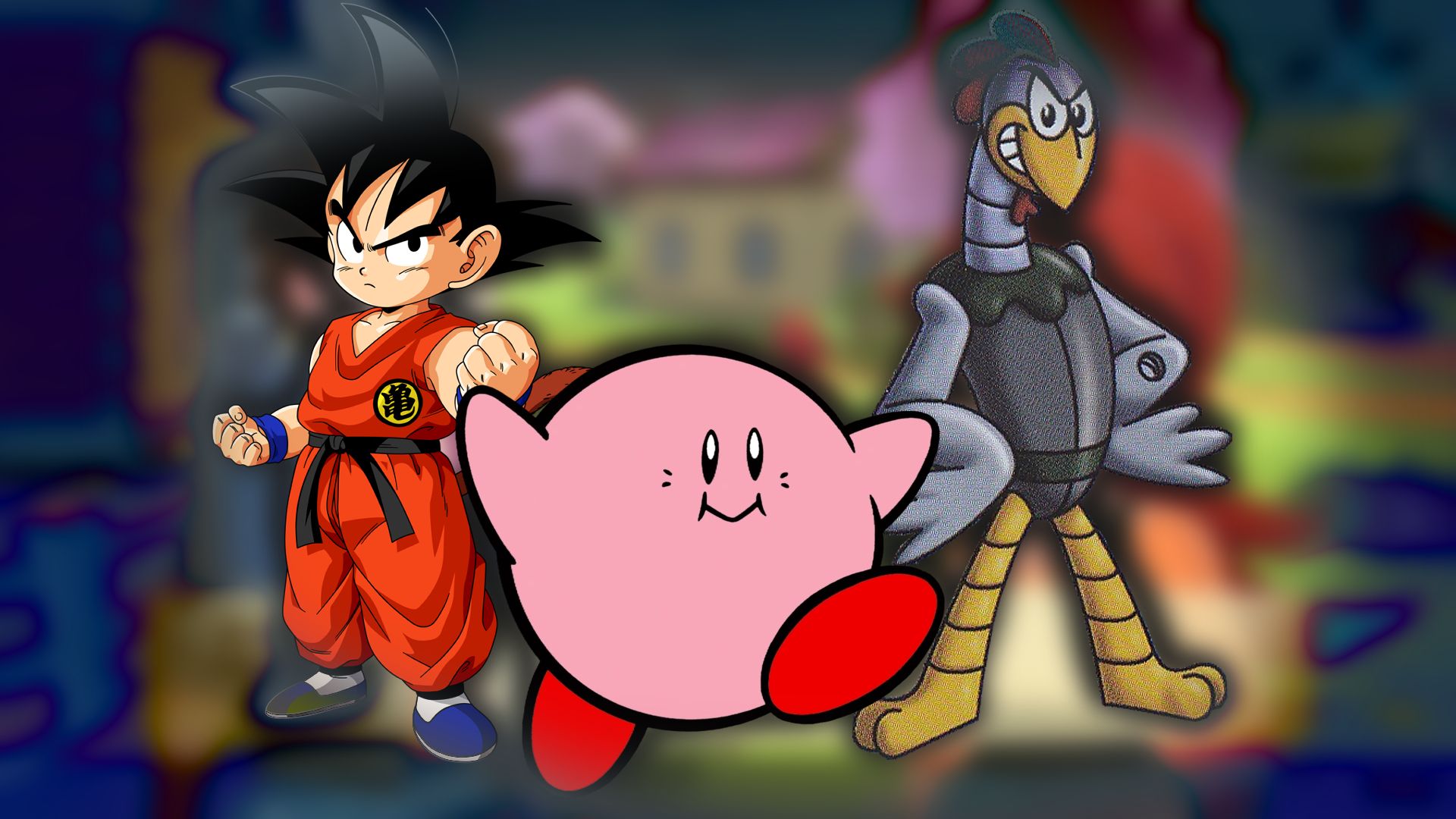
Before the internet connected everyone, things were complicated for fans of Japanese media in the West. Companies like Sega and Nintendo controlled which aspects of Japanese culture were released overseas. This control was so strong that even details got changed – famously, in one Pokémon episode, Brock holds up a rice ball but says it’s “a good jelly-filled donut!”
Ultimately, the goal was to make these games more enjoyable for players in America. Adapting content for different regions always involves ensuring that humor and cultural references translate well – meaning jokes still land and behaviors are understandable. Sometimes, older games underwent significant changes simply to appeal to a wider audience.
Let’s look through some of them together.
10. Dragon Power
Dragon Ball: Shenron’s Mystery
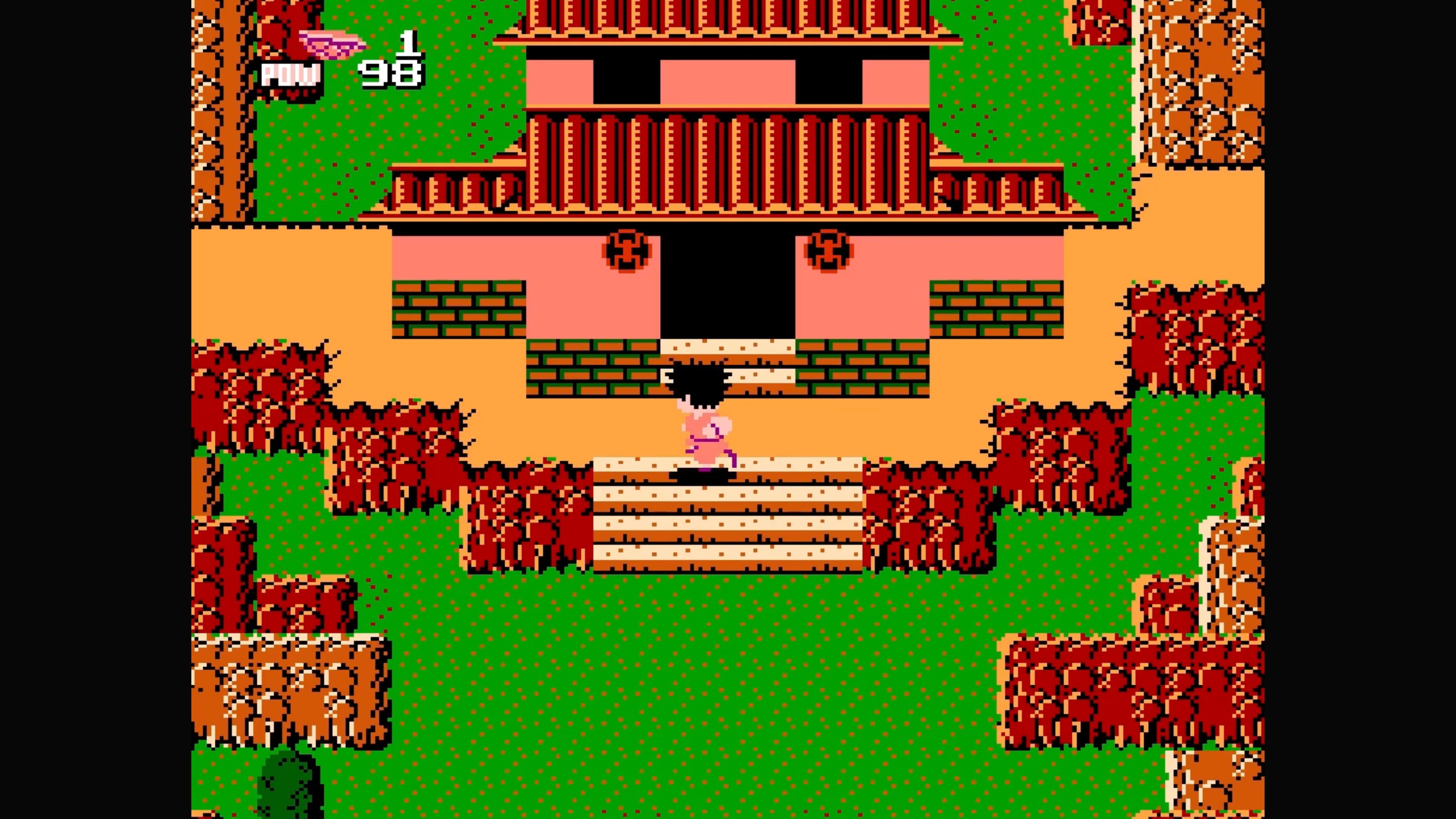
As a big Dragon Ball fan, I’ve played a lot of games – everything from flashy fighters like Dragon Ball FighterZ to older titles like Dragon Ball: GT Final Bout. But there’s this really unique NES game called Dragon Ball: Shenron’s Mystery that always sticks with me. It retells the very beginning of Goku’s journey, all the way up to when he summons Shenron for the first time! Honestly, it isn’t the prettiest or most complex Dragon Ball game ever made, but it’s a charming little adventure and I love its simplicity.
This game would have been closely based on the popular series if it hadn’t been heavily altered for release in America. Almost everything connecting the original Nintendo Entertainment System (NES) game to Akira Toriyama’s work was removed or replaced. For example, you don’t play as Goku anymore—instead, you control a similar-looking character. Bulma received a new name, and the iconic Dragon Balls were swapped with “Crystal Balls.” These changes are so noticeable upon inspection that they likely explain why no legal action was ever taken regarding its development.
9. Last Battle: Legend of the Final Hero
Fist of the North Star: The New Legend of the Post-Apocalyptic Messiah
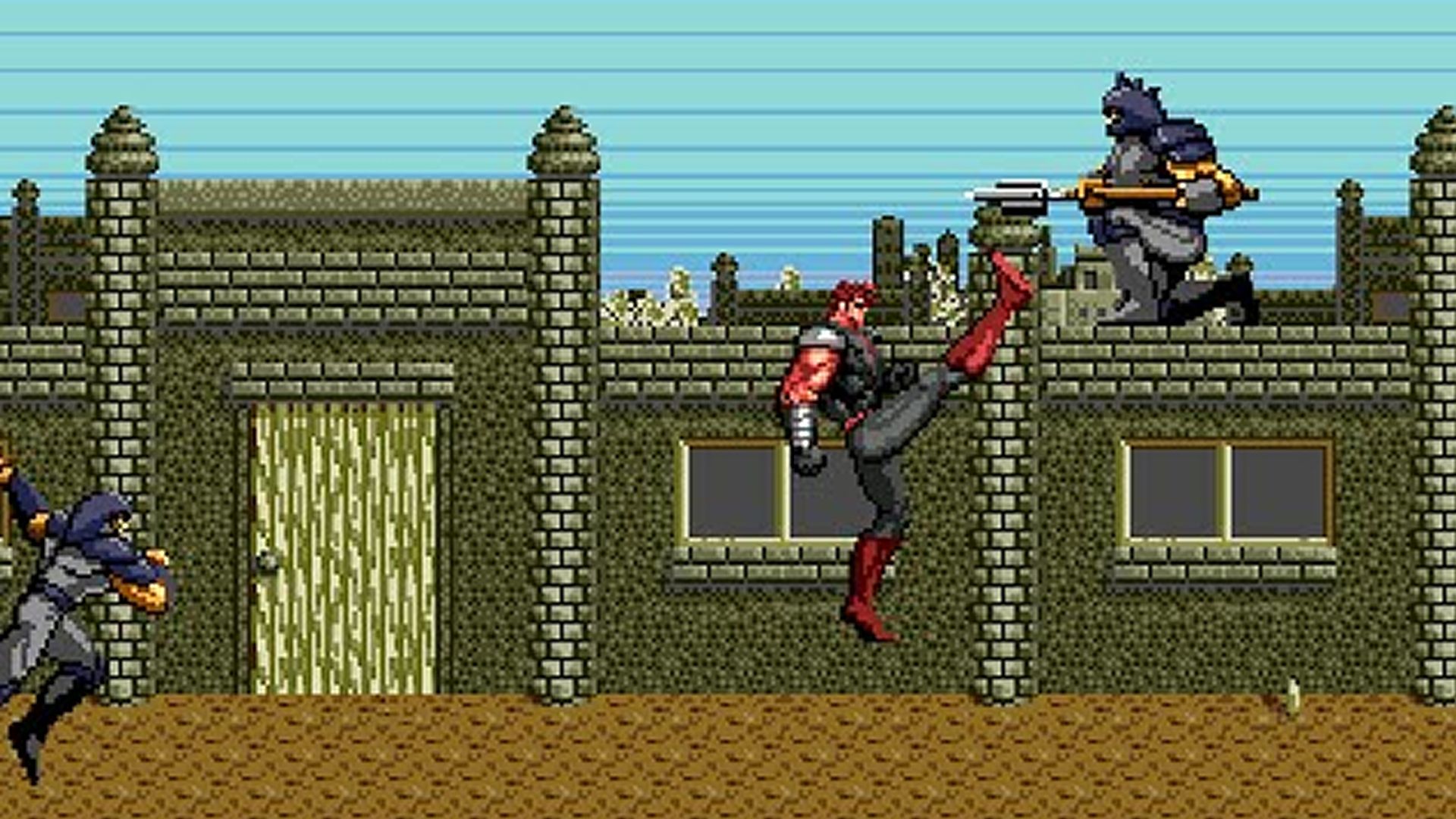
| Released | September 1989 |
| Developer | Sega R&D2 |
| Publisher | Sega |
We have lots more exciting games coming up! It’s interesting to note that many games based on anime are often altered when released outside of Japan, usually due to licensing issues.
The Fist of the North Star game is a prime example of how much censorship could alter things. While character designs stayed mostly intact, all the names were changed. To make the game more acceptable, they removed the blood, and when that wasn’t possible, they turned bosses into mutants. Thankfully, they did keep the iconic shirt-ripping mechanic!
8. Harvest Moon
Hasn’t Been Harvest Moon Since 2014
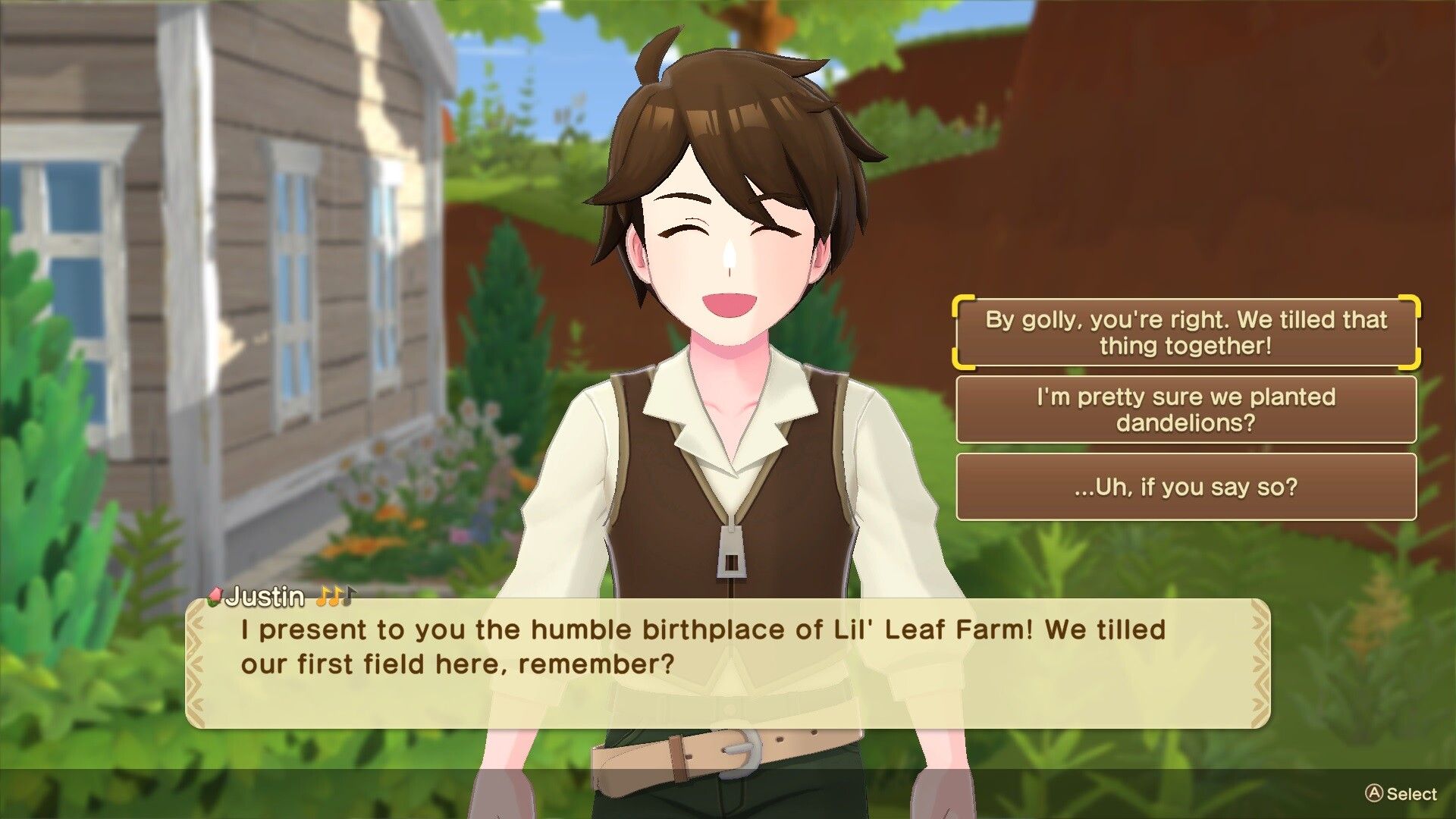
Things start to get tricky here. Harvest Moon was a hugely popular farming game for English-speaking players, originally appearing on the NES. It remained the go-to farming simulation across consoles like the Nintendo 64 and GameCube – until Stardew Valley came along and redefined the genre.
A key change for the future of Harvest Moon happened when Marvelous Inc., the company behind most of the games, decided to have one of its own teams handle translation and release instead of continuing to work with Natsume Inc.
Natsume kept the legal rights to the name “Harvest Moon,” which meant that all subsequent games in the series had to be released as “Story of Seasons” in Western countries. While many fans already know this, people still occasionally realize it and wish they hadn’t purchased the newer games under the “Harvest Moon” title.
7. Final Fantasy
Barver Battle Saga: Tai Kong Zhan Shi
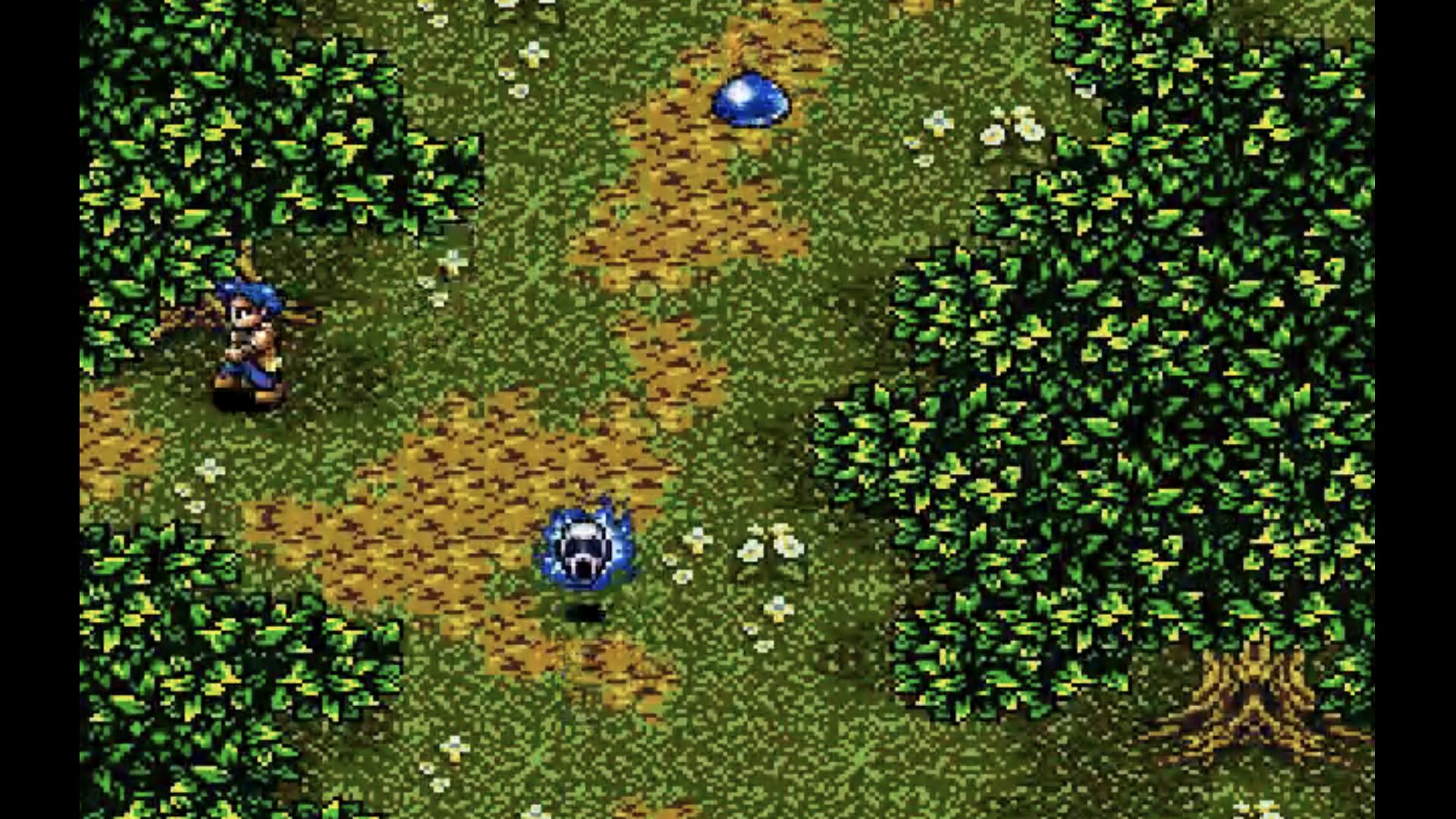
| Released | 1996 |
| Developer | Never Ending Soft Studio |
| Publisher | Ka Sheng, Piko Interactive |
As game development became more complex, the practice of creating unofficial, or ‘bootleg,’ games faded away. However, there was a time when many unlicensed games circulated, with titles like ‘Grand Dad’ and the ‘Sonic 6’ bootleg being well-known examples. Some of these weren’t just quick cash-ins; they were genuine efforts by independent developers. ‘Barver Battle Saga: Tai Kong Zhan Shi’ is a prime example – it was such a well-made game that it eventually received an official English translation years later.
Eventually, the game Barver Battle Saga reached Russia. To boost sales, it was rebranded and released as “Final Fantasy”—specifically, just “Final Fantasy X” without the Roman numeral. While it’s amusing how often the Final Fantasy series ends up in strange situations like this, this particular version of Barver Battle Saga suffered from a poor translation.
Sega Retro speculates the initial translation might have been done by a machine. While Russian players eventually received an improved translation, it’s interesting to consider their reaction when they first received a version of “Final Fantasy” that was drastically different from what they expected.
6. Super Mario Bros. 2
Doki Doki Panic
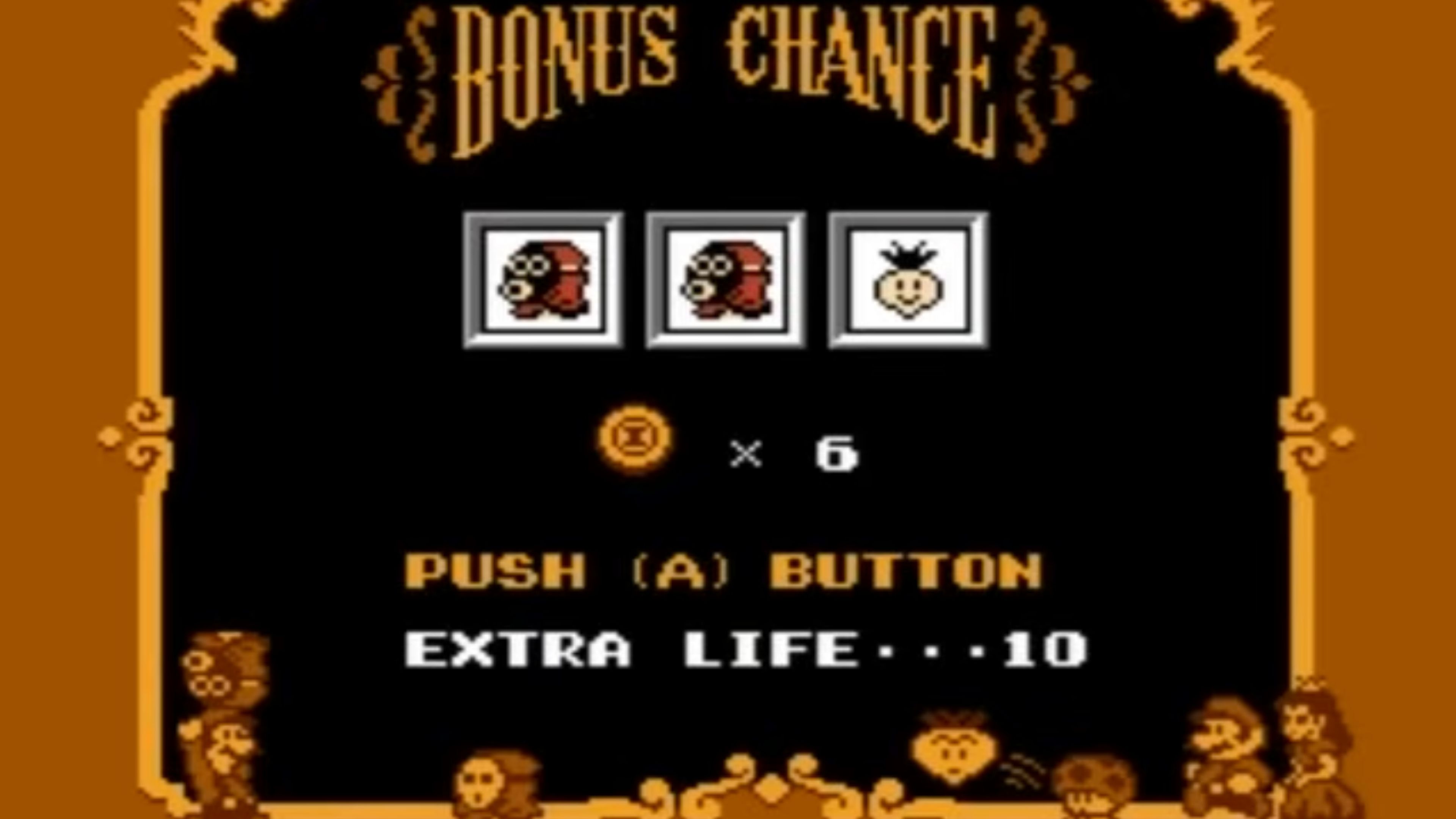
Everyone expected this to come up. The story of Super Mario Bros. 2 is famous as one of the biggest examples of a game being changed for a new audience. It’s important to mention because the reason behind the changes is interesting. It wasn’t just about avoiding licensing issues or making the game more appropriate for American players. Nintendo of America actually felt the real sequel to Super Mario Bros. – later known as Super Mario Bros.: The Lost Levels – was simply too difficult. This was likely a smart decision, because if it seemed too hard even when many games were known for being incredibly challenging, it shows just how difficult The Lost Levels really is.
In retrospect, fans seemed much more accepting of the changes made in Super Mario Bros. 2 compared to when Final Fantasy games were reordered. While understanding has grown for both situations over time, many Final Fantasy fans remained attached to their original versions. However, the Super Mario series embraced the American version of SMB2 – originally a game called Doki Doki Panic – and it’s been well-received ever since. Characters like Birdo have become long-standing favorites, and the recent Super Mario Galaxy Movie even highlighted the origins of this unique installment as if it always belonged in the Mario universe. This really shows how impactful that change was for the series.
5. Dr. Robotnik’s Mean Bean Machine
Puyo Puyo
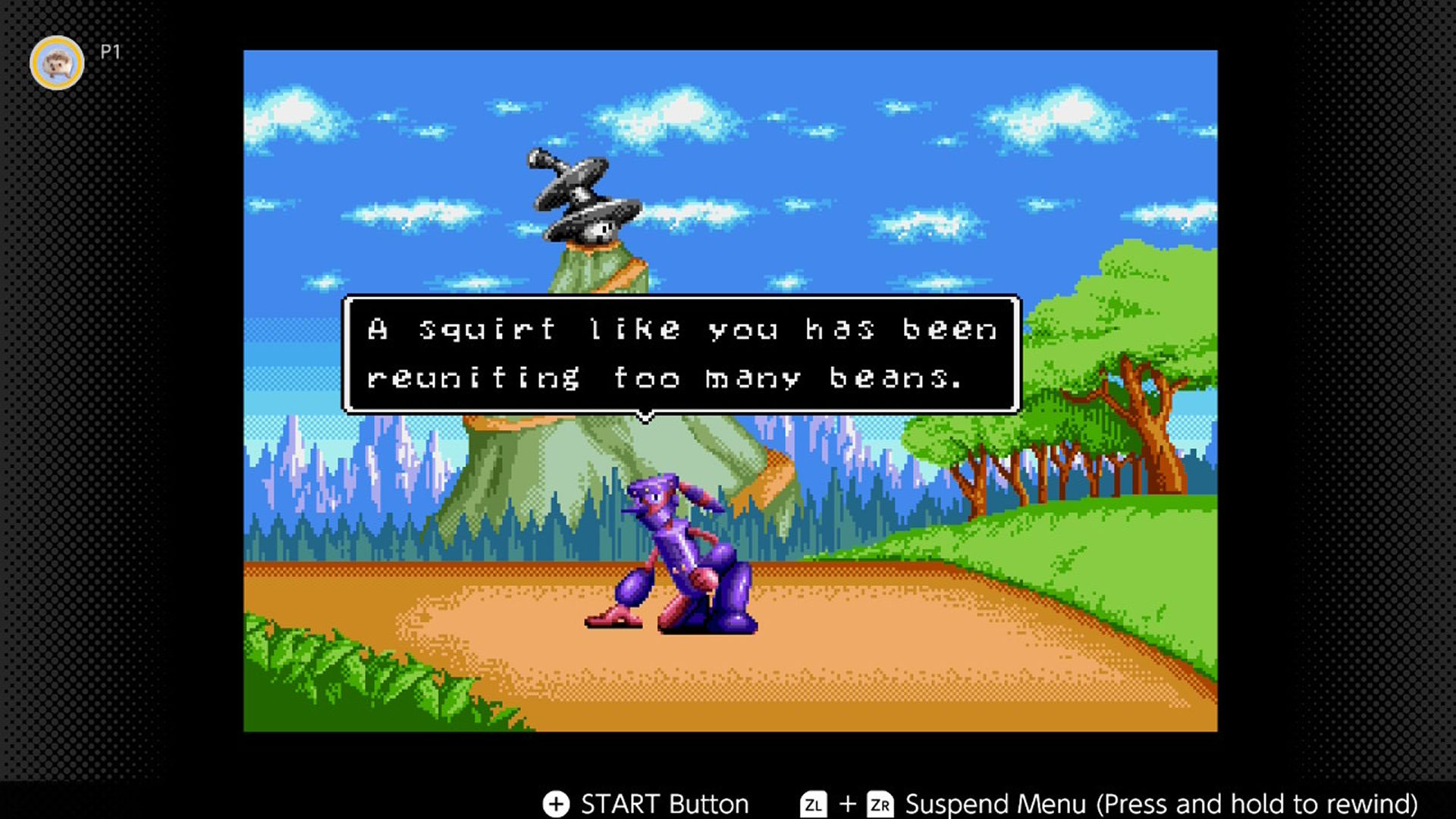
Like Super Mario Bros. 2, Dr. Robotnik’s Mean Bean Machine has become a surprisingly important piece of both Sonic and Puyo Puyo history, even though it’s not officially part of either series’ main story. However, unlike SMB2, Mean Bean Machine wasn’t just a localization – the original Puyo Puyo game was completely redesigned with Sonic characters because Sega of America worried it wouldn’t be popular in other countries by itself. The game’s graphics are still fantastic, perfectly mirroring the style of the Adventures of Sonic the Hedgehog cartoon.
A lot has happened since Dr. Robotnik’s Mean Bean Machine came out. While the game isn’t remembered quite like Super Mario Bros. 2, it wasn’t the last time the worlds of Sonic and Puyo Puyo collided. More recently, Puyo Puyo appeared as a unique boss battle in Sonic Mania, and characters from both series became playable in games like Puyo Puyo Tetris 2 and Sonic Racing: CrossWorlds.
4. Kirby’s Avalanche
Super Puyo Puyo
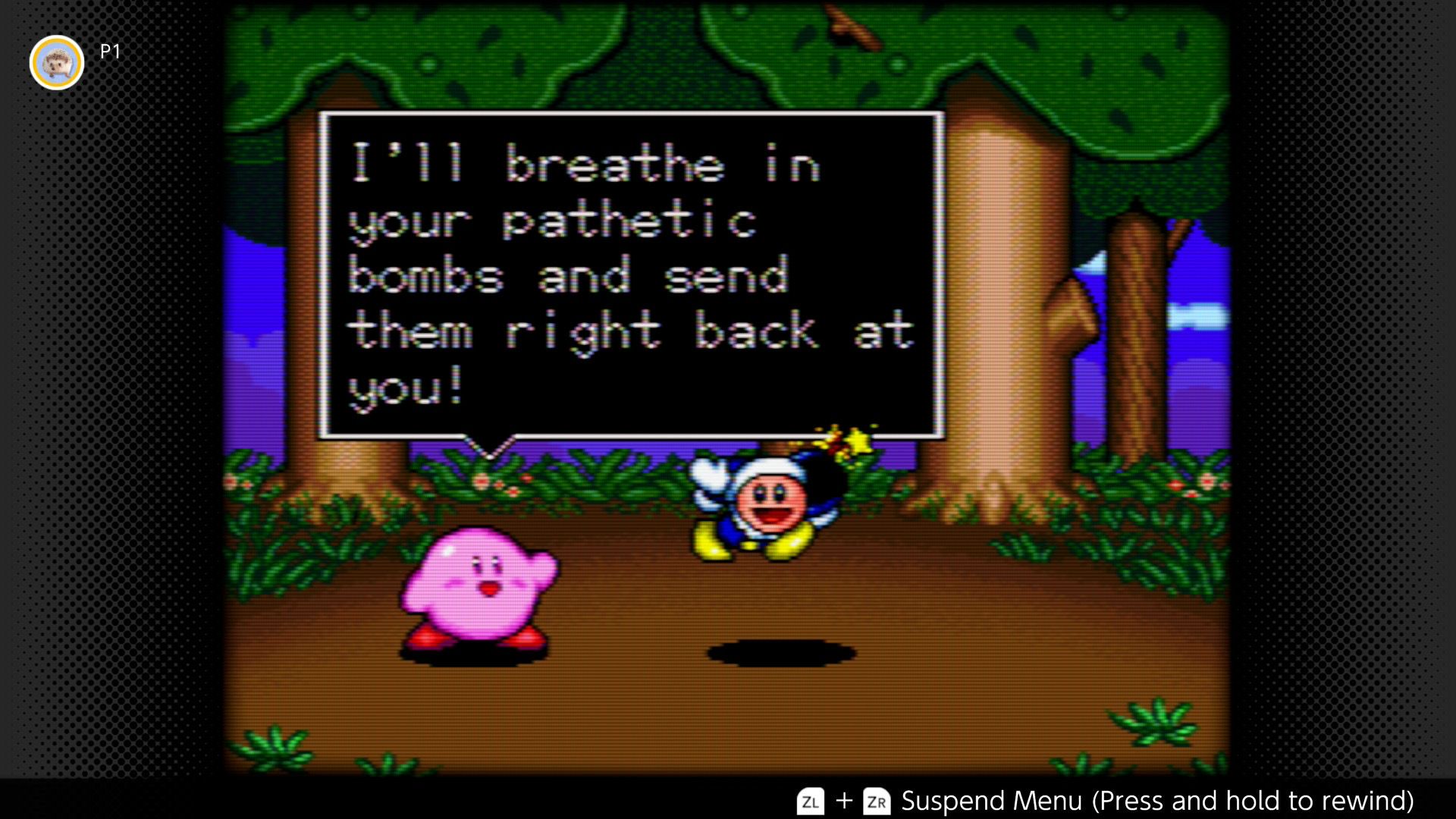
When Puyo Puyo was first created by Compile, they tried several times to make it popular in Western markets. One attempt involved taking the Super Puyo Puyo game for the SNES and rebranding it as Kirby’s Avalanche.
I’m also bringing up Kirby’s Avalanche, even though it’s very similar to another game, because of how the characters behave. Surprisingly, Kirby is quite rude in this version! He gets called out for disrespecting Waddle Dee, and he directly insults Broom Hatter’s puzzle abilities. It’s not just Kirby either – the trash talk throughout the game is amazing, especially coming from a series usually known for being cute and positive. It’s funny to think about what happens when Kirby gets the chance to talk!
3. Tetris Attack
Panel de Pon
| Released | August 1996 |
| Developer | Intelligent Systems |
| Publisher | Nintendo |
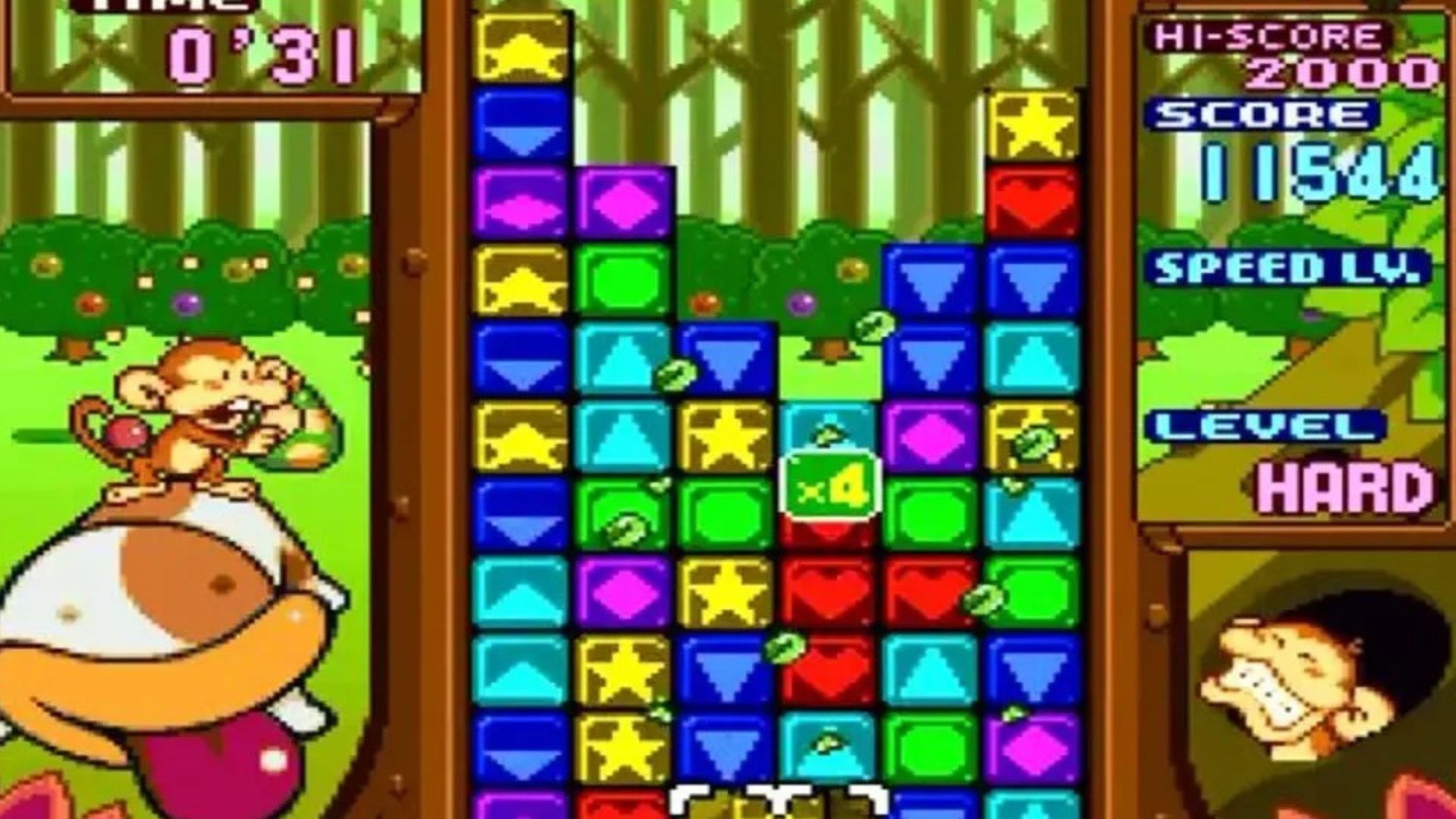
Panel de Pon is a well-loved puzzle game with a dedicated following. It features colorful blocks and magical girls, but when it came to releasing the game in America, Nintendo worried it wouldn’t be a hit. So, they simply changed the characters to Yoshi and his friends – thankfully, without altering the gameplay itself. This makes for a funny situation, considering the main character’s staff has actually appeared as an item in the Super Smash Bros. series since the original game.
Subscribe for deeper dives into game reskins and lore
The biggest problem with the game was its name. While Panel de Pon is a fun puzzle game, it wasn’t well-known like Tetris. Nintendo licensed the name ‘Tetris Attack’ from The Tetris Company, a decision they later regretted. This caused confusion among customers and ultimately hurt sales. Despite the name, it’s a really enjoyable and calming puzzle game that I highly recommend.
2. The Final Fantasy Legend
Makai Toushi SaGa
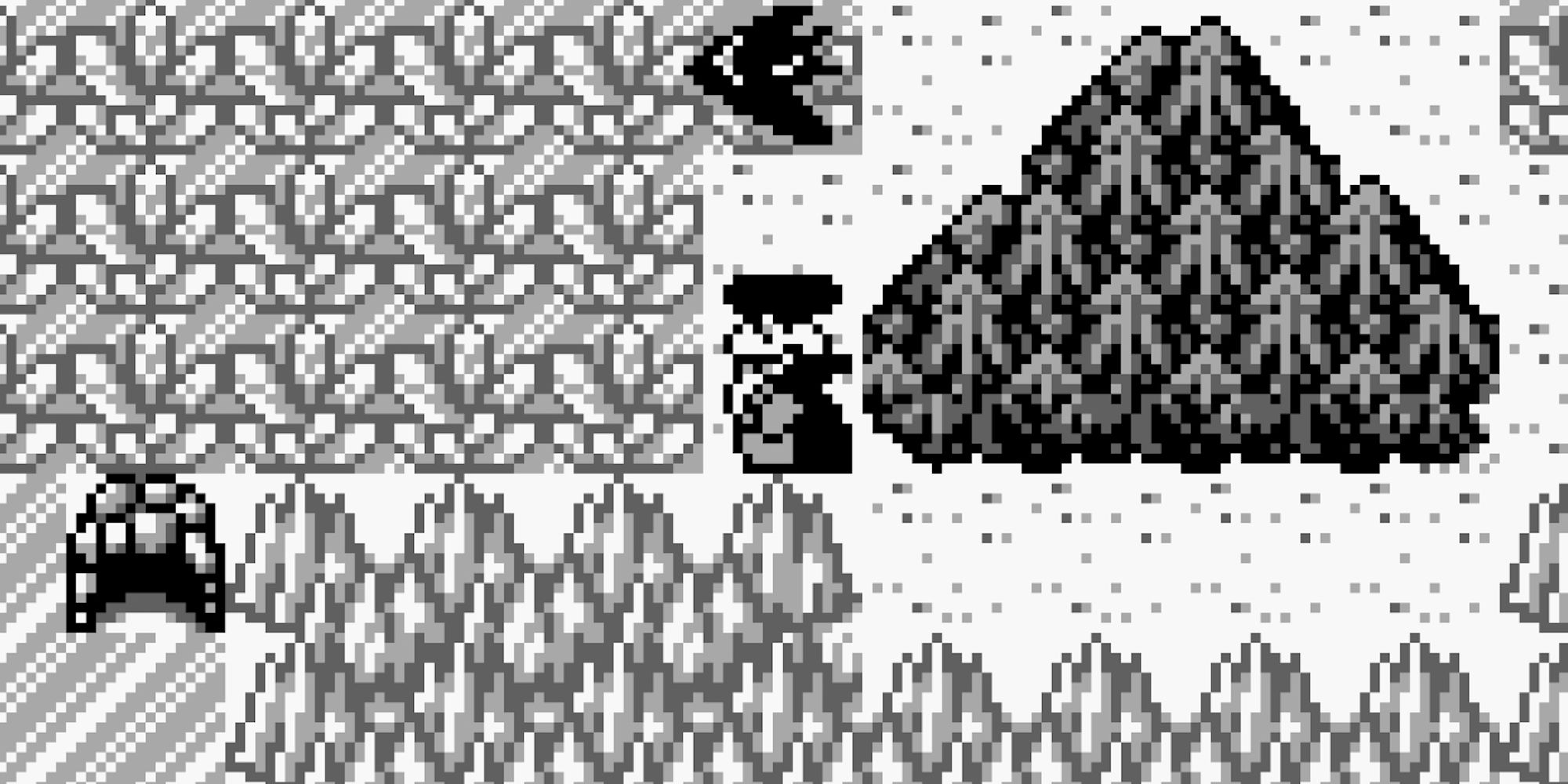
Imagine creating a complex Game Boy game with tactical battles, RPG elements, and a huge, open world where players can explore almost anywhere. After a successful launch and positive reviews in Japan, you discover it will be released overseas under the name of a more famous franchise. This is exactly what happened to the original SaGa game, which was renamed The Final Fantasy Legend for its release in the US.
I might be overstating things slightly, but Final Fantasy often finds itself in complicated situations. What really surprises me about Final Fantasy Legend is the direction Square took with that game. The SaGa series, on the other hand, was always well-received and has consistently maintained its unique style while improving over time. Thankfully, the name change doesn’t seem to have caused any issues – you can even find the original Game Boy games on Switch as Collection of SaGa: Final Fantasy Legend. It appears everyone now views it simply as an early step in a much larger story.
1. The New Adventures of Mary-Kate & Ashley
South Park
| Released | 1999 |
| Developer | Crawfish Interactive |
| Publisher | Acclaim Entertainment |
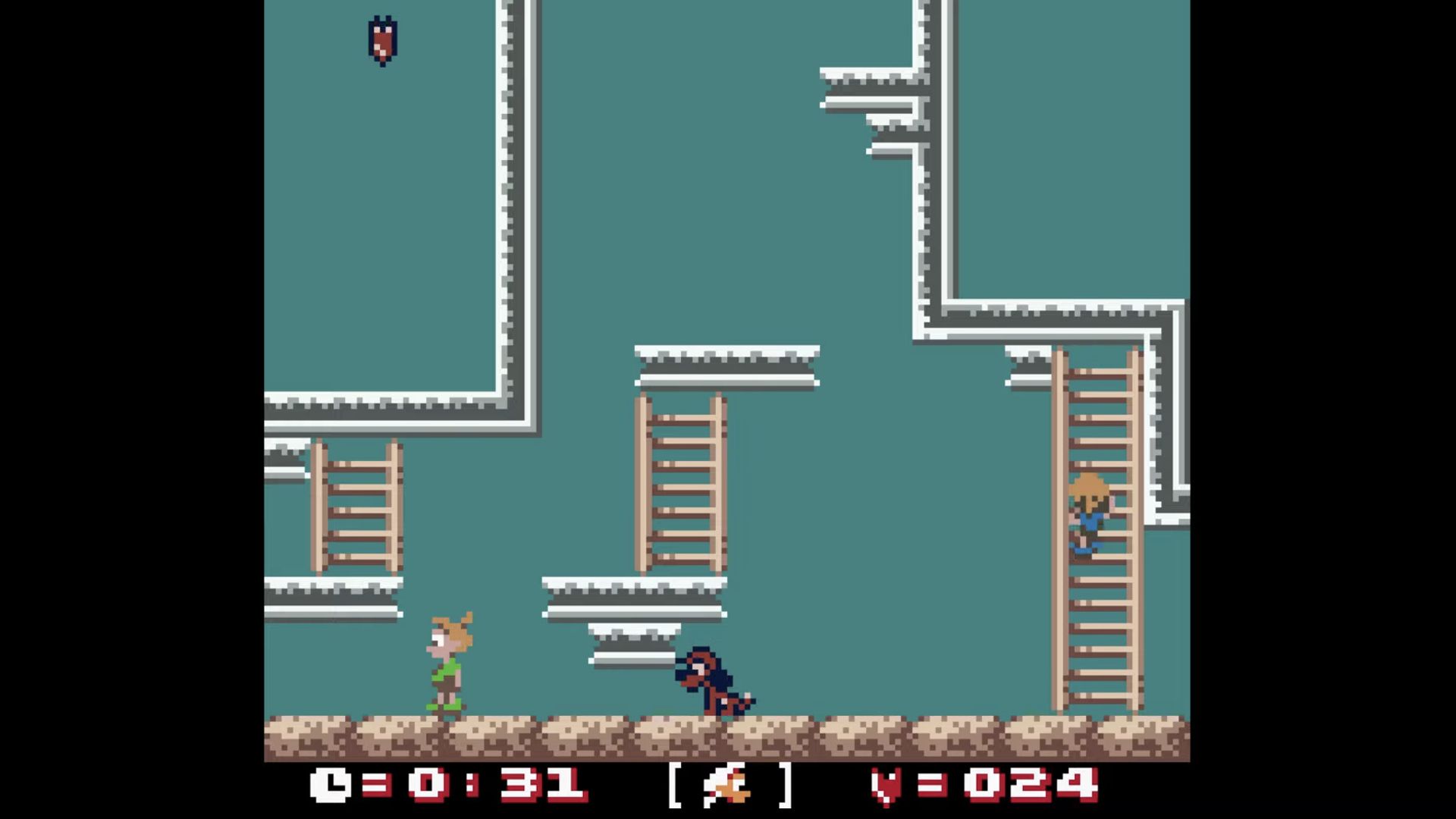
You’re seeing correctly – a South Park game actually existed for the Game Boy Color! It’s unclear whether the Game Boy version or the Nintendo 64 game was developed first, but sources say they were both in progress simultaneously. The Game Boy game was fully completed, but then the creators realized the Game Boy was primarily used by children. Concerned that South Park’s content wasn’t appropriate for kids, they canceled the release right before it went into production.
This was a major setback for everyone involved in making the game – all their work ended up being scrapped. It represented a significant loss of time and money, so they completely changed it and eventually released it as “The New Adventures of Mary-Kate and Ashley,” later known as “Mary-Kate and Ashley: Get A Clue.” The transformation was pretty thorough; you’d never guess its original form unless you were already in the know. But for those who do know, it’s a surprisingly interesting bit of trivia – perfect party conversation!
Read More
- Off Campus Season 1 Soundtrack Guide
- Netflix’s Little House On The Prairie Reboot: Release Date, Cast & Everything We Know
- Gold Rate Forecast
- Infinity Nikki Candlelight Reverie Challenge and Rewards Guide
- Brent Oil Forecast
- Prime Video’s New R-Rated Spy Thriller Is Officially No.1 On Streaming Despite Poor Reviews
- Silver Rate Forecast
- EUR ZAR PREDICTION
- The Hunting Wives Star Teases “Wild” Major Character Death in Season 2
- 24 Jump Street in the works with Jonah Hill and Channing Tatum set to return
2026-06-15 23:46