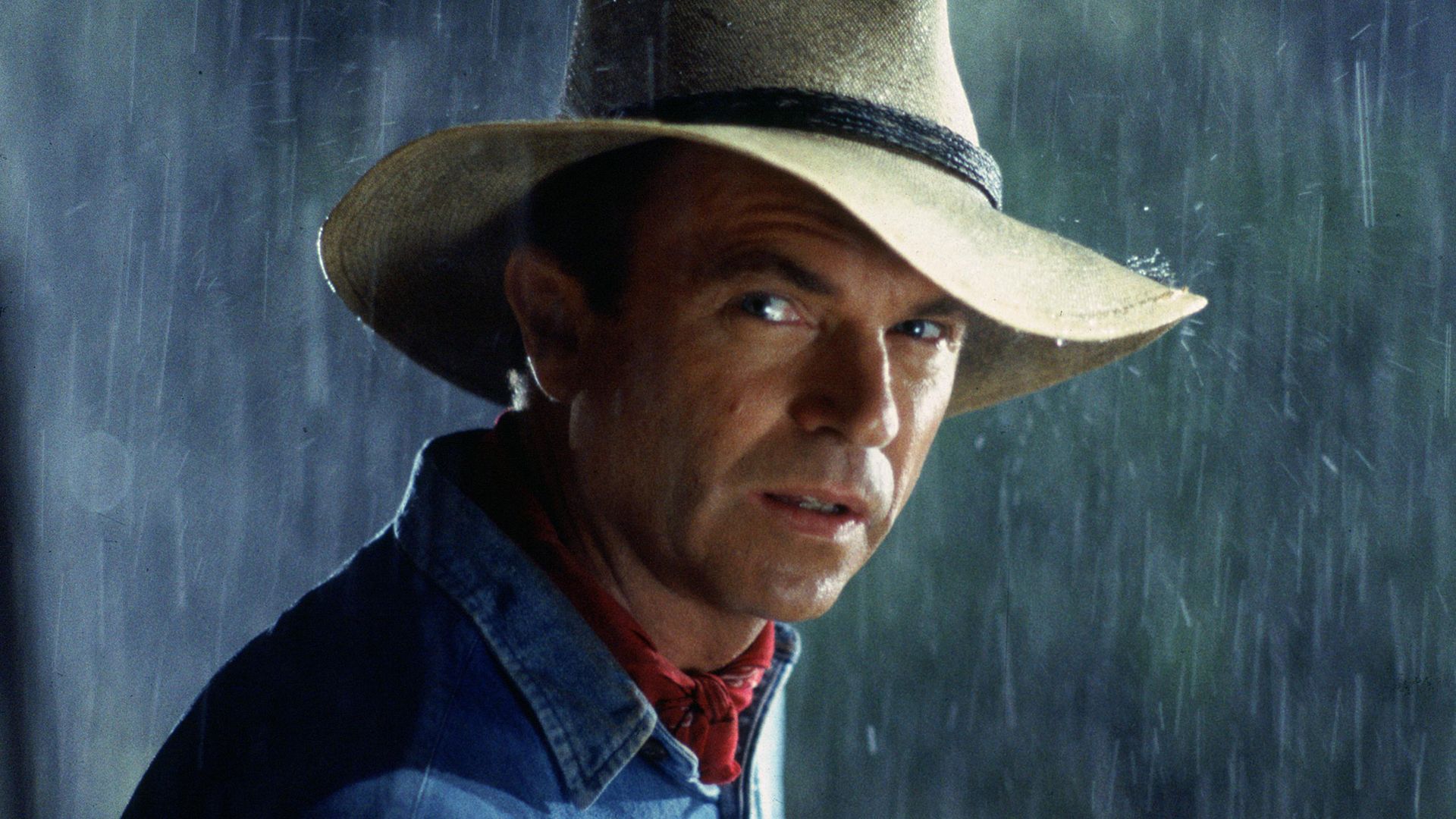
The 1990s are often remembered as a fantastic era for movies. It was a time when independent films by visionary directors became popular, big-budget special effects-driven blockbusters were born, and animation experienced a creative revival. The decade smoothly transitioned filmmaking from traditional methods to the beginnings of digital technology, and saw a growing number of movies based on books.
In the 1990s, movies successfully drew audiences in with adaptations of popular novels and plays. Films like The Pelican Brief and The Rainmaker appealed to fans of John Grisham’s legal thrillers, while teen comedies like Clueless (based on Jane Austen’s Emma) and 10 Things I Hate About You (a modern take on Shakespeare’s The Taming of the Shrew) attracted a younger crowd. This decade set the stage for today’s trend of adapting compelling stories from books into blockbuster films, especially intense legal dramas, nostalgic teen stories, and exciting action adventures. Books continue to be a major source of inspiration for filmmakers, and this was particularly true in the 1990s.
1990: Dances with Wolves Revitalized Epic Westerns
This film, which marks Kevin Costner’s first time directing a feature-length movie, tells the story of a disheartened Union Army officer who forms a connection with a Lakota Sioux tribe. He leaves behind his life as a soldier to live among them, embracing their traditions and becoming known as “Dances With Wolves.” The movie was a huge hit with both critics and audiences, earning over $424 million globally and winning seven Academy Awards in 1991, including Best Picture, Best Director, and Best Adapted Screenplay.
The film has received both praise and criticism. Many admire its beautiful visuals and respectful depiction of Indigenous culture, but some argue it relies on the overused “white savior” storyline. Despite this, it’s notable for its genuine attempt to portray Indigenous culture accurately, featuring the Lakota language and significant roles for Native American actors. Kevin Costner clearly approached the story with care, offering a thoughtful exploration of different cultures.
The movie is based on Michael Blake’s 1988 novel. Blake first wrote the story as a screenplay, but it wasn’t selling because interest in Westerns was fading. In early 1986, Kevin Costner persuaded him to turn it into a novel, hoping to get it made into a film. The movie is often credited with bringing Westerns back to popularity by moving away from typical Western tropes and offering a gentler, more romantic view of the American frontier.
1991: The Silence of the Lambs is the Pinnacle of Thrillers
For 35 years, the chilling story of Hannibal Lecter has captivated and frightened viewers. The 1991 psychological horror film is based on Thomas Harris’s 1988 novel, a follow-up to his 1981 book, Red Dragon. Jodie Foster stars as Clarice Starling, a young FBI trainee who seeks the help of the brilliant but terrifying Dr. Hannibal Lecter – a psychiatrist and cannibalistic serial killer – to catch another murderer who skins his victims. The film remains remarkably true to Harris’s original novel, with only a few minor adjustments to keep the story moving.
Despite recent criticism about how it depicts gender identity and potentially reinforces harmful stereotypes – specifically the character of Buffalo Bill – the 1991 film remains widely considered a masterpiece and a hugely influential work. It made history at the Academy Awards, becoming the first horror movie – and only the third film overall – to win all five major Oscars: Best Picture, Director, Actor, Actress, and Adapted Screenplay. No film has achieved this same feat since 1991, a testament to the director’s groundbreaking visuals and the powerful performances from the film’s three stars. In 2018, Empire magazine ranked it 48th on their list of the 500 Greatest Movies of All Time.
1992: The Last of the Mohicans Improves on the Original
Michael Mann’s 1992 film, The Last of the Mohicans, is a thrilling historical drama based on James Fenimore Cooper’s 1826 novel. The story takes place in 1757 and centers on Hawkeye, a frontiersman raised by the Mohican people, who saves the daughters of a British colonel. He then becomes caught in a dangerous conflict with divided allegiances. The film is famous for its grand scope, passionate love story, intense action, and stunning visuals, and it earned Michael Mann his only Academy Award.
The 1992 film vividly portrays the raw beauty of the American wilderness and examines the negative impact of British and French colonialism. While avoiding the overt racism found in the original book, the movie still operates within the perspective of the colonists. However, Native American actors who appeared in the film appreciated that their characters were complex and portrayed as equals to the white characters. The film takes significant liberties with the 1826 novel, changing relationships, histories, and the ending—ultimately creating a more compelling and enjoyable story. A central love story was added specifically for the film, giving it a grand, emotional scope, and improving upon a source novel that was difficult to read.
1993: Jurassic Park is Undoubtedly an Iconic Masterpiece
In 1993, Steven Spielberg directed two incredibly successful films: the blockbuster dinosaur adventure Jurassic Park, which broke box office records, and the critically acclaimed historical drama Schindler’s List, often considered a cinematic masterpiece. Jurassic Park is especially celebrated as a groundbreaking film due to its innovative use of computer-generated effects, making it one of the most influential movies ever made.
This 1993 film, which explores the dangers of trying to control nature, launched a hugely successful multimedia franchise that has become far more popular than the original book by Michael Crichton—who also helped write the movie’s script. It’s a thrilling story of adventure, survival, and includes some intense violence.
Jurassic Park wasn’t just a blockbuster; it changed movies with its groundbreaking animatronics and special effects, making it a timeless classic. The film sparked a huge interest in dinosaurs, inspiring a new generation to study paleontology and leading to more funding and discoveries in the field. Its impact is unmatched, solidifying Jurassic Park’s place as one of the most iconic films of the 1990s.
1994: The Shawshank Redemption Lights a Beacon of Hope
The drama, directed by Frank Darabont, is a popular film according to IMDb. It’s based on a novella by Stephen King called Rita Hayworth and Shawshank Redemption and tells the story of Andy Dufresne, a banker wrongly convicted of murdering his wife and her lover. Sentenced to two life terms at Shawshank State Penitentiary, Andy develops a strong friendship with another prisoner named Red, which helps him maintain his hope and humanity.
This film is a remarkably true adaptation of Stephen King’s story, using much of the original dialogue and making only subtle changes to heighten the emotional impact. Nominated for seven Academy Awards in 1995 – more than any other film based on a Stephen King work – this inspiring drama about defying injustice received widespread critical acclaim. Thanks to its brilliant storytelling, strong acting, and hopeful message about the power of friendship, The Shawshank Redemption is often considered one of the best movies ever made and has become a true classic.
1995: Sense and Sensibility Star Wrote the Screenplay
Emma Thompson wrote and starred in the 1995 film Sense and Sensibility, based on Jane Austen’s novel. Directed by Ang Lee, the movie tells the story of the Dashwood sisters as they deal with love, social standing, and financial hardship in 19th-century England. Elinor, played by Thompson, is the sensible and reserved older sister, while Kate Winslet portrays Marianne, who is passionate and emotional. As the sisters try to find financial stability through marriage, they experience heartbreak and discover that a combination of practicality and emotional awareness is key to finding lasting happiness.
Though not a strict retelling, the 1995 film beautifully captures the heart, humor, and romance of Austen’s story while updating it for today’s viewers. At its core, it’s a family story about love and social standing, and a celebrated British actress helped prove that Austen’s work still resonates with audiences. Many consider it a perfect movie and one of the best adaptations of Austen’s novels ever made, skillfully blending her sharp social commentary with heartfelt emotion. The film was highly praised, receiving multiple awards and nominations – including seven Academy Awards and a Best Adapted Screenplay win for Thompson, making her the only person to win Oscars for both acting and writing. Its success also paved the way for more film and television adaptations of Austen’s novels.
1996: Matilda was a Hero For a Generation of Bookworms
Celebrating its 30th anniversary, Matilda is a funny and magical movie based on Roald Dahl’s 1988 book. Starring Mara Wilson, the film tells the story of a remarkably gifted child who discovers she can move things with her mind. She uses these powers to cope with her mean family and the terrifying headmistress, Miss Trunchbull. While the movie makes a few changes to Dahl’s original British story – most notably setting it in America – it’s a charming and unique adaptation that stays true to the heart of the book. It adds some extra storylines and classic 90s physical comedy to bring the original story’s magic and emotion to life.
The 1996 film brilliantly captures the spirit of the book, featuring a delightfully over-the-top villain and a kind, inspiring teacher. It celebrates intelligence, reading, courage, and standing up to those who bully others, all within a heartwarming story about finding family and embracing being different. With its magical moments and playful dark humor, the movie remains a beloved classic, especially for those who grew up reading about Matilda and dreaming of being just like her, and continues to resonate with audiences young and old.
1997: Donnie Brasco is a True Story of an Undercover Agent
Starring Al Pacino and Johnny Depp, Donnie Brasco is a crime drama film based on the ,
Donnie Brasco: My Undercover Life in the Mafia tells the real story of Joe Pistone, played by Johnny Depp, who goes undercover in the 1970s to infiltrate the Bonanno crime family in New York. Posing as Donnie Brasco, a Florida jewel thief, he gains the trust of an aging hitman named Lefty Ruggiero (Al Pacino). As he becomes more involved in the mafia, the lines between his job as a law enforcement officer and the criminal world become increasingly blurred, leading to a tragic outcome.
The film was a hit with audiences, earning over $124 million on a $35 million budget and receiving an Academy Award nomination for its screenplay. Johnny Depp and Al Pacino deliver outstanding performances, and the movie’s emotional core is the believable, yet tragic, connection between their characters, Donnie and Lefty. Unlike many other Mafia films, Donnie Brasco avoids glamour and instead presents the gritty, paranoid, and often sad truth of mob life, creating a tense and suffocating atmosphere. This gripping and realistic masterpiece prioritizes a moving, character-focused story over fast-paced action, making it one of the most authentic Mafia films ever created.
1998: Gods and Monsters is a Brilliant Box-Office Bomb
The 1998 film Gods and Monsters, based on Christopher Bram’s 1995 novel Father of Frankenstein, tells the story of James Whale, the openly gay director behind the classic films Frankenstein (1931) and Bride of Frankenstein (1935). Starring Ian McKellen, the film portrays the final days of Whale’s life, focusing on his complex relationship with his young gardener, Clayton Boone (Fraser). Through a mix of fact and fiction, and by weaving together scenes from Hollywood’s Golden Age, the horrors of World War I, and Whale’s early life in Britain, the film examines themes of art, sexuality, social class, isolation, and the challenges of aging and losing relevance.
The critically acclaimed film Gods and Monsters is a moving, semi-fictional story celebrated for its powerful acting and insightful writing, which earned it the 1998 Academy Award for Best Adapted Screenplay. Although it didn’t succeed at the box office initially, the film has recently gained a wider audience. Set in 1950s Beverly Hills, it tackles sensitive themes of sexuality and lost fame with both humor and tenderness. The film beautifully combines dreamlike sequences with a touching and unexpected friendship between two very different men, and includes nods to classic monster movies.
1999: First Rule of Fight Club — Talk About Fight Club
David Fincher’s Fight Club is a highly regarded film based on Chuck Palahniuk’s 1996 novel. It tells the story of an unnamed narrator, played by Edward Norton, who is deeply depressed and unhappy with his office job. He starts a fight club with Tyler Durden (Brad Pitt) as a way to release their frustrations, but things quickly spiral out of control, and the club transforms into a violent, anti-consumerist movement.
Despite initially disappointing at the box office and receiving mixed reviews, Fight Club became known as one of the most talked-about films of the 1990s. It later gained popularity through home video sales and is now considered a beloved cult classic. The film and the novel it’s based on are very different, however. The movie is a sharp, visually engaging satire of consumerism, while the book is a far more disturbing and dreamlike exploration of the narrator’s mental breakdown.
With striking visuals and a frantic pace, Fight Club expertly portrays the narrator’s inner turmoil, loneliness, and dissatisfaction. The film is a powerful commentary on mental health, exploring how society’s pressure to conform can lead to a search for purpose. It’s a darkly comedic and dramatic film that builds to a shocking reveal, solidifying its place as a classic psychological thriller.
Read More
- Netflix’s Little House On The Prairie Reboot: Release Date, Cast & Everything We Know
- Off Campus Season 1 Soundtrack Guide
- Silver Rate Forecast
- Brent Oil Forecast
- Infinity Nikki Candlelight Reverie Challenge and Rewards Guide
- Prime Video’s New R-Rated Spy Thriller Is Officially No.1 On Streaming Despite Poor Reviews
- Gold Rate Forecast
- Bulgakov’s Take: Koreans Bet the Farm on Chips, Crypto, and Chaos
- EUR ZAR PREDICTION
- 10 Indie Games that Really Felt Like the Start of a New Era
2026-05-24 19:13