
Outward 2 is now available in early access, letting players begin exploring the world of Aural before the complete game is released. Similar to the first Outward, it’s a challenging survival RPG, but the current early access version has some rough edges that make it more frustrating than enjoyable.
When Outward first came out, reviews were mixed because the game is quite challenging. It’s a survival RPG that combines the difficult gameplay of games like Dark Souls with the open-world exploration of Fallout: New Vegas’ Hardcore mode. Despite the initial critical reception, Outward developed a dedicated fanbase who appreciated its unforgiving nature and the fact that it didn’t simplify things for players.
TopMob first showed off Outward 2 in late 2025 with a short gameplay demo highlighting how it improved upon the original. This time, we got a much more expansive look, allowing us to freely explore the game’s world and, unfortunately, experience all the dangerous ways you can meet your end.
A Drastically Improved Character Creation & Player Resource System
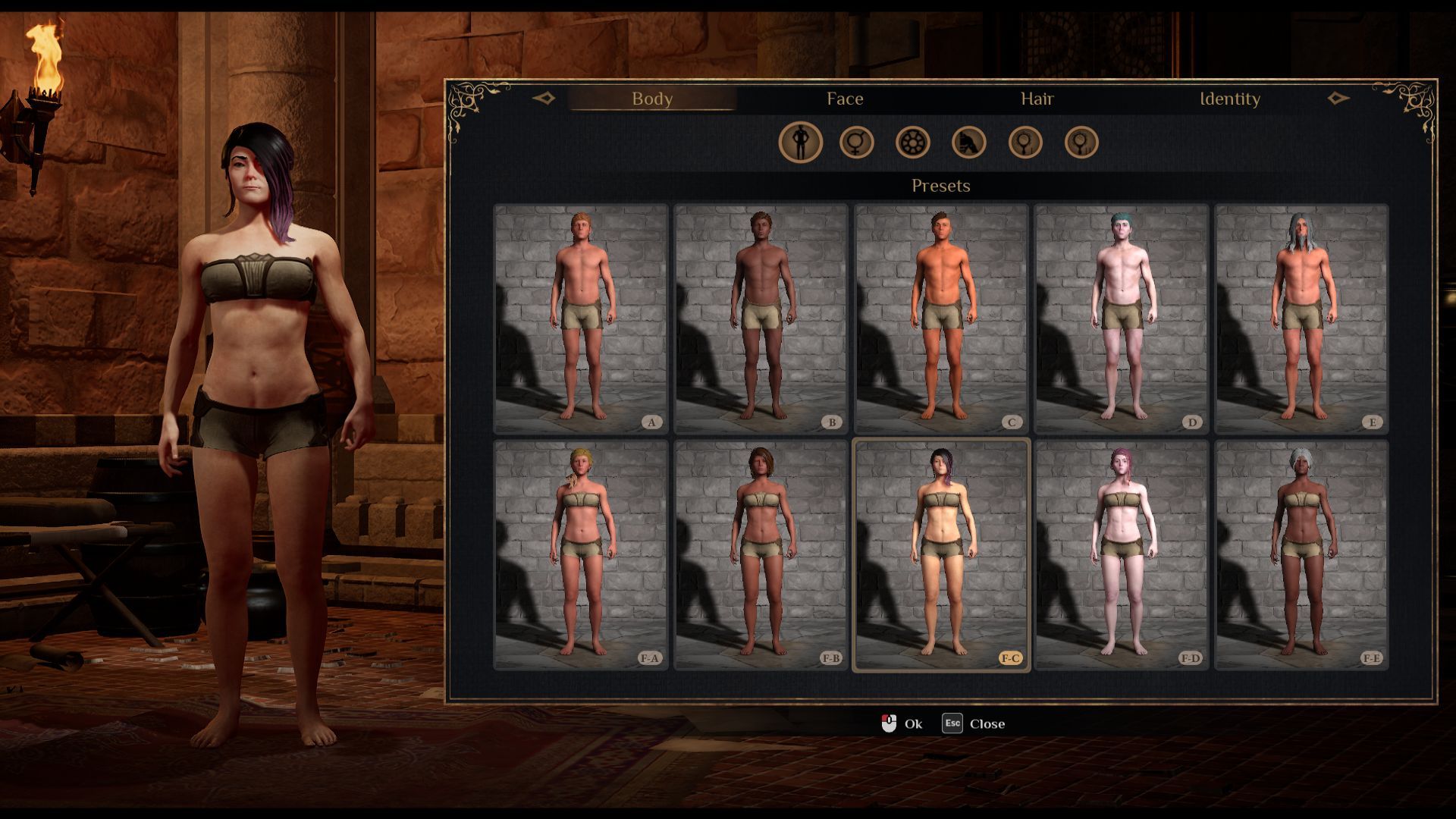
Image Via Nine Dot Studios
Okay, so when you start Outward 2, you get to pick where your adventure begins – there are three different places you can choose from, each with its own set of quests to kick things off. Right now, in the early access version, you can only start in one spot: Simeon’s Bastion, and it’s located in the kingdom of Lavant. It’s a pretty cool place to begin, though I’m excited to see the other starting options when they’re added!
Outward 2 doesn’t use traditional character classes or races. Instead, you build your character by choosing a background and personality traits, which then affect your skills. For instance, if you select the ‘Book Worm’ trait, your Intelligence increases, but your Strength decreases.
After choosing their character’s stats, players can customize their appearance, which is a significant improvement over the original game. There are many choices for body type, facial features, and hair, allowing players to create a hero that looks exactly how they want.
Outward 2 doesn’t use traditional classes or races when you create your character. Instead, you choose a background and personality, which then shape your character’s abilities.
Let me back up a bit. Before jumping into Outward 2, the game really encourages you to play the tutorial. This is a good thing, because Outward 2 is a challenging game, and newcomers might find it very different – and difficult – compared to other games they’ve played.
Honestly, my biggest issue with the tutorial is how it’s structured. Right now, it’s all one big level, and you have to keep running back and forth between sections. As someone learning the game for the first time, I’d much rather see a menu that lets you jump straight to each part, maybe even in the order you’re supposed to learn things. It would just be so much smoother and easier to get into!
Go West, Young Adventurer
The early access demo for Outward 2 starts with a rough beginning – your character is robbed and left for dead. You regain consciousness in a clinic, having lost almost everything. Fortunately, a doctor named Vitrys saved you and asks for a small favor: collecting some herbs from a nearby garden. But be careful! Like many things in Outward 2, these herbs are dangerous and can explode, so it’s best to pick them after it rains.
Simeon’s Bastion is a beautiful city with lots of interesting people to talk to and shops to browse. However, after exploring it repeatedly, I did start to wish it had a faster way to get around.
In Outward 2, crafting is essential – it’s the best way to get affordable healing supplies, stronger weapons, and traps to defeat enemies. Simeon’s Bastion is the place to go for all your crafting needs, though everything comes at a price.
Simeon’s Bastion is a beautiful city full of interesting people and shops to discover.
Outward 2 introduces mules, which you can buy in cities to help carry your equipment. Similar to classic Dungeons & Dragons, mules act as pack animals. They’re really useful because they can carry a lot of items and can even be sent back to town with goods, saving you from having to make repeated trips between settlements.
As a player, I’ve learned that my mules are just as vulnerable as I am – enemies can hurt them too! That means I really have to watch out for them, because they can’t defend themselves at all. It can be tough, especially when the game is already so challenging, but thankfully I can tell them to hang back. It’s a lifesaver to be able to keep them safe when I’m about to jump into a battle.
Prepare to Die (A Lot)
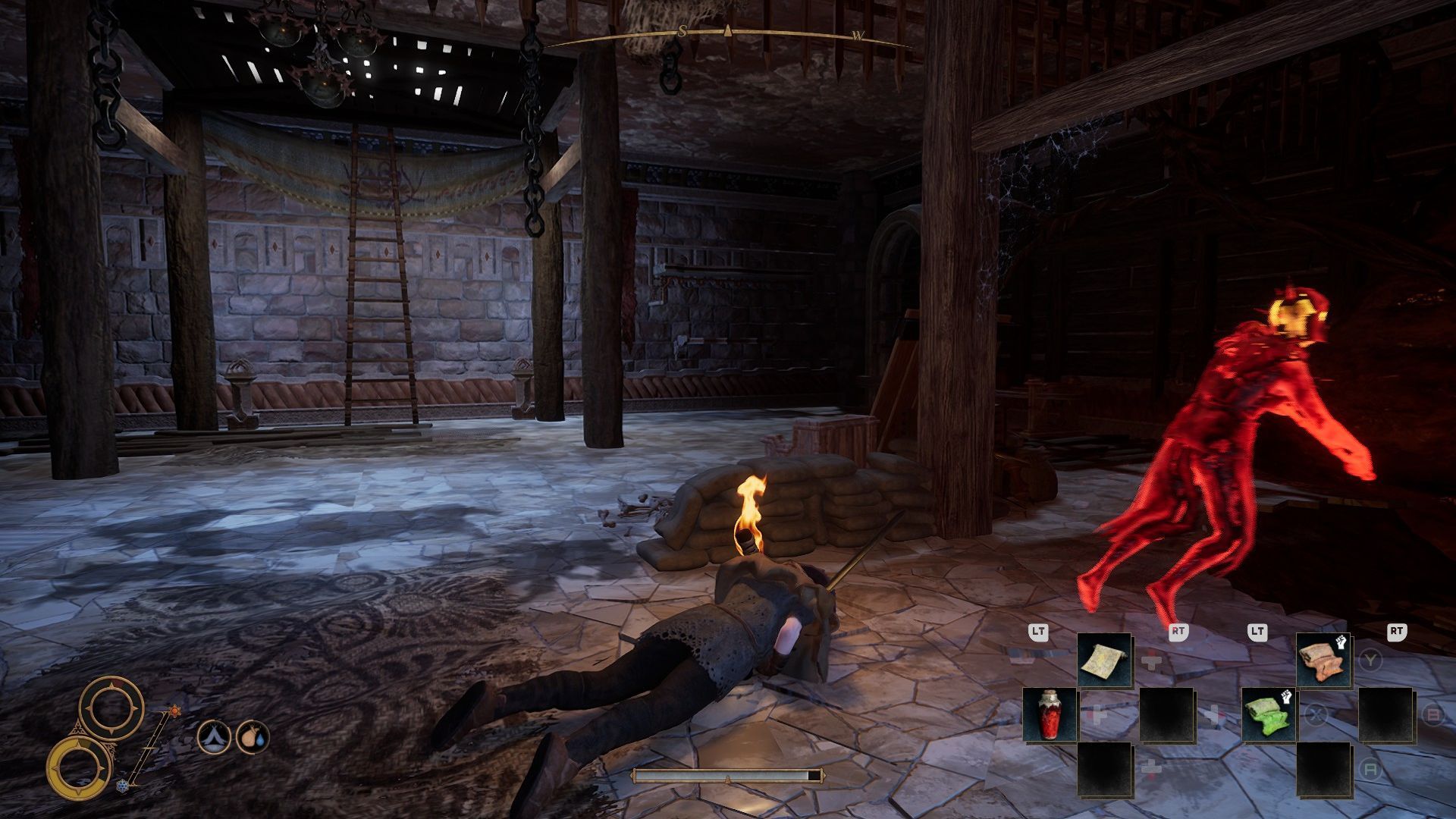
Image Via Nine Dots Studio
Outward 2 is full of dangers, from wild creatures and zombies to bandits looking for an easy target. Unlike games like those made by FromSoftware, you’re much more vulnerable in Outward 2, so you’ll need to be careful!
In Outward 2, staying prepared for fights means drinking water, eating regularly, carrying enough food, and taking off your backpack beforehand. Ignoring these basic needs will quickly drain your stamina, leaving you unable to dodge attacks.
Outward 2 throws a lot of negative status effects at you, and I found that out fast – I immediately got sunstroke for forgetting a hat after leaving town! You really have to pay attention to everything in this game, because it won’t be easy on you.
I quickly discovered that Outward 2 doesn’t mess around with status effects! I stepped outside the first city and immediately regretted not wearing a hat – sunstroke hit me hard! It really taught me to be prepared for anything.
The battles in the game are typical for action RPGs, but there’s a lot more variety in weapons and attacks compared to the first Outward. Where you stand during a fight matters a lot more now, as different positions open up different attack options.
The game is designed so players should always use everything to their advantage. This includes setting traps, using items to boost their abilities – like cloths that add special effects or damage to weapons – and taking cover behind anything in the environment.
Players will likely die often as they learn the game’s mechanics, but similar to the first Outward, you’ll never permanently lose your character. Instead of a true death, the game explains how your character survived and continues the adventure in a new location, often with some items missing.
Unlike many RPGs, Outward 2 doesn’t use traditional experience points or leveling. Instead, you become stronger by doing things in the game – for example, defeating enemies might permanently increase your strength. This system motivates players to explore everything the game offers and gain lasting benefits.
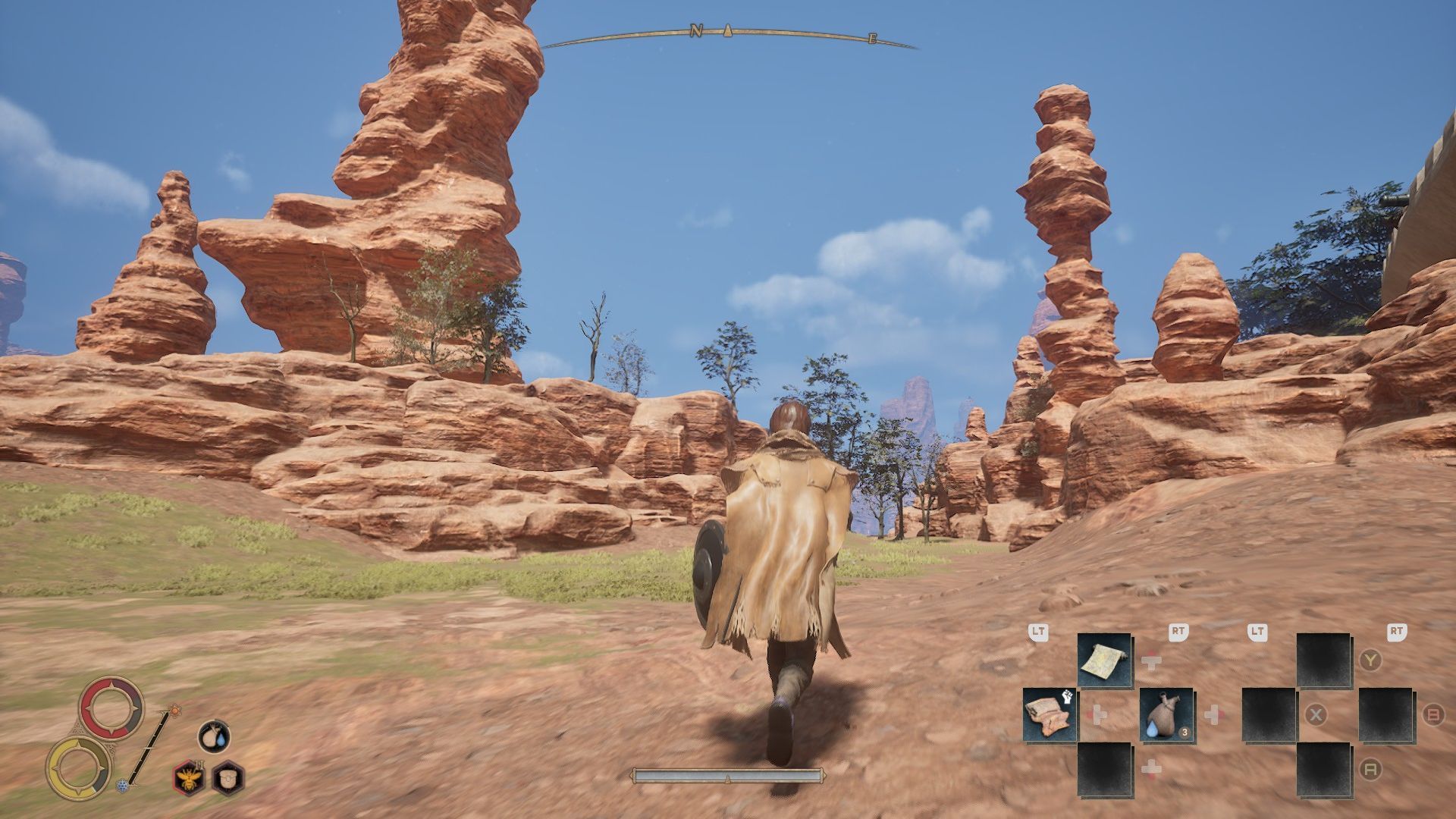
Image Via Nine Dots Studio
I find the systems in Outward 2 a bit harsh, mainly because dying is so punishing. The game relies heavily on items – things like food and weapons – and it’s really annoying to lose them, even for a short time. I actually prefer the way FromSoftware games handle death, where you only temporarily lose your experience points.
Another problem is that buying things is really expensive, particularly since earning money is difficult. Making items yourself takes a lot of time and effort, too. And when you add in all the traveling you have to do, only to be quickly defeated by enemies, it’s a frustrating experience.
It’s easy to understand why the first Outward game got such varied reviews, even though it has a dedicated following. This game isn’t challenging because of difficult enemies, but because it demands you constantly pay attention and manage things – which isn’t really my cup of tea, but some players love that.
Jank is the True Villain of Outward 2
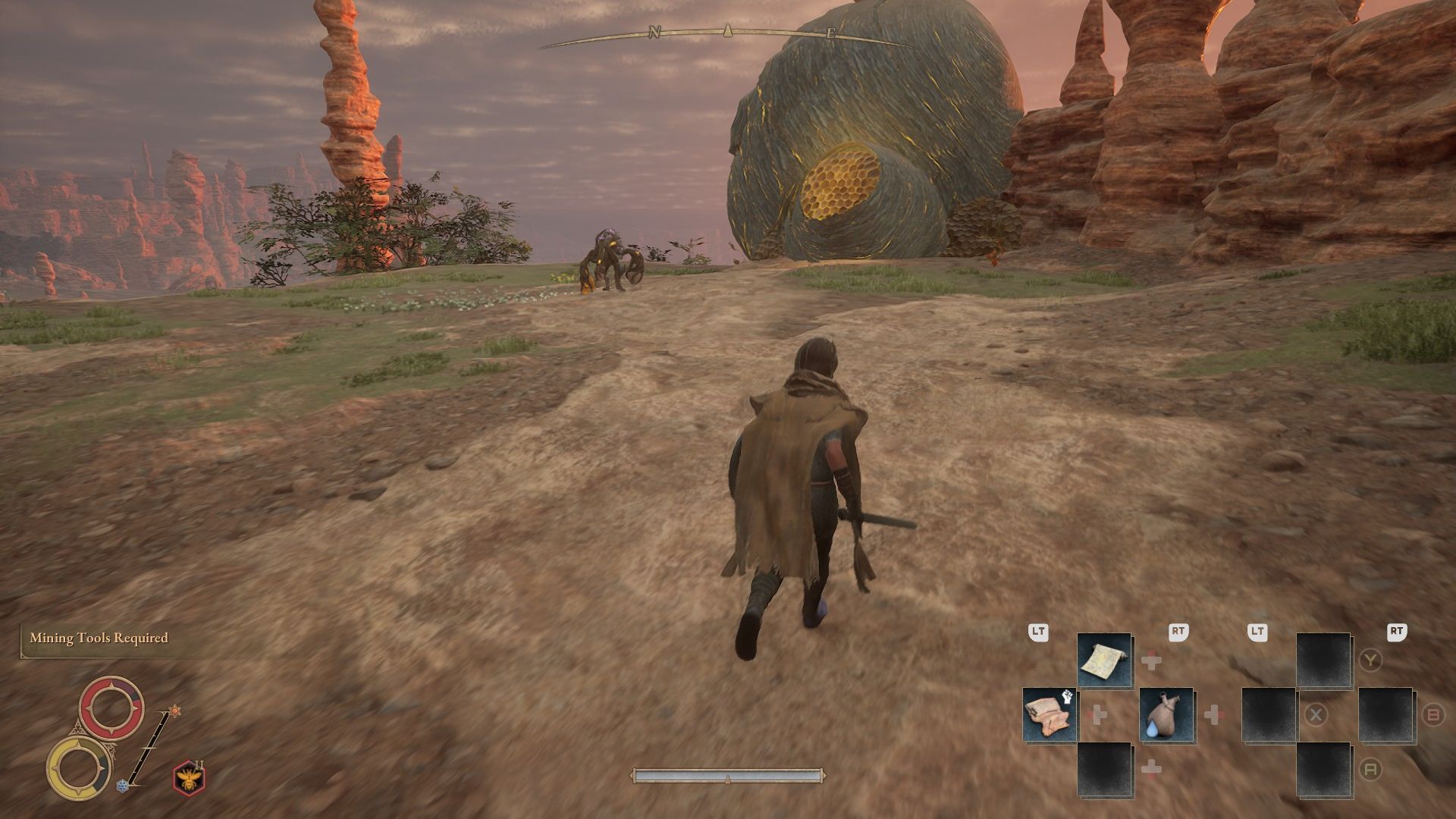
Image Nine Dots Studio
Outward 2 is still in development as an early access game, so it’s normal to encounter some bugs. However, the problems I experienced were really disruptive to the gameplay. I frequently got stuck on the scenery, which made fighting very frustrating. Even a small bump in the ground could halt my character during a roll, leaving me vulnerable to enemy attacks. There was also occasional stuttering when multiple enemies appeared, though this didn’t happen all the time.
Subscribe for in-depth Outward 2 coverage and insights
One major issue is the darkness. While the game looks good in daylight, indoor areas and nighttime are incredibly dark, even with the brightness settings maxed out. The game relies on using a torch, but it doesn’t provide enough light to see properly. This makes it nearly impossible to play in dark environments. You might think you can just avoid these areas or wait for daytime, but the game often forces you into them, and skipping content or waiting isn’t a good solution.
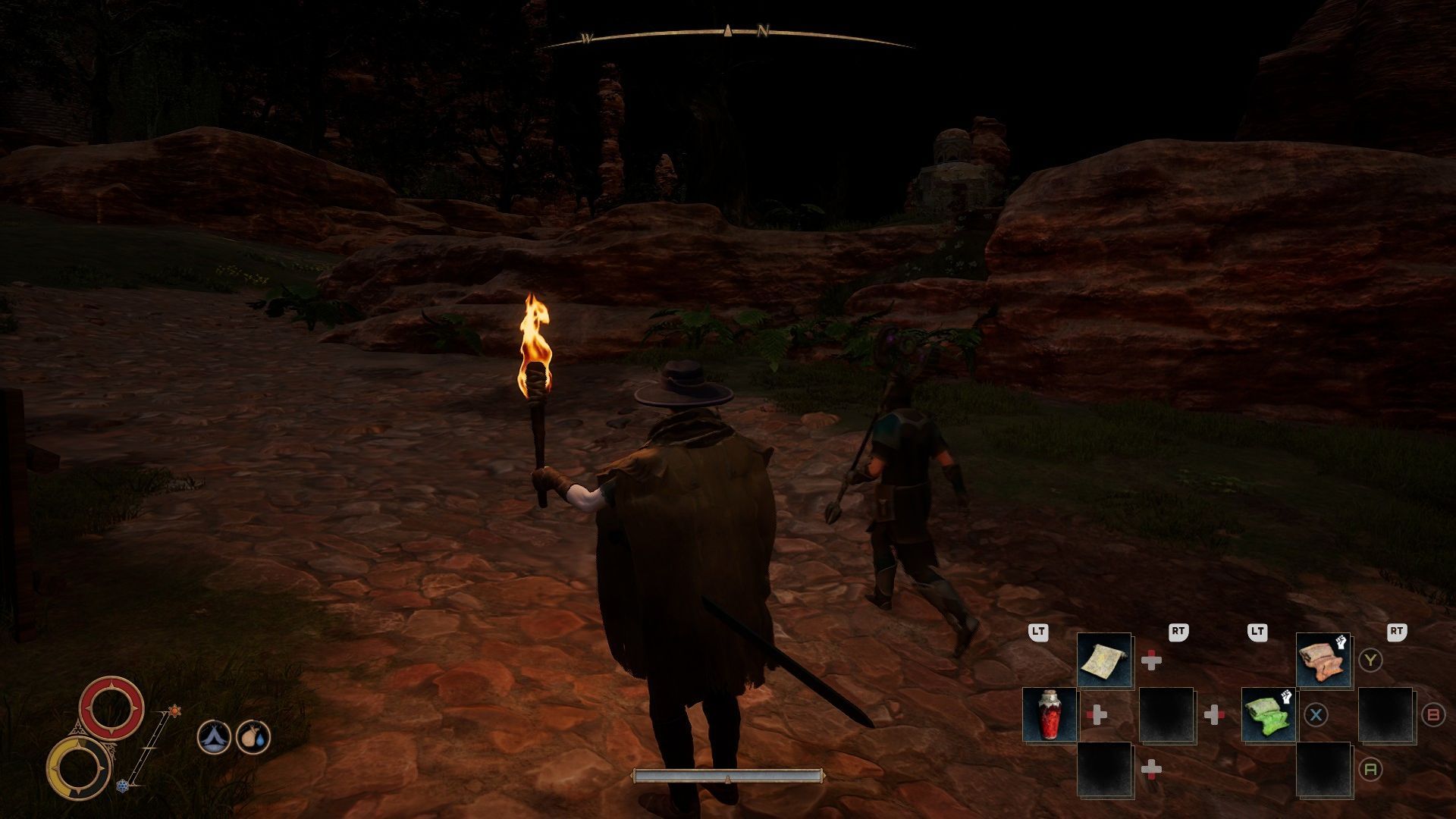
Image Via Nine Dots Studio
During one of my first adventures, I found a creepy building overrun with zombies and bees. I was eager to check it out, but most of it was completely dark, making it hard to see even with a flashlight. Going in without a light, or losing it after you die, is a terrible idea. I ended up crawling around in the dark, constantly getting attacked by monsters.
The AI controlling enemies can be really tough, especially the human ones. While most creatures give you clear warnings before attacking, letting you dodge or block, human enemies are incredibly frustrating. They move constantly, darting around just out of reach, and seem to have endless energy, wearing you down over time. It felt like I was fighting a super-fast, skilled player in a game like Dark Souls.
It felt like I was in a difficult video game boss battle against someone who knew how to exploit the game. My opponents were incredibly fast and agile, always staying just out of reach, and wore me down with relentless attacks and endless energy.
I rarely dislike video game enemies as much as the common human opponents in Outward 2. Though the Guardian Ape from Sekiro: Shadows Die Twice is still the worst, these enemies are a very close second. They’re incredibly difficult to hit – it feels like trying to fight with a flimsy weapon – and I actively avoided them whenever possible.
I’ll be honest, a lot of my struggles with Outward 2 are probably my own fault – I just need to get better at the game. I’ve managed to defeat tough bosses like Ludwig and Isshin before, but the thought of having to always remember to drop my backpack before every fight – even against a small enemy – because getting stun-locked and spending twenty minutes retrieving my gear is incredibly stressful.
I’m waiting for the complete version of Outward 2, with all the technical problems fixed, before I really get invested. While the tutorial is helpful for newcomers, it likely won’t attract players who weren’t already interested. Longtime fans who feared the game would be made easier can relax – Outward 2 is still just as challenging as the first game, and that rewarding feeling of overcoming those challenges is still there.
Read More
- Netflix’s Little House On The Prairie Reboot: Release Date, Cast & Everything We Know
- Off Campus Season 1 Soundtrack Guide
- Gold Rate Forecast
- Infinity Nikki Candlelight Reverie Challenge and Rewards Guide
- Silver Rate Forecast
- Brent Oil Forecast
- Prime Video’s New R-Rated Spy Thriller Is Officially No.1 On Streaming Despite Poor Reviews
- EUR ZAR PREDICTION
- 24 Jump Street in the works with Jonah Hill and Channing Tatum set to return
- KPop Demon Hunters Meets Avatar: The Last Airbender In Netflix’s 3-Part Fantasy Series
2026-05-25 15:44