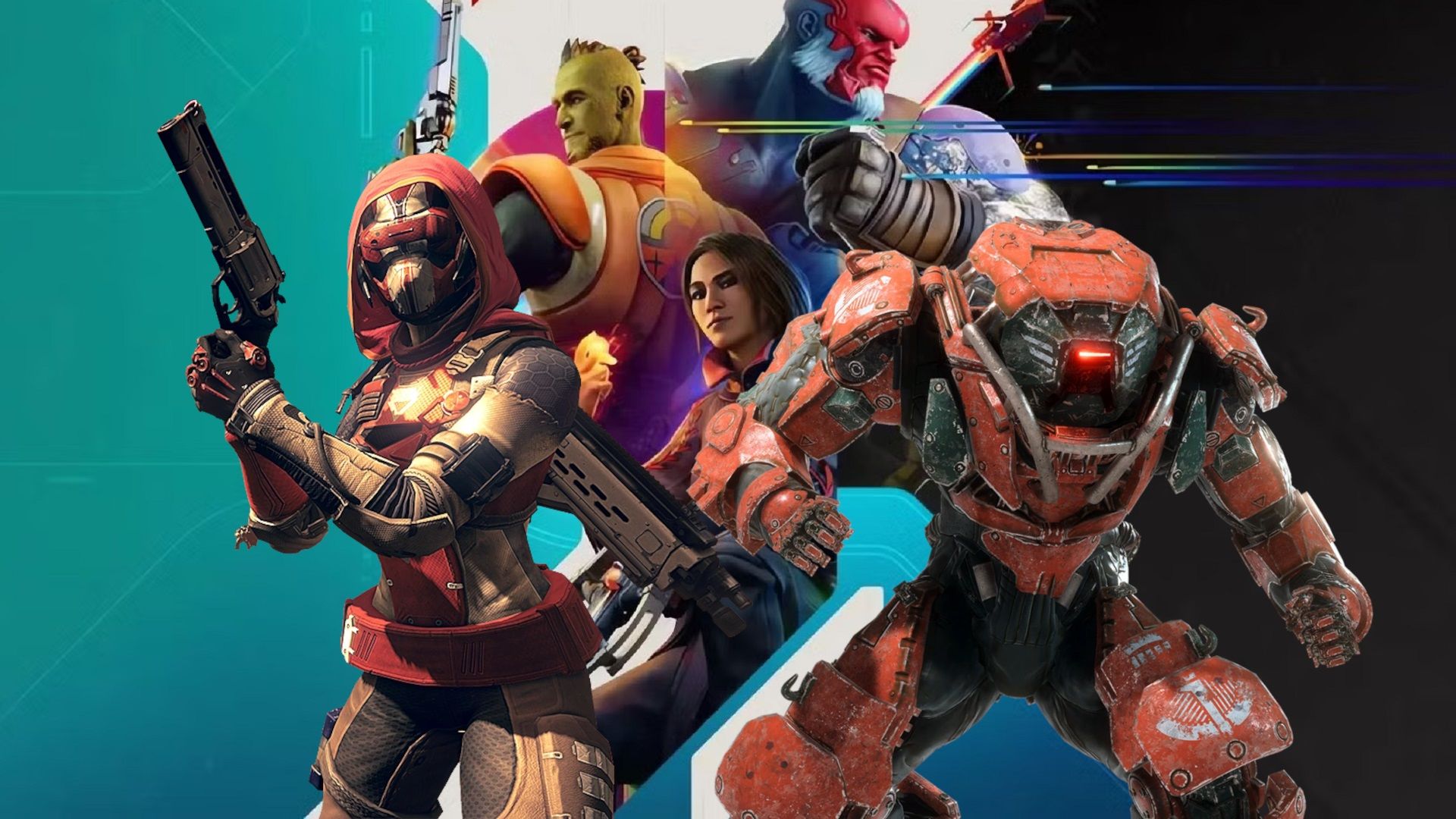
Destiny 2 is ending its regular stream of updates and expansions, and it’s not the only game doing this. Many game companies are moving away from the ‘live service’ model. It’s actually quite remarkable that this style of game has been around for as long as it has, considering how many have started and then quickly disappeared.
Although some online games can stay popular for years, most don’t. There are many reasons why these games eventually close, but the trend suggests people are increasingly preferring single-player experiences or games with small-group co-op, like those designed for two to four players.
Live Service Games Require Investment and Risk
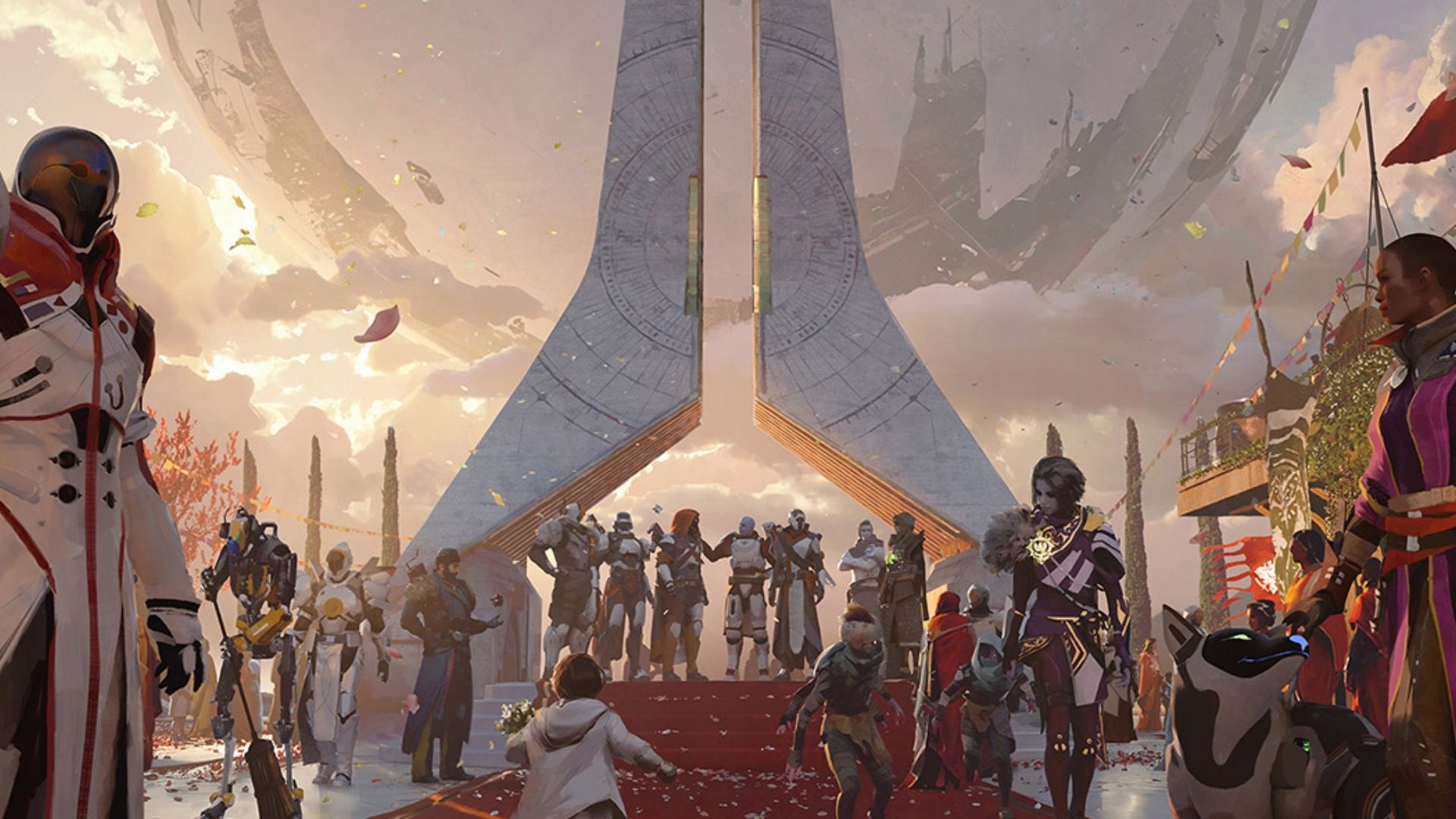
Bungie
Live service games need consistent updates to stay engaging, which means companies must have a team focused on creating them. Without regular, high-quality updates, players will lose interest. Because of these costs and the limited demand for this model, creating a live service game is often a risky investment for most companies.
Destiny 2 proved remarkably successful as an ongoing service, running for nearly ten years before it ended. However, most games that try this model don’t last nearly as long. Concord, for example, was shut down after just two weeks. Typically, these games last between one and three years before being discontinued, usually because of low player numbers, budgetary constraints, or a lack of sufficient profit.
Single-Player Games Are Safer Investments
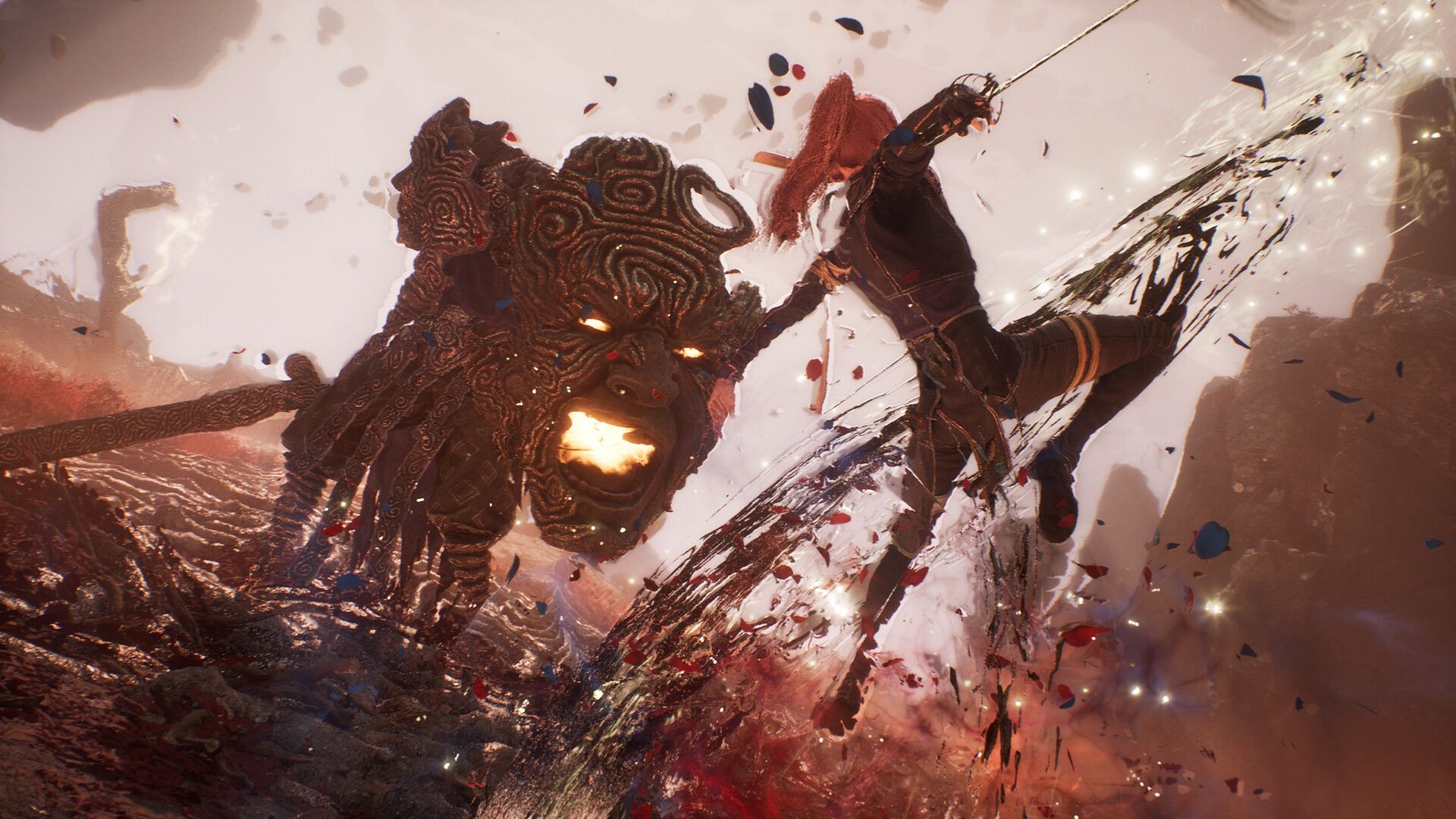
As a gamer, I’ve definitely noticed a big change lately. It feels like everyone’s moving away from those games that constantly need updates and are always trying to keep you hooked with new content. We’re really into single-player experiences now, maybe with a friend or two joining in sometimes. The cool thing about these games is that developers don’t have to keep pumping out updates after launch, though they still might! This makes things way easier for them to plan their budgets, and they can see if a game is going to be a hit much sooner, based on things like how many people wishlist it or pre-order it. It just feels like a more predictable and exciting way to make games.
Recent popular games show a clear trend towards single-player experiences. Titles like Clair Obscur: Expedition 33 and Baldur’s Gate 3 were huge hits upon release and went on to win many awards. Before those, games like Elden Ring and The Legend of Zelda: Breath of the Wild, along with its sequel Tears of the Kingdom, also achieved massive success.
Subscribe to our newsletter for smart takes on gaming’s shift
It’s great to see a shift away from games that constantly require online connection and updates, and back to traditional single-player experiences. While live service games can keep you playing for a long time, that doesn’t always mean they’re enjoyable. Single-player games, on the other hand, offer immersive worlds and compelling stories, and finishing one often leaves you eager for the next adventure. Ultimately, I believe single-player games are more enduring and satisfying than the live service model.
Read More
- Netflix’s Little House On The Prairie Reboot: Release Date, Cast & Everything We Know
- Off Campus Season 1 Soundtrack Guide
- Infinity Nikki Candlelight Reverie Challenge and Rewards Guide
- Gold Rate Forecast
- Silver Rate Forecast
- Prime Video’s New R-Rated Spy Thriller Is Officially No.1 On Streaming Despite Poor Reviews
- Brent Oil Forecast
- EUR ZAR PREDICTION
- KPop Demon Hunters Meets Avatar: The Last Airbender In Netflix’s 3-Part Fantasy Series
- 24 Jump Street in the works with Jonah Hill and Channing Tatum set to return
2026-05-25 19:09