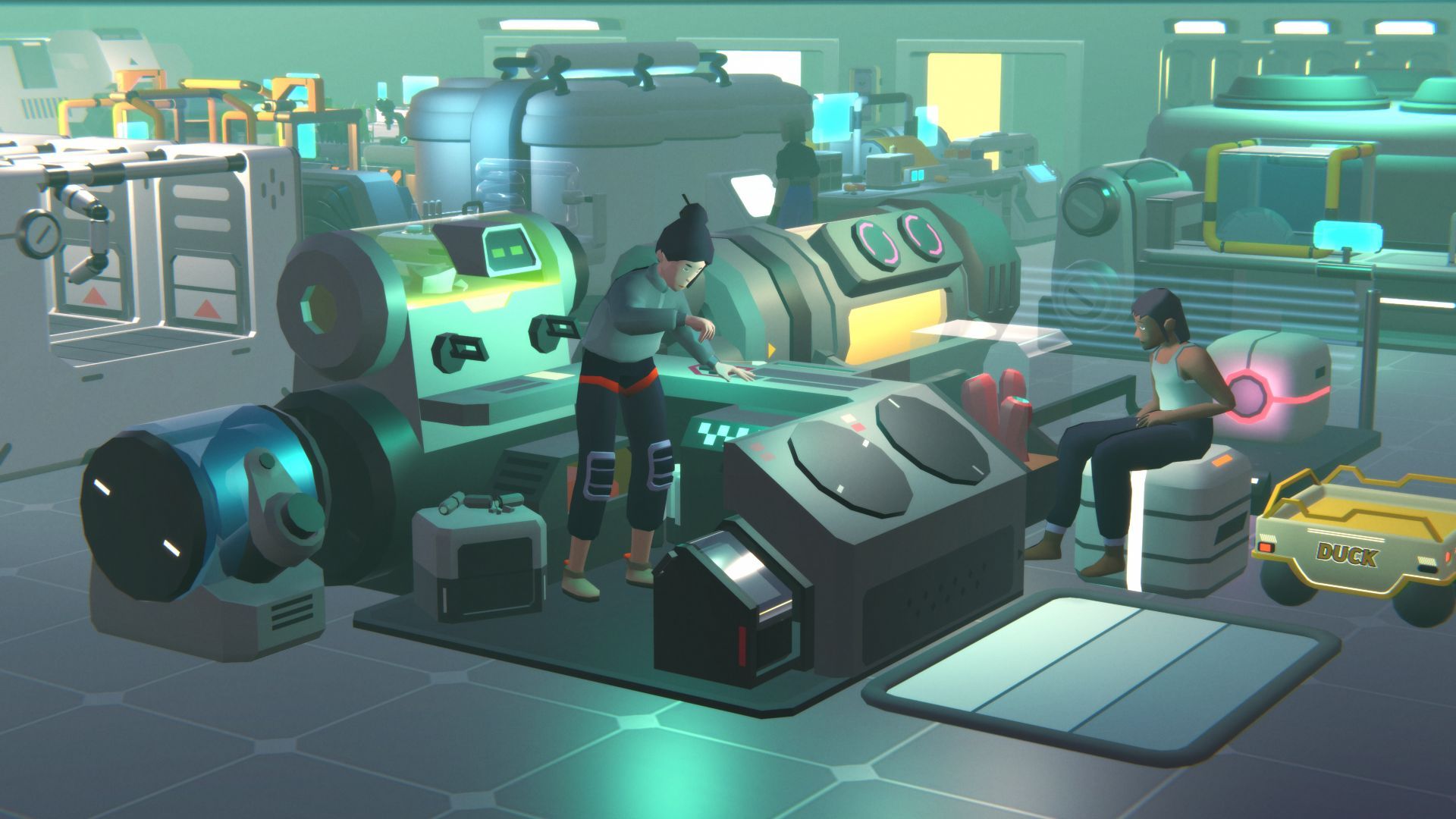
Ever since the first video games, developers have dreamed of creating complete, explorable universes. Back in 1984, players of the game Elite were already searching for life in other galaxies. Now, after forty years of technological advancements, the upcoming game SEED aims to deliver a truly dynamic and persistent universe that feels alive and never pauses, even when you’re not playing.
SEED is a constantly-running online world where you guide a character called a Seedling – imagine a blend of The Sims and Runescape graphics. You can join or start a community on the planet Avesta, and help your Seedlings build towns, create economies, establish governments, and even start families. What’s unique is you can actually talk to your Seedlings using AI, and they’ll respond to you!
TopMob got a sneak peek at SEED, an upcoming game launching in early access in Summer 2026 and on Steam in Fall 2026. During a preview event, we spoke with Ívar Emilsson, Co-Founder and CCO of Klang Games, about the game’s development, its use of artificial intelligence, his thoughts on fan concerns regarding AI in games, and the surprising popularity of dictatorship-themed gameplay among players.
Interview with Klang Games CCO Ívar Emilsson
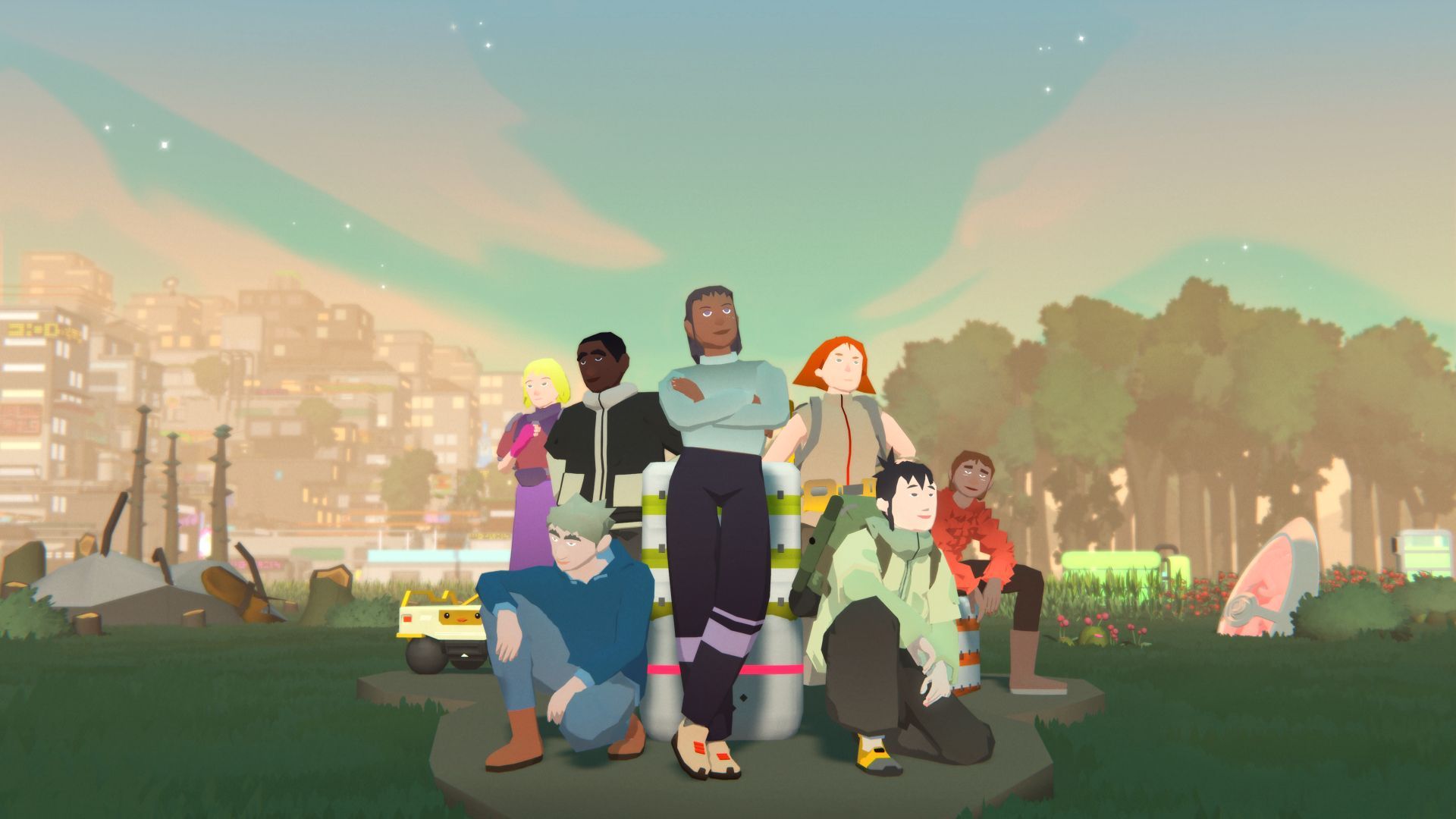
Image Via Klang Studios
Q: Hi, this is Scott Baird from TopMob, speaking to…
I’m Ívar Emilsson, and I’m the Chief Creative Officer and co-founder of Klang Games. We’ve been working on games for around 12 or 13 years now.
Q: What inspired the creation of SEED?
The idea first came to me while I was working on EVE Online with Oddur. EVE Online can be difficult to learn – it has a steep learning curve – but the virtual world it creates is truly amazing and innovative. I’m not sure how many of your readers are familiar with the game, but it’s a challenging experience to get into.
We believed that the potential for long-lasting online communities and player relationships was the future of gaming. However, I realized I was focused on improving the initial experience for new players in EVE Online – things like tutorials and guiding them through the first steps. It was disappointing to see so many people unable to get into the game, because they were missing out on the incredible experience the community had to offer.
That’s really where the idea originated. We began to explore how we could create a game with the same epic scale, depth, and collaborative spirit as EVE Online, but make it more accessible to a wider range of players. That was the initial spark, as far as I’m concerned.
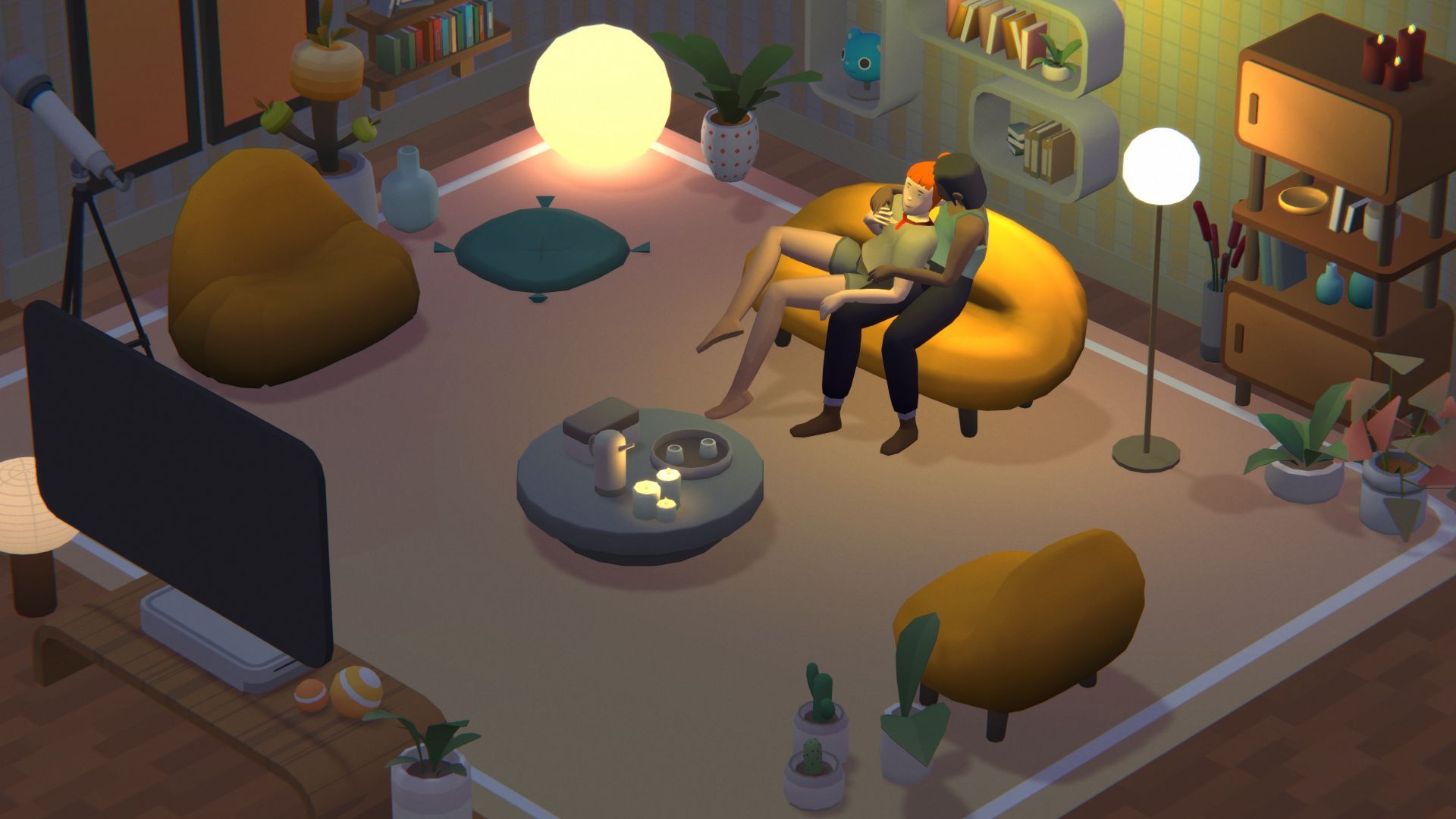
Image Via Klang Studios
Q: Why go for a simulation MMO over a more standard combat-based one?
That also actually comes from one of the design issues that we believe most MMOs have.
As a big gamer, I’ve always thought about how games handle when you aren’t playing. It’s similar to the ’empty world problem’ – think about World of Warcraft or EVE Online. When you log out, your character is essentially removed from the game world for a while. What really got me thinking about this particular game is how it combines that ‘gone when you log out’ feeling with a world that’s always running and changing, even when you’re not there. It’s like they’ve created a world that truly persists and is always being simulated, which is pretty cool.
It’s similar to a Tamagotchi – a basic but ongoing simulation. Restarting it is like permanently ending the game.
The fact that the simulation continues even when you’re not actively playing it is what makes it so engaging. People consistently care for their Tamagotchis because they develop a lasting connection with them over time.
It’s interesting how online games and social media have changed. We used to clearly separate our online and real lives – if someone logged off on MSN, for example, you couldn’t contact them. Now, those lines are much more blurred, and online experiences feel more continuous.
Generally, you need to be online at the same time as other players to message them, which is typical for most online games. With SEED, we’re trying to change that by making the game world feel more persistent, so it doesn’t always require everyone to be online simultaneously.
This feels a lot like using apps such as Instagram or Facebook. You don’t worry about whether someone is currently online; you simply send a message and trust they’ll reply when they check the app later.
Simulation games are fantastic for creating experiences where the world evolves even when you’re not actively playing. You can start something – like building a house or developing a relationship – and when you return, things will have naturally changed. That sense of a dynamic, evolving world is something we really wanted to capture in our game.
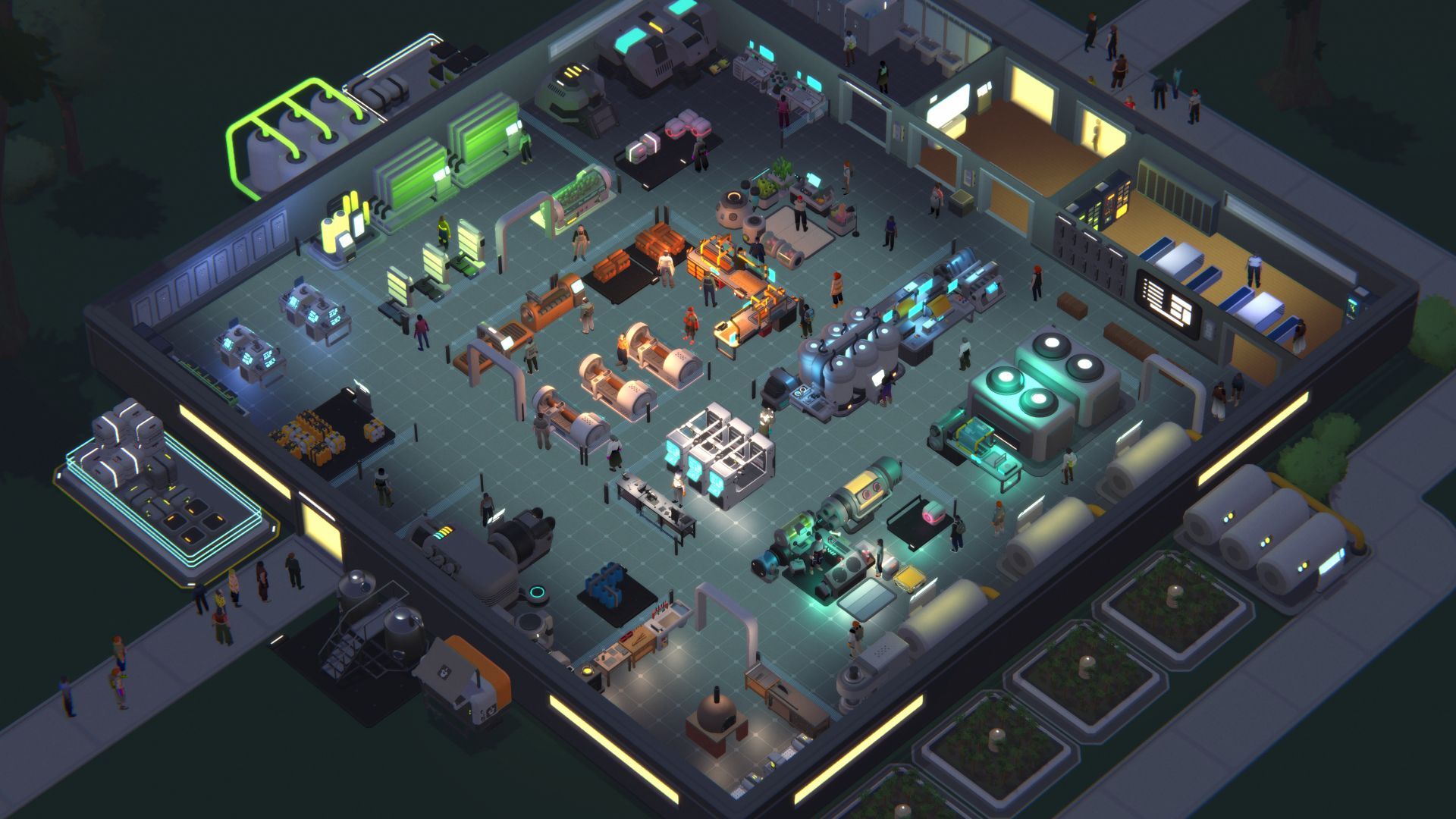
Image Via Klang Studios
How do you see artificial intelligence changing the game in the future, considering how rapidly the technology is developing?
Honestly, I wouldn’t say.
I’m not sure, but I think we can use large language models to make Seedlings feel more realistic and human-like. Just to reiterate, Seedlings is designed to simulate human behavior.
We’re not aiming for a flawless imitation of reality. Our goal isn’t to build robots that always make the smartest choices. Instead, we want to represent the complexities of human emotion, the tendency to pick options that aren’t necessarily the best, and the impact of making decisions based on incomplete information or that we later regret. This isn’t about creating artificial intelligence that learns; it’s about capturing the human experience.
Look, we’re not building AI to create the ‘perfect’ person, that’s not the goal at all. We’re trying to simulate people, and people are messy, flawed, and totally imperfect – and that’s a good thing! Honestly, I think embracing those imperfections is key. Right now, large language models are amazing at adding detail and personality to the basic framework we create with what’s called ‘utility AI’. Basically, utility AI just uses math to tell a character what the most logical thing to do is in any given moment. It’s all very…mechanical. The LLMs are what bring it to life.
It’s interesting to consider how they understand that information, and why it’s so central to their experience. Using an LLM to add detail and nuance is really compelling – it makes everything feel much more alive. Initially, we envisioned these conversations – both between AI and between AI and players – as being very simple. We planned to use icons, similar to The Sims, leaving it up to players to interpret the meaning and create their own stories.
We’re not building robots that simply find the ‘best’ solution. Instead, we’re focused on recreating the complexities of human experience – things like emotions, making imperfect choices, being unaware of information, and sometimes regretting those decisions. This isn’t about traditional machine learning.
We tried various solutions before using large language models, but none of them worked well. They often got stuck repeating themselves or provided irrelevant responses. Humans are naturally good at spotting inconsistencies, and these older systems just couldn’t keep up.
We realized a visual approach would be much better than relying on text. We were testing things out around the time GPT 2.5 was released, and it just didn’t feel quite right.
It’s remarkable how closely these AI responses resemble actual thoughts or real-life events. We’ve been closely following the development of large language models for quite some time now.
We’re keeping things simple right now. We’re not creating complex things like 3D models. We’re only using this technology for dialogue – for Seedlings talking to each other and to the player.
We’re currently using this tool for things like creating icons, specifically when setting up new companies. It’s also helping us add color and visual elements to our AI-driven behaviors. Pinpointing exactly where all this AI technology comes from is difficult to say.
We’re still committed to developing a distinctive visual style. We have a clear artistic vision and a talented team of artists, so that aspect is well in hand. Our biggest challenge is figuring out how to create truly believable virtual humans.
We’re seeing a lot of online discussion – and some strong reactions – to the use of AI in games. If someone is hesitant about SEED just because it includes AI elements, I’d encourage them to look beyond that. We believe the core gameplay and experience are compelling, and we hope they’ll give it a chance to see what SEED has to offer beyond the AI components.
Whether or not this is a good thing really comes down to how it’s being used. If it involves unethical practices or taking credit for other people’s creations, I can see why people would be concerned.
I believe that using these tools to genuinely enhance the player experience – like building a stronger emotional connection with your character – is acceptable. I recognize the concerns people have raised, but things are evolving in gaming and entertainment, and we’re seeing changes across the board.
We’re committed to staying authentic, imaginative, and working with genuine artists. I’m not sure if that came across as political, but everyone is entitled to their own perspective.
It feels a little limiting when everyone groups everything together. Like, a game where AI creates all of the art, how it looks, how you interact with it… I’m just not sure how I feel about that.
I haven’t seen anything good yet. Maybe there will be something eventually, I’m not sure.
It feels a little limiting when everyone lumps everything together. Like, a game where AI creates all the art, design, and how you interact with it… I’m just not sure how I feel about that.
I’ve been trying out the SEED preview, and I’ve noticed that even simple actions take a lot of steps. For instance, getting wood involves chopping the tree, collecting the wood, and then carrying it back. Is this deliberate, or are there plans to make these actions more streamlined in the future?
In large online games, it’s really important to give players distinct roles so they feel like valuable contributors to their team.
We’re designing a system where people can work most effectively by each taking on specific roles. While it’s possible to be good at many things, focusing on a specialty allows for greater expertise – a bit like the saying ‘jack of all trades, master of none’.
Alternatively, you can concentrate on a specific task. To get the best outcome, different Seedlings can be assigned different roles. For example, one Seedling might be particularly good at chopping down trees and spend all day doing just that.
Sometimes, players need to work together – like one delivering an item to another – to achieve a better outcome. This requires them to coordinate and communicate with each other.

Image Via Klang Studios
Q: Are there any plans to bring SEED to consoles in the future, or is that an impossibility?
I think it’s definitely possible.
We’re noticing a growing trend of games appearing on consoles that you wouldn’t traditionally expect to find there. Right now, our main focus is on PC, Mac, and mobile platforms, though our mobile app is currently designed more as a companion to our other games.
Sometimes the camera has trouble keeping up with players and Seedlings. Will there be any improvements to this in the future?
Absolutely. What you looked at today is obviously our development build.
This version comes from our development branch, which is still a bit rough around the edges. We recently upgraded the camera to a professional cinema model to improve the visual quality, but we’re still working out some issues to get everything running smoothly.
We’ve received questions about the current limit of 10 Seedlings per player. We are considering whether to raise or lower this number in the future, but haven’t made any decisions yet.
There’s really no need to put a limit on how many players can collect. We’ve noticed in initial testing that some players managed to get between 40 and 50 Seedlings, which was surprising – I wasn’t even sure our interface could handle that many!
Perhaps that’s why we settled on ten. We’ve also learned from past game development that it’s beneficial to offer varying levels of involvement to cater to different players. Most massively multiplayer online games successfully divide their player base into distinct groups based on how they prefer to play.
Players engage with the game at different levels. Some, like guild leaders, are heavily invested and play frequently. Others might occasionally trade or join combat sessions, showing a more moderate level of involvement. And some players might only participate in activities like combat every once in a while, indicating lower overall engagement.
You want to give players the freedom to play for any amount of time they choose.
Okay, so SEED kinda dumps a ton of info on you right from the start, and it can be overwhelming. The developers are looking at ways to spread that information out more smoothly, so it’s easier to learn the ropes and not feel totally lost. Basically, they want to make sure we get everything we need to know without being bombarded!
We’re developing a large-scale online simulation game designed for a wide audience. Currently, we’re prioritizing features for dedicated gamers. We envision three main player types: those who nurture and maintain, those who build and trade, and those who lead and govern.
Subscribe to our newsletter for SEED and AI gaming insights
Initially, we’re focusing on attracting businesses and entrepreneurs. To allow users to nurture their Seedling through its entire lifecycle within the Tamagotchi on Stairways experience, we need to provide the necessary support and structure for them to do so.
Cities and settlements that already offer services and jobs make it easier for new players to join and succeed. Right now, we’re heavily focused on improving the initial experience for players. We’re aiming for a balance – not targeting the very casual gamer, but those who are a bit more engaged, so they can build a solid base and truly thrive within the game.
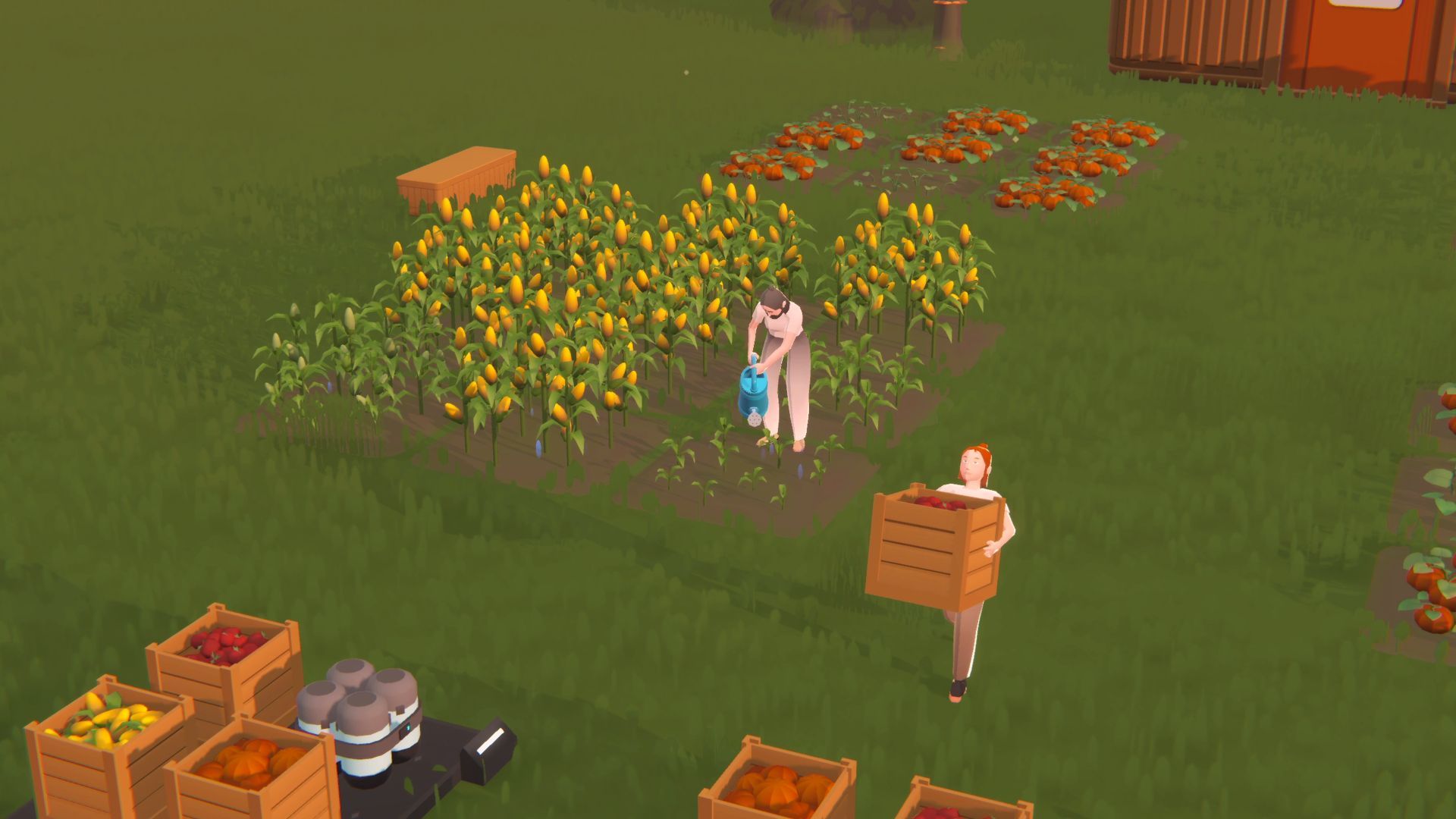
Image Via Klang Studios
During a preview of the game Seedlings, players discovered they could create a system where one person essentially rules over everyone else. The developers were asked why they decided to include this feature.
This is a fascinating challenge that people face in everyday life, and it’s exactly the kind of thing our game explores. Making decisions as a group is often surprisingly hard.
Even in a small organization, making decisions as a group can be challenging. We’ve been particularly interested in understanding how groups of people can effectively manage themselves and make choices together.
A key issue with EVE Online was its inflexible governance system. If a corporation’s leader stopped playing, the entire group would often get stuck. They’d either have to dissolve and start over, or find a way to reorganize and keep going.
Groups of people naturally evolve over time. What starts as a small circle of friends can grow, or change in other ways. These relationships and how people interact are always in flux.
It’s often said that peace requires conflict, and that good can’t exist without some form of bad. I’m not suggesting that all authoritarian governments are inherently negative, though.
We want to give players a lot of freedom in how they govern their societies, ranging from simple democracies to strict dictatorships. It’s really interesting to consider what players will create with those options and how they’ll choose to rule.
If we manage this well, we could potentially gain insights into how groups make decisions. I’m not promising that will happen, but it’s certainly possible in an online environment where the pressures and risks are different.
Look, as a player, I’m pretty sure if we give people more options in the game, they’ll definitely find ways to break it and do things we never anticipated. Honestly, it’s a little worrying because right now, the most powerful and successful groups in SEED seem to be the ones running things like dictatorships. It’s kinda strange to see that working so well in the game!
It’s concerning that, currently, authoritarian governments appear to be thriving. The most prosperous communities within the SEED initiative are actually those run by dictatorships.
The developers were asked if the endgame in SEED might get overly complicated and shift the focus away from the realistic player experience they’re aiming for.
I don’t think they’ll be permanent. Each Seedling has a limited lifespan – they’re created, they exist for a while, and then they’re gone. I find the idea of nurturing and guiding these beings through their lives, whether it’s helping someone like a troubled janitor or a powerful doctor, really compelling. It’s a concept with a lot of potential for interesting and meaningful stories that people can connect with.
Now that we’re focused on finishing SEED, what are the plans for supporting it once it’s released?
This is just the very beginning.
We’re releasing version 0.3 of our SEED project, which is still in its early stages. This is the result of over two decades of work – we first began discussing the idea about 23 years ago.
This has been a significant undertaking, and we’re committed to continuing it and expanding on what we’ve built. Our goal is to create a separate, thriving world that exists alongside our own.
Read More
- Netflix’s Little House On The Prairie Reboot: Release Date, Cast & Everything We Know
- Off Campus Season 1 Soundtrack Guide
- Silver Rate Forecast
- Prime Video’s New R-Rated Spy Thriller Is Officially No.1 On Streaming Despite Poor Reviews
- Gold Rate Forecast
- Brent Oil Forecast
- EUR ZAR PREDICTION
- Amazon Primes new GenAI cartoon looks like K-Pop Demon Hunters with aliens
- Inkford Hermitage Chest Locations In HSR (Honkai: Star Rail)
- KPop Demon Hunters Meets Avatar: The Last Airbender In Netflix’s 3-Part Fantasy Series
2026-05-18 16:13