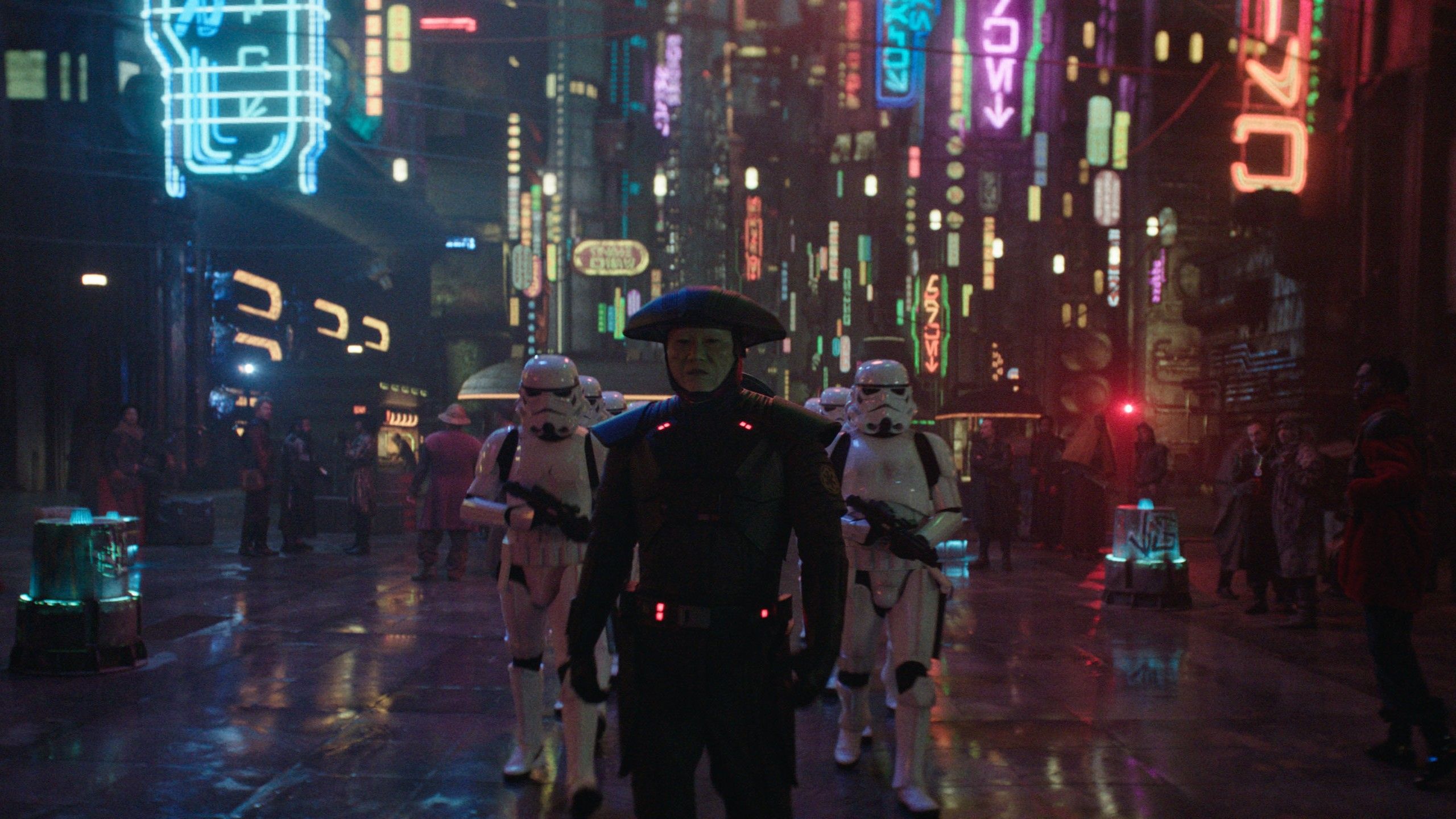
If you’re looking for a sci-fi show to watch on Disney+, this three-season series is a great choice and really shows how Star Wars shows should be made. Since The Mandalorian debuted in 2019, Disney+ has released a lot of Star Wars content, mostly as TV series. This includes live-action shows like Andor and Obi-Wan Kenobi, as well as animated series such as The Bad Batch and Maul – Shadow Lord.
As a long-time Star Wars fan, I’ve been watching Disney+’s foray into television with a mix of excitement and trepidation. While shows like The Mandalorian and Andor really hit the mark, earning almost universal acclaim, others – I’m looking at you, The Acolyte and Obi-Wan Kenobi – proved far more divisive, further splitting an already passionate fanbase. Now, it seems Star Wars is shifting gears again, heading back to the big screen with the upcoming film, The Mandalorian and Grogu. I’m cautiously optimistic to see what they do with it.
Disney+ has struggled to consistently create great Star Wars shows, but Star Wars: Visions is a clear success. It’s almost a perfect example of what Star Wars shows should be. With four seasons available or coming to Disney+, Visions is the consistently well-received show the franchise has been looking for.
Star Wars: Visions is a series of animated shorts created by various studios, mainly from Japan, but also including contributions from around the globe—like Ireland, Chile, South Africa, France, and South Korea. Because it’s an anthology, each short is very different. Some episodes are lighthearted—like one featuring a pop band performing for Jabba the Hutt—while others introduce brand new characters and stories set in a time period inspired by historical Japan.
Star Wars: Visions Proves That Star Wars Can Get More Out Of Legends
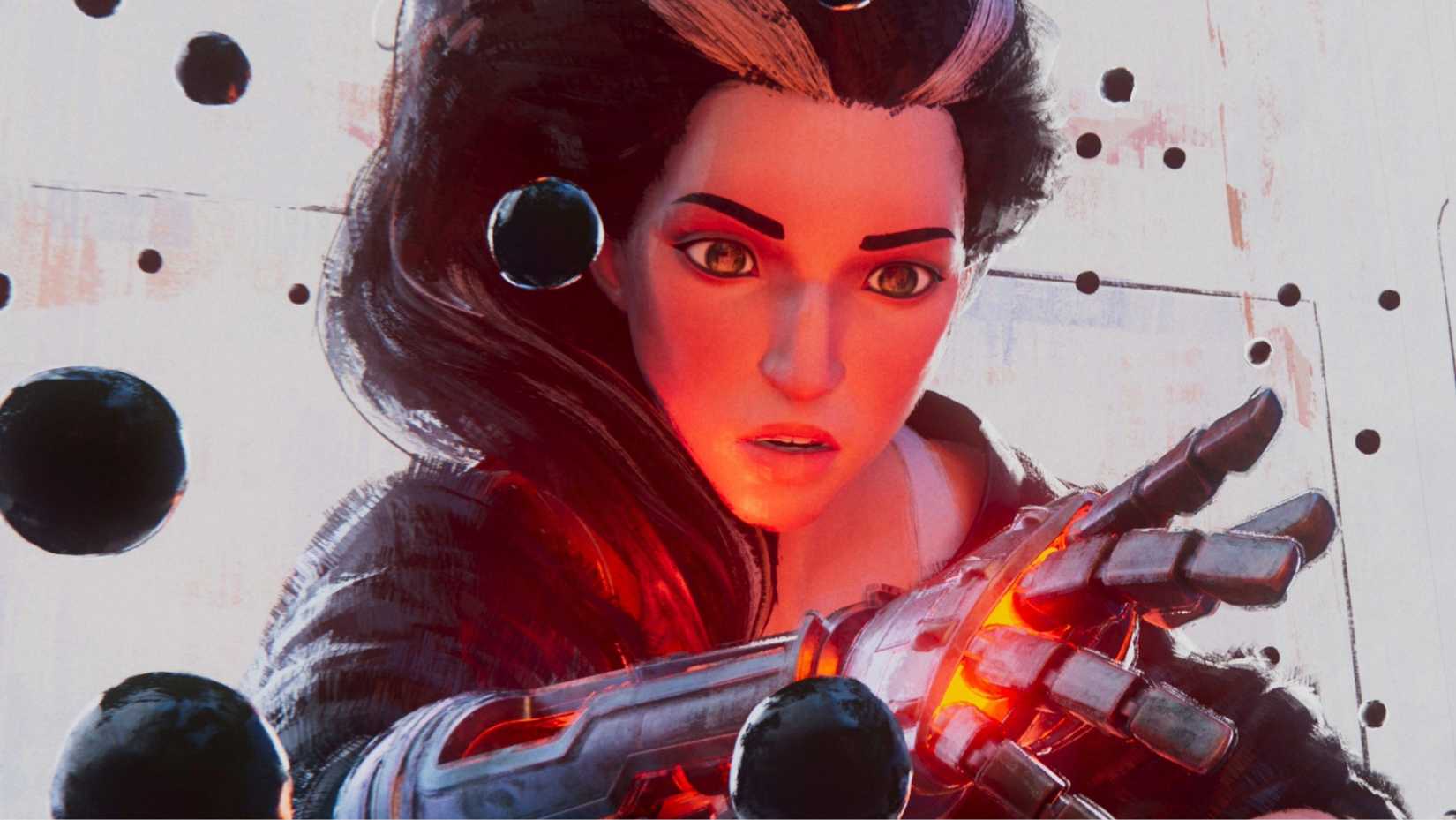
The animated series Star Wars: Visions exists outside of the official Star Wars timeline, meaning its stories don’t impact the main canon and aren’t bound by its rules. It demonstrates that Star Wars can still benefit from exploring ideas originally developed in the older ‘Legends’ stories. Since Disney rebranded the Expanded Universe as ‘Legends’ in 2014, they’ve largely focused on expanding the core Star Wars canon rather than revisiting those non-canon tales.
It’s been fantastic that shows like Andor have expanded the official Star Wars storyline, but Disney and Lucasfilm are missing out by not recognizing the value of Legends material. Visions demonstrates this perfectly – some of the most compelling Star Wars stories of recent years have come from that series, and because it exists outside of the main Star Wars timeline, it’s free to explore new ideas.
Creating stories outside of the official Star Wars timeline allows for incredible freedom, and Visions demonstrates this perfectly. Because it’s not part of the official story, Visions is similar to Marvel’s What If…? series, letting Star Wars explore alternate realities. It can show us a galaxy where the Empire triumphed, or even one where lightsabers are used as umbrellas, and imagine the Skywalker family’s story unfolding in completely new ways – possibilities that wouldn’t fit within the established Star Wars universe.
What makes Visions so creative is its freedom from established Star Wars lore. Because it’s not bound by what’s come before, the show can explore truly original ideas – like casinos built inside AT-ATs and lightsabers designed like katanas. It introduces new Force abilities, planets, and creatures, all of which would disrupt the official timeline if they were part of the main story. But that’s the best part – these unique elements are exactly what many longtime fans have wanted to see for years.
Star Wars: Visions Also Proves That 2D Animation Still Works In Star Wars
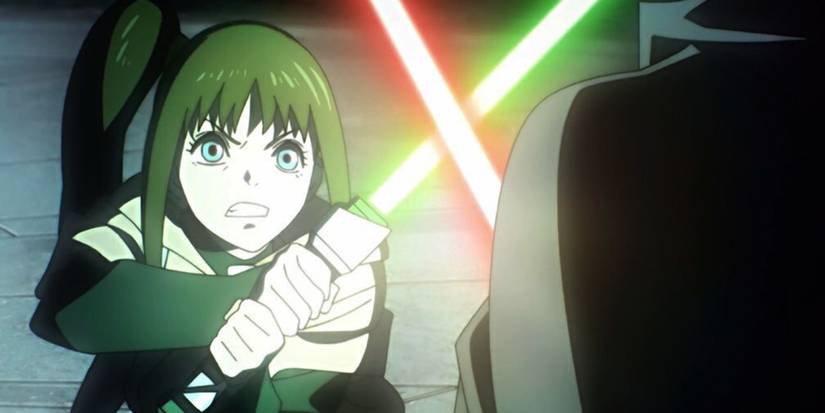
With Star Wars: Visions, it’s clear that Star Wars benefits from telling stories outside of the main timeline. The series also demonstrates the continued strength of 2D animation within the franchise. Before Visions, the last 2D animated Star Wars project was Genndy Tartakovsky’s Clone Wars in 2005. Every subsequent show, except Visions, has used 3D animation, often mirroring the visual style first established by Dave Filoni’s The Clone Wars.
The 3D animation in The Clone Wars is fantastic, creating incredible visuals like those in Maul – Shadow Lord. However, the quality of The Clone Wars’ style doesn’t diminish the potential of 2D animation within the Star Wars universe. Visions demonstrates that Star Wars animation can offer much more variety and innovation than we’ve seen before.
The animation in Visions is truly stunning, with some scenes showcasing incredible 2D artistry. This style allows for visual moments impossible to achieve in The Clone Wars, like spectacular displays of Force power and unbelievably fast, powerful lightsaber fights. Visions captures the same exciting, energetic feel as Genndy Tartakovsky’s Clone Wars series – something Star Wars hasn’t felt in a long time.
The unique animation style of Visions really sets it apart from other Star Wars content. It feels like a fresh, new perspective on the galaxy we know and love. While it’s not as realistic as The Clone Wars, that allows Visions to be more imaginative and epic in scope. If you’re a Star Wars fan, you should definitely check out Star Wars: Visions.
Read More
- Netflix’s Little House On The Prairie Reboot: Release Date, Cast & Everything We Know
- Off Campus Season 1 Soundtrack Guide
- YouTuber arrested after viral AI bodycam videos spark real police complaints
- Silver Rate Forecast
- Prime Video’s New R-Rated Spy Thriller Is Officially No.1 On Streaming Despite Poor Reviews
- Brent Oil Forecast
- Bulgakov’s Take: Koreans Bet the Farm on Chips, Crypto, and Chaos
- EUR ZAR PREDICTION
- Peaky Blinders: The Immortal Man’s Tommy Shelby Is a Better Father Than Michael Corleone
- Gold Rate Forecast
2026-04-26 18:49