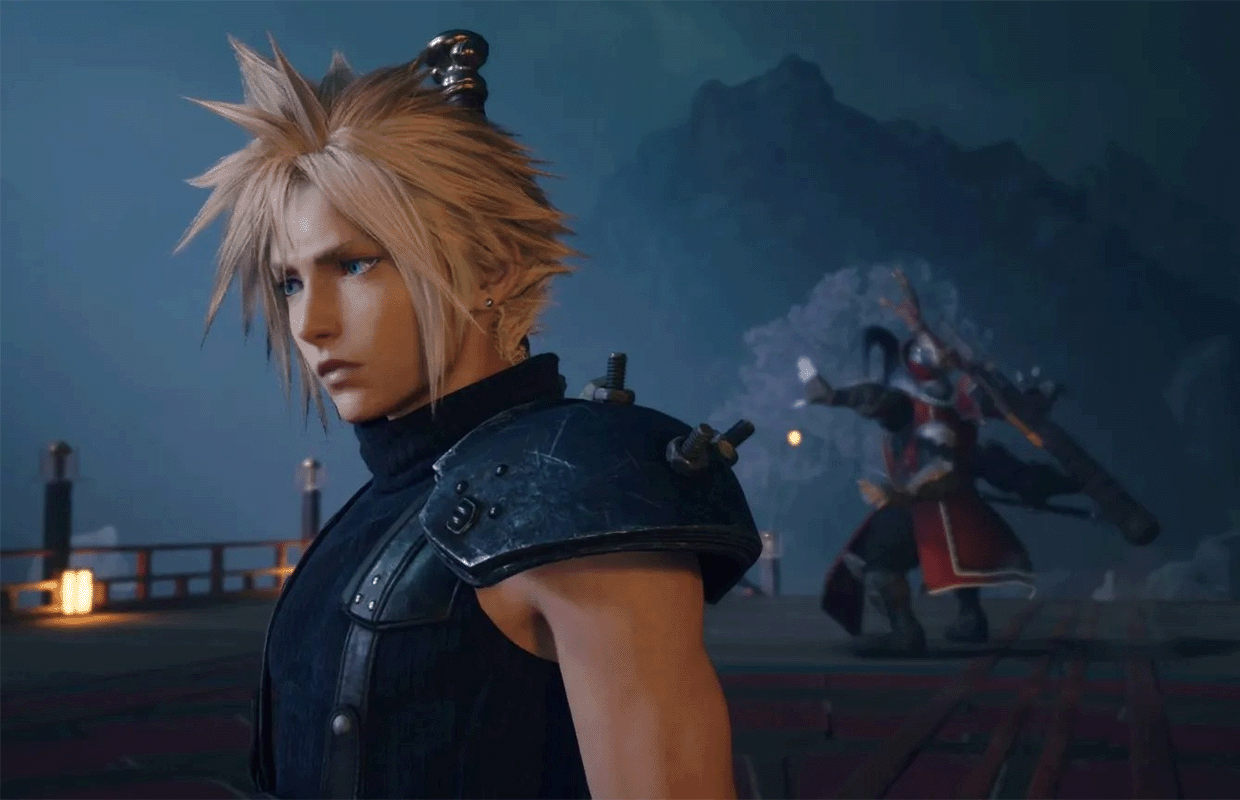
I recently mentioned that with the Switch 2 version of Final Fantasy VII Remake coming out, I’m planning to finally pick up Final Fantasy VII Rebirth again. I was really excited about Rebirth when it launched in 2024, but I didn’t have time to play it. There was so much extra content that it felt overwhelming, and I didn’t want to be stuck with a long game for years like I was before. I decided to wait until we heard more about the third and final game in the series before starting it.
Hearing rumors that the new game will be released on all consoles, including the Switch 2, inspired me to start a fresh playthrough on that system. I previously played on PS5 and reached Barret’s hometown of Corel, about 25 hours into the game, before taking a break. While that’s not very far into such a large game, I needed a breather with a full-time job. It was frustrating to stop playing right when the story was getting good.
I’ve reached Chapter 9, completing all the optional content available so far. After about 36 hours of playtime, finishing everything in Corel, I’m ready to move on to the next area. I’ve been replaying the game for over 11 hours and am enjoying it much more this time around. Perhaps it’s because the new Switch makes it so easy to play, but I’m fully engaging with quests and exploring the world – things I skipped in my first playthrough. I regret missing out on that content before, as it’s proving to be really enjoyable now.
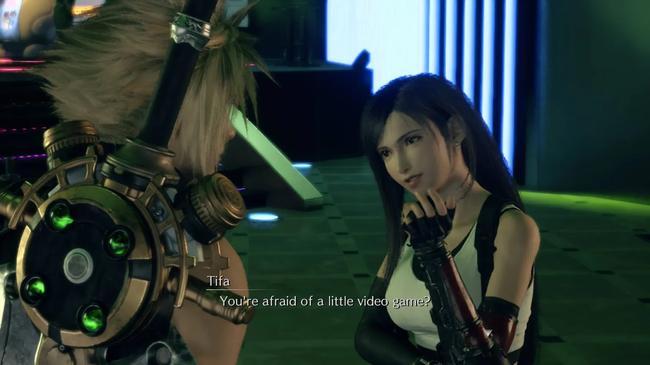
Rebirth retells the central part of Final Fantasy VII, and the game’s feel changes significantly after the focused, story-driven section in Midgar. This shift in tone is important for showing the vastness of the world and introducing its characters. As a result, Rebirth feels less about a direct, urgent quest and more like a journey where Cloud travels with his companions and explores the world, with the main story serving as a reason to see new places and build relationships.
While there’s a lot to do and some of the side activities can feel excessive, the writing in this game is a definite improvement. I was concerned about returning after finding the quests in the previous remake disappointing, but it’s clear the developers listened to feedback. Even when a quest isn’t thrilling, it always focuses on Cloud interacting with a different member of the team, and you often get a personal story about them. Even if you don’t love collecting intel in the open world – I actually enjoy those kinds of simple tasks, even if they aren’t super complex – the side quests are definitely worth playing.
Playing Rebirth on the Switch 2 went smoothly because I used the standard PS5 version in performance mode – I suspect other settings might have caused problems. The game has never been known for its sharp graphics, and that was a common complaint when it first came out. The Switch 2 version doesn’t let you adjust the graphics at all; it uses a technology called DLSS to try and make the image look as good as possible, but the result is still somewhat blurry. If you were happy with how Remake looked on the Switch 2, Rebirth might be a noticeable step down. Rebirth is a much bigger and more complex game, especially in its open-world areas, and even on its original release hardware, it wasn’t known for being visually clear.
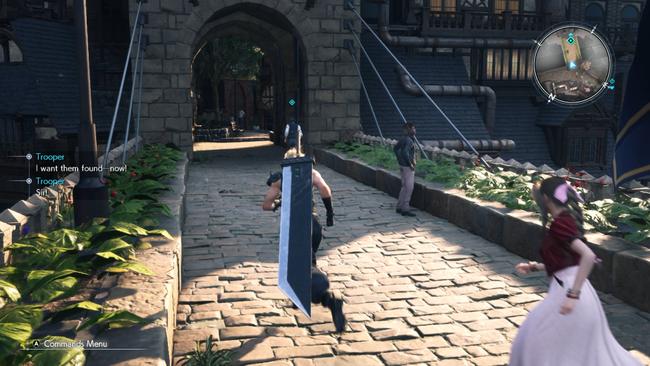
I’ve played a lot of this game on the Switch 2, both on my TV and in handheld mode, and the performance is just okay. When played on my 4K OLED TV, it felt similar to the performance mode on the original PlayStation 5, though the resolution probably isn’t as high. It doesn’t look as sharp as the original game did when docked, but it’s playable. In handheld mode, the resolution is noticeably lower and the image isn’t as clear, especially during gameplay. While it looks good up close and during cutscenes, the resolution can sometimes drop too much. Neither mode is unplayable, but I recommend trying the Switch 2 demo before buying this version.
The game looks good enough to play, but it’s clear some visual details were reduced to make it run smoothly on the hardware. Things like decorations, objects on shelves, and even the amount of plants in the environment were simplified or removed entirely. Comparing it to other versions, the game world feels noticeably emptier. This was especially obvious during the parade scene – the pre-recorded video showed a crowded street, but the actual game had very few people, making it seem like the character Rufus wasn’t very popular!
The biggest issue with this port is definitely the constant “pop-in” – things like objects, textures, shadows, and details appearing and disappearing as you play. It really breaks the feeling of being in the game world. You’ll see characters suddenly appear, or plants flicker in and out of view. Sometimes, even shopkeepers don’t load in properly, forcing you to wait before you can see what they’re selling. This visual issue detracts from what could be a beautiful game. There are also noticeable graphical glitches, like jagged edges on objects and blurry textures. It’s often hard to tell if these are intentional or due to loading problems. The developers should prioritize fixing this pop-in with future updates, and perhaps add an option to download higher-quality textures. While the smaller file size is good, many players, including myself, would happily download a larger pack to make the game look its best.
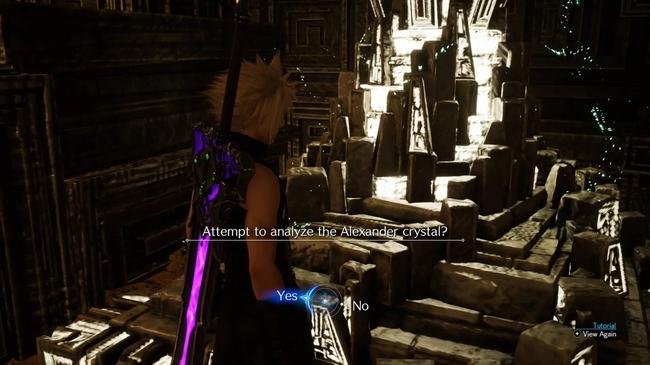
Despite the framerate being capped at 30fps – a reduction from the original game – the port runs surprisingly well. I barely noticed the difference thanks to minimal input lag and smooth performance, especially with the day one patch. While there was some stutter in towns, exploration and combat felt fluid and responsive. Considering the complexity of battles and large environments, maintaining stable performance is a real achievement. I would have been much more critical if the game hadn’t run so smoothly.
This game includes all the content from the original, with every mini-game, story beat, and battle intact. I spent countless hours exploring the open world – clearing towers, fighting challenging enemies, and perfecting my Queen’s Blood deck. In fact, I played Queen’s Blood for at least five of the 36 hours I’ve put into the game – please make a standalone app for it, I’m completely hooked! While it’s not as tightly focused as the first game, the sheer amount of content is fantastic. I’m constantly impressed by the small details too, like hidden dungeons from side quests and the huge variety of battle music. This feels like Square Enix’s ultimate, all-encompassing game.
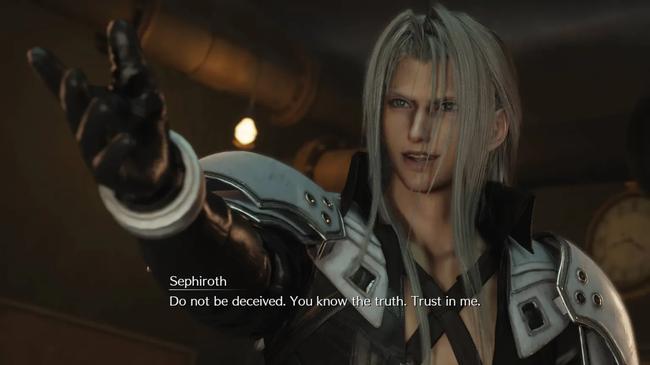
Playing Final Fantasy VII Rebirth on the Switch 2 feels surprisingly like the PS4 version many of us hoped for. While it’s not the game’s most visually stunning presentation – it uses technology like DLSS and has reduced graphical details – the fact that it runs at all on this hardware is pretty remarkable. I was hoping for an even more impressive port, but this is still a great way to experience the game. If you’re new to Rebirth, you likely won’t notice the differences much. And once I got past comparing it to other versions, I found myself simply enjoying it as a standalone game.
I’m curious to see how Square Enix will conclude the Final Fantasy VII Remake trilogy. It’s possible the team is planning a more focused, story-driven final game, similar to the original, after this larger installment. Knowing how popular handheld devices like the Steam Deck and the upcoming Switch 2 are, I really hope they’re designing the last game with those systems in mind. The Switch 2 ports could even be a way for the developers to practice making the game look good on less powerful hardware. Regardless, I’m looking forward to it! I plan to finish my current playthrough and then play the final game on the Switch 2 – I’m excited to see how they continue to improve the experience over the next few months, and the idea of playing it on a handheld really appeals to me.
Read More
- Netflix’s Little House On The Prairie Reboot: Release Date, Cast & Everything We Know
- Off Campus Season 1 Soundtrack Guide
- YouTuber arrested after viral AI bodycam videos spark real police complaints
- Silver Rate Forecast
- Prime Video’s New R-Rated Spy Thriller Is Officially No.1 On Streaming Despite Poor Reviews
- Brent Oil Forecast
- Peaky Blinders: The Immortal Man’s Tommy Shelby Is a Better Father Than Michael Corleone
- Bulgakov’s Take: Koreans Bet the Farm on Chips, Crypto, and Chaos
- EUR ZAR PREDICTION
- Gold Rate Forecast
2026-06-02 14:57