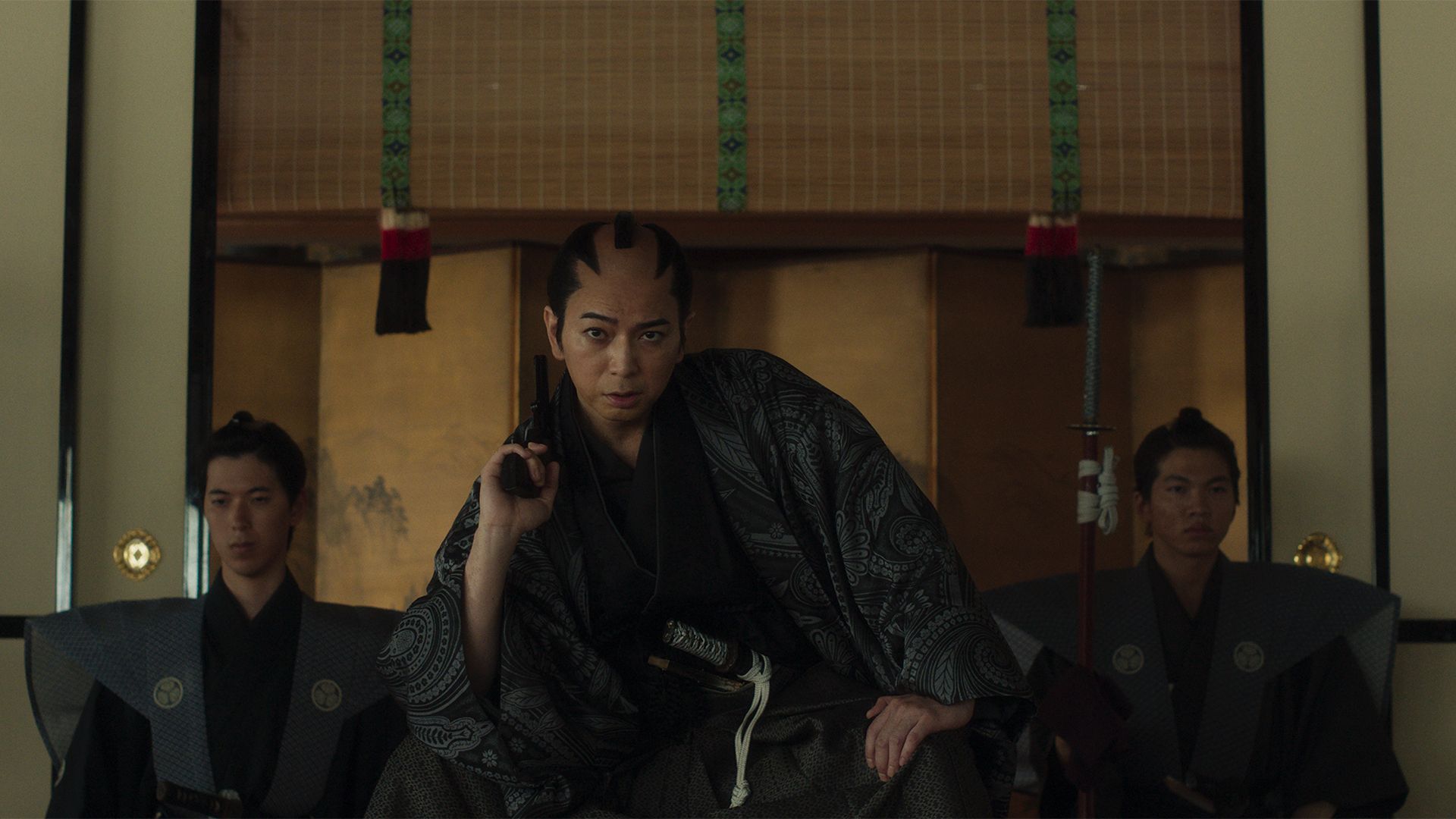
FX’s Shogun has sparked a surge of interest in Japanese storytelling, and now a new series from HBO is continuing that momentum. Shogun, which debuted in 2024, was initially planned as a limited series, but its huge popularity led FX to quickly renew it for a second season. With a remarkable 99% rating on Rotten Tomatoes and a Primetime Emmy Award for Outstanding Drama Series – a first for a Japanese-language show – Shogun is clearly a major success.
The popularity of Shogun is especially encouraging because it shows a growing interest in jidaigeki – Japanese historical dramas – among Western viewers. These stories, which can take many forms like movies, TV shows, and books, are frequently set during Japan’s Edo period (1603-1868). This era is captivating due to its political complexities and the compelling world of the samurai.
The series Shogun successfully combines the traditional elements of Japanese historical dramas with the high production values seen in shows like Game of Thrones. It’s a gripping, surprising, and often brutal show, but also incredibly realistic and captivating. With fans already anticipating a second season of Shogun, HBO is offering Song of the Samurai as a similar option – one that takes those same appealing qualities and amplifies them even further.
How Song Of The Samurai’s Anime Influence Turns Up The Volume On Shogun
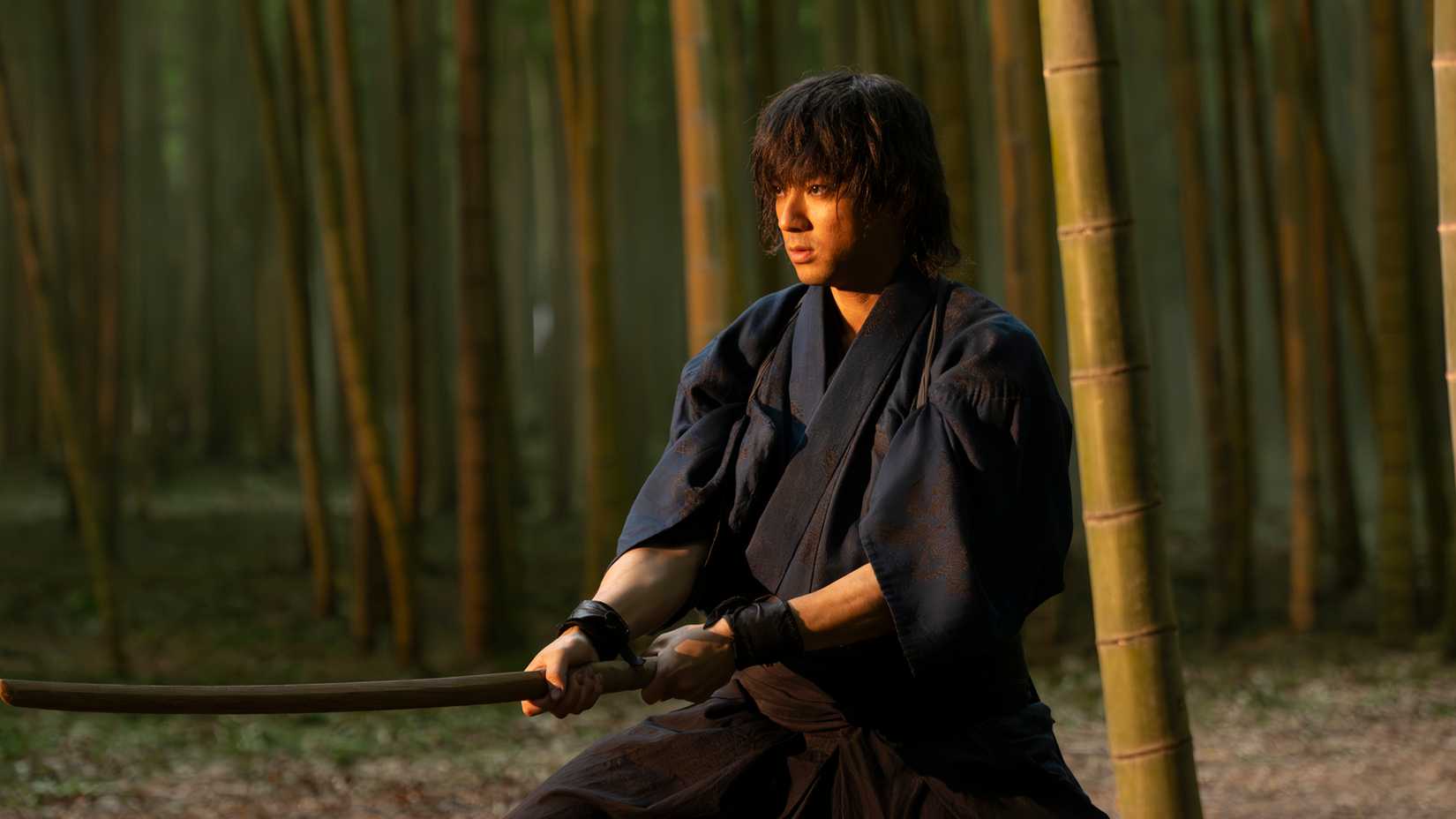
HBO’s Song of the Samurai, similar to Shogun, is a historical drama set in Japan’s Edo period. However, where Shogun was based on a novel, Song of the Samurai adapts a Japanese manga comic. This gives the new series a distinctive style. Both shows feature political struggles, the code of the samurai, and clashes between cultures, but Shogun feels consistently grounded and realistic, while Song of the Samurai leans into the more dramatic and exaggerated elements common in manga and anime.
Song of the Samurai feels authentic thanks to its detailed setting, costumes, and historical accuracy. The story and characters deeply explore the samurai tradition, focusing on themes of honor, duty, and sacrifice within a complex political landscape. However, the presentation is highly energetic and dramatic, with over-the-top action and characters that feel inspired by classic manga and anime.
While Song of the Samurai might not satisfy every fan of Shogun, it’s a great choice for those who loved the FX series and are looking for something even more action-packed. The show’s biggest draw is its constant, thrilling action sequences. The fight scenes are incredibly well-done, blending the over-the-top energy of anime with the grit of real-life combat. Ultimately, Song of the Samurai is simply a very entertaining show.
There’s More Shogun-Like Political Intensity On The Way For HBO’s Song Of The Samurai
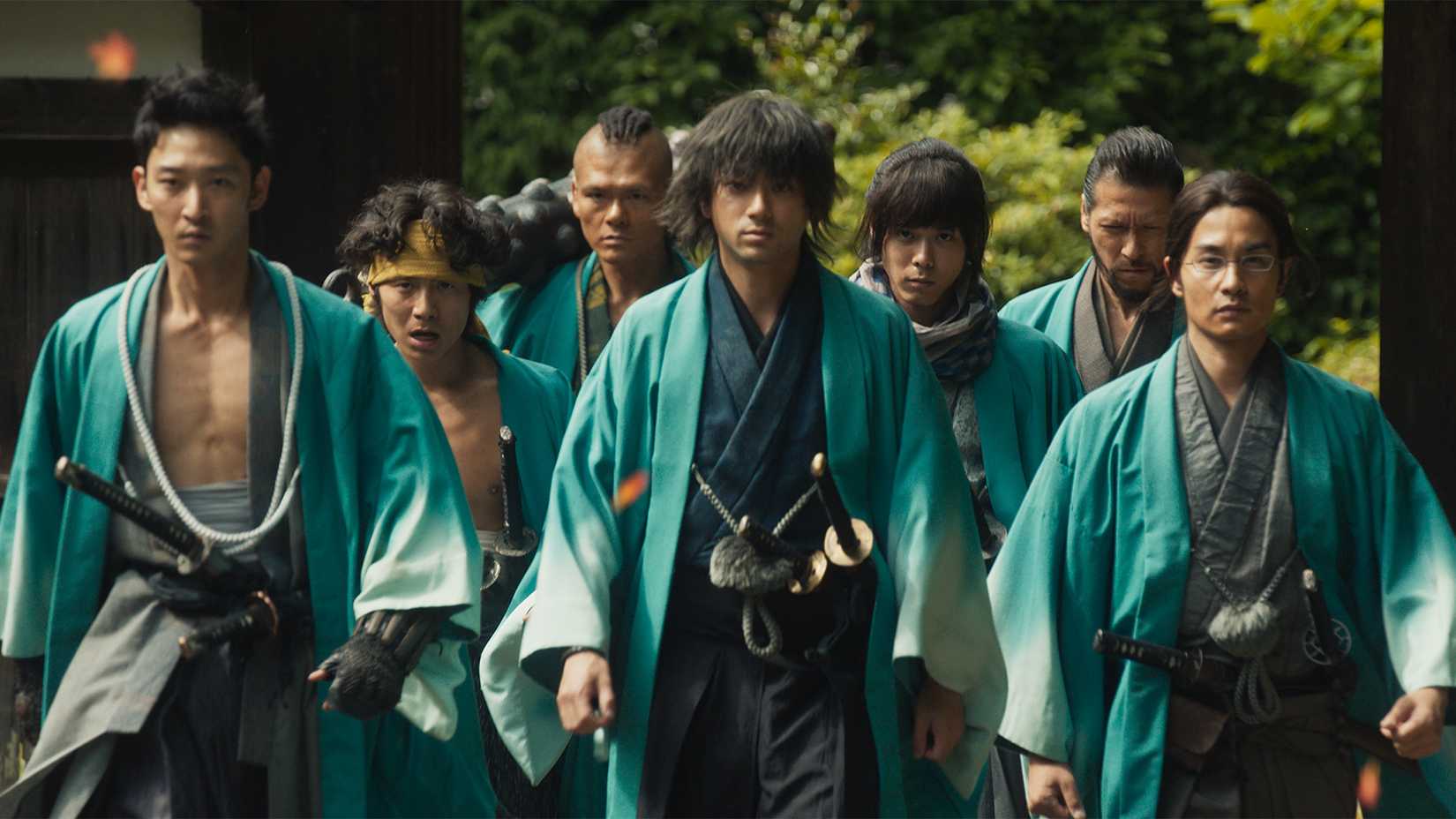
One reason Shogun is so popular is its complex and gripping political maneuvering, which many have compared to Game of Thrones. While the first two episodes of Song of the Samurai have focused heavily on action and character development, the political side of things hasn’t been as prominent. But considering the historical setting of this HBO series, it’s likely that politics will become more central as the story unfolds.
Song of the Samurai takes place near the end of the Edo period, a time when the ruling Tokugawa shogunate was losing power. The story focuses on the Shinsengumi, a special police group tasked with protecting officials loyal to the shogunate and cracking down on those who supported the emperor. The main characters, like Hijikata Toshizo and Kondo Isami, were actual members of the Shinsengumi, and their exciting lives have always captured people’s imagination.
While still early days for Song of the Samurai, the series is building momentum as the Shinsengumi group develops and political tensions rise. Expect plenty of scheming and power plays, much like in the historical drama Shogun, but with an anime-inspired energy that will likely make it even more dramatic and impactful. There’s a lot of exciting content on the way.
Read More
- Netflix’s Little House On The Prairie Reboot: Release Date, Cast & Everything We Know
- Off Campus Season 1 Soundtrack Guide
- YouTuber arrested after viral AI bodycam videos spark real police complaints
- Silver Rate Forecast
- Prime Video’s New R-Rated Spy Thriller Is Officially No.1 On Streaming Despite Poor Reviews
- Brent Oil Forecast
- Peaky Blinders: The Immortal Man’s Tommy Shelby Is a Better Father Than Michael Corleone
- Gold Rate Forecast
- EUR ZAR PREDICTION
- Bulgakov’s Take: Koreans Bet the Farm on Chips, Crypto, and Chaos
2026-05-17 05:48