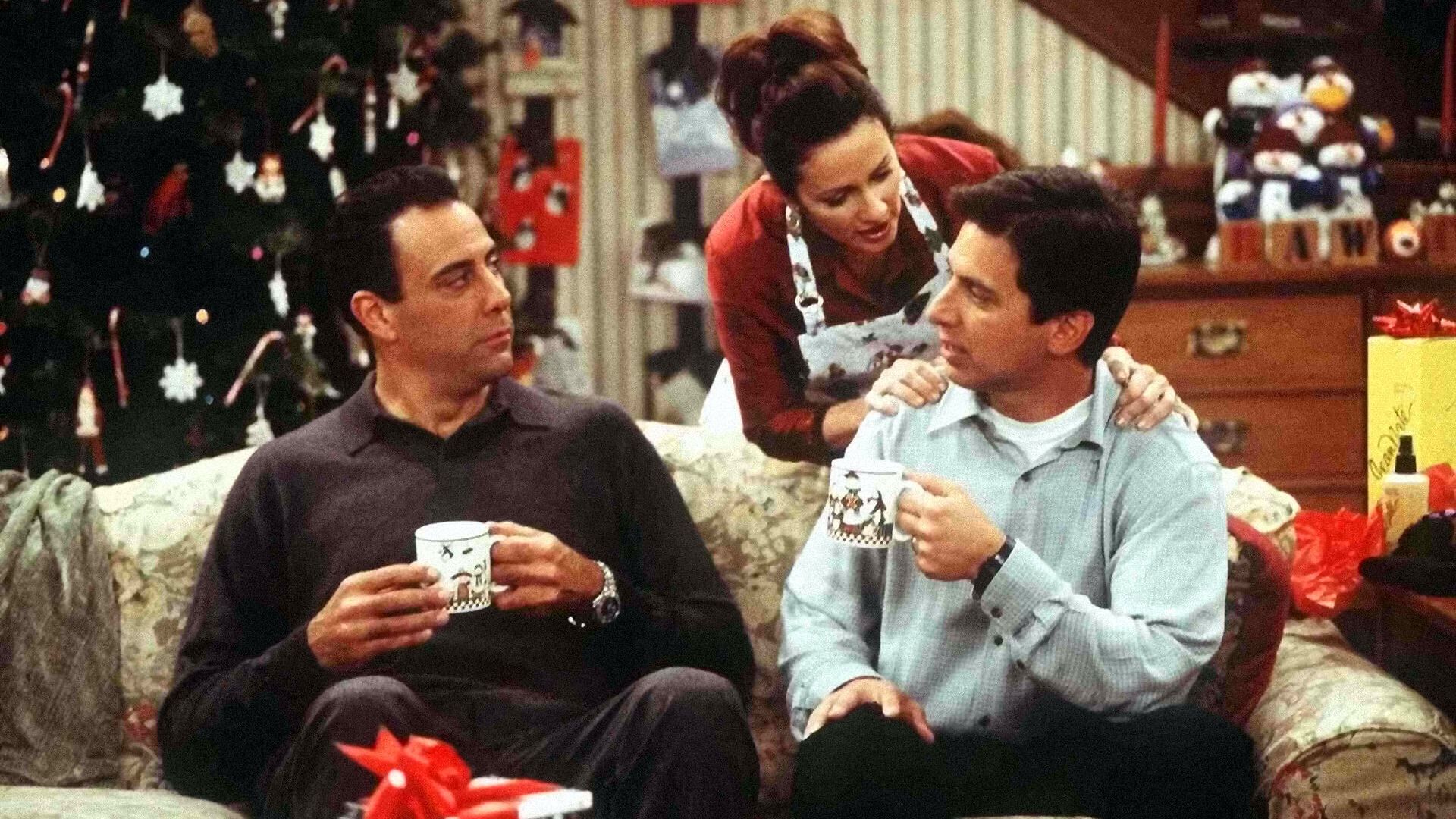
While many consider 1999’s premiere of The Sopranos on HBO the start of high-quality, critically acclaimed television, earlier shows were actually more important in proving TV could be a powerful medium for storytelling. In 1993, NBC successfully marketed its Thursday night comedy block as “Must See TV,” creating a cultural phenomenon that defined a whole period of television.
There used to be a shared TV experience, where huge audiences tuned in live to avoid missing out on the next day’s discussions. Though NBC used the phrase “Must See TV” to promote its hit comedies, it now represents an entire era when popular shows captivated the nation and shaped what everyone talked about.
In 1996, television was at its peak, with a handful of shows everyone was watching and talking about at work and with friends.
Everybody Loves Raymond
CBS, 1996-2005
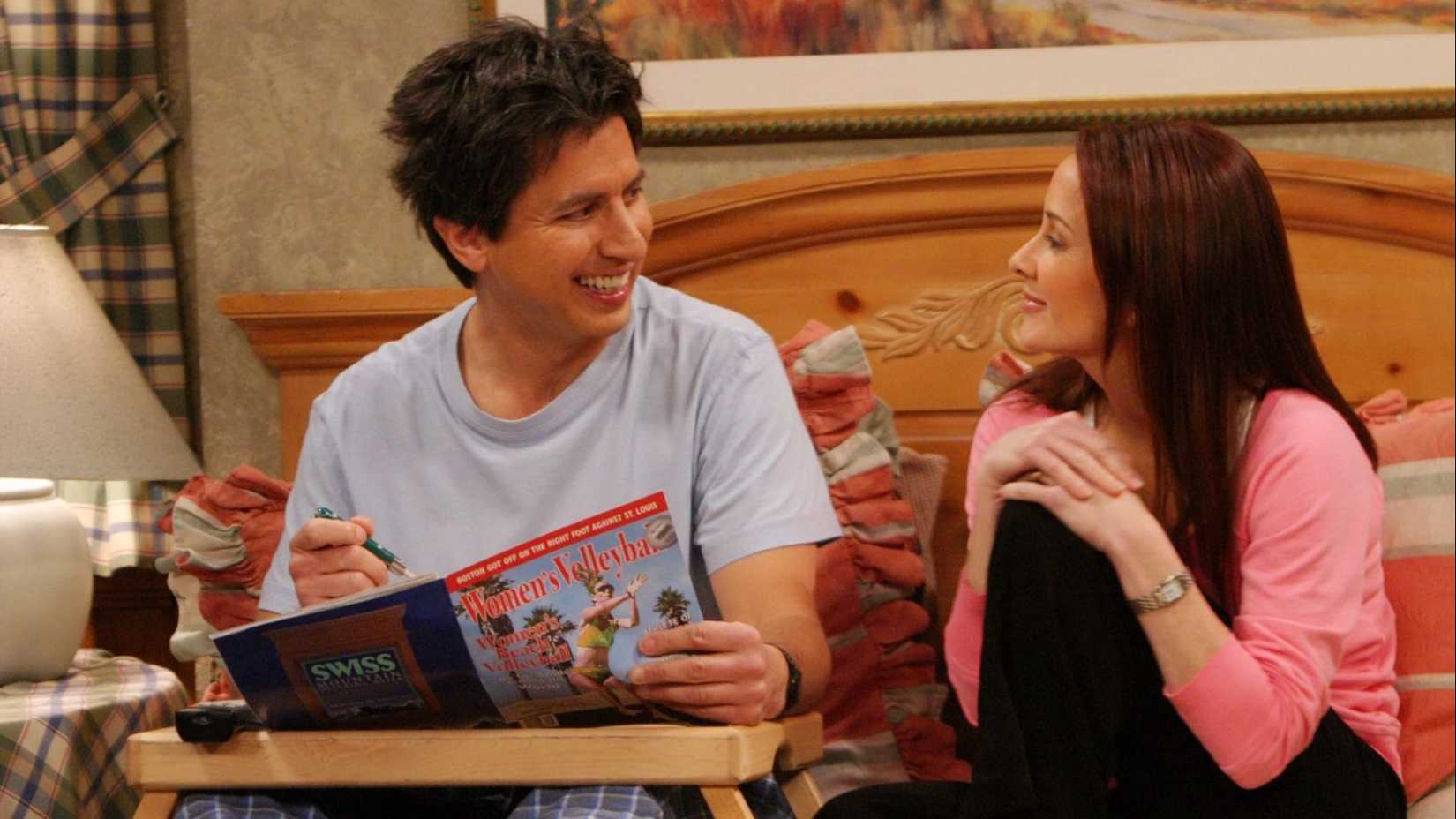
Unlike many sitcoms that rely on outlandish or surprising events for laughs, Everybody Loves Raymond felt relatable and genuine. The show’s humor came from its realistic characters and their everyday lives, rather than forcing them into unbelievable scenarios. It found its emotional core in their authenticity.
Ray living near his parents provided a great way to introduce his larger family on the show and visually represented the often-complicated, yet relatable, feelings that come with in-laws. Viewers loved Ray’s devotion to his family, and Debra was a welcome change from typical TV housewives. She was realistically flawed and complex, making Ray and Debra’s marriage feel authentic while still remaining a likable character.
Touched By An Angel
CBS, 1994-2003
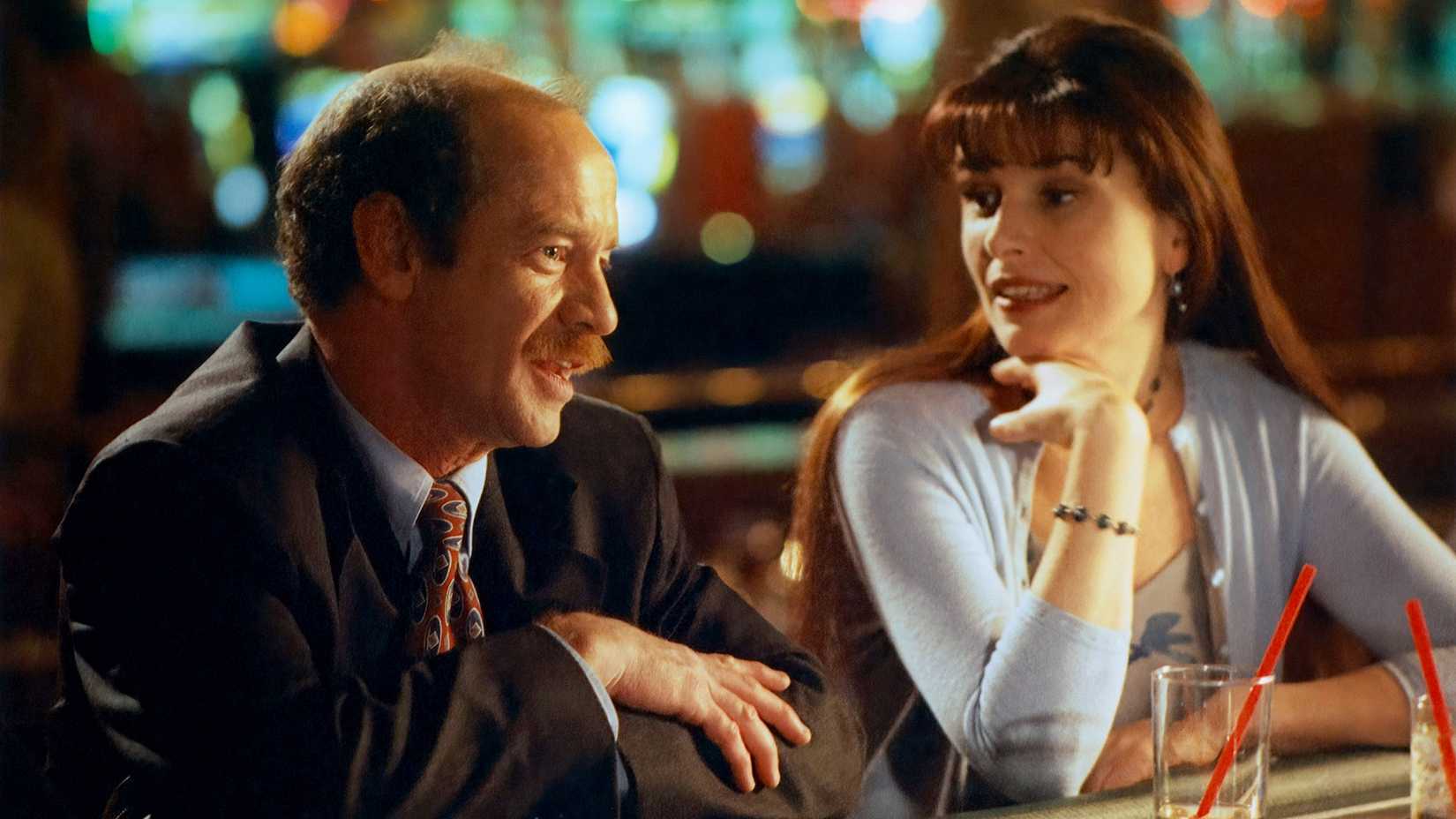
Touched by an Angel was a heartwarming and faith-based show that resonated with viewers, even if critics weren’t always impressed. Despite mixed reviews, it became a major success for CBS. The show centered around an angel named Monica who helped people navigate difficult times, often resembling a faith-based detective story.
The show wasn’t concerned with being perfectly historically or religiously accurate. Instead, it focused on the core, heartwarming idea behind the story. Each episode offered viewers a comforting and positive experience, reinforcing the feeling that someone or something is always looking out for us.
Frasier
NBC, 1993-2004
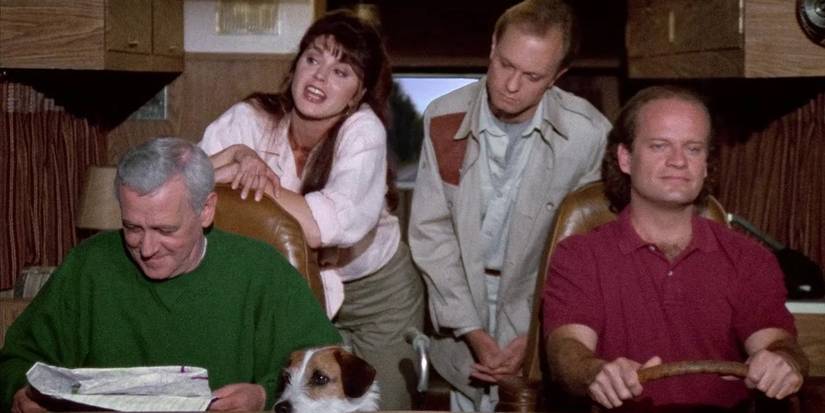
The sitcom Frasier was brilliantly funny, thanks to exceptionally clever writing that many believe made it even better than Cheers. The show found perfect comedic balance between the sophisticated Frasier, his equally eccentric brother Niles, and their practical, working-class father, Martin.
David Hyde Pierce’s character, Niles, was consistently hilarious, delivering lines perfectly and using physical comedy that often recalled Lucille Ball. While Frasier seemed down-to-earth next to Niles’ over-the-top, wealthy lifestyle, Niles quickly became the emotional center of the show thanks to his sincere and often comical infatuation with Daphne, who was Martin’s in-home physical therapist.
The X-Files
Fox, 1993-2002

The show’s ‘monster-of-the-week’ format created a comforting, almost fairytale-like atmosphere. However, The X-Files was far more frightening and emotionally resonant than its unusual concept implied. While some cases were truly terrifying, feeling like mini-horror movies or spooky stories told around a campfire, others were surprisingly upbeat and even a little funny.
Throughout the series, Mulder’s unwavering belief that “the truth is out there” kept the show exciting and focused, and his connection with Scully gave the investigations a personal edge. Right from the start, Scully and Mulder clearly respected and cared for each other, which made their cases even more compelling. In the end, The X-Files wasn’t really about science versus faith, but about the battle between good and evil.
Mad About You
1992-1999
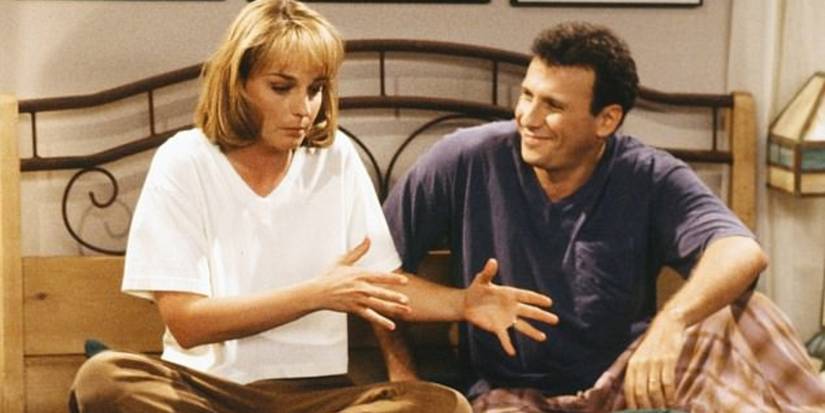
As a sitcom fan, I always appreciated how Mad About You felt different, even though it existed in the same world as shows like Seinfeld and Friends – it actually gave us Lisa Kudrow’s character, Ursula, first! So many sitcoms tease out a romance over seasons, but Mad About You was unique because it started after Paul and Jamie were already married. It skipped all the ‘will they/won’t they’ drama and dove right into the funny realities of a couple actually building a life together.
Unlike most romantic comedies that finish when the couple gets together, Mad About You started there. It explored what happens after the ‘happily ever after.’ Paul Reiser and Helen Hunt had amazing chemistry, letting the show playfully tease both characters while still remaining warm and loving. It perfectly captured the funny and wonderful parts of building a life with another person.
Sabrina The Teenage Witch
ABC & The WB, 1996-2003
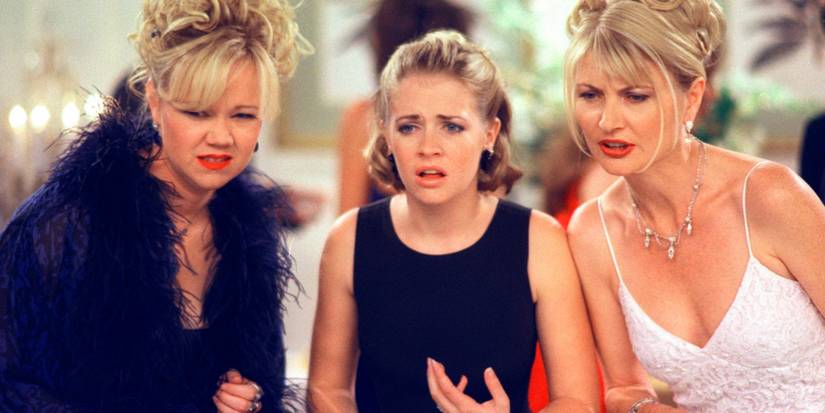
In the 1990s, NBC’s popular Thursday night programming was famously followed by ABC’s “TGIF” lineup. A standout show on “TGIF” was Sabrina the Teenage Witch, which premiered in 1996 and became a hit for four seasons. The series, based on the Archie Comics character, then moved to The WB for its final three seasons. Melissa Joan Hart’s portrayal of Sabrina was particularly strong, and the show as a whole was known for its lively and playful atmosphere.
As a huge fan of Sabrina the Teenage Witch, I always thought Salem the cat was a real highlight. Nick Bakay’s voice work just made that character – he gave Salem so much personality and a wonderfully dry wit, and he could easily have been just a generic talking cat. It’s no exaggeration to say that Nick Bakay, as Salem, and Melissa Joan Hart were the only constants throughout the entire series, and honestly, I think Salem was a huge reason the show stayed so popular for so long.
Seinfeld
NBC, 1989-1998
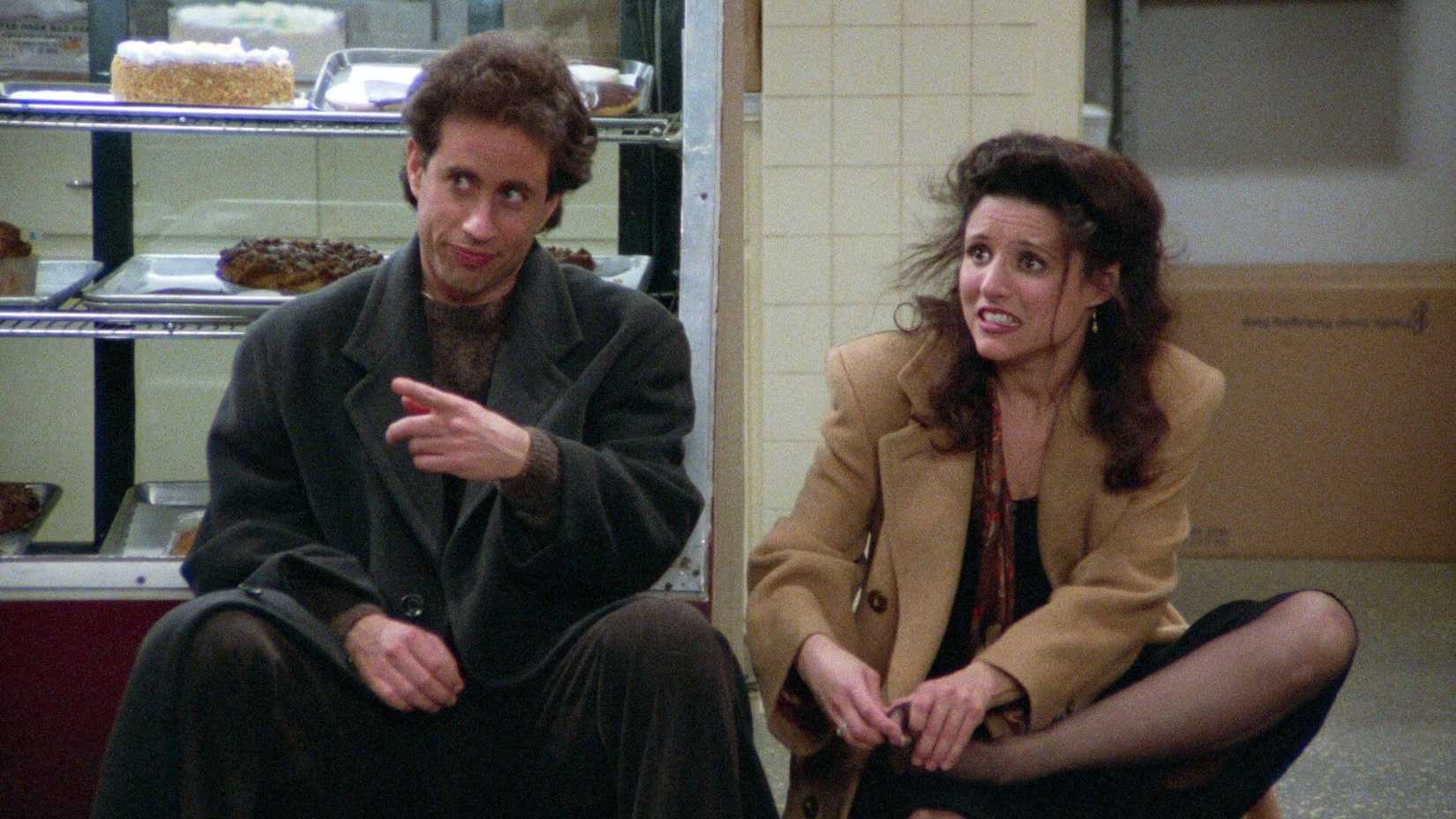
As a huge Seinfeld fan, I always loved how the show could take absolutely nothing – everyday, totally normal stuff – and make it hilarious. It’s amazing how they built entire episodes around the smallest details. Like, who would have thought an episode just about waiting for a table at a restaurant could be one of the best ever? It really speaks to how great the characters and writing were!
Just as remarkable was Seinfeld‘s refusal to be overly sentimental. It wasn’t a show that pulled at your heartstrings or focused on characters developing and changing. Instead, Seinfeld was known for its cynicism, which surprisingly made it very relatable. By focusing on and poking fun at everyday annoyances, the show tapped into feelings many people share but rarely express.
NYPD Blue
ABC, 1993-2005

NYPD Blue was groundbreaking for its time. While it fit into the popular ’90s police procedural genre, it stood out with its large cast, realistic and mature themes, and complex storylines that blended work and personal lives. It felt more like the kind of show that would later become successful on channels like HBO than a typical network program.
The show’s success over 12 seasons on ABC proved that viewers were open to, and even liked, more realistic and complicated storylines – the kind that would later define the rise of high-quality, critically acclaimed television. Though its adult themes, including nudity and strong language, weren’t without controversy, they were central to the show’s distinctive and groundbreaking style, ultimately making it a landmark series.
Friends
NBC, 1994-2004

Often considered the most iconic sitcom of its time, Friends remains hugely popular today. Like Seinfeld, it follows a group of friends navigating life in New York City, but Friends has a distinctly different feel. While the characters’ apartments are unrealistic for their jobs, details like Monica’s purple walls are instantly memorable.
Friends offered a comforting and relatable sense of connection that appealed to each new generation navigating young adulthood. Whether you were a struggling artist or a working professional, the show felt accessible to everyone. The cast had a natural, believable chemistry, and each character was unique, making them both humorous and authentic.
ER
NBC, 1994-2009
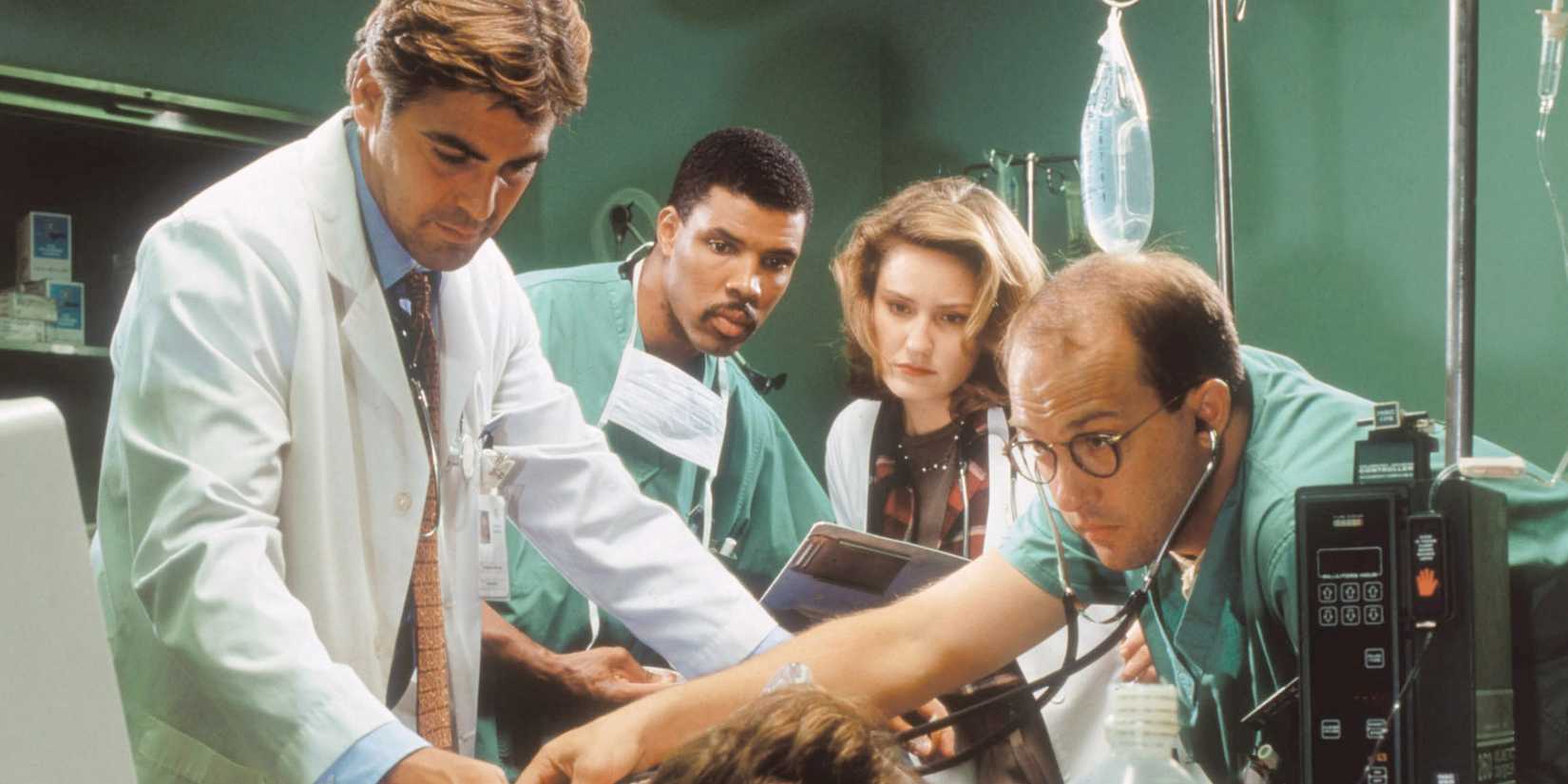
Long before shows like The Pitt, ER surprised audiences with its incredibly realistic portrayal of an emergency room. The show prioritized authenticity over typical dramatic storylines, choosing to depict the fast-paced, often heartbreaking reality of emergency medicine at Cook County General Hospital rather than focusing on long, sensational patient stories.
Despite often treating patients in a detached manner, the doctors on ER still struggled with the emotional toll of their work. The show’s fast pace prevented it from becoming overly dramatic during its 15 seasons, but it also built a unique and intense emotional pressure that kept viewers on the edge of their seats.
Read More
- Gold Rate Forecast
- Blake Lively & Justin Baldoni Settle It Ends With Us Lawsuit 18 Months After Bitter Feud Began
- Man pulls car with his manhood while on fire to raise awareness for prostate cancer
- Avengers: Doomsday Spoilers & Leaks Addressed By Director Joe Russo: “It’s Over-Policed”
- 5 Horror Shows I Knew Would Be 10/10 Masterpieces After The First 10 Minutes
- Crimson Desert Guide – How to Pay Fines, Bounties & Debt
- Audible opens first ‘bookless bookstore’ in New York
- What is Omoggle? The AI face-rating platform taking over Twitch
- Pragmata: Every Hacking Mode, Ranked
- Tom Hardy’s Best Performance is in Warrior
2026-05-10 20:03