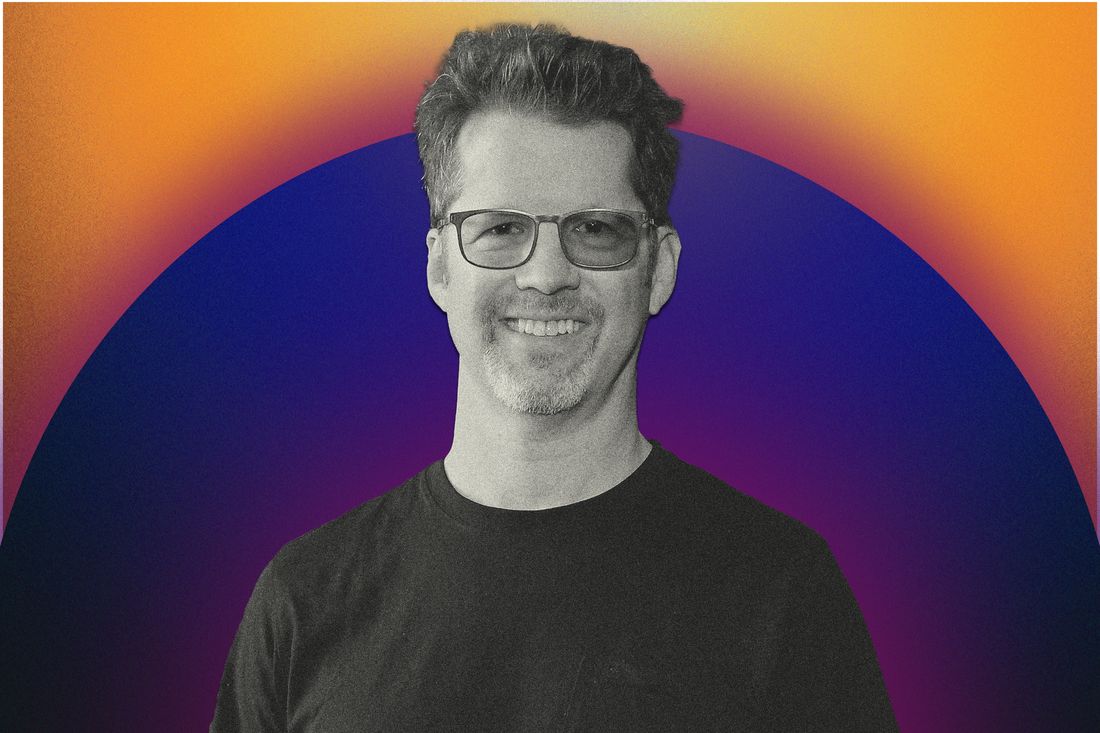
The appeal of Love Is Blind isn’t just its unique dating format. Chris Coelen’s shows – including Married at First Sight, The Ultimatum, and Perfect Match – feel genuinely authentic, with all the highs and lows that come with real relationships. It’s exciting to see couples connect in person after initially falling for each other through a wall on Love Is Blind, and many viewers find it equally compelling to watch relationships succeed or fail, whether it’s at the altar or during the honeymoon phase. Even when couples dramatically fall apart on The Ultimatum, the honesty can be intense. But despite the sometimes uncomfortable moments, we can’t look away – and that’s likely why Coelen plans to continue creating these shows for years to come.
You’ve built your career around reality dating shows. What do you find so appealing about this specific type of show?
I think it’s great because the participants genuinely have a lot riding on the outcome – it really impacts their lives.
Love Is Blind really changed how I thought about dating shows, especially as the series progressed. When I first created it in 2020 – though we filmed it in 2018 – I hoped it would be a unique way for people to find love. But I never expected it would have such a profound impact on the lives of those involved, or that it would become so popular and meaningful to people all over the world. It’s been amazing to see how much the show has helped people learn, grow, and change.
Reality Masterminds
Reality Masterminds
Our inaugural celebration of the most powerful people in unscripted television.
One of the most important things I’ve realized is that I want to explore this topic further. Shows like Love Is Blind, The Ultimatum, and Married at First Sight all offer unique perspectives on commitment and what people seek in a relationship. I find that each of these programs helps me understand the others in new ways.
Perfect Match isn’t really about finding a lifelong partner. It’s more like a fun, temporary connection, unlike the more serious commitment-focused shows. There’s room for all types of relationships and people. When we started Love Is Blind, I hoped it would offer a glimpse into how people connect and what truly matters to them – their emotions and priorities – at any given moment in time.
The idea of “authenticity” is a tricky one in reality TV – it’s important, but also a bit of a buzzword. When it comes to dating shows specifically, do you think anyone genuinely presents their true self anymore? And if so, how do you identify those people? I believe the term is often misunderstood. Being authentic simply means being true to yourself. Some people are naturally more outgoing and play a role, but that doesn’t make them inauthentic. Authenticity doesn’t require fitting a specific mold. You can be genuine even on a show like Perfect Match. You don’t necessarily need to be looking for marriage to be authentic – just being true to who you are is enough.
Shows like Love Is Blind and Married at First Sight aren’t for everyone. I always tell people to really think it through before applying. You have to be ready for the attention – if you find a partner and your story is shared, you’ll face a lot of judgment and people will react to you in various ways.
When we talk about authenticity with Love Is Blind, we mean it features real people genuinely looking for marriage and building lives together – and many actually do! It’s amazing that around 56% of the couples who got married on the show are still together. The point isn’t just getting engaged; it’s whether a relationship can thrive in the real world. We want people to be honest with themselves and say ‘no’ if they aren’t feeling it. But if they commit by saying ‘yes,’ they tend to stay together. Statistically, even with a small group of participants, Love Is Blind seems to have a surprisingly good track record for lasting marriages – I’d be curious to see any data that suggests a better success rate elsewhere.
It’s simple to fill a show like Love Is Blind with people who are just seeking fame, not a real relationship, and that wouldn’t be right to those genuinely looking for love. It’s okay to want both a partner and to be on TV. However, if the potential benefits of being on the show are more important to someone than finding a spouse… we try to identify those individuals. We don’t always get it right, though.
Does every successful reality show need a clear villain? I don’t believe so. Viewers will naturally find characters they dislike and those they support. We don’t need to intentionally create a villain. For example, on Love Is Blind, Jessica’s comment about Jimmy needing an EpiPen if he saw her sparked a strong reaction. Some people cheered, while others recognized it as a mean-spirited comment that was actually disrespectful to Chelsea. Essentially, heroes and villains emerge organically as viewers interpret events through their own perspectives.
As a big fan, I’ve always wondered how shows keep things fresh without losing what makes them great. It’s a tough balance! When it comes to shows like Married at First Sight, Love Is Blind, and The Ultimatum, I don’t think they succeed because of gimmicks or format changes. For me, it’s all about the stories they tell. I’d hate to see them start feeling pressured to add crazy twists just for the sake of it – that would actually limit what makes them so compelling. They’re already proving their staying power! We’re about to see the 20th season of Married at First Sight on Peacock this summer, and they just finished the 10th season of Love Is Blind, alongside four seasons of The Ultimatum and two of Queer Love. It’s clear to me that it’s the people and their journeys that really make each season special and keep us coming back for more.
The conversations on Love Is Blind have evolved over the seasons, mirroring changes in society and culture. As long as we continue to facilitate authentic interactions with willing participants, we expect this trend to continue. Our focus isn’t on drastically altering the show, but on consistently delivering on its original premise.
To be honest, as long as we keep producing quality content, I believe shows like Married at First Sight and Love Is Blind will continue for a very long time. I fully expect to see season 50 of both shows someday! The format will also likely change and improve over time, and I’m constantly brainstorming new, big ideas to keep the shows fresh and exciting.
Love Is Blind was definitely one of Netflix’s early successes in the reality TV space. Looking back, how did it embody Brandon Riegg’s initial ideas for what a Netflix reality show could be? And how have those ideas evolved as you’ve continued to collaborate? I really appreciate Brandon taking a chance on Love Is Blind. Often, executives describe what they’re looking for, but you don’t truly know if something will work until it feels right – it’s about recognizing potential when you see it.
It takes guts to be a buyer in this industry. It’s simpler to acquire a format that’s already proven successful elsewhere, which explains why the format business is so thriving – it offers a clear path forward. Brandon has been a true innovator, significantly shaping Netflix by expanding beyond unscripted shows into live events and sports. His focus is on creating those big, unmissable cultural experiences that everyone will be talking about.
The success of international versions of shows like Love Is Blind mirrors a larger trend: reality TV is becoming increasingly global. We’re seeing American audiences embrace shows from other countries, like Korean reality TV, and dedicated fans of shows like Survivor and The Traitors actively seeking out international editions. It’s interesting to consider why this cross-cultural viewing is happening and how it might change reality TV in the future. While international versions of shows have always existed—there are 33 versions of Married at First Sight worldwide—they haven’t always been easily accessible to U.S. viewers due to broadcasting rights and regional restrictions. Married at First Sight Australia, for example, is incredibly popular in its home country, dominating ratings and accounting for a significant portion of the year’s top shows. However, it’s generally unavailable to watch in the U.S. Netflix has cleverly capitalized on this by making these international shows easily accessible to American audiences, whether it’s Korean content or Love Is Blind Italy, and opening up a global viewing experience.
As a fan, I think the biggest problem with reality TV right now is how everything is changing in the entertainment world. It feels like there are fewer and fewer shows being made, and networks are scared to try anything original. It used to be that you could pitch a show to tons of different channels, but now there are only a handful of places that even consider new ideas. It’s definitely a tougher landscape for creators, and that impacts what we get to watch.
Read More
- Gold Rate Forecast
- What is Omoggle? The AI face-rating platform taking over Twitch
- Wartales Curse of Rigel DLC Guide – Best Tips, POIs & More
- The Devil Wears Prada 2 Cameos You May Have Blinked and Missed (Plus Lady Gaga)
- How To Grow Money Trees In Animal Crossing: New Horizons
- The Strongest Mortal Kombat II Movie Characters, Ranked
- Audible opens first ‘bookless bookstore’ in New York
- Sony’s Venom Animated Movie Is Bad News for Spider-Man Fans
- Woman born without arms goes viral after revealing how she uses feet to eat
- 10 Classic 2000s Anime That Aren’t As Good As You Remember
2026-05-08 15:56