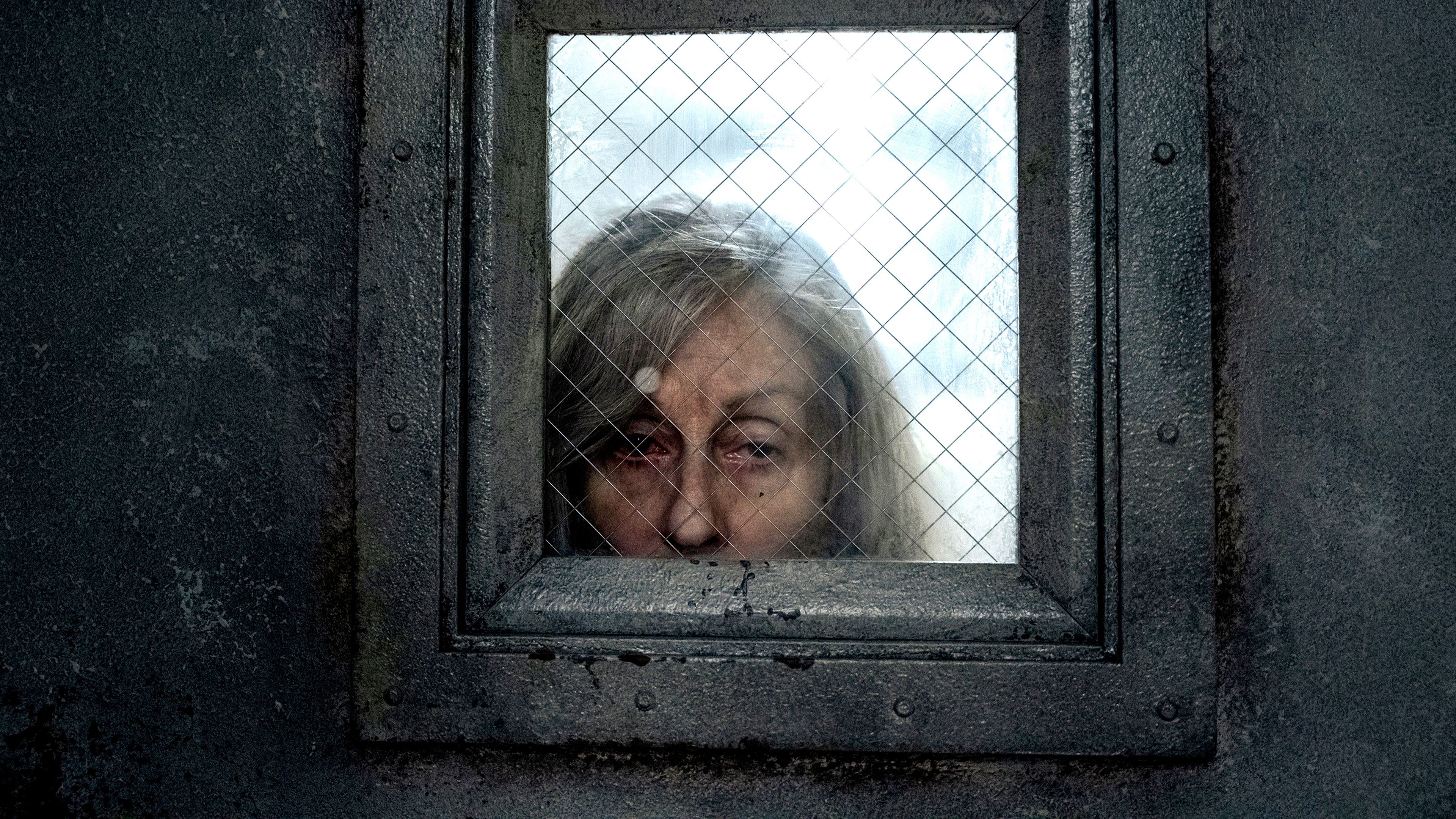
AMC+’s horror series, The Terror, is back after five years with a new story called Devil in Silver. It’s both unsettling and entertaining. This latest installment is based on Victor LaVelle’s novel of the same name, and LaVelle co-wrote the screenplay with Christopher Cantwell, known for his work on Halt and Catch Fire. It was produced by Ridley Scott.
The movie centers around Pepper (Dan Stevens), who is wrongly committed to New Hyde Psychiatric Hospital after a fight with his girlfriend’s violent ex. Once inside, he discovers the hospital is haunted by a powerful, supernatural force.
He’s trapped and must either escape quickly or defend himself. Along the way, he unexpectedly teams up with Coffee (Chinaza Uche), his roommate who struggles with severe OCD; Loochie (b), a young nonbinary person living with bipolar disorder; and Dorry (Judith Light), a long-term resident of New Hyde.
The show starts with a straightforward idea, but it’s done exceptionally well. It builds on the story with some thrilling, though occasionally expected, plot twists. While the entire cast contributes, The Terror: Devil in Silver particularly shines thanks to four talented actors. A key factor in its success was also having the original author help write the screenplay, which greatly improved the adaptation from the horror novel.
AMC’s The Terror: Devil In Silver Balances A Fast-Paced Story With A Slow-Burn Horror
From the beginning, Pepper senses something deeply unsettling in New Hyde – it’s more than just corruption within the medical and police systems. A hidden threat lurks in the shadows, always poised to strike, glimpsed only as fleeting movements or vague shapes. While her roommate, Coffee, initially suspects a demonic presence, the true nature of this danger gradually comes into focus.
The handling of the monstrous presence in The Terror: Devil in Silver mirrors the show’s overall style of horror. Instead of relying on quick scares, it builds tension slowly, gradually revealing details. For example, the opening scene only partially shows a dead body, avoiding graphic imagery. However, by the finale, the show doesn’t hold back on the violence.
Despite the story building suspense gradually, the plot itself moves very quickly. The Terror: Devil in Silver jumps from one scene to the next so rapidly that it sometimes feels a bit hurried. However, the show generally manages to balance this slow-building tension with the fast pace effectively, without the two feeling contradictory.
The Technical Elements Enhance The Terror: Devil In Silver’s Fear Factor
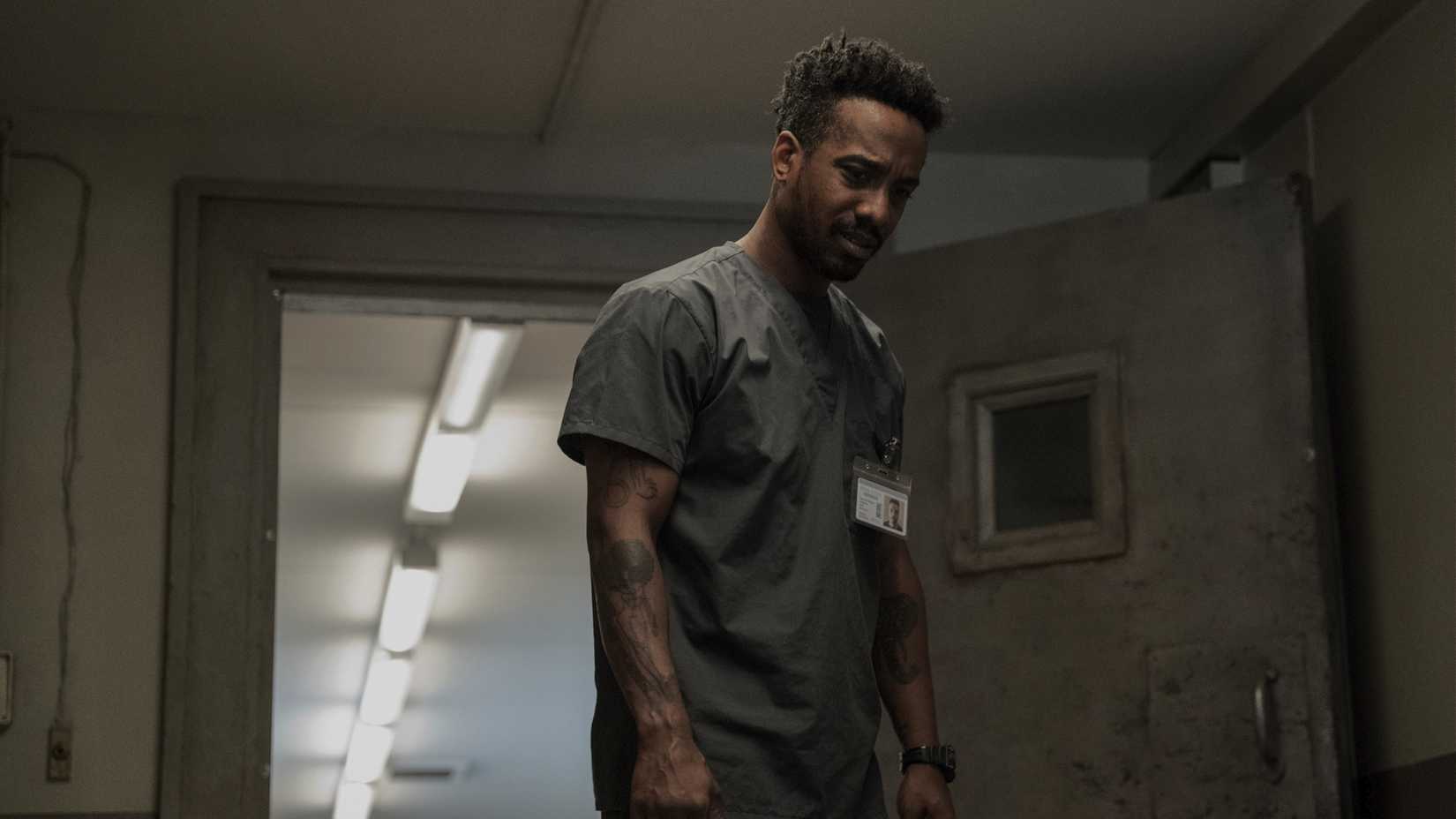
Technically, Devil in Silver is very effective at building terror. It uses unsettling sounds like scratching and distorted audio, and the camerawork adds to the fear. The show employs slow zooms and wide shots of the hospital hallways, making it feel both cramped and infinitely long.
The hospital is clearly run-down and neglected. A red line painted on the floor unsettlingly suggests someone was dragged, and the flickering fluorescent lights add to the eerie atmosphere.
The visual effects in this show are fantastic, especially the truly unsettling body horror which gets increasingly intense as the episodes progress. By the finale, the visuals are genuinely shocking. As a fan of gore in horror, I found it very satisfying, and it’s consistent with the level of graphic content seen in the first two seasons of The Terror.
I didn’t think the constant bleeding from the eyes was effective. It felt out of place and actually detracted from any potential scare factor. While there’s a possible reason for it, understanding that reason requires information most viewers wouldn’t have.
The Terror: Devil In Silver Continues The Tradition Of Horror As A Tool For Social Commentary

This show succeeds by continuing a long-standing tradition in horror. Since the very first horror novel, The Castle of Otranto, the genre has always been a way to examine societal fears and unfair systems. Monsters and villains often represent the things that cause public worry. The Terror: Devil in Silver openly embraces this history, which feels surprisingly modern and direct.
In the first episode of The Terror: Devil in Silver, Coffee poses a key question that drives the entire story: does evil exist in a place naturally, or is it created by the terrible things that have happened there?
“The Terror: Devil in Silver” powerfully exposes the potential for abuse within mental health institutions. What makes the show so impactful is that the true horrors of the setting are as disturbing as any supernatural elements, creating a truly chilling experience.
Patients at New Hyde in The Terror: Devil in Silver are subjected to cruel treatment. They receive excessive medication and are kept hospitalized for longer than needed. When they attempt to voice concerns, staff label them as aggressive. Employees then use tranquilizers and restraints to control them, leaving patients with no real ability to question or disagree with their care.
The doctors and nurses generally want to provide good care, with the notable exception of Dr. Anand, who is negligent and corrupt. The hospital staff is stretched thin, lacking the resources they need, and are experiencing burnout. While many of them aren’t always great at showing it, they do care about their patients. However, they continue to follow policies that are ultimately harmful, illustrating how even well-intentioned people can be part of a flawed and corrupt system.
New Hyde’s Patients Are Absolutely Lovable & Reliable Narrators
I was initially worried about how the show Devil in Silver would portray characters with mental illness, as it’s easy to fall into harmful stereotypes. I was relieved to see that the characters weren’t depicted as dangerous or violent – a misconception that’s been debunked by organizations like SAMHSA, but still appears too often in media. It was a good choice for the show to avoid that trope.
Plus, the characters in The Terror: Devil in Silver are genuinely engaging. Even when they’re at their most flawed, the patients at New Hyde are still likable and feel like real people with complex motivations, a result of both strong writing and talented performances.
These patients are more than just their illnesses. While many have sadly given up on going home, they haven’t lost their inner spirits or dreams. I especially enjoyed seeing Loochie’s amazing artwork and Dorry’s kind and welcoming nature.
Interestingly, The Terror: Devil in Silver challenges the common trope of mentally ill characters being untrustworthy storytellers. In this story, the patients at New Hyde are the ones who accurately perceive the real threat, truthfully describing the mistreatment they receive within the medical system and even criticizing the harmful ideas presented in the books they’re made to read.
The characters effectively represent the show’s overall quality. The Terror: Devil in Silver is both highly entertaining and offers insightful social commentary. It’s a complex and stimulating series that avoids predictable and damaging character tropes. Like the patients at New Hyde, the show isn’t flawless, but it’s definitely worth your time.
All episodes of The Terror: Devil in Silver are available on AMC+ and Shudder on May 7.
Read More
- Gold Rate Forecast
- What is Omoggle? The AI face-rating platform taking over Twitch
- Man pulls car with his manhood while on fire to raise awareness for prostate cancer
- Elden Ring Is Back With A New Free Game, Thanks To The Fans
- Audible opens first ‘bookless bookstore’ in New York
- How To Grow Money Trees In Animal Crossing: New Horizons
- 10 Adorable Quotes from Diana in Pragmata
- Netflix’s Remake Of R-Rated Denzel Washington Classic Carries On A Rotten Tomatoes Trend
- Wartales Curse of Rigel DLC Guide – Best Tips, POIs & More
- Tom Hardy’s Best Performance is in Warrior
2026-05-07 17:10