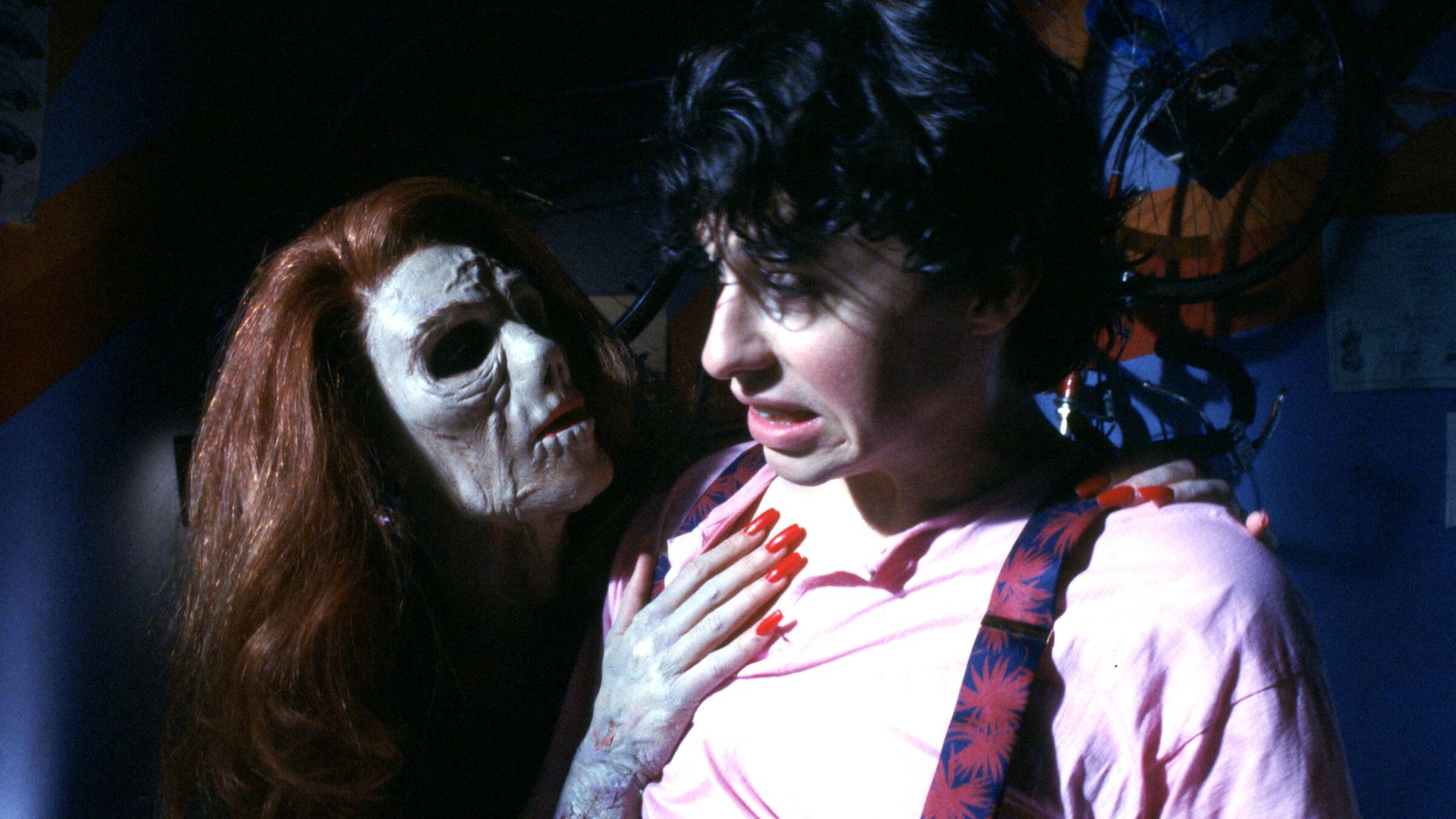
Steven Spielberg, the celebrated director, has consistently worked on television projects throughout its most successful years, demonstrating his skill as a producer extends seamlessly to TV. He’s tackled everything from the acclaimed war drama Band of Brothers to lesser-known shows like The Whispers, proving he’s comfortable working across various genres and with projects of any size.
Although many people associate Steven Spielberg with animated series like Tiny Toon Adventures and Animaniacs, his work in television actually started much earlier. In 1985 – the same year he produced Back to the Future – Spielberg revisited television, a medium he’d first explored after making Duel and directing episodes of Night Gallery and Columbo in the 1970s. That year, NBC debuted the premiere episode of Amazing Stories.
Spielberg’s Amazing Stories wasn’t just visually stunning – he also came up with many of the stories. The show mixed science fiction, horror, and other genres, featuring different directors with each episode. Though it only ran for two seasons, with a total of 45 episodes (not including spin-offs), it remains a fondly remembered and rare TV anthology.
Many Visions, Many Genres
Spielberg directed the first episode, “Ghost Train,” and created a segment that really captured the feel of the entire show. It’s a touching fantasy with strong acting and an optimistic story, all wrapped up in a classic ghost story. Many episodes, including this one, started with ideas from Spielberg himself, and you can definitely see his personal touch throughout the series.
The first season features memorable segments like “Fine Tuning,” which some believe inspired the comedy Galaxy Quest, and “The Doll” with John Lithgow. Martin Scorsese directed “Mirror, Mirror,” and Spielberg also helmed “The Mission,” arguably the show’s most well-known episode. This fantastic war story, starring Kevin Costner and Kiefer Sutherland, is incredibly cinematic and rivals many films from that time.
The second season of the show brought in well-known directors like Robert Zemeckis, Mick Garris, and Joe Dante, allowing for a wider variety of stories while still fitting the standards of network television. Episodes such as “Welcome to My Nightmare” and “Family Dog” were particularly memorable, and the thrilling fantasy episode “Thanksgiving” offered both scares and a surprisingly emotional and hopeful story. Despite these strengths, Season 2 saw a drop in viewers, leading to the show’s cancellation—a disappointment for fans who loved its distinctive style.
An Outstanding Blend Between ’80s TV and the Amblin Touch
As a fan, I always felt this show had a really cool, nostalgic vibe, like something straight out of the ’80s, but with that special Spielberg quality. Sure, the effects haven’t aged perfectly, but honestly, it didn’t bother me much. You could just feel his influence – that ‘Amblin’ touch was all over it, and anything he produced back then usually turned to gold. That probably explains how he convinced NBC to go along with his sometimes-strange requests! He even asked them to leave his name off the posters and ads, wanting the show to stand on its own – and with a budget that was already huge, they let him!
The 1980s were a different time for television. Big movie stars and directors weren’t usually drawn to TV work, but the show Amazing Stories was an exception. It showcased films directed by established names like Peter Hyams and Clint Eastwood. However, Steven Spielberg’s overall guidance was key to the series’ success.
The 2020 Apple TV revival of the show, despite efforts to recreate the original’s feel, didn’t quite succeed. Though Steven Spielberg was an executive producer, it lacked the unique mix of genres that made the first series so special.

5 Questions
Found an error? Send it info@movieweb.com so it can be corrected.
Read More
- Gold Rate Forecast
- Avengers: Doomsday Spoilers & Leaks Addressed By Director Joe Russo: “It’s Over-Policed”
- Assassin’s Creed is getting a live stage spin-off with parkour and choreographed fights
- INJ/USD
- STX/USD
- Detonate codes (December 2025)
- Crimson Desert Guide – How to Pay Fines, Bounties & Debt
- Apple TV’s Imperfect Women Becomes No. 1 Most-Watched Show Globally
- What is Omoggle? The AI face-rating platform taking over Twitch
- Pragmata: Every Hacking Mode, Ranked
2026-03-09 04:18