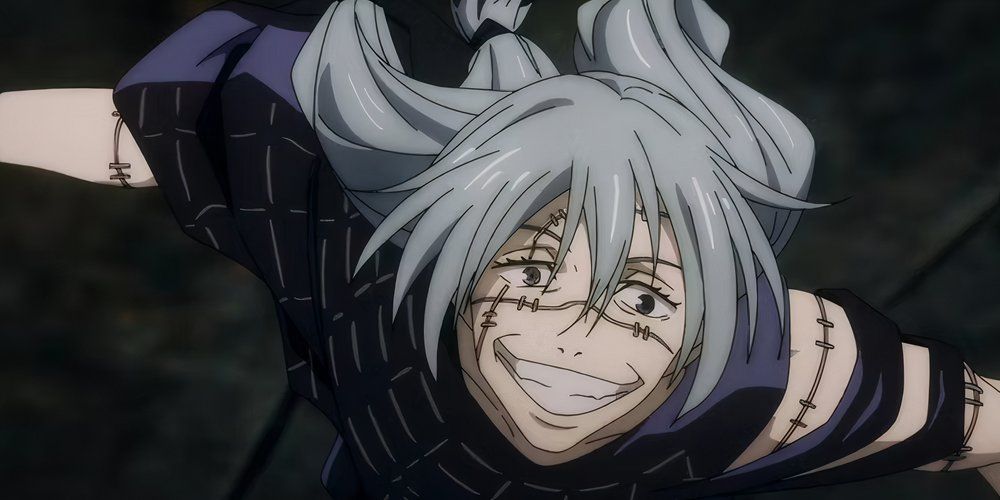
Audiences generally enjoy stories with a classic hero’s path: a character faces hardship, discovers their motivation, grows stronger, and ultimately triumphs. While effective, this structure can sometimes flatten the villain, portraying them simply as an obstacle for the hero to overcome. This is unfortunate, as some of the most compelling characters in anime actually reside among the antagonists. These villains often have complex backgrounds, beliefs, relationships, and a warped sense of optimism that makes their actions understandable, even if not justifiable.
Seeing things from a villain’s point of view doesn’t excuse their actions, but it does make the story more complex and challenges us to examine the motivations of everyone involved. What looks like evil can become understandable as a desperate attempt to survive or a reaction to loss. It also makes us question whether heroes are truly heroic, or simply the focus of the story. Shifting the story to the villain’s perspective could completely transform the narrative and its meaning.
My Hero Academia Would Have Hit Harder as Tomura Shigaraki’s Origin Story
My Hero Academia frequently explores themes of inherited power, societal advantages, and who gets left behind, and Shigaraki embodies these issues perfectly. He’s a direct result of a world that overlooks pain as long as things appear good on the surface. Seeing things from Shigaraki’s point of view, the story shifts from being about hopeful heroes to highlighting the damaging effects of being ignored and abandoned.
The League of Villains functions as a makeshift family, bound together by feelings of abandonment and past trauma. Seeing this group develop alongside the heroes would create a story that feels like a conflict between wounded individuals, all products of a flawed society. Focusing the story on Shigaraki would also offer a new perspective on All Might’s time, suggesting it prioritized appearances over genuine progress.
Understanding the Upper Moons’ Origins Makes Demon Slayer More Brutal
While Demon Slayer shows understanding towards its villains, it doesn’t fully explore their perspectives. If the story delved deeper into their lives, it could become a heartbreaking series of tales about the sacrifices people make for strength and to stay alive. The Upper Moons, in particular, have rich backstories – their histories, relationships, and even their fear of Muzan – which could form the basis of a complex political story.
If told from the demons’ point of view, the Demon Slayer Corps would appear as a never-ending, overwhelming danger – a group that constantly hunts them down. The heroes would be seen as the ones who destroy lives, turning every fight into a desperate struggle for survival instead of a triumphant win. This shift in perspective would make the story feel much more tragic and unavoidable.
Naruto: Shippuden Through Nagato’s Eyes Makes It Easier to Empathize
The world of Naruto is filled with repeating patterns of violence, often caused by governments and involving children forced to fight as soldiers, who are presented as heroes. While Nagato represents some of the anime’s most thoughtful concepts, he’s initially treated as an enemy to overcome, not a philosophy to consider. If Naruto: Shippuden had explored Nagato’s viewpoint further, it could have become a powerful story about the dangers of using peace as a tool for control.
He sees the Hidden Leaf Village as a strong nation that thrives by exploiting weaker ones. While the Akatsuki’s actions are terrible, their reasoning is unsettlingly logical: they believe only fear can control powerful countries. Focusing on Nagato’s story would also add more emotional depth, as his sadness stems from his own experiences with war.
Jujutsu Kaisen’s Story Really Started With Kenjaku
Jujutsu Kaisen doesn’t shy away from death and the harsh realities of power, and the villain Kenjaku takes that even further, almost to a philosophical level. He’s not simply motivated by personal pride; he views people as tools, history as an experiment, and pain as a required part of advancement. A story focused on Kenjaku would be a long-term, multi-generational scheme.
His viewpoint portrays the jujutsu world as a failing system that needs to be completely dismantled, even if the process is horrific. This makes the heroes seem insignificant and powerless. Each story arc feels like a deliberate move in a long-term plan, almost like a religious belief. Seeing things from his perspective explains why the jujutsu world consistently creates tragedy – it’s built that way, and Kenjaku simply acknowledges the truth.
Meruem’s Coming-of-Age Story in Hunter x Hunter Is a Masterpiece on Its Own
Meruem is already a standout character in Hunter x Hunter, but seeing the story through his eyes really highlights how incredible that part of the series is. From his perspective, humans are frustratingly flawed – physically weak, driven by base instincts, and full of pride. At first, he believes strength is all that matters, but his encounter with Komugi unexpectedly challenges that belief. A story told from Meruem’s point of view would be about a king who begins to understand humanity, but perhaps too late to change his path.
The main characters would feel increasingly trapped, facing desperate opposition as they try to prevent a world-ending event – which is also the story of someone discovering emotions for the first time. This kind of deeply tragic premise is uncommon in anime. It would also force the story to confront a difficult question: if a creature can learn empathy, what does that reveal about humans who consistently choose to be cruel?
Fullmetal Alchemist: Brotherhood Looks Completely Different Through Father’s Eyes
Even though Fullmetal Alchemist: Brotherhood is already a fantastic story, exploring the narrative from Father’s point of view would transform it into a chilling tale of relentless ambition, inner emptiness, and self-loathing disguised as a quest for godhood. Father is essentially a hollow being attempting to create a universe that can finally fill his void. Seen through his eyes, the entire series becomes a calculated plan, and the nation of Amestris isn’t a country at all, but a piece in a larger, unfinished design.
The Homunculi aren’t just monsters; they’re physical representations of Father’s weaknesses, carved away and brought to life. Each one embodies a hidden part of him, whether he acknowledges it or not. Seeing them this way would make Edward and Alphonse’s fight feel truly extraordinary, like a hopeful defiance of fate. The idea of two children rejecting a world built by someone who despises human flaws is a powerfully inspiring and frightening concept.
Psycho-Pass Becomes Something Even More Addictive From Makishima’s POV
The series Psycho-Pass truly shines when it explores what we sacrifice for security. The character Makishima is ideal for examining this because he isn’t just a villain; he fundamentally rejects a society that eliminates free will. He sees the Sibyl System not as a source of stability, but as a deceptive form of control. If the story were told from Makishima’s point of view, it would become a gripping moral thriller.
Rather than focusing on chases and investigations, the show would center around a thinker challenging the established order and exposing its flaws. The core conflict wouldn’t be about catching a criminal, but questioning whether society is even worth preserving. This approach would give Akane a compelling role as the opposing force, with her strong moral compass clashing against Makishima’s beliefs, moving the story away from a simple case-of-the-week format.
Marley’s Perspective on Attack on Titan Is an Entirely Different Horror Story
While Attack on Titan later explores the world from Marley’s side, starting the story there would create a very different emotional impact. It would begin as a war story focused on how children are brainwashed and turned into soldiers just to survive. The people of Paradis Island would initially seem like a legend, then a terrifying threat, and finally, a real force unaffected by any attempts at manipulation.
If the story had followed Annie, Reiner, and Bertholdt from the beginning, the first few seasons would have been much more suspenseful. We’d feel their fear, guilt, and how they struggled with who they were becoming, and that would have been the central conflict. The Titan attacks wouldn’t have seemed random; instead, they’d be seen as the desperate choices of young people trapped by a powerful, uncaring nation. This perspective would also make the anime’s deeper messages – like Marley’s double standards, the mistreatment of the Eldians, and how history is used as a weapon – even more impactful.
Re:Zero Is Even More Disturbing From Roswaal’s Point of View
The story of Re:Zero centers around repeating cycles of pain, but we experience it through Subaru, which makes his suffering feel real and intense. If the story were told from Roswaal’s perspective, it would be much more chilling. He sees people as tools to be manipulated, believing that loyalty and fate excuse his harsh actions. For Roswaal, the time loops wouldn’t be about the pain, but about carefully planning his next moves.
This perspective adds a darker edge to the story. Instead of a mysterious, otherworldly force at play, the audience would see the calculated methods behind the characters’ pain. We’d also witness the cold determination needed to repeatedly inflict trauma on people until they can be exploited. This approach would be disturbingly captivating. Some antagonists are driven by a need for control, and they’ll eliminate anyone who stands in their way to achieve it.
Askeladd Is Vinland Saga’s Biggest X-Factor & Always Fun to Watch
Although Askeladd isn’t the central villain in Vinland Saga, he plays a key role at the beginning. If the story were told from his perspective, it would feel more like a political thriller wrapped in a Viking adventure. Askeladd is always acting, scheming, and fighting to survive, all while attempting to influence the course of history with limited resources.
Thorfinn is seen as a risky burden, and Askeladd views every raid, alliance, and act of betrayal as a calculated move. This perspective would add greater emotional weight to the story. Askeladd is torn between simply surviving and finding a meaningful purpose, and his decisions are constantly influenced by his longing for a free homeland. Seeing him meticulously plan for the future while knowing his time is limited would make his journey the most compelling part of the narrative.
Found an error? Send it so it can be corrected.
Read More
- Gold Rate Forecast
- Avengers: Doomsday Spoilers & Leaks Addressed By Director Joe Russo: “It’s Over-Policed”
- Assassin’s Creed is getting a live stage spin-off with parkour and choreographed fights
- INJ/USD
- STX/USD
- Detonate codes (December 2025)
- Crimson Desert Guide – How to Pay Fines, Bounties & Debt
- Apple TV’s Imperfect Women Becomes No. 1 Most-Watched Show Globally
- What is Omoggle? The AI face-rating platform taking over Twitch
- Pragmata: Every Hacking Mode, Ranked
2026-03-09 02:44