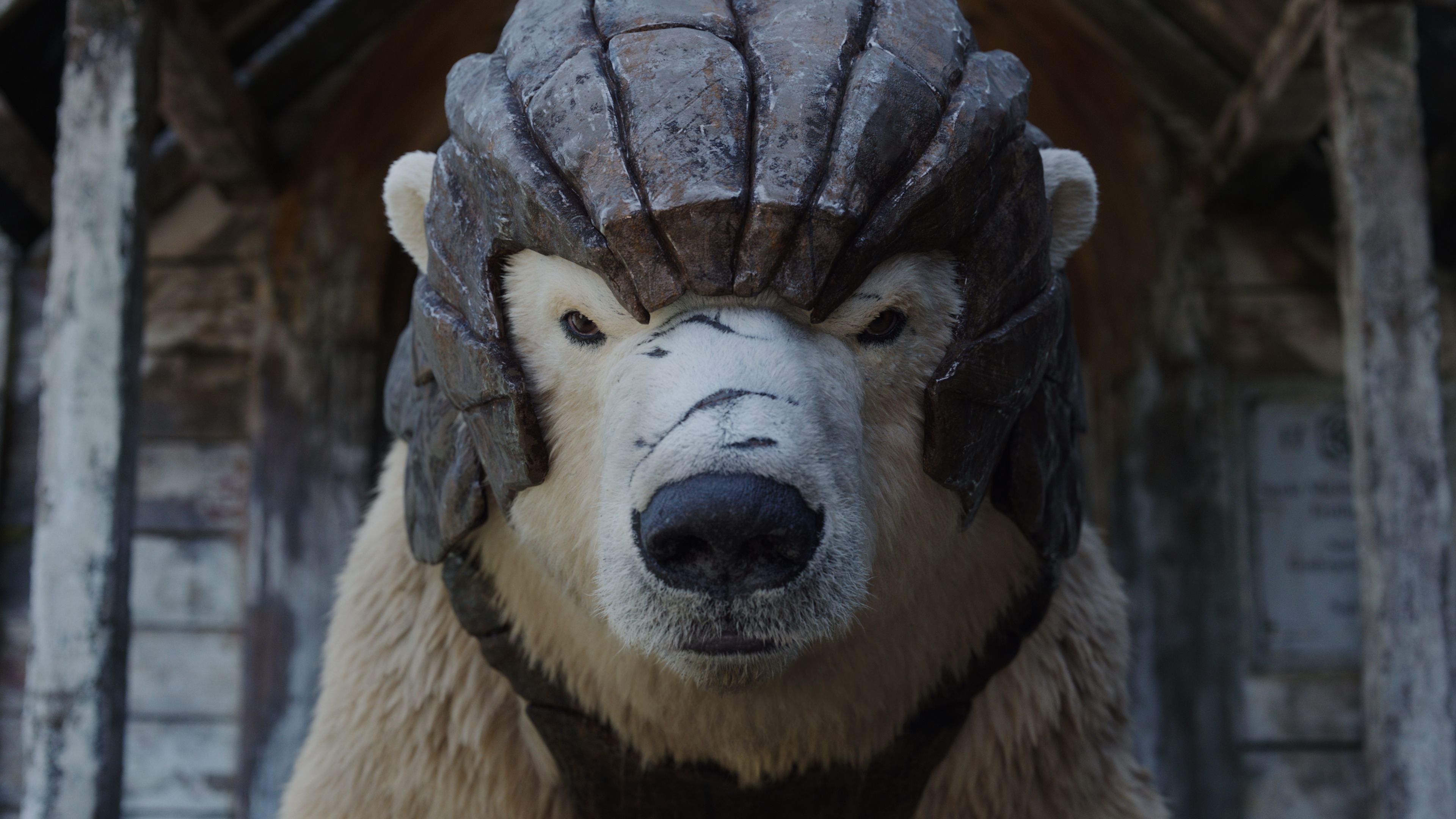
Some fantasy TV shows grab viewers right away, while others need time to build momentum. Just as there are instant hits, there are also series that start slowly. Often, the first season is about establishing the world and characters, and these shows tend to get better as they go on.
Television’s format lets shows tell complex stories over many episodes. This allows creators to build detailed worlds and develop rich, layered stories throughout an entire season, exploring the background and history in greater depth.
Even popular fantasy shows like Game of Thrones and Arcane take a few episodes to build their worlds and stories. While they might start slowly, some of these shows become incredibly enjoyable to watch again and again. Often, the most compelling parts of a fantasy series don’t really begin until after the first season.
Avatar: The Last Airbender
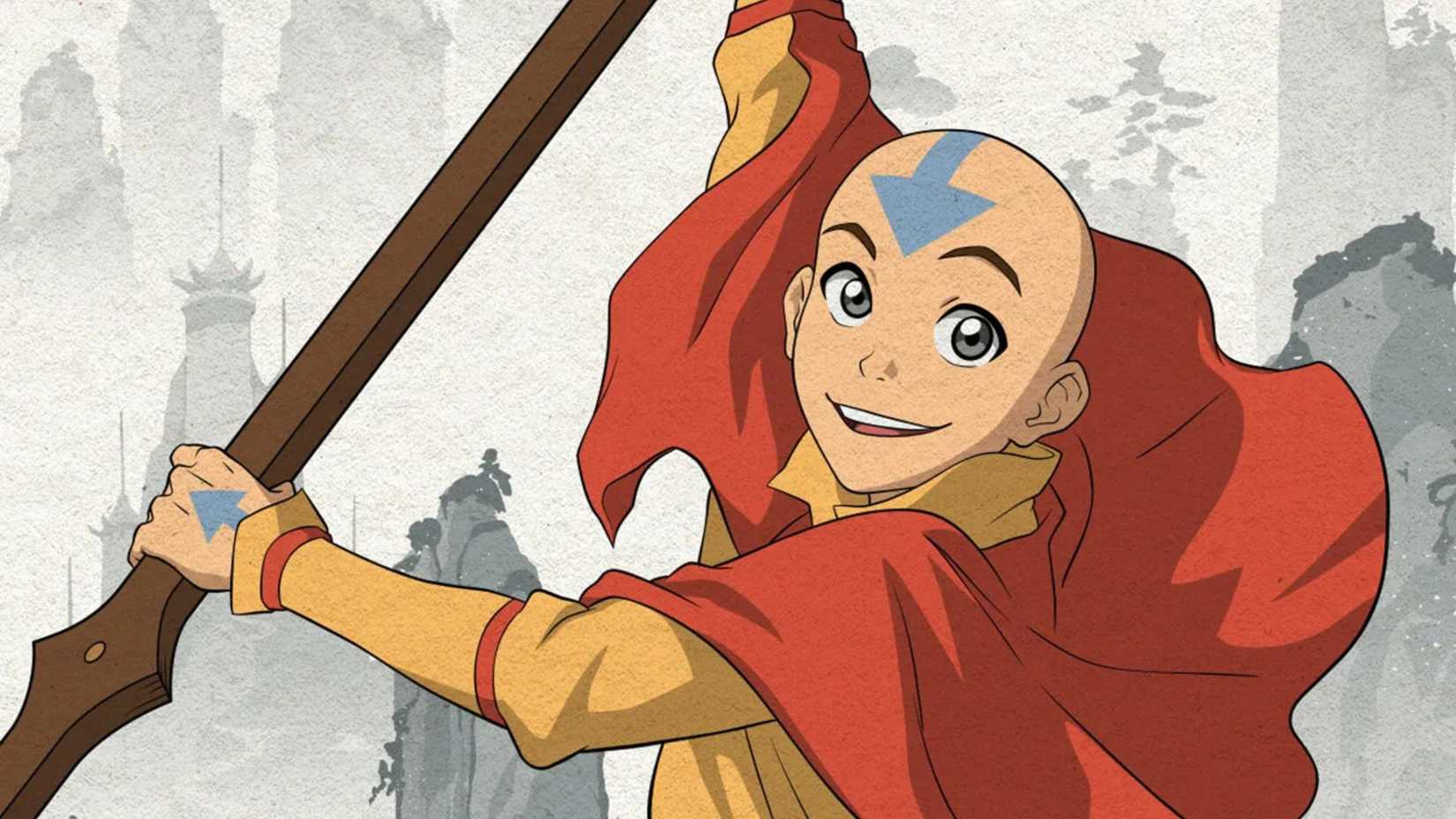
Though it started as a lighthearted adventure, Avatar: The Last Airbender quickly became known for its emotional depth. By season two, the show had evolved into one of the most complex and moving fantasy series ever created, earning widespread critical praise throughout its three seasons.
The first season of the show introduced key concepts like elemental bending, the war with the Fire Nation, and the Avatar’s role, but it included several episodes that didn’t directly contribute to the main storyline. This season also had a generally more cheerful feel, which occasionally made the seriousness of the war seem less intense.
Season 2 of Avatar: The Last Airbender changed its storytelling style. Instead of standalone episodes, the show began focusing on longer, connected storylines and explored the characters in more depth. A key change was the development of Prince Zuko, who was portrayed as a sympathetic character haunted by his past. This storyline reached a turning point in the Ba Sing Se episodes, especially in “The Crossroads of Destiny,” where Zuko’s decision to join Azula significantly impacted the course of the war.
It’s easy to see why Avatar: The Last Airbender received so many awards, including Annie and Peabody Awards. The show goes beyond simple adventure, delving into complex themes like the effects of war, the dangers of empires, and characters finding redemption – especially through Zuko’s powerful story arc. These elements make the show much more meaningful as it progresses.
The Vampire Diaries
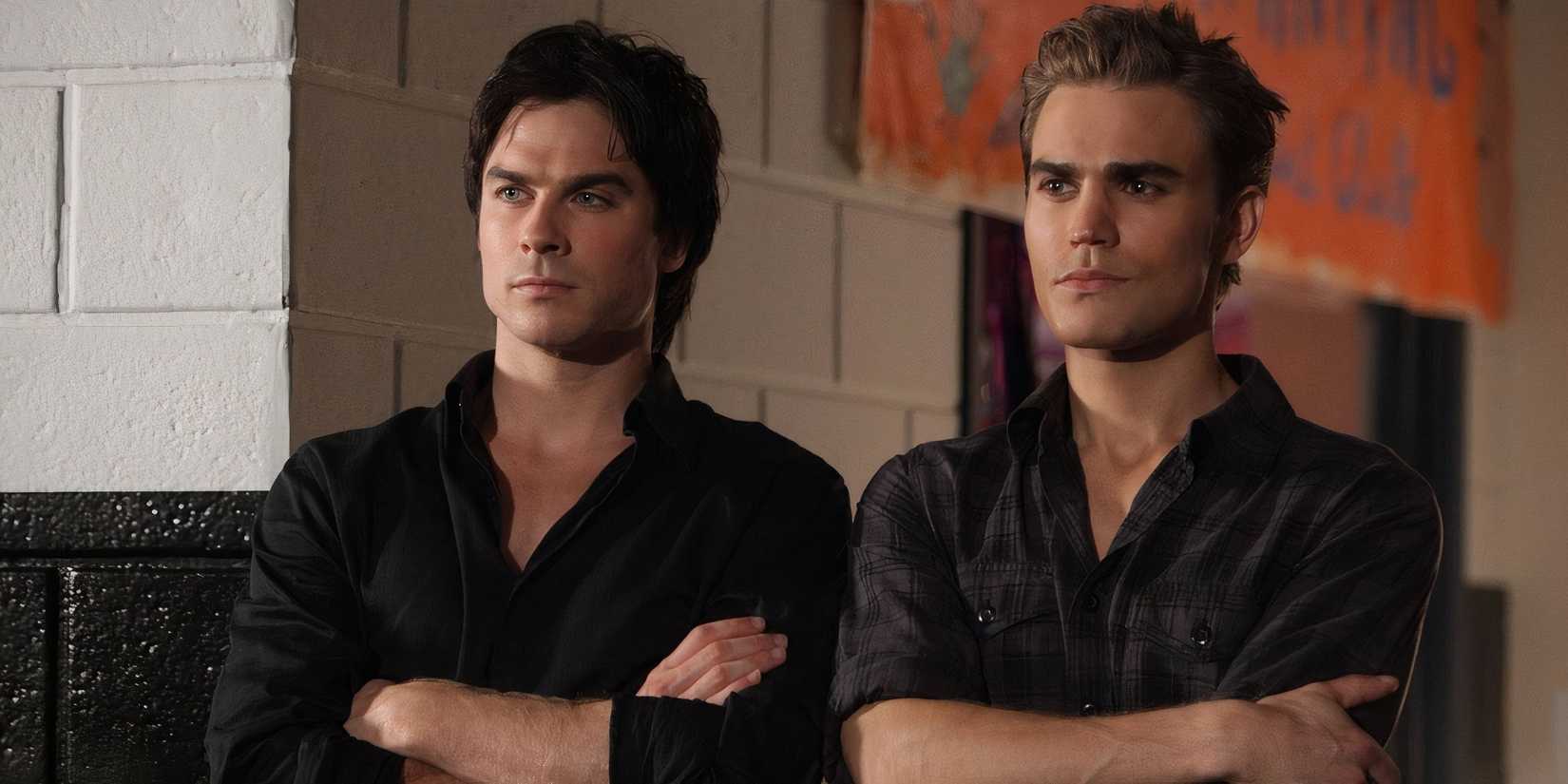
When The Vampire Diaries premiered in 2009, it focused on the town of Mystic Falls and the competition between the Salvatore brothers for Elena Gilbert’s affection. Initially, the show felt similar to other teen dramas about vampires that were popular around that time.
The first season of the show spent a lot of time revealing the history of vampires in Mystic Falls through flashbacks. The main storyline focused on vampires who had escaped from a tomb and the town’s hidden efforts to get rid of all supernatural creatures. Although the season started slowly, Nina Dobrev’s impressive acting, playing multiple characters, built excitement for what was to come.
Season 2 upped the ante with more intense conflicts and a quicker pace. It also expanded the show’s supernatural world by introducing werewolves and characters like the Original vampire Elijah in episodes like “Rose,” enriching the overall story. These developments all led to the highly anticipated arrival of Klaus Mikaelson, a popular villain tied to the secrets of the sun and moon curse.
The world of The Vampire Diaries continued to expand, especially in season 3 with the introduction of the Original family and the reveal of Klaus’s complicated past with Stefan, who was known as the “Ripper.” Episodes such as “The Reckoning” and “Homecoming” really ramped up the tension between the powerful Original vampires and the younger protectors of Mystic Falls.
While later seasons, especially season 7 with the departure of Elena and the arrival of the Heretics, proved controversial with fans, The Vampire Diaries evolved significantly from its initial focus on teen romance. Over eight seasons, the show greatly expanded its complex mythology.
His Dark Materials
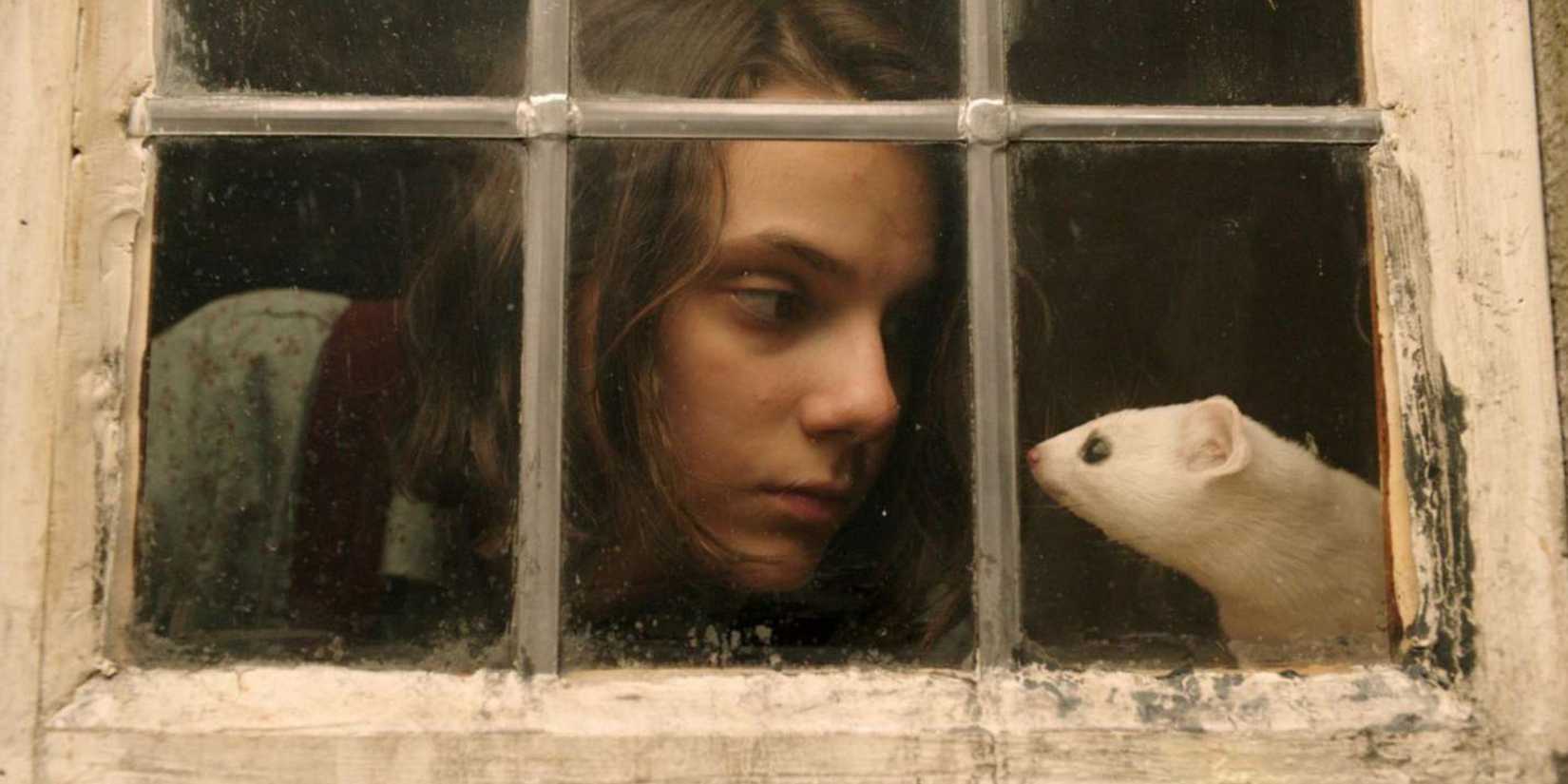
HBO’s His Dark Materials is often considered a consistently excellent fantasy series, a step up from the earlier film adaptation. The show, based on Philip Pullman’s popular trilogy, started strong in its first season and continued to get even better. By taking three seasons to tell the story, the series was able to fully develop and explain the intricate world Pullman created.
The first season of His Dark Materials focused on carefully establishing its world. The second season expanded the story considerably, introducing the character of Will Parry and the mysterious city of Cittàgazze in the episode “The City of Magpies.” Adding Will’s perspective also enriched the narrative by giving us two characters to follow.
The series reached its most daring point in season 3. Instead of toning down the more challenging aspects of Philip Pullman’s story, the show embraced the epic battle against the Authority. Episodes like “The Enchanted Sleeper” and “The Intention Craft” plunged directly into the conflict between angels and Asriel’s fight against the established order.
Importantly, the final episode, “The Botanic Garden,” stayed true to Pullman’s intended ending. Lyra and Will’s permanent separation underscored the author’s central theme of sacrifice, rather than opting for a typical, cheerful conclusion.
The Legend of Vox Machina
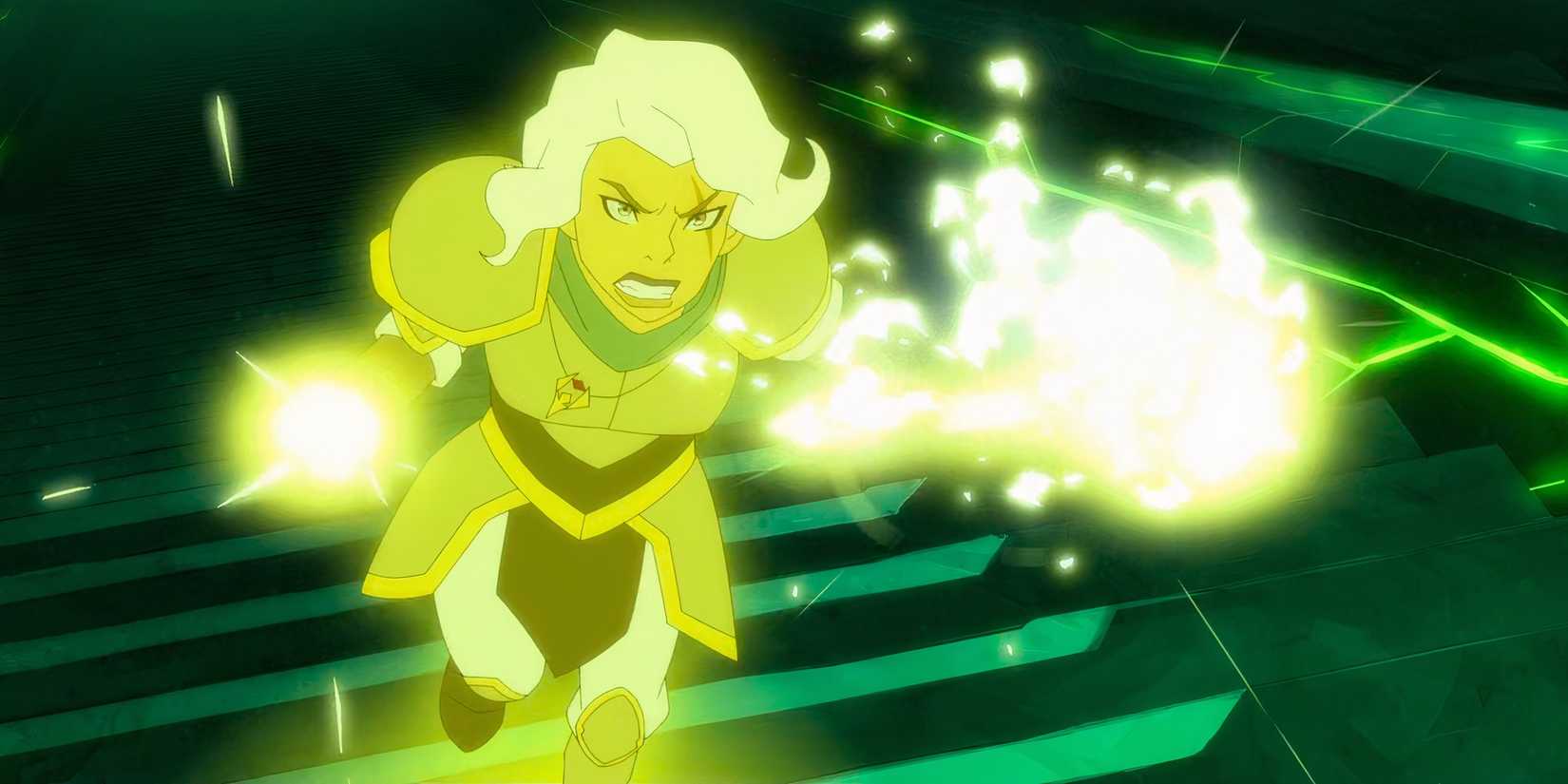
The animated series The Legend of Vox Machina is based on the very first story told during Critical Role’s live-streamed Dungeons & Dragons games. The first season did a good job of mixing funny moments with scary, gothic themes, but some early episodes, like “The Feast of Realms,” rushed through a lot of background information to quickly set up the main storyline about the Briarwoods. This made the show’s mood jump around a bit, going from lighthearted to dark very quickly.
The second season fixed the problems with the show’s speed. The episode “Rise of the Chroma Conclave” really upped the tension, showing dragons destroying the city of Emon in a memorable and dramatic scene. The season also spent more time developing individual characters, especially exploring the difficult family history of Vax and Vex, and Pike’s struggles with her beliefs.
By season 3 of The Legend of Vox, the show had refined its approach to dragon hunting, with episodes like “To the Ends of the World” and “Cloak and Dagger” offering self-contained adventures that still contributed to the overall story. The animation also noticeably improved, especially during big magical battles, compared to the first season.
Each episode of Legend of Vox Machina felt more impactful and was better made than the last. The show’s improved flow and organization helped it become a hit, and now Prime Video has announced a fourth season will arrive in June 2026.
Angel
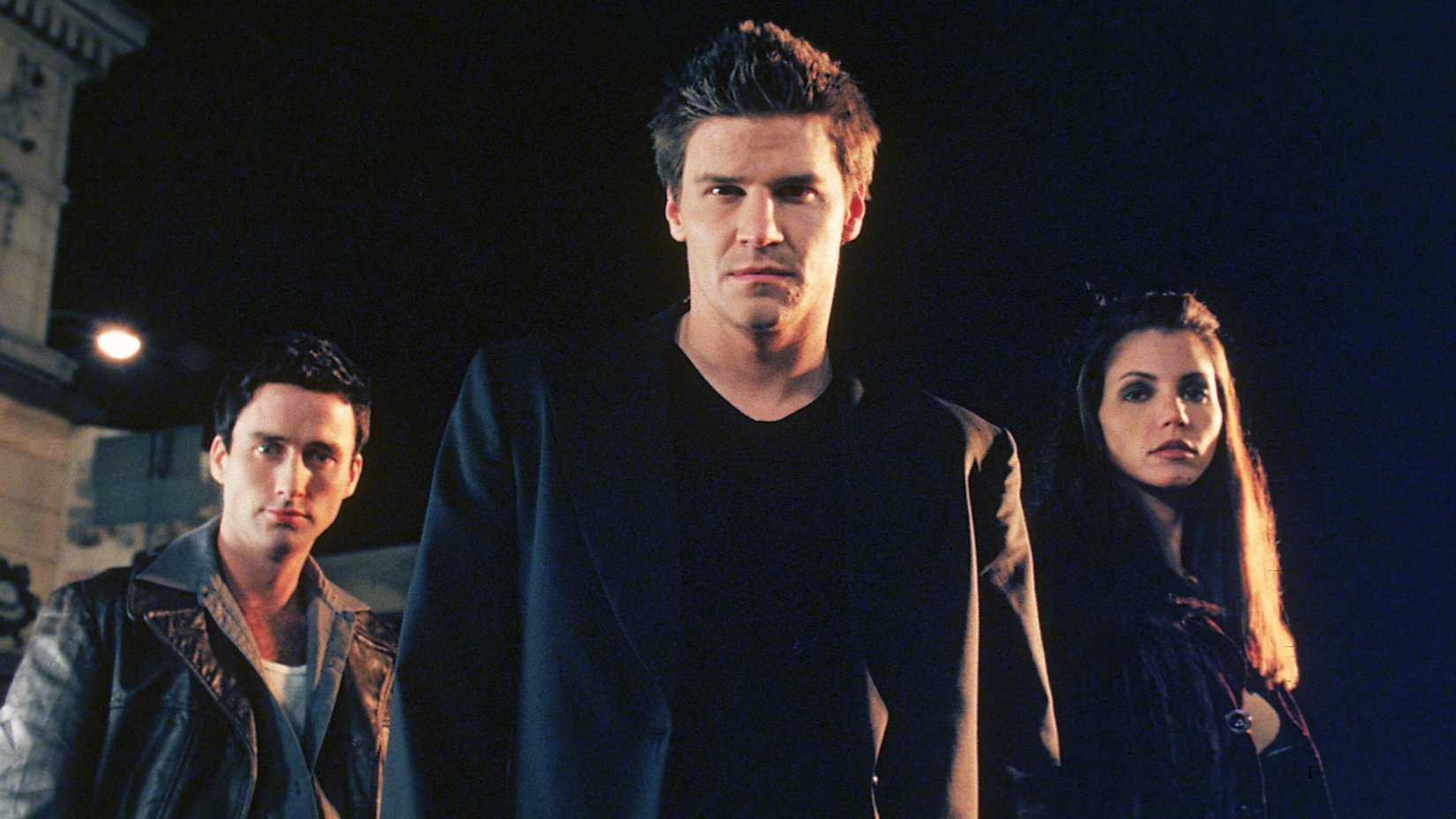
The show Angel, which began as a spin-off of Buffy the Vampire Slayer, initially resembled a typical supernatural detective series. The first season largely featured self-contained episodes—each focusing on a different monster or case—with a loose connection to the law firm Wolfram & Hart. Though episodes like “I Will Remember You” were emotionally impactful, most stories didn’t build into a larger, ongoing narrative.
Throughout its run, Angel delved deeper into complex themes like finding redemption, the dangers of corporate corruption, and the cost of self-sacrifice. The show moved beyond simple case-of-the-week episodes, instead building storylines that spanned entire seasons and focused on Angel’s struggles with morality, his work at Wolfram & Hart, and the growing tensions within his team. Season 2 saw Angel facing increasingly difficult ethical choices, and these choices led to devastating betrayals in Season 3 that fundamentally changed the team forever.
By its fifth season, the show Angel began exploring the complex question of whether it’s possible to fight evil from the inside. Episodes like “Smile Time” demonstrated a significant leap in the show’s ability to handle tone and storytelling, moving far beyond the more straightforward approach of its first season.
Supernatural
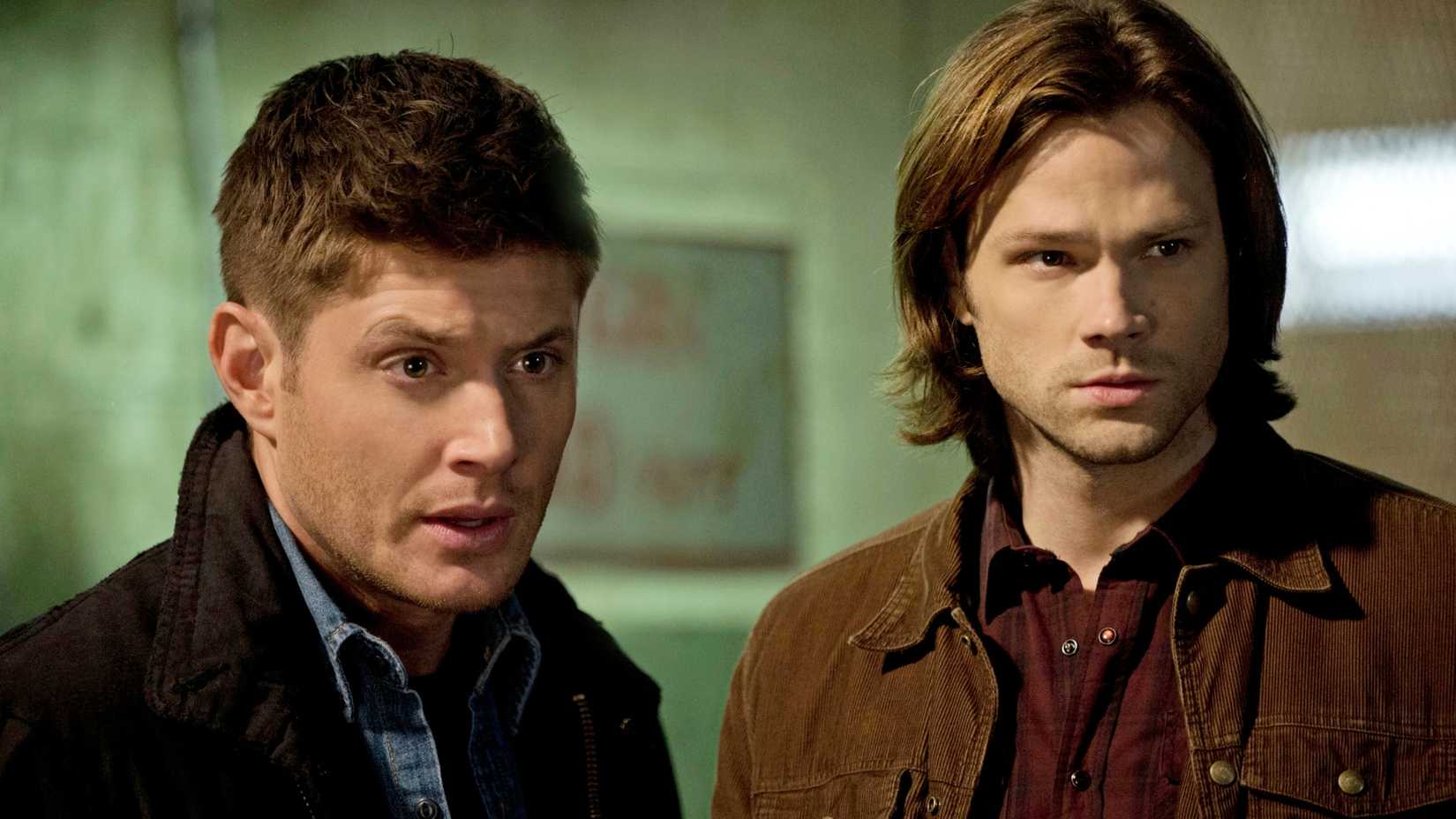
Even though Supernatural ended years ago, it still has a loyal following. While opinions varied after the first five seasons, many later episodes are still considered excellent. The first season featured standalone stories based on popular urban legends like “Wendigo,” “Bloody Mary,” and “Hook Man.” However, this format of focusing on a different monster each week couldn’t maintain the show’s momentum over a long period.
As a huge Supernatural fan, I remember really noticing how the show changed starting with Season 2. It wasn’t just monster-of-the-week episodes anymore. They started building these really long arcs, especially around Sam’s backstory. It all began with that creepy yellow-eyed demon, Azazel, and honestly, it was amazing watching that thread pull everything towards Lucifer. By Season 5, it all exploded in this huge, apocalyptic finale. Looking back, episodes like “Swan Song” really show you how much the show had grown from those early days of just hunting simple ghosts!
The show really expanded its world when it started exploring angels and larger, cosmic threats. This move from stories rooted in traditional folklore to a battle over cosmic and religious ideas created a bigger conflict between the brothers about whether people have free will or if their lives are predetermined. This more complex, ongoing storyline continued throughout all fifteen seasons, allowing both the Winchester brothers and the other characters to develop and grow.
The show Supernatural demonstrated that a case-of-the-week format could successfully delve into complex, overarching stories. Its willingness to change and grow is a key reason why it became one of television’s longest-running and most popular dark fantasy series.
Read More
- Gold Rate Forecast
- Assassin’s Creed is getting a live stage spin-off with parkour and choreographed fights
- Avengers: Doomsday Spoilers & Leaks Addressed By Director Joe Russo: “It’s Over-Policed”
- Crimson Desert Guide – How to Pay Fines, Bounties & Debt
- Apple TV’s Imperfect Women Becomes No. 1 Most-Watched Show Globally
- What is Omoggle? The AI face-rating platform taking over Twitch
- Pragmata: Every Hacking Mode, Ranked
- Blake Lively & Justin Baldoni Settle It Ends With Us Lawsuit 18 Months After Bitter Feud Began
- Man pulls car with his manhood while on fire to raise awareness for prostate cancer
- The 7-Part Dystopian Series Streaming For Free This Month Deserves Its 93% Rotten Tomatoes Score
2026-03-08 17:21