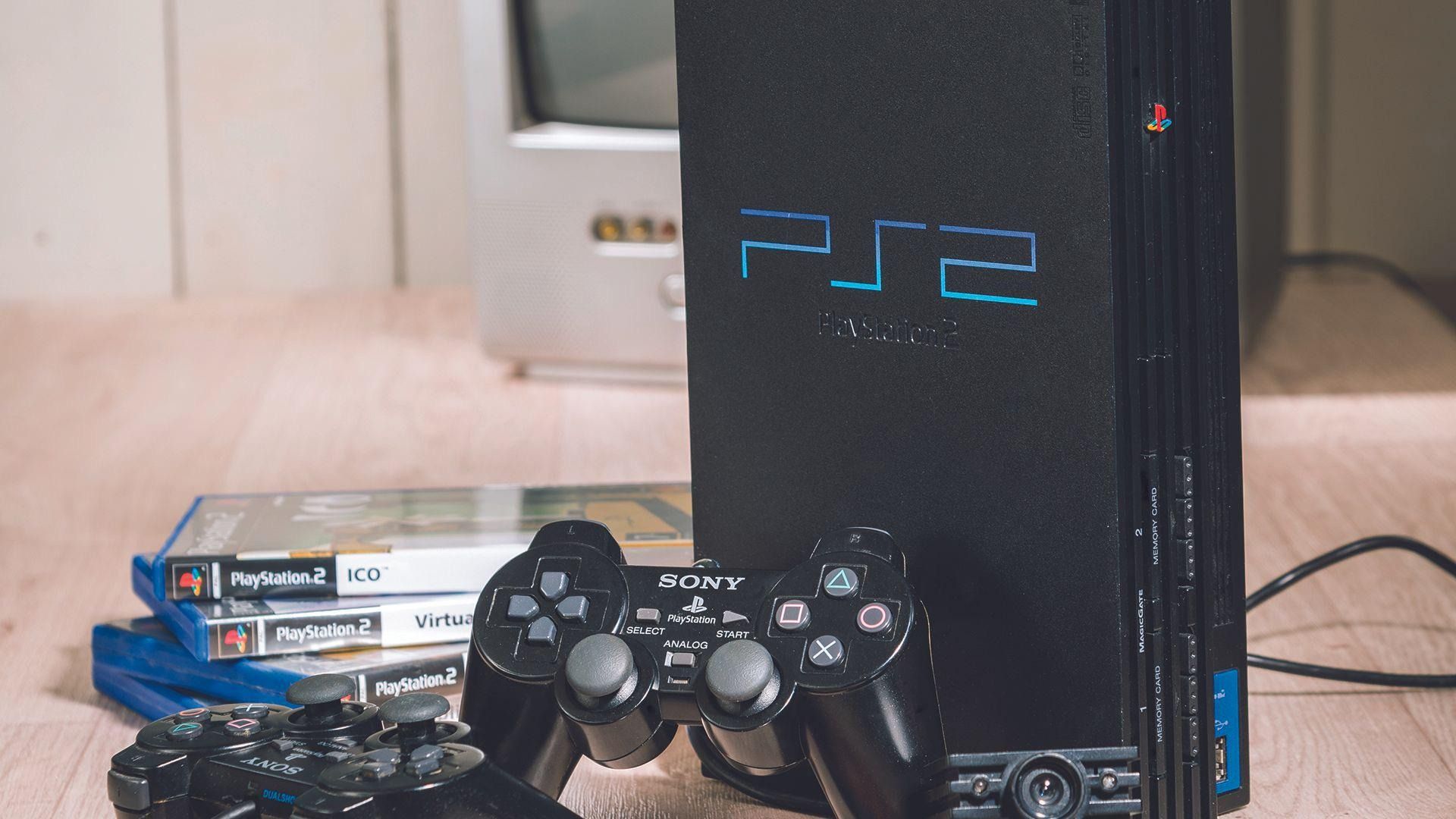
A lot of gamers first discovered Japanese role-playing games (JRPGs) on the PlayStation 1, enjoying iconic titles like Final Fantasy 7 and Suikoden 2. The next generation of consoles then really expanded on that experience, offering more powerful technology that let players delve into huge, immersive worlds and captivating stories.
Many PlayStation 2 Japanese role-playing games, such as Kingdom Hearts and Final Fantasy 10, remain popular with players. However, Persona 4 is often considered the best of the bunch, establishing the Persona series as a major competitor to Final Fantasy.
Persona 3 Transformed the Entire Franchise
The PlayStation 2 was key to Atlus gaining popularity in Western markets, and they did so with a series of memorable, though imperfect, games. One of the first was Shin Megami Tensei 3, which received praise for its mature themes, distinct art style, and innovative approach to collecting creatures, but it was often criticized for being very difficult, particularly when players first started playing.
Although all of Atlus’s Japanese role-playing games from the PlayStation 2 era are enjoyable, Persona 3 is the one that really captured players’ hearts. It quickly gained a dedicated following by blending everyday high school life with thrilling dungeon exploration, and it was especially popular with fans who enjoy character romance. It felt like being immersed in a dark, fantastical high school anime, all built around a solid RPG system.
Persona 3 is a truly great game, though the original PlayStation 2 version has some flaws. It could be very difficult, and some of the boss battles felt unfair. A major issue was the limited control – you could only directly command one character out of a four-person party.
While later versions fixed some issues, players of the original PlayStation 2 game were left with a fantastic, yet imperfect experience. Persona 3 showed people the series had promise, but it wasn’t until Persona 4 that the franchise truly shined.
Persona 4 Is Peak PS2
Fans who weren’t happy with Persona 3 didn’t have to wait long for improvements, as Persona 4 was released for the PS2 in 2008. Persona 4 not only fixed the issues of the previous game, but also built upon everything players loved about it.
I remember playing Persona 3 and it felt like we were saving the world, but Persona 4 hit different. It took place in this small town called Inaba, and it wasn’t about some huge, distant threat – it was about a series of really creepy murders happening right there, and that made it feel way more personal.
The main character discovers they can summon Personas – powerful spirits from mythology – and soon realizes the murderer has the same ability, using it to commit crimes. The player then gathers a diverse group of Persona users to help solve the mystery and track down the killer.
Some fans believe Persona 4 borrowed heavily from JoJo’s Bizarre Adventure Part 4: Diamond is Unbreakable. While there are clear parallels between the two, Persona 4 came out before most Western audiences had a chance to read JoJo, making its mystery feel original and new at the time.
Though not simple, Persona 4 was more forgiving than the previous game, particularly when facing the final bosses. The earlier bosses could be tough, but with careful strategy and some dedicated leveling up, they were beatable. This was a welcome change from Persona 3, where bosses often relied on instant-kill attacks or spells that could end the game quickly.
What I really loved about Persona 4 was that I actually got to control what everyone in my party did – it wasn’t just watching cutscenes, I was in there with them. Plus, the dungeons felt way more interesting and different from each other compared to Persona 3, where you spent most of your time going up and up and up in that one tower, the Tower of Tartarus.
I loved how Persona 4 let you explore so many different worlds through the Midnight Channel – it felt way more expansive than other games! Plus, the game really leaned into its detective mystery vibe, and I appreciated that it didn’t spoon-feed me the answers. It made solving the case so much more rewarding!
To see the real ending, you’ll have to figure out who the killer is – the game doesn’t tell you! It’s easy enough to look up the answer online these days, but if you want a genuine mystery, try solving it on your own.
Although Persona 5 is often called the best in the series, its success builds directly on the foundation laid by Persona 4. Without the characters and story of Persona 4 and its Investigation Team, the Persona 5 Phantom Thieves wouldn’t exist.
The popularity and positive reception of Persona 4 led to more games in the series being created and released in different regions. The game’s success significantly benefited the RPG genre, and the Persona series as a whole helped elevate JRPGs on the PlayStation 2.
Found an error? Send it so it can be corrected.
Read More
- Gold Rate Forecast
- What is Omoggle? The AI face-rating platform taking over Twitch
- Wartales Curse of Rigel DLC Guide – Best Tips, POIs & More
- The Devil Wears Prada 2 Cameos You May Have Blinked and Missed (Plus Lady Gaga)
- How To Grow Money Trees In Animal Crossing: New Horizons
- The Strongest Mortal Kombat II Movie Characters, Ranked
- Audible opens first ‘bookless bookstore’ in New York
- Sony’s Venom Animated Movie Is Bad News for Spider-Man Fans
- Woman born without arms goes viral after revealing how she uses feet to eat
- 10 Classic 2000s Anime That Aren’t As Good As You Remember
2026-03-03 21:41