Among the greatest science fiction franchises ever created, Star Wars is arguably the most impactful. This sprawling saga follows the destinies of empires and delves into profound philosophical themes. Though the original Star Wars films haven’t always held up over time, newer shows like Andor have revitalized the story, presenting relatable characters and strengthening its core message against fascism.
Despite its strengths, Star Wars isn’t perfect. While the series has created some truly memorable sci-fi characters, it’s also given us a few that audiences strongly dislike. Sometimes the storylines feel disconnected, and certain installments lean too much on familiar elements from the past instead of building something new. Many other shows have done a better job of expanding their worlds, and while that doesn’t necessarily make them superior to Star Wars, it can sometimes make the franchise feel limited in comparison.
Foundation
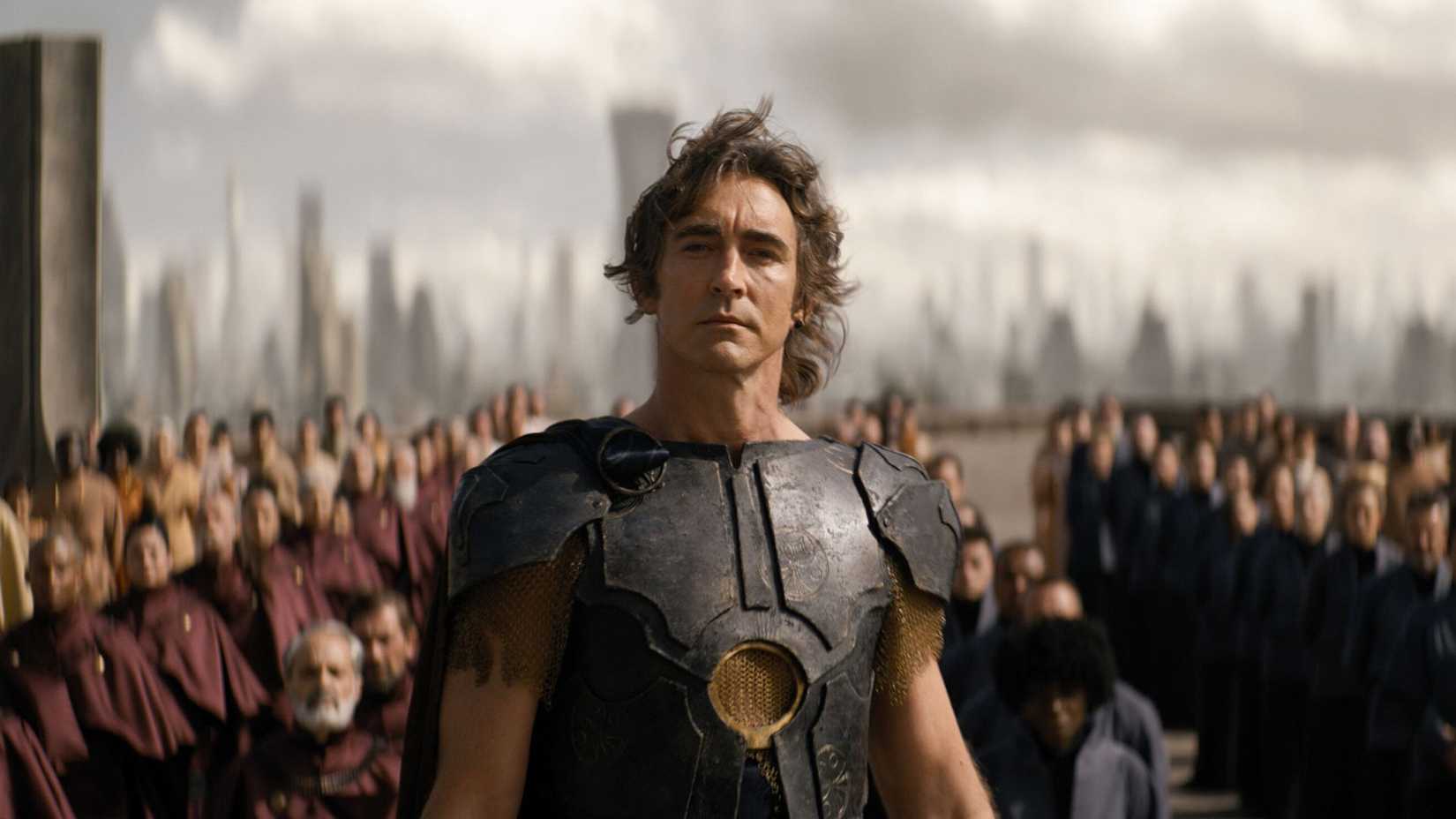
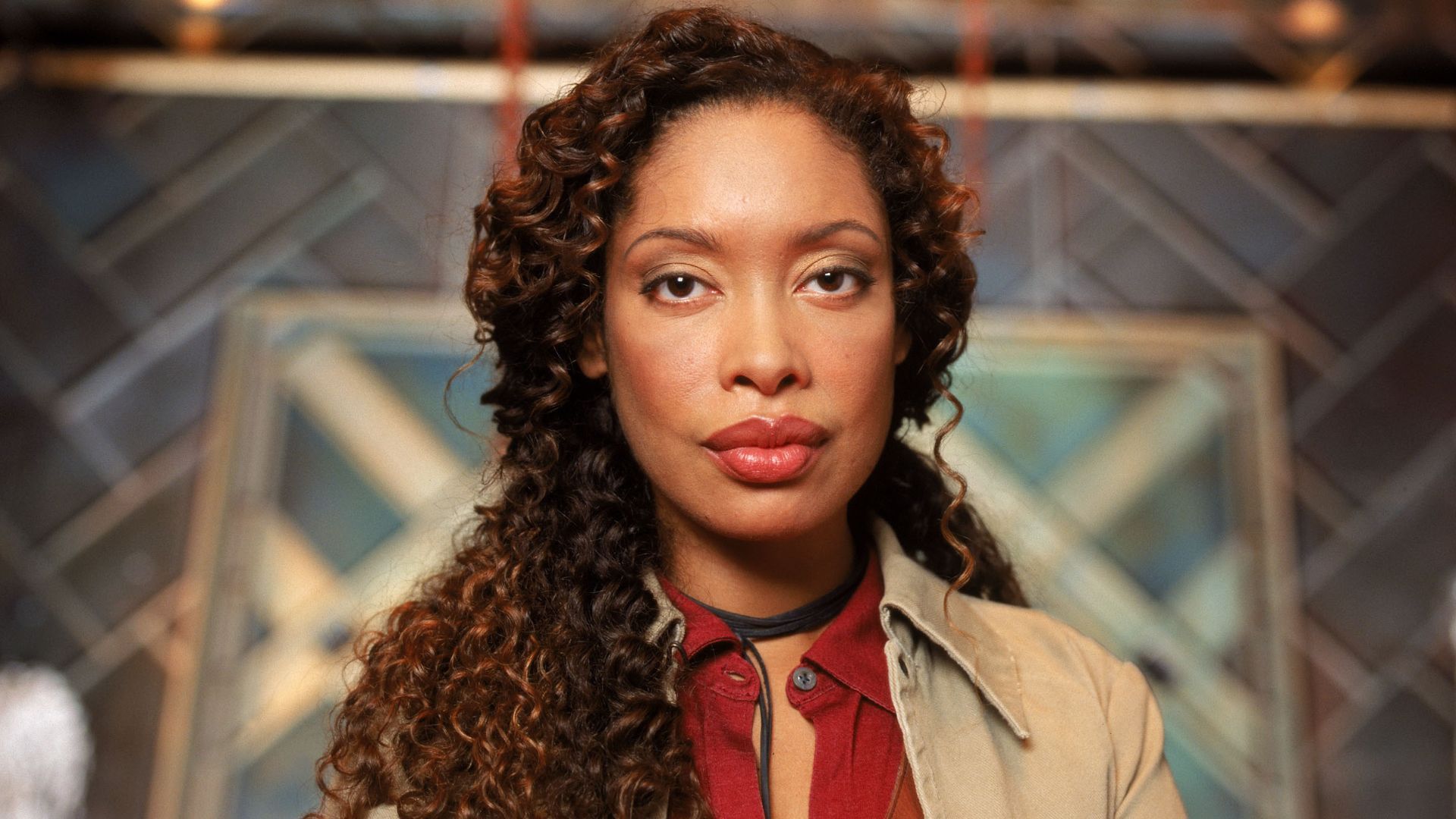
Isaac Asimov’s Foundation series was long considered impossible to adapt for television. The story spans centuries and involves shifting power structures, much like Star Wars. While Star Wars could rely on characters with established family histories, Foundation needed to condense a similarly epic scope into a manageable TV series, a significant challenge.
The sci-fi series Foundation is a visually stunning and ambitious show that raises the bar for the genre. Unlike many space operas, including Star Wars which usually focuses on a single storyline within a larger narrative, Foundation tackles multiple crises simultaneously. It presents a unique vision of the future with technology and ship designs unlike anything seen before, and interestingly, explores history as if it were a predictable equation, all while still focusing on compelling human characters.
The Expanse
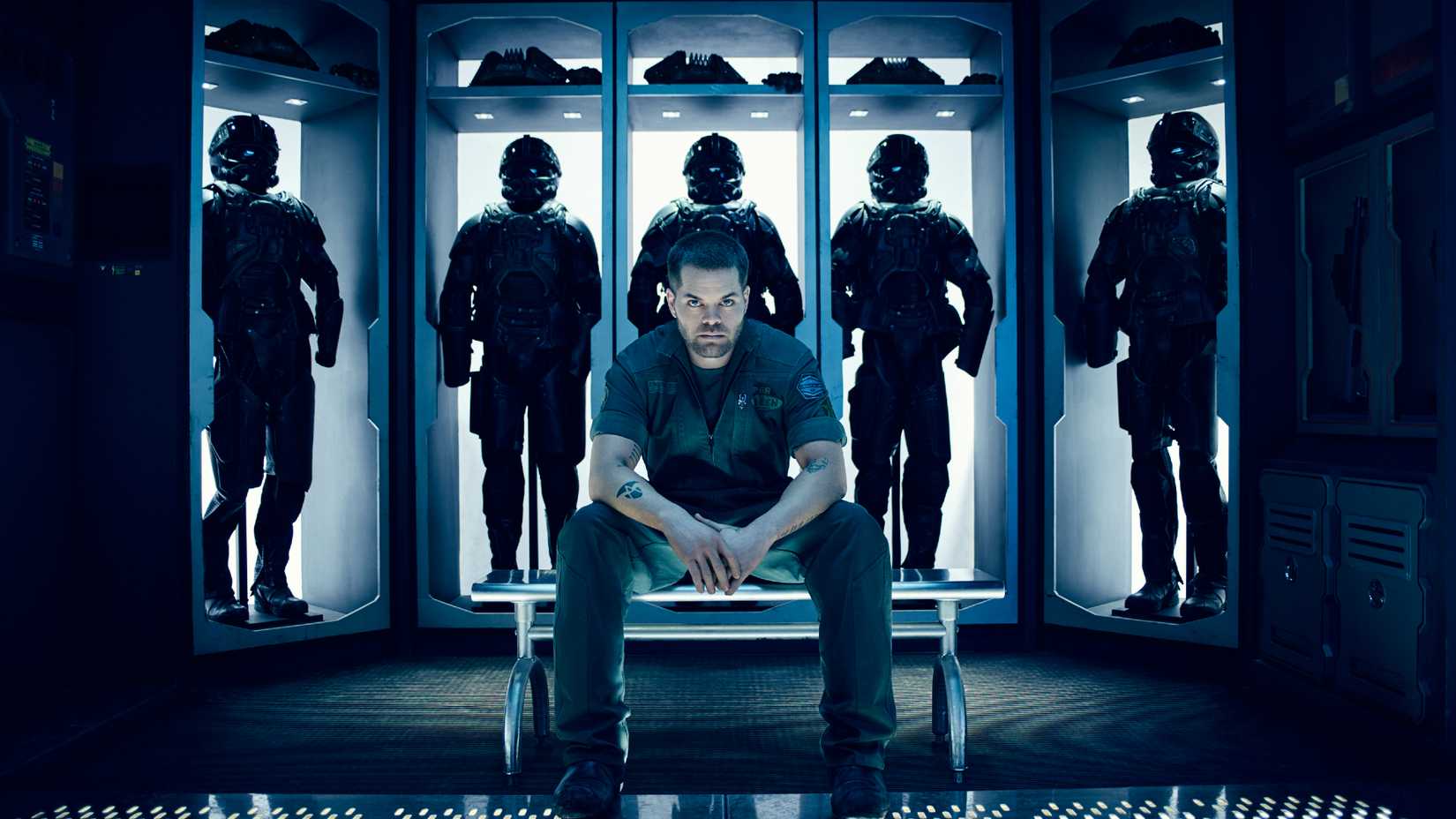
Despite earning a 95% positive rating from critics on Rotten Tomatoes, the real triumph of The Expanse was how well it resonated with scientists who study space. While many sci-fi shows, even classics like Star Wars, prioritize spectacle over realism, The Expanse stood out for its dedication to portraying space travel and physics in a believable and grounded way. This commitment to accuracy earned it widespread praise from astrophysicists.
I’m completely captivated by The Expanse. It follows the journey of a ship’s crew who stumble upon a truly frightening conspiracy – one that could decide the fate of entire planets! While epic scope is common in sci-fi, like in Star Wars, what really sets The Expanse apart is how incredibly detailed it is. They’ve really thought through everything, from how gravity works to the intricacies of biology. It’s this commitment to realism, to the little things, that makes the show feel so massive and the universe so incredibly alive.
Arcane

Even though it’s short enough to watch in a single day, the Emmy-winning series Arcane has truly changed the game for sci-fi. Its two seasons are outstanding in every way – the animation is beautiful, the sound design is immersive, the characters are compelling, and the writing is superb. Many scenes are so visually stunning they feel like works of art, but Arcane never sacrifices a good story for style.
| The two seasons of Arcane | ||||
|---|---|---|---|---|
| Season | Date | Episodes | Rotten Tomatoes Critics’ Rating | Rotten Tomatoes Audience Rating |
| 1 | 2021 | 9 | 100% | 87% |
| 2 | 2024 | 9 | 100% | 80% |
Although Arcane is mostly set in one city, it surpasses Star Wars in a significant way: emotional depth. The show explores the strained relationship between two sisters against a backdrop of social inequality and magic that feels like a new technology. Arcane is a deeply personal character study, delving into the motivations and feelings of its characters – heroes, villains, and those in between – far more than Star Wars does with individual characters across entire story arcs.
Firefly
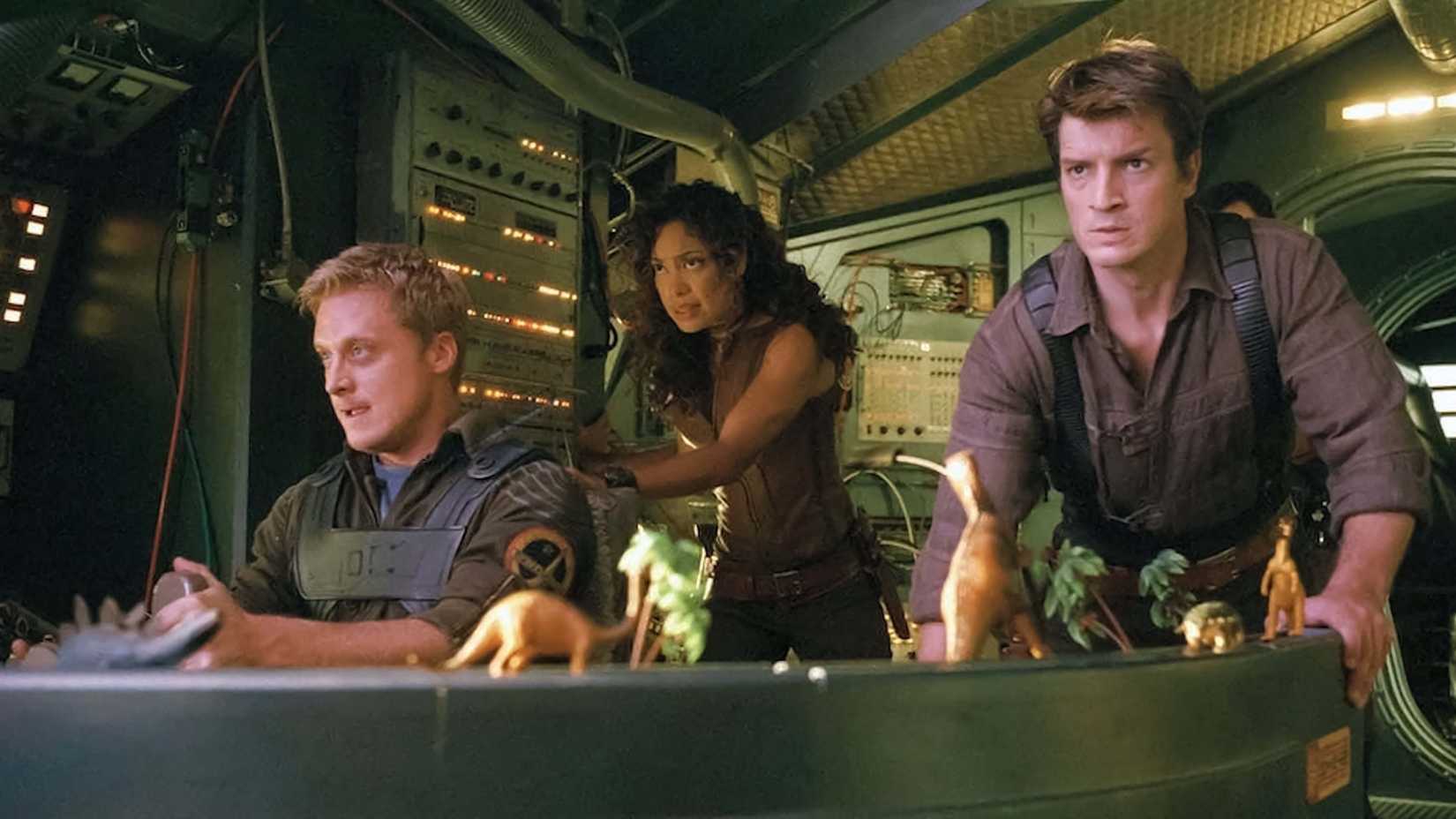
The beloved show Firefly centers on the adventures of the Serenity crew as they navigate life by taking on all sorts of jobs, both lawful and unlawful. Though the show features travel to different planets and space stations, its close-knit focus on the characters sets it apart from many sci-fi series – and actually makes the vastness of Star Wars seem less impactful. Firefly’s emphasis on ordinary people reveals something missing in the Star Wars universe.
While Star Wars, particularly the first three movies, relies on familiar tropes like the evil villain and the destined hero, this can sometimes make the plot feel expected and the characters a bit stereotypical. Firefly, on the other hand, built a complex world by exploring different levels of society, and it had the potential to develop these ideas even further if it hadn’t been cancelled so quickly.
Star Trek
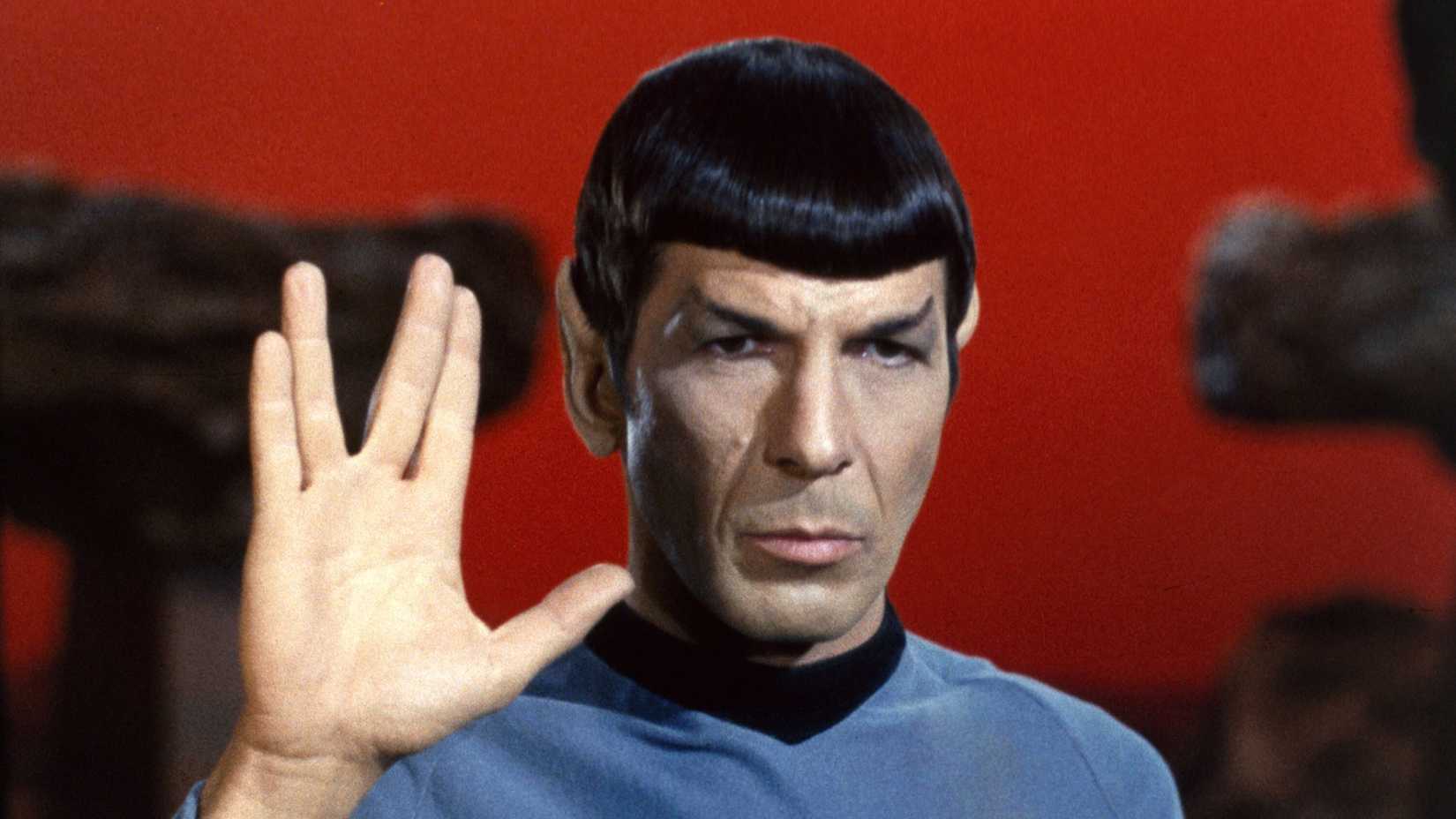
Many consider Star Trek to be the most influential science fiction series ever created, thanks to its memorable characters, original ideas, and impact on technology. What sets Star Trek apart from other sci-fi shows is its vision of a hopeful future where humanity has overcome poverty and conflict. The show often examines complex issues like prejudice, equality, and the nature of humanity, using science fiction as a way to explore these themes in a groundbreaking manner, something Star Wars hasn’t quite achieved to the same degree.
While some of the social messages in Star Trek haven’t held up perfectly over time, it was remarkably progressive for its era. The Original Series, which premiered in 1966, featured a surprisingly diverse cast, including a Black woman in a leadership role with specialized knowledge – a truly groundbreaking move. Interestingly, the show also proved to be prescient; a 1966 episode feels particularly relevant today given current concerns about generative AI.
Everyone agrees that Star Wars is a hugely successful and iconic sci-fi series, but at its heart, it’s a fairly straightforward story of heroes versus villains. Star Trek, on the other hand, delves into the roots of evil and asks challenging questions about what it means to be human. This gives Star Trek a greater sense of scope, both in terms of its lasting influence and its originality within the science fiction genre.
Cowboy Bebop
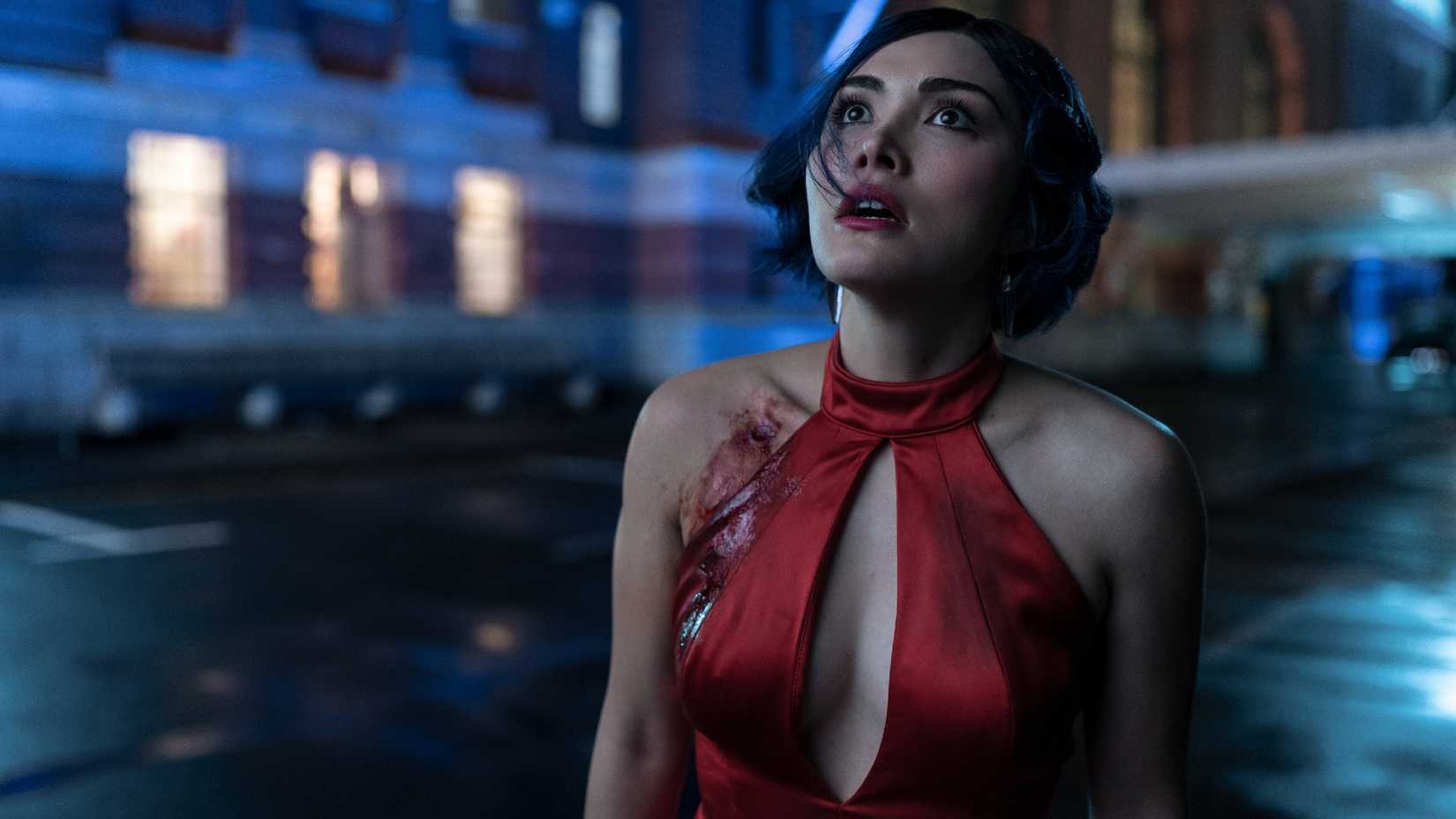
As a critic, I really wanted to love the live-action Cowboy Bebop on Netflix. The original anime is a masterpiece – seriously, one of the best animated shows ever made, with near-perfect scores from both critics and audiences. Sadly, the remake just didn’t live up to the hype. While it found some fans (around 60% liked it, according to Rotten Tomatoes), critics were much less impressed, giving it only a 45% rating. It’s a shame, because the animated Cowboy Bebop actually surpasses even Star Wars in many ways, and animated shows deserve more respect overall.
Like Firefly, this space Western centers around a team of bounty hunters, but it actually reaches a conclusion. The show blends cyberpunk elements with thoughtful social issues, creating a unique and engaging experience that many Star Wars installments lack. Cowboy Bebop’s richly detailed world expertly portrays the struggles of ordinary people facing unfair circumstances, and a successful live-action adaptation could have been a true science fiction classic.
Ghost In The Shell: Stand Alone Complex
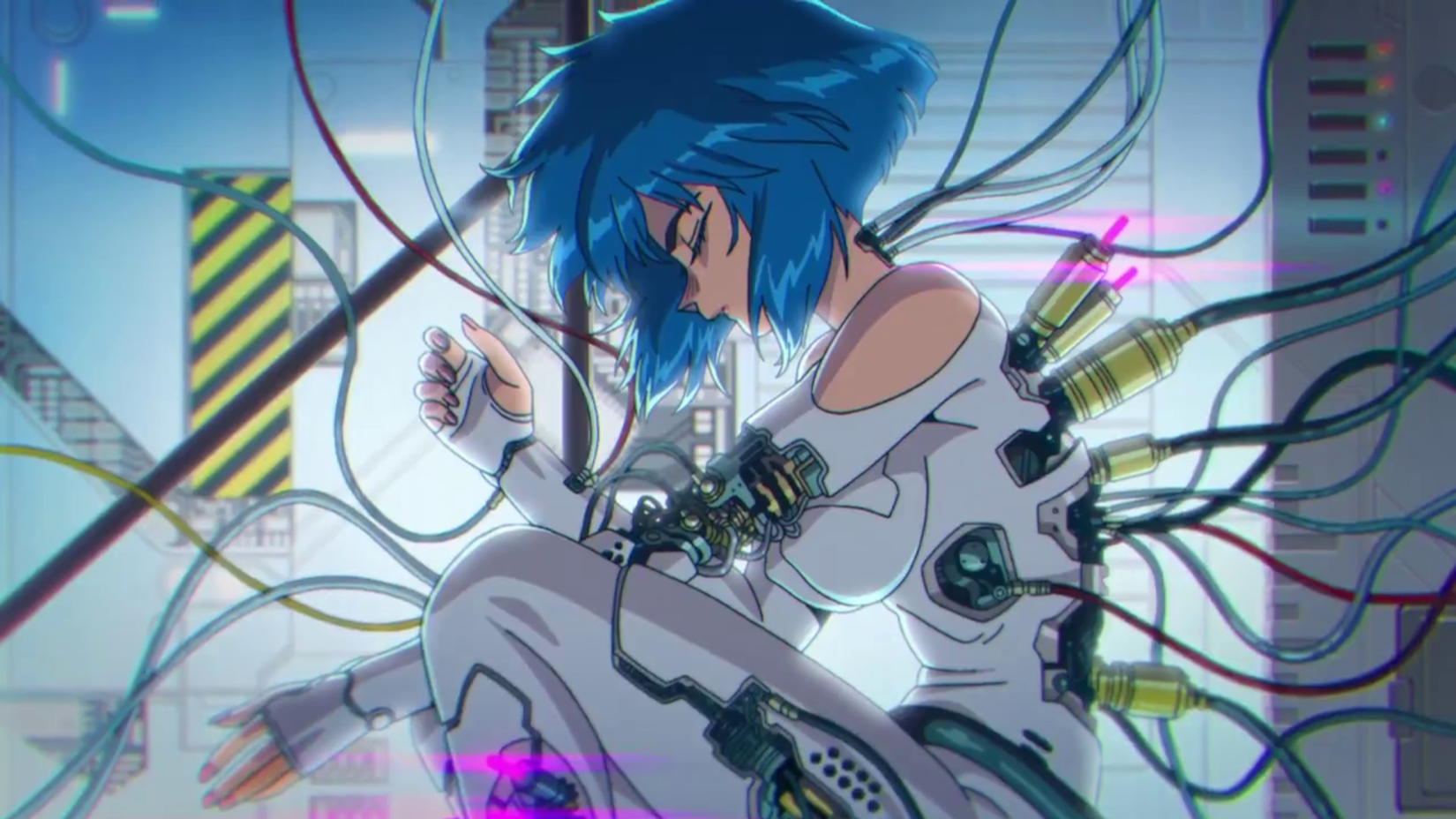
Considered the best example of cyberpunk anime, Ghost in the Shell: Stand Alone Complex is a groundbreaking series that explores a future where people can connect their brains to the internet. Its themes heavily influenced films like The Matrix, and the story centers around cyborg Major Motoko Kusanagi and her team. While Star Wars has always questioned authority and warned against corruption, Ghost in the Shell is remarkably prescient and arguably offers a more insightful commentary on these issues.
As a sci-fi fan, I’ve been thinking about how relevant different shows are to today’s world. While Star Wars definitely has some important lessons, Ghost in the Shell: Stand Alone Complex really digs into issues we’re facing right now – things like internet addiction, the growing power of AI, and how easily refugees can be manipulated for political gain. It’s not that every sci-fi story needs to be a commentary on society, and Star Wars still has an amazing, huge world, but Ghost in the Shell just feels a lot more grounded and, honestly, a little more unsettling because of how real its themes feel.
Doctor Who
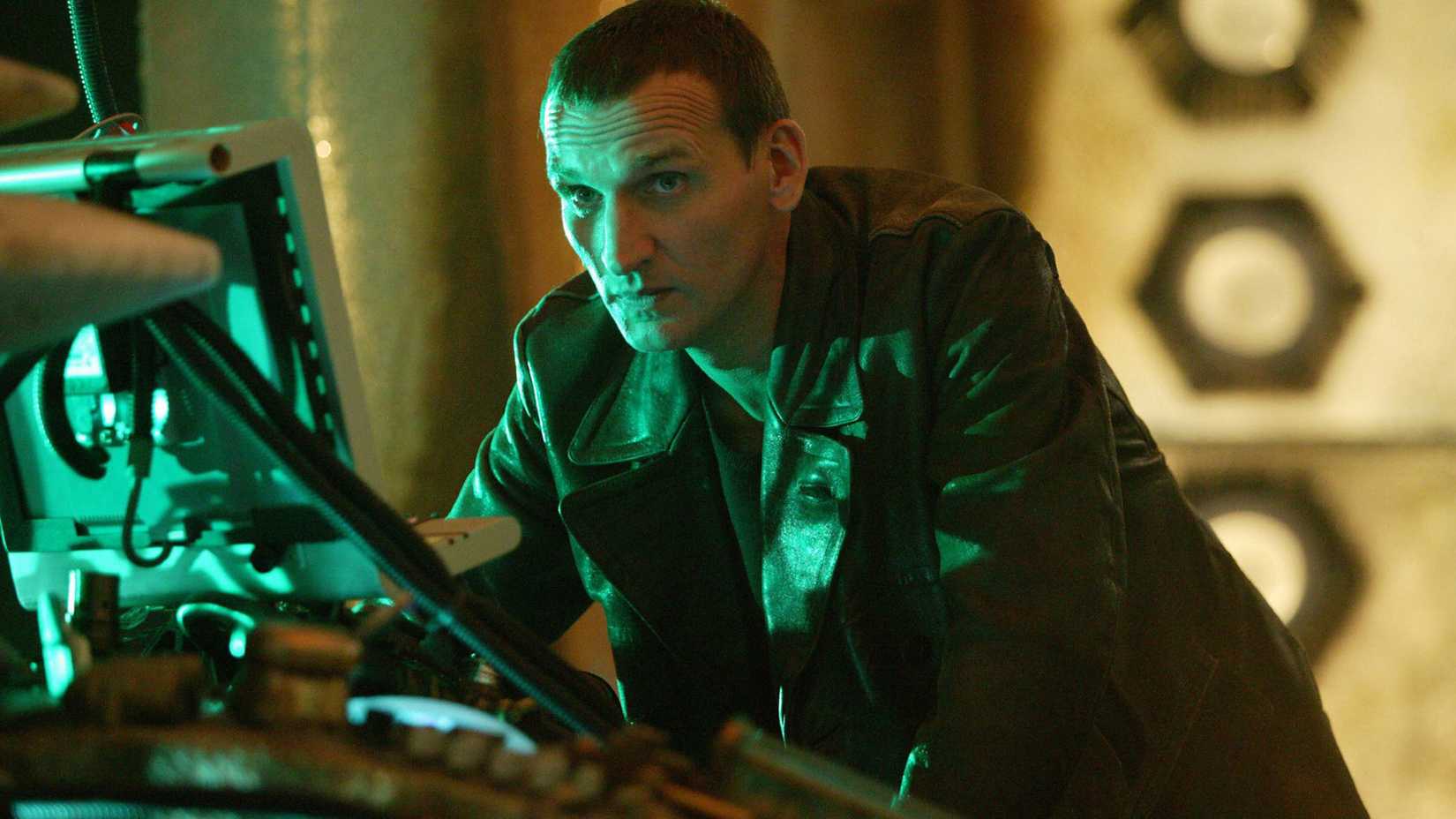
As a lifelong sci-fi fan, I truly believe Doctor Who deserves its reputation as the greatest show in the genre, especially considering it’s been running longer than anything else! What’s amazing is how much the show has built up over the years since 1963 – the world-building is just incredible. We’re talking billions of years of history, multiple universes, and paradoxes that could unravel reality! And it all hinges on the Doctor, which means finding the perfect actor for the role, again and again. Honestly, it’s a bigger challenge than even Star Wars has ever faced when it comes to its iconic characters.
Each actor who has played The Doctor has brought their own unique interpretation to the role, but always within the established character. Because of its vast universe and flexible nature, Doctor Who doesn’t quite fit into the typical science fiction mold. It’s more of an ongoing concept than a straightforward story, which sets it apart from most other sci-fi franchises, including Star Wars.
Read More
- Netflix’s Little House On The Prairie Reboot: Release Date, Cast & Everything We Know
- Off Campus Season 1 Soundtrack Guide
- YouTuber arrested after viral AI bodycam videos spark real police complaints
- Silver Rate Forecast
- Prime Video’s New R-Rated Spy Thriller Is Officially No.1 On Streaming Despite Poor Reviews
- Brent Oil Forecast
- Gold Rate Forecast
- Peaky Blinders: The Immortal Man’s Tommy Shelby Is a Better Father Than Michael Corleone
- EUR ZAR PREDICTION
- Bulgakov’s Take: Koreans Bet the Farm on Chips, Crypto, and Chaos
2026-05-17 00:53