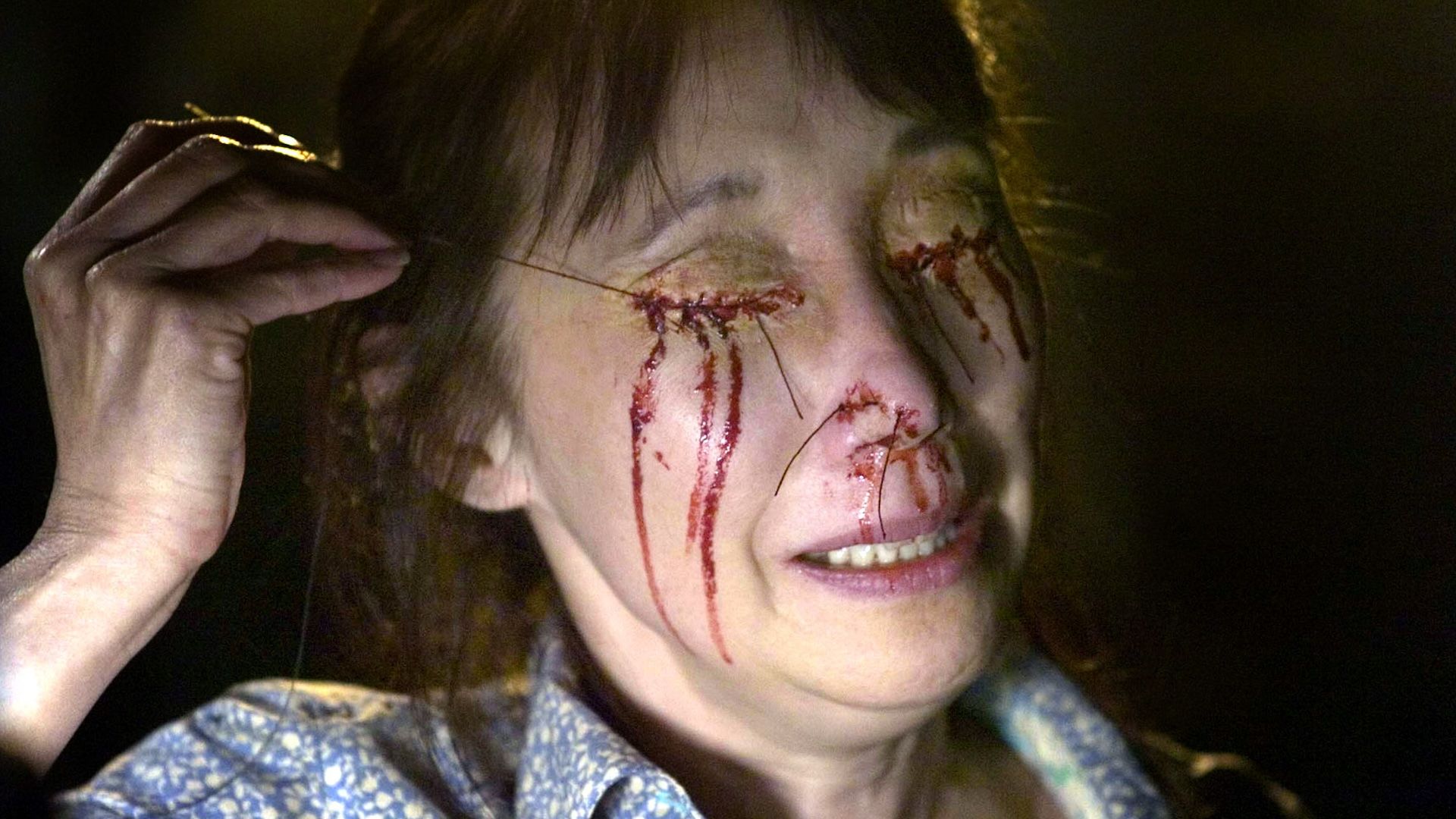
One Showtime horror series initially gained attention for featuring a collection of well-known horror directors. However, it’s the show’s controversial final episode that people remember most. Horror anthologies are notoriously difficult to get right. While some, like HBO’s Tales from the Crypt, become cult hits, many others fail to capture the same mix of scares, dark humor, and surprising twists that made The Twilight Zone so legendary.
While many recent horror anthology series, such as Slasher and American Horror Story, focus on complete stories within a single season, Tales from the Crypt popularized the format of self-contained episodes in the ’90s and 2000s. It was during this time that a remarkable Showtime series emerged, bringing together top horror writers and directors. Each episode featured a unique adaptation of a short story by masters of the genre, including H.P. Lovecraft, Clive Barker, and Ambrose Bierce.
Showtime’s Masters of Horror aimed to unite many famous horror directors – like Stuart Gordon, Tobe Hooper, Joe Dante, and John Carpenter – and let them create scary, R-rated stories for television. But Takashi Miike, the director of Audition, went further than expected. His season one finale, “Imprint,” was so disturbing it was banned and quickly became the show’s most notorious episode, even shocking the creators of the Evil Dead movies.
Masters of Horror’s Season 1 Finale Was Too Intense Even For Cable
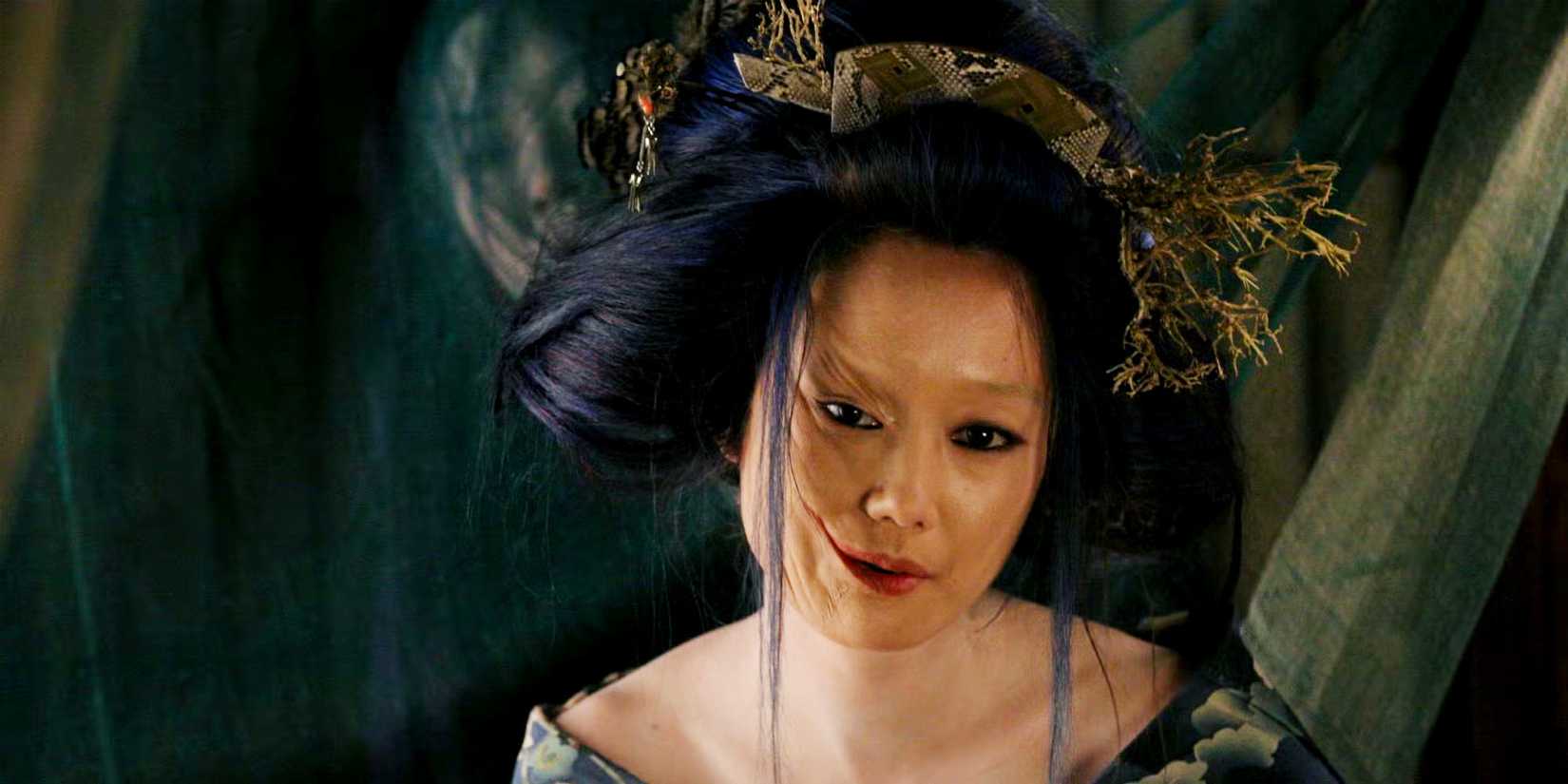
Tobe Hooper’s “Dance of the Dead” drew inspiration from a chilling short story by Richard Matheson, the author of I Am Legend. Stuart Gordon, known for directing Reanimator, also adapted Lovecraft with his episode, “H. P. Lovecraft’s Dreams in the Witch-House.” However, Miike’s horror film was based on the novel Bokkê, kyôtê by Shimako Iwai. The season finale, titled “Imprint,” was particularly impactful – its original creator, Mick Garris, who often adapts Stephen King’s work, called it “the most disturbing film I’ve ever seen,” and it surpassed other episodes in terms of its unsettling nature.
Given that the first season also included work from the creators of films like Henry: Portrait of a Serial Killer and Suspiria, successfully completing this episode was a significant feat. Reports from the time, including a New York Times article, suggest that Showtime didn’t deliberately withhold the episode to generate publicity for the horror series. The network declined to comment, indicating their decision to not air “Imprint” stemmed from genuine concerns about its content, rather than a desire to boost DVD sales.
Looking back, it’s clear why Takashi Miike’s “Imprint” was released only on DVD and never shown on Showtime as part of the Masters of Horror series. While later shows like HBO’s Game of Thrones and AMC’s The Walking Dead also had shocking and graphic moments, the final episode of season 1 remains particularly intense. “Imprint” starts with an American tourist traveling to a Japanese brothel in the 1800s, searching for a woman he fell in love with years before.
What Makes Takashi Miike’s Masters of Horror Episode ‘Imprint’ So Disturbing
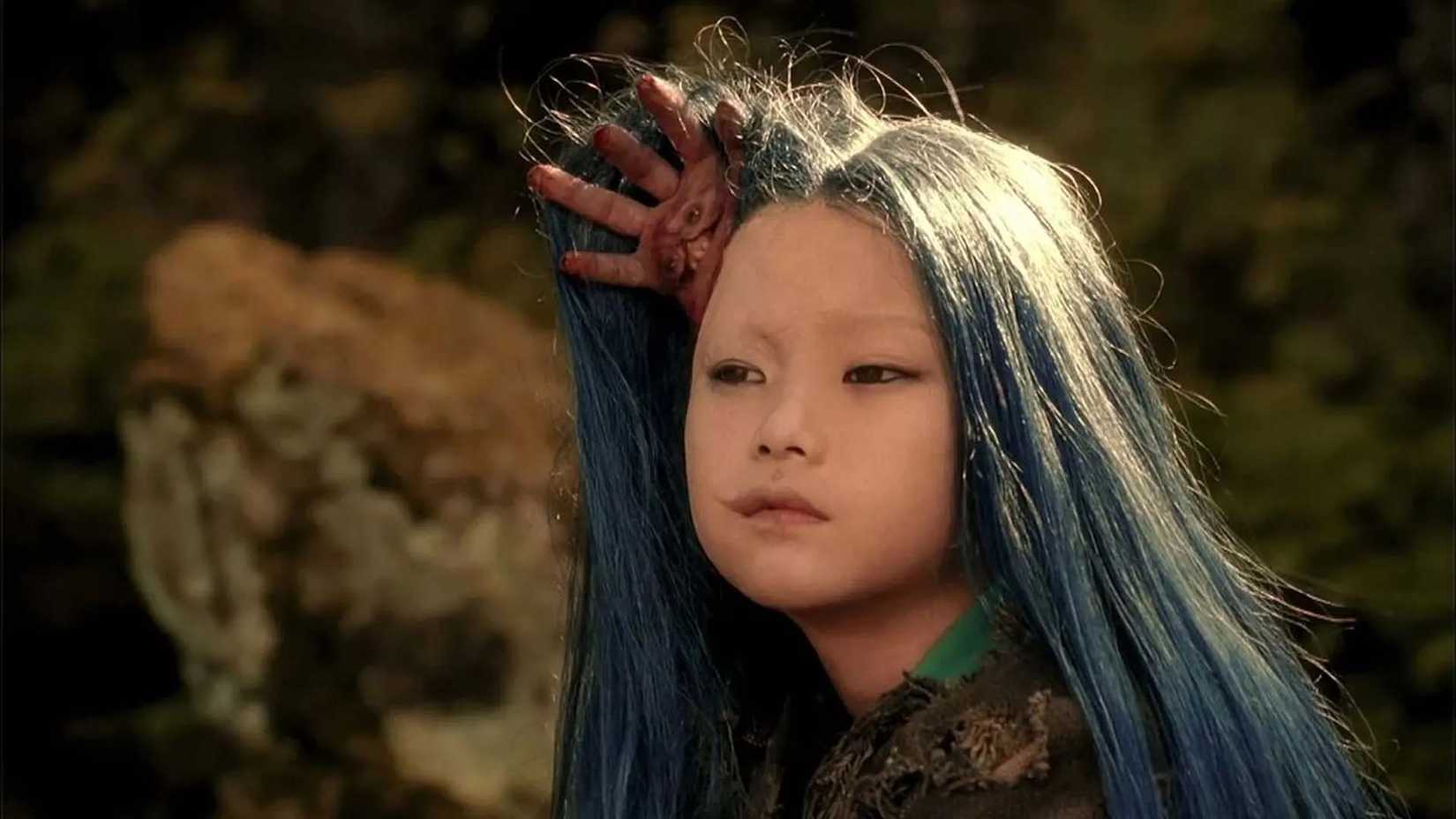
Instead, a disfigured sex worker tells him that his beloved, Komomo, committed suicide after he left, convinced he wasn’t coming back. He doesn’t accept this heartbreaking news, so she shares an even more shocking account of what happened. Throughout the story, different versions of Komomo’s life are revealed, each one more disturbing than the last. They begin with accounts of torture and murder, then escalate to include childhood abuse and incest, and finally descend into a terrifying combination of physical mutilation and supernatural curses.
Miike’s film, based on the 1999 story Bokke e, kyōtē, was the only installment of the Masters of Horror series that was never originally broadcast. While the Chiller channel did eventually show “Imprint” in reruns, they still removed some of its most disturbing scenes. The primary reason for the censorship was a shocking plot point involving fetuses, but the entire episode is intensely graphic and challenging even for experienced horror viewers.
Though shows like Mindhunter and True Detective have since mixed horror with suspense, the Masters of Horror episode “Imprint” stands out as a particularly chilling example of how scary television can be. Unlike some other episodes in the series, it avoids cheesy humor and exaggerated characters, delivering a truly shocking and disturbing story that stays with you long after the credits roll. Even when gory films like Saw and Hostel were popular, it’s clear why Showtime hesitated to show this episode without cuts.
Masters of Horror Was Unfairly Forgotten
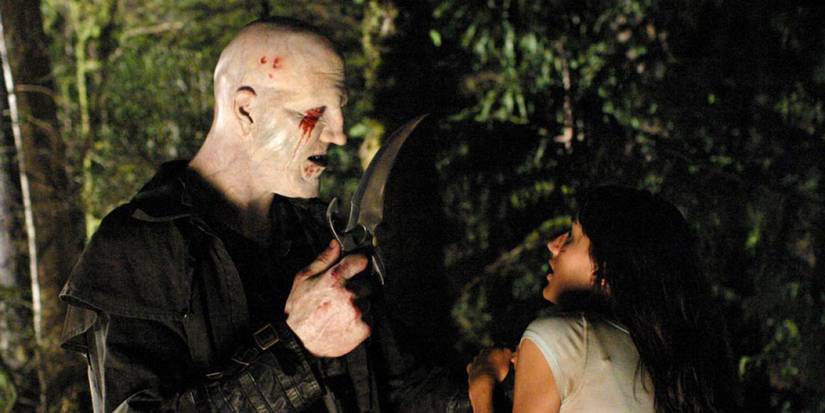
While “Imprint” is often the most talked-about episode of Masters of Horror, it’s just one example of the show’s overall promise. The series paved the way for later horror anthologies like Shudder’s Creepshow, 50 States of Fright, and Guillermo del Toro’s Cabinet of Curiosities, and has clearly influenced filmmakers to collaborate on similar, large-scale genre projects in the years since it ended.
Despite being a quality series, Masters of Horror doesn’t often receive the recognition it deserves. The early 2000s weren’t a particularly strong time for horror on TV, especially when compared to the later success of shows like The Walking Dead and American Horror Story in the 2010s, and the rise of streaming horror in the 2020s.
Despite not receiving widespread attention, Masters of Horror demonstrated that expensive, creatively ambitious horror anthologies, similar to Tales from the Crypt, could succeed by attracting well-known directors for individual episodes. While the series is often remembered for its most shocking installment – and even beyond the controversy surrounding Takashi Miike’s episode – Masters of Horror undeniably had a significant and lasting impact on television horror.
Read More
- Off Campus Season 1 Soundtrack Guide
- Chainsaw Man Volume 24’s Cover Art Reveals a Brand-New Denji
- X-Men ’97 Finally Gave Gambit the Hero Moment He Deserved
- 46 Years Later, The Mandalorian & Grogu Answers A Major Empire Strikes Back Question
- HoI4 fans harsh reactions to the announcement of another DLC pack
- 10 Worst End-Game Couples In Sitcom History
- Katanire’s Yae Miko Cosplay: Genshin Impact Masterpiece
- Gold Rate Forecast
- Hatsune Miku cosplayer goes viral selling $15 cups of “foot juice” to thirsty anime fans
- DoorDash responds after customer uses AI to make food look bad and get a refund
2026-05-17 00:29