The 1980s are often remembered fondly for their bright colors, electronic music, and the beginning of home video games. We tend to look back on that decade with nostalgia, celebrating the simple, early graphics that eventually led to the huge video game industry we have today. But beneath that nostalgic glow, the 80s were a chaotic time for game development. There was very little quality control, meaning that for every classic, memorable game, there were twice as many poorly made ones.
A lot of once-popular games were so poorly made that they nearly destroyed the video game industry. Early home consoles were filled with games that had bad programming, unfair difficulty, and even offensive content. Trying to play these games now isn’t enjoyable nostalgia – it’s just incredibly frustrating.
LJN Proved That Back To The Future Should Have Remained in Theaters
The Back To The Future video game is widely considered a terrible adaptation of the classic film. Instead of recreating the movie’s story, developers turned it into a dull, repetitive fighting game. It was such a disappointment that even the film’s original writer, Bob Gale, publicly advised fans to avoid playing it.
The game involves guiding Marty down an endless street, where he must avoid unpredictable obstacles like hula-hoop dancers, bullies, and falling benches, all while a fast-paced version of the theme song plays. To advance, players collect hundreds of alarm clocks to prevent a timer from expiring, turning the familiar story into a rushed and pointless search. The mini-games are just as frustrating, requiring players to awkwardly throw milkshakes at bullies or use a guitar to block falling notes.
This game is simply unplayable today. It’s deeply insulting to players and disrespects everything that made the original franchise great. Today’s gamers expect more than just a recognizable name pasted onto a cheap, poorly made arcade imitation. It feels like a return to a frustrating era when companies could get away with lazily cashing in on popular movies without bothering to create a good game.
Friday The 13th Was Another LJN Blunder That Shouldn’t Have Happened
The team at LJN made another infamous mistake when they tried to adapt the Friday the 13th movie franchise into a game for the NES. Their idea was to create an open-world survival game set at Camp Crystal Lake, where players would control different camp counselors and try to protect children from Jason Voorhees. However, they failed to properly balance the game’s difficulty, resulting in a frustrating and almost unplayable experience that felt far removed from the tension of the horror films.
Players strongly dislike this game due to its confusing map and weak combat system. The environments all look the same – endless, identical cabins – and are made even worse by a short, repeating music loop that quickly becomes maddening. When the villain finally shows up, he’s incredibly fast, has a huge amount of health, and can kill players instantly, leaving them no time to react or defend themselves.
Survival horror games should focus on creating a creepy atmosphere and smart level design, not frustratingly difficult challenges or mazelike environments that need a guide to solve. This game suffers from repetitive tasks, ineffective weapons, and predictable scares, making it a frustrating experience. Compared to modern horror games that pull you into the story, this outdated and clunky game felt broken from the start.
Custer’s Revenge Couldn’t Have Been More Controversial If It Tried
Back in the 1980s, the company Mystique tried to appeal to adults with a series of video games, most notably Custer’s Revenge. This game was a huge mistake: it featured a bare, pixelated General Custer trying to attack a bound Native American woman while avoiding arrows. The creators likely intended to be provocative, but the game was a complete failure, causing widespread outrage and legal action when it was released.
Beyond the deeply offensive and prejudiced ideas it presents, this game simply isn’t fun to play. You slowly move across an empty screen while basic shapes fall from above. It lacks levels, strategy, or any real challenge – it’s just a boring, repetitive cycle that tries to shock you because it has no substance of its own.
This game would have absolutely no chance of succeeding today. It wouldn’t even make it past the initial planning stages, and people would quickly forget it ever existed. Current platform rules and a rightfully critical audience wouldn’t tolerate its problematic and exploitative content. It’s best left as a regrettable part of gaming history – a game that deserves to be completely forgotten.
Pac-Man Was A Colossal Failure On The Atari Console
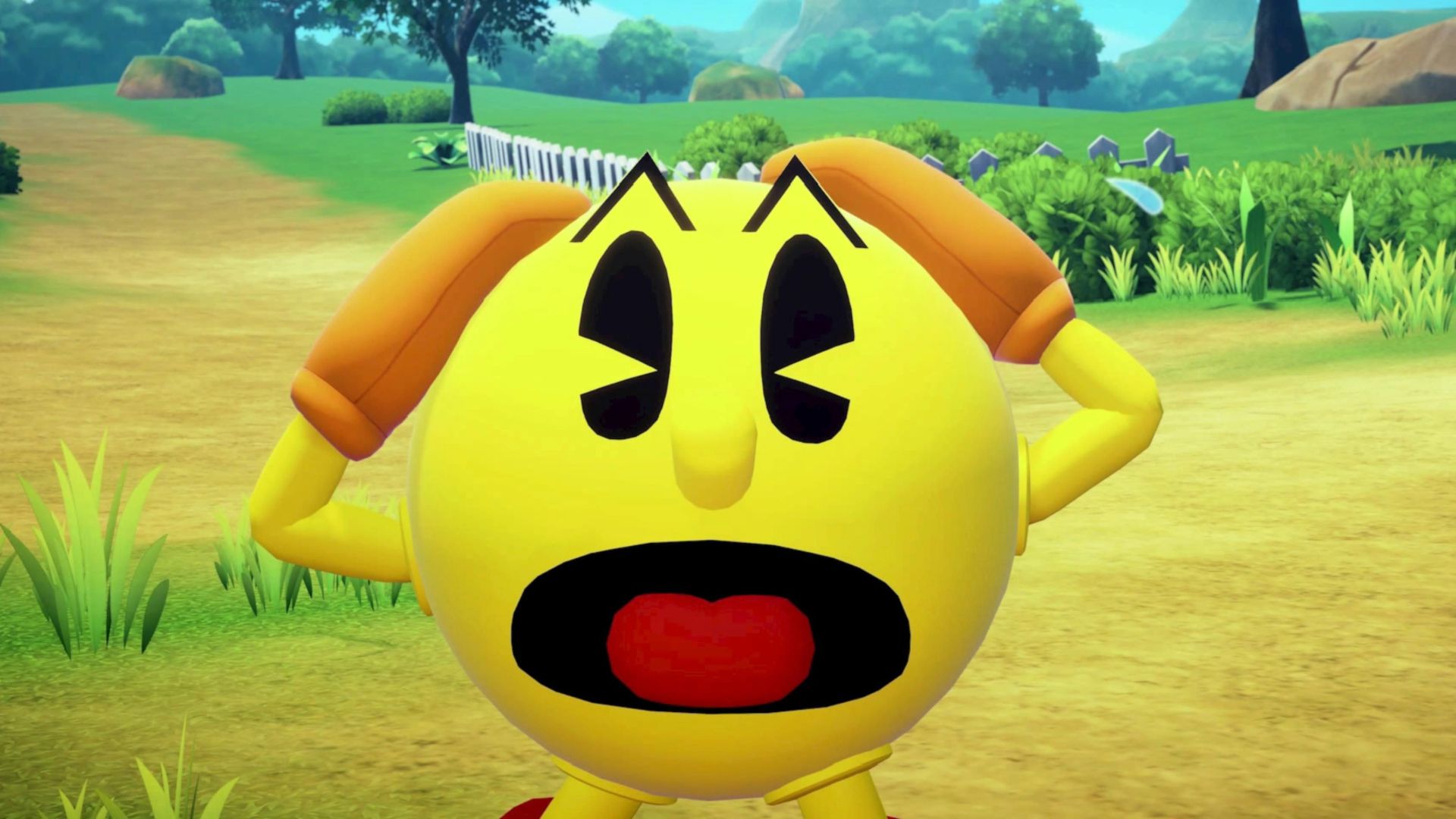
Pac-Man was incredibly popular in arcades, so bringing it to home consoles seemed like a guaranteed success for Atari. However, instead of faithfully recreating the arcade game, the developers cut corners, squeezed it onto a small, inexpensive cartridge, and released it quickly. They even made more game cartridges than there were Atari consoles, mistakenly thinking the excitement around Pac-Man would hide how poorly the home version had been made.
The home console version of the game lost everything that made the arcade version so beloved. The bright, colorful maze was replaced with a dull orange one and an unpleasant neon background. Instead of smoothly chasing you, the ghosts flickered erratically due to the limitations of the home system, making them hard to follow and even causing a distracting flicker. And to make things worse, the classic sound effect was swapped for a harsh, metallic clang that sounded like a broken blender.
People used to smooth, high-quality mobile games wouldn’t be able to play this for more than a few seconds. It’s a prime example of how to disappoint fans with a drastically worse version of a game, as if the developers didn’t care about quality. With the original arcade game readily available and perfect on almost any device, there’s no good reason to endure this frustrating and poorly made version.
E.T. The Extra Terrestrial Became Gaming Industry’s Infamous Landfill
Driven by extreme overconfidence, a company rushed a video game to stores in only six weeks, hoping to profit from a popular movie released during the holiday season. Executives believed the movie’s name alone would guarantee sales, so they tasked a single, overworked programmer with building the entire game quickly. The result was a poorly made, glitch-filled disaster that is often cited as a key factor in the video game crash of 1983, and ultimately ended up discarded in a New Mexico landfill.
The game’s biggest problem was its frustrating gameplay. Instead of being fun, it felt like a constant struggle. Players spent most of their time falling into unavoidable holes, then watching a slow, buggy animation to climb back out – only to usually fall right back in. On top of that, the graphics were unpleasant, the controls didn’t work well, and the game didn’t offer any guidance on how to play.
This game simply isn’t going to succeed with today’s players. Modern gamers expect games to run smoothly and not waste their time. With developers now spending years perfecting how characters move and interact with the world, a game riddled with frustrating glitches – like constantly falling through the floor – is unacceptable. This high-profile failure proves that even great marketing can’t save a game with serious, core problems.
Read More
- Netflix’s Little House On The Prairie Reboot: Release Date, Cast & Everything We Know
- Off Campus Season 1 Soundtrack Guide
- YouTuber arrested after viral AI bodycam videos spark real police complaints
- Silver Rate Forecast
- Prime Video’s New R-Rated Spy Thriller Is Officially No.1 On Streaming Despite Poor Reviews
- Brent Oil Forecast
- Bulgakov’s Take: Koreans Bet the Farm on Chips, Crypto, and Chaos
- EUR ZAR PREDICTION
- Peaky Blinders: The Immortal Man’s Tommy Shelby Is a Better Father Than Michael Corleone
- Gold Rate Forecast
2026-05-24 01:40