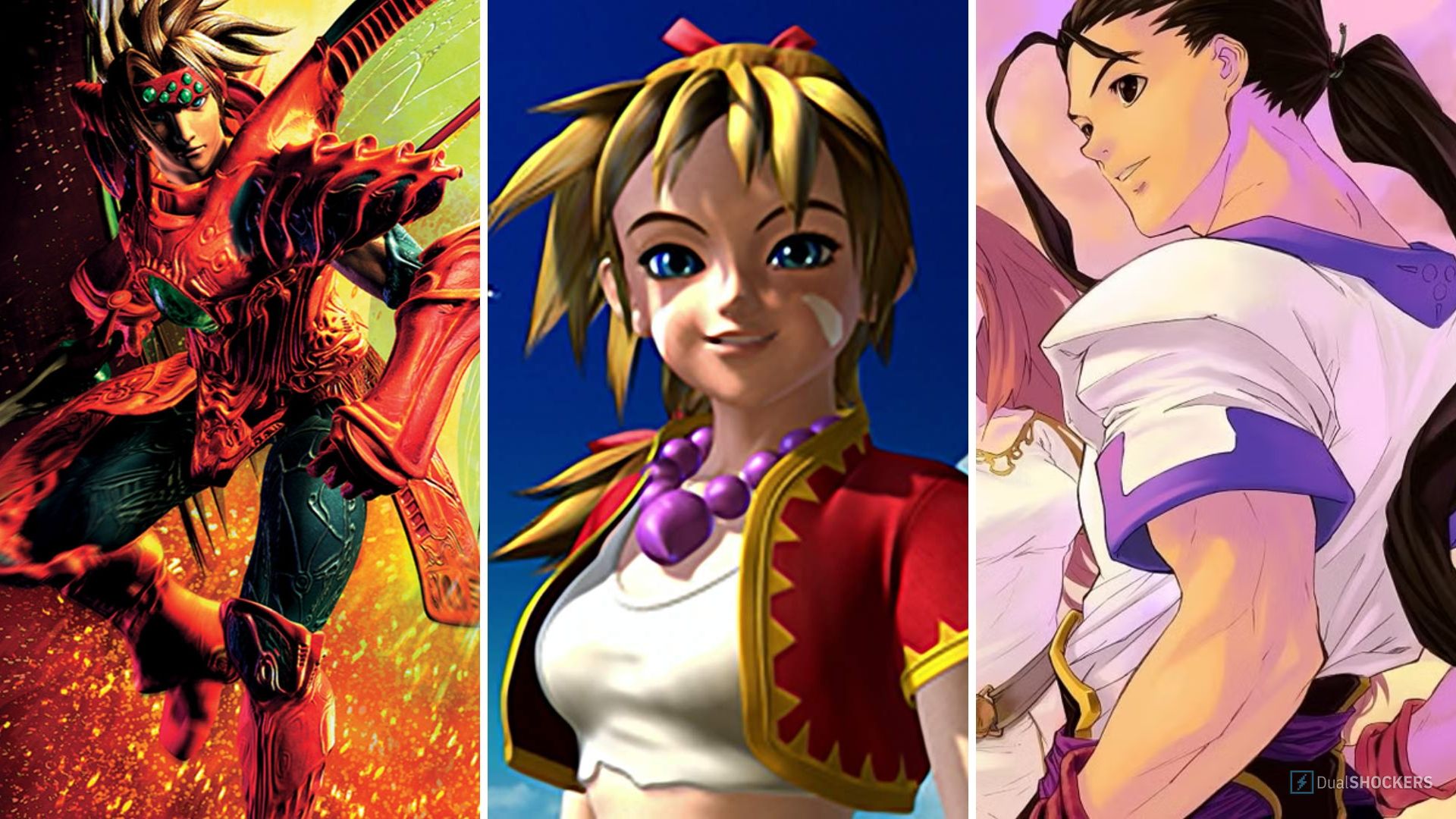
Japanese Role-Playing Games, or JRPGs, first appeared on the Nintendo Entertainment System, became popular on the Super Nintendo, and then became a worldwide phenomenon on the PlayStation. This success inspired many developers to create their own versions of these games – some closely followed the style of Dragon Quest, while others pushed the limits of what was possible with the gaming technology of the time.
The PlayStation 1 saw a surge of innovative JRPGs. Many were incredibly ambitious, either boasting massive worlds that needed multiple CDs, or introducing gameplay features so unique they felt unbelievable at the time.
The original PlayStation was a fantastic time for Japanese role-playing games, and it’s where I really fell in love with the genre. Let’s take a look back at some of the most impressive JRPGs released on the PS1, and explore what made them so special – whether it was their groundbreaking technology or incredible gameplay.
10. Final Fantasy VII
Duh
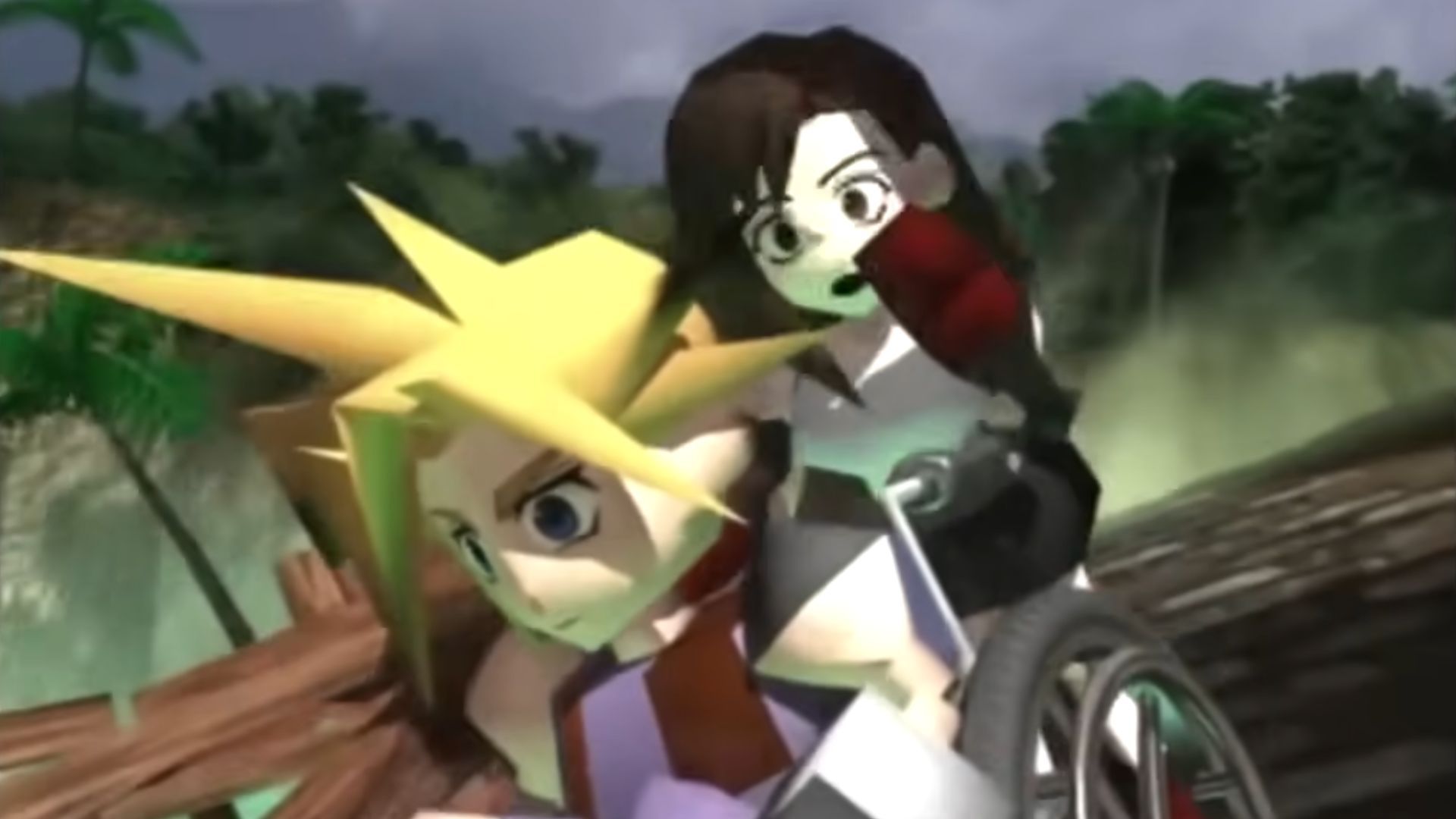
Okay, let’s just get this out of the way: everyone talks about how Final Fantasy VII basically launched JRPGs as we know them. It was a huge gamble with a ton of money behind it, and it delivered. I mean, the battles were epic, the story was amazing, and the cutscenes still look pretty good even now, especially for a game spread across three whole CDs! Honestly, while Final Fantasy VIII and IX tried to do even more, VII was the one that really got things rolling and set the stage for those later games to be as ambitious as they were.
Square wanted to create a game that would be a global success, so they ended their relationship with Nintendo and teamed up with Sony. The PlayStation’s CD format was a better fit for what the developers needed. Thankfully, this gamble paid off with the incredible success of Final Fantasy VII, which helped open the door for many other Japanese role-playing games to become popular.
9. Grandia
Compared with the Best

Originally, Grandia came out for the Sega Saturn, but it was only available in Japan. The game really took off and gained a dedicated fanbase when it was released on the PlayStation 1 internationally, thanks to Sony. People quickly praised it, with some even comparing it favorably to the highly popular Final Fantasy VII.
Man, when Grandia finally came out, everyone was talking about how long it took to make – two whole years! It really showed how much GameArts believed in the game. And the graphics? They were a huge deal. I remember reading in Computer and Video Games magazine back in ’96 that Grandia had a crazy 20,000 frames of animation. That was way more than most PlayStation games back then – like, two or three times as much!
What really set Grandia apart, for me, was its battle system. Instead of sticking with typical turn-based combat, it cleverly combined real-time action with command inputs. This created a much more engaging and strategic experience, where quick reactions and smart choices were key to victory.
8. Dragon Quest VII
Way Too Long
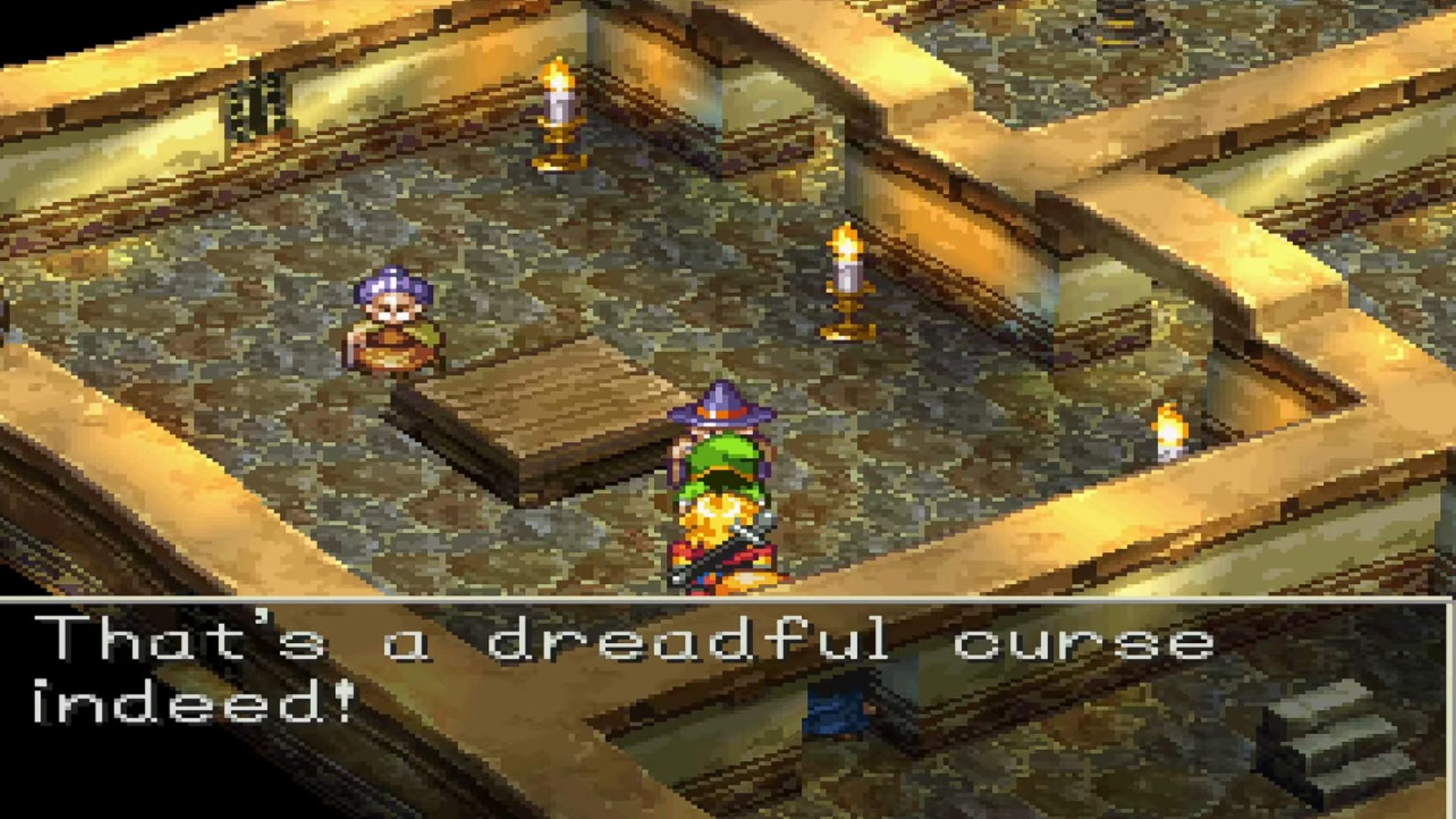
I’ve been a huge fan of Dragon Quest for years, and what I’ve always loved is that it sticks to what makes JRPGs great: a classic fantasy setting, a clear battle between good and evil, and turn-based fights. Even when Dragon Quest VII came out on the PlayStation, it still felt like Dragon Quest – it didn’t try to reinvent the wheel with the gameplay or graphics, and honestly, that’s part of the charm!
The most significant improvements were to the story, how quickly it moved, and the way it was told. Dragon Quest VII is a very long game – players can easily spend over 80 hours on the main story, and even more than 100 if they try to complete everything. It’s one of the longest JRPGs available, and I personally found the original PS1 version too time-consuming to finish. I finally enjoyed it by playing Dragon Quest VII: Fragments of the Forgotten Past, which addressed that issue.
7. Star Ocean: The Second Story
Two Protagonists and Over 80 Endings
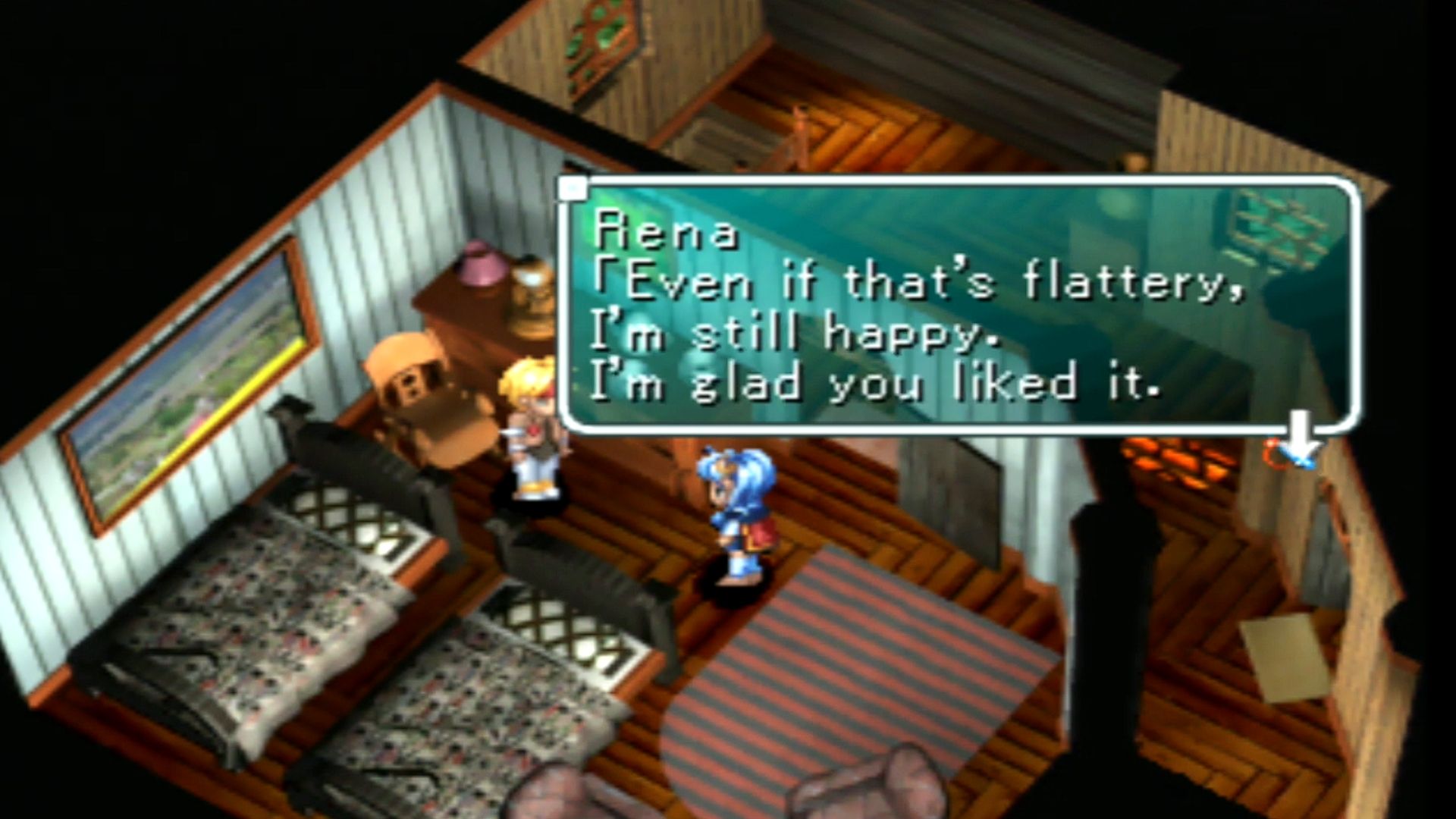
The origins of Star Ocean are interesting. A team initially formed Wolf Team to adapt an unreleased Tales Phantasia novel into what became the first Tales of game, Tales of Phantasia. However, disagreements during development led some team members to leave and establish tri-Ace, where they went on to create the original Star Ocean.
A key idea came from a discussion among the developers—who later founded tri-Ace—about adding more customization and social elements to the Tales of series. Because they couldn’t implement these features in Tales of, they instead included them in Star Ocean. These mechanics appeared in multiple Star Ocean games, but were most effectively used in Star Ocean: The Second Story. A prime example is the game’s dual protagonists: each offers a different perspective on the story, with unique plot points and characters you can recruit, but both storylines ultimately lead to the same ending.
Beyond its core gameplay, Star Ocean: The Second Story features a deep and complex item creation system – one of the best in the JRPG genre. And that’s not all – the developers, tri-Ace, went even further, creating over 80 different endings that change based on how close your characters are to each other. It’s incredibly ambitious, and truly shows a dedication to going above and beyond.
6. Persona 2
Buy Two, Get One Story
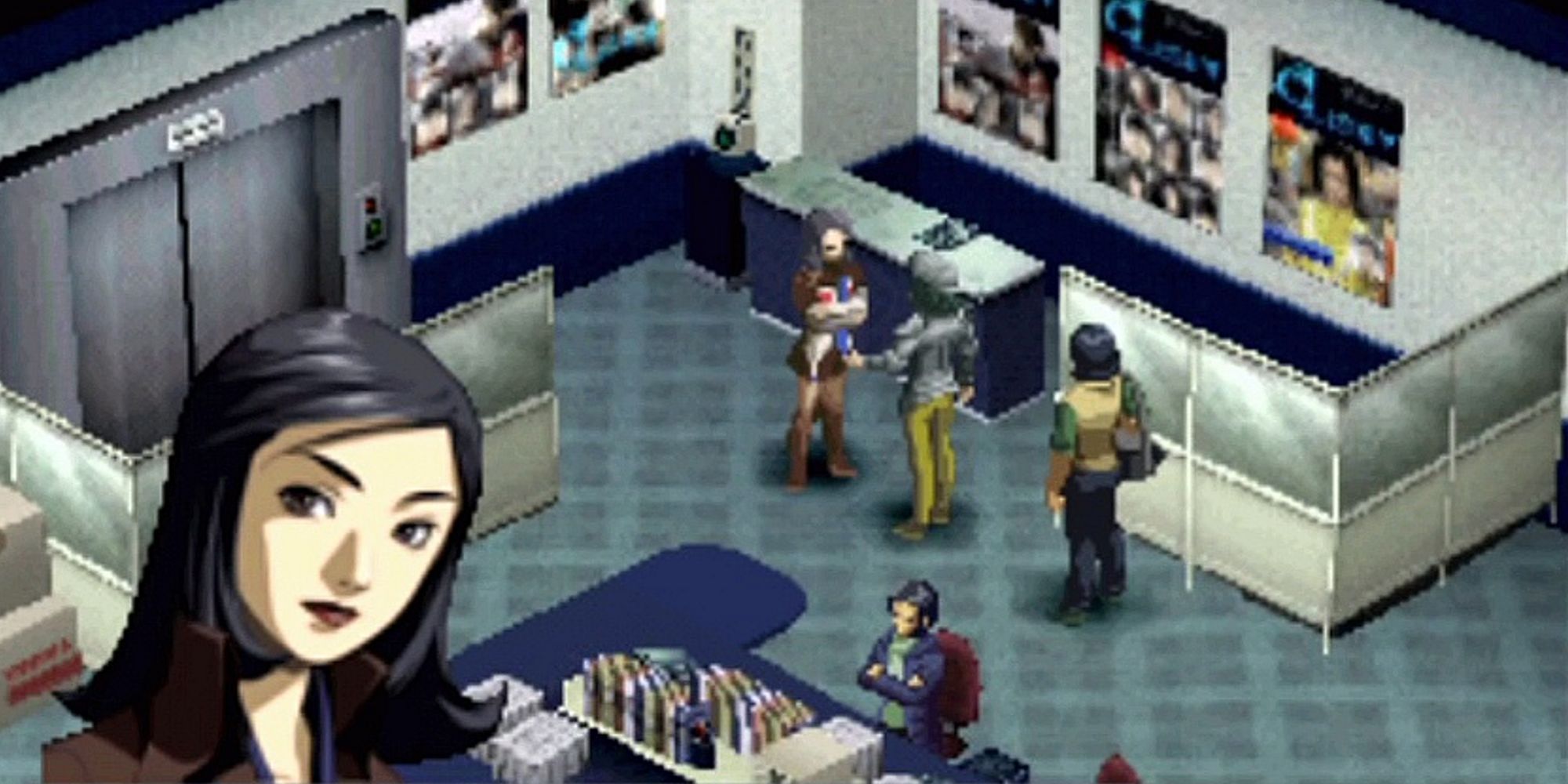
When I first played Persona 2: Eternal Punishment, I was really confused about Persona 2: Innocent Sin. Back then, we didn’t have the internet to look things up, and nobody at the store could explain it. To make things even more complicated, the original version of Innocent Sin wasn’t released outside of Japan until it came out on the PSP.
In short, Persona 2 came out in two parts. You can enjoy Persona 2: Innocent Sin as a complete experience. But the writer, Tadashi Satomi, believed a fresh viewpoint was needed to fully explore the story, leading to Eternal Punishment which retells events from Maya Amano’s perspective instead of Tatsuya Suou’s.
Although the game’s visuals and basic gameplay stayed consistent, the two separate stories in Persona 2 actually work together to create a much richer and more engaging plot. It proves that a developer’s creative vision can succeed, even if it leaves players puzzled for a long time – at least, it confused me!
5. Front Mission 3
The Duality of a Player
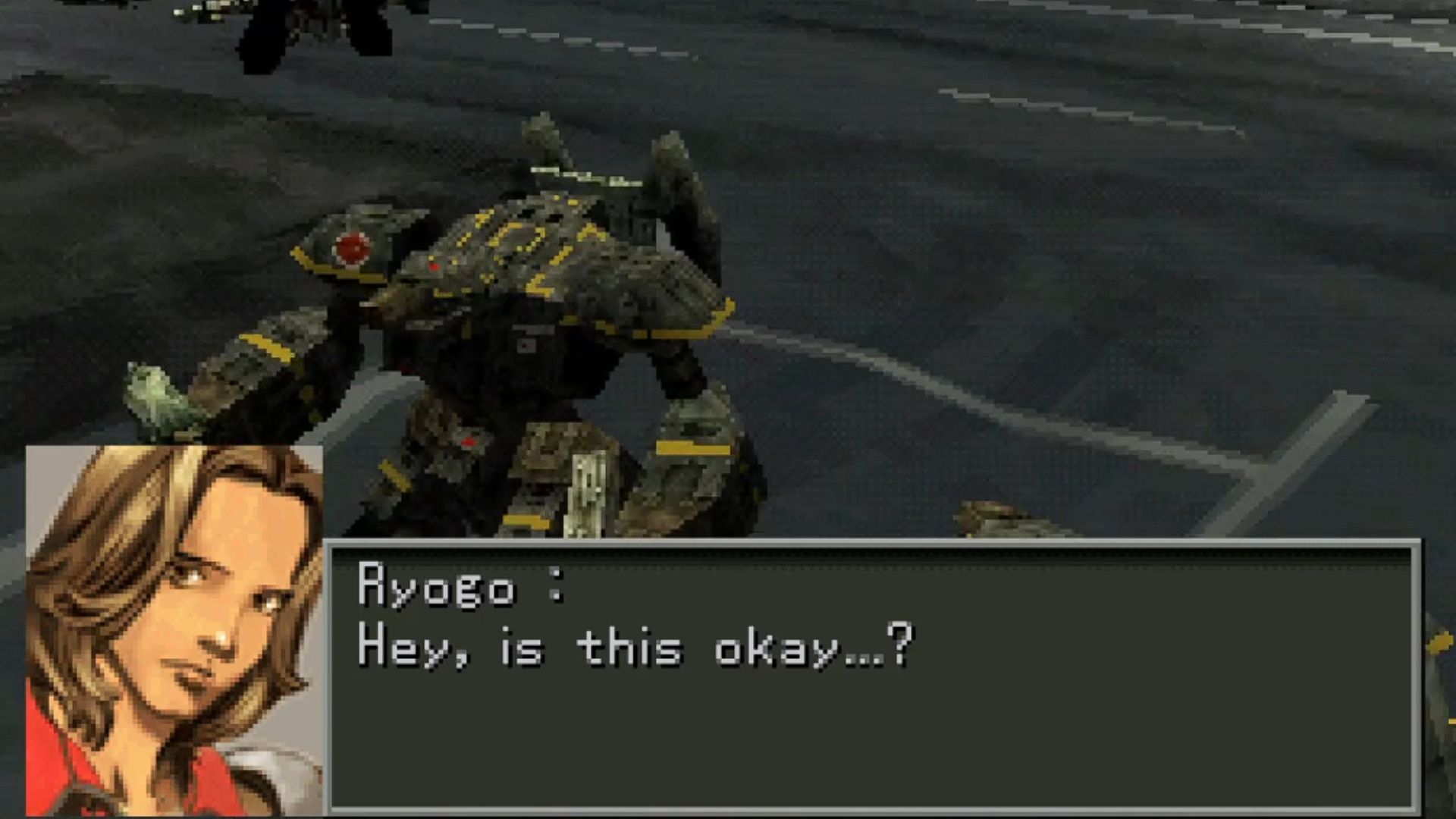
Front Mission 3 is a strategy RPG featuring giant robots, created by Square Enix. While the earlier games in the series weren’t released outside of Japan, Front Mission 3 was the first to be available internationally. It was also my first experience with the series, and even though I don’t usually enjoy sci-fi or tactical games, I quickly became a big fan.
What’s really neat about this game is that you get to make a choice midway through the story. At first, I assumed it was a minor decision that wouldn’t have much impact. But when my brother chose differently, we quickly realized this single choice dramatically alters the entire game. This ‘Double Feature Scenario’ essentially gives you two completely separate storylines, making it feel like you’re playing two full games in one.
Seeing that unfold back then was truly mind-blowing. It not only made Front Mission 3 incredibly replayable, but it also sparked hope that other games would offer similar choices and branching storylines. While that didn’t really happen, we still look back fondly on what Front Mission 3 achieved.
4. Suikoden II
An Insane Cast
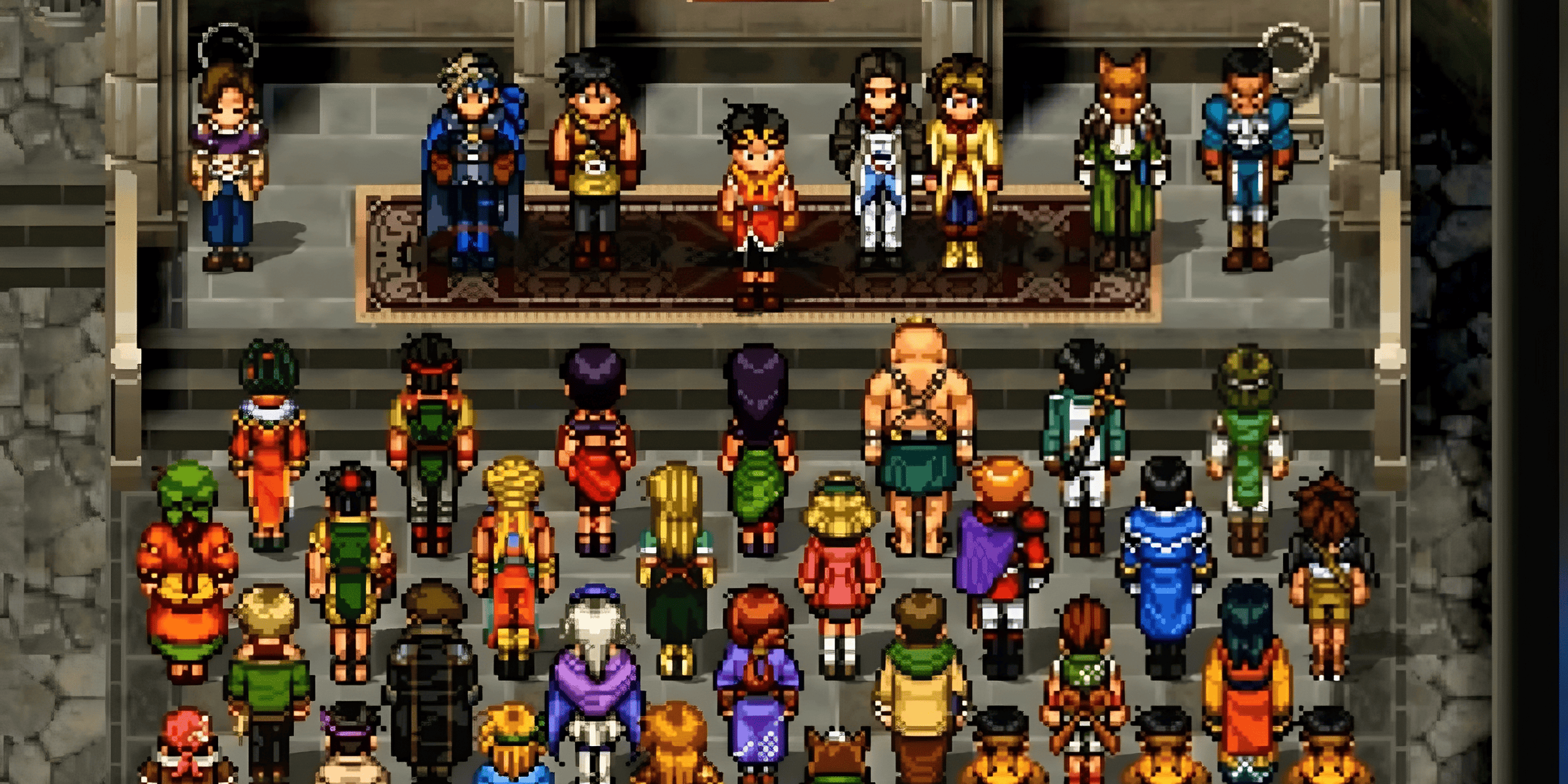
Konami published two Suikoden games for the original PlayStation. The first game laid the groundwork for the series, but Suikoden II truly took things to the next level. It refined the gameplay, deepened the story, and became one of the greatest JRPGs ever made for the console.
Suikoden II was a remarkably ambitious game, weaving a complex political story directly into the gameplay. You play as part of a rebellion, and any successful rebellion needs people – lots of them! Suikoden II delivers on that front, boasting an incredible 108 characters you can recruit to join your cause.
It’s true that finding all the characters can be a little strange, and you’ll need a guide if you want to see the complete story – not everyone even fights! But despite this, the game is so well-made and captivating that it’s easy to forgive these minor issues. If you missed it before, the first two games have been beautifully remastered now, so you can experience them today.
3. The Legend of Dragoon
Sony’s Investment in the Genre
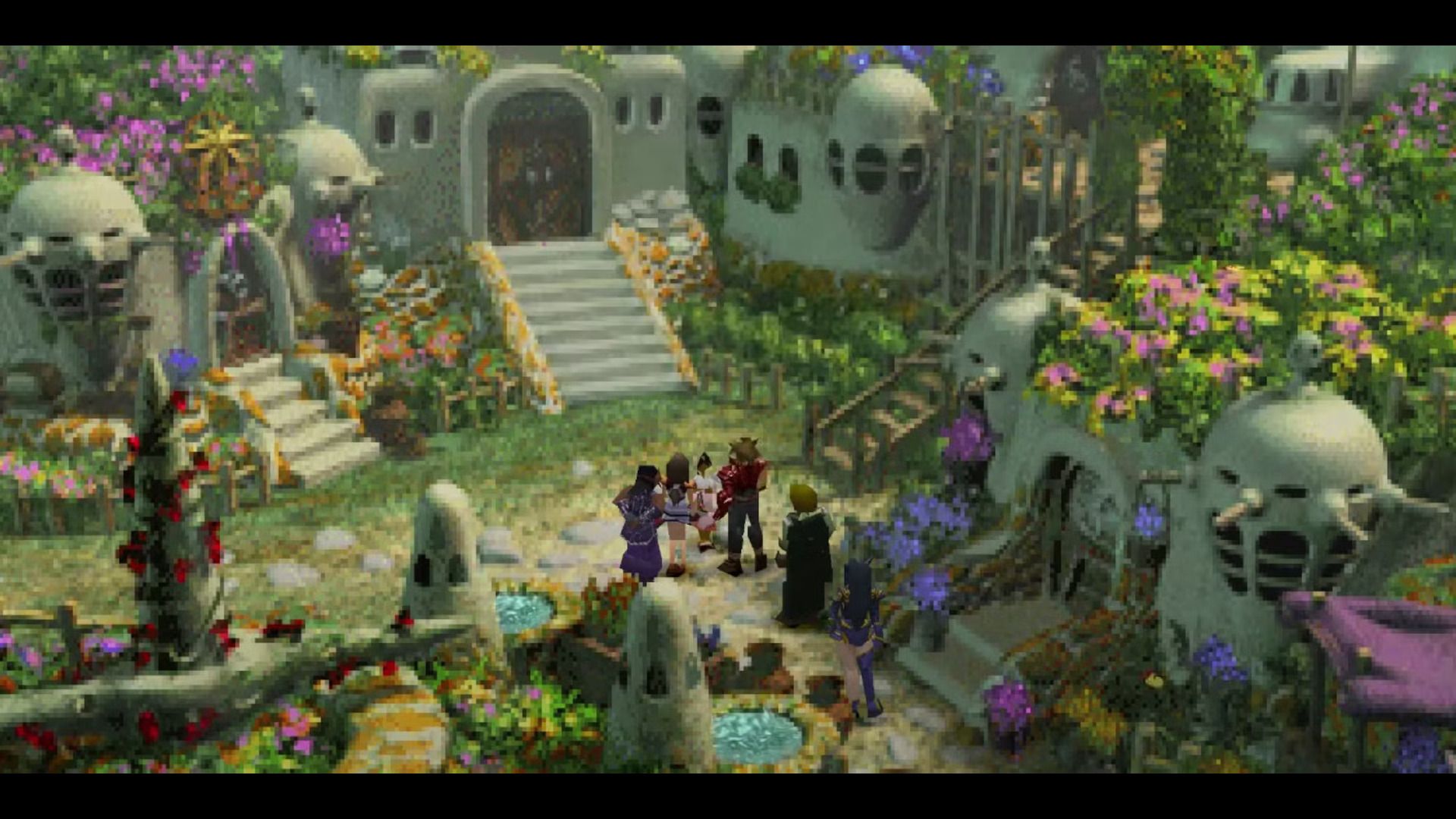
I wasn’t exaggerating when I said Final Fantasy VII was a game-changer. It actually inspired Sony to create its own big JRPG, The Legend of Dragoon. The game’s development, led by Shuhei Yoshida (who I once asked about a possible remake), took three years and cost over $15 million. It also boasted some of the best graphics on the console at the time.
As a huge fan, I remember being blown away by The Legend of Dragoon when it first came out! It had everything – amazing CGI, fully 3D characters and environments, and an epic story spread across four whole CDs! The turn-based battles were unique too, with those timed inputs that really got your adrenaline pumping. It was a truly special game, and the team behind it really poured their hearts into creating a new world. It’s such a shame it never got a sequel, even though one was started at one point. We still don’t really know why it was cancelled, which is a real bummer.
Subscribe to the newsletter for deeper PS1 JRPG retrospectives
You can now play The Legend of Dragoon on PlayStation Network, but a remake or remaster seems unlikely unless a developer other than Sony takes it on. Don’t get your hopes up for Sony to do it themselves, but maybe another studio could make it happen someday.
2. Xenogears
Thematically Gluttonous
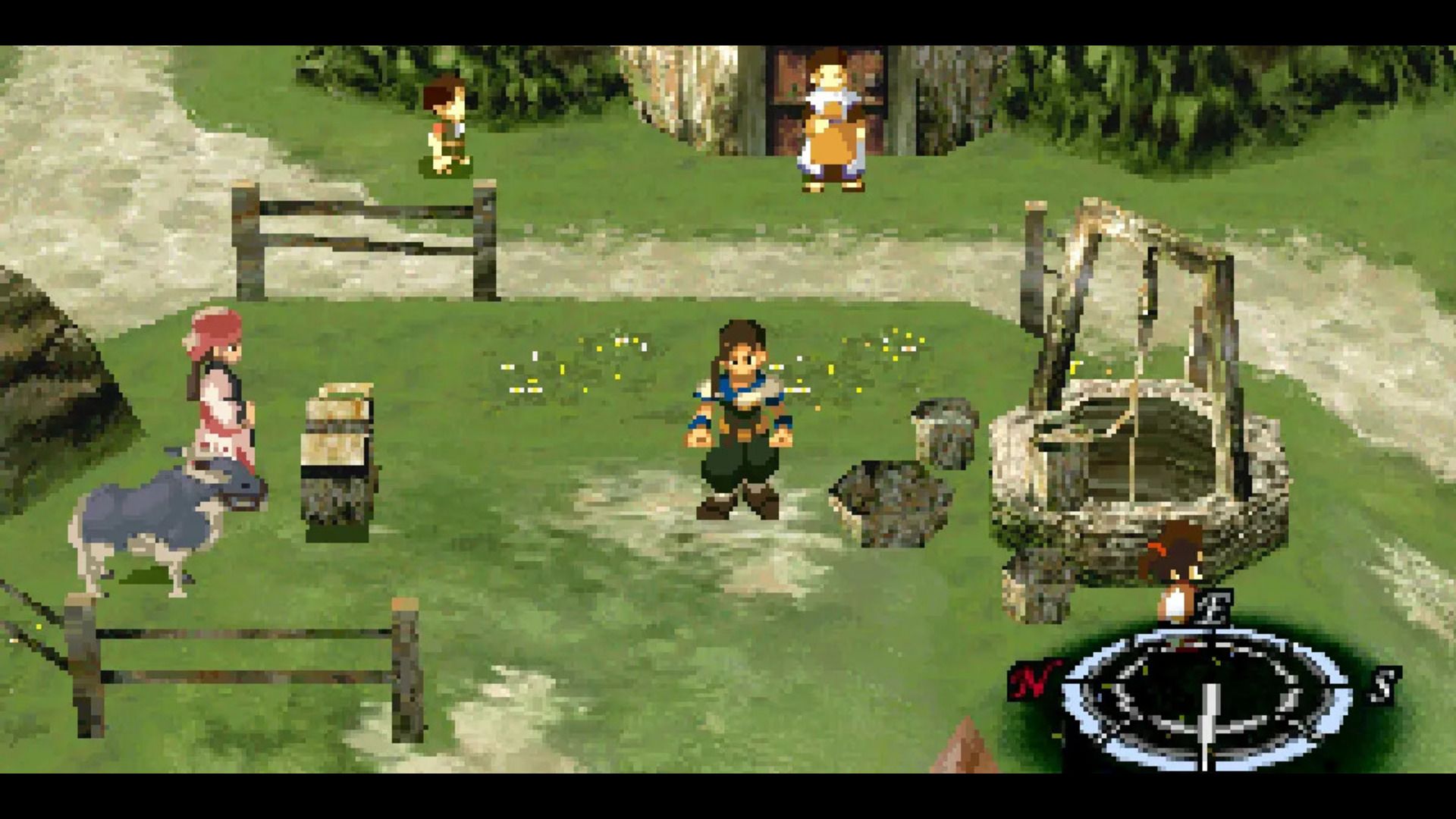
Often called the game that could have been Final Fantasy VII, Xenogears remains a benchmark for quality in JRPGs. Its incredible ambition led to compromises – Square had to scale back the creator Tetsuya Takahashi’s vision, resulting in a rushed second disc, an abandoned plan for a six-game series, and disappointment for fans. Thankfully, Takahashi later found success at Monolith Soft, but it’s hard not to wonder what Xenogears could have become if it had been allowed to fully develop into a complete series.
The series was originally intended to have six installments, and Xenogears for the PlayStation was planned as the fifth. Despite dealing with deep and challenging subjects like psychology, philosophy, and religion, the game remained enjoyable thanks to its engaging turn-based combat, combo system, and moments of levity in the story.
Everyone familiar with the series knows how it unfolded: first Xenosaga, then Xenoblade, with more games likely to come. Xenogears was a remarkably ambitious game for the original PlayStation, and it’s unfortunate that the planned six-game story was never completed.
1. Chrono Cross
One of the GOATs
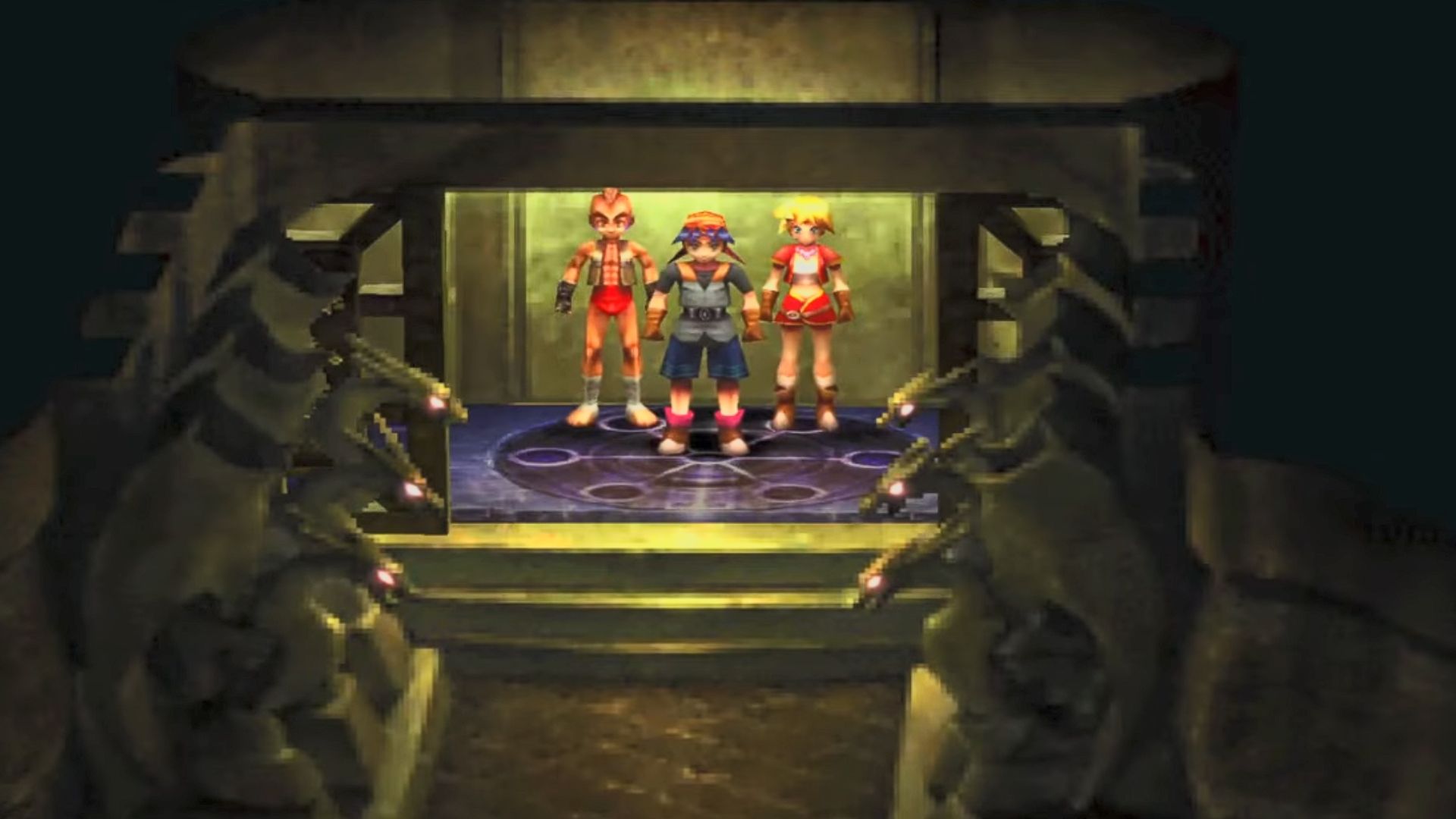
When Chrono Cross was released, fans were incredibly excited, anticipating a sequel to Chrono Trigger. However, the game took a different direction. Instead of focusing on time travel, it explored alternate dimensions, with a setting inspired by the idea of chaos theory. Rather than continuing the story of Chrono Trigger, Chrono Cross presented an alternate reality – a ‘what if’ scenario where the Reptites weren’t defeated and Dalton had taken control of the Porre kingdom.
I didn’t fully grasp all the subtle details when I first played Chrono Cross, but it quickly became one of my favorite JRPGs. In fact, I actually enjoy it more than Chrono Trigger. Considering how highly Chrono Trigger is regarded – many consider it the greatest JRPG ever – creating a sequel was a huge challenge.
Honestly, this game was amazing. The graphics were top-notch, the music was incredible, and there were SO many characters you could recruit – over 40! If you only played Chrono Cross once and were disappointed because you were hoping to see Frog or Crono, I really think you should give it another shot. Go in with an open mind, and I promise you’ll be blown away.
Read More
- Netflix’s Little House On The Prairie Reboot: Release Date, Cast & Everything We Know
- Off Campus Season 1 Soundtrack Guide
- YouTuber arrested after viral AI bodycam videos spark real police complaints
- Silver Rate Forecast
- Prime Video’s New R-Rated Spy Thriller Is Officially No.1 On Streaming Despite Poor Reviews
- Brent Oil Forecast
- Gold Rate Forecast
- Peaky Blinders: The Immortal Man’s Tommy Shelby Is a Better Father Than Michael Corleone
- EUR ZAR PREDICTION
- Bulgakov’s Take: Koreans Bet the Farm on Chips, Crypto, and Chaos
2026-04-25 20:42