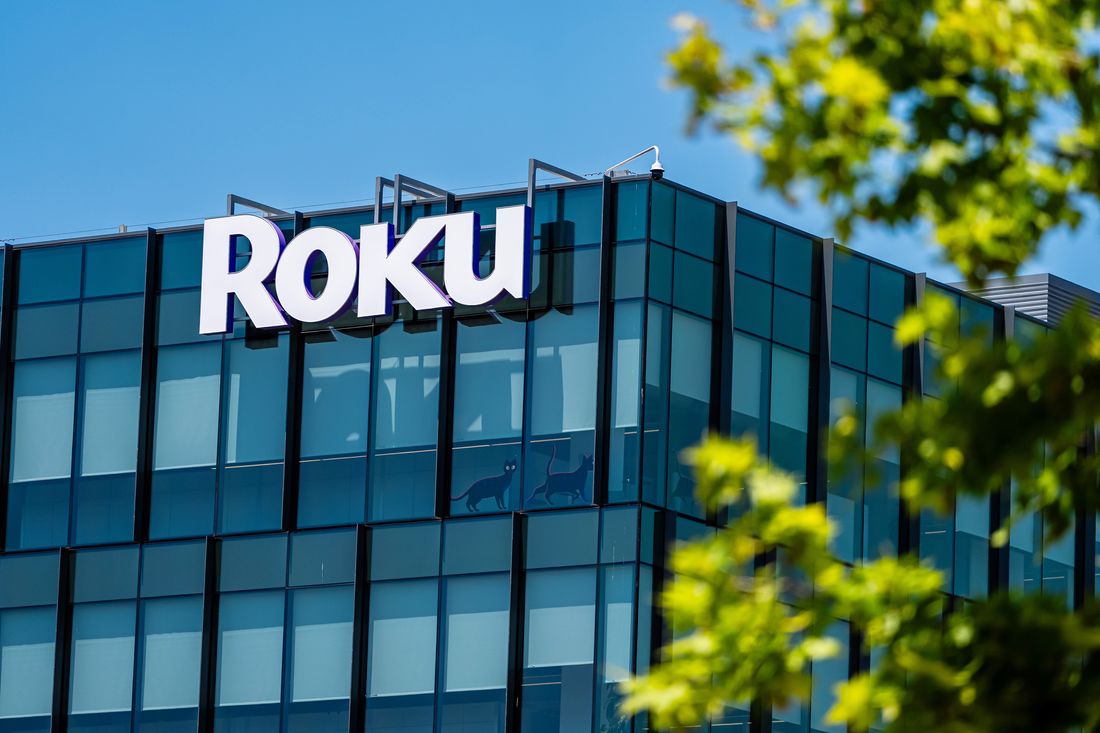
As a film and TV fan, I’ve been following this news closely: Rupert Murdoch’s Fox Corporation is buying Roku – yes, the streaming device and platform! It’s a massive deal, worth around $22 billion, and it was announced just yesterday. Honestly, it’s got everyone talking about what this means for the future of streaming and who will be competing with whom. I wanted to share my understanding of why Fox is making this move and what it could mean for both companies moving forward.
Why does Fox want Roku?
Lachlan Murdoch, CEO of Fox Corp., is focused on expanding his father Rupert’s media business for the streaming age. After selling much of its entertainment division to Disney, Fox used the funds to grow, and a key move was acquiring Tubi in early 2022. This positioned Fox at the forefront of free ad-supported streaming television (FAST). Since then, they’ve invested in content like TMZ and sports broadcasting, as well as their own subscription service, Fox One.
Roku is crucial because it provides access to a large audience. Traditionally, reaching viewers meant owning broadcast networks or cable channels. Now, success requires a mix of traditional TV, subscription streaming, FAST apps, and platforms like Roku. Fox already had the first three covered; purchasing Roku completes their distribution strategy.
The recent Fox-Roku deal shares similarities with Comcast’s 2011 acquisition of NBCUniversal, but with a reversed dynamic. Back then, Comcast aimed to secure a consistent flow of content for its cable and internet services as streaming services like Netflix and Amazon grew. Now, Fox is acquiring Roku to ensure continued distribution for its existing programming. While Fox currently relies on traditional broadcast and cable partners, that model is clearly shrinking. By controlling access to millions of TVs through Roku, Fox hopes to remain competitive against major streaming players like Netflix, Disney, and the potential combined entity of Paramount and Warner Bros. Discovery. According to Wall Street analysts at MoffettNathanson, this deal is a strategic move to secure Fox’s future as streaming becomes the dominant way people watch TV.
What happens to Tubi and the Roku Channel?
From the outside, things likely won’t change much. Tubi is doing well as a business and has a strong brand presence on all major streaming devices, including Apple TV, Amazon Fire, and Roku. Similarly, The Roku Channel isn’t limited to Roku devices – it’s also available on Google TV, Amazon Fire, and Samsung devices. According to Murdoch, the CEO of Fox, the plan is to keep both services running separately. He explained that they appeal to different viewers and “serve consumers in different ways.” About 90% of Tubi viewers watch on-demand content, while a little over 80% of Roku Channel viewers use its free, ad-supported (FAST) channels. Murdoch believes that combining the two would roughly triple their combined audience, as there’s only about a 30% overlap in who watches each service.
When Warner Bros. and Discovery combined, they initially planned to eliminate Discovery+ and integrate its subscribers into HBO Max. However, they quickly realized this could cause them to lose viewers who were happy with Discovery+ and its content, so they decided to keep both streaming services running separately. Similarly, Disney has been careful not to get rid of the Hulu brand, even as they work to combine its shows and movies with Disney+.
It’s possible Fox could eventually decide to use only the Tubi brand (or, less likely, the Roku Channel) for its free streaming services, so that outcome shouldn’t be dismissed. However, currently, it’s more probable that the merger will lead to behind-the-scenes improvements in how things are run. Both Roku and Tubi have successful advertising sales teams, and Murdoch has indicated he plans to leverage their combined strength and Roku’s experience to increase advertising revenue for the combined company. He believes the potential gains from combining their advertising efforts will be substantial.
The combined Fox-Roku company will have more power to buy content from other studios and reach a wider audience. Instead of Roku’s Tubi and the Roku Channel competing for the same shows and movies from studios like Sony and Warner Bros., they’ll work together to secure deals and distribute that content on either platform. They’ll also be able to sell advertising on it. This is similar to how cable networks operate – for example, Paramount might buy the rights to a show like The Big Bang Theory and then show it on different channels like TV Land and VH1. While studios might not love having fewer companies to sell to, the combined reach of Tubi and the Roku Channel could actually increase advertising revenue, which is a key part of many deals these days.
Will Roku City become MAGA country — a hub stuffed with Fox News content?
It’s unlikely Fox Corporation will drastically change course, even with a potential second Trump administration. While there’s good reason to be cautious about the company behind Fox News – especially given how media outlets might compete to please the White House – Fox has consistently kept its entertainment side separate from the controversial news channel. For years, while Fox News criticized President Obama and promoted conspiracy theories, the main Fox network also aired popular shows like Bob’s Burgers and American Idol without injecting political bias into them. Ultimately, Fox is very good at maintaining clear divisions between its brands to protect its profits, prioritizing business over a specific political agenda.
During a statement on Monday, Rupert Murdoch emphasized his commitment to keeping Roku accessible to all types of content – not only from diverse political perspectives but also from competing streaming services like Peacock and Paramount+. He stated that Roku’s openness is key to its success and will continue to be a priority. This message was primarily intended for those rival companies, assuring them that Fox wouldn’t prioritize its own shows over theirs on the platform. Murdoch drew a parallel to Fox’s previous ownership of Sky TV, where they successfully featured content from other providers alongside their own programming.
So this is a slam-bang win for Fox and Roku?
While the deal appears positive on the surface, there are underlying concerns. Fox is investing a significant $22 billion, which likely contributed to its recent stock decline. Roku, despite recent improvements, has historically faced challenges due to strong competition from companies like Amazon and Google, who have also fought to become the primary starting point for viewers. Furthermore, Netflix’s entry into advertising and Walmart’s decision to partner with Vizio instead of Roku demonstrate increasing competition for streaming viewers and advertising revenue. These well-funded rivals are still actively investing, and Roku will likely continue to face pressure. Paramount is also planning major updates to its Pluto TV platform, and industry experts suggest Netflix might eventually enter the FAST (Free Ad-Supported Streaming TV) market as well, further intensifying the competitive landscape.
As a film and TV fan, I’m really interested in what this new Fox-Roku deal means for streaming. Basically, it’s going to create a much bigger player in the market, and according to recent data, they could actually have a larger audience than Disney+, Prime Video, or even Netflix! Analysts at MoffettNathanson seem to think it’s a smart move for both companies. Fox gets a huge boost in viewers, which is exactly what they need, and Roku gets access to more high-quality content – especially live sports – plus all of Fox’s years of experience in selling advertising. It feels like a win-win that could really shake up the streaming landscape.
It’s uncertain how things will play out, but before the recent announcement, many experts believed Roku was a hidden opportunity and a potential buyout target for larger companies like Paramount or Netflix. Now, Fox is set to acquire them. While this might concern consumers who dislike increasing media consolidation, it’s definitely a positive development for Lachlan Murdoch.
Read More
- Off Campus Season 1 Soundtrack Guide
- Infinity Nikki Candlelight Reverie Challenge and Rewards Guide
- Netflix’s Little House On The Prairie Reboot: Release Date, Cast & Everything We Know
- Gold Rate Forecast
- EUR ZAR PREDICTION
- USD CNY PREDICTION
- Brent Oil Forecast
- KPop Demon Hunters Meets Avatar: The Last Airbender In Netflix’s 3-Part Fantasy Series
- Rick and Morty Officially Reveals Its Future 5 Days Before Season 9 Return
- 24 Jump Street in the works with Jonah Hill and Channing Tatum set to return
2026-06-16 22:56