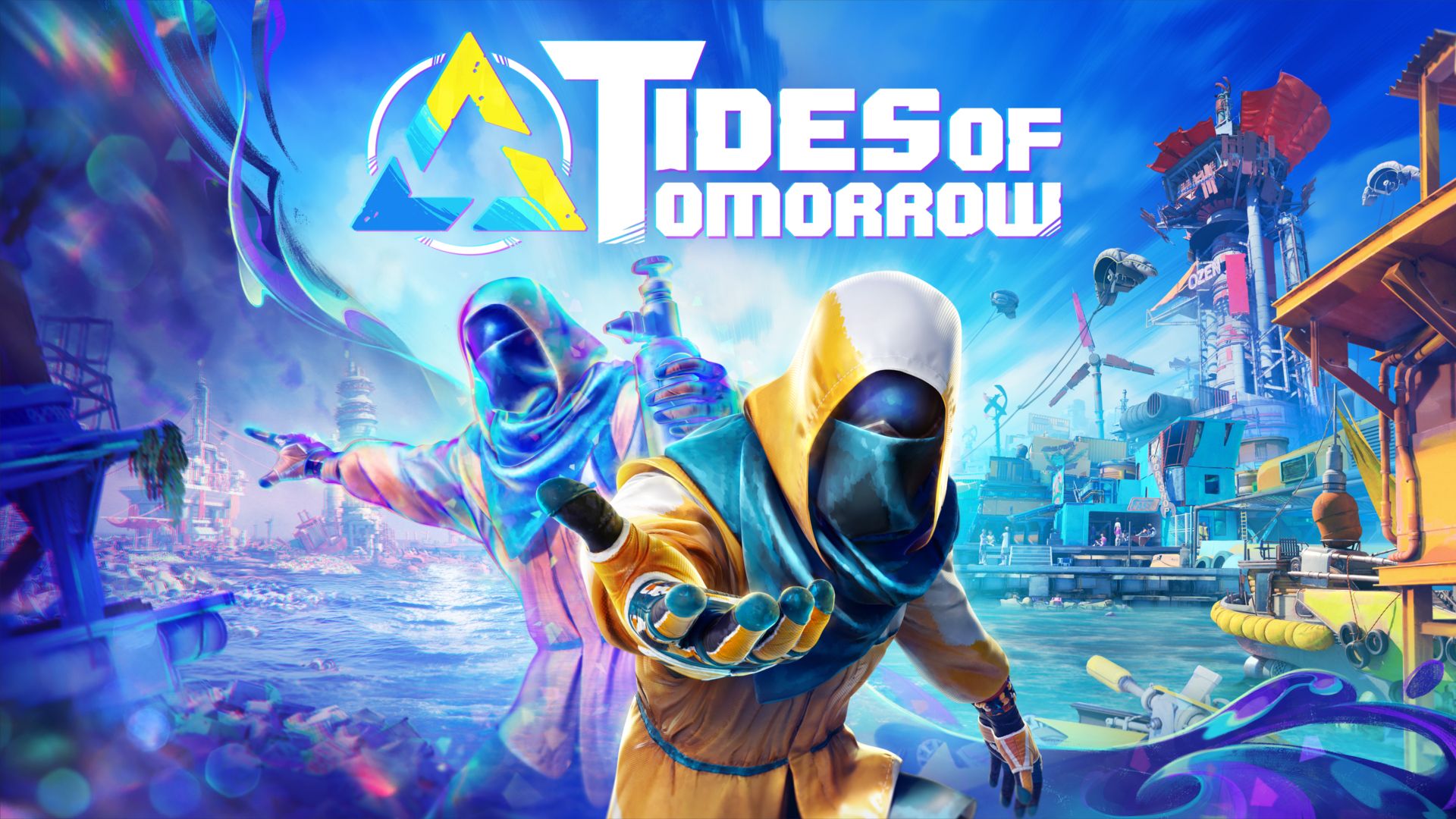
This game feels fresh and different from anything I’ve experienced. It tries some unique things, linking players’ stories in interesting ways. The core concept is really good, but it feels like it could be refined and improved in future versions.
I really enjoyed playing this game, and I’ll definitely remember some of the impactful decisions I made. While many of the game’s elements take a while to come together, the payoff can be incredibly satisfying when they do. However, some aspects feel less significant overall.
Despite a few issues, Tides of Tomorrow is still a really enjoyable game. It’s similar in style to Digixart’s previous title, Road 96, and while it could benefit from some extra polish, it’s worth playing. The game takes around 12 hours to complete, but it’s definitely replayable due to its strong qualities.
What is Tides of Tomorrow?
Tides of Tomorrow is a role-playing game with a story that adapts based on your decisions. What makes it unique is that other players’ choices will also impact your experience. The game uses a feature called Social-Link to show you what dialogue options and paths other players have taken.
You play as a Tidewalker, someone recovered from the past who has lost their memories due to a widespread illness called plastemia. This world is almost entirely covered in water and completely filled with plastic waste, and nearly everyone suffers from this plastic-based disease. Your goal is to find a way to save humanity by making choices as you progress through different areas.
Most of your decisions fall into one of six categories, and each category grows as you make choices that add to its score. For example, frequently rescuing sea creatures will boost your Nature score, while helping the next Tidewalker will improve your Cooperative score.
You can experience the game by following the journey of another player – a friend, a streamer, or even someone you don’t know. You’ll mostly observe, but have the chance to leave your mark for others to discover. Every decision you make will subtly change the game world, eventually leading to significant consequences.
As a fan, I’m really getting into the survival aspect of this game! It’s not just about exploring, but also managing this illness you have. Every time you go somewhere new, it gets worse, and eventually, that’s it. Luckily, you can slow it down by collecting these things called Ozen – you can find them while exploring or trade for them with scrap. You can even give Ozen to other characters, but you always have to weigh that against making sure you have enough to survive. It’s a tough choice!
Almost a Visual Novel
I enjoyed the story and world of Tides of Tomorrow, though the gameplay itself felt a bit sluggish at times. The most compelling parts of the game come from the decisions you make and how those choices play out. Essentially, you explore environments, looking for hidden items and working towards your current goal.
The gameplay mostly feels like a repetitive cycle of collecting items to move the story forward. While the story choices are interesting, everything else feels slow and lacks depth.
The game has a few exciting parts, like ship battles and races, which were a welcome change of pace. However, these moments didn’t significantly impact the overall experience. Most of the game involves exploring levels, finding hidden items, and avoiding enemies.
I was hoping for more gameplay variety beyond just conversations, but the game mostly relies on dialogue. While I was often engaged by the story, it did become repetitive, and I wished the gameplay would expand a little. Interacting with other characters was a nice touch, but it wasn’t enough to break up the constant dialogue.
Your Choices Matter, but Not More than Theirs
The Social Link system is a neat idea, but it doesn’t quite feel fully developed. It’s good that you can build relationships with characters without directly interacting with them all the time. However, their decisions often seem to have a much bigger impact than your own, especially at the beginning of the game. This difference in influence becomes less noticeable as you progress.
When you begin a new task, you can pick someone to guide you and see their two main strengths. However, you won’t know how effective they were, which can significantly impact your experience. While this sounds interesting in concept, it can become frustrating, particularly when their decisions create challenges for you.
The game doesn’t offer much beyond the story choices, and while those choices are somewhat engaging, everything else feels very slow and drawn out.
Your choices don’t drastically change the story; you’ll usually end up in a similar spot, though minor things might play out differently. It did add some intrigue, though, as I tried to understand what my predecessor did and how to correct their mistakes.
The biggest issue is that the actions of other players heavily influence the game, making your own choices feel unimportant. While this changes towards the end, it takes too long to realize that. However, if you persevere, the game culminates in a satisfying and well-executed finale that I found quite enjoyable.
The Difficulty of Making a Choice
This game focuses on the decisions you make as a player. Many role-playing games offer choices based on being a hero, a villain, or someone who causes chaos. While you can definitely play those roles in Tides of Tomorrow, the game quickly becomes much more nuanced and your choices have deeper consequences as you progress.
Even a single decision can trigger a chain of events with unexpected and significant consequences. A central theme of the game explores the conflict between nature and humanity, and in one mission, players must grapple with the ethical dilemma of whether to conduct painful animal experiments in the search for a cure to the plastemia outbreak.
Every decision we make carries significant risks. It could lead to our extinction, or severely damage the environment beyond repair. This is true for almost any choice – there are always valid arguments for and against, and outcomes are often unpredictable.
The game is incredibly enjoyable because players can replay it and discover how different choices dramatically affect their understanding of the characters. These important decisions weren’t about finding the ‘right’ answer, but about making meaningful choices that truly mattered, making the experience much more compelling.
Life is Plastic, Fantastic
At first, I was sure I understood what this game was about. I expected it to be a straightforward warning about the dangers of microplastics and their impact on our health. While it touched on that, I quickly realized there was a more complex message hidden beneath the surface.
Subscribe to our newsletter for deeper Tides of Tomorrow coverage
This isn’t simply about environmental damage; it’s also about how we’re all connected and how our decisions impact others. The game has a complex story with many characters and interwoven paths, which can sometimes make it unclear how your choices play out.
The game’s major decisions felt impactful because there were no easy or perfect solutions, making them truly engaging.
Despite some disappointing results towards the end, I was still excited to see how my decisions played out. While many of those outcomes weren’t ideal, they felt logical within the game’s context. Overall, I was particularly impressed by the game’s visuals, which I found very captivating.
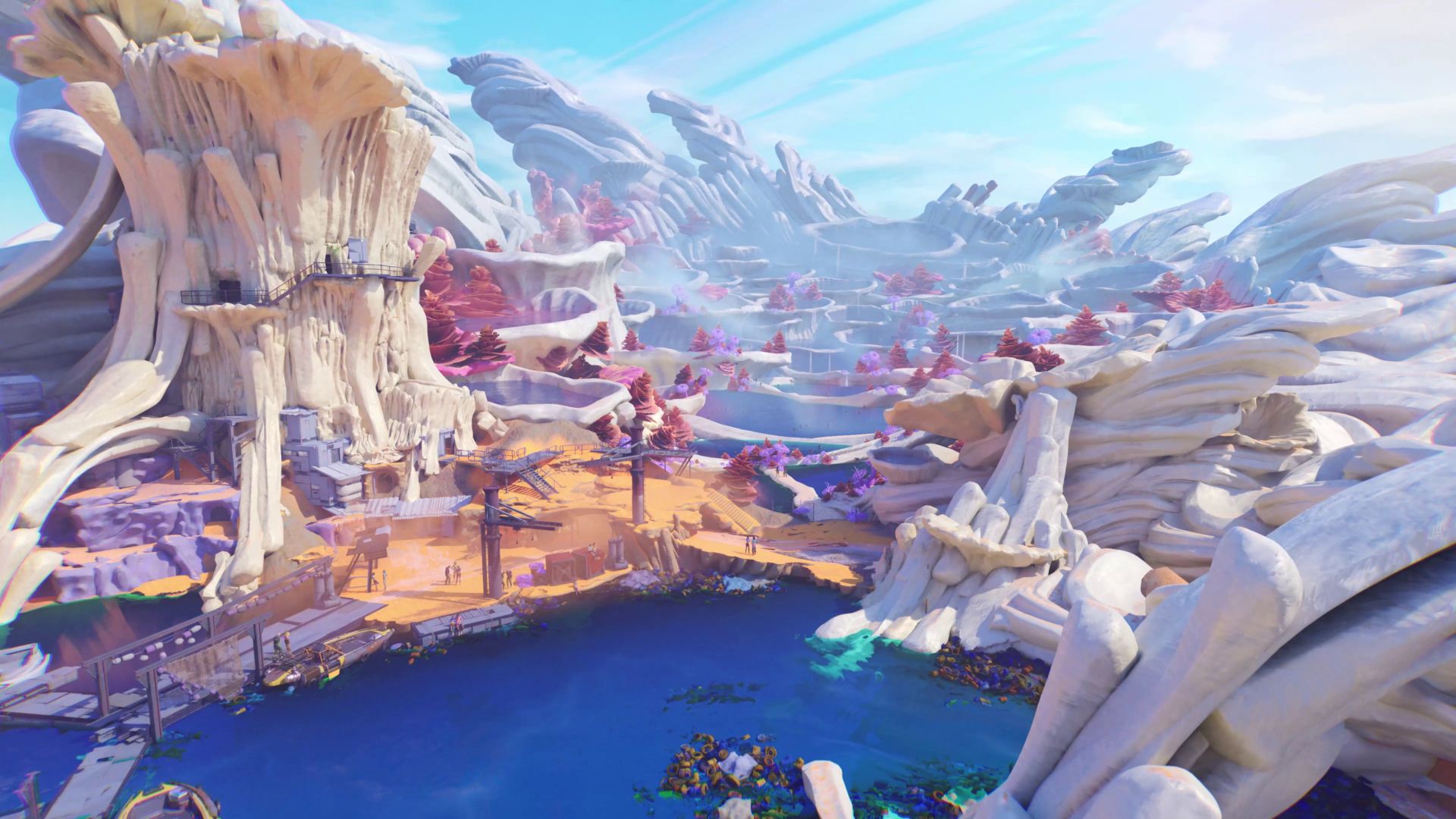
Throughout the game, you’ll encounter preserved bodies, and how many you see can change based on your decisions. While the world is vibrant and colorful, these darker elements add a welcome contrast. Despite the dystopian setting, there’s still a surprising amount of beauty, like watching a sunset over garbage heaps or gazing at a stunning coral reef.
So Nice You’ll Play it Twice
Offering meaningful choices that significantly impact the game later on is a great way to encourage replayability. It’s particularly satisfying to experience a second playthrough when you already understand the story and can see how different decisions change things.
Honestly, I felt like the game overstayed its welcome a bit, which is weird to say considering what it was trying to do. If it had been tighter and really focused on the story, replaying it would have been a breeze. It’s a little strange, especially since the team’s last game, Road 96, was so successful as a shorter, replayable experience, but I get that they wanted to switch things up this time around.
If you enjoy the game’s concepts, playing it again will significantly enhance your experience. Exploring different storylines and choices – especially considering the impact of the character you choose to follow – reveals so much depth that a second playthrough is highly recommended.
Closing Comments
Tides of Tomorrow offers a fascinating world and strong gameplay choices, making it a game worth dedicating time to. While not flawless, it’s engaging enough to keep you hooked and feels genuinely rewarding to finish. The sense of accomplishment you get from seeing it through, even during challenging parts, is rare in gaming. Its unique Social-Link system has the potential to revolutionize how players connect, though it’s still being developed. Tides of Tomorrow might not be a blockbuster, but it’s a memorable experience that will stick with you long after the credits roll.
Read More
- Off Campus Season 1 Soundtrack Guide
- X-Men ’97 Finally Gave Gambit the Hero Moment He Deserved
- 46 Years Later, The Mandalorian & Grogu Answers A Major Empire Strikes Back Question
- 10 Worst End-Game Couples In Sitcom History
- HoI4 fans harsh reactions to the announcement of another DLC pack
- Chainsaw Man Volume 24’s Cover Art Reveals a Brand-New Denji
- Hatsune Miku cosplayer goes viral selling $15 cups of “foot juice” to thirsty anime fans
- Emily Henry Says to ‘Trust the Vision’ For Beach Read Adaptation
- DoorDash responds after customer uses AI to make food look bad and get a refund
- Gold Rate Forecast
2026-04-22 05:41