Markets
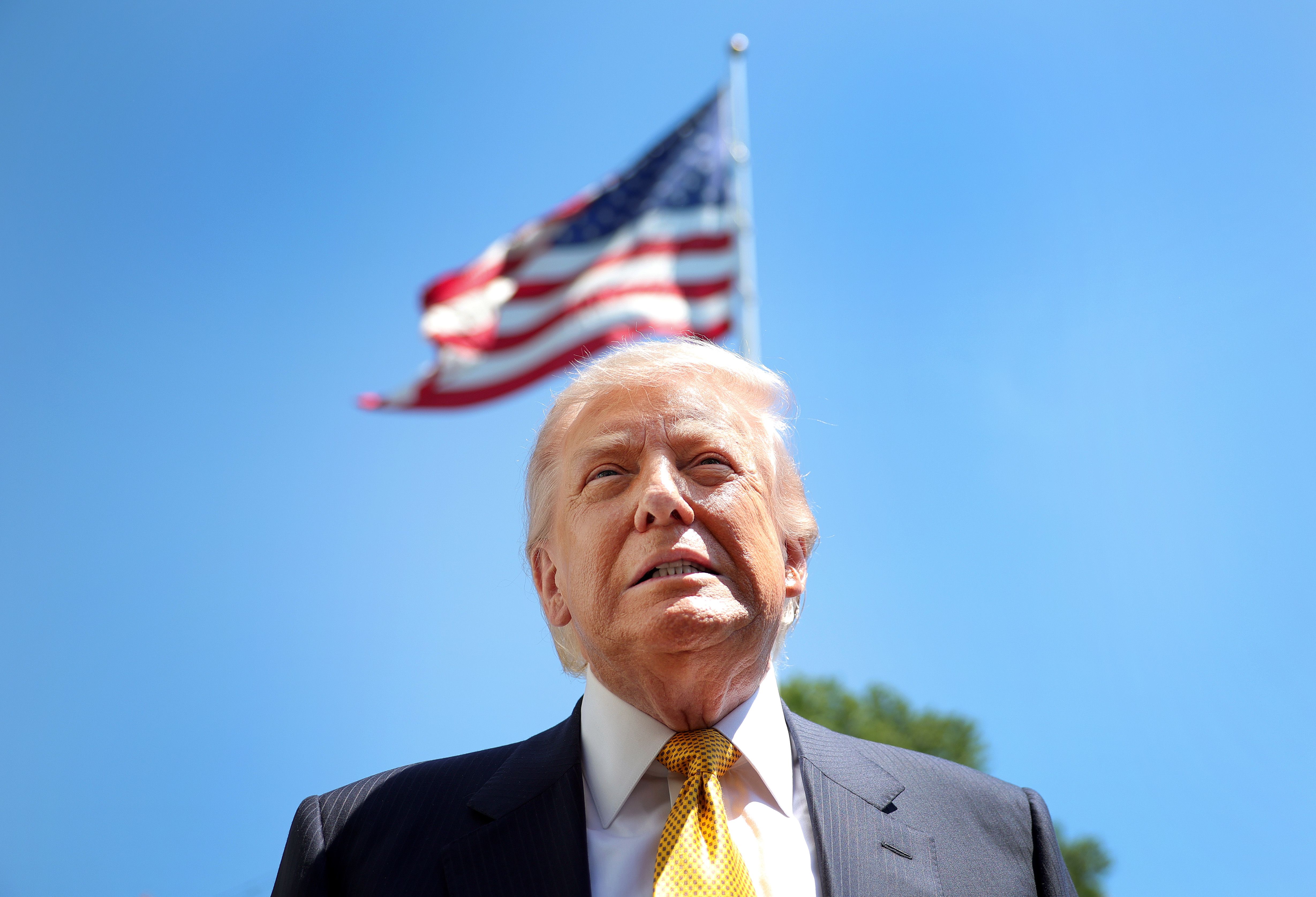
Key particulars of this latest bureaucratic farce, for the curious onlooker:
- Trump Media & Technology Group, that grandiosely named little venture, has abandoned its grand plans for the “Truth Social Bitcoin ETF” and “Truth Social Bitcoin & Ethereum ETF,” having this week withdrawn its registration statements from the U.S. Securities and Exchange Commission, as if tucking a crumpled letter back into a desk drawer before any petty official can read it and stamp it “denied.”
- Analysts who track the strange, frothy world of exchange-traded funds insist the decision had little to do with vague “structural concerns” and everything to do with a brutal, unforgiving market reality: the spot bitcoin ETF space is now so crowded one can barely turn around without bumping into a dozen identical products, fees have collapsed like a rotten log underfoot, and demand for Trump Media’s existing funds is so tepid one could chill a glass of kvass with it.
- With titans of finance such as Morgan Stanley now offering spot bitcoin ETFs for fees as low as 14 basis points, analysts argue the Truth Social bitcoin ETF would have struggled to attract a single kopeck of investor money unless it offered a strategy so wildly different from every other product on the market it might as well have been selling pickled cucumbers instead of crypto assets.
It seems Trump Media & Technology Group has abandoned its bitcoin exchange-traded fund plans for the simplest, most prosaic of reasons: the economics no longer made a solitary kopek of sense, not even for a venture as grandly named as this one.
ETF analysts say the company behind Truth Social has stumbled face-first into a brutal, unvarnished reality: the spot bitcoin ETF market is now so overcrowded one needs a lantern and a map to navigate it, fees have collapsed into nothingness like a snowbank in April, and investors already have more than a dozen nearly identical products to choose from, as if standing in a marketplace where every vendor is selling the exact same coarse black bread.
This week, Trump Media withdrew its registration statements from the U.S. Securities and Exchange Commission for both the “Truth Social Bitcoin ETF” and “Truth Social Bitcoin & Ethereum ETF,” putting a quiet, unceremonious end to plans to launch the funds, as if a provincial merchant had quietly packed up his wares and slipped out of town square before the fair even began.
The company, in its official statement, described the move as a “structural reset” designed to help it build the right investment products for investors, as if a man who has just had his house burn down calls the ashes a “home renovation project.” But analysts who follow the strange, capricious ETF market say unrelenting competitive pressure was the far more likely reason, as plain as the nose on a babushka’s face.
“The first five Truth Social ETFs have received a reception so lukewarm one could barely call it a welcome, attracting just over $30 million in combined assets since their launch at the end of 2025,” Nate Geraci, president of NovaDius Wealth Management, told CoinDesk, as if reporting that a traveling circus had drawn an audience of three stray dogs and a disinterested goat.
“That tepid investor response may have dissuaded the firm from entering a highly competitive category, where it would have been forced to do battle with some of the world’s largest asset managers and well-established crypto-native ETF issuers, giants who would have stepped on it like a tiny ant on a Moscow sidewalk,” Geraci said. With spot bitcoin ETF fees already as low as 14 basis points, the Truth Social Bitcoin ETF would likely have been “a dead man walking before it even drew its first breath,” he added.
The pressure to cut fees has intensified in recent months, as major Wall Street firms, those great behemoths of finance, have expanded their grubby paws into crypto products. Morgan Stanley recently launched a bitcoin ETF charging 14 basis points, one of the cheapest offerings on the entire market, as if a greedy merchant had suddenly decided to sell his wares for less than the cost of the paper they’re wrapped in.
That move raised the bar for any new entrant trying to gain even a sliver of traction, so high that one would need a ladder made of solid gold and a dose of sheer foolishness to even reach it.
Bloomberg Intelligence ETF analyst James Seyffart, a man not prone to suffering fools or farcical explanations, questioned Trump Media’s official reason for the withdrawal. On X, Seyffart noted the company had pointed to supposed differences between products registered under the Securities Act of 1933 and funds structured under the Investment Company Act of 1940, as if a man who has missed the last coach home blames the difference between a cart and a carriage for his misfortune.
“But it doesn’t make a ton of sense to me,” Seyffart wrote, his tone as dry as a day-old loaf of bread. “Of course a 33 Act ETP is different from a 40 Act ETF and it has fewer protections. Anyone in this space knows that. Nothing has changed, unless you count the fact that no one wants to buy their product, which I suppose is a rather significant change.”
Instead, Seyffart said he suspects “it has far more to do with the brutal, unforgiving competitive landscape for spot bitcoin ETFs, a landscape where only the strongest, cheapest, and least absurd products survive, and this one would have been eaten alive before it could even print its first prospectus.”
He added that Trump Media may still pursue crypto-related funds under a ’40 Act structure, which allows issuers to build more flexible strategies using derivatives, income products, or actively managed portfolios, as if a man who has failed at selling turnips at the market decides to try selling pickled turnips instead, hoping no one will notice they’re still just turnips.
“I mean, do we really need a 14th spot bitcoin ETF?” Seyffart wrote, his tone dripping with the kind of weary sarcasm only a man who has watched a hundred farcical financial launches can muster. “But something that can be more differentiated makes sense, rather than yet another identical product stamped with a different logo, like selling the same coarse black bread under 14 different brand names and pretending it’s a gourmet meal.”
Eric Balchunas, senior ETF analyst at Bloomberg Intelligence, a man who knows the ways of the ETF fee war as well as a Cossack knows the steppe, pointed directly to the fee war as the culprit.
“My guess: the Yorkville guy told the Truth Social folks after Morgan Stanley dropped their 14 basis point fee that they either have to come in below that number or they might as well pack up their little wagon and go home,” Balchunas wrote on X. “No one will buy it, and it would be more embarrassing than a provincial official showing up to a ball in a tattered coat, which is saying something.”
Some crypto observers, those ever-speculative sorts who will tie any event to a political conspiracy if given half a chance, speculated that the withdrawal may have been linked to political scrutiny of the Trump family’s crypto ventures or to negotiations tied to the CLARITY Act. But Seyffart told CoinDesk he does not believe those far-fetched concerns drove the decision, any more than a stray dog chasing a cart causes the cart to decide to turn around and go home.
Read More
- Netflix’s Little House On The Prairie Reboot: Release Date, Cast & Everything We Know
- Off Campus Season 1 Soundtrack Guide
- YouTuber arrested after viral AI bodycam videos spark real police complaints
- Silver Rate Forecast
- Prime Video’s New R-Rated Spy Thriller Is Officially No.1 On Streaming Despite Poor Reviews
- Brent Oil Forecast
- EUR ZAR PREDICTION
- Bulgakov’s Take: Koreans Bet the Farm on Chips, Crypto, and Chaos
- Gold Rate Forecast
- Peaky Blinders: The Immortal Man’s Tommy Shelby Is a Better Father Than Michael Corleone
2026-05-20 19:44