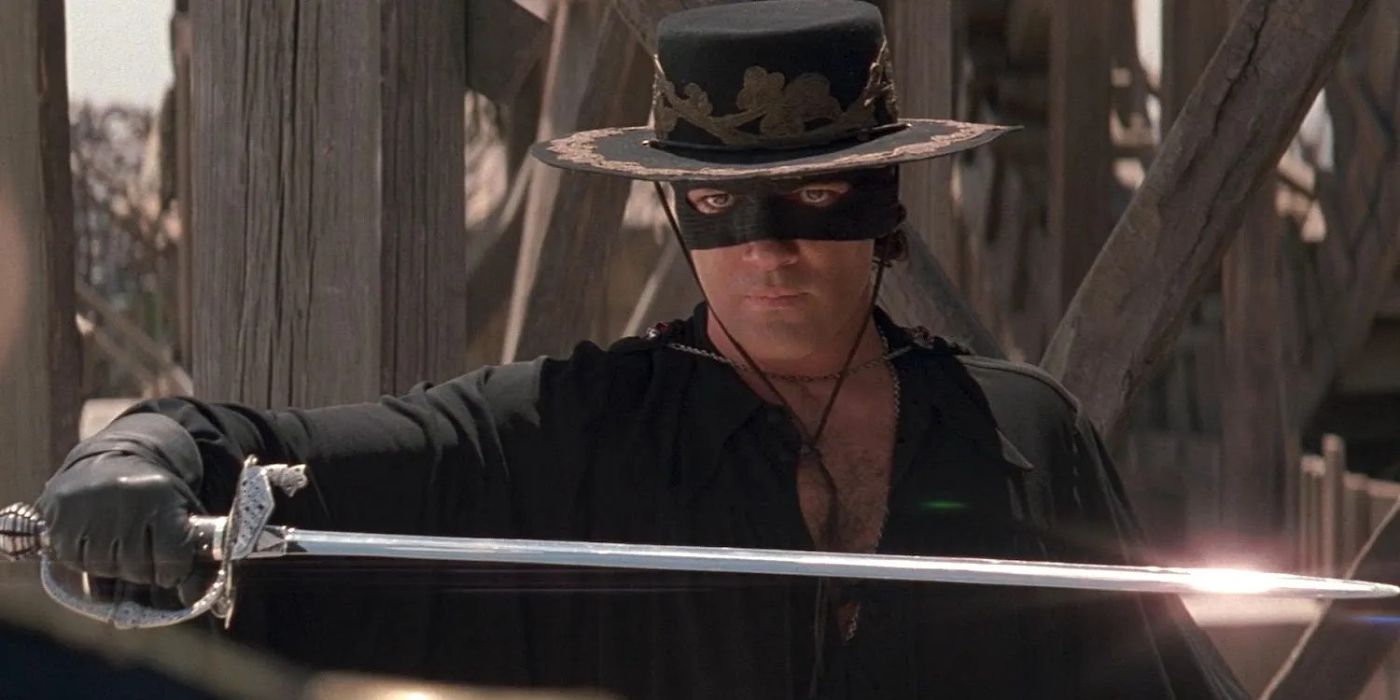
Following the popularity of films like The Outlaw Josey Wales, Westerns saw a decline, but surprisingly made a comeback in the 1990s. The decade started with several successful Western movies, allowing studios and filmmakers to subtly reintroduce the genre to a new audience. This was a welcome change, as Westerns had been overshadowed in the 1980s by the rise of science fiction, fantasy, and modern adventure films.
Despite often being overlooked, Westerns experienced a surprising resurgence in Hollywood during the 1990s. Directors like Clint Eastwood, Kevin Costner, and Martin Campbell revitalized the genre, bringing a new level of creativity and variety to stories set in the American frontier. These films represent the most notable Westerns released each year during that period, showcasing the innovative approaches filmmakers took with the genre.
Dances With Wolves Salvaged the Epic Western
I was absolutely captivated when Kevin Costner brought Michael Blake’s Dances With Wolves to life in 1990 – it felt like nothing so grand had been attempted in the Western genre for decades! The story centers around John J. Dunbar, a Civil War officer who earns a posting to a remote frontier fort. He finds himself wonderfully alone, and through that solitude, he develops a unique friendship with a wolf and, even more profoundly, with the local Sioux tribe. Their peaceful and connected way of life really begins to draw him away from his old life in the army, and it’s a beautiful transformation to witness.
When this movie was made, Westerns were losing popularity. However, it proved to Hollywood that the genre still had potential, and its success likely sparked the Western revival of the 1990s. Widely considered a classic epic Western, the film’s story has become incredibly influential, even inspiring later blockbusters like James Cameron’s Avatar.
An American Tail: Fievel Goes West Gave Kids an Animated Western
Even though Dances With Wolves did really well, Hollywood didn’t immediately jump on the Western bandwagon, making 1991 a pretty slow year for the genre. Honestly, the one film that really stood out to me was Fievel Goes West! It was so fun to see the Mousekewitz family head out West on a train, but things got a little scary when Fievel ran into some sneaky cats who tried to ruin their trip.
Fievel Goes West was a popular movie for kids in the 1990s, cleverly combining the classic Western story with an animal adventure. Featuring the voice of Jimmy Stewart, it added a genuine feel and stands out as one of the few family-friendly Westerns from that decade. The film is a heartwarming journey to the Wild West, exploring familiar themes of cowboys, pioneers, and the adventurous spirit of the frontier.
Unforgiven Brought Clint Eastwood’s Western Image to a Dark Conclusion
I was so surprised when Clint Eastwood decided to hang up his cowboy hat after Unforgiven! It’s such a powerful film because he plays William Munny, an old gunfighter trying to leave that life behind. But he’s got a family to feed, so he takes on one last, dangerous bounty hunting job. He and a couple of buddies head to this rough town called Big Whiskey, and things really change for him when he clashes with the town’s tough sheriff, Bill Daggett. It’s a really compelling story about a man trying to escape his past.
Unforgiven deliberately challenges and dismantles the traditional Western genre, moving away from the heroic image Eastwood previously embodied. At this point in his career, Eastwood aimed to create a film that criticized violence, and Unforgiven brilliantly achieves this. However, it ultimately became such a definitive conclusion to the Western gunslinger story that few films have matched its impact since.
Tombstone Mythologized the Legend of Wyatt Earp and Doc Holliday
The movie Tombstone tells the story of the close bond between lawmen Wyatt, Virgil, and Morgan Earp and the gambler Doc Holliday in the wild west town of Tombstone, Arizona. When the Earps arrive, they find the town controlled by a ruthless gang known as the Cowboys, leading to a bitter and escalating conflict. This eventually erupts into a full-blown war as Wyatt Earp attempts to clean up the town and drive out the criminals.
While Tombstone didn’t initially make as much money as Unforgiven, it has become incredibly popular over time, especially among Western fans. The film is known as a classic revenge story, portraying Wyatt Earp and the events surrounding him as a legendary battle between good lawmen and outlaws – told from Earp’s own perspective.
Legends of the Fall Explores America From the Perspective of a Frontier Family
Legends of the Fall tells the story of Colonel William Ludlow, who chooses to retire from the military and settle his family in the Montana countryside. As the world around them dramatically changes, William and his three sons are caught up in major historical events, particularly when the sons enlist in the US Army during World War I. Through war, Prohibition, and the Great Depression, the family’s experiences mirror the struggles and changes happening within America itself.
The film Legends of the Fall beautifully used the setting of the American West to explore a changing nation at the turn of the 20th century. Though The Assassination of Jesse James is often considered Brad Pitt’s finest Western, this 1994 movie powerfully depicted a family’s tragedy as a reflection of broader societal shifts.
The Quick and the Dead Feels Like a Western Comic Book Come to Life
In the Western film The Quick and the Dead, a mysterious gunslinger called The Lady arrives in the isolated town of Redemption. She’s determined to avenge her father’s death by challenging the ruthless town leader, John Herod, in a yearly shooting competition. However, she can’t do it alone and must enlist the help of a former friend of Herod’s—a priest who has vowed to live peacefully but is forced to take up arms again.
This film is a loving tribute to the exciting Spaghetti Westerns of the 1960s, presenting a story that feels like it jumped straight from the pages of a comic book. It’s a fun, action-packed escape from the more serious and character-focused films of the era. Sharon Stone’s portrayal of The Lady is a fresh, gender-swapped take on the classic lone gunslinger, and the film’s quirky cast truly brings the story to life, turning a good plot into something special.
From Dusk Till Dawn Changed Audience Perceptions of Neo-Westerns
In 1996, directors Robert Rodriguez and Quentin Tarantino combined their love for gritty, exploitation films to create a modern Western. The story centers on the Gecko brothers, two criminals escaping after a heist, who seek refuge near the Mexican border. They end up hiding in a rundown bar that turns out to be overrun by vicious vampires when night falls.
From Dusk Till Dawn was groundbreaking in how it reimagined the Western. Instead of being limited to stories set in the 1800s, the film proved the Western could be a flexible style used for any kind of story. By updating the classic tale of Wild West outlaws fleeing to Mexico and presenting it with a deliberately low-budget, classic B-movie feel, the film cleverly subverted expectations. It’s a prime example of a film that appears to be one thing but delivers something completely different – a horror Western that truly needs to be experienced.
Buffalo Soldiers Explores the Aftermath of the Civil War
As a movie buff, I recently checked out Buffalo Soldiers, and it’s a really compelling story. It’s set back in the 1880s and follows a regiment of Black cavalry soldiers—the ‘Buffalo Soldiers’—who were tasked with protecting the American West. The film centers around Washington Wyatt, a former slave who gained his freedom after the Civil War, and how he and his unit deal with being commanded by officers who are openly prejudiced. It’s not just about the dangers of life on the frontier, but also about the complicated racial dynamics and how these soldiers grapple with the lasting impact of slavery in America. It’s a powerful film that really makes you think.
Similar to films like Glory, Buffalo Soldiers sheds light on the important, yet frequently overlooked, contributions of Black American soldiers. But more importantly, the film powerfully illustrates that racism didn’t simply disappear after slavery; Black soldiers continued to face prejudice and had to constantly prove their value for many years. Despite being a made-for-TV movie, Buffalo Soldiers stood out in 1997 and was actually better quality than many theatrical releases, including The Shooter.
The Mask of Zorro is the Blueprint All Legacy Sequels Should Follow
Zorro, first appearing in 1919, has become a classic symbol of adventure in the American West. The character returned to the screen in 1998 after a long absence, with Anthony Hopkins playing Diego de la Vega. In this version, Diego is betrayed by an enemy and decides to train a skilled thief named Alejandro Murietta to take his place, teaching him to be a refined gentleman and a hero for the people of California.
The Mask of Zorro is a fantastic continuation of the classic hero’s story, feeling both nostalgic and new. It was a huge hit that single-handedly brought swashbuckling adventures back into the spotlight, influencing popular franchises like Pirates of the Caribbean. This film is a thrilling story of justice, revenge, and freedom, and it’s widely considered the best cinematic portrayal of Zorro since the 1940s.
Ravenous Is An Utterly Unique Part of Western Movie History
The 1990s were a surprisingly good period for Westerns, but the decade ended on a weak note, with only Antonia Bird’s Ravenous standing out. The film centers on Captain Boyd, a US Army officer sent to the isolated Fort Spencer as a disciplinary measure after showing cowardice in battle. He soon joins a group searching for people held captive by a brutal cannibal, but is then wrongly accused of being the killer himself. From there, the story becomes a disturbing and increasingly chaotic journey into the wild frontier.
This film blends several genres – comedy, slasher, supernatural horror, Western, and war – into one unique experience. Robert Carlyle delivers a standout performance as the cruel and vicious Ives, making him one of the best villains in recent horror. Ravenous demonstrates that Westerns are most effective when they’re original, disturbing, and darkly compelling.
Found an error? Send it so it can be corrected.
Read More
- Off Campus Season 1 Soundtrack Guide
- Chainsaw Man Volume 24’s Cover Art Reveals a Brand-New Denji
- X-Men ’97 Finally Gave Gambit the Hero Moment He Deserved
- 46 Years Later, The Mandalorian & Grogu Answers A Major Empire Strikes Back Question
- HoI4 fans harsh reactions to the announcement of another DLC pack
- 10 Worst End-Game Couples In Sitcom History
- Gold Rate Forecast
- DoorDash responds after customer uses AI to make food look bad and get a refund
- Emily Henry Says to ‘Trust the Vision’ For Beach Read Adaptation
- Hatsune Miku cosplayer goes viral selling $15 cups of “foot juice” to thirsty anime fans
2026-04-14 02:12