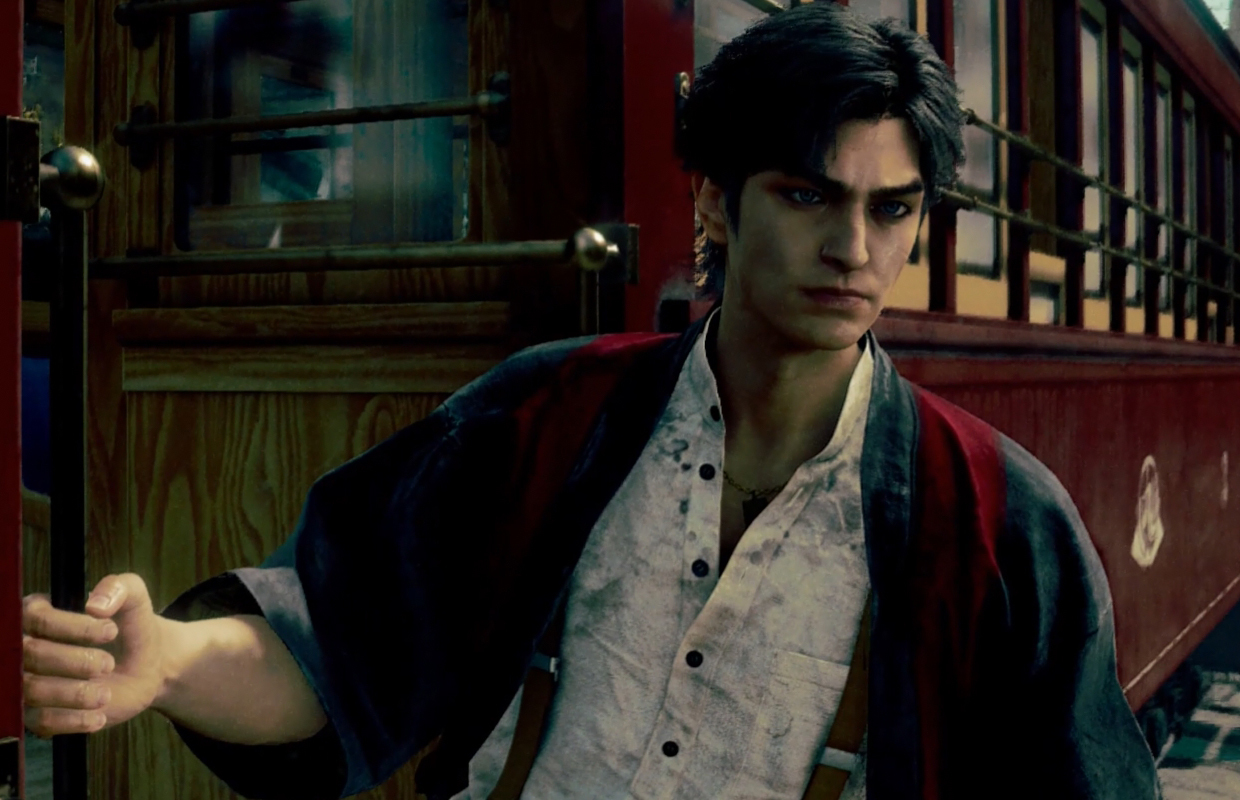
Okay, so RGG Studio’s new game, Stranger Than Heaven, is getting really interesting – and a little weird! Hearing they got permission from Bunta Sugawara’s family to include him felt good, a nice tribute. But then they announced Tupac Shakur would be in it too, and that feels…complicated. His estate is a lot more tangled than Sugawara’s, and it just raises a lot of questions about how they’re handling things. It’s exciting, but also a little worrying, honestly.
There are several reasons why Stranger than Heaven is a difficult game to discuss. I haven’t been thrilled with recent releases from RGG Studio, like Yakuza 3 Kiwami & Dark Ties and Yakuza 0 Director’s Cut, for a number of reasons. However, I wanted to approach Stranger than Heaven with a fresh perspective. At Summer Game Fest 2026, I had the opportunity to play it myself and get a feel for the developing combat system.
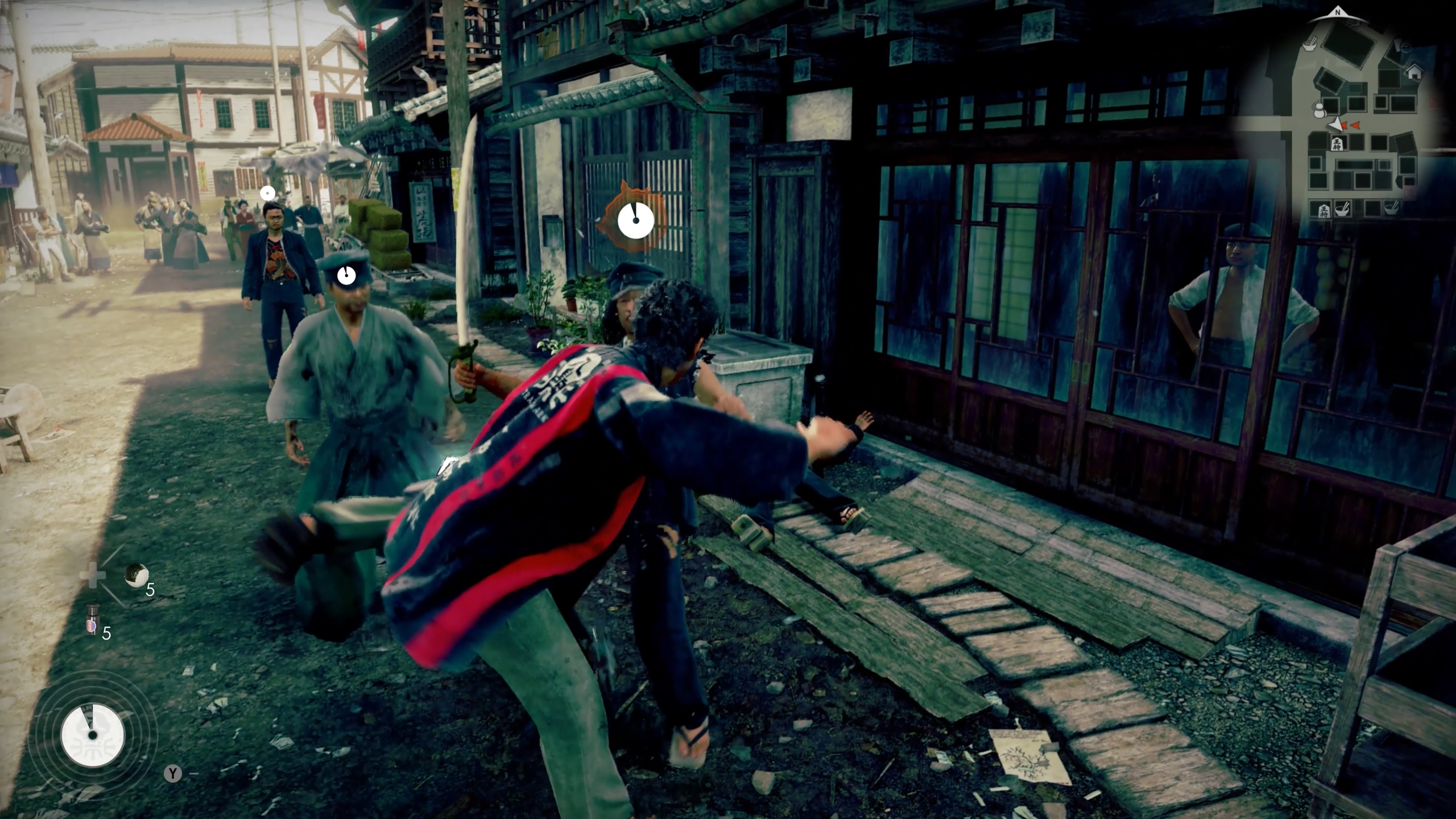
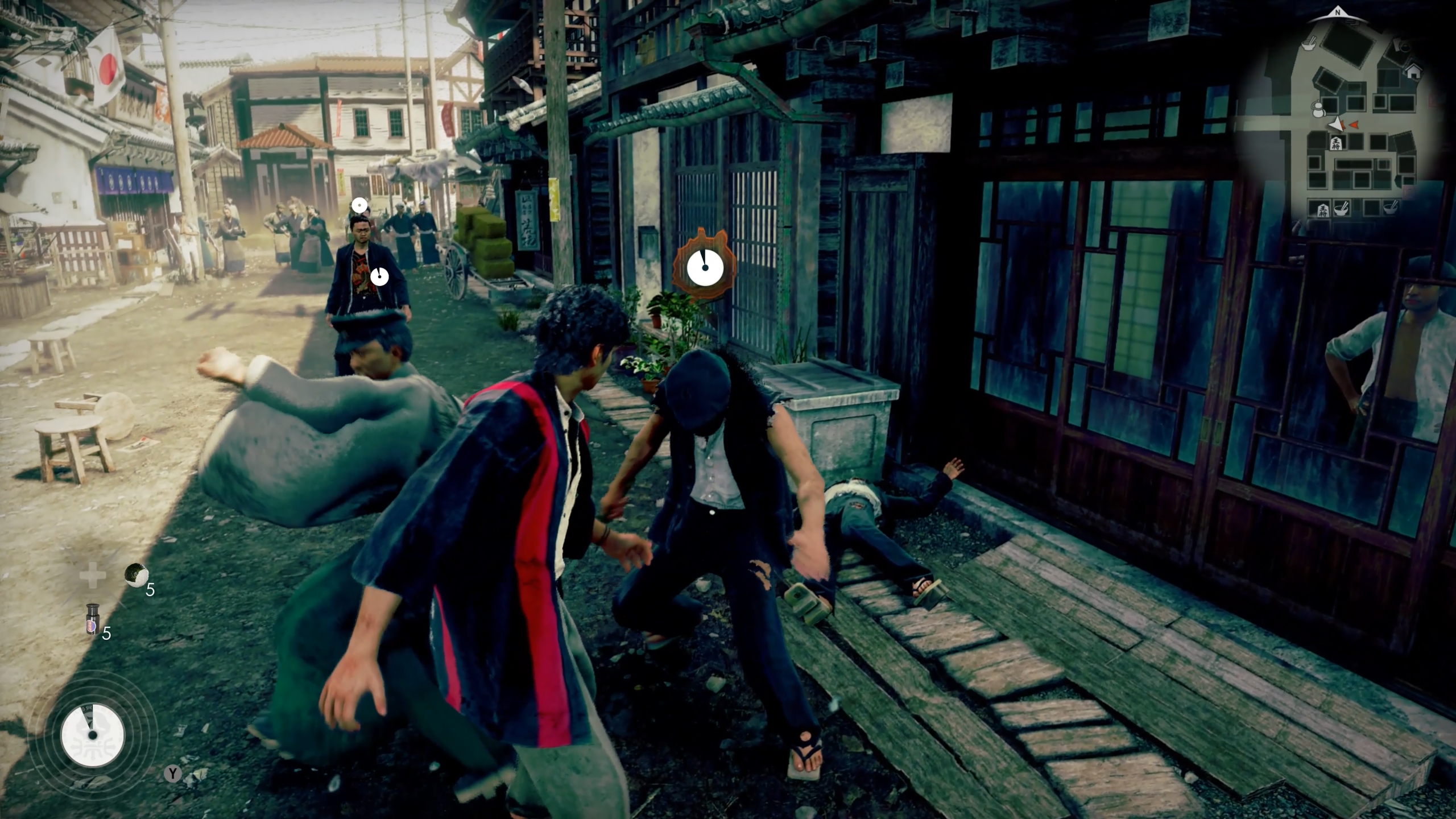
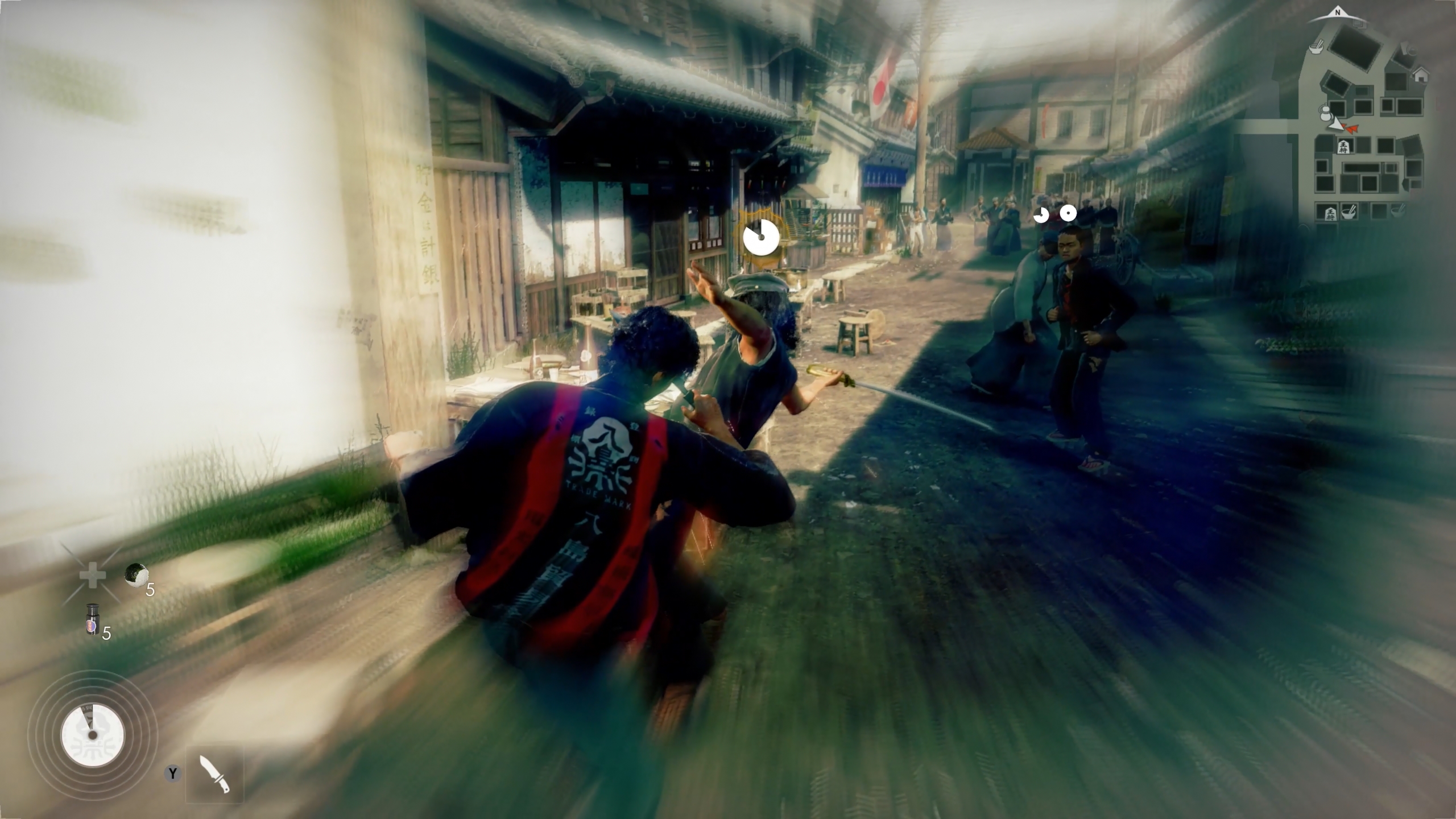
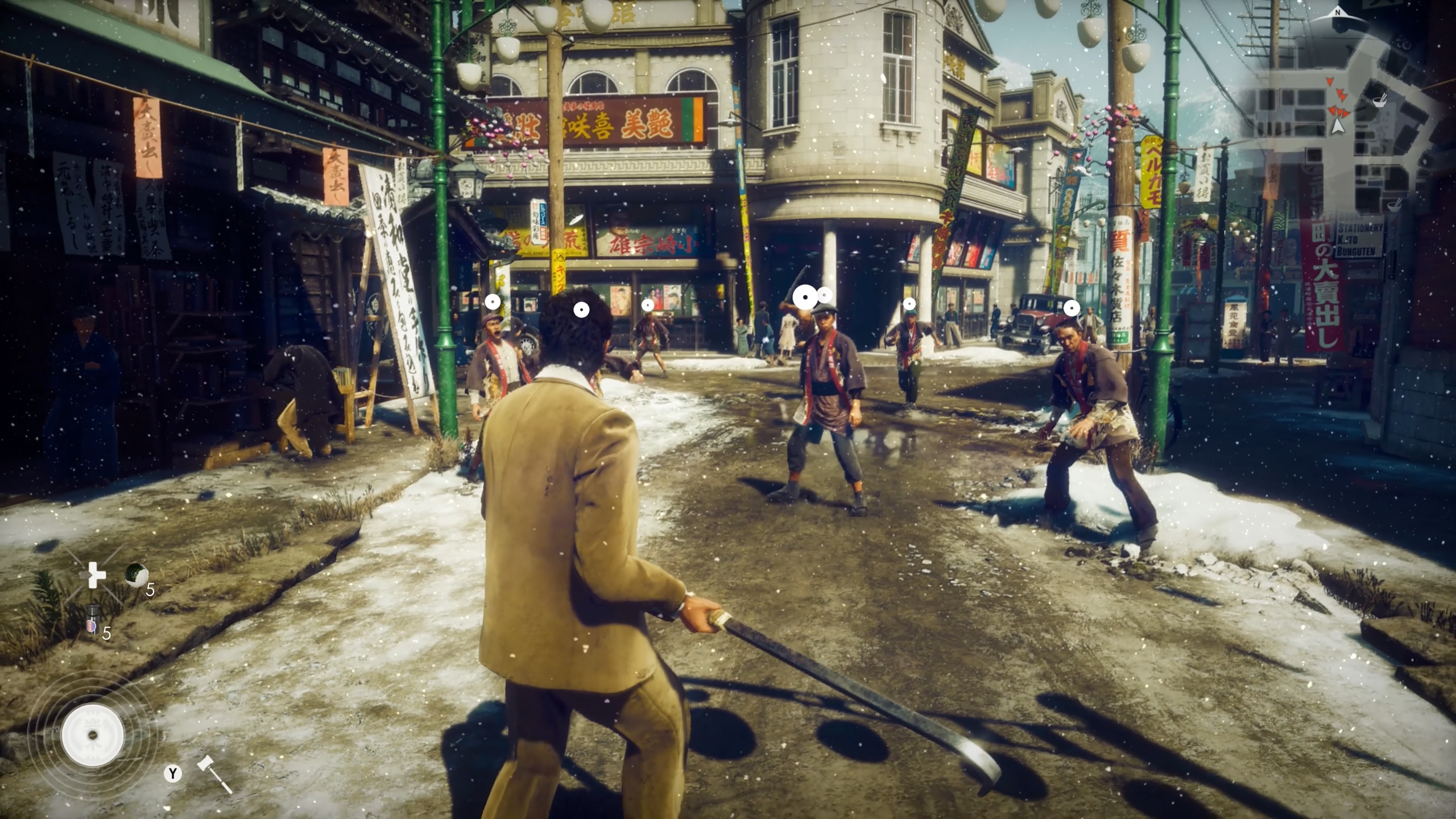
I was only given 30 minutes to test out Stranger than Heaven’s battle system and I’ll do my best to describe what I learned, though half an hour is by no means enough time to fully understand the intricacies of it. Do not expect Yakuza’s combat system going in. It is entirely different.
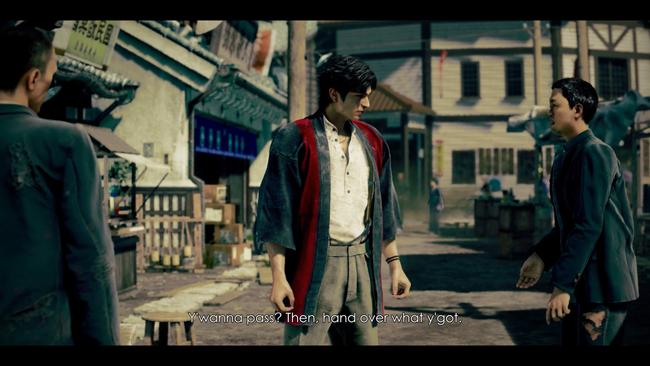
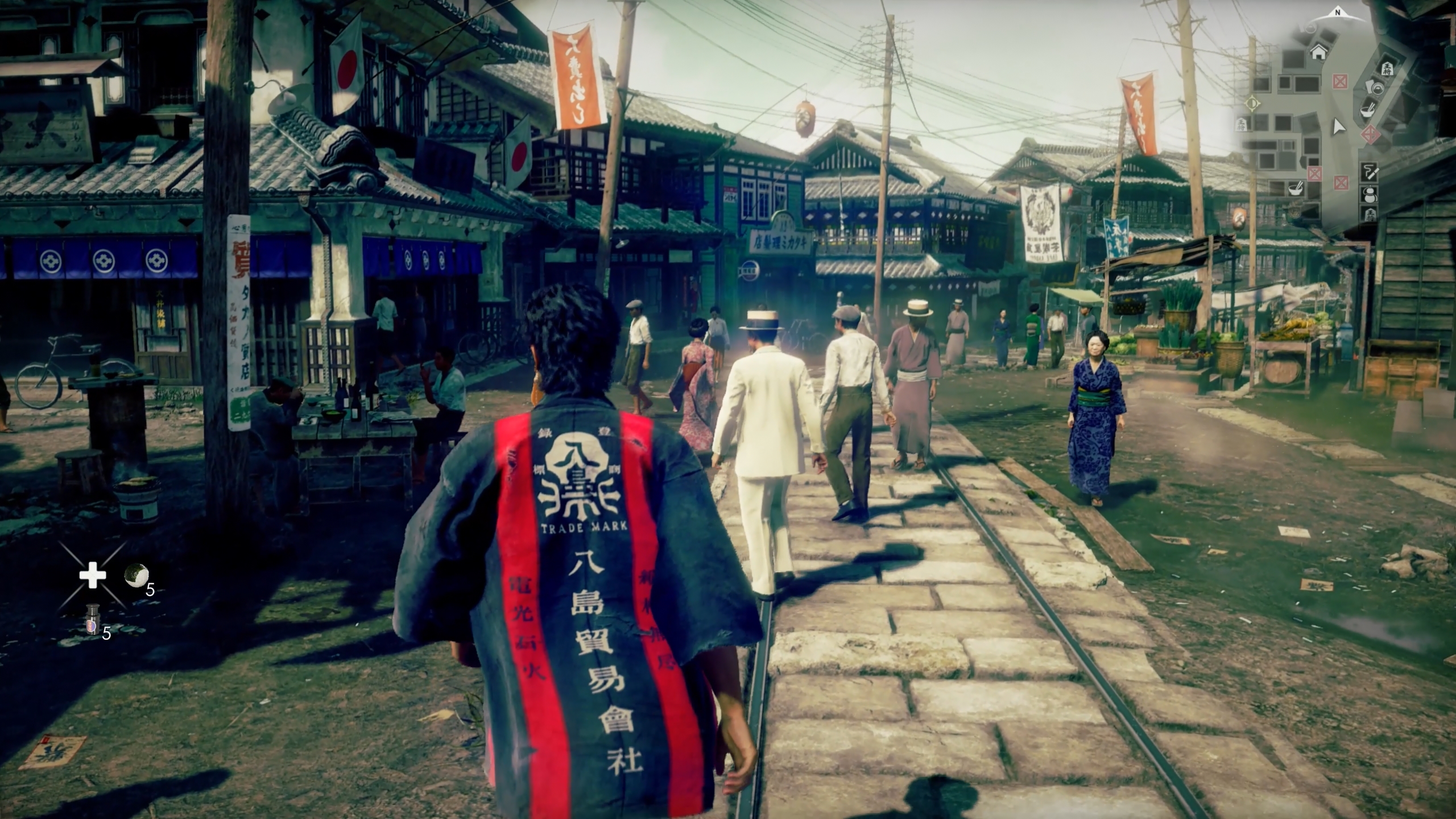
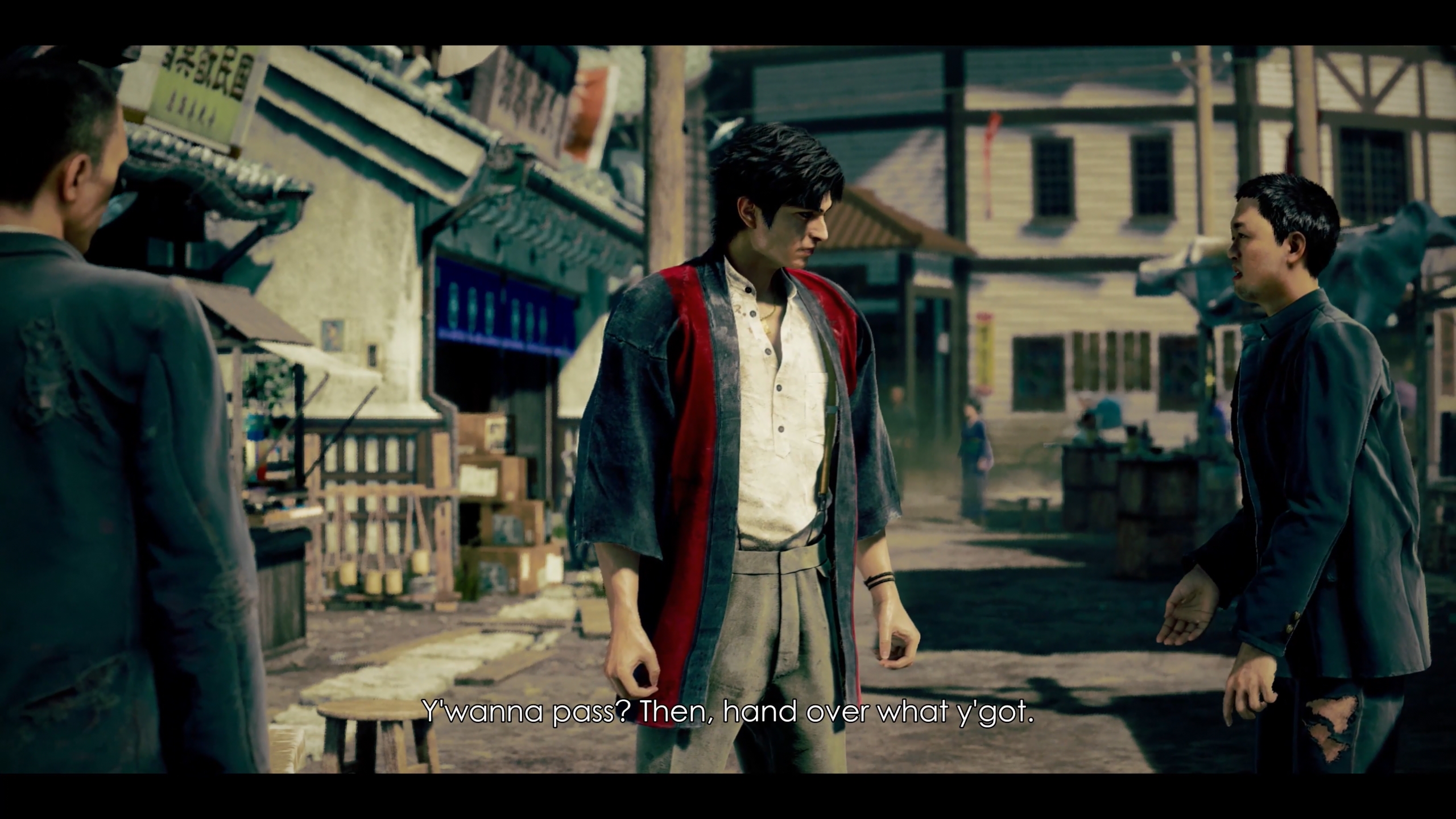
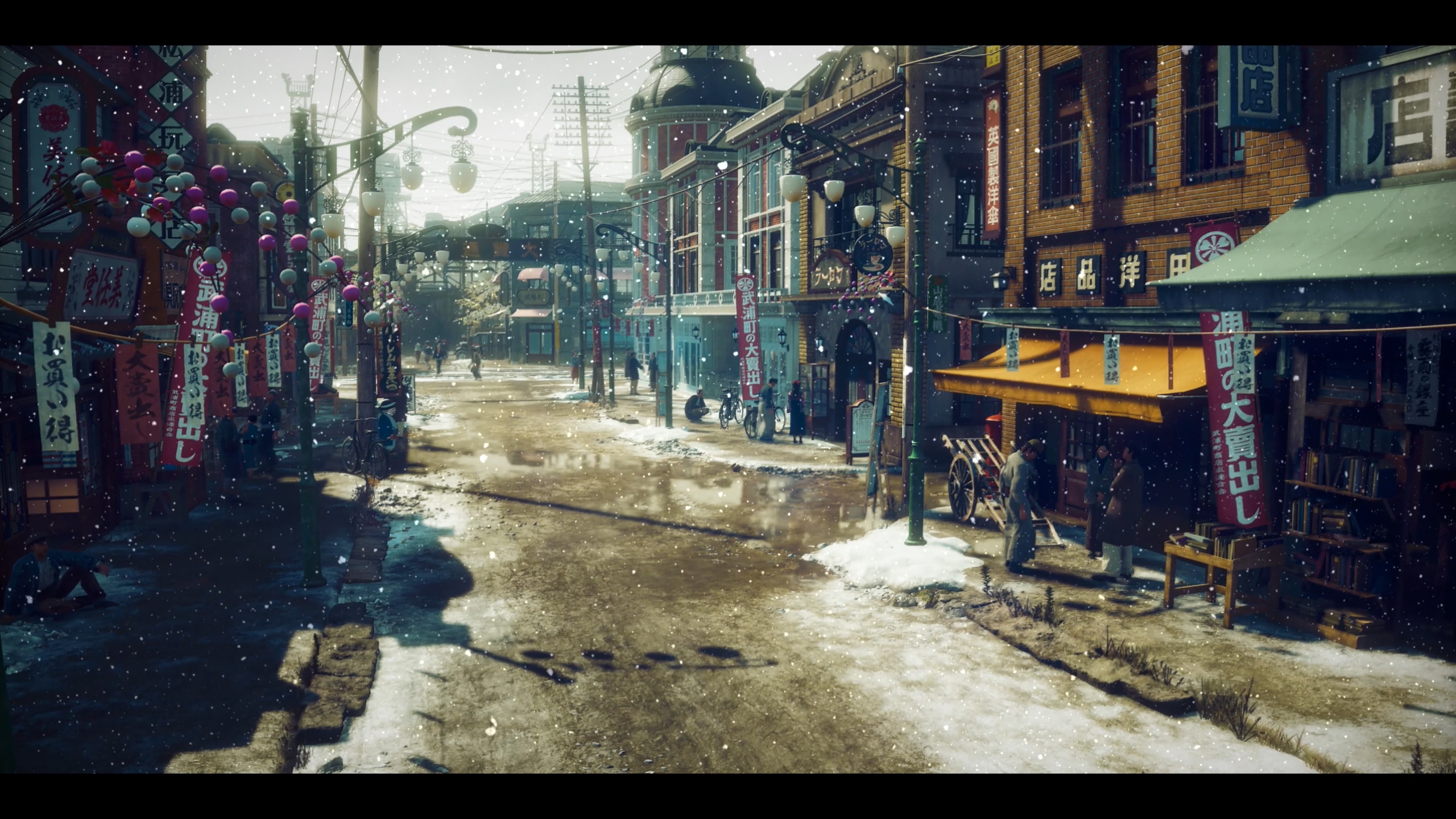
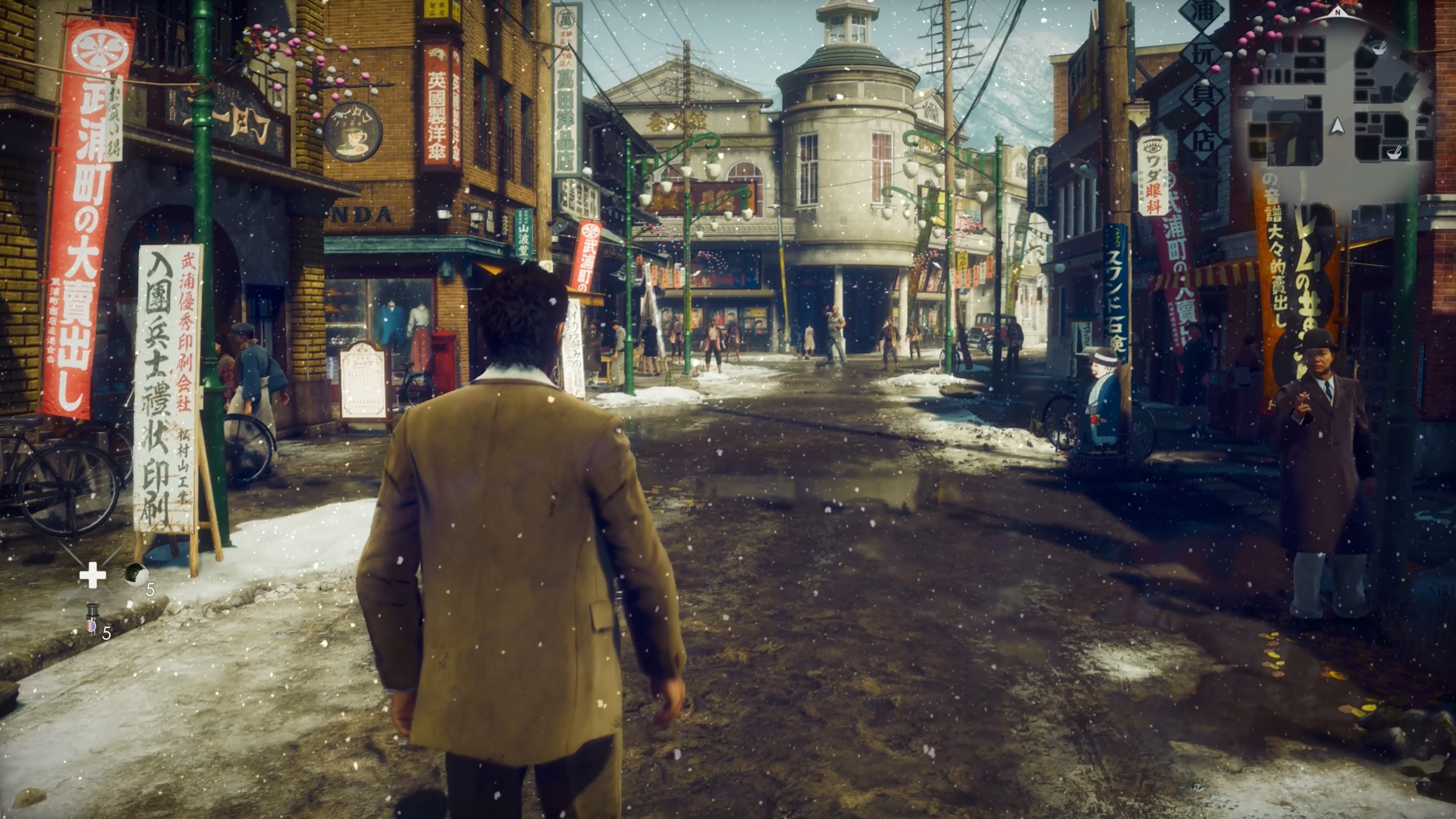
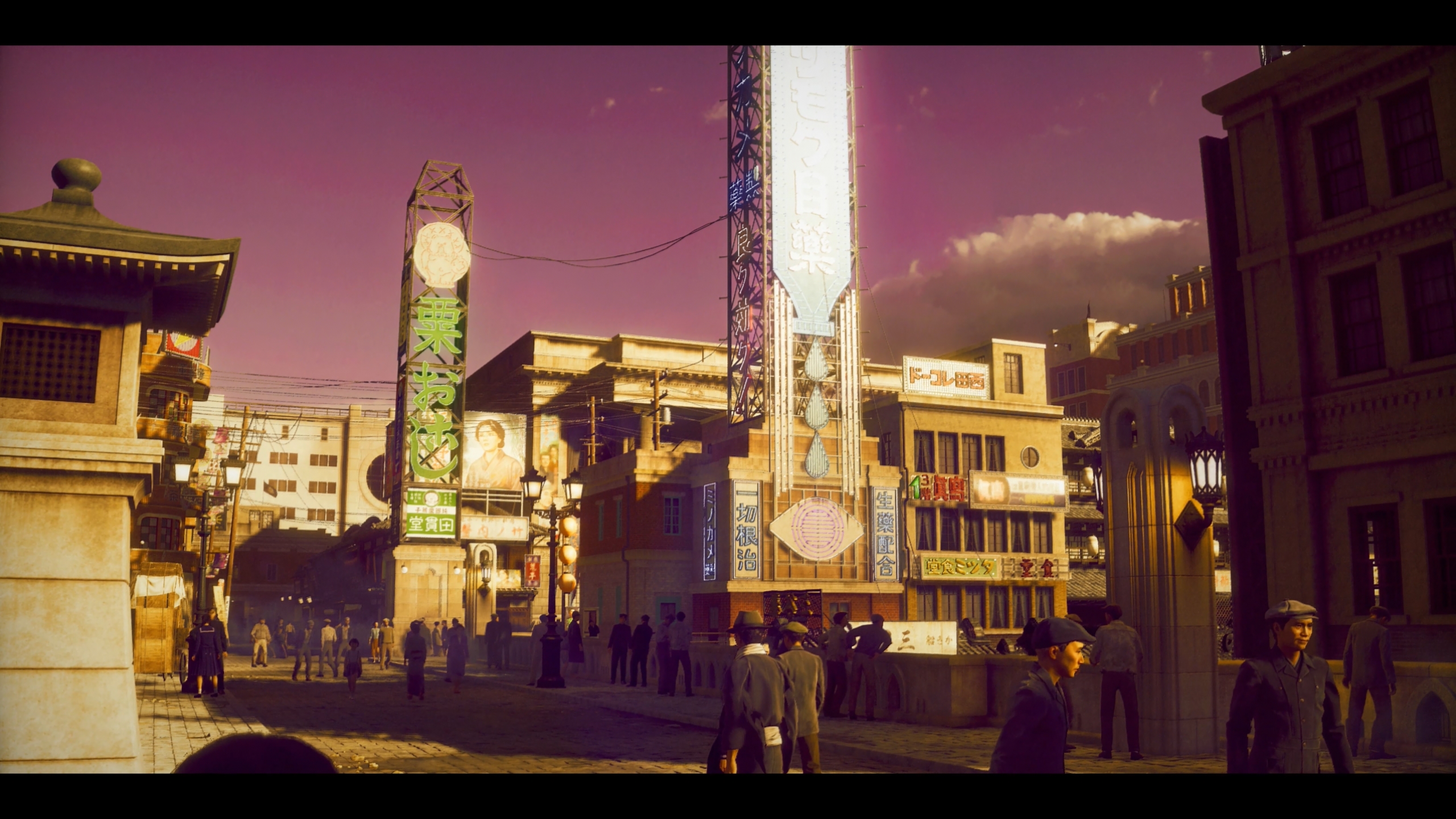
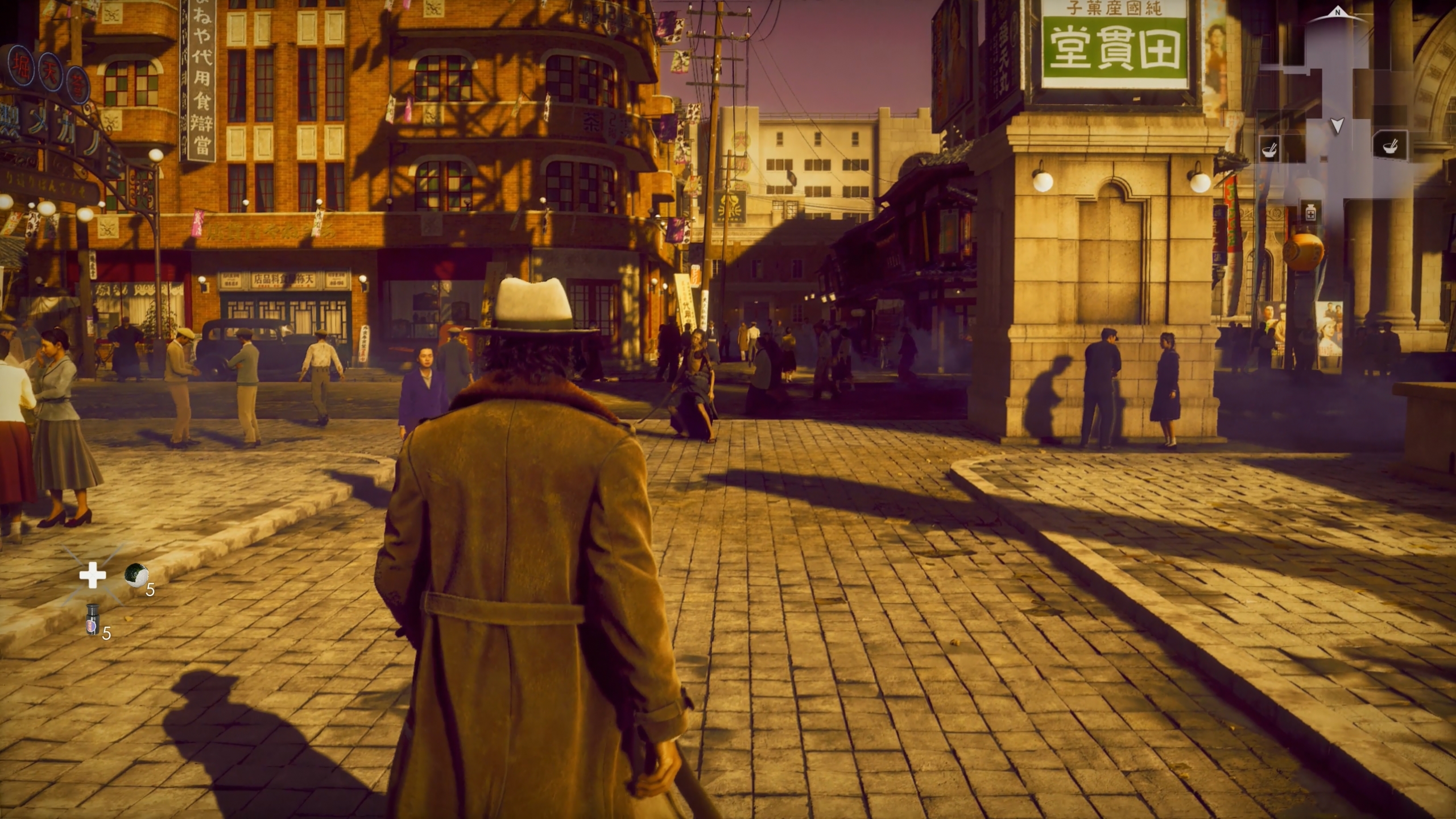
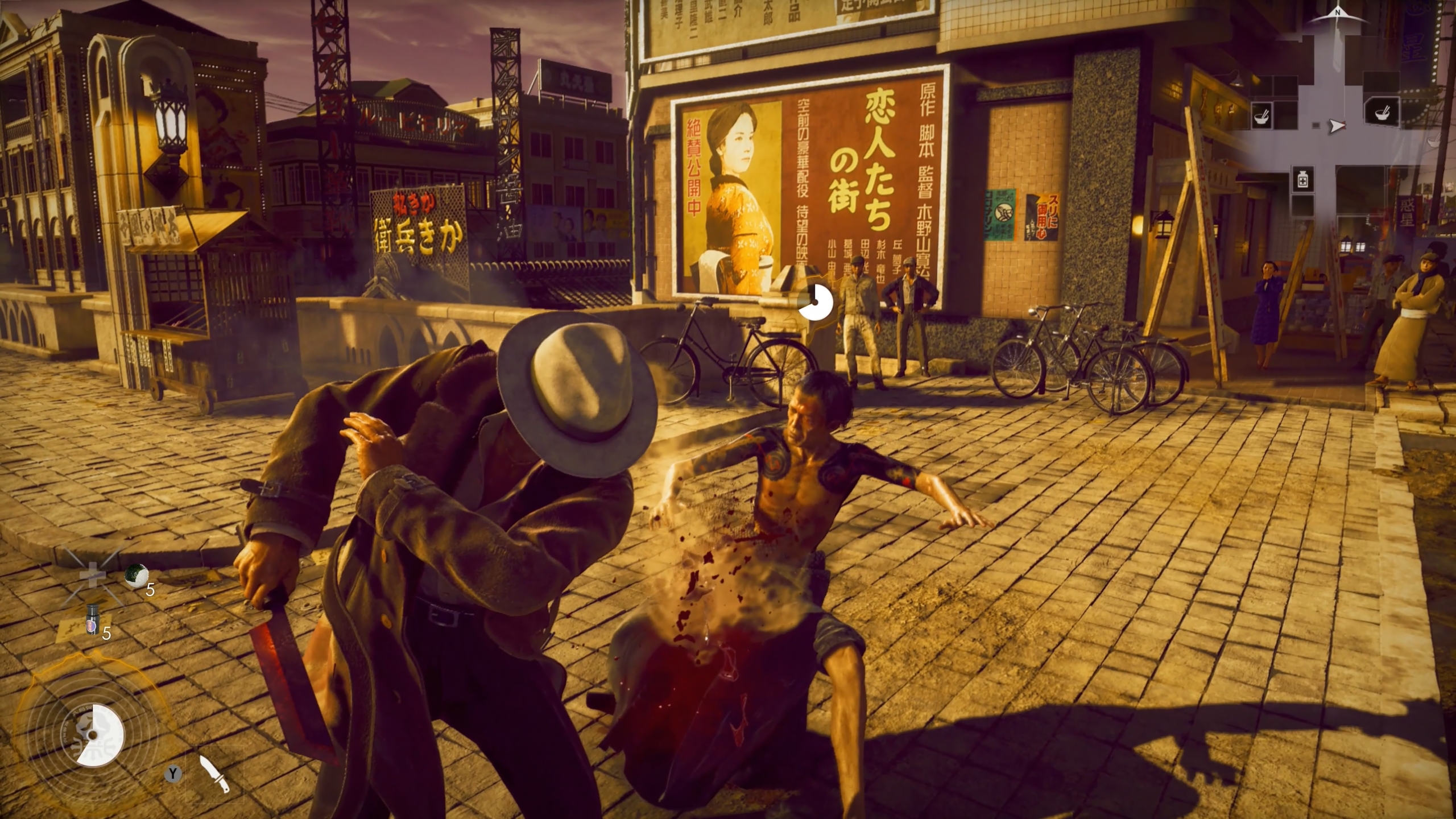
The demo featured glimpses of three time periods from Stranger than Heaven – 1915, 1929, and 1943 – but only showed small portions of each. These sections acted as basic, mid-level, and challenging combat tutorials. Players couldn’t really explore much, as the demo quickly pushed them into battles. Additionally, invisible barriers kept players from venturing off course.
I’ve been checking out trailers for Stranger than Heaven, and they showed off the combat system – you control Makoto’s arms and legs using the shoulder and trigger buttons. It reminded me a little of Tekken, where the face buttons controlled limbs. But playing it, Stranger than Heaven feels way more stiff and deliberate. It took some getting used to, honestly – it felt pretty clunky at first!
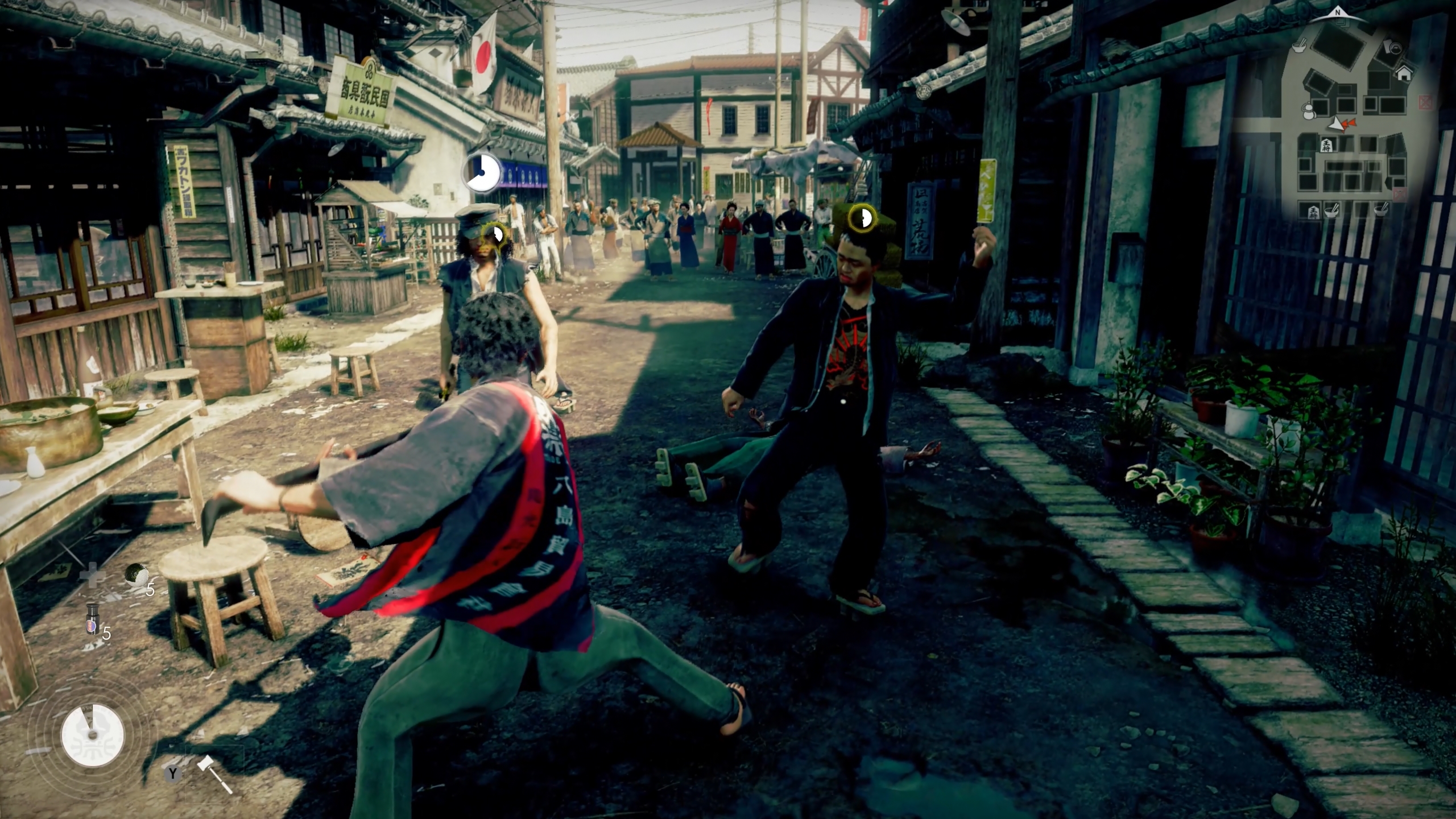
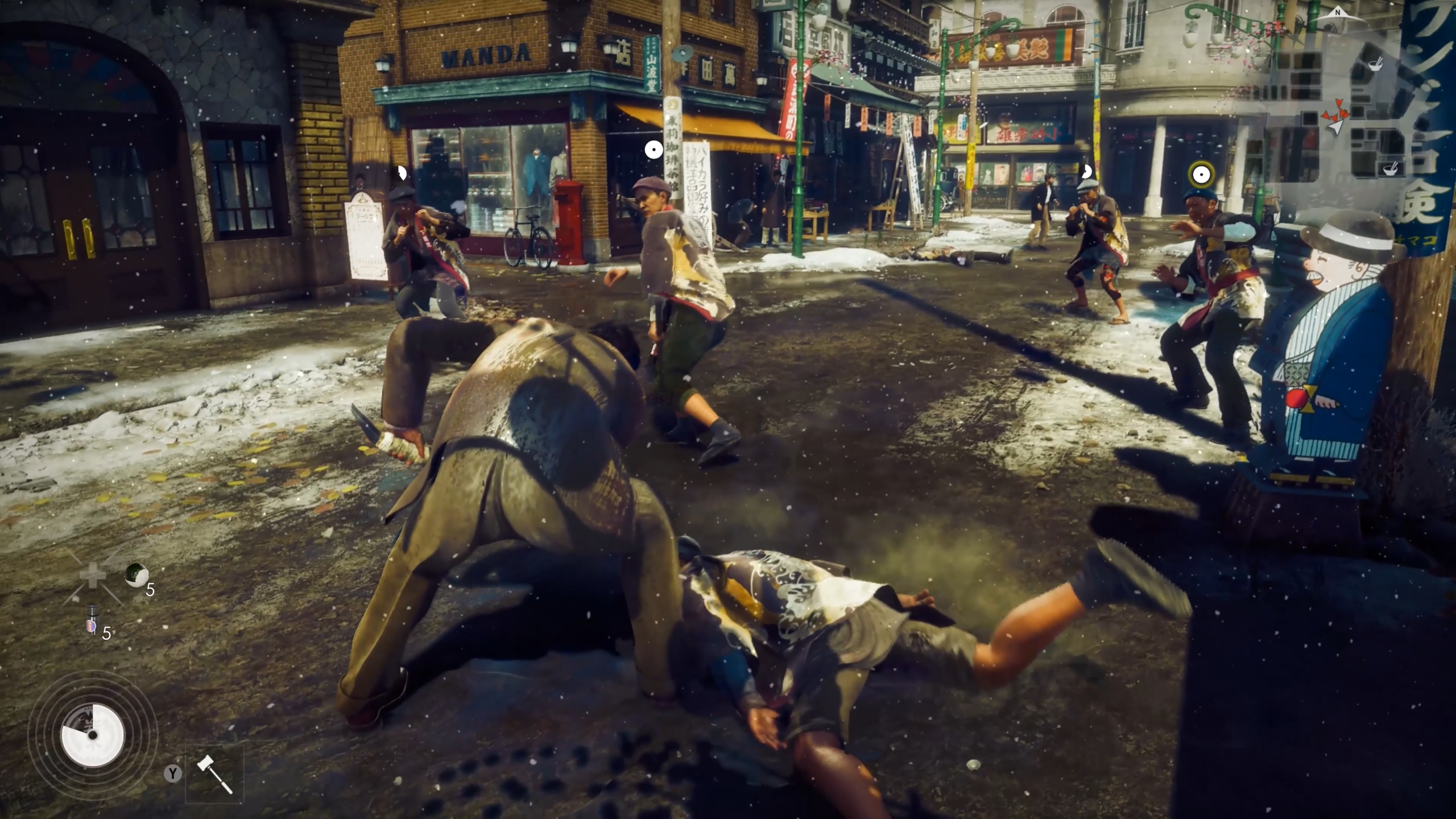
In Yakuza, Kiryu would smoothly go into a string of punches and kicks alternating between the light and heavy attack buttons. Stranger than Heaven is much more involved, and the player has to be much more attentive in how they want to approach every attack. Is the enemy visibly guarding their left side? Strike their right. No obvious openings at their upper torso? Give them a kick to force them to shift their guard elsewhere. While a typical Yakuza combo string might be something like X/X/Y/Y, Stranger than Heaven looks more akin to LB/RB/LB/RT.
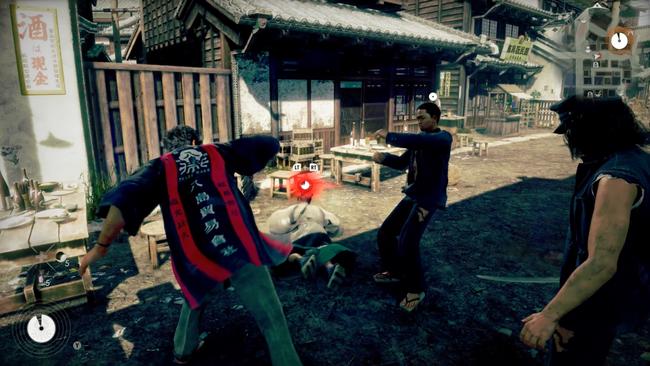
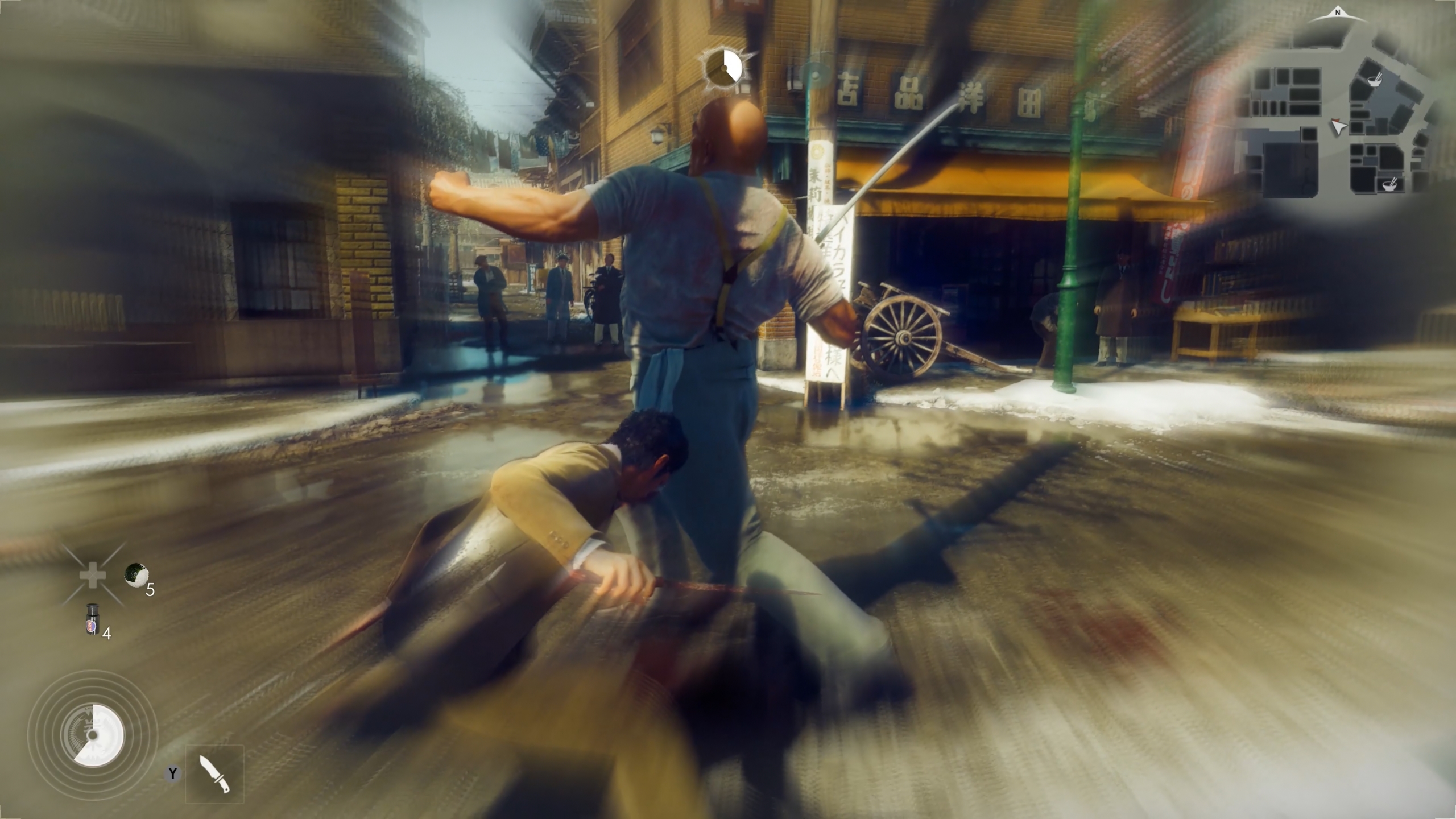
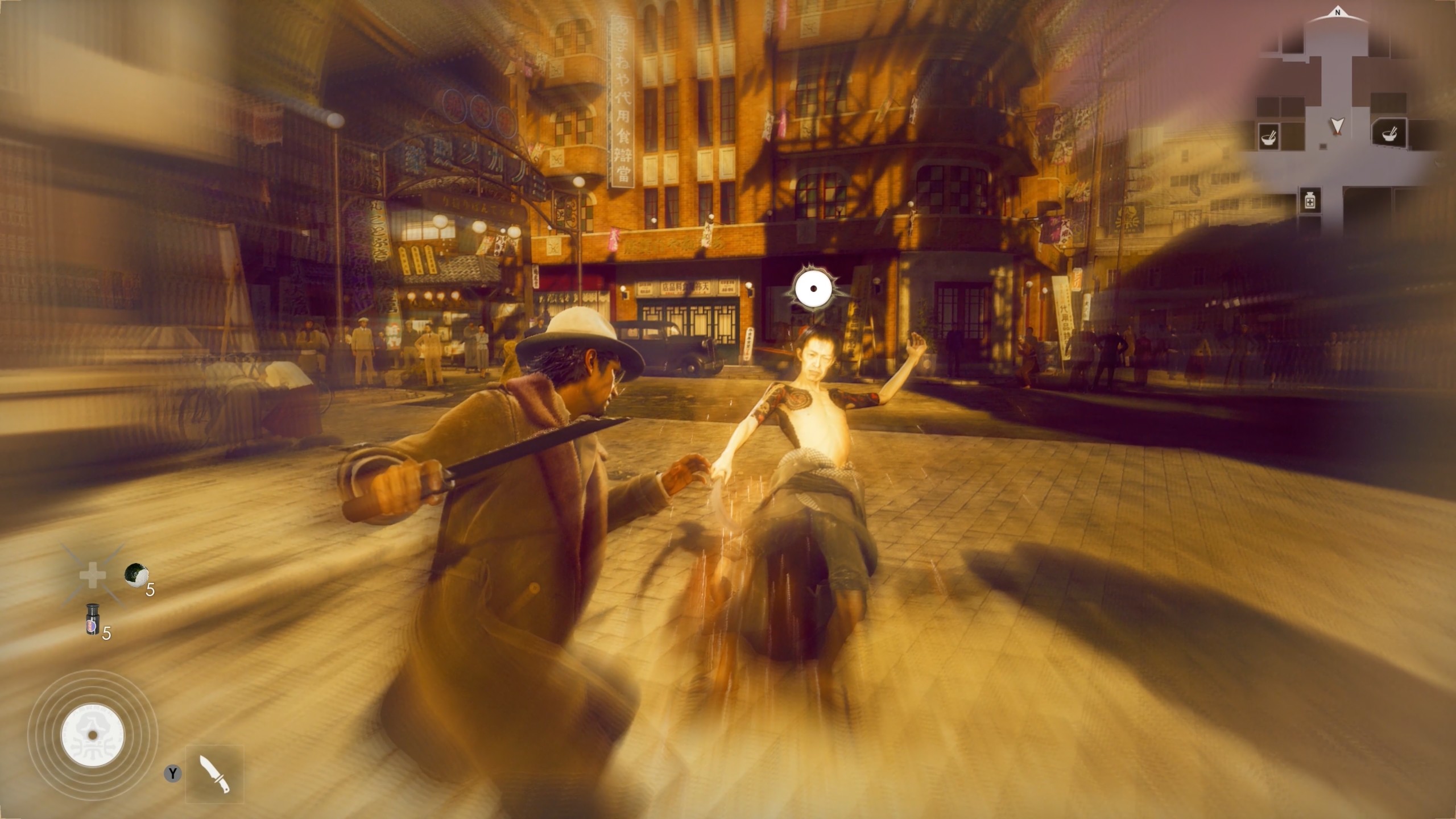
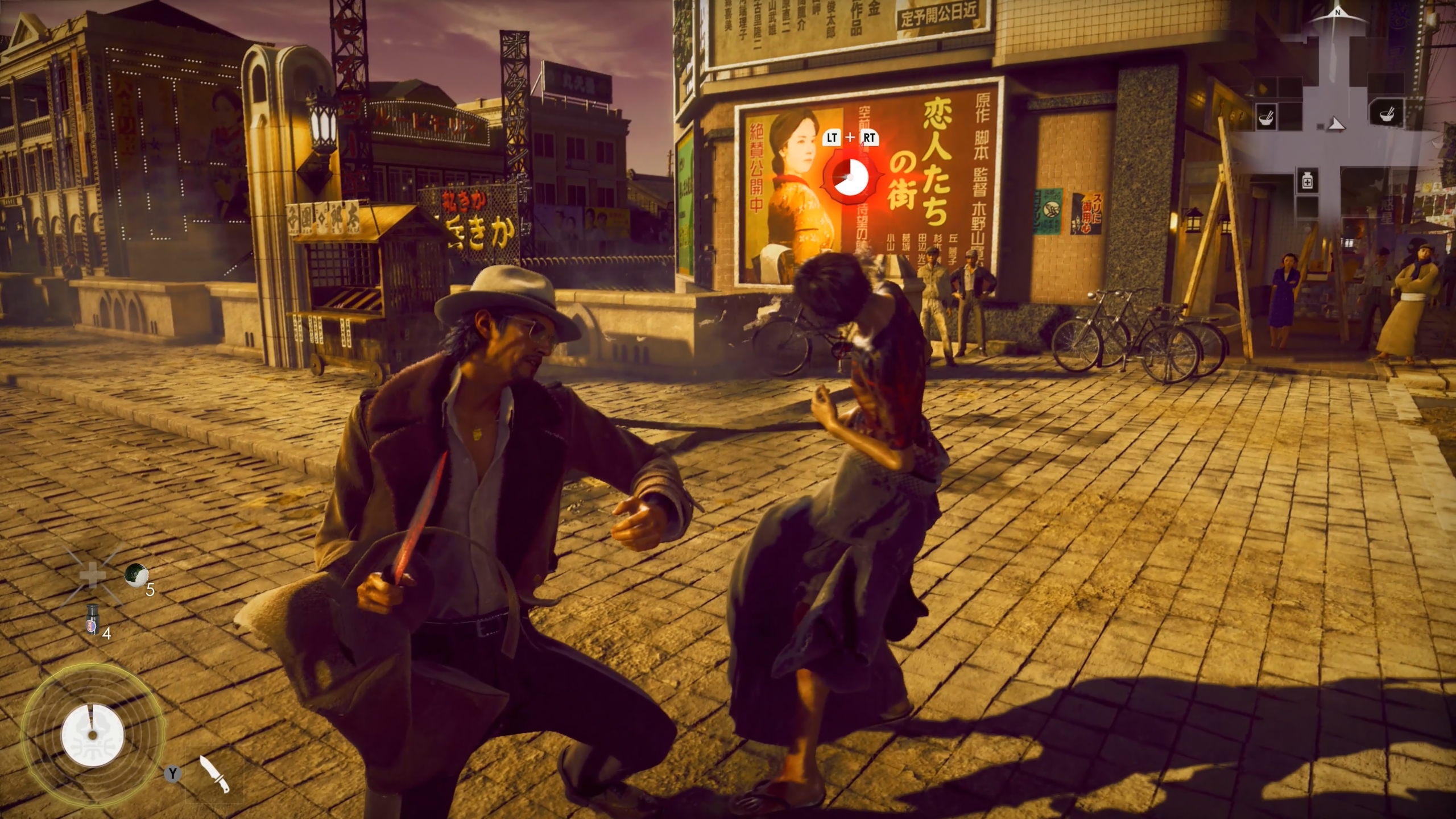
Makoto also has guard and dodge maneuvers. Continually blocking incoming attacks will drain his stamina, which makes his defenses more susceptible to getting breached – though this applies to enemies, as well. Managing Makoto’s stamina and finding ways to tire out your opponents, especially tougher ones, makes battles make more sense. Perfect dodging slows down time briefly as well, which allows players to either commence a counterattack or sneak in a health item.
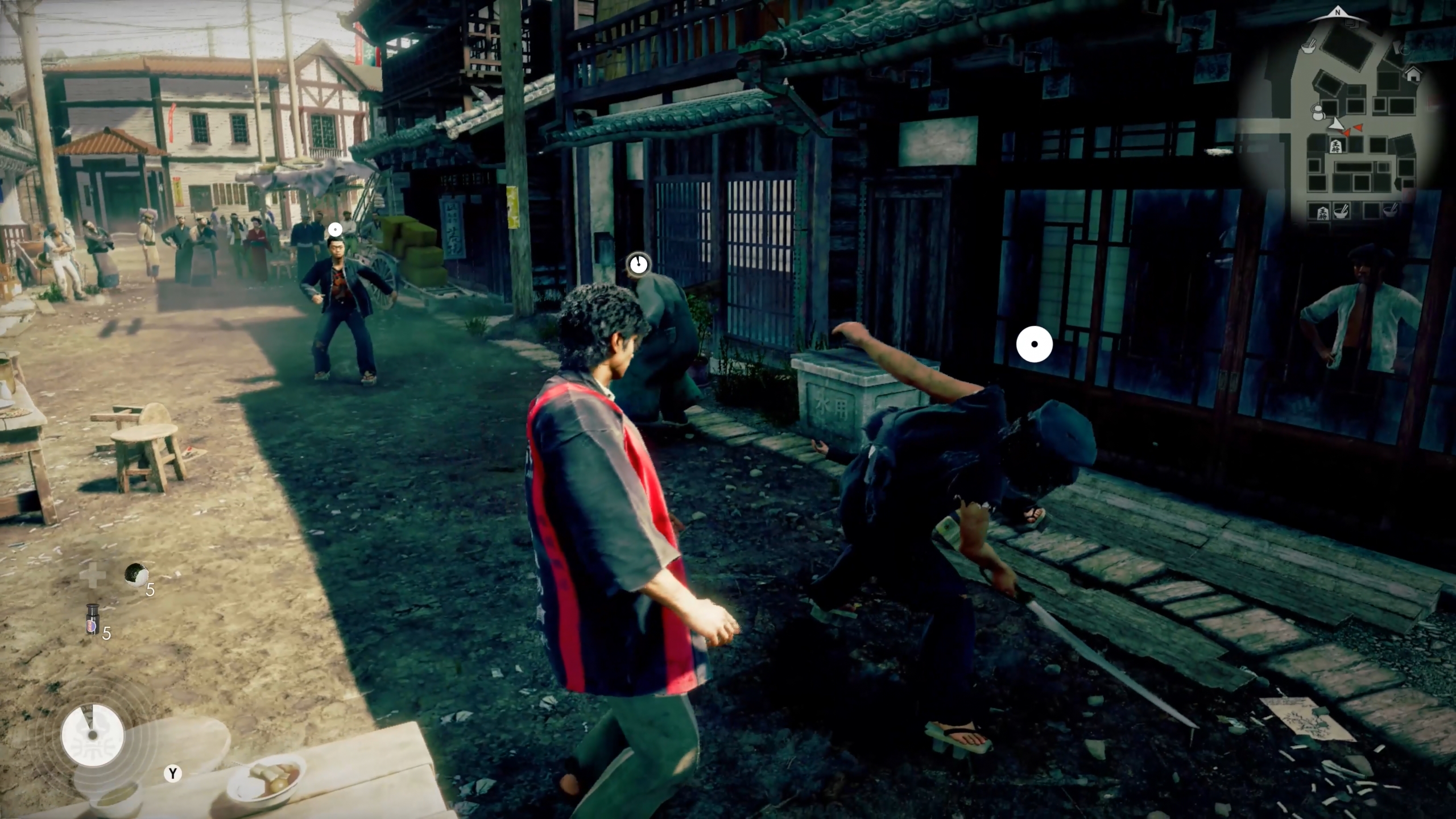
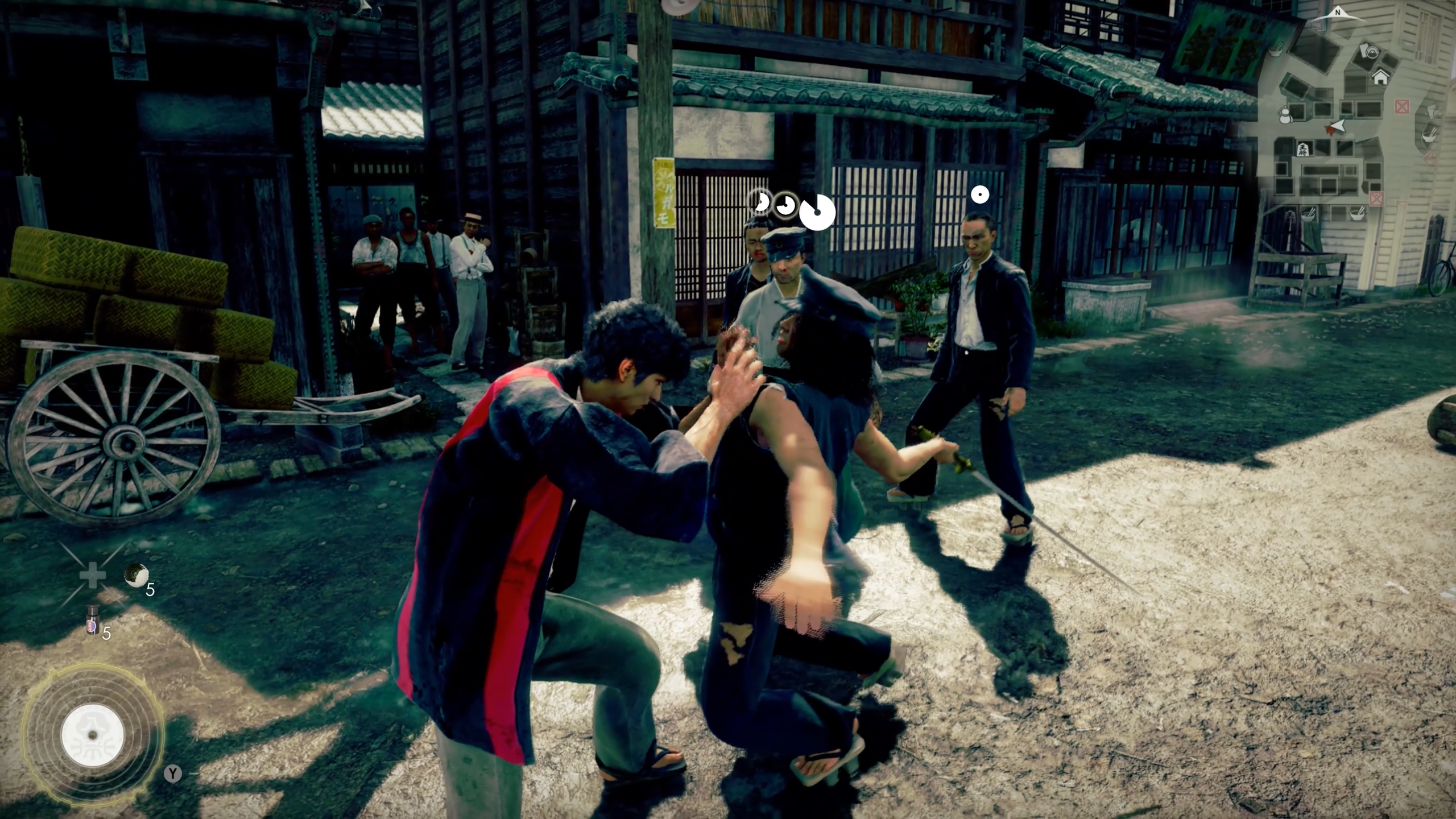
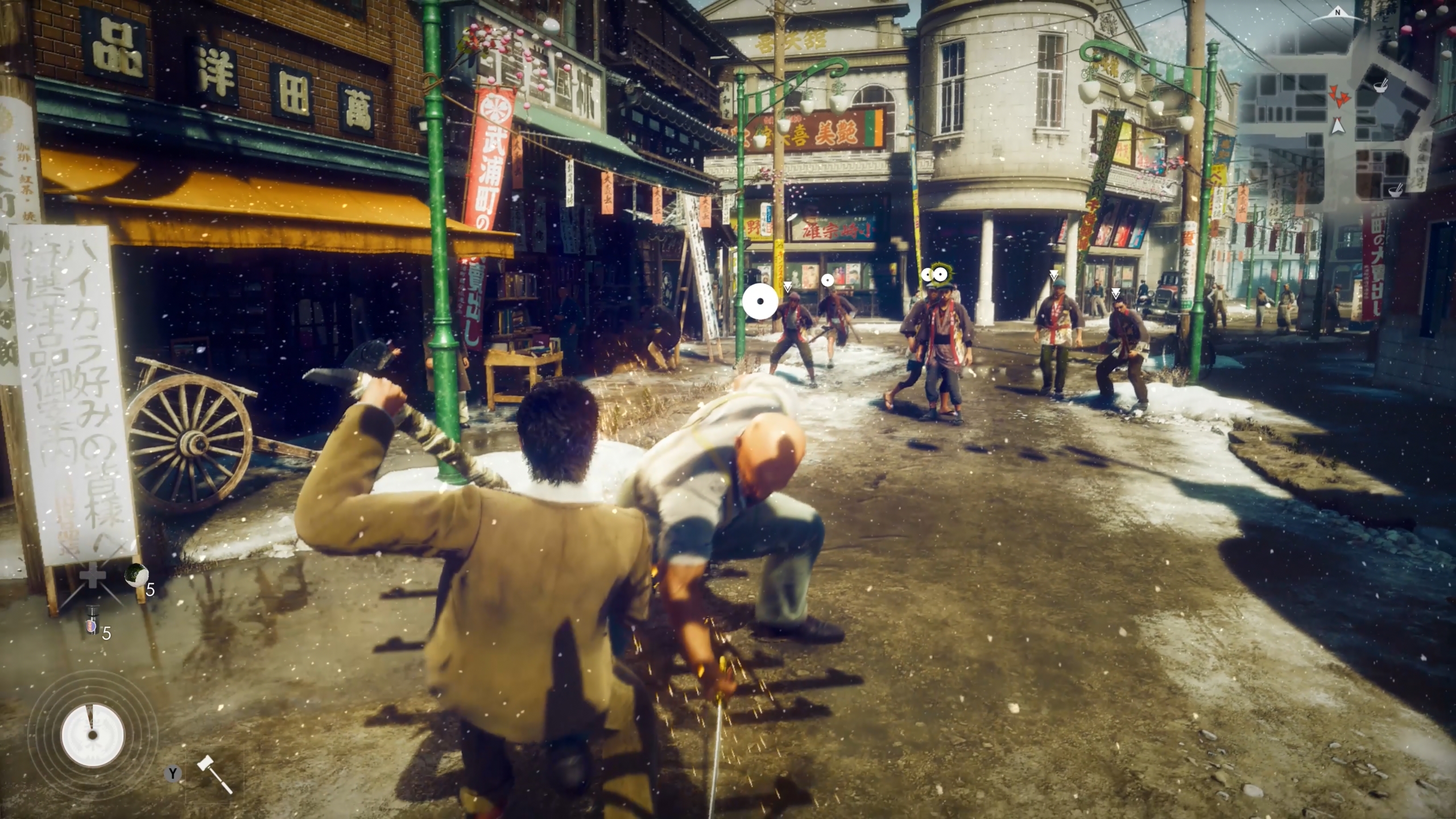
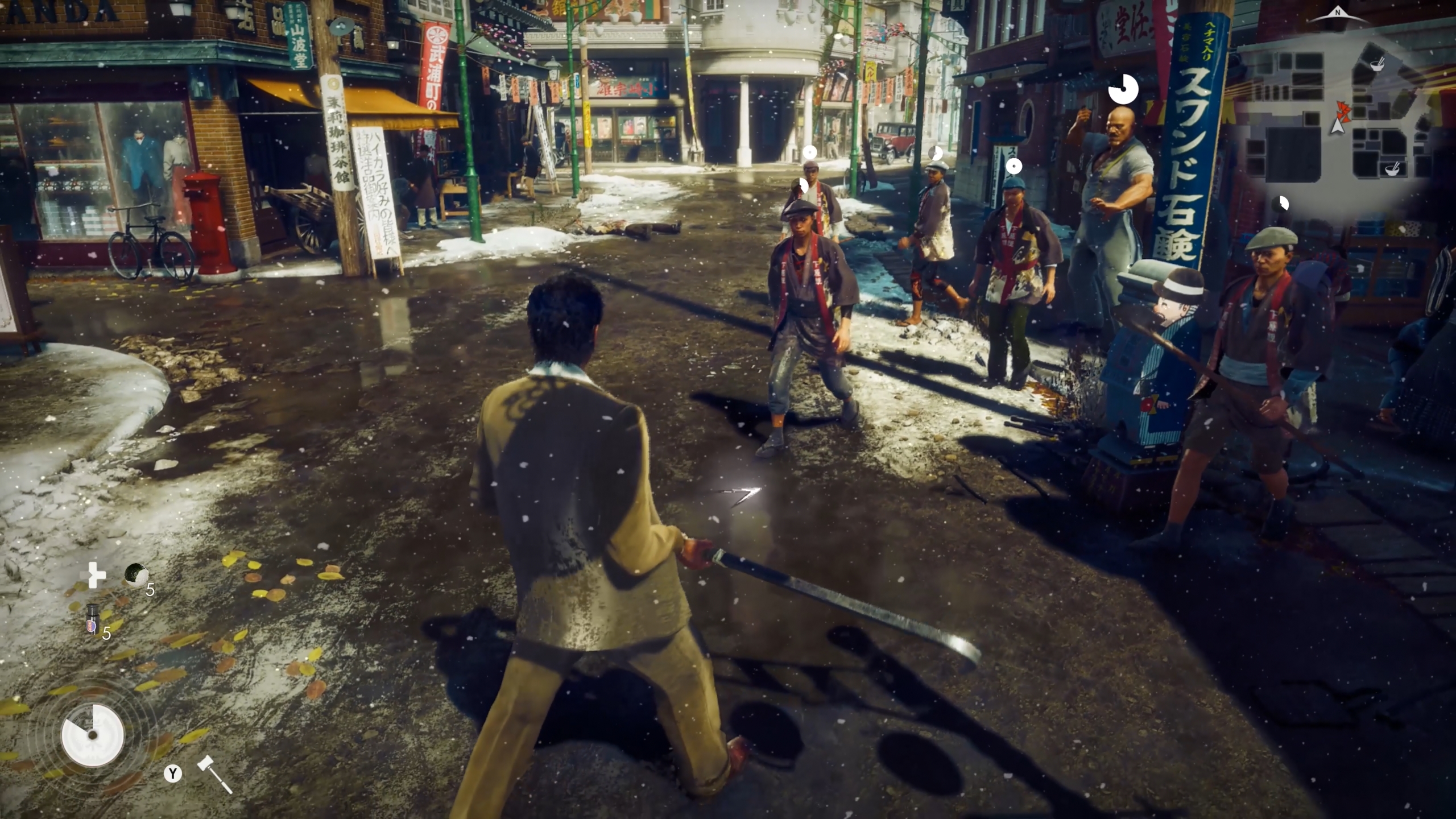
Battles in Stranger than Heaven become difficult when facing more than two enemies. It’s important to keep up the attack, because pausing to deal with a single opponent can be a quick way to lose. Keeping the pressure on is crucial to succeeding in combat.
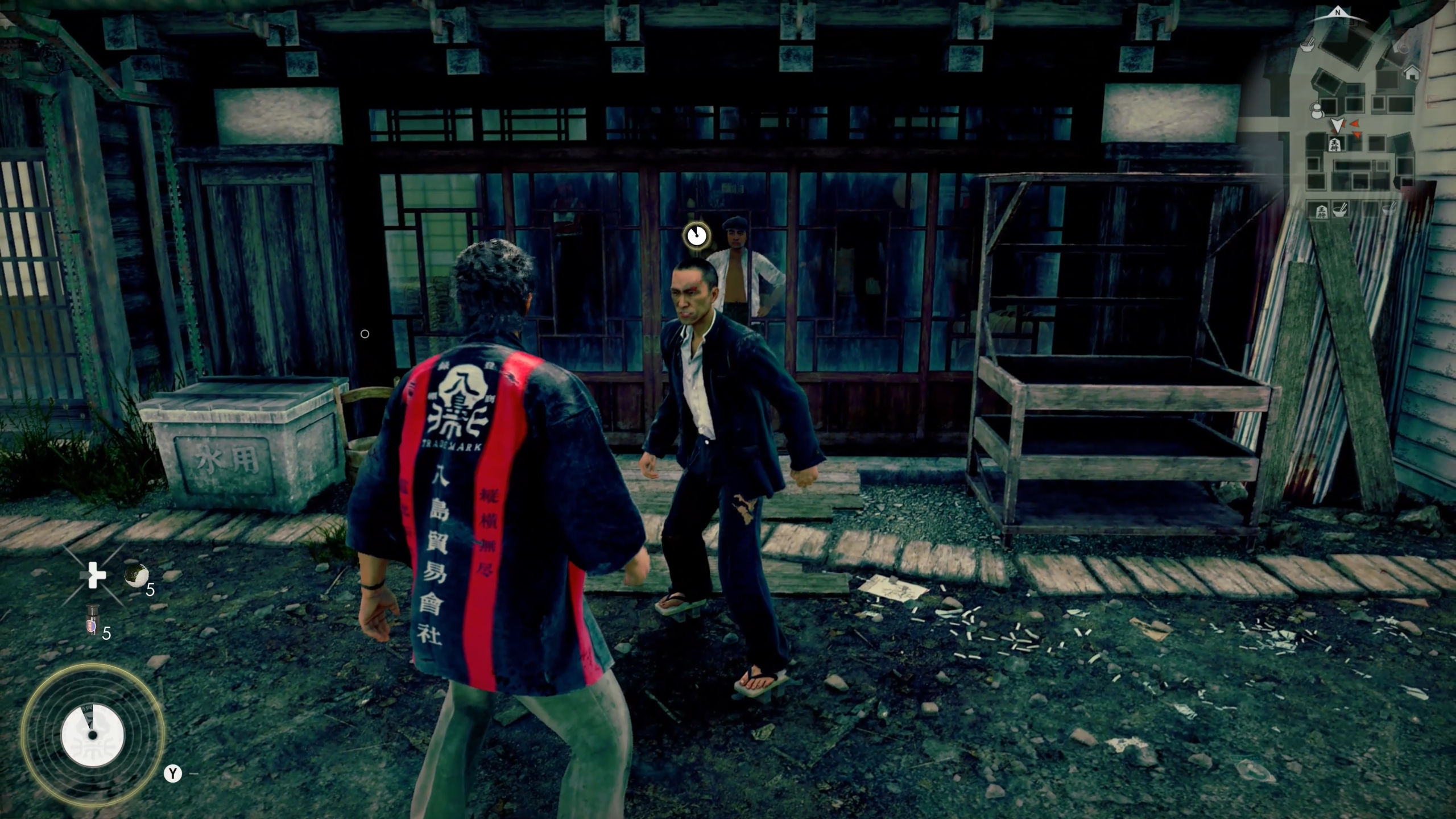
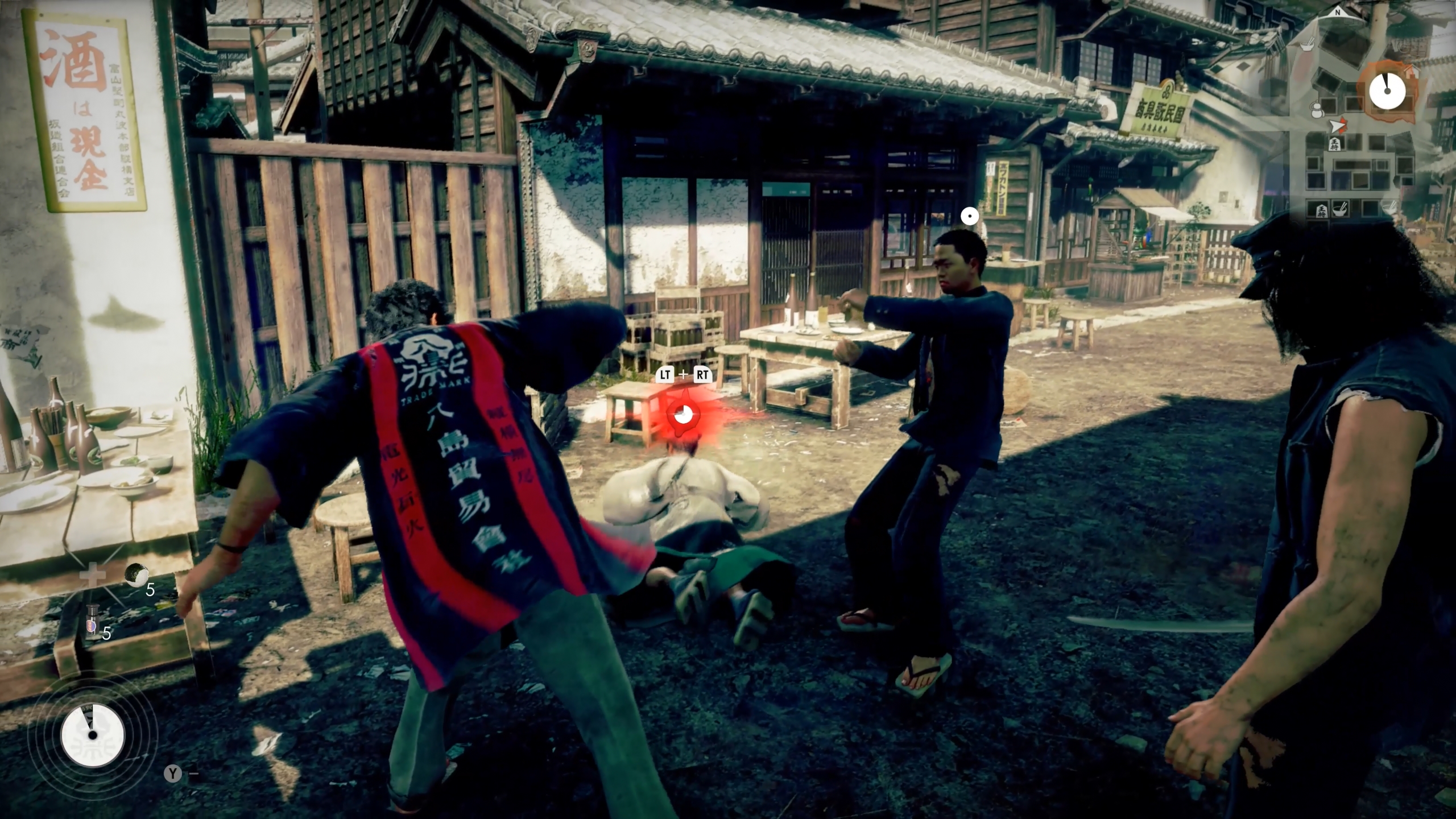
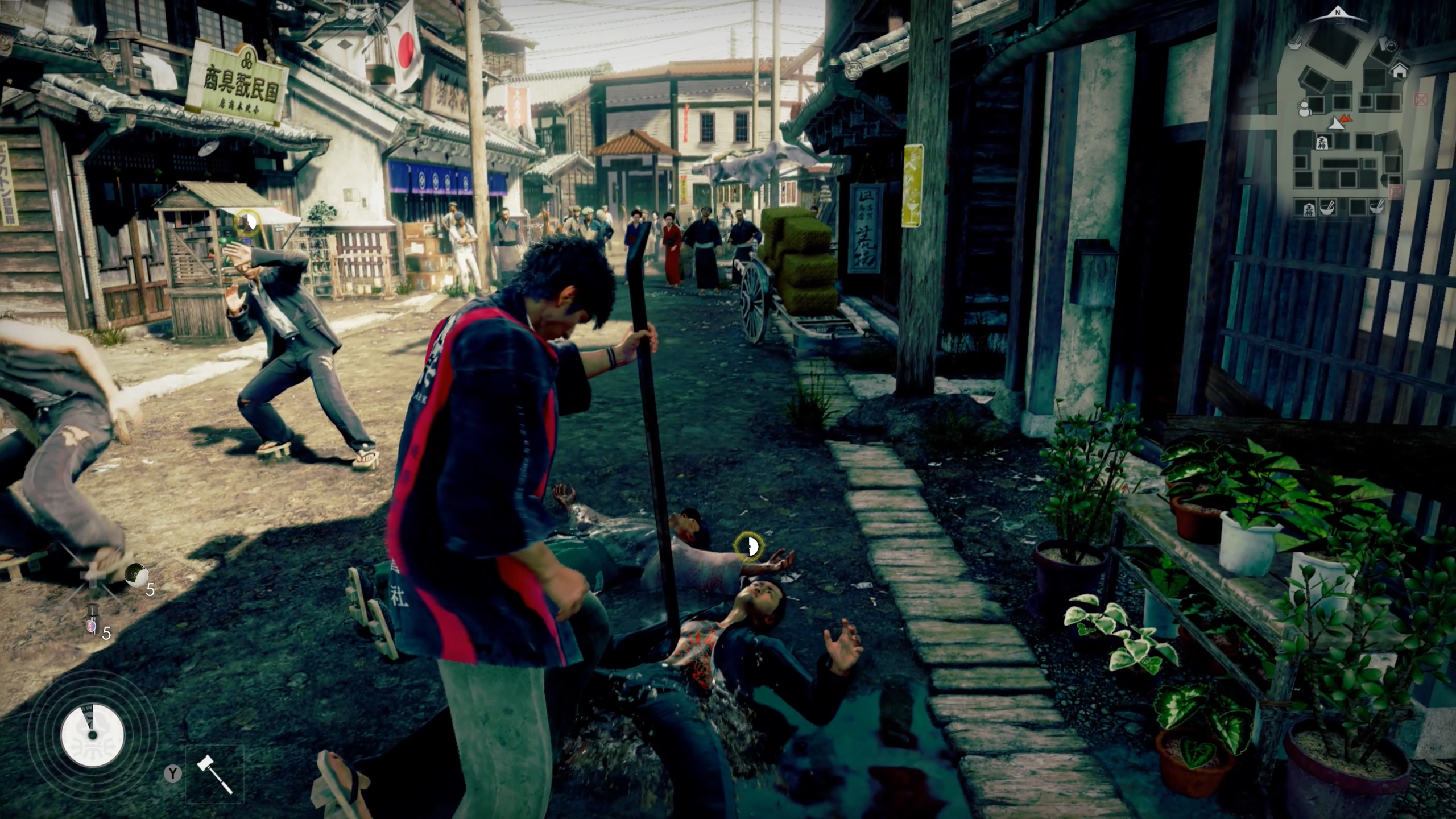
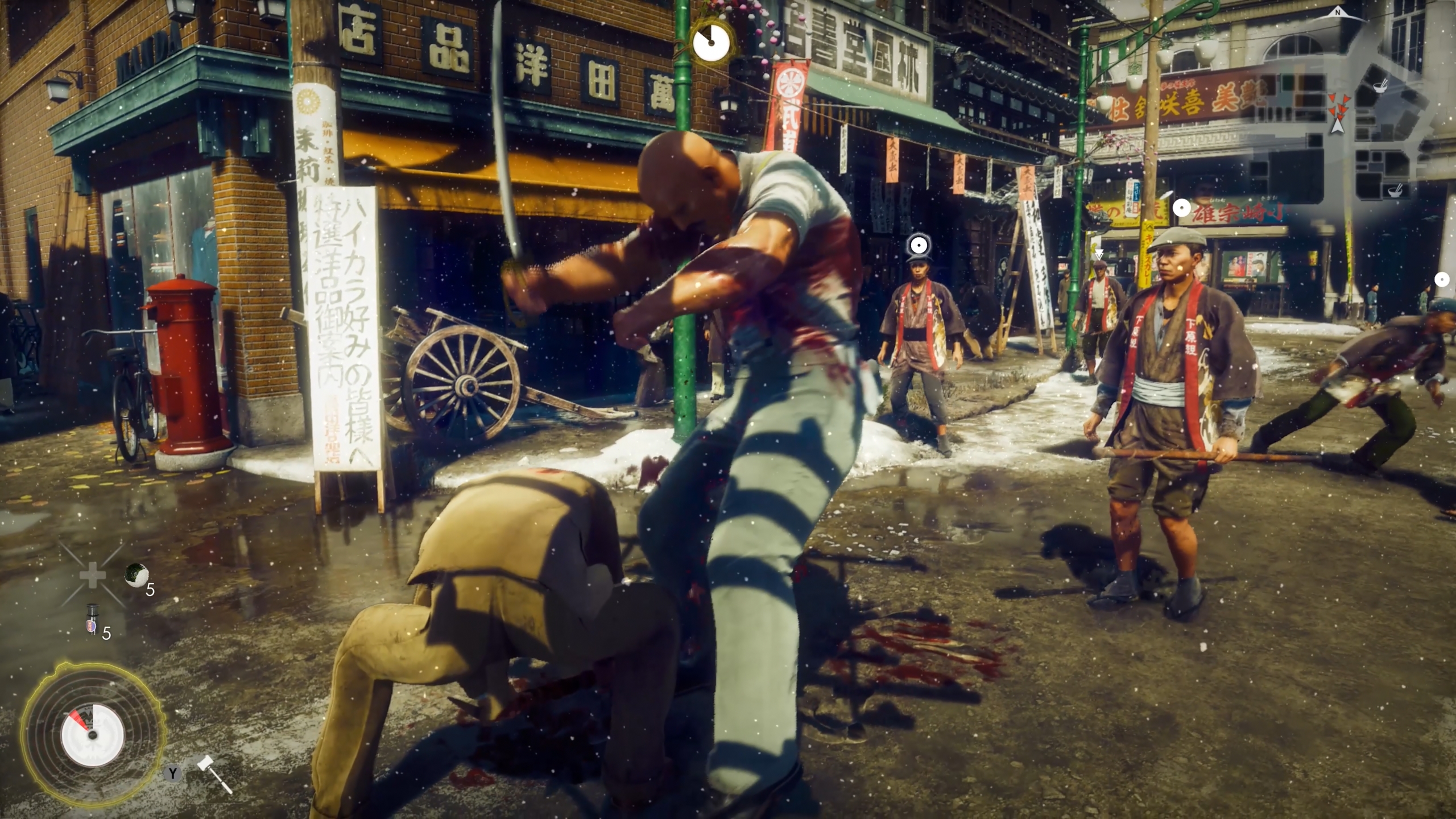
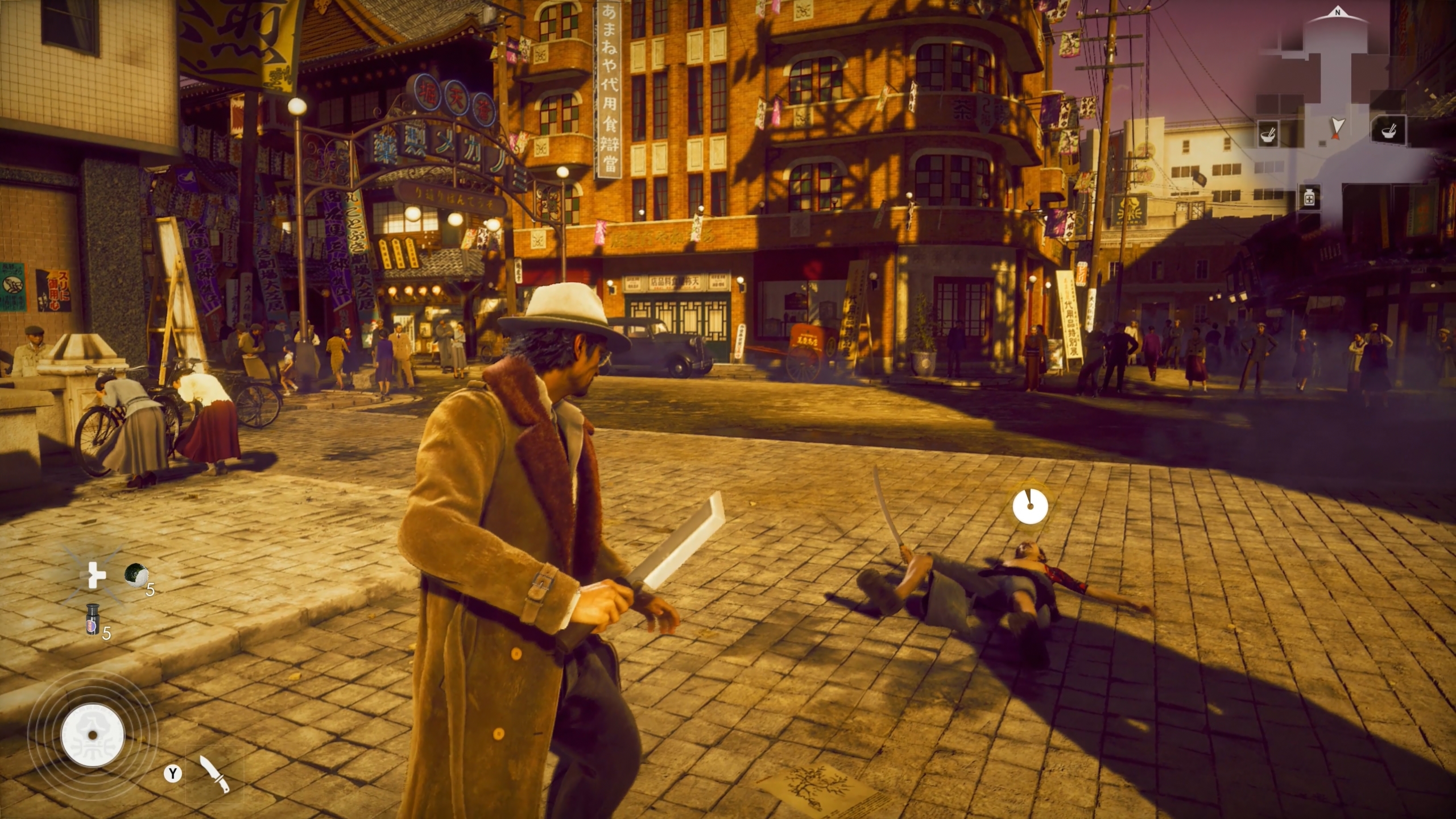
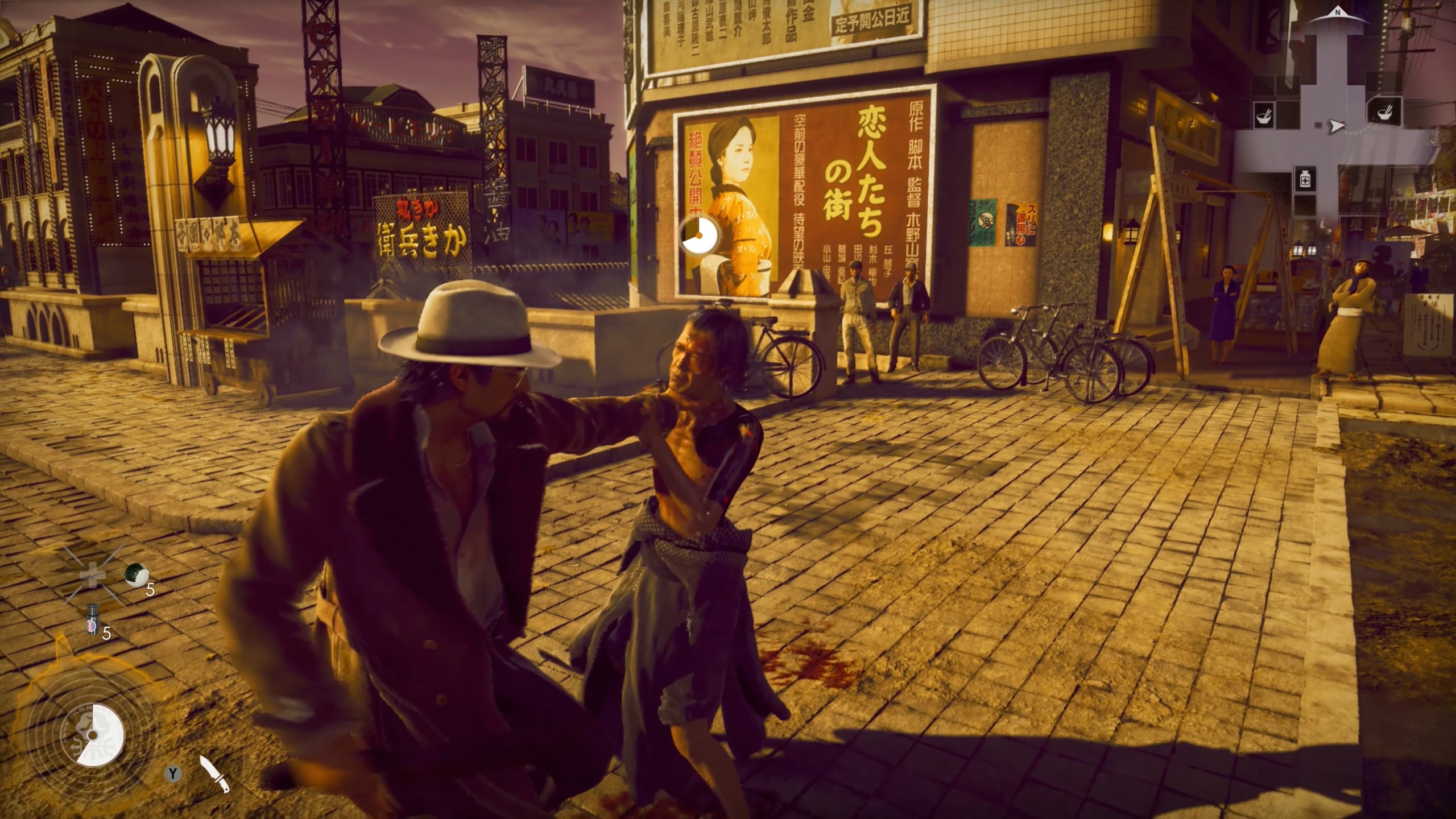
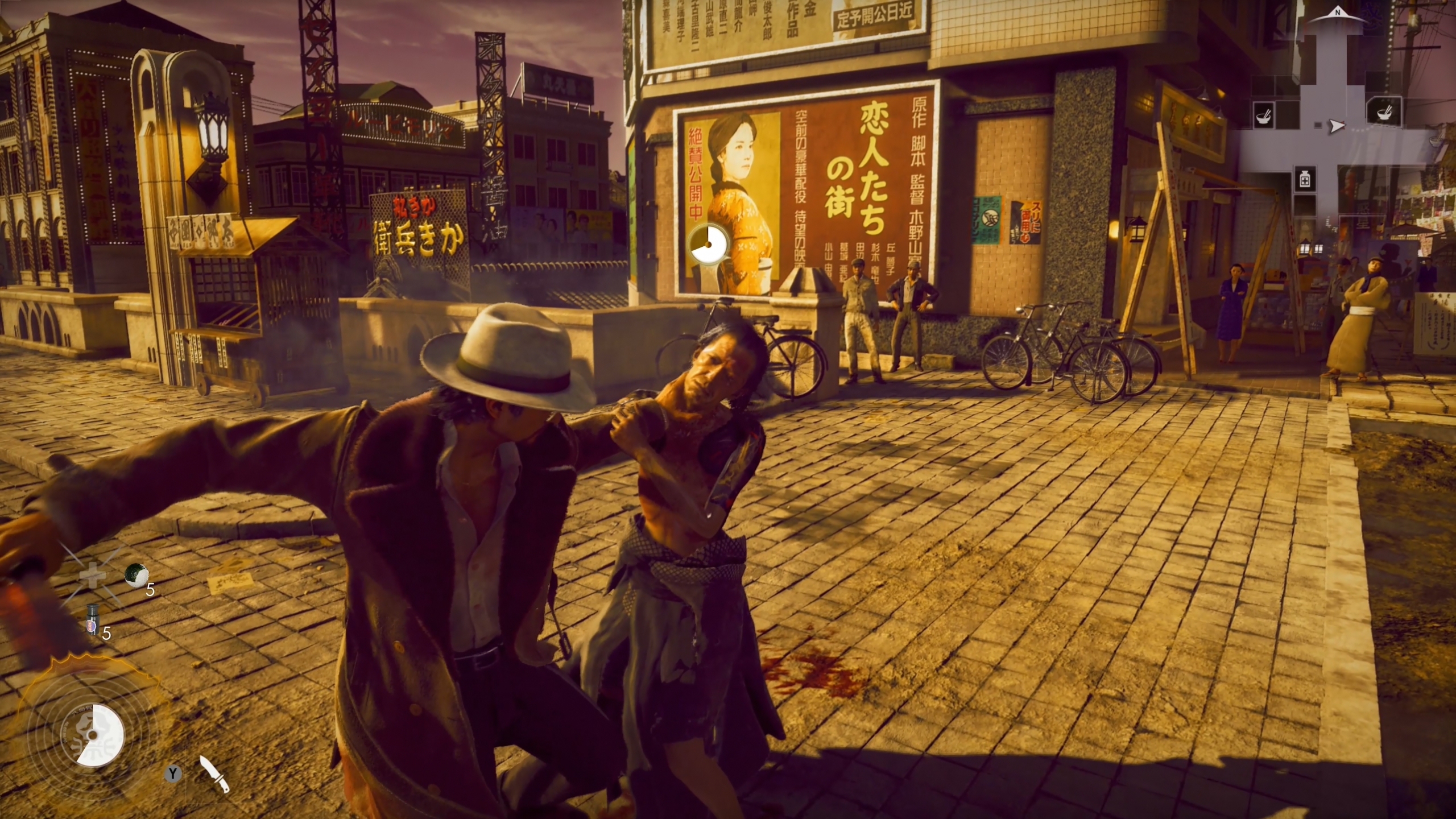
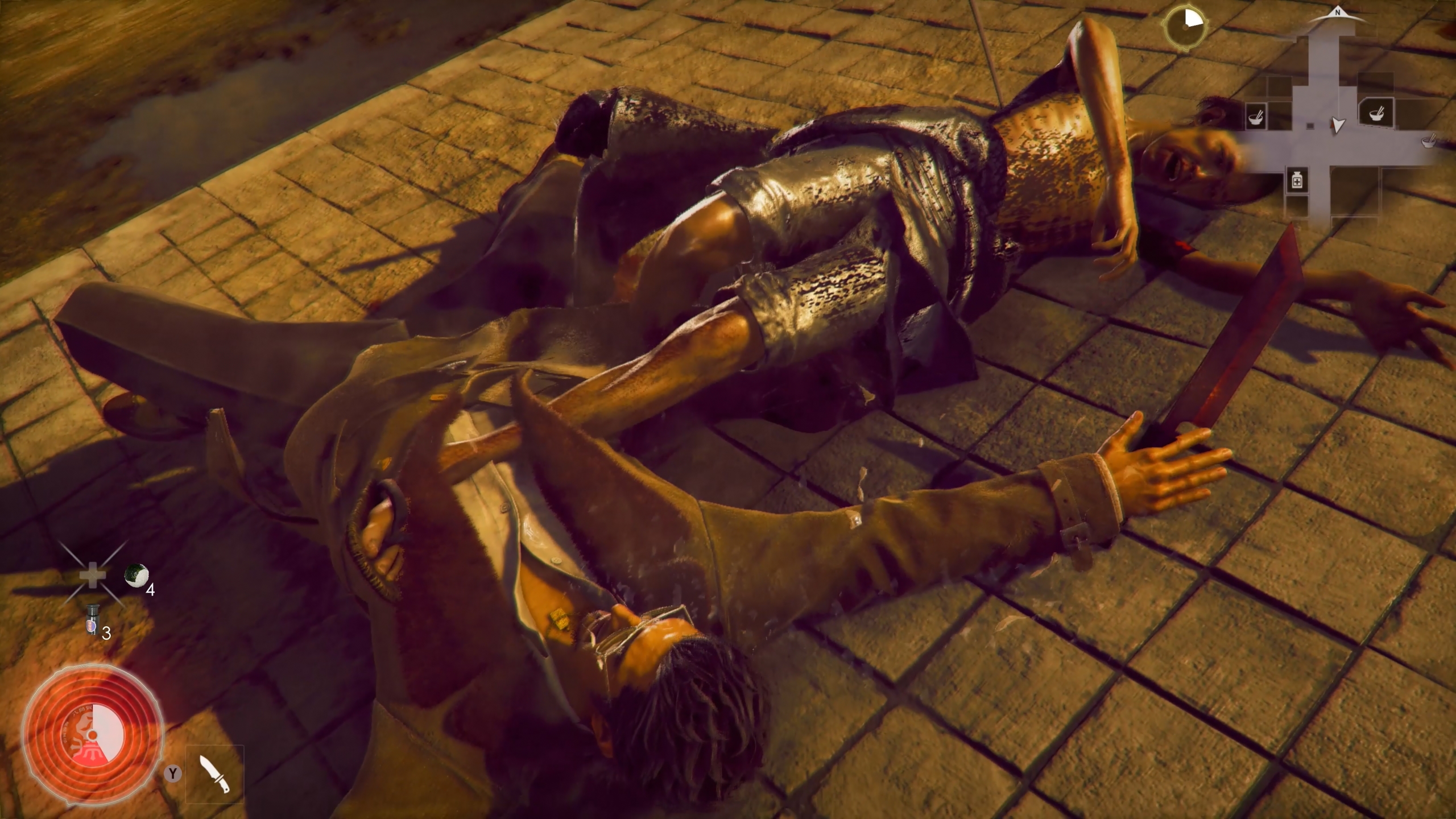
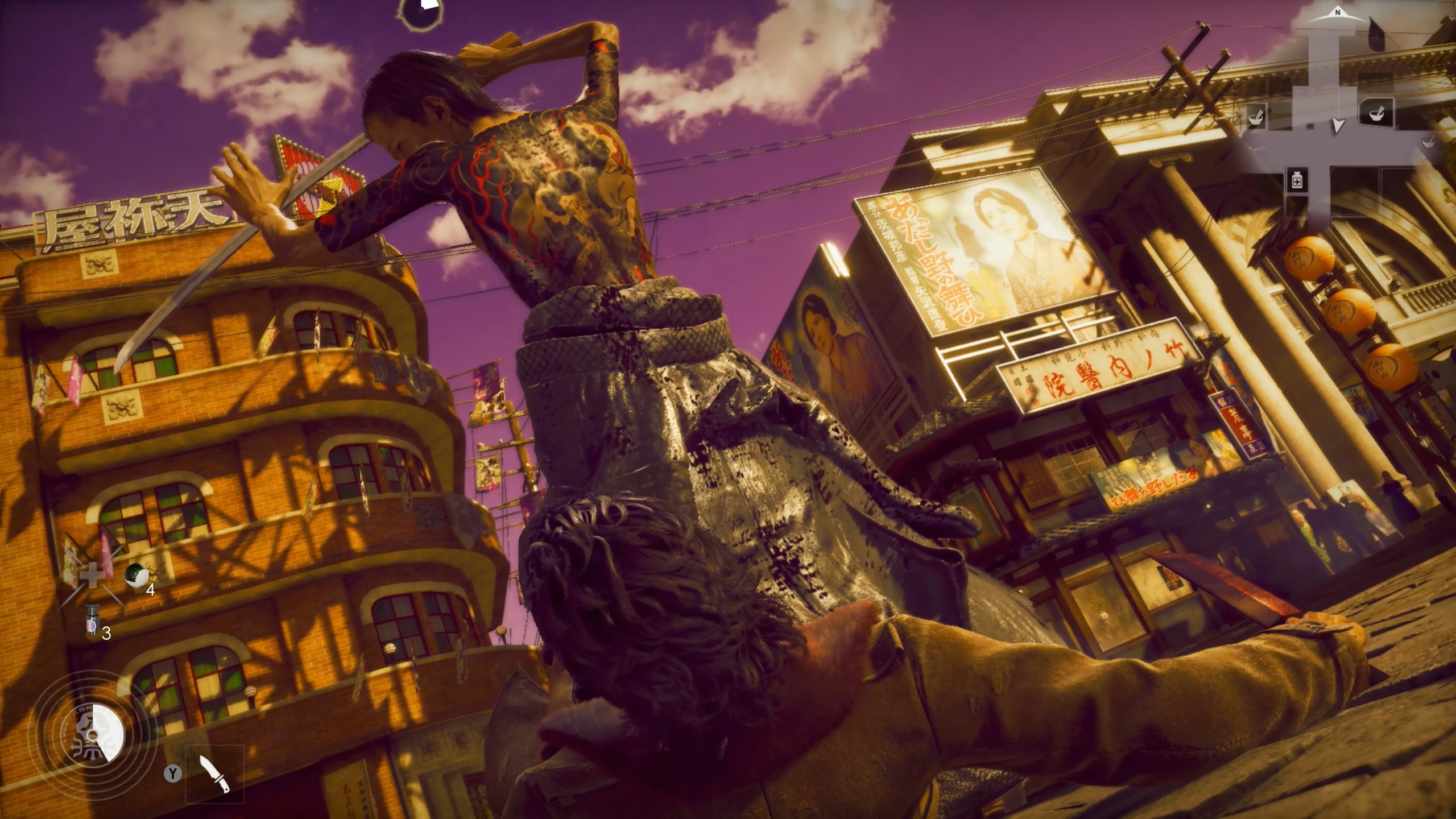
Stranger than Heaven possesses one of the most brutal knocked down states for players I’ve seen in a game lately. When a player gets knocked down by an enemy attack, they cannot get up immediately; they must wait till they have enough stamina to actually get back up. Enemies are free to continually attack them while they’re on the ground, and their only options are guarding (though they’ll still take a bit of damage per block) and rolling to a side.
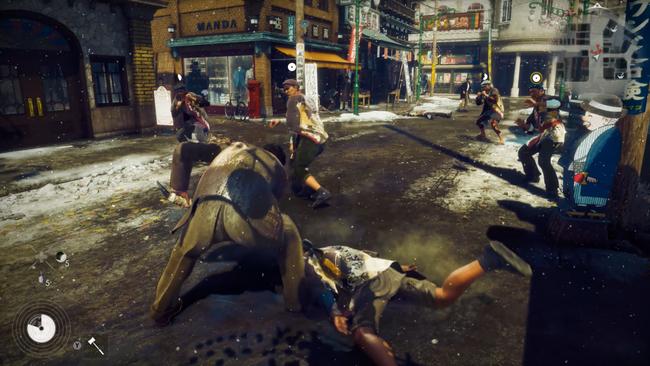
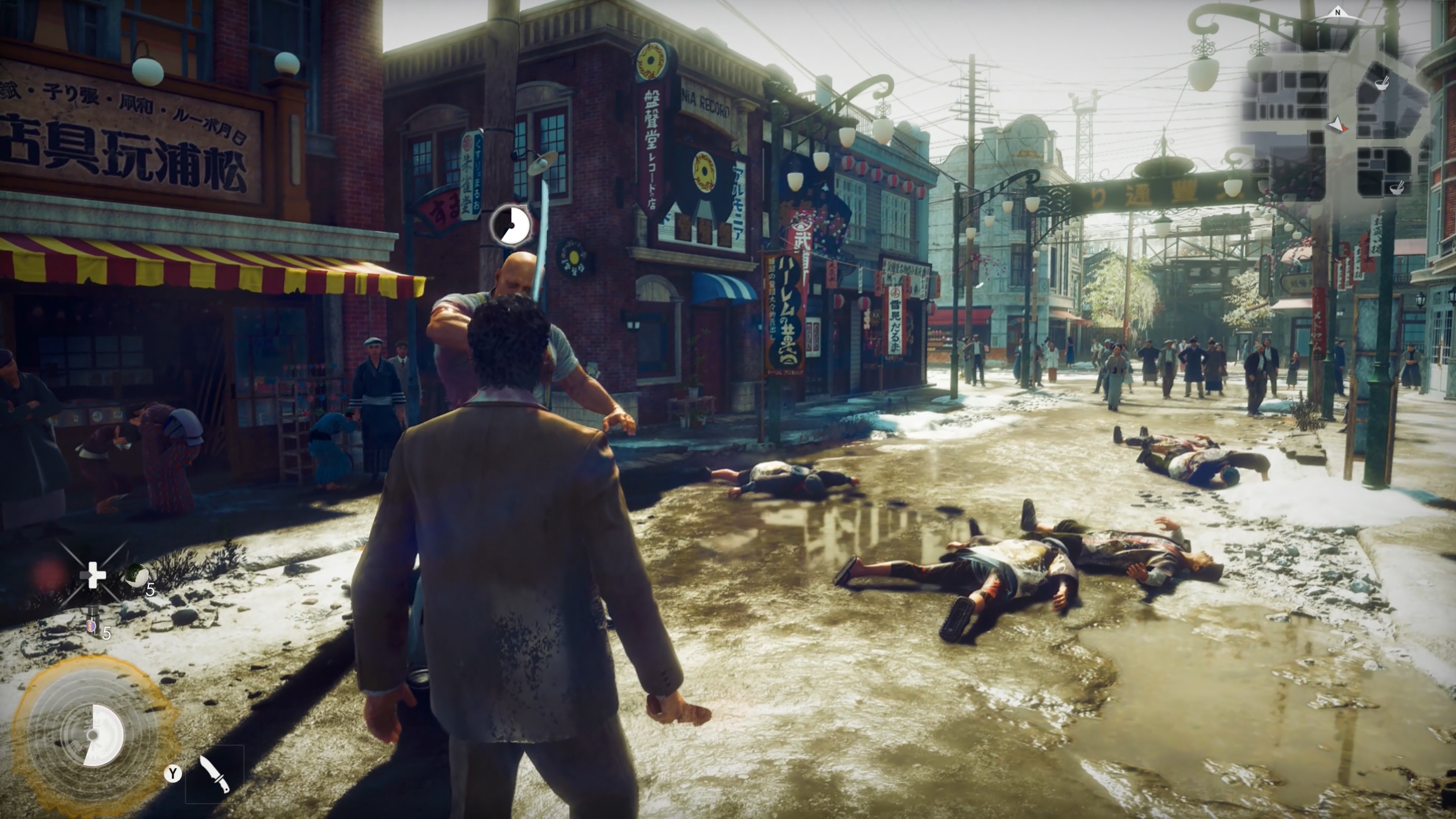
Each time the player character fell, it felt frustratingly helpless. Recovering stamina took a while, and the game, Stranger than Heaven, showed stamina in a unique way. Instead of a typical stamina bar, a color-changing circle indicated how much stamina Makoto had. When the circle was white, he was in good shape, but it turned orange as his stamina decreased. Makoto could only get back up when the circle returned to white.
Makoto can increase the power of his attacks by holding down a bumper or trigger for a charged attack. Pressing both bumpers will have Makoto attempt to grab the enemy. While blocking, players can parry an incoming attack if they block into the correct direction or angle of an attack. For instance, if a hook is coming from the left, properly countering the left punch will knock the enemy off-balance and deal significant damage to their posture. Depleting a common enemy’s posture will usually put them in a finisher state, while tougher enemies or bosses will initiate an attack that will deal a lot of damage.
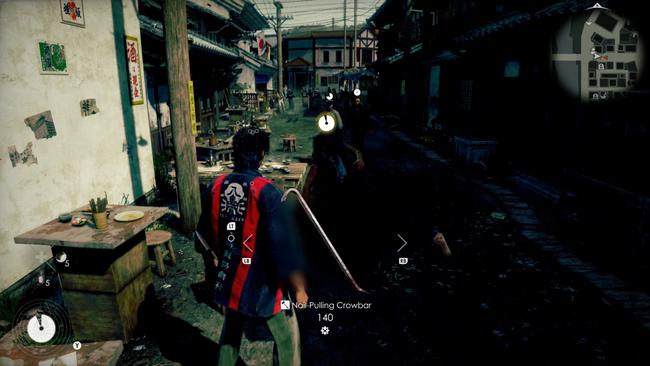
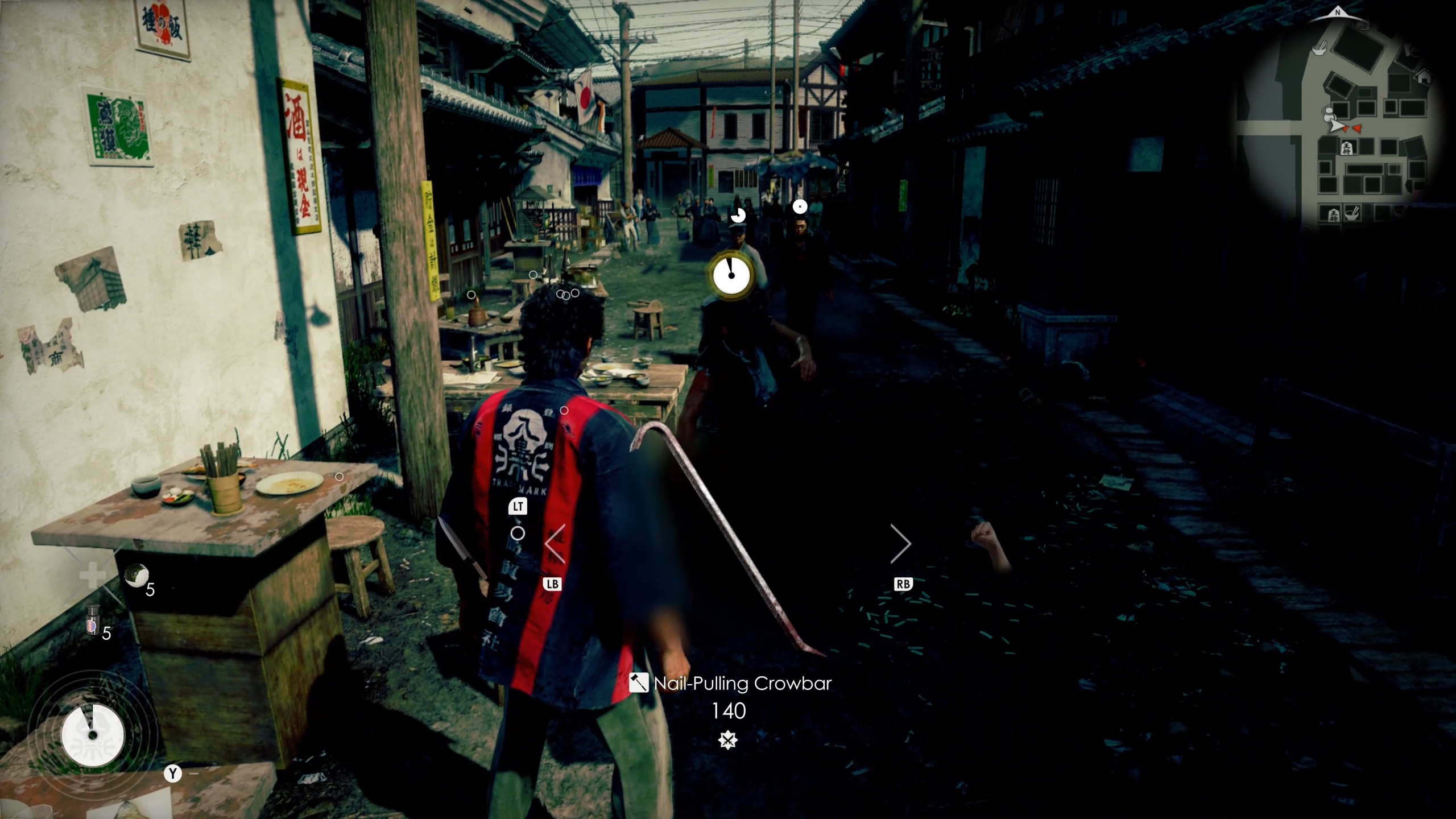
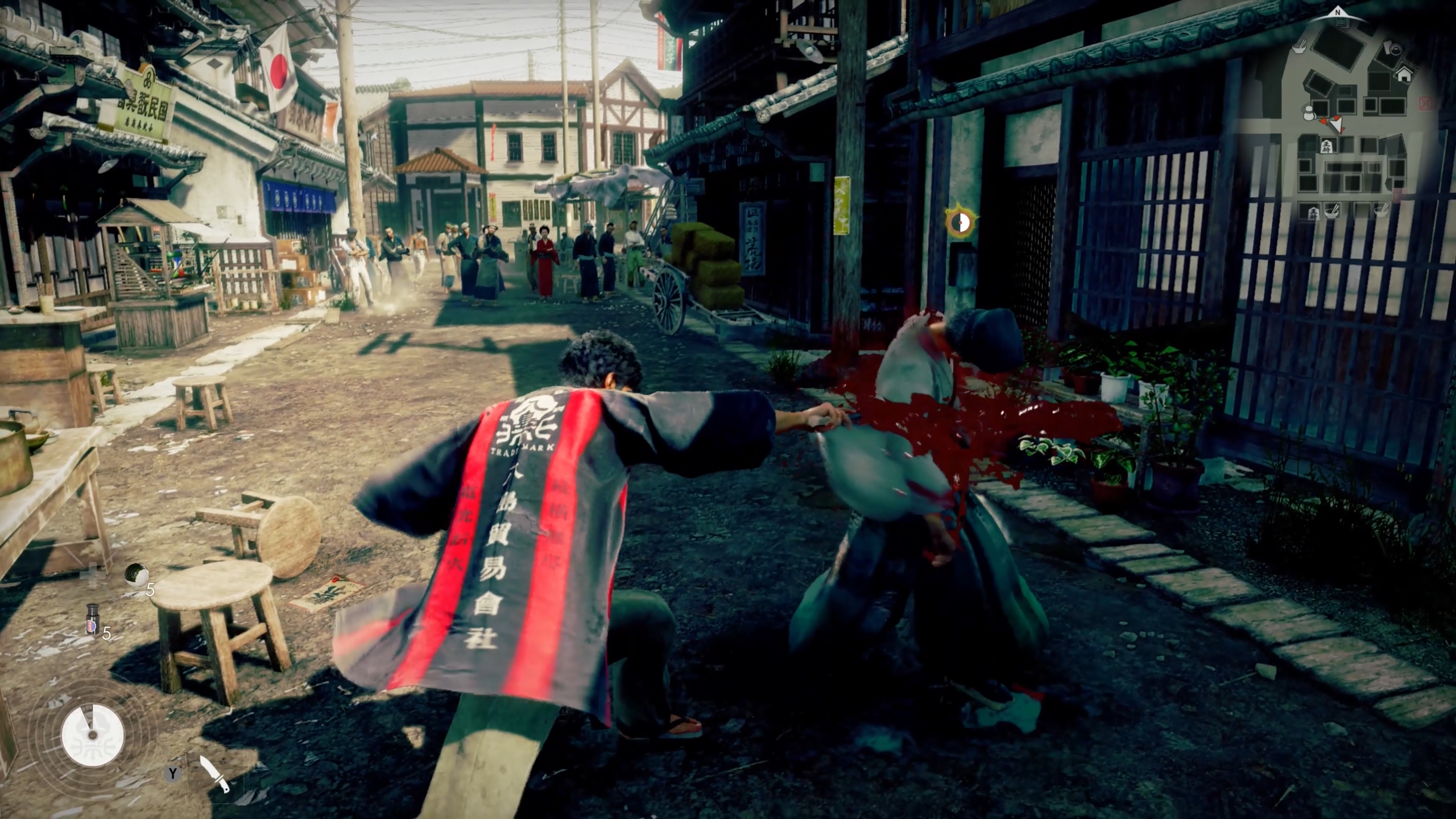
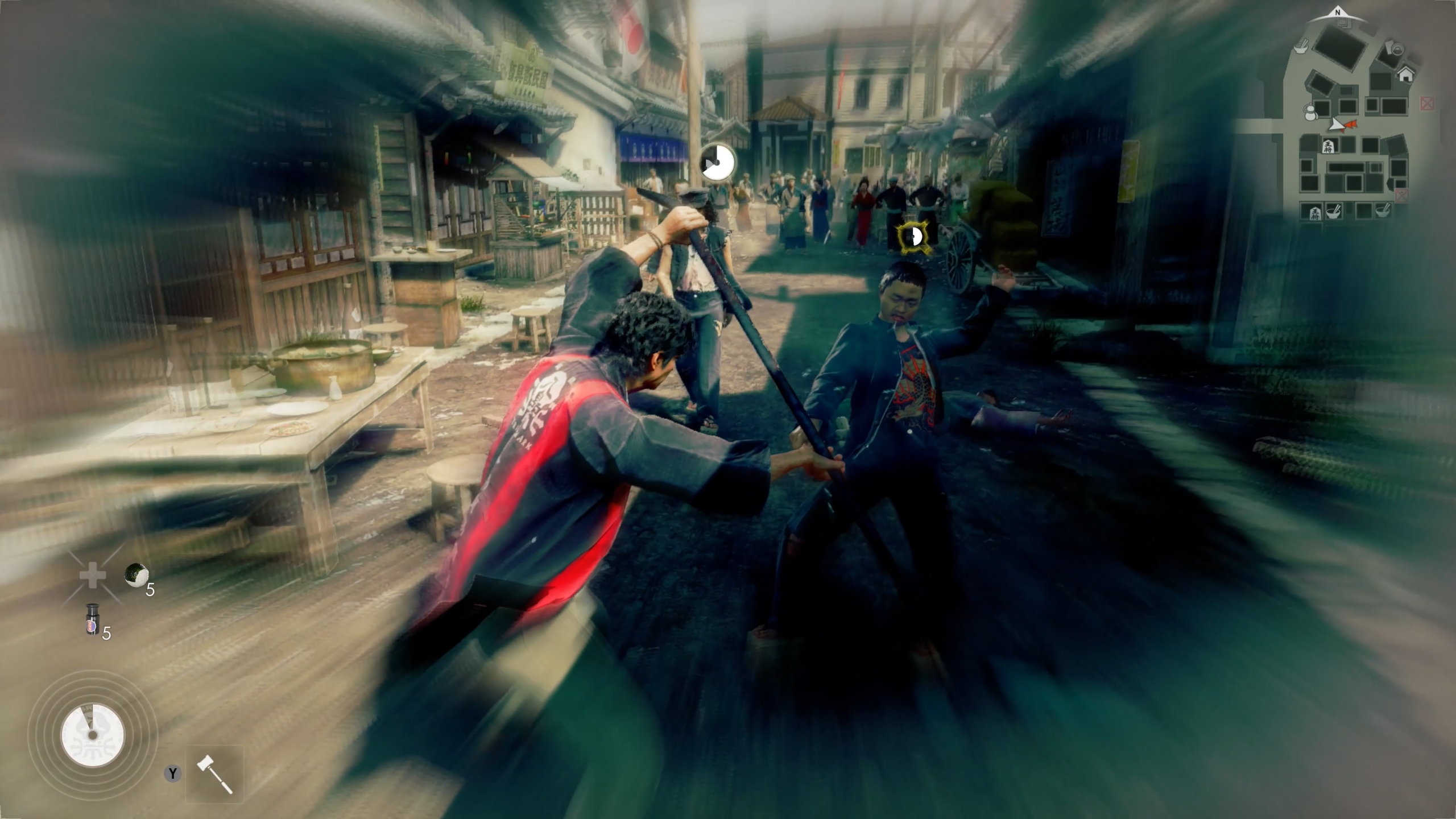
So far, Stranger than Heaven has shown a lot of close-quarters fighting, but I expect the final game will focus more on weapons. The developers told the press there will be 13 different weapon types, and the demo we played included a knife and a crowbar as examples.
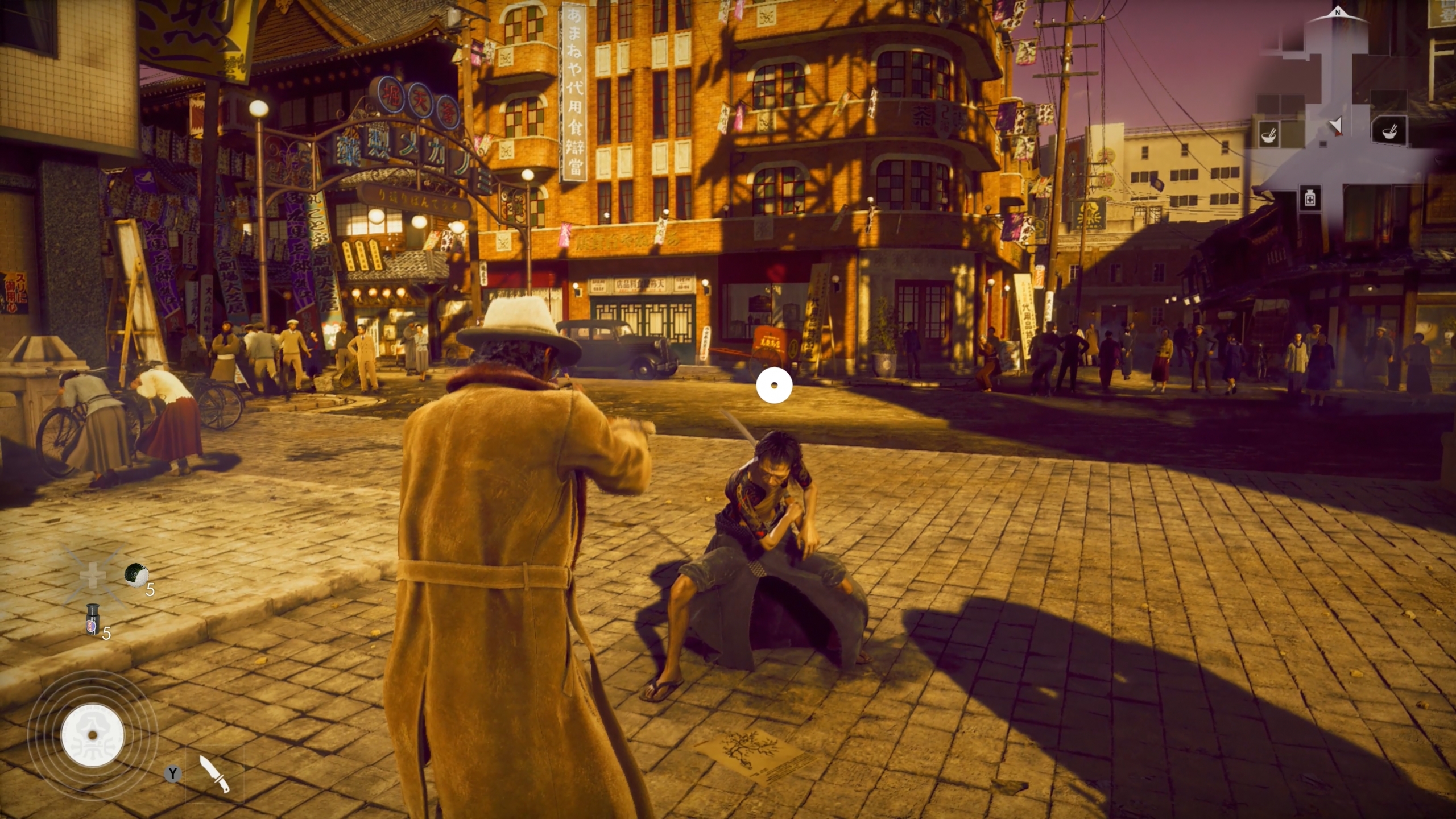
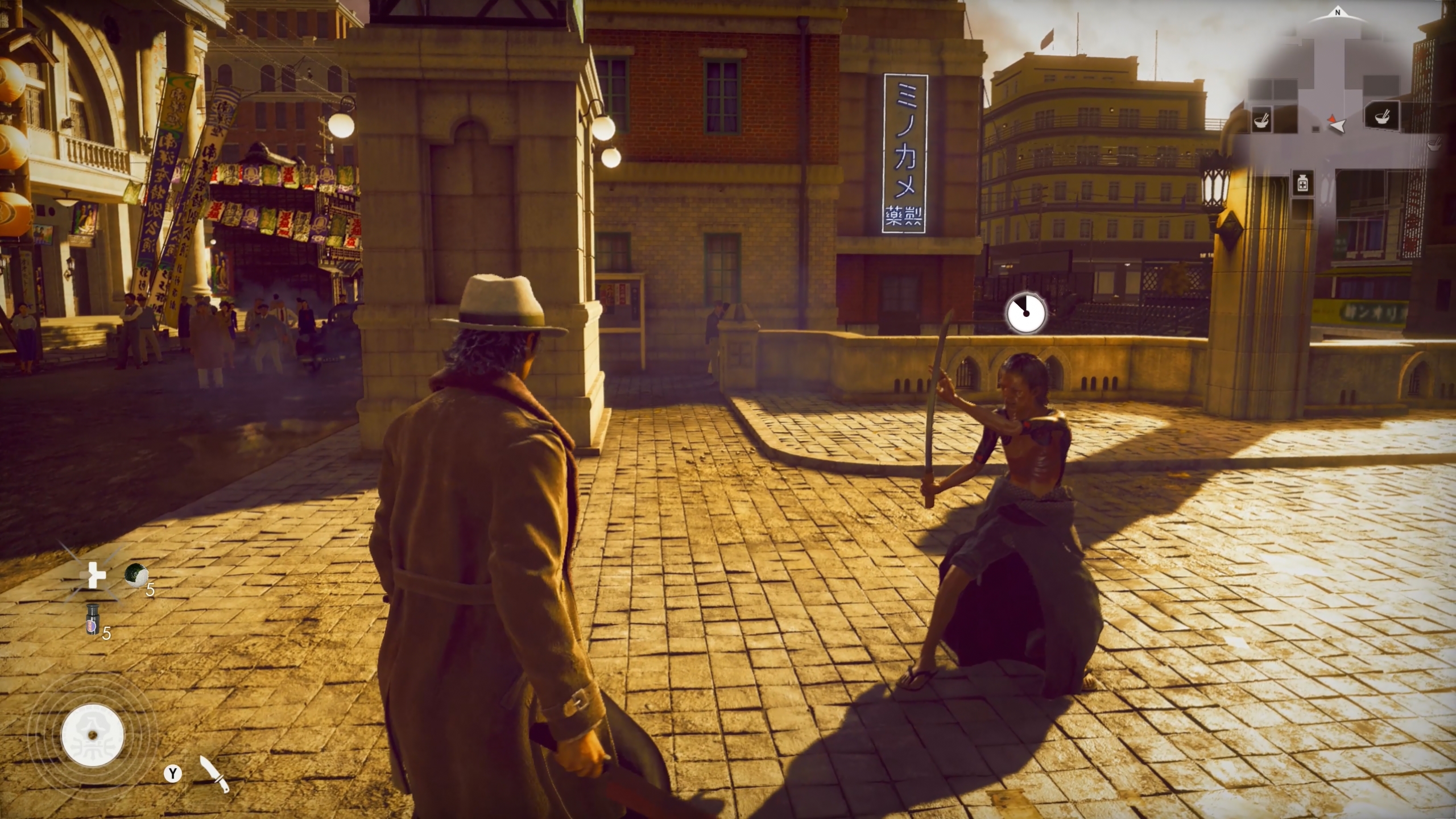
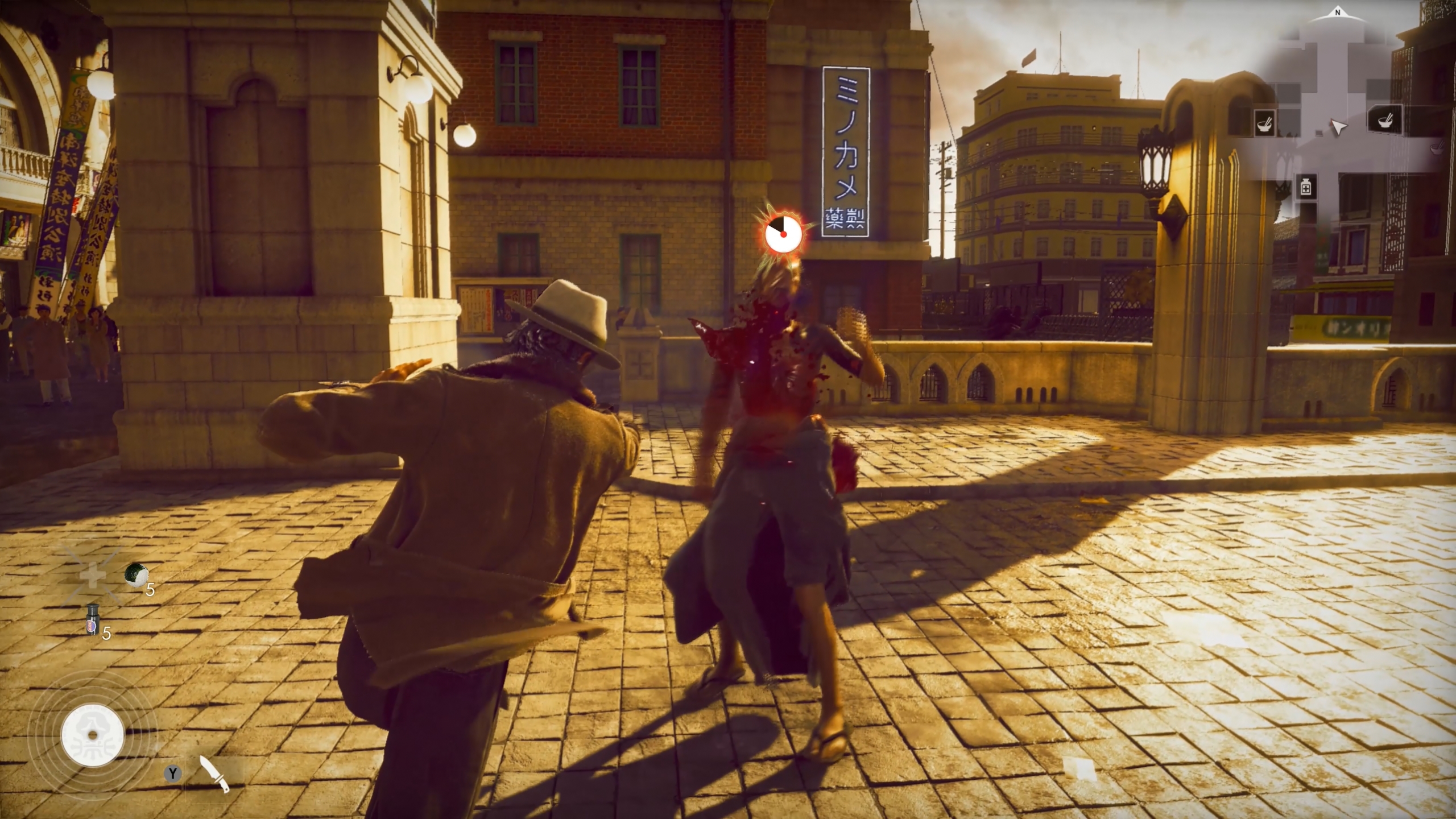
Unlike the Yakuza games, there is no durability degradation on weapons in Stranger than Heaven. Players will also have the option to upgrade them, as well. The knife in particular was extremely handy against the lone swordsman boss in the final advanced stage. It took me quite a few tries to beat, because the swordsman had some nasty moves up its sleeve that required a solid defense after learning what they all looked like and which enemy stances executed them.
Because Makoto holds the knife in his right hand, the right bumper on the controller is used to make him attack with it. I found that while he’s attacking with the knife, it’s effective to quickly punch the boss with his free left hand, which interrupts the boss and briefly stuns them. This gives me a chance to get in a few knife attacks before moving back to a safe distance and waiting for another opening.
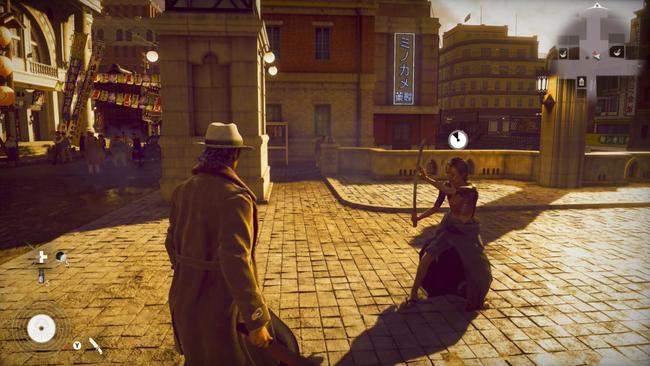
Meanwhile, I found the big crowbar useful in the intermediate demo; it involved a group of enemies with a larger foe among them. It was useful in managing the crowd at the cost of having a significant wind-up time to execute each attack and both of Makoto’s hands were occupied in lifting it.
Most players probably won’t understand Stranger than Heaven’s combat system right away. It takes some getting used to, and it took me around 15-20 minutes to really figure it out. I like that the game does something different with its combat and controls, rather than following the standard formula of other action games.
Once I began to grasp what Stranger than Heaven’s combat was going for, I quite liked that I could create my own attack openings and opportunities, rather than waiting for the “your turn” / “my turn” dance that tends to dominate the cadence of some other battle systems.
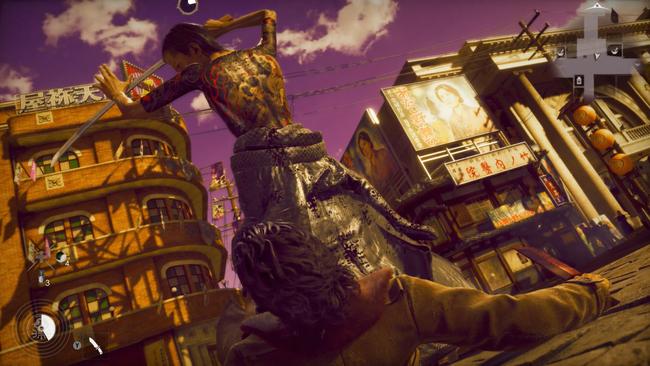
I’m still a bit unsure about Stranger than Heaven, and I hope RGG Studio doesn’t repeat this approach with future releases. The game is scheduled to launch on January 15, 2027, for PlayStation 5, Xbox Series X|S, and PC.
Stranger than Heaven
Read More
- Netflix’s Little House On The Prairie Reboot: Release Date, Cast & Everything We Know
- Off Campus Season 1 Soundtrack Guide
- YouTuber arrested after viral AI bodycam videos spark real police complaints
- Silver Rate Forecast
- Prime Video’s New R-Rated Spy Thriller Is Officially No.1 On Streaming Despite Poor Reviews
- Gold Rate Forecast
- Peaky Blinders: The Immortal Man’s Tommy Shelby Is a Better Father Than Michael Corleone
- EUR ZAR PREDICTION
- Brent Oil Forecast
- Bulgakov’s Take: Koreans Bet the Farm on Chips, Crypto, and Chaos
2026-06-11 16:58