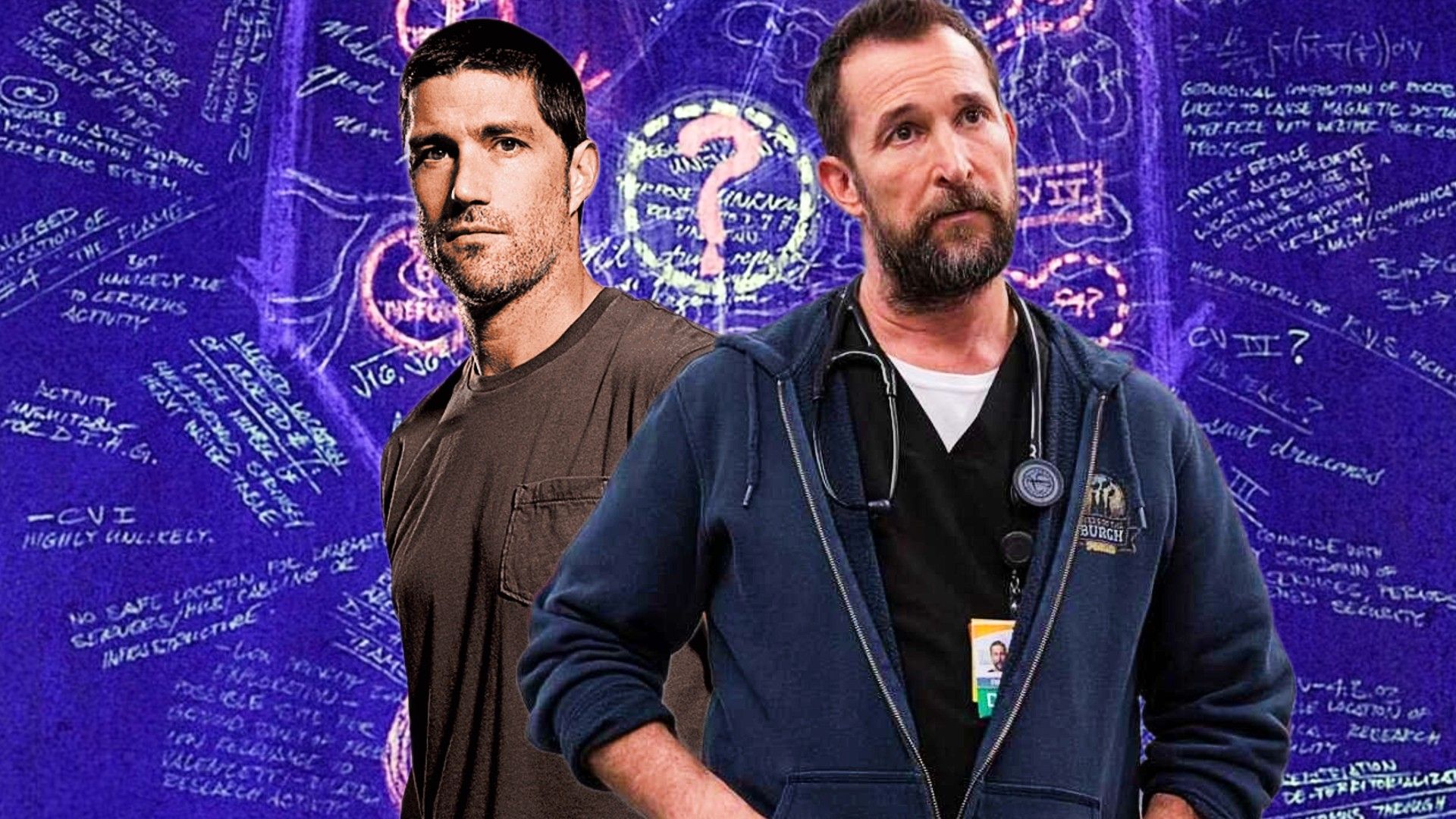
In 1999, the creators of The Blair Witch Project revolutionized movie marketing by using the early internet in a completely new way. They created websites designed to make the film appear as a genuine documentary, and they were so successful that many people actually believed it was real. While other films and TV shows attempted similar strategies afterward, none achieved the same impact. For a time, it seemed like The Blair Witch Project‘s success was a unique event. Then, the TV show LOST arrived and proved it could happen again.
Premiering in 2004, LOST wasn’t presented as realistic, but it heavily emphasized the central mystery, and that mystery extended to online fan discussions. The show became incredibly popular, largely due to what co-creator JJ Abrams called the “mystery box” concept. Abrams believed the enjoyment wasn’t in solving the mystery, but in endlessly speculating about it. He illustrated this with a story about a “Tannen’s Mystery Magic Box” his grandfather gave him – he never opened it, preferring the fun of imagining what might be inside rather than finding out.
J.J. Abrams often creates stories that feel like puzzles, even when the actual project isn’t designed that way. This approach has influenced fans, and it’s particularly noticeable in online discussions about HBO Max’s The Pitt. Even though the show doesn’t intentionally create mysteries, many viewers are convinced there are hidden secrets and elaborate storylines.
LOST Turned Fans Into Detectives
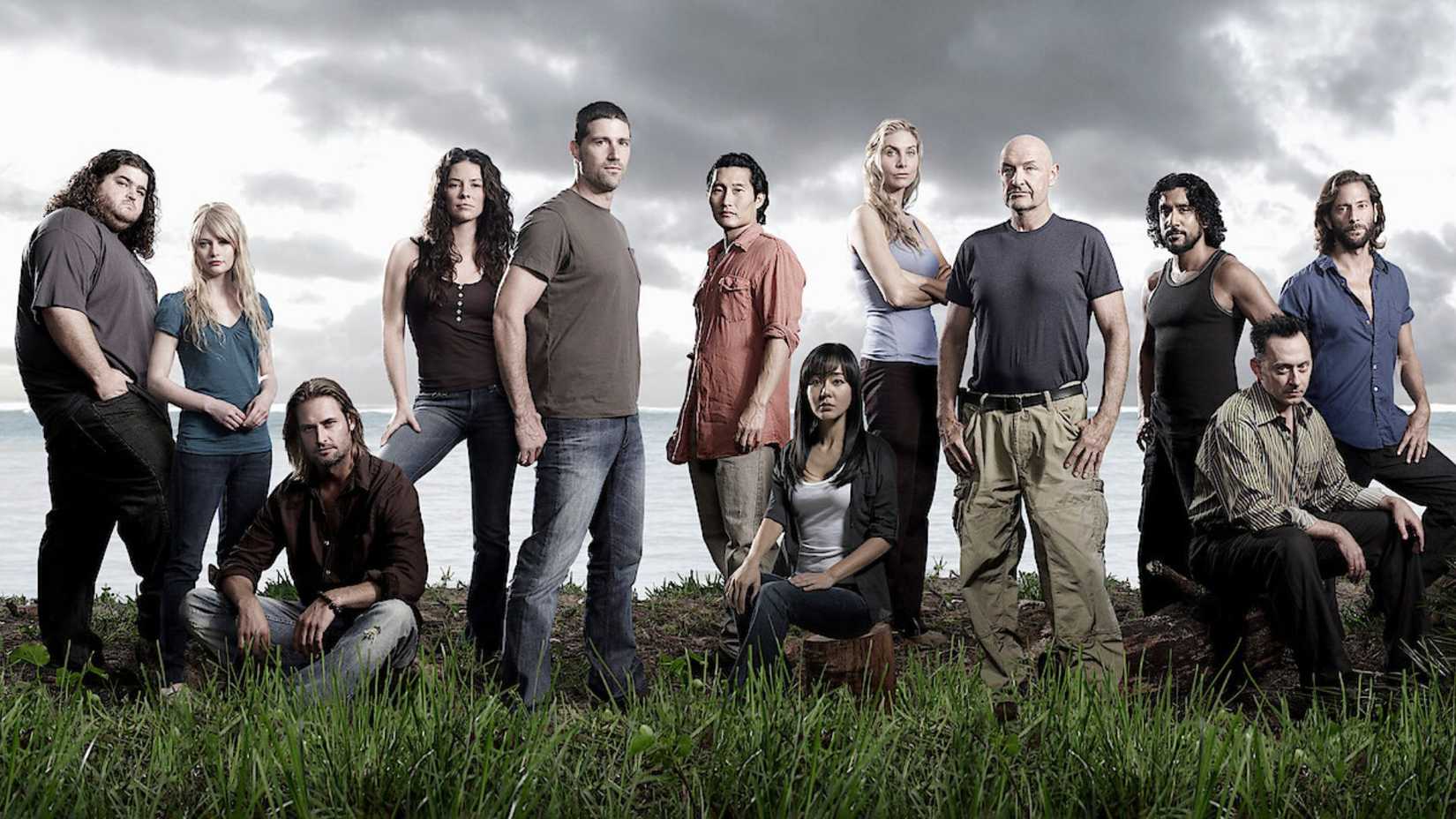
The TV show LOST initially captivated audiences with its central mystery and well-developed characters. However, its most dedicated fans didn’t stop at simply watching each week. They actively sought out hidden clues, and the show’s creators happily provided them. Episodes often featured obscure websites or company names, which fans would then discover were real, offering further insights into the show’s complex story.
Fans created websites for Oceanic, the airline in the show, and for Janelle Granger, a survivor whose story wasn’t featured on screen. There was also a site dedicated to flight 815 itself, serving as both a memorial for the characters and a place to uncover details about their backgrounds.
The growing popularity of social media, like MySpace and the newly launched Facebook around the time LOST first aired, gave dedicated fans ways to delve deeper into the show’s mysteries between episodes. I remember one close friend who was completely hooked, constantly checking online forums and the official website for any hint of a clue. He, like many others, created elaborate storylines and details in his mind that weren’t actually part of the show itself.
As expected, many viewers were disappointed with the show’s finale. It didn’t resolve the mysteries hinted at on the show’s official website or confirm the popular fan theories that had developed. Especially dedicated fans felt let down and continue to express their disappointment with the show’s creators, including J.J. Abrams.
The Mystery Box Spread
Rather than treating LOST as a chance to learn and improve, both for those who made the show and its audience, television started favoring quick, self-contained mysteries. Heroes, with its premise of saving the world through everyday heroism, was the next most successful show in that style, but it didn’t maintain audience engagement nearly as long as LOST. Eventually, networks realized they didn’t need to actively nurture fan communities or provide elaborate clues. Dedicated fans would create those things themselves, keeping the shows popular without extra effort from the studios.
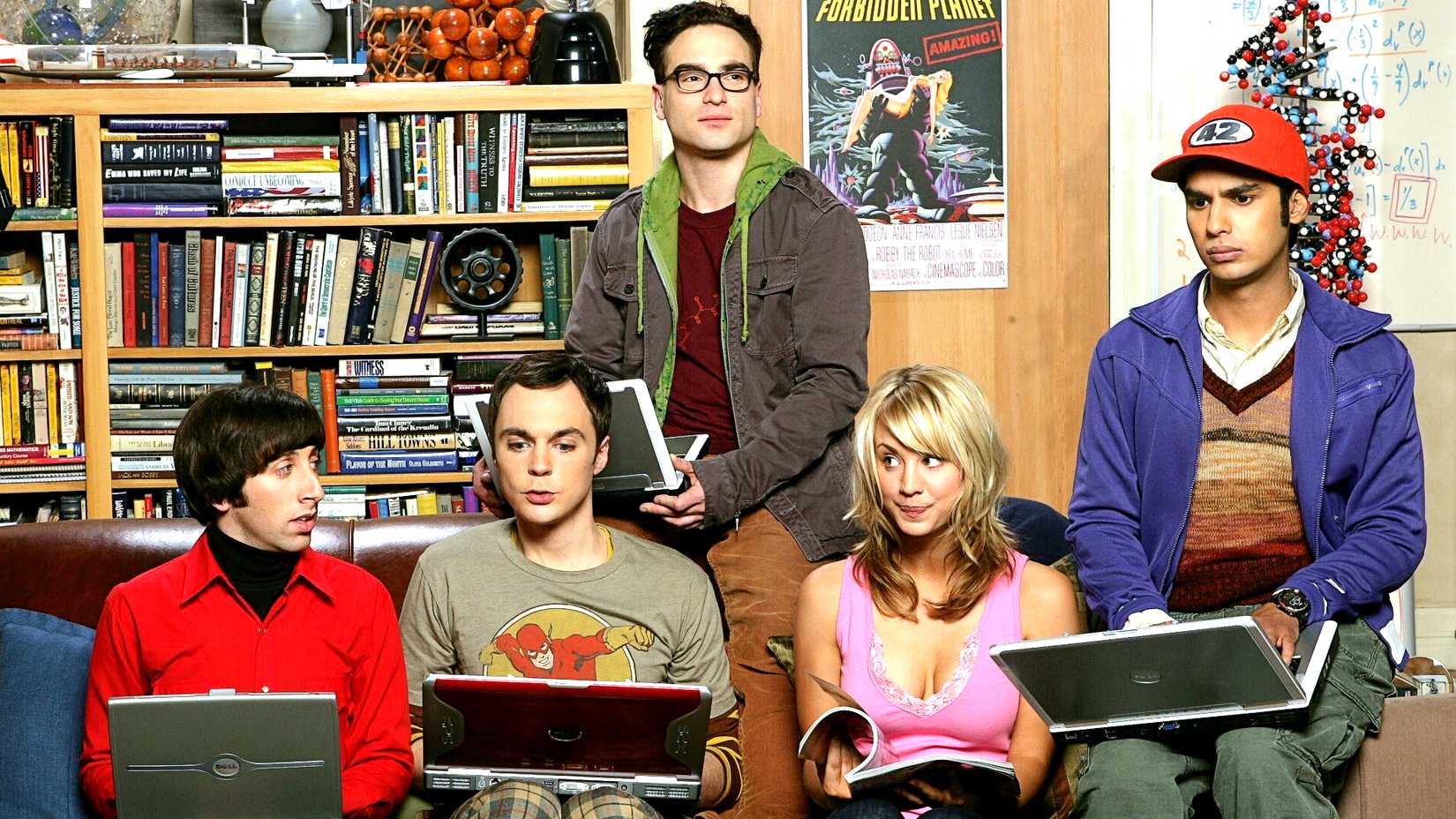
It didn’t take long for every TV show to have its own wiki and a flood of unusual fan theories. It’s true – every show. Even something like The Big Bang Theory has inspired some pretty wild speculation. Social media helped fans share theories about shows with built-in mysteries, which made sense. But eventually, this habit of overanalyzing things spread, and now it feels like fans are creating elaborate theories about the characters and plots of all shows. No series has seen more of this than The Pitt.
The Pitt Gets Caught In The Mystery Box
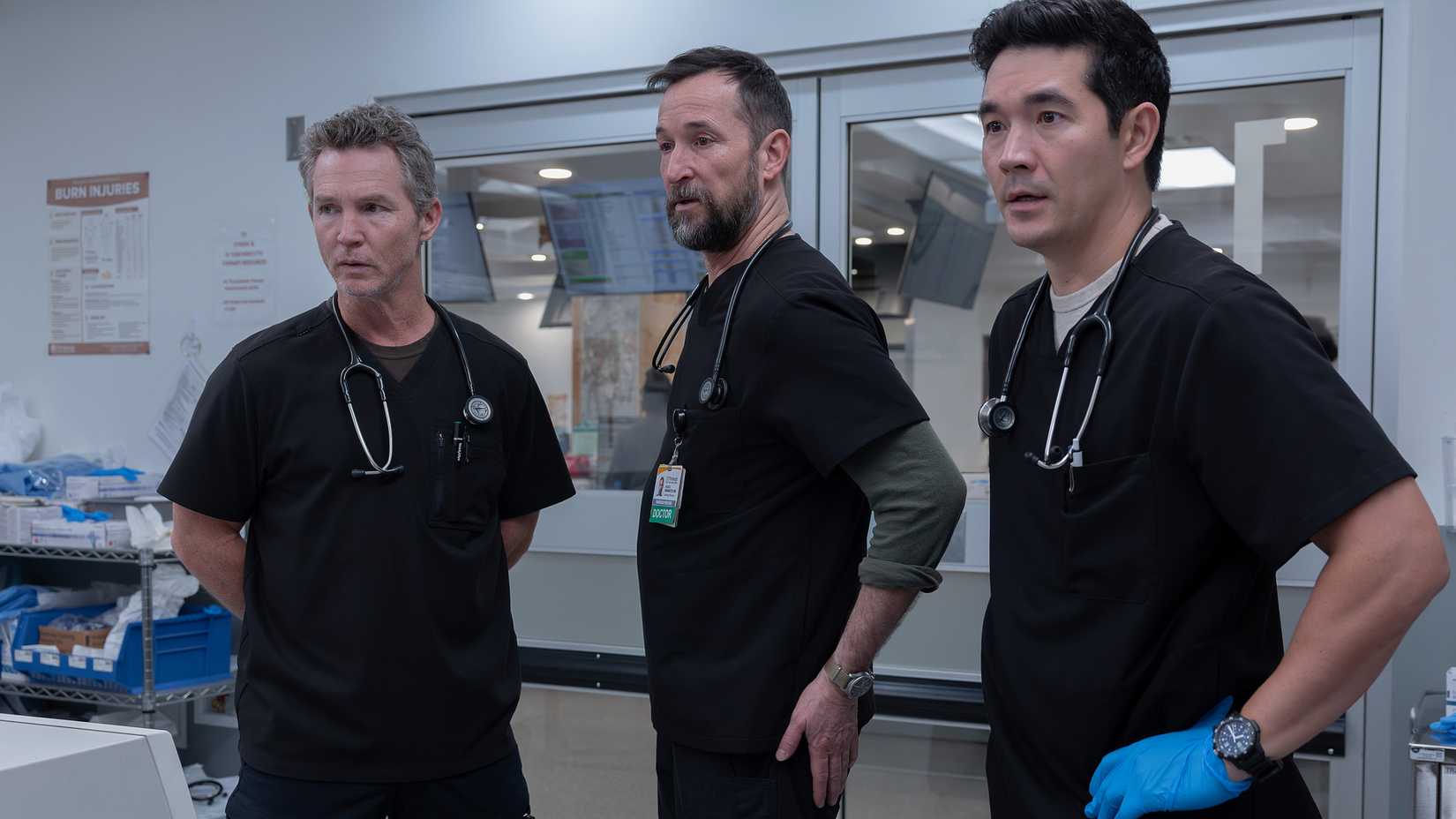
It’s easy to see why viewers might initially expect some mystery in The Pitt. Each season unfolds in a single day, spanning 15 hours. Plus, the seasons aren’t directly connected – ten months pass between the first and second seasons – meaning relationships evolve and characters come and go. We can anticipate the same happening when the third season arrives.
While the show’s real-time format might initially seem like a way to create intrigue, it’s actually designed to ramp up the tension. We follow the ER staff throughout their entire shift, witnessing their exhaustion and the mounting pressure as the hours go by. As the season unfolds, the characters become increasingly frayed, sometimes snapping at each other or even patients – a realistic portrayal of how people react when they’re tired, stressed, and overwhelmed. This is what truly makes the show compelling: seeing these dedicated professionals struggle while still striving to help others. However, some viewers crave a more elaborate mystery, influenced by the two decades of online TV discussion focused on uncovering hidden secrets.
Many viewers of The Pitt are getting caught up in trying to find hidden meanings and secrets, when the show is truly focused on its characters. For example, some believe Dr. Abbot isn’t real, but a creation of Dr. Robby’s mind – even though Dr. Abbot interacts with characters Dr. Robby isn’t present with. Others have even suggested Dr. Langdon is a vampire, despite the show being a generally realistic depiction of an emergency room. It’s unclear why a vampire would be hidden or why it wouldn’t be a central part of the story.
Throughout the second season, a central mystery revolved around “Baby Jane Doe,” an abandoned infant found in the hospital. Many viewers, particularly on the platform Threads, speculated that one of the hospital staff – a doctor or nurse – was actually the baby’s mother. It seemed odd to some that no one noticed Dr. Santos’s apparent pregnancy and then sudden lack of it, but those invested in the show’s mysteries didn’t let that bother them. Some fans even proposed wild theories, like the baby being sent back in time from the future.
These theories are generally harmless, but they do create one issue. Some viewers of the show get upset when a season ends and their predictions – even the most far-fetched ones – don’t come true, and they feel the show misled them. However, the show hasn’t done anything to encourage these ideas. The Pitt simply presents a slice-of-life series focused on the characters and their immediate circumstances. It’s never hinted at any larger mysteries, or suggested anything outlandish like a doctor being a vampire or the possibility of time travel.
Some fans seem unable to accept the show for what it is, and insist there must be a hidden, larger story. They’re frustrated by the lack of a big reveal or unsolved puzzle, even though the show never promised one. This raises a question: what expectations are these viewers bringing to the series?
Read More
- Netflix’s Little House On The Prairie Reboot: Release Date, Cast & Everything We Know
- Off Campus Season 1 Soundtrack Guide
- YouTuber arrested after viral AI bodycam videos spark real police complaints
- Silver Rate Forecast
- Prime Video’s New R-Rated Spy Thriller Is Officially No.1 On Streaming Despite Poor Reviews
- Brent Oil Forecast
- Gold Rate Forecast
- Bulgakov’s Take: Koreans Bet the Farm on Chips, Crypto, and Chaos
- EUR ZAR PREDICTION
- Peaky Blinders: The Immortal Man’s Tommy Shelby Is a Better Father Than Michael Corleone
2026-04-27 02:19