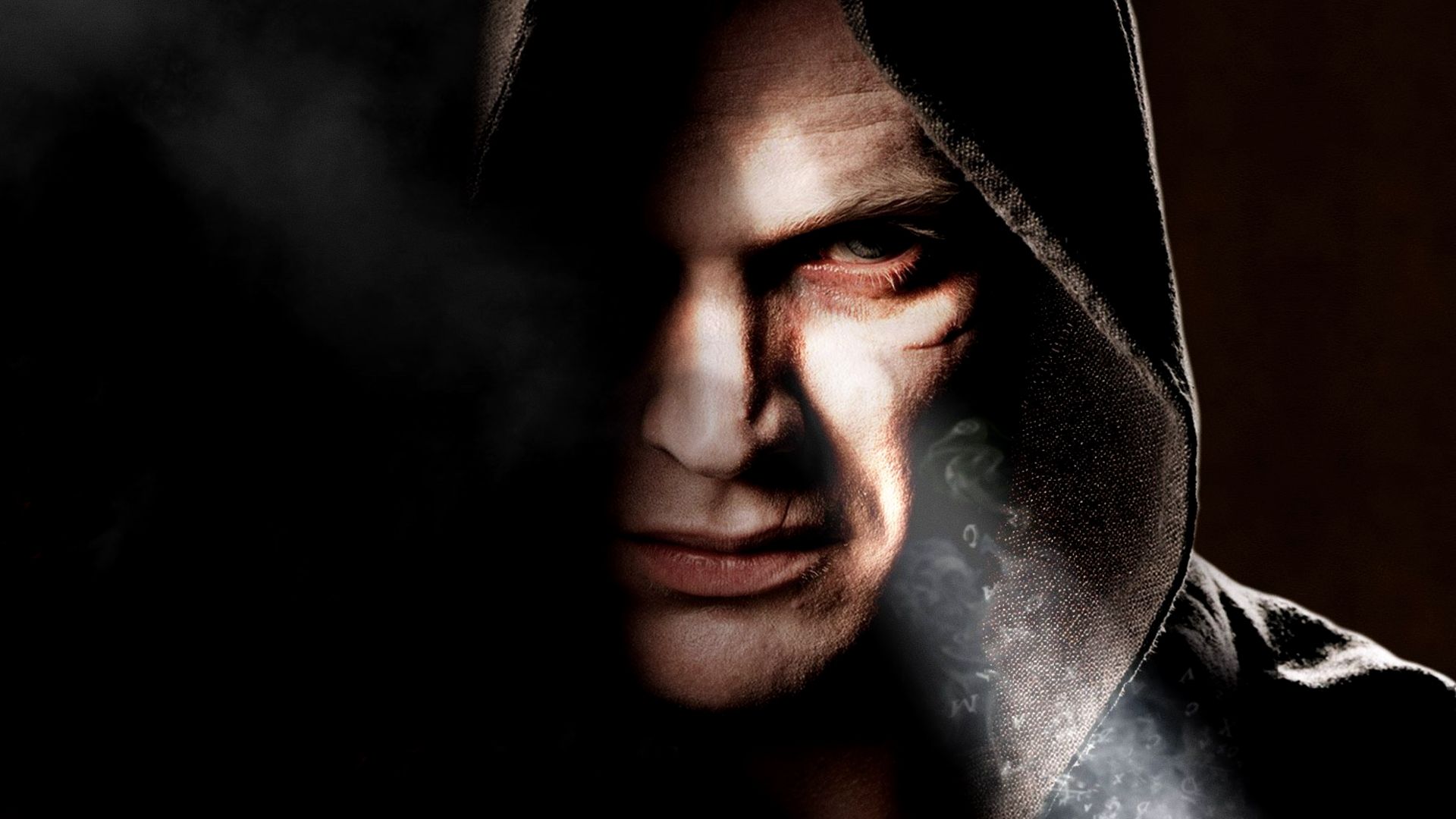
A hugely popular and often debated film from the 2000s likely wouldn’t have the same effect if released now. The decade was a turning point for movies worldwide, with big, ongoing series becoming incredibly successful and changing how people watched films. Epic stories like The Lord of the Rings and Harry Potter were dominant, and we started seeing the first cinematic universes and a boom in superhero movies, including Jon Favreau’s Iron Man and Christopher Nolan’s The Dark Knight.
The mid-2000s saw several popular movies spark significant public discussion. Mel Gibson’s The Passion of the Christ was a huge financial success, earning over $611 million globally, even though its violent content and religious themes were controversial. Similarly, comedies like Larry Charles’ Borat became major cultural events, generating lawsuits and bans that actually boosted their popularity.
Films such as Stanley Kubrick’s A Clockwork Orange and William Friedkin’s The Exorcist had already shown that challenging authority and social norms could be a surprisingly effective way to attract attention, just as powerful as expensive advertising campaigns. This became even clearer at the start of the new millennium with commercially successful, yet controversial, movies like Ron Howard’s The Da Vinci Code.
The Da Vinci Code Was A Massive Hit For Its Time
A Conspiracy Thriller Book Adaptation Challenged Pirates Of The Caribbean At The Box Office
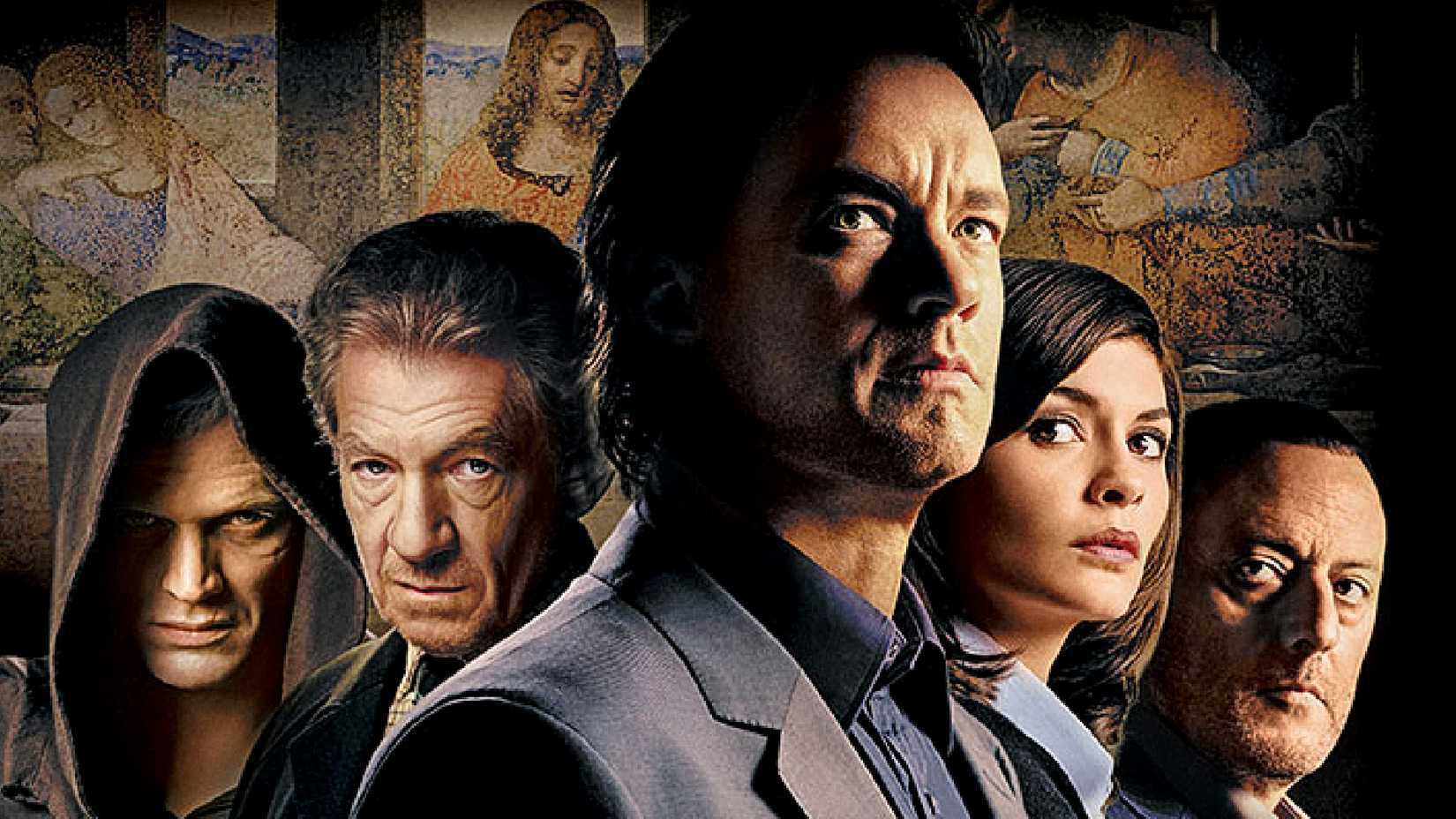
Ron Howard’s 2006 film adaptation of Dan Brown’s The Da Vinci Code was a surprisingly huge success, despite being a complex mystery with a lot of dialogue. It opened to $77 million in the US, but it really took off overseas, becoming a global hit. By the time it finished playing in theaters, it had earned over $767 million worldwide, making it the second highest-grossing film of the year. Only Pirates of the Caribbean: Dead Man’s Chest ($1.06 billion) earned more, while X-Men: The Last Stand brought in $460 million.
The success of The Da Vinci Code in theaters wasn’t driven by positive reviews, but by people telling everyone else they had to see it. While critics noted problems with the movie’s speed and how it explained things, audiences were hooked by its mystery and the intriguing storyline. The film’s depiction of Robert Langdon’s chase through the Louvre sparked so much curiosity that movie theaters became gathering places for both puzzle enthusiasts and those simply curious about the story.
Dan Brown’s The Da Vinci Code was already incredibly popular, but Ron Howard’s film adaptation caused another huge surge in sales, bringing the total copies sold worldwide to an impressive 80 million. The book and movie became a cultural phenomenon, inspiring everything from travel tours across Europe to numerous TV programs exploring the historical background. For a short time in the mid-2000s, you couldn’t walk into a bookstore without seeing the Mona Lisa’s red-tinted image everywhere.
The Da Vinci Code’s Controversies Helped Make It A 2000s Phenomenon
The Da Vinci Code Proved Any Publicity Is Good Publicity
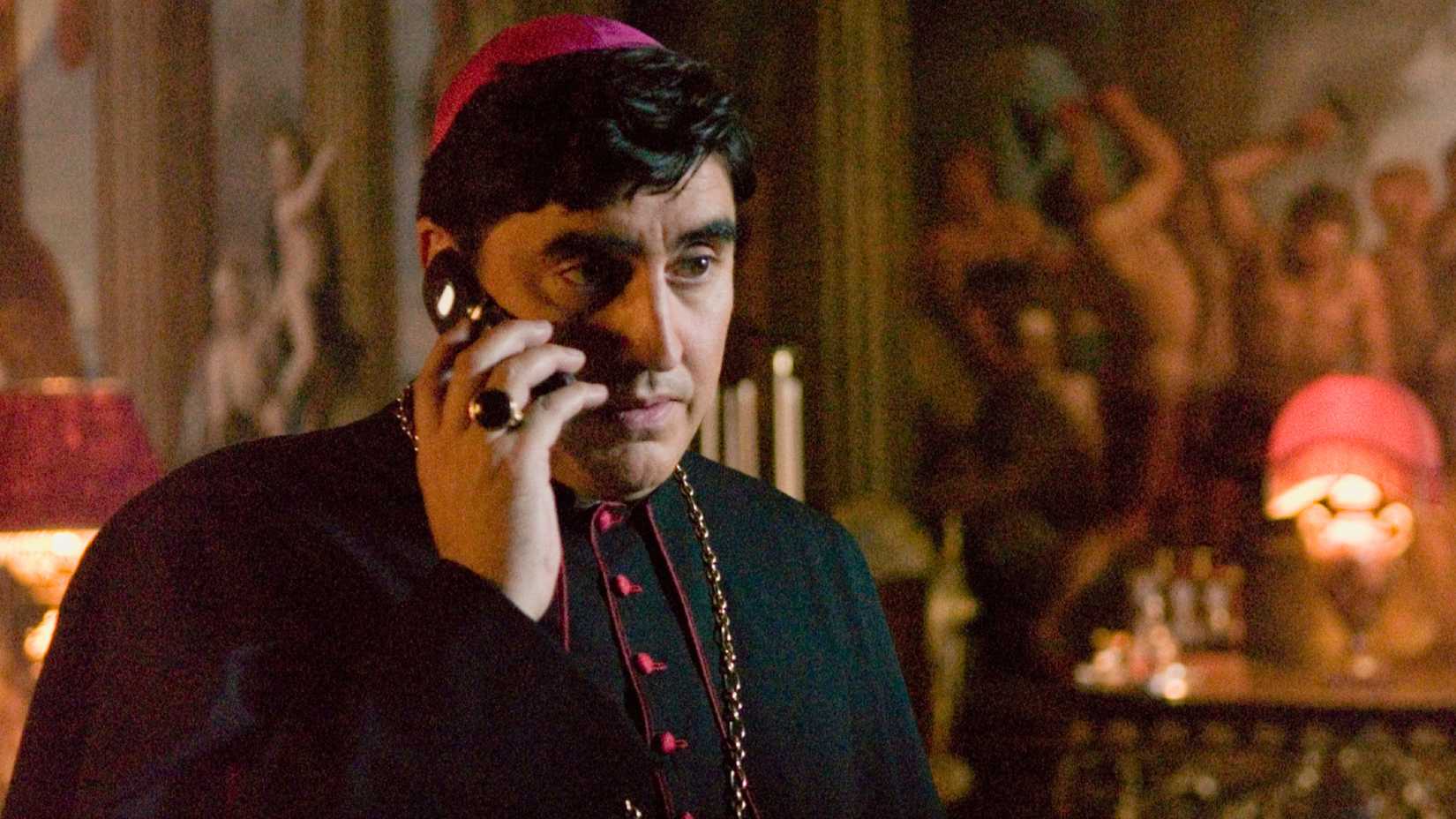
The huge popularity of The Da Vinci Code was actually fueled by the strong criticism it received from religious groups. Their public objections – including calls for boycotts and demands for disclaimers – acted as a powerful form of free advertising. What started as a popular mystery quickly became a major cultural phenomenon, attracting millions of people who were curious about what caused such a strong reaction. Constant news coverage kept the 2006 film at the center of public conversation for months before it even came out.
Much of the controversy surrounding The Da Vinci Code stemmed from its portrayal of Jesus Christ’s family history and the secret society known as the Priory of Sion. The story follows Robert Langdon as he uncovers a conspiracy involving a long-standing cover-up by the church, a theme that resonated with the growing skepticism towards established institutions in the mid-2000s. While religious organizations held meetings to challenge the film’s accuracy, these attempts often had the opposite effect, actually increasing public interest in the supposedly hidden information presented. The resulting tension led to the film being banned or postponed in several countries, including regions of India and the Philippines.
Not Even The Da Vinci Code’s Sequels Could Match The Success Of The Original
The Da Vinci Code Left The Bar Too High For Its Own Franchise
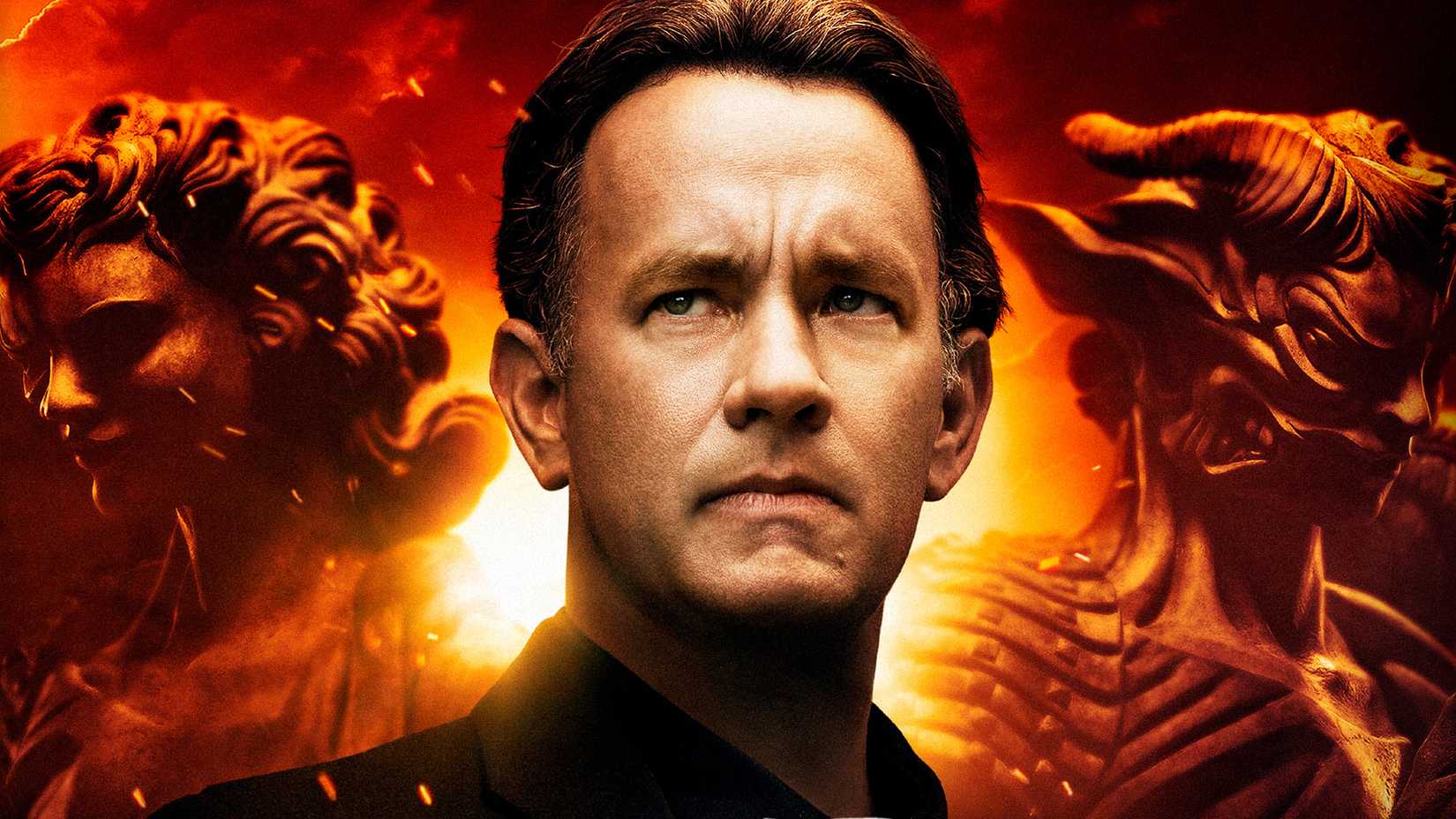
While Ron Howard continued to adapt Dan Brown’s novels after The Da Vinci Code, none of those films achieved the same level of success or cultural impact. Angels & Demons (2009) was better received by critics, who thought Howard improved the film’s pacing, and it earned a solid $485 million worldwide. However, this was a noticeable decline from The Da Vinci Code’s $767 million. By the time Inferno came out in 2016, the series had clearly lost steam, earning only $220 million globally – far less than the first film.
After the huge success of the Da Vinci Code movie in the mid-2000s, Dan Brown’s next novel, The Lost Symbol (2009), sold over a million copies on its first day, driven by eager fans. Although it became a major bestseller with around 30 million copies printed by 2013, it didn’t have the same long-lasting cultural impact as The Da Vinci Code. Later books, Inferno and Origin, also did well, but sales and public interest eventually settled down to levels more typical for popular thriller novels.
| Dan Brown Adaptation | Box Office |
| The Da Vinci Code | $767.8 million |
| Angels & Demons | $485.9 million |
| Inferno | $220.0 million |
Looking at the sequels, it’s clear the series wasn’t able to maintain the success of the original. The Da Vinci Code hit at the right moment, fueled by controversy, a unique historical mystery, and widespread public interest—something the later books struggled to replicate. Though Dan Brown’s subsequent books and their movie adaptations still made money and kept a loyal following, they never quite reached the same level of popularity as The Da Vinci Code.
The Da Vinci Code Is One Of The Last Adaptations Of Its Kind
Few Non-Sci-Fi Book Adaptations Have Been As Big As The Da Vinci Code
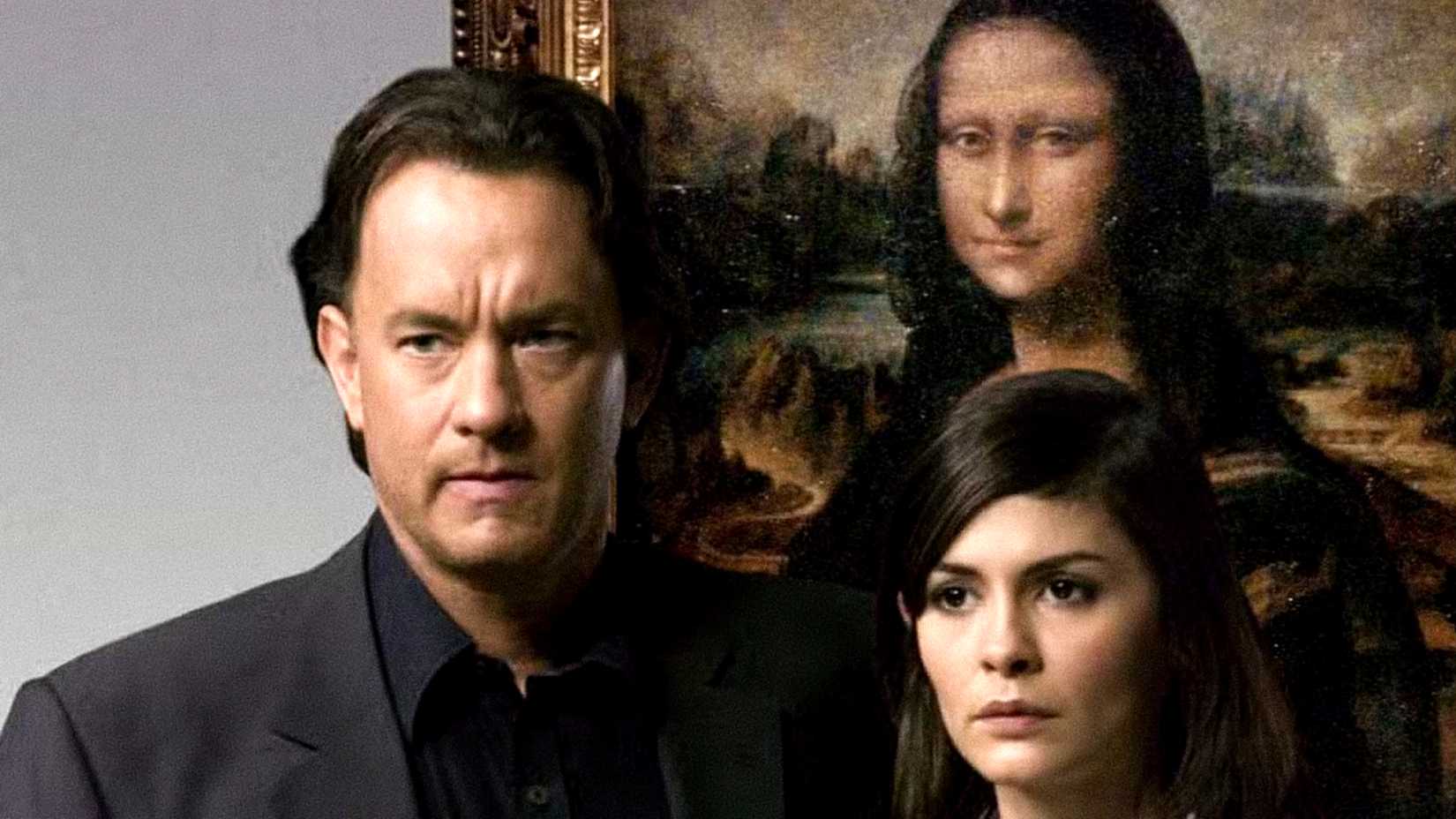
With the success of The Da Vinci Code, a change occurred in Hollywood. Previously, realistic thrillers driven by strong stories and conversations – like The Godfather, Forrest Gump, and The Silence of the Lambs – regularly topped the box office. After The Da Vinci Code, however, Hollywood began prioritizing big-budget, visually-driven blockbusters, making it harder for more grounded, story-focused films to achieve the same level of success.
Recent book-to-movie adaptations like Gone Girl and Crazy Rich Asians have been financially successful, but they haven’t had the same lasting cultural impact as The Da Vinci Code. The Da Vinci Code sparked a much bigger frenzy, similar to the popularity of Twilight and The Hunger Games. Those series benefited from being part of the Young Adult fiction trend, with its focus on science fiction, romance, and action. However, The Da Vinci Code achieved that same massive success without relying on typical blockbuster elements like superheroes, magic, or futuristic settings.
Do you think The Da Vinci Code deserved its praise?
Read More
- Netflix’s Little House On The Prairie Reboot: Release Date, Cast & Everything We Know
- Off Campus Season 1 Soundtrack Guide
- Gold Rate Forecast
- Infinity Nikki Candlelight Reverie Challenge and Rewards Guide
- Brent Oil Forecast
- Prime Video’s New R-Rated Spy Thriller Is Officially No.1 On Streaming Despite Poor Reviews
- Silver Rate Forecast
- EUR ZAR PREDICTION
- KPop Demon Hunters Meets Avatar: The Last Airbender In Netflix’s 3-Part Fantasy Series
- Bulgakov’s Take: Koreans Bet the Farm on Chips, Crypto, and Chaos
2026-05-17 02:45