Viewers often overlook plot holes if a character’s transformation is visually stunning. When a design is bold and makes a character feel significantly more powerful, most people will accept it, especially when watching for the first time. That’s a key part of what makes anime so enjoyable. A truly great transformation isn’t just about gaining strength; it’s a memorable scene that fans cherish for years, even if the reasoning behind it isn’t always clear.
Sometimes, changes in a story don’t feel well-thought-out – they seem like a quick, exciting fix rather than a natural development. These shifts might happen exactly when the main character needs an improbable rescue, or they might simply lack a solid explanation. While these moments can be visually impressive, they often prioritize spectacle over a well-structured and believable narrative.
One Piece Changed the Rules With Luffy’s Gear 5
Luffy’s Gear 5 transformation in One Piece is one of the most creative and imaginative forms anime has seen recently. It’s humorous, bizarre, visually stunning, and perfectly captures the show’s over-the-top, cartoonish spirit, making it feel incredibly dynamic. However, it also significantly alters how fans understand the powers of Luffy’s Devil Fruit, introducing these changes quite late in the series.
Fans long thought his strength came from a cleverly utilized rubber-like ability. But Gear 5 changes everything, which is both thrilling and a bit confusing for the story. It’s an amazing visual upgrade, but Gear 5 works best if you don’t think too hard about how much the story now relies on it to make sense.
Yusuke’s Mazoku Form Feels Like a Last-Minute Family Secret
Yusuke’s transformation into his Mazoku form is perfectly timed and impactful. It immediately makes him appear more intimidating, changes the story’s atmosphere, and injects a lot of excitement into the final arc of Yu Yu Hakusho. While the transformation itself is incredibly effective, the explanation behind it feels disconnected from the rest of the story.
The concept of Yusuke having a hidden demonic heritage feels like something that should have been introduced much earlier in the story. Instead, it’s revealed quite late, and comes across as a somewhat forced plot device. While it’s an interesting reveal, it always feels like the writers resorted to this secret ancestry explanation simply because they needed a way to increase Yusuke’s power.
Natsu’s Lightning Fire Dragon Mode Feels a Little Too Convenient
Like many power-ups in Fairy Tail, Natsu’s Lightning Fire Dragon Mode relies heavily on energy, and it certainly delivers in that department. The form is visually impressive, perfectly matching Natsu’s fighting style, and gives him a dynamic way to compete against more powerful enemies. It’s no surprise fans remember this transformation so well. However, it also highlights a recurring problem with Fairy Tail‘s storytelling.
The show frequently gives Natsu sudden power-ups, conveniently providing him with exactly what he needs in the moment. While combining fire and lightning sounds impressive, the way Natsu so easily takes in and uses external energy often feels rushed and doesn’t quite make sense. Rather than building up to these abilities, Fairy Tail often just decides Natsu becoming powerful is enough of a reason on its own.
Yuichiro’s Seraph Form Is a Great Design Stuck in a Very Messy Story
Yuichiro’s transformations in Seraph of the End look exactly as dramatic and unsettling as you’d expect from a dark, apocalyptic anime. His altered form is frightening and makes him appear almost inhuman, which perfectly matches the show’s overall tone. The visuals themselves are always strong. However, the story asks viewers to believe things about these transformations that are difficult to accept.
The story gets bogged down in a lot of complicated backstory – cursed weapons, demons, human experiments, angels, and doomsday predictions – making it hard to understand how and why Yuichiro transforms. While his transformations are meant to be significant, the story changes so often that they feel disconnected and lack a solid explanation. There’s very little consistent reasoning behind them.
The Exact Mechanics Behind Eren’s Final Founding Titan Form Are Unclear
Eren’s final transformation into the skeletal Founding Titan is a truly unsettling and unforgettable image in Attack on Titan. It powerfully conveys how completely he’s changed – becoming immense, fractured, and barely recognizable. The complexity arises when the story delves into Ymir, the Paths, and the origins of the Titans’ power.
Honestly, as the mysteries of Attack on Titan unravel, the explanations behind Eren’s transformations get increasingly complex. It still packs a huge emotional punch, but the specifics of how his final form works feel less scientifically sound and more… magical. And that’s kind of brilliant visually – it’s unforgettable! But it also means the transformation hits you harder as a stunning image than a perfectly logical development.
The Leap To Kaneki’s Dragon Form Is Hard To Fully Buy Into
The Dragon transformation in modern anime is truly striking and disturbing. Visually, it’s incredibly effective, turning Kaneki into a monster that fundamentally alters the scope of the story. However, the transformation occurs at a point in Tokyo Ghoul:re where the narrative is already quite fragile, making its impact somewhat lessened.
The show tries to blend disturbing imagery, scientific concepts, hidden meanings, and intense emotional struggles, but it feels overloaded, diminishing the impact of the character’s changes. While Kaneki’s emotional turmoil is understandable overall, the transformation itself is so over-the-top that it overshadows the reasons behind it, making it feel unearned. It’s visually impressive, but doesn’t quite work as a clear and logical part of the story.
Meliodas’ Assault Mode Feels Like the Story Hit a Panic Button
Assault Mode is a visually exciting transformation clearly meant to thrill the audience. While it effectively shows Meliodas becoming incredibly powerful, the anime rushes through explaining this new strength. It presents his deeper demonic abilities as both a shocking discovery and an immediate fix to his problems, which feels a bit clumsy.
Assault Mode feels like it should be a powerful, climactic transformation, but it often comes across as a sudden power-up that simply lets Meliodas win. While the story aims for this form to have emotional weight, the way it happens relies so much on increasing power levels that it feels more like an impressive display than a well-earned moment.
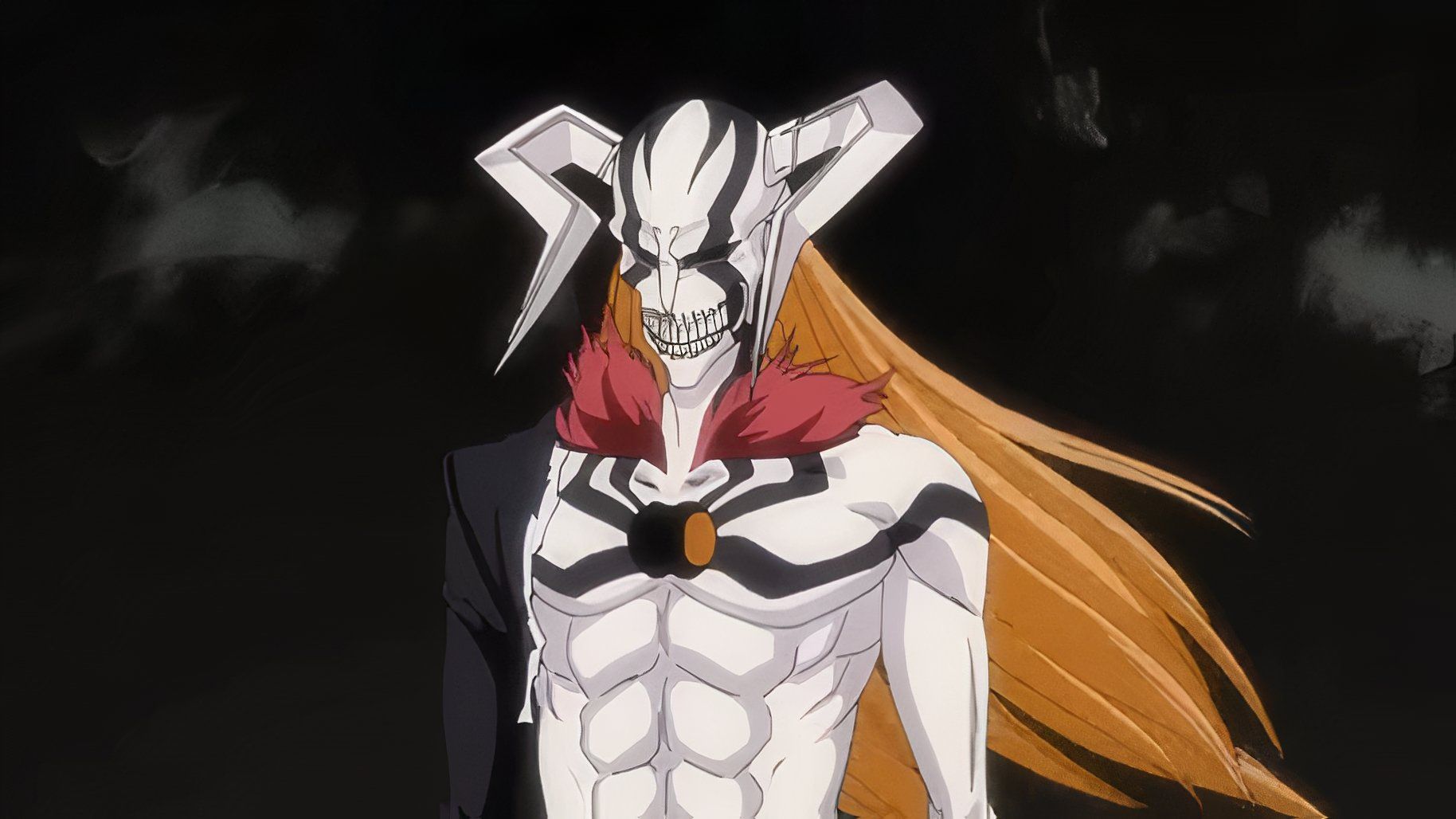
The Rules Around Ichigo’s Vasto Lorde Form Stay Frustratingly Vague
The transformation against Ulquiorra is one of the most visually striking in Bleach. The design is wonderfully monstrous, and the scene feels like a sudden, terrifying nightmare. It remains a highlight for Ichigo, as the form appears truly dangerous and unsettling. However, this is also where the story begins to become somewhat problematic.
Ichigo’s inner Hollow is a key part of the Bleach story, but the way it works is often confusing. When it takes over, how much control Ichigo has, and why it appears are never fully explained. While this form is powerfully shown through its frightening and desperate imagery, the story sometimes feels like it’s relying on a striking visual idea before establishing a solid explanation for it.
Shinra Banshoman Is One of Fire Force’s Wildest Narrative Leaps
By the time Fire Force introduces Shinra Banshoman, the story is already dealing with complex themes. It explores ideas like faith, reality, mythology, and how people see the world in a way that’s much deeper than most action-focused anime. This design choice really suits the story’s grand, climactic feel. Shinra Banshoman looks amazing, and its massive, god-like appearance perfectly matches the epic scale the ending is building towards.
The jump from Shinra’s established abilities to this incredibly powerful, cosmic level feels quite large, and the story prioritizes impactful symbolism over a logical explanation of how these powers work. While this isn’t necessarily a dealbreaker for a finale, it makes Banshoman more effective as a powerful, symbolic figure than as a believable progression of the transformations we’ve seen before.
Trunks’ Super Saiyan Rage Barely Explains Itself in Dragon Ball Super
Super Saiyan Rage is a visually impressive transformation that initially feels powerful and exciting. It makes a strong impact the first time you see it. But if you think about it more closely, it raises some questions. What is this form actually meant to be, and how does it fit in with Trunks’ other Super Saiyan abilities?
The show never fully explains why this transformation looks and feels the way it does. While Super Saiyan Rage is visually impressive, the story doesn’t offer much reasoning behind it, relying on excitement instead. Once the initial impact fades, the form doesn’t really fit into the overall narrative.
Found an error? Send it so it can be corrected.
Read More
- Netflix’s Little House On The Prairie Reboot: Release Date, Cast & Everything We Know
- Off Campus Season 1 Soundtrack Guide
- YouTuber arrested after viral AI bodycam videos spark real police complaints
- Silver Rate Forecast
- Prime Video’s New R-Rated Spy Thriller Is Officially No.1 On Streaming Despite Poor Reviews
- Gold Rate Forecast
- Brent Oil Forecast
- Peaky Blinders: The Immortal Man’s Tommy Shelby Is a Better Father Than Michael Corleone
- EUR ZAR PREDICTION
- Bulgakov’s Take: Koreans Bet the Farm on Chips, Crypto, and Chaos
2026-04-27 20:00