What to know:
- Bermuda is working with Circle, Coinbase and Stellar to build what it hopes will be the world’s first fully onchain economy, including a sovereign Bermuda digital dollar.
- The Bermuda Monetary Authority has begun real-world testing by airdropping USDC to residents, enabling payments at a pop-up marketplace, and preparing to accept digital assets for government fees starting with the Department of Motor Vehicles.
- Regulators are updating laws on property, contracts and securities while piloting smart-contract-based compliance and an AI payments hub, aiming to make Bermuda a global center for tokenized assets and decentralized finance.
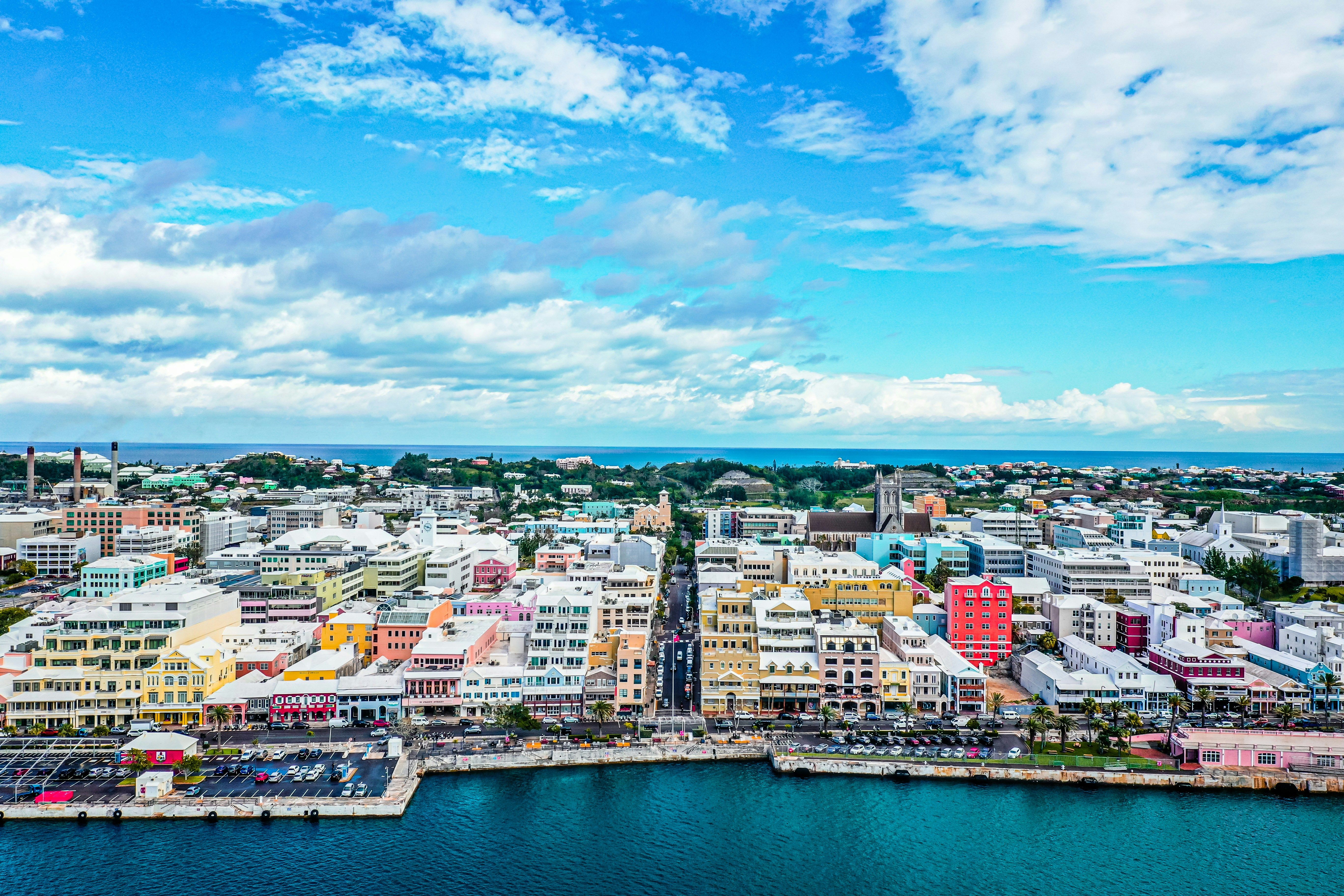
Craig Swan gets visibly excited when discussing Bermuda’s goal to be the first country to run its entire economy using blockchain technology. He believes this will open up fantastic opportunities for the people of Bermuda.
During a recent interview with CoinDesk in London, Bermuda’s Money Authority CEO, Swan, discussed his country’s ambitious future plans.
Swan explained that they hosted a large event in Bermuda to teach people how to create and use cryptocurrency wallets. Participants received $100 in USDC, a stablecoin, and learned how to make purchases, send money to others, convert the currency, or exchange it for traditional money if they preferred.
Swan explained that the experiment aimed to get both local businesses and the general public using the new system at the same time. People at the event could try it out right away at a marketplace, buying things with the new digital currency. Services like MoneyGram were also there to instantly convert the digital currency back into cash.
Driving demand at the DMV
The temporary marketplace was a testing ground, but Bermuda’s government and the Bermuda Monetary Authority are now building the necessary systems to integrate blockchain technology. As a first step, the country has changed its laws to allow digital currencies to be used to pay taxes, beginning with the government departments that handle the most payments.
We’re beginning with a location that sees a lot of activity,” Swan said. “We’re starting with the Department of Motor Vehicles, since almost everyone has a car or driver’s license. Then, we plan to expand this approach throughout the entire government.
This financial shift is the practical application of a plan initially presented at the World Economic Forum in Davos. There, the Bermudan government revealed a collaboration with Circle and Coinbase to create the foundation for a completely blockchain-based economy. Circle provided its Circle Mint technology to support the government’s digital financial accounts, and Coinbase committed its technical expertise to simplify the process of joining the system for both businesses and individuals.
Bermuda has partnered with Stellar to launch its official digital dollar, a high-quality stablecoin backed by the country itself. According to officials, this new digital currency isn’t meant to replace traditional banks, but to work alongside them. Banks will still manage the traditional money that supports the digital dollar and safely store it for users.
Premier E. David Burt explained that outdated payment systems are costing Bermudians money and slowing down economic growth. Bermuda is now trying to use blockchain technology to avoid costly bank fees and keep more money flowing within the island’s economy, benefiting local businesses.
According to Swan, transitioning an entire country’s economy to blockchain technology isn’t just about updating financial regulations—it fundamentally means redefining what we consider to be property.
According to Swan, it’s currently unclear whether smart contracts legally transfer ownership, particularly when considering contract and securities law. Existing laws need to be reviewed and potentially updated to accommodate digital share registries. The island in question needs to clarify its legislation to explicitly allow for share registers to be maintained in a digital format.
Regulating the AI agent wave
Bermuda has a strong track record of success with its financial testing programs, and is now a leading global hub for reinsurance. The government hopes its new Digital Asset Business Act (DABA) will help establish Bermuda as a similar leader in the rapidly growing areas of tokenized real-world assets and decentralized finance.
Swan explained that the BMA recently tested a system where rules were built directly into smart contracts. The test showed that these contracts could automatically stop a transaction if there weren’t enough funds backing it, or even completely prevent activity from an address flagged for money laundering or sanctions violations.
To manage these potential problems, Swan explained that the BMA is exploring the use of digital liquidity from automated trading systems, rather than relying solely on human traders. They are planning to create an AI payments hub to study and oversee payments made entirely by software operating on its own.
Implementing a system like this is a long-term regulatory challenge for bigger G20 countries. However, Bermuda’s small size actually gives it an edge in the global landscape.
Swan finished by saying that smaller countries with the means could learn from their example as they modernize their financial systems. Larger countries will need to find their own approach. However, he advised against trying to offer the lowest regulations, as that won’t attract serious businesses.
Read More
- Off Campus Season 1 Soundtrack Guide
- Netflix’s Little House On The Prairie Reboot: Release Date, Cast & Everything We Know
- Infinity Nikki Candlelight Reverie Challenge and Rewards Guide
- Gold Rate Forecast
- Brent Oil Forecast
- Silver Rate Forecast
- Prime Video’s New R-Rated Spy Thriller Is Officially No.1 On Streaming Despite Poor Reviews
- KPop Demon Hunters Meets Avatar: The Last Airbender In Netflix’s 3-Part Fantasy Series
- EUR ZAR PREDICTION
- The Hunting Wives Star Teases “Wild” Major Character Death in Season 2
2026-05-26 19:48