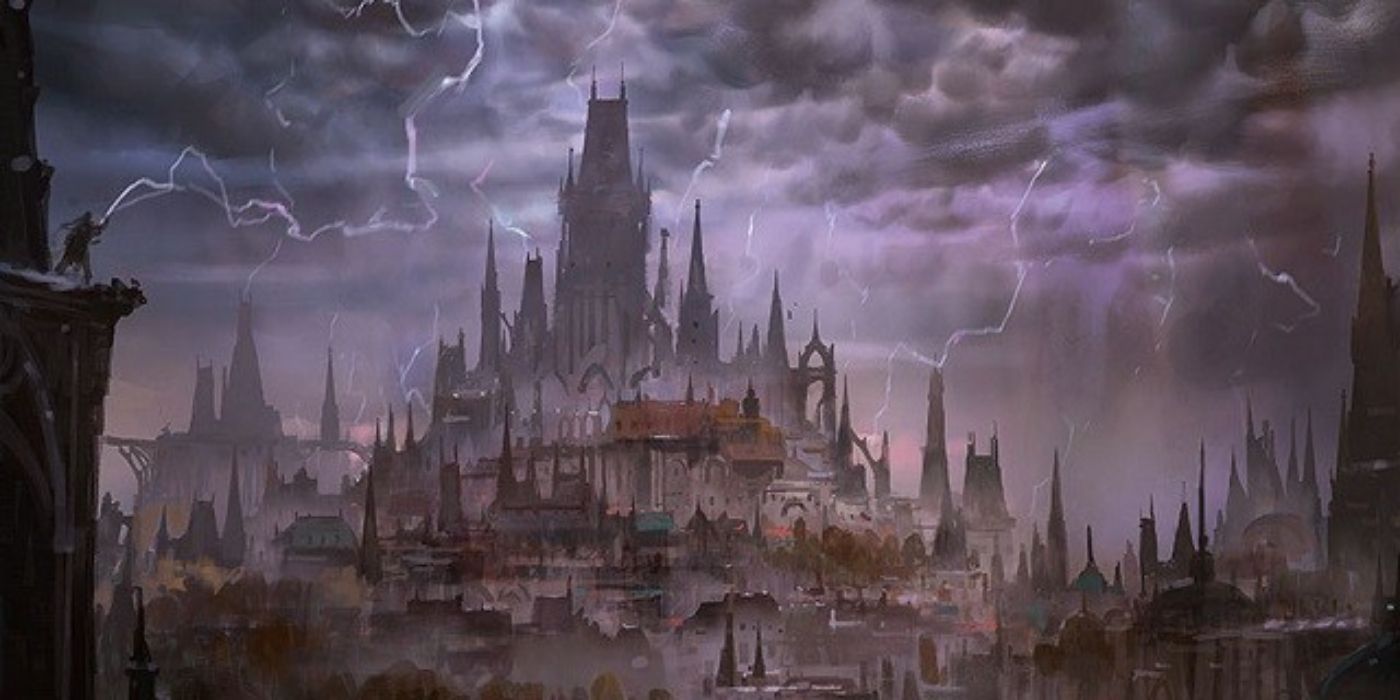
We recently got a preview of what’s coming for Magic: The Gathering thanks to MagicCon Las Vegas. The convention featured first looks at the new Marvel Super Heroes set and a sneak peek at The Hobbit. But the biggest reveal was our first glimpse of Reality Fracture, a set scheduled to release in October.
The upcoming Reality Fracture set will wrap up a Magic: The Gathering storyline that began with Wilds of Eldraine in 2023. The set is set in a different version of reality, created by the Planeswalker Jace Beleren as he tried to repair the Multiverse. Even if you’re new to the Magic story, this set is worth checking out—it’s bringing back a classic game mechanic that could significantly impact many different types of decks.
Magic: The Gathering Is Revisiting Planar Chaos And Possibly Breaking The Color Pie
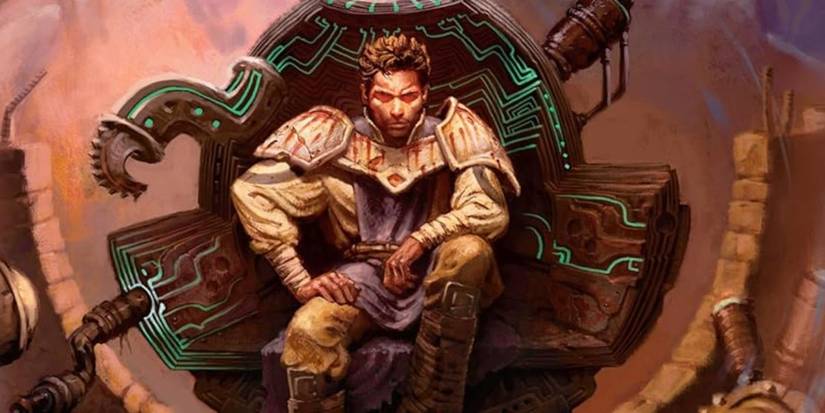
From 2006 to 2007, the card game Magic: The Gathering released a series of sets called the Time Spiral block. Each set was special: Time Spiral reprinted older cards, and Future Sight previewed cards that would appear in later sets. But Planar Chaos was perhaps the most interesting. It introduced alternate reality versions of existing cards, changing their mana color. For example, it gave us Damnation, which functioned like the white card Wrath of God, but used black mana, and Mana Tithe, a white version of the blue card Force Spike.
The upcoming Reality Fracture set is reintroducing alternate reality cards, and early looks suggest Wizards of the Coast is willing to create some incredibly strong cards using a new color of mana. Based on the previous Planar Chaos set, Magic: The Gathering might also be experimenting with its established color system – how different abilities and strategies are divided among the five colors. If we saw white cards that could counter spells before, it’s exciting to imagine what powerful surprises Reality Fracture will bring!
A Powerful Magic: The Gathering Card Is Getting A Color-Swapped Clone

The new card “Stingcaster Mage” from the Reality Fracture set is similar to the well-known blue card, Snapcaster Mage. Both cards let you give an instant or sorcery spell the “flashback” ability, meaning you can play it again from your graveyard when either creature enters the battlefield. This effectively gives you a second chance to use a spell, which can be a big advantage in a game where drawing the cards you need is so important.
Stingcaster Mage isn’t quite as versatile as Snapcaster Mage. Snapcaster Mage can be played at almost any time thanks to the ‘flash’ ability, while Stingcaster Mage has ‘haste’ instead. This difference highlights how the Reality Fracture set is approaching its alternate versions of existing cards. Unlike Planar Chaos, which often reprinted cards exactly as they were, Reality Fracture seems to be focusing on keeping abilities within the traditional color restrictions of Magic: The Gathering. Flash is commonly associated with blue cards, and haste with red ones.
While Stingcaster Mage isn’t quite as powerful as Snapcaster Mage, it will significantly affect a specific type of deck in Magic: The Gathering. Storm decks, which usually use red and blue mana, win by casting many spells. Now, these decks have even more options for increasing their ‘storm count,’ with both Snapcaster Mage and Stingcaster Mage available. Mono-red storm decks, such as the well-known Goblin Storm, can also benefit from using Stingcaster Mage.
How Breaking The Color Pie Affects Magic: The Gathering

Wizards of the Coast seems to be handling alternate color cards differently than they did with the original Planar Chaos set. We’re already seeing more red cards with the Flashback ability than blue ones, and giving Stingcaster Mage Haste instead of Flash feels more fitting for the color red. Hopefully, the rest of the alternate reality cards in Reality Fracture follow this pattern, as maintaining the unique characteristics of each color is crucial for keeping Magic: The Gathering balanced.
Magic: The Gathering balances its cards in two main ways: how much mana they cost to play, and the colors of mana required. More expensive cards generally have stronger effects. Additionally, certain abilities are tied to specific colors, so players who want access to a wider range of abilities need to use multiple colors in their decks. Using multiple colors makes a deck harder to build and play consistently, creating a trade-off between power and consistency.
Small deviations from the traditional color pie, like a card occasionally bending the rules, aren’t a big deal. However, the more these exceptions appear, the less effective the color pie becomes at keeping the game balanced. This is particularly problematic in formats where older cards remain playable indefinitely, as every rule-breaking card adds up. The recent Stingcaster Mage feels like a cautious approach to alternate realities, and hopefully Magic: The Gathering will limit these kinds of exceptions in the next set, though a few could still be enjoyable.
Read More
- Off Campus Season 1 Soundtrack Guide
- Euphoria Season 3’s New R-Rated Sydney Sweeney Scene Proves The Show Is Trolling Us
- Gold Rate Forecast
- How to Get to the Undercoast in Esoteric Ebb
- Brent Oil Forecast
- Olympian Says Heated Rivalry Tugged At His Heartstrings
- Why is there no Jujutsu Kaisen this week? Missing Season 3 Episode 8 explained
- Jailbreak codes (April 2026)
- What is Omoggle? The AI face-rating platform taking over Twitch
- Popeye Slasher Horror Film Officially Kicks Off Production on ‘Bigger & Bloodier’ Sequel
2026-05-17 16:10