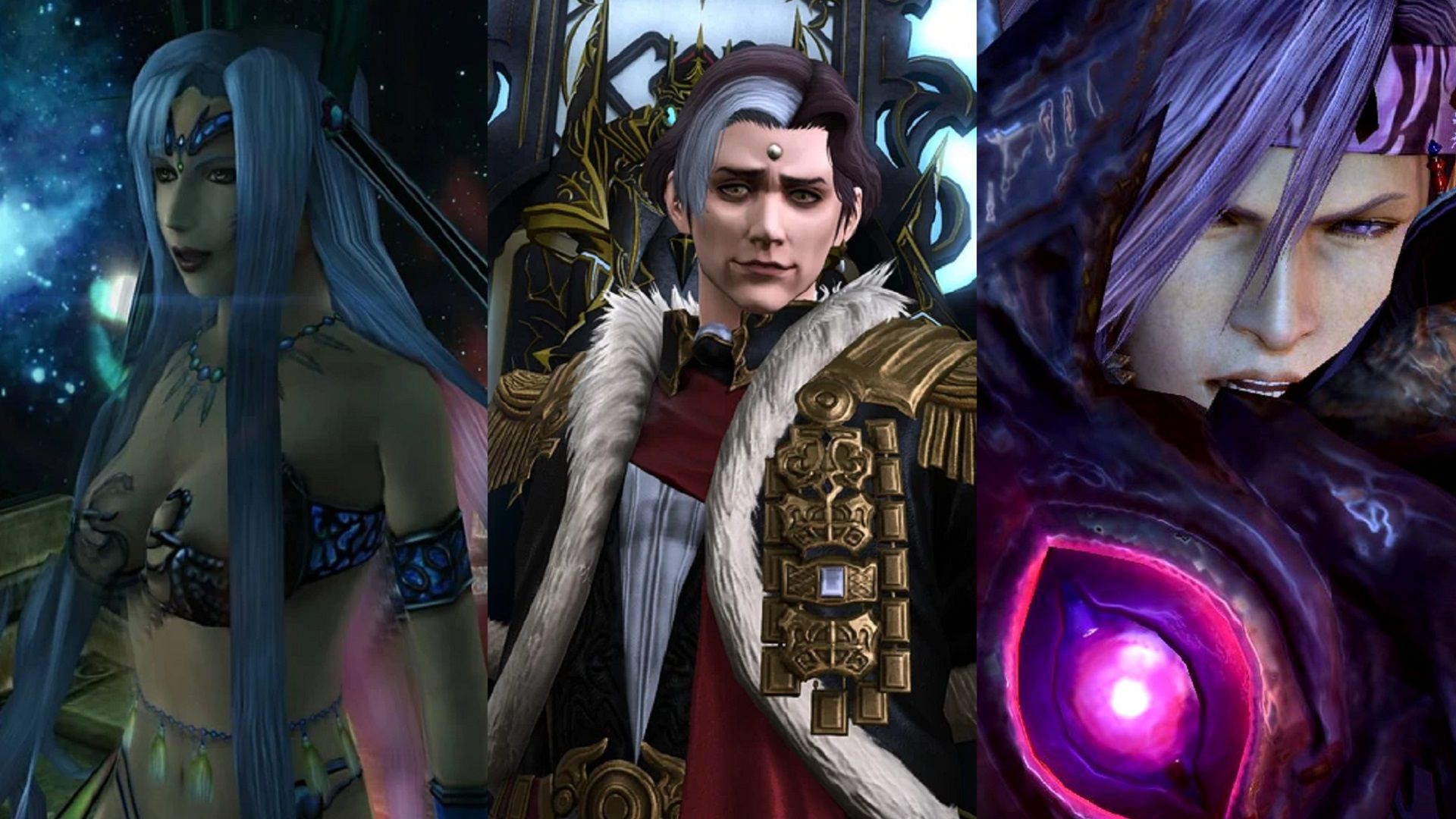
Over the many years Final Fantasy has been around, the games have featured a diverse range of villains. These villains aren’t all created equal – they have different goals, powers, and reasons for doing what they do. Sometimes, even while you’re trying to defeat them, you might find yourself questioning whether they’re truly evil.
Sometimes, villains aren’t simply evil – they might actually be trying to achieve something good, like helping the world or a particular group of people. However, their methods are what make them villains. In the Final Fantasy series, some games feature more complex, morally gray villains than others, and this often adds depth and interest to the story.
10. Delita
A King Remembered for a Peaceful Reign
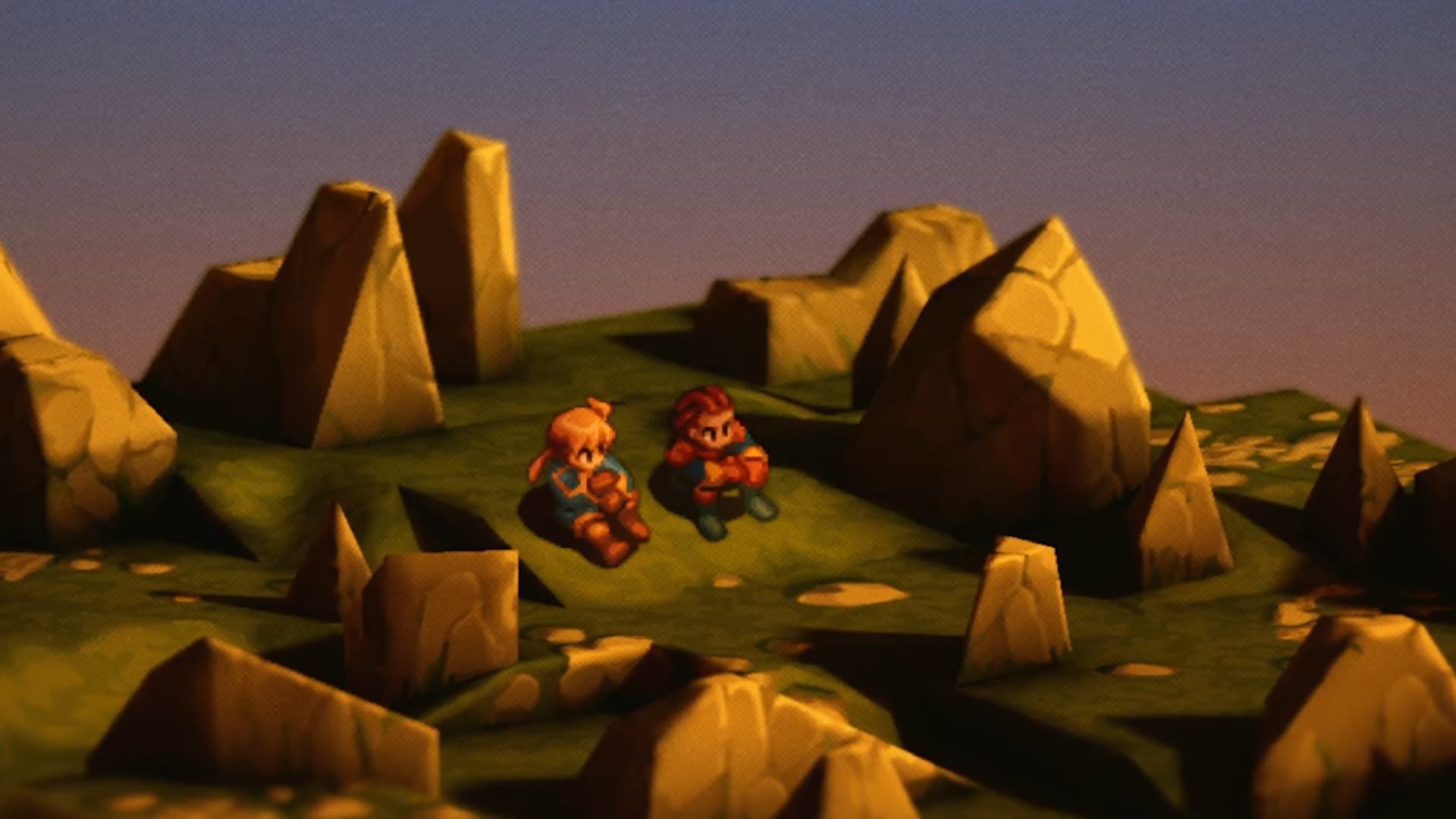
Image Via Square Enix
Delita, a character from Final Fantasy Tactics, isn’t a typical villain – he’s more of an anti-hero. Having been born into a lower class, he was acutely aware of the divide between the nobility and common people, even more so than Ramza. He envisions a brighter future for Ivalice, and his political savvy, coupled with his willingness to do whatever it takes, gives him a chance to achieve it.
Delita is a clever character who makes some morally ambiguous choices, but he’s usually opposing even more harmful figures in Ivalice. Ultimately, he strives to improve the country and, remarkably, achieves this, becoming a king known for bringing peace and prosperity.
9. Caius
He’s Seen the Empty Futures
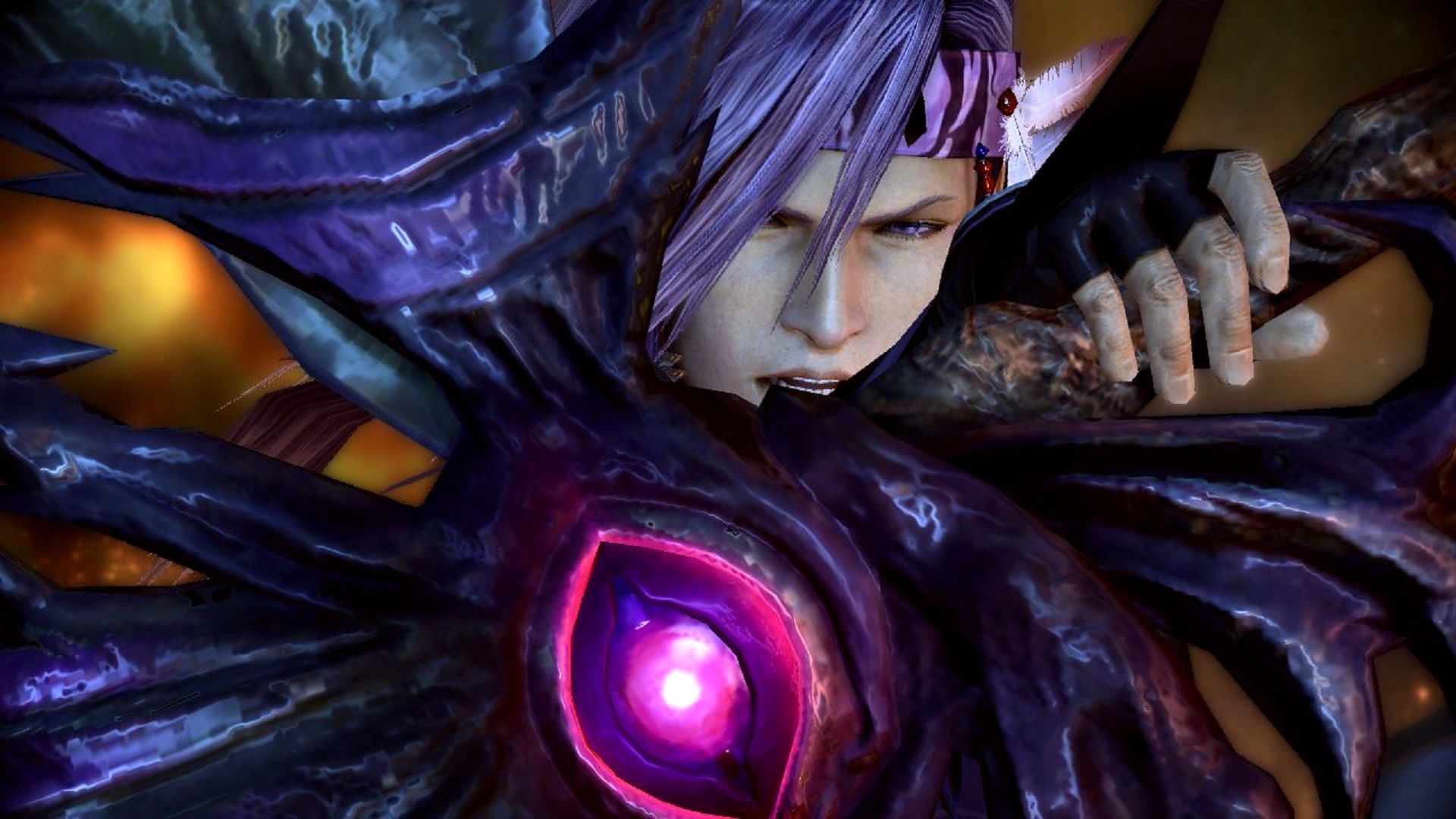
In Final Fantasy 13-2, Caius is a surprisingly sympathetic character, and some players might even see him as the hero of the story, while viewing Serah and Noel as the villains. He’s tasked with protecting Yuel, a seeress, and because of this, he’s immortal as long as he possesses the Heart of Chaos. However, Yuel’s ability to foresee the future slowly kills her, forcing Caius to repeatedly witness her death and rebirth.
Beyond witnessing Yuel’s endless deaths, Caius has glimpsed a desolate future for everyone. It makes sense that he’d ask Noel and Serah to end his life – both to release himself and Yuel from their predetermined fate, and to unleash Chaos rather than allow the grim future he foresaw to happen.
8. Sephiroth (Remake)
Remake Sephiroth Has Different Plans
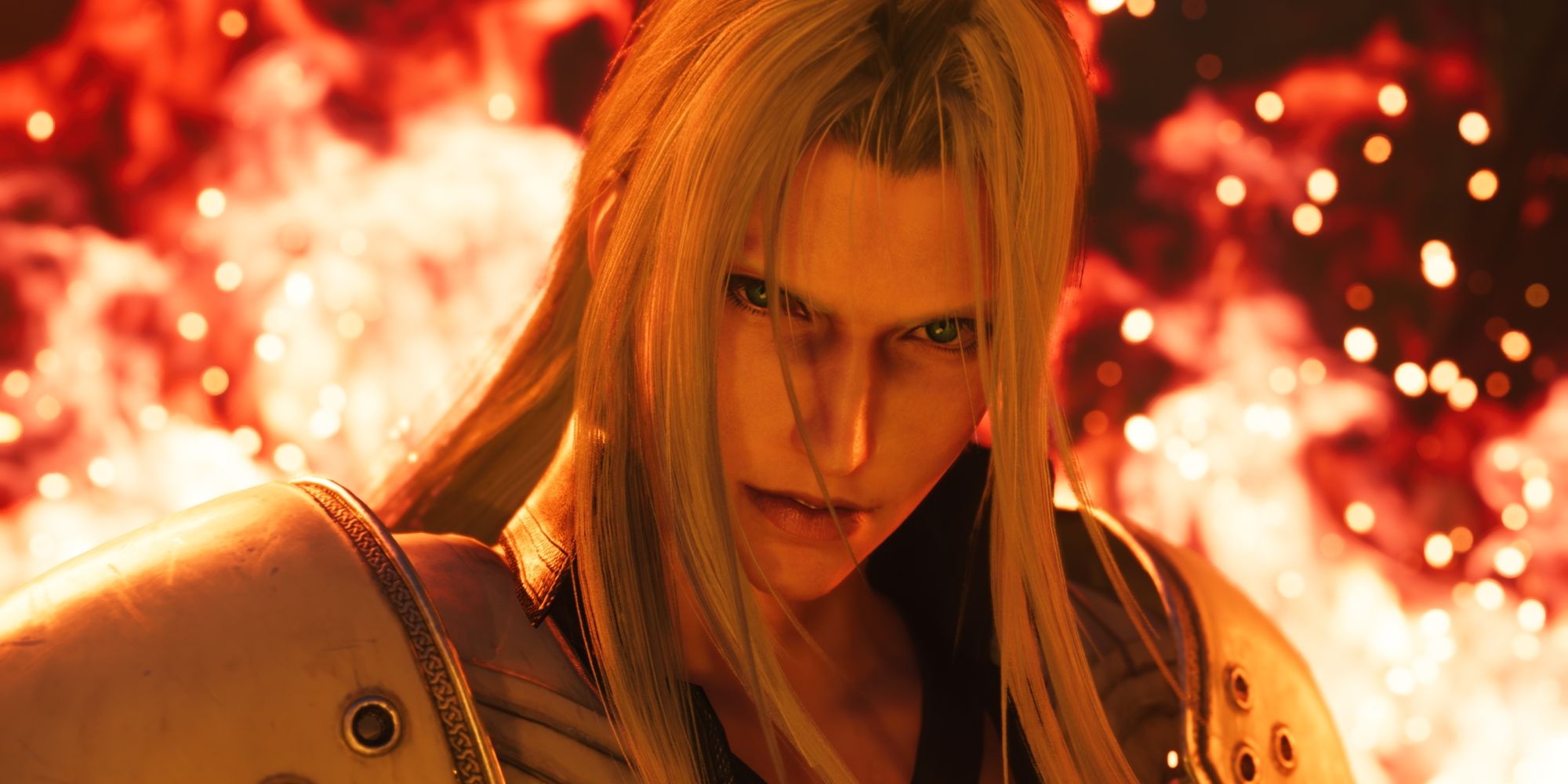
I’m analyzing Sephiroth’s plan based on what we know from the first two Final Fantasy 7 Remake games, as it differs significantly from the original game. A key change is revealed when Sephiroth shows Cloud glimpses of different timelines and suggests he wants to “reunite” things. This implies his goal isn’t simply destruction, but rather to merge all the worlds into a single one.
Sephiroth appears to remember events from the previous timeline, but he doesn’t seem focused on summoning Meteor this time around. The key mystery is what he hopes to achieve by merging the timelines – or if he’s trying to build a world he considers ideal. Interestingly, this could actually mean he’s trying to save the world, in his own way.
7. Yu Yevon
He Couldn’t Expect That Sin Would Corrupt Him
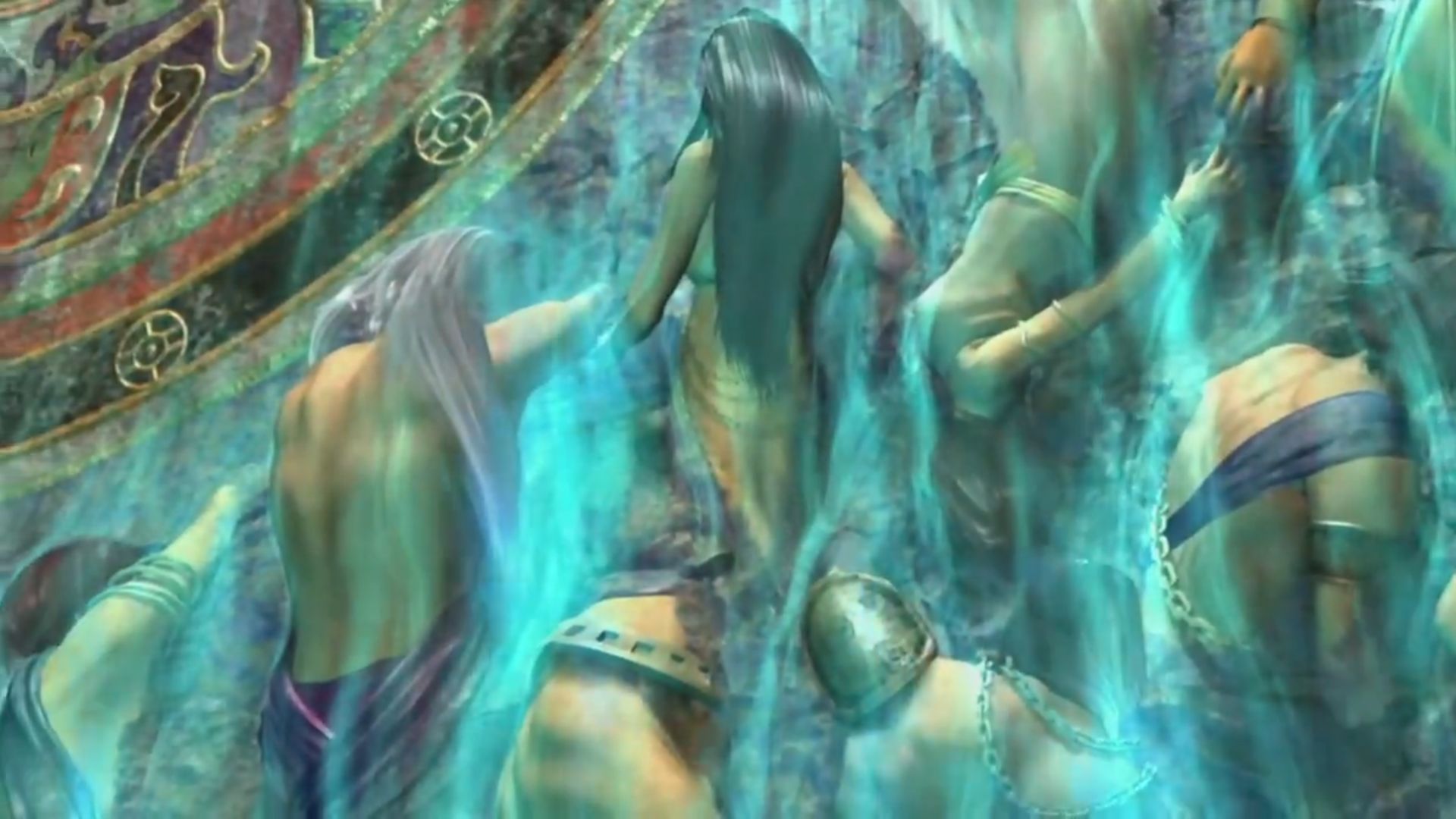
In Final Fantasy 10, Yu Yevon created Sin hoping to safeguard the people of Zanarkand by turning them into Fayth before the Machina War destroyed their city. He didn’t intend for Sin to become a destructive force that would cause endless cycles of death and temporary peace; it was meant as a form of preservation, not a curse.
While Yu Yevon is often seen as the villain, his creation of Sin wasn’t about malice. It was an unintended consequence of his desperate attempt to save the people of Zanarkand, not a deliberate act of destruction.
6. Ultimecia
Compressing Time Would Remove Death
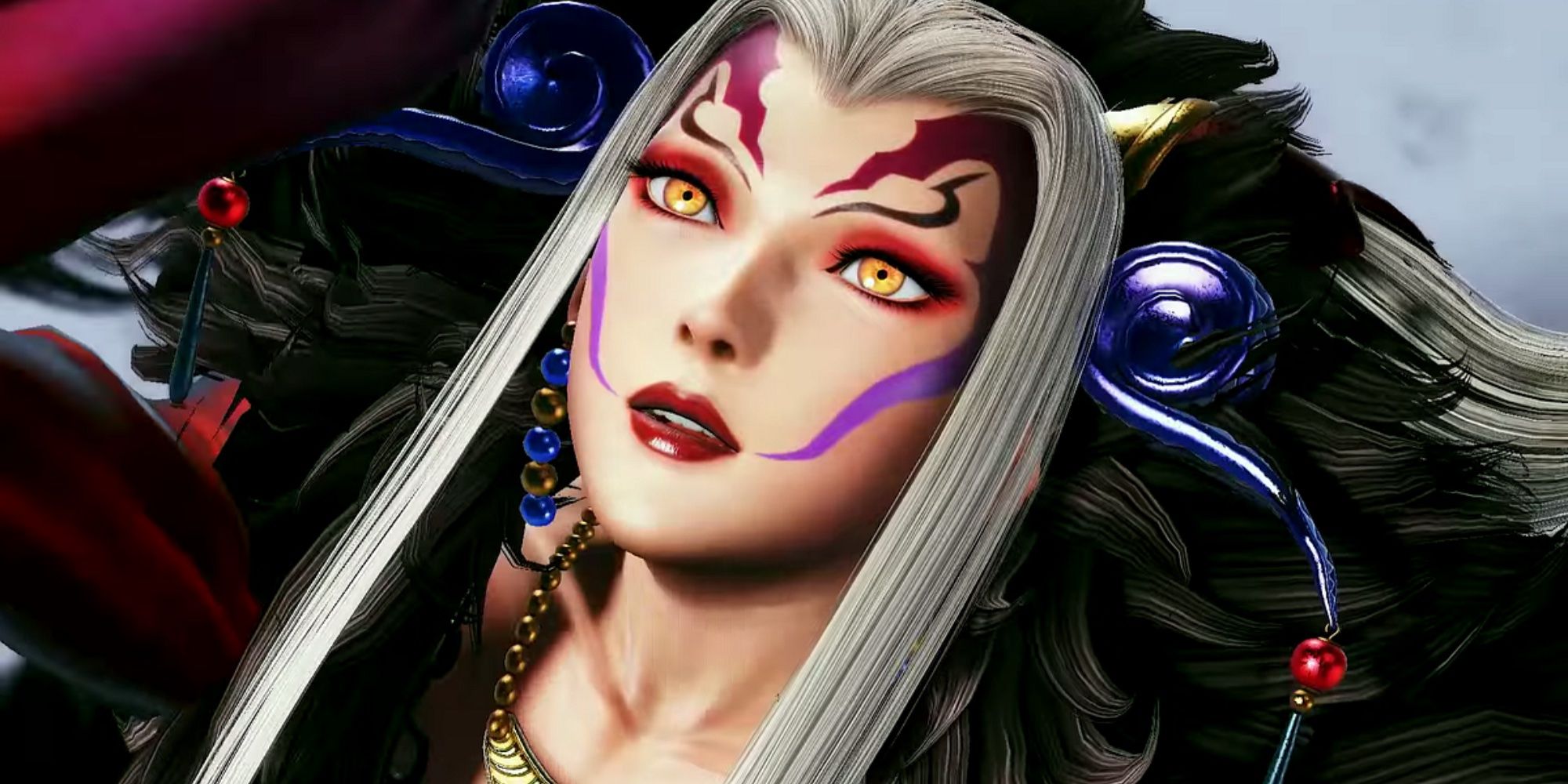
I’ve always been fascinated by the themes in Final Fantasy 8, especially how much it deals with time and destiny. The villain, Ultimecia, is really tragic – she was basically hated from the moment she was born because of when she was born. But the more I think about it, the more I wonder if she actually caused the hatred by going back in time, which is mind-blowing! It almost makes her defeat inevitable – like everything that happened, even her own end, was already set in stone. It’s a really complex story!
Ultimecia’s scheme to compress time is fascinating, and its full consequences are hard to grasp. While it would grant her immortality, stopping time’s passage also means no one else would face death. Alternatively, she could be a villain who achieves peace by eliminating all other life.
5. Ardyn
He Was Once a Hero Before Being a Villain
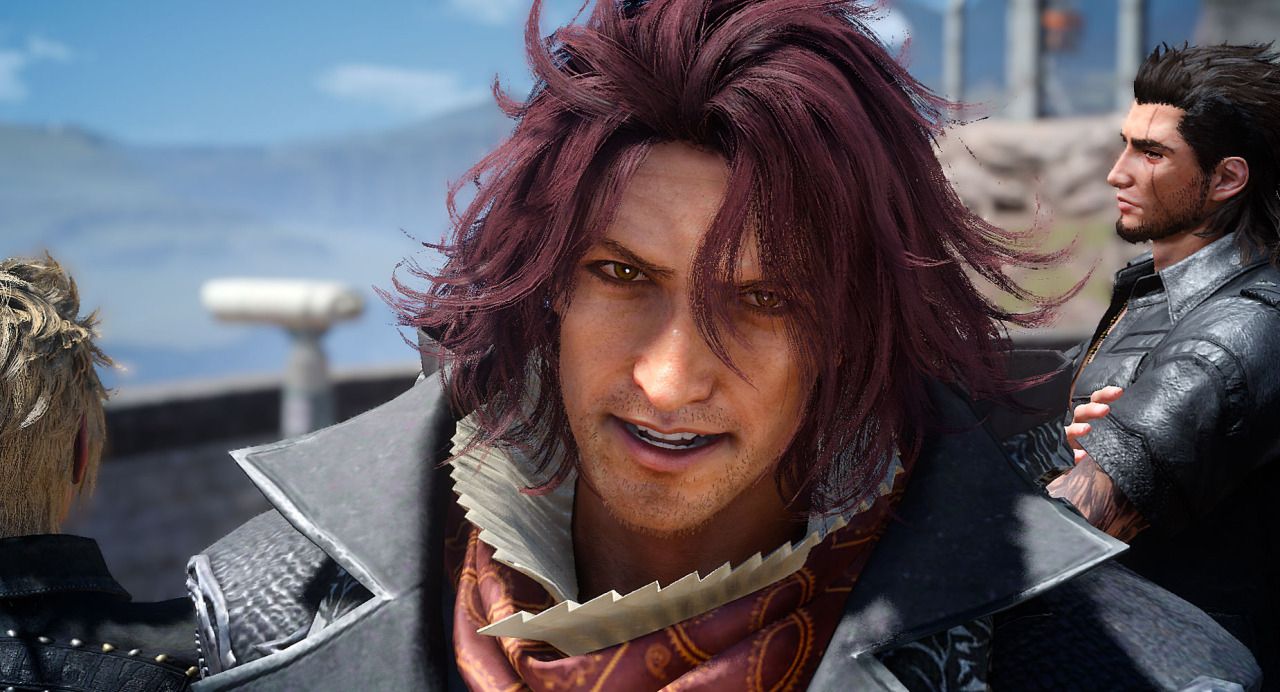
In Final Fantasy XV, Ardyn actually helped quite a few people. He could absorb the suffering of others, taking it onto himself, but this ability is what ultimately made him the villain. Each time he used it on someone afflicted by the Starscourge, his own condition worsened.
Although he would later become a destructive force, Ardyn initially played a crucial role in stopping the spread of the Starscourge. This very act, however, ultimately led to his downfall, as the gods abandoned him due to the lingering darkness it left within him. Ardyn’s original intention was to save the world, but he couldn’t completely eliminate the Starscourge.
4. Meteion
Her Directive Left Her Believing She Was Doing the Right Thing
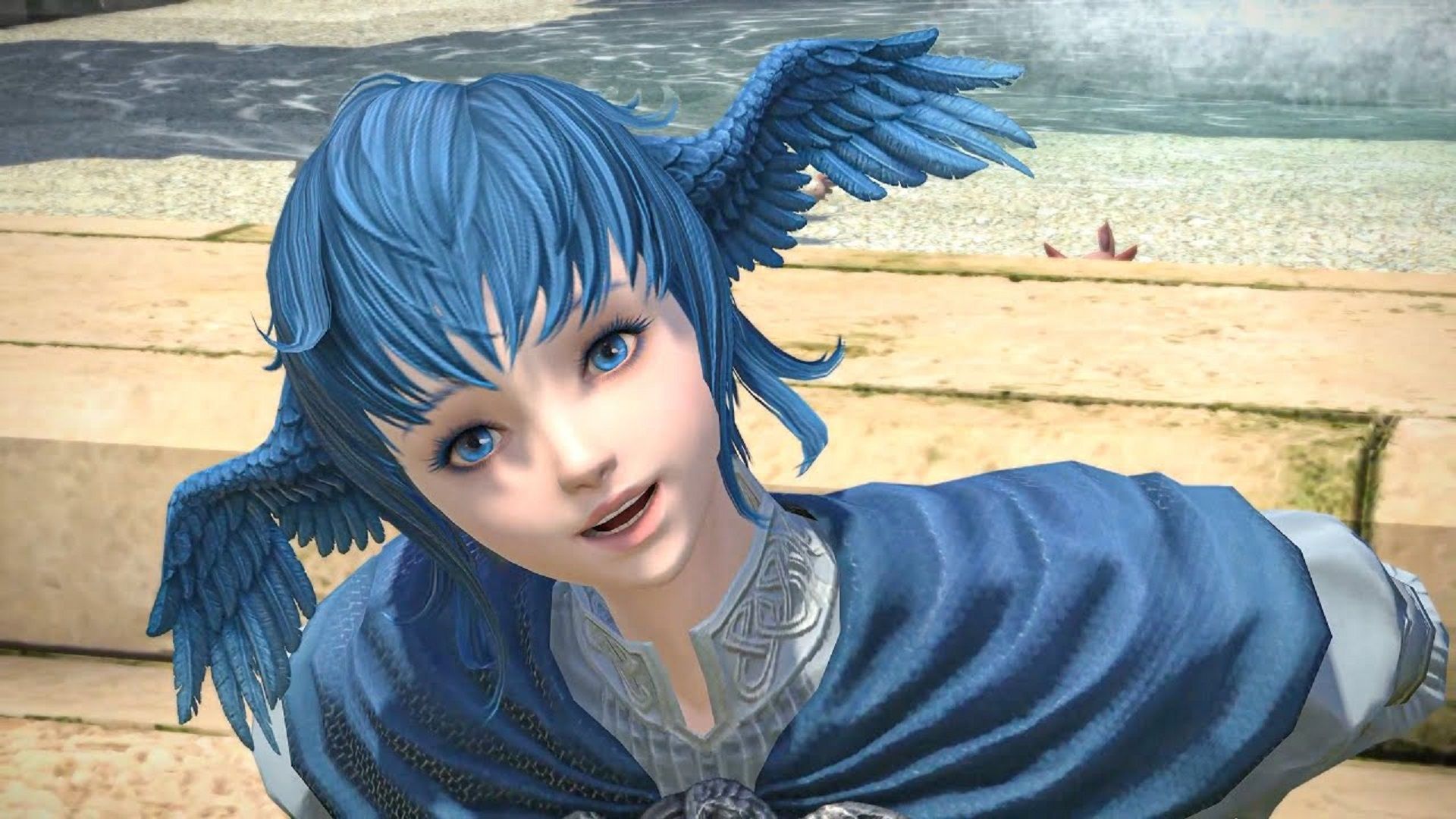
Meteion, the primary antagonist in Final Fantasy 14: Endwalker, was built by Hermes to journey to different stars and discover the purpose of existence. Unfortunately, this plan backfired. Hermes hadn’t considered the possibility that Meteion might conclude life had no meaning, or even that the meaning was death.
Meteion traveled to countless stars, but only found death everywhere she went. This led her to believe that death was the kindest fate, and she decided to stop all rebirth to spare others from the pain of living. She thought she was saving everyone by ending the cycle of life.
3. Vayne
He Wanted To Save the World From Interference
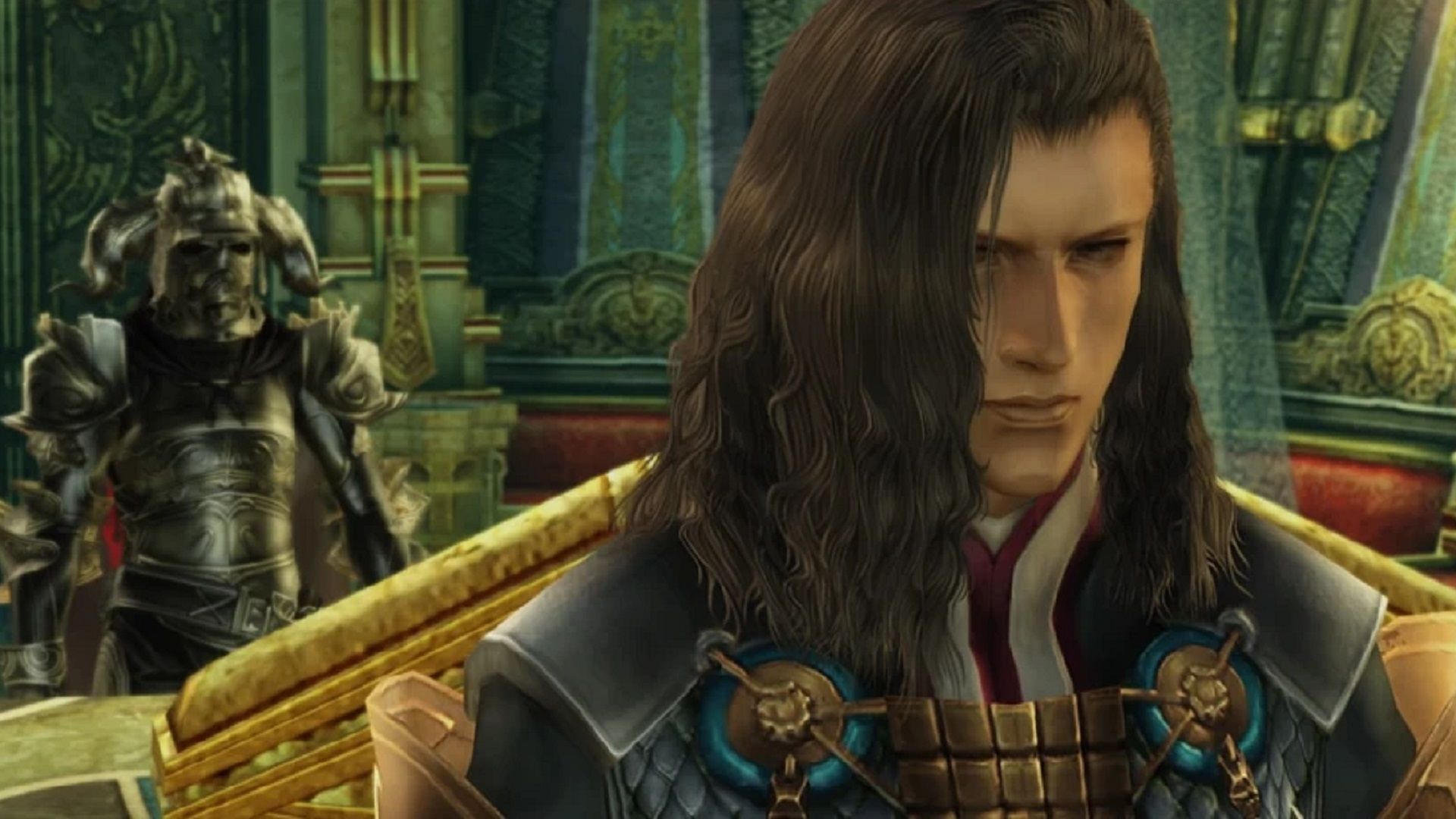
In Final Fantasy 12, Vayne discovers the Occuria – powerful beings from another world who consider themselves the gods of Ivalice. They manipulate events in Ivalice whenever they choose, reshaping the world to their liking and ignoring the desires of its people.
I always found Vayne to be such a complex character. He genuinely wanted to free Ivalice from the Occuria, believing its people should control their own destiny and not be puppets of these so-called gods. But what really struck me was that he wasn’t afraid to get his hands dirty – he’d kill and use any trick he needed to get into power so he could save the world. That’s what makes him a villain, honestly – he’s willing to do whatever it takes, no matter how ruthless.
2. Yunalesca
She Understood the Value of Sacrifice
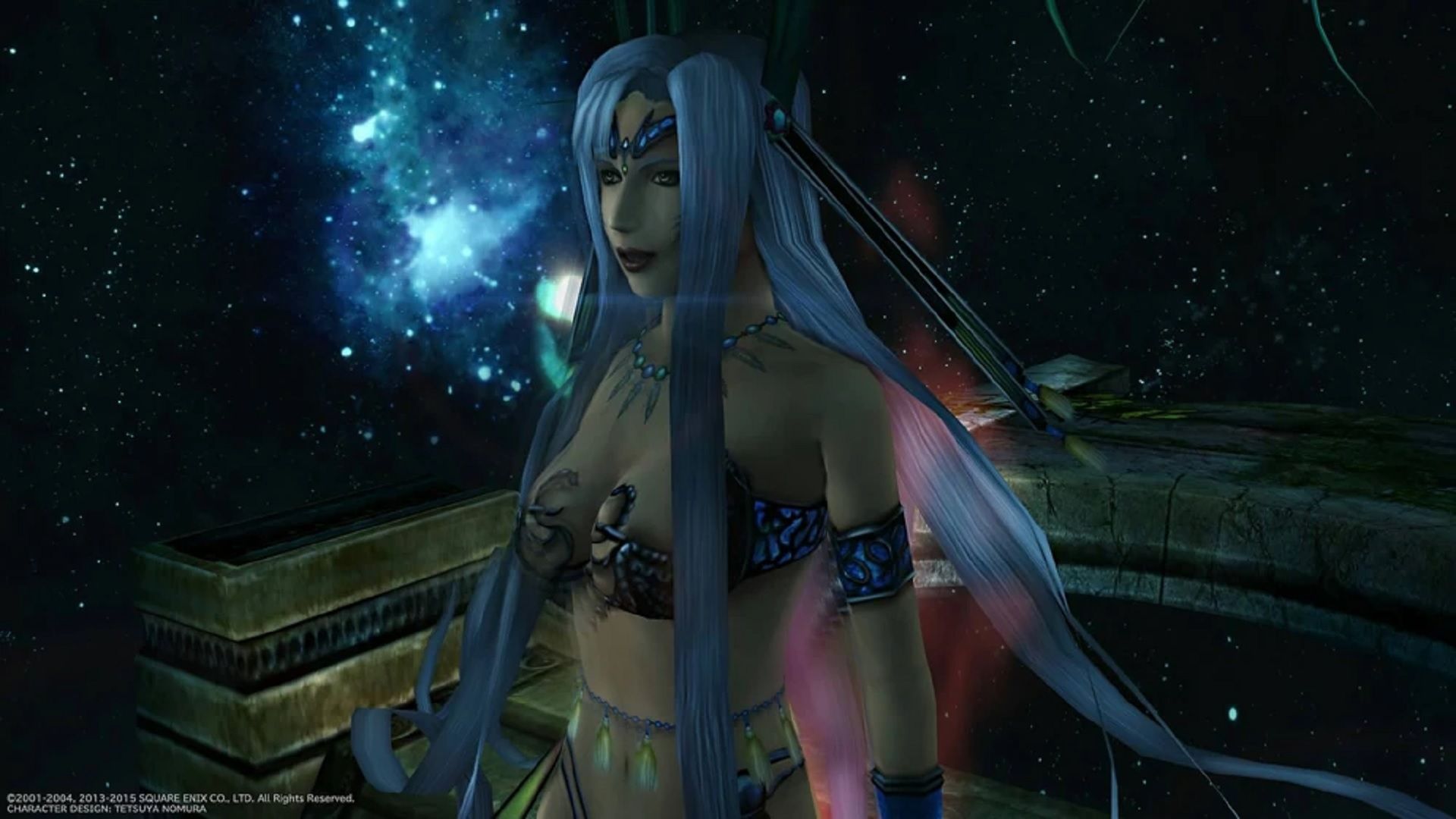
Near the end of Final Fantasy 10, you encounter Yunalesca, who reveals the real story behind the Final Summoning. She’s often seen as a villain because she’s willing to kill anyone who refuses to participate, believing it’s necessary to keep the truth secret from those who wouldn’t remain silent.
Subscribe to the newsletter for deeper Final Fantasy villain looks
Yunalesca believes the sacrifice of a summoner and their guardian is worthwhile if it brings a lasting peace to Spira, even though she acknowledges it’s not ideal. She understands that any time of tranquility is preferable to endless suffering and conflict, and considers her method an effective, if imperfect, solution.
1. Emet-Selch
He Just Wants His Friends Back
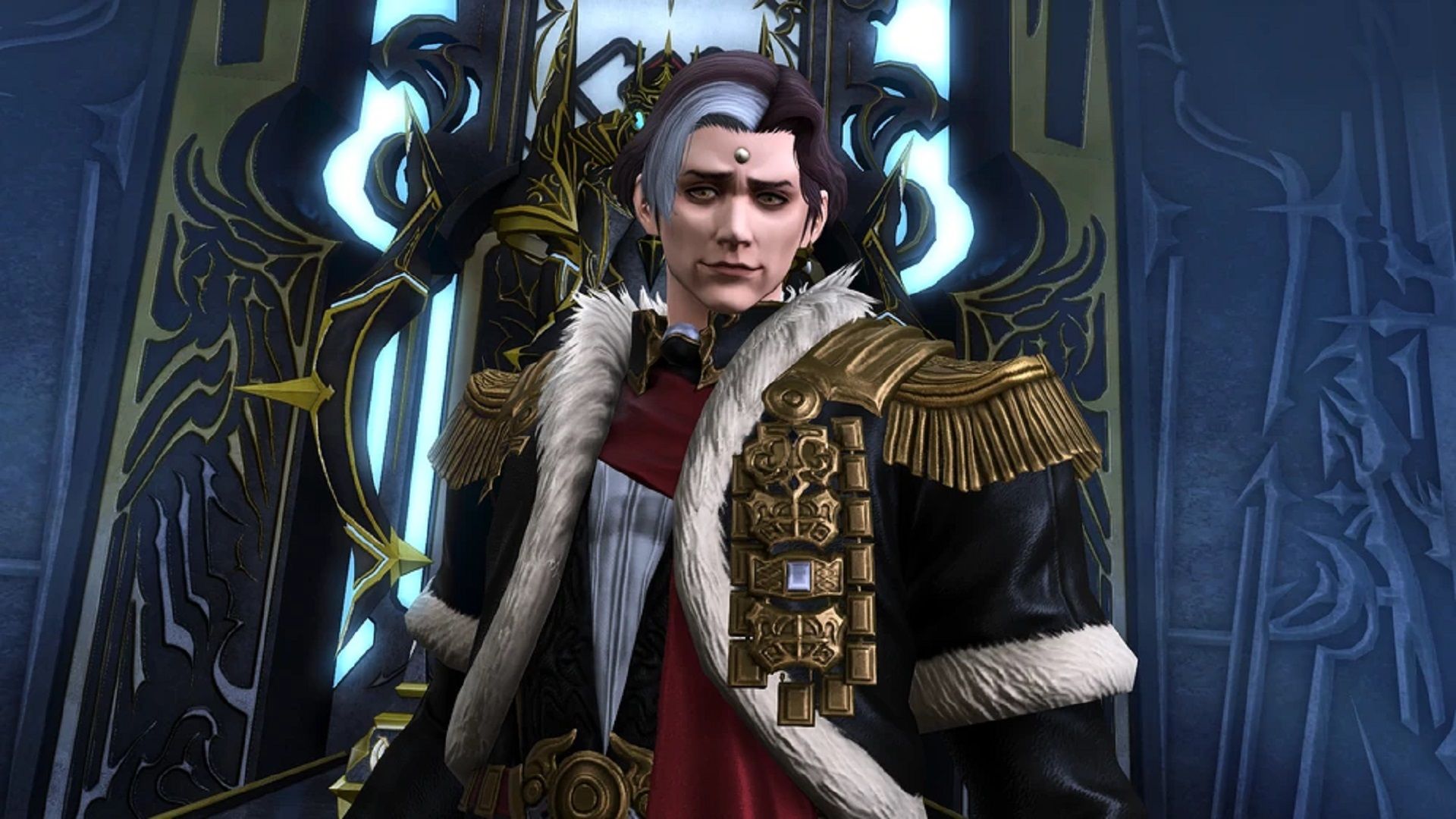
Emet-Selch is a remarkably complex villain, serving as the main antagonist in Final Fantasy 14: Shadowbringers. Being an Ascian, it’s understandable to be wary of him, especially considering past experiences with others of his kind.
Emet-Selch is different from most Ascians because he openly shares his motivations. He remembers a time when the world was complete and saw it shattered into fourteen fragments. His goal is to restore the world to its original state, believing this will also make the souls of those he cares about complete. However, he doesn’t consider the current inhabitants of the world to be truly alive and is prepared to repeatedly destroy and recreate them to achieve his aim.
Final Fantasy villains are rarely just simply evil. The games often explore what made them the way they are, considering their backgrounds and the circumstances that shaped them. This approach usually makes them more interesting, but sometimes you find yourself hoping for a way for them to avoid their fate and find a different path.
Read More
- Off Campus Season 1 Soundtrack Guide
- Euphoria Season 3’s New R-Rated Sydney Sweeney Scene Proves The Show Is Trolling Us
- Gold Rate Forecast
- 8 Funniest Billy Butcher Quotes From The Boys
- Jailbreak codes (April 2026)
- How to Get to the Undercoast in Esoteric Ebb
- What is Omoggle? The AI face-rating platform taking over Twitch
- Popeye Slasher Horror Film Officially Kicks Off Production on ‘Bigger & Bloodier’ Sequel
- Stephen King’s Returning Show In 2026 Makes Up For The Boys Spinoff’s Cancellation
- Yuji Itadori cosplayer arrested after attacking convicted sex offender Amos Yee at anime convention
2026-05-16 15:41