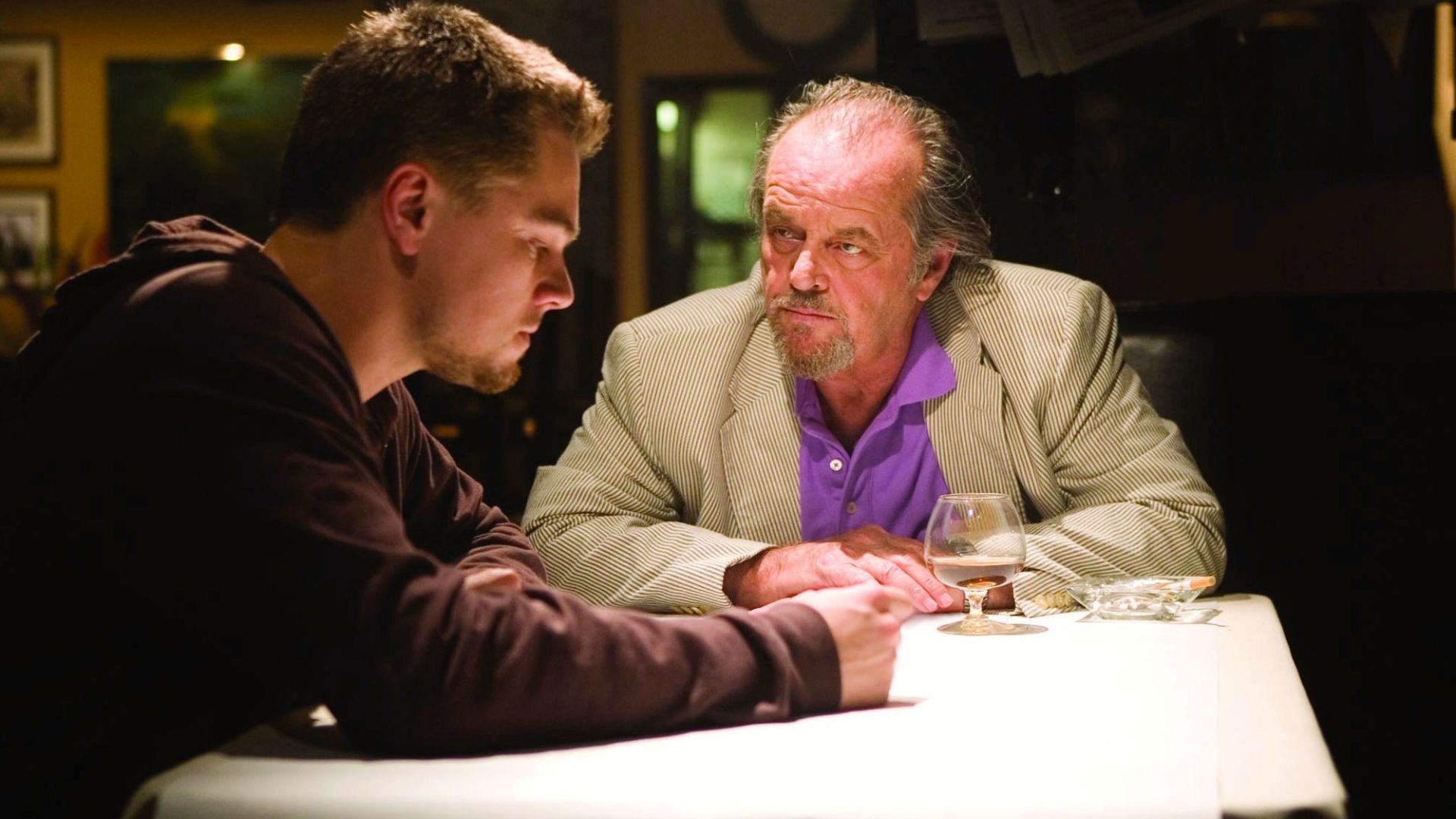
Over the years, many excellent mob movies have been made. While The Godfather and Goodfellas are often considered the greatest, numerous other gangster films are just as compelling. These two classics usually lead discussions about the genre, but even they were inspired by earlier gangster movies from Hollywood’s golden age.
Early gangster films were made from the silent movie era through the 1930s, and film noir became popular in the 40s and 50s. However, mob movies really took off after actual mob bosses became well-known in New York City. Many of the most compelling mob films are based on the stories of these real-life crime families and the ruthless individuals who led them, and filmmakers like Scorsese and Coppola drew heavily from these true events.
Mob movies and crime dramas are currently very popular, with recent films like Crime 101 and The Immortal Man proving to be hits. Many of the genre’s classic films were made by directors who were influenced by or even studied under legends like Coppola and Scorsese, and some are even revisiting their own past work. Along with filmmakers such as the Coen Brothers and David Cronenberg, these directors have created some of the most memorable crime movies ever made.
Donnie Brasco (1997)
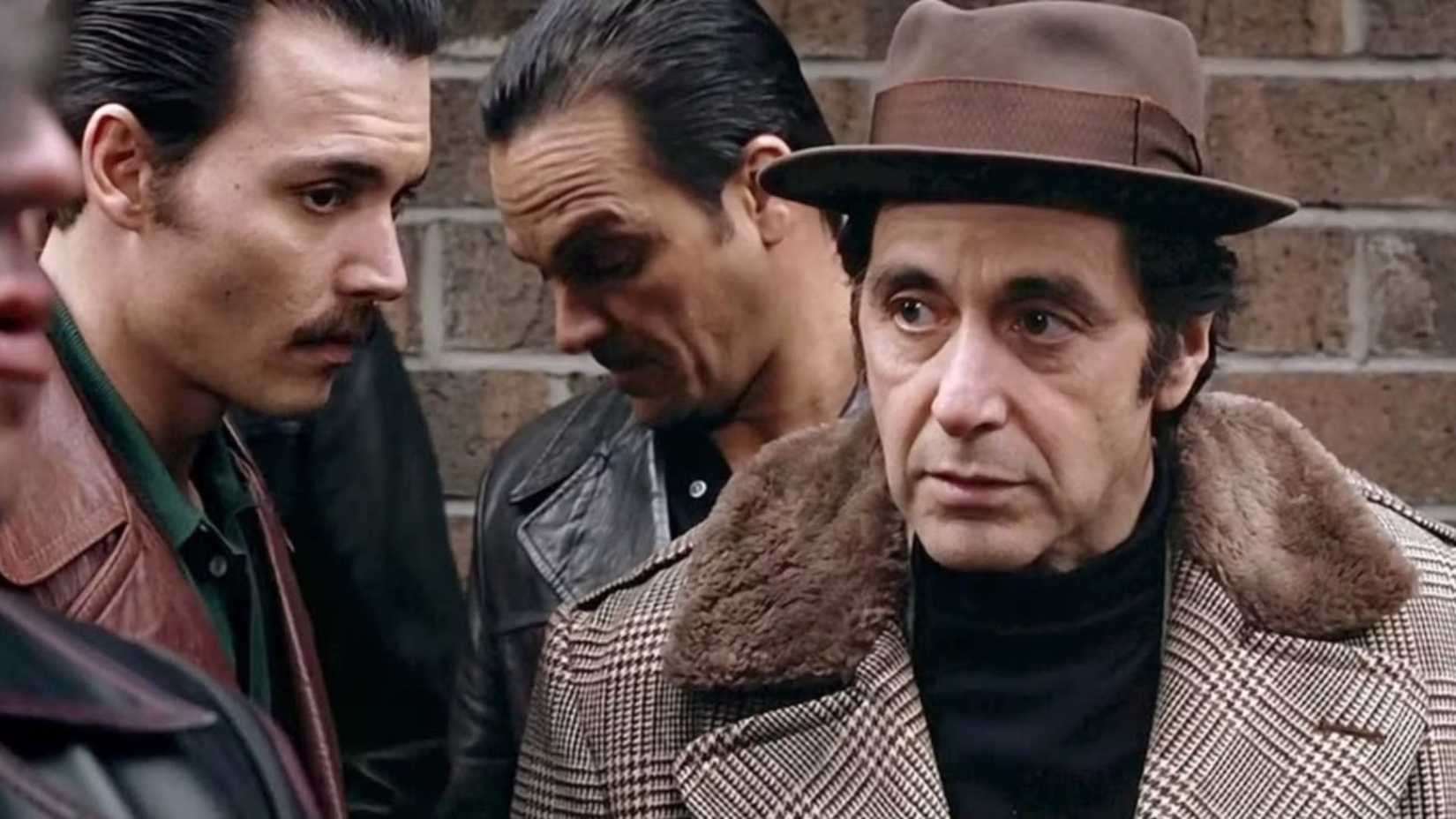
Similar to the movie Goodfellas, Donnie Brasco tells the story of someone infiltrating the mafia and ultimately helping to destroy it. However, instead of a mobster becoming an informant, this film focuses on an FBI agent who goes undercover. Johnny Depp plays Donnie Brasco, and Al Pacino portrays Lefty Ruggiero, and both characters are based on real people involved in the collapse of the Bonanno crime family.
The film, inspired by the true story of FBI agent Joe Pistone (who went undercover as Donnie Brasco), explores the personal cost of undercover work and the difficult relationships that form when a cop befriends the criminals he’s investigating. Like The Godfather influenced The Sopranos, this movie had a significant impact. Though it’s not as grand in scope as Goodfellas, it’s a more powerfully moving experience.
Once Upon a Time in America (1984)
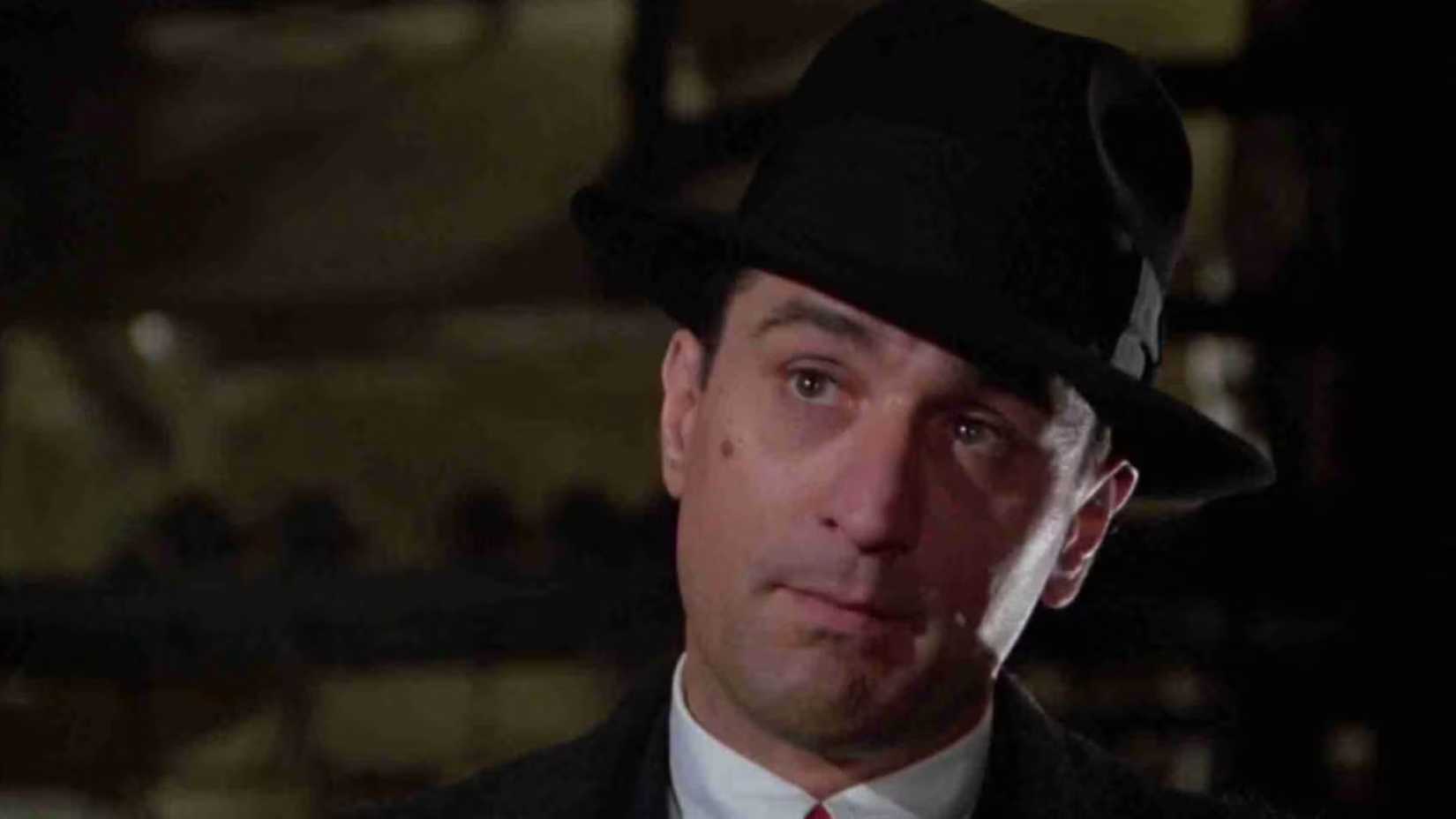
Sergio Leone’s Once Upon a Time in America is a sweeping, decades-long story about the Jewish-American mafia in New York City. Robert De Niro plays David “Noodles” Aaronson, and James Woods portrays his close friend, Max. The fully restored version of this epic film runs for over four hours and has earned an 87% rating on Rotten Tomatoes. Many consider it to be one of Leone’s greatest works, alongside The Good, the Bad and the Ugly.
This film portrays the world of organized crime as a sweeping, tragic story, much like Coppola’s Godfather movies. However, Leone also captures the almost dreamlike state and sense of time slipping away that likely affected those involved. While it aims for more than The Godfather, it’s important to note that the longer, expanded version is definitely the better one – the original theatrical release loses much of the film’s power and scope.
Mean Streets (1973)
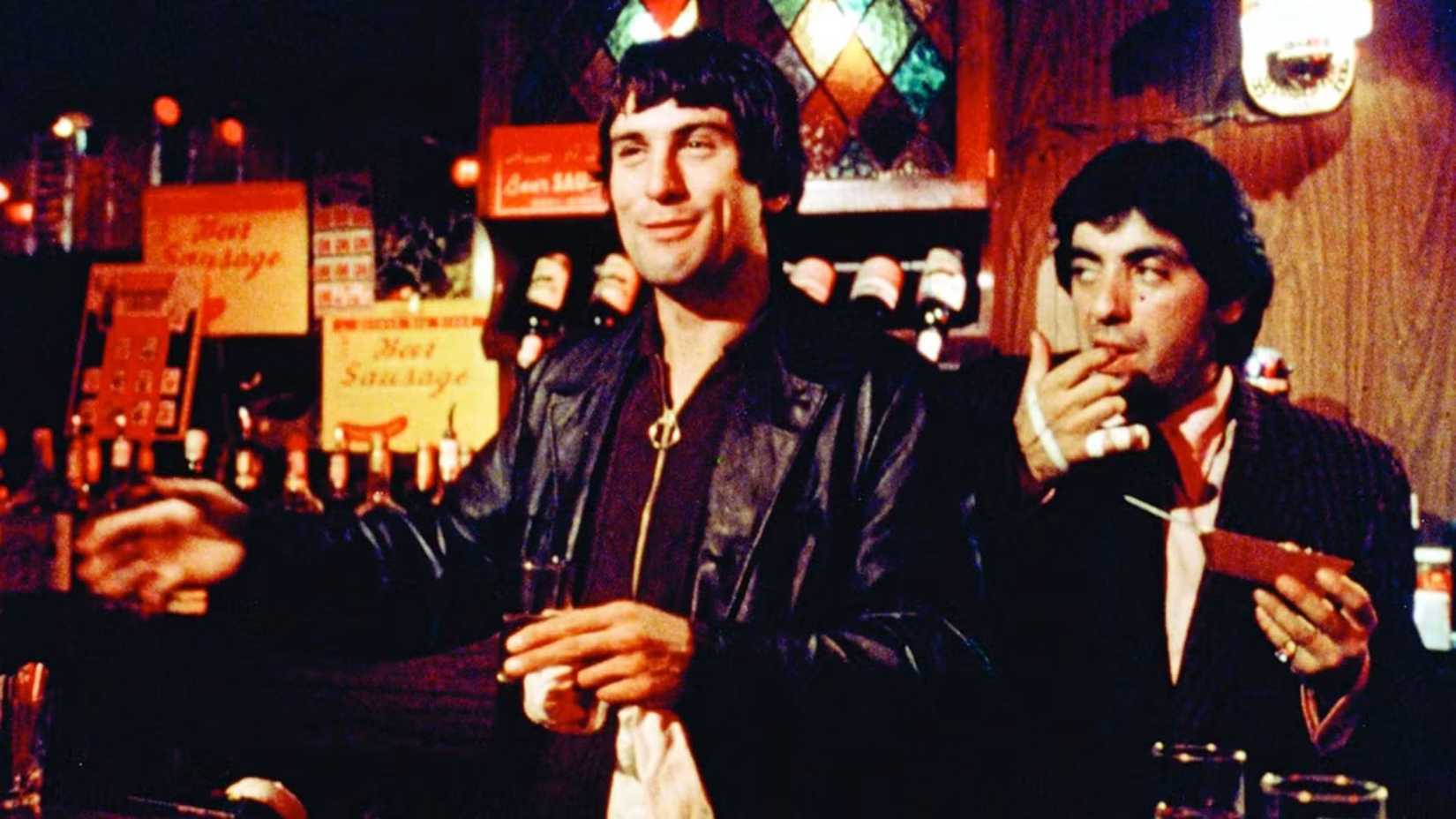
Martin Scorsese’s Goodfellas is widely considered a classic mob film, and it makes sense considering his early work in the genre. He first gained recognition in 1973 with Mean Streets, a smaller film that still clearly showed the influence of older movies like Scarface and The Public Enemy from the 1930s.
Martin Scorsese’s Mean Streets essentially kickstarted the wave of gritty crime and gangster films that defined the 1970s. His innovative street-level filming style and memorable use of music were particularly influential. The film also marked the beginning of a long and successful collaboration between Scorsese and Robert De Niro, and launched De Niro’s career as a leading actor in gangster movies.
Miller’s Crossing (1990)
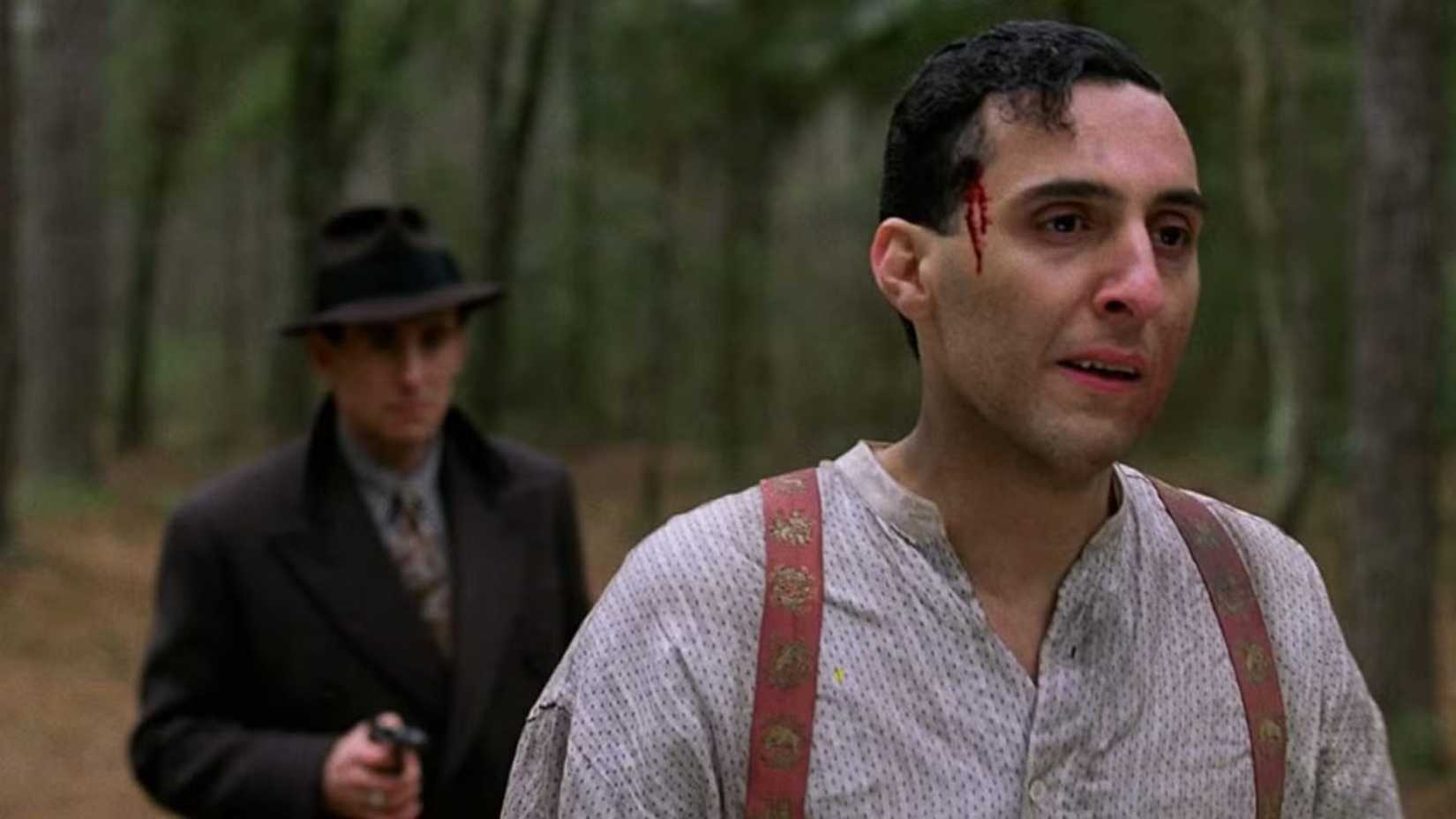
The Coen Brothers initially gained recognition for their crime films, which often blended suspense with dark humor. But in 1990, they shifted gears with the more serious Miller’s Crossing. The movie stars Gabriel Byrne as Tom Reagan, a key advisor to mob boss Leo (Albert Finney), and centers around a conflict between two rival criminal groups.
With a 93% rating on Rotten Tomatoes, Miller’s Crossing clearly draws inspiration from classic crime novels, especially the works of Dashiell Hammett like The Glass Key and Red Harvest. The film’s intricate story, authentic period language, and stunning visuals—captured by cinematographer Barry Sonnenfeld—demonstrated the Coen Brothers’ talent for both gripping crime thrillers and quirky comedies.
Road to Perdition (2002)
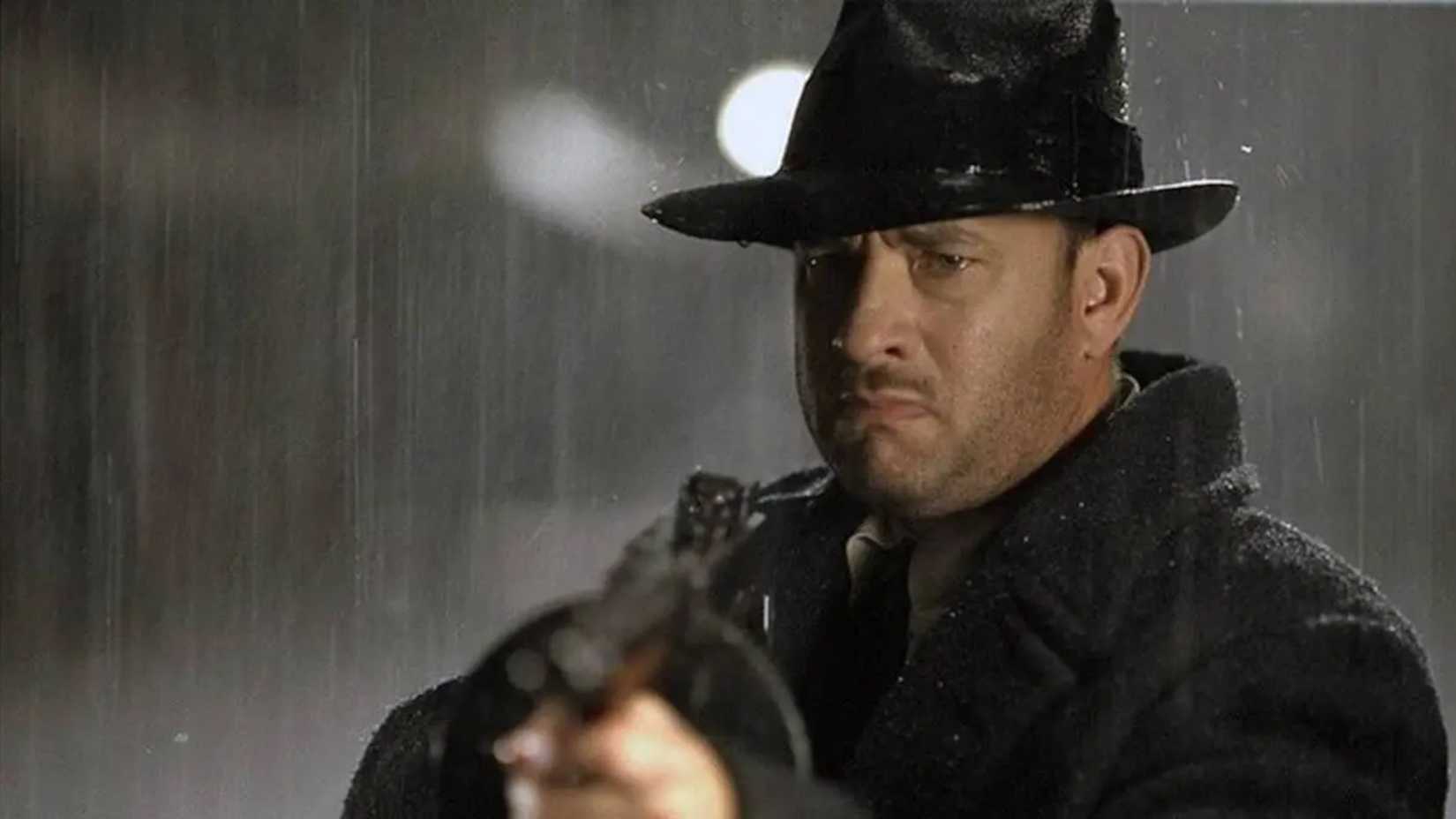
As a huge film fan, I remember being really excited when Sam Mendes, fresh off the success of American Beauty, decided to tackle a gangster story. And what a cast! Road to Perdition – based on a great graphic novel – brought together Tom Hanks and Paul Newman. Hanks plays Michael Sullivan, a tough guy working for Newman’s character, John Rooney. But things go horribly wrong when Michael’s family is caught in the crossfire, and the film turns into a gripping story of revenge.
Road to Perdition is a classic crime drama, structured like an ancient Greek tragedy. Paul Newman plays a father figure to Tom Hanks’ character, Michael, who is forced to make a heartbreaking decision to protect his son. Jude Law plays a relentless assassin pursuing Michael, with strong supporting performances from Daniel Craig and Stanley Tucci. Newman received his last Oscar nomination for his work in the film.
Eastern Promises (2007)
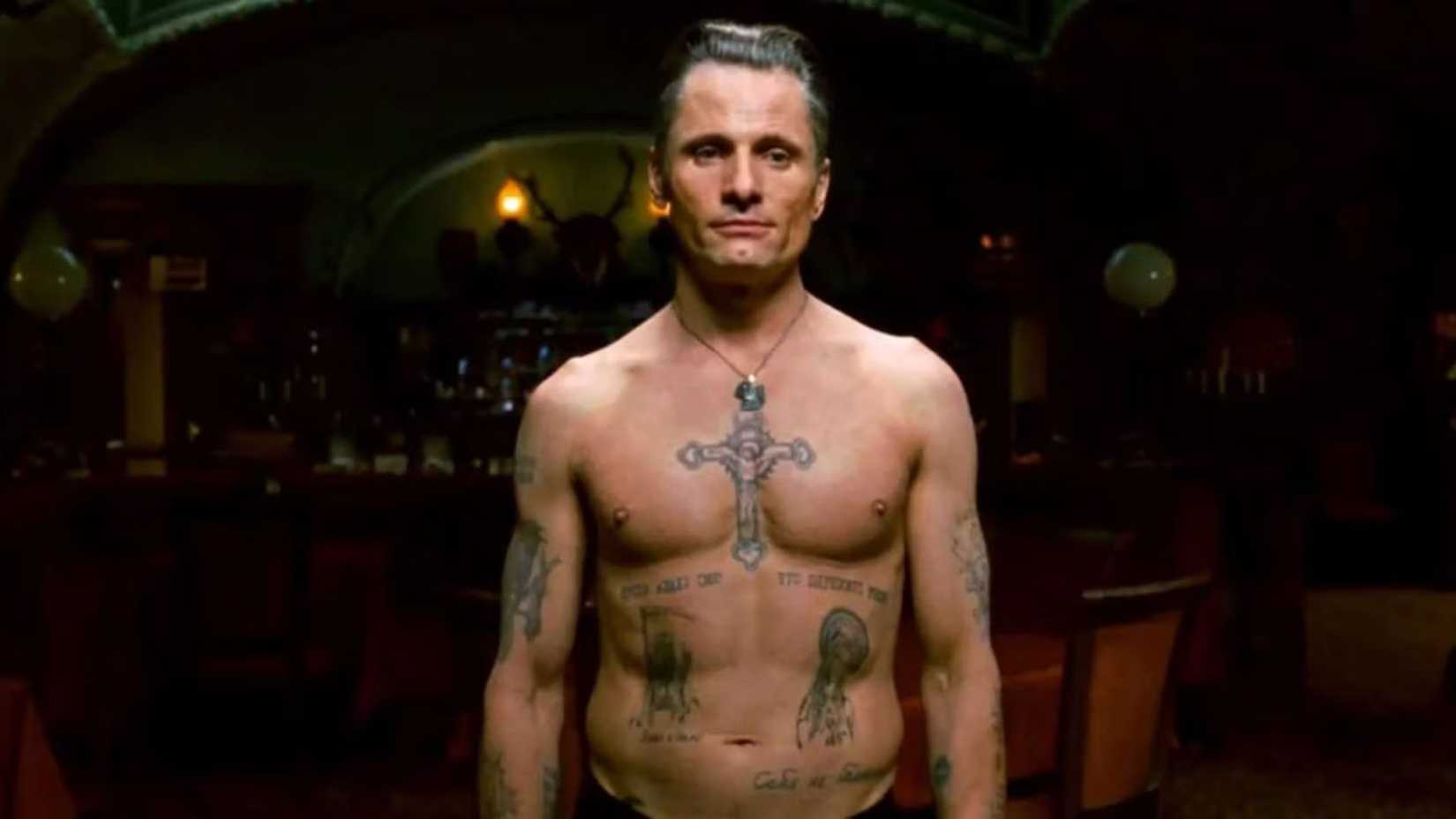
David Cronenberg’s 2007 film, Eastern Promises, offers a unique take on the typical gangster movie. The story centers on Nikolai Luzhin, played by Viggo Mortensen, a driver working his way up in a criminal group. His path crosses with a midwife (Naomi Watts) who uncovers evidence of sex trafficking through a diary. Mortensen received an Academy Award nomination for Best Actor for his compelling performance.
This mob film is packed with incredible moments, but the scene in the bathhouse really stands out. It’s unforgettable – Mortensen fights off two Chechen attackers while completely naked, and it’s one of the most raw and intense fight scenes ever filmed in a mob movie. The film also marked a shift in the genre, moving away from traditional Italian mob stories and introducing the world of the Russian mafia, which brought a fresh and unique style to the films.
American Gangster (2007)
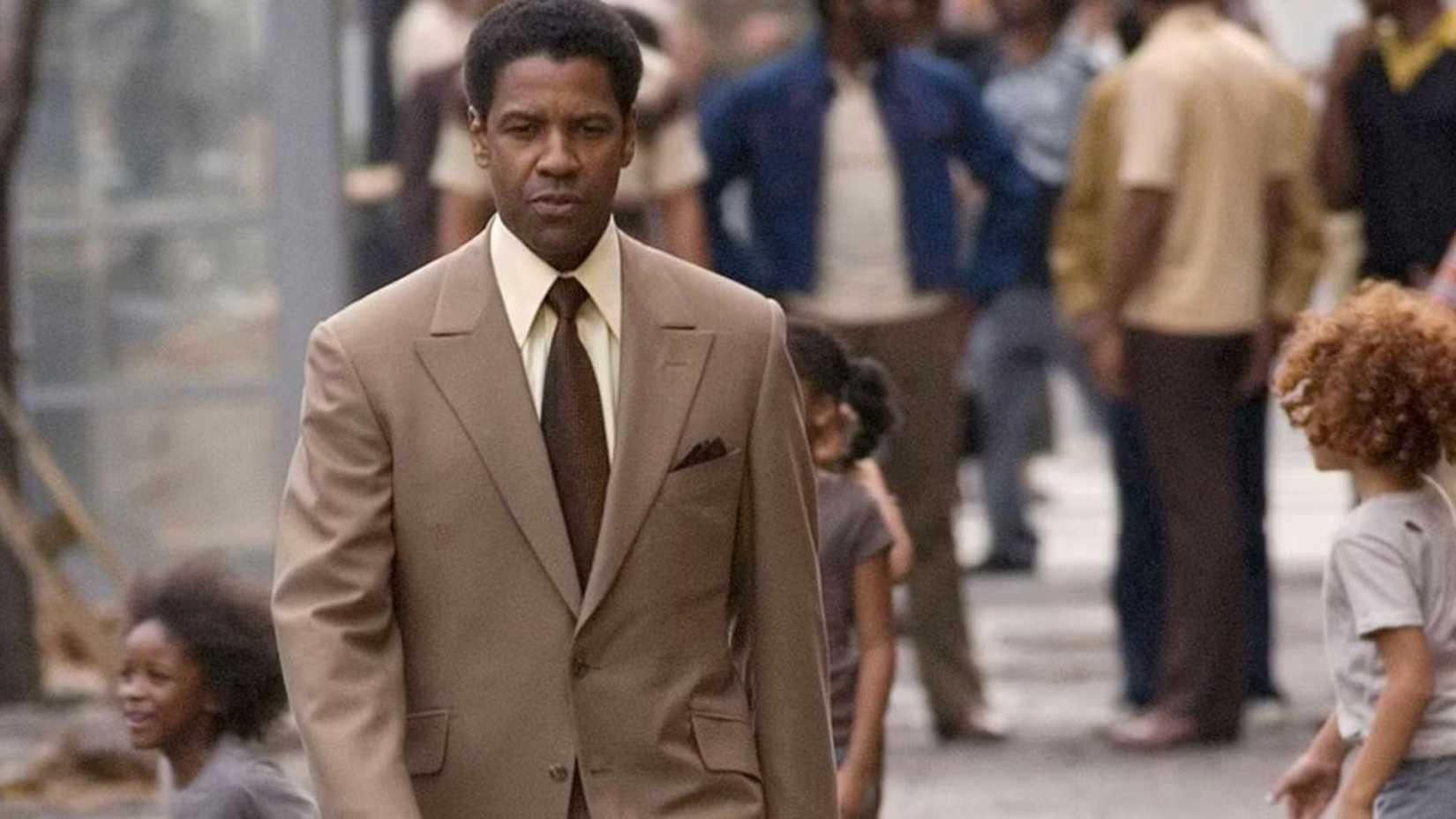
Denzel Washington received widespread acclaim for his portrayal of Frank Lucas, a real-life drug lord from Harlem. The film depicted Lucas as a powerful and driven Black man who, while building a criminal empire, also surprisingly maintained order and a sense of community in his neighborhood. It was unusual to see a mob boss presented as someone who genuinely cared about the people around him.
Denzel Washington’s portrayal of Lucas, a sharply dressed, churchgoing man who also helps his community, breaks the typical mold of how mafia bosses are depicted in films. American Gangster combines the grand scope of The Godfather with the framework of a true story, creating a film that feels both realistic and epic.
Casino (1995)
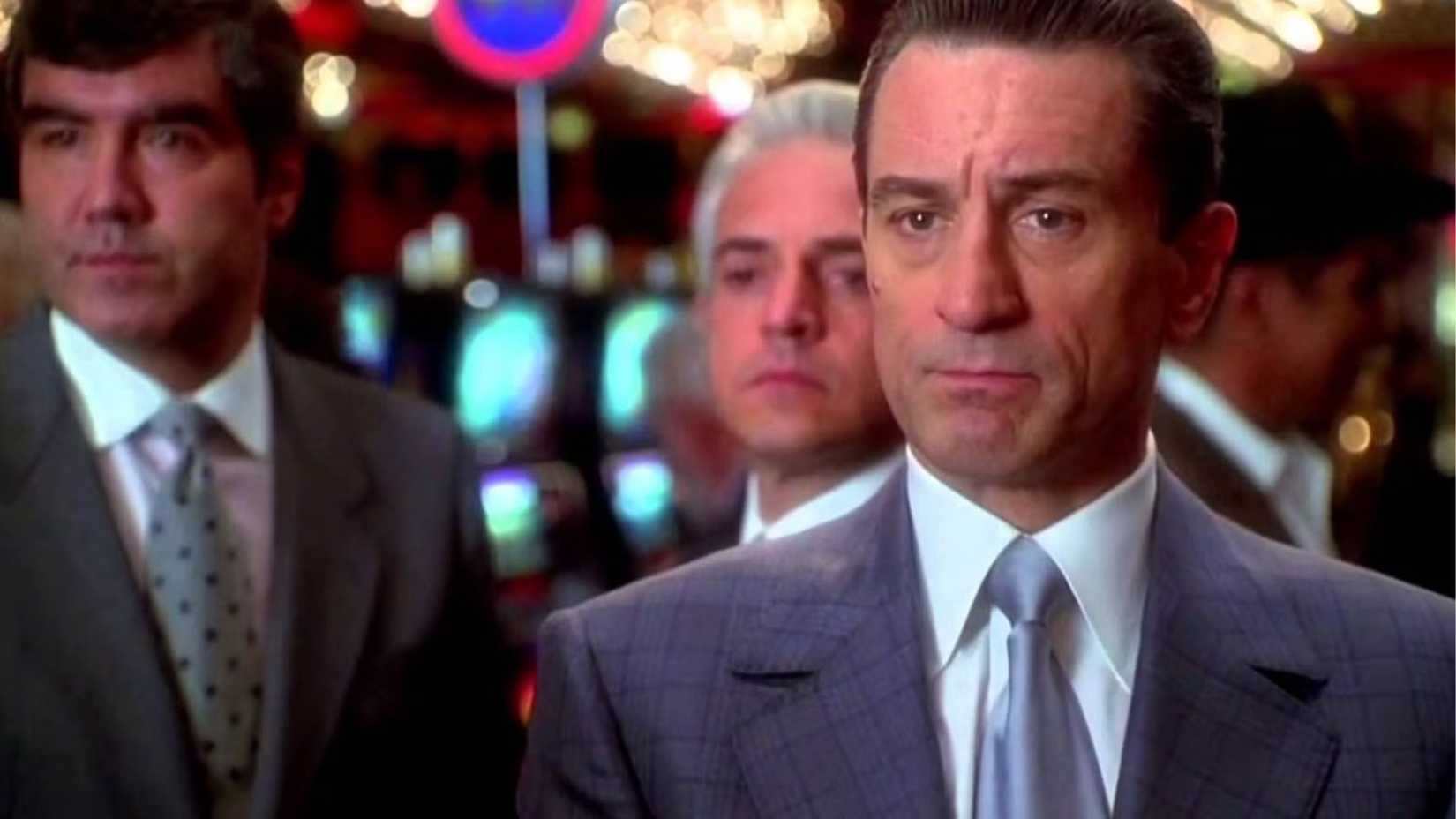
Martin Scorsese first gained recognition with Mean Streets and is celebrated for Goodfellas, but his 1995 film Casino was also a significant achievement. Casino reunited several actors from Goodfellas, including Robert De Niro, who played casino executive Sam “Ace” Rothstein, and Joe Pesci as his tough associate, Nicky Santoro.
Sharon Stone truly stood out as Ginger McKenna, and her performance earned her an Academy Award nomination. The film was inspired by a true story detailed in Nicholas Pileggi’s book, and it shares similarities with Goodfellas, but is set in the world of Las Vegas casinos. However, it’s more expansive than Goodfellas – it’s longer, more daring in its scope, and particularly fascinating in how it explores the reach of organized crime into businesses like the casino industry.
Scarface (1983)
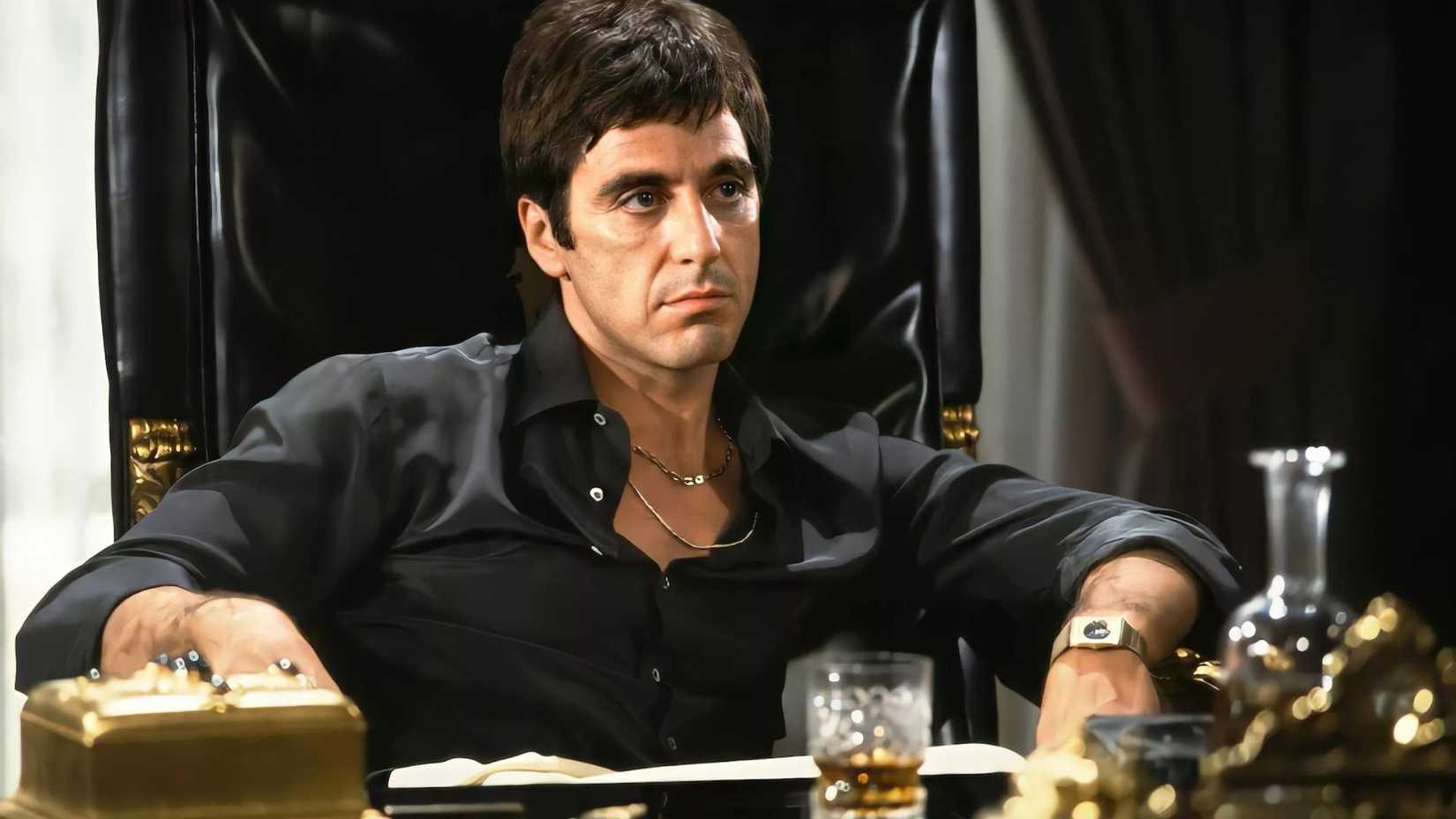
Brian De Palma’s 1983 film Scarface was a remake of the 1932 Howard Hawks classic, but it was much grander in scope. The film stars Al Pacino as Tony Montana, a Cuban immigrant who arrives in America hoping to achieve success, ultimately becoming a powerful and dangerous drug lord in Miami.
Montana is a famously quoted character in gangster films, largely thanks to lines like “Say hello to my little friend.” The movie’s over-the-top depiction of wealth, huge homes, and massive amounts of drugs made the criminal world seem incredibly dangerous, and its dramatic action and violence are much bolder than in films like The Godfather and Goodfellas.
The Departed (2006)

Many film fans consider Martin Scorsese’s Goodfellas to be his best work, but he actually won an Academy Award for his 2006 film, The Departed. Goodfellas was inspired by a true story and the book Wiseguy, while The Departed is a reimagining of a Hong Kong movie. It tells the story of an undercover cop infiltrating the mafia and a mobster who poses as a police officer.
While The Departed closely follows the plot of Infernal Affairs, it adds its own unique spin to the story of the Boston police trying to take down a powerful mob boss. The film was a major hit, featuring Jack Nicholson as the mob boss Frank Costello—inspired by the real-life Whitey Bulger—and starring Matt Damon and Leonardo DiCaprio as the two undercover agents working against each other.
Read More
- Gold Rate Forecast
- What is Omoggle? The AI face-rating platform taking over Twitch
- Scientology speedrun trend escalates as viewers map out Hollywood facility
- Japanese Coast Guard rescue a “lone flamingo” that was lost at sea
- Man pulls car with his manhood while on fire to raise awareness for prostate cancer
- Beyond Traditional Risk Metrics: Forecasting Market Volatility with Bayesian Networks
- How To Grow Money Trees In Animal Crossing: New Horizons
- Crimson Desert Guide – How to Pay Fines, Bounties & Debt
- The Boys Confirm Why People Still Look Up to Homelander
- Audible opens first ‘bookless bookstore’ in New York
2026-05-10 05:45