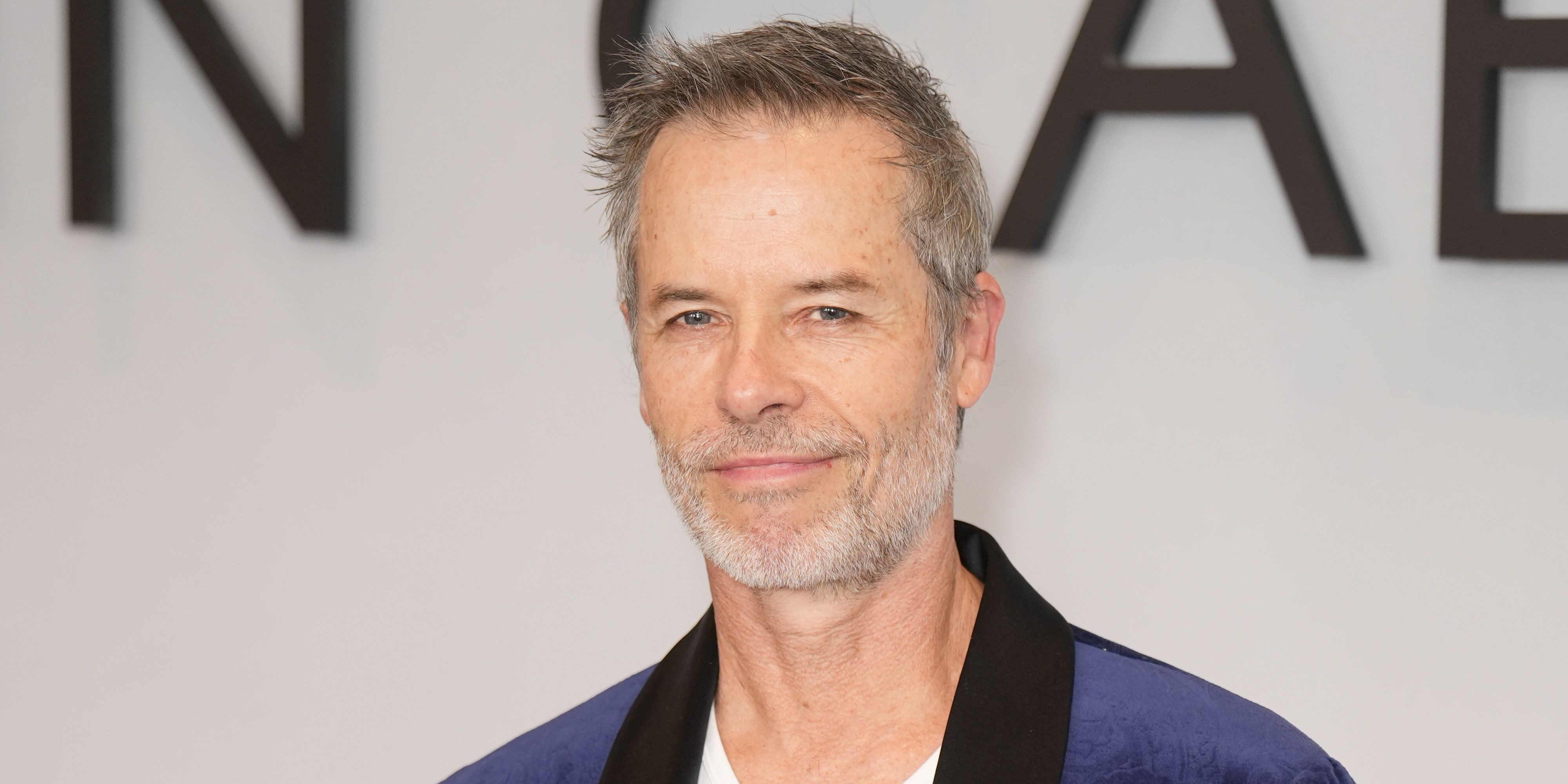
Westerns have consistently surprised audiences with their range, even venturing successfully into horror, as seen in films like Ravenous and From Dusk Till Dawn, which received praise from critics like Roger Ebert. Though the genre’s popularity dipped after films like Tombstone, there are still many excellent modern Westerns for fans to enjoy. Guy Pearce starred in one particularly unsettling take on the Old West in 1999, and it remains a hidden gem of the horror genre today.
Westerns are frequently mixed with other genres, as seen in comedies like Blazing Saddles. But the combination of the Old West and horror has been particularly successful, amplifying the already harsh realities of the setting. The Wild West was inherently violent, remote, and lacked strong law enforcement, making it a perfect backdrop for terrifying true and fictional stories. In 1999, film critic Roger Ebert highlighted an overlooked horror-Western and praised it highly. Twenty-six years later, Antonia Bird’s Ravenous remains one of the best scary Westerns ever created and deserves more recognition.
Ravenous Is a Nightmare On The Western Frontier
The novel Ravenous is set during the Mexican-American War and follows Captain John Boyd, a young officer who gained his rank through a dishonest act. He’s assigned to the isolated Fort Spencer in the Sierra Nevada mountains, which normally functions as a trading post but is now cut off by winter. Boyd meets the small group of soldiers led by Colonel Hart and soon encounters a strange man named Colqhoun wandering in the snow. Colqhoun shares a terrifying story of how his fellow travelers resorted to cannibalism to stay alive. Believing a woman is being held captive by a cruel and cannibalistic officer named Ives, Hart organizes a rescue mission to find any potential survivors.
The rescue team’s arrival at the cave quickly turns from suspenseful to horrifying when Ives reveals himself and brutally attacks the men. Boyd, severely wounded, struggles through the snow to reach Fort Spencer, only to discover he’s being framed. With no one else to corroborate his unbelievable story, Boyd becomes the prime suspect. The situation worsens when he meets his new commander: Colonel Ives. As paranoia sets in and the brutal winter traps them all, Boyd is forced into a dangerous psychological battle, desperately trying to prevent the fort from descending into cannibalism.
Boyd consistently feels like an outsider, even having trouble connecting with the people of Fort Spencer. Haunted by a past act of cowardice, he’s quiet and reserved, which makes it hard for him to integrate with the team. He only seems to genuinely connect with Ives, as both men understand the psychological and physical toll of taking a life. Their brief scenes together are filled with a powerful, unspoken tension, and it’s this complex relationship that truly elevates the film.
Ravenous Makes the Wendigo Myth Its Own
I just finished watching Ravenous, and it’s a really fascinating, unsettling film. It cleverly mixes a bunch of different horror elements – the Native American legend of the Wendigo, the idea of vampirism, and even real-life tragedies like the Donner Party – into something unique. The central character, Ives, is driven by this terrifying, endless hunger for human flesh, and it actually makes him stronger as he hunts. What’s really brilliant, though, is how director Antonia Bird uses the story as a metaphor. She sees the relationship between Ives and another character, Boyd, as a stand-in for the dynamic between a drug pusher and an addict – Ives being the pusher, and Boyd the one desperately trying to deny his own dependence.
Once Ives arrives, the film becomes genuinely suspenseful and unsettling, making the audience wonder how long he can keep up his act. This is where the director excels at building tension, creating a paranoid atmosphere reminiscent of a classic thriller, though not quite as drawn-out. Boyd is constantly on edge, unsure when the danger will strike, and everyone at the fort begins to suspect the supposed hero is actually responsible for the deaths of their friends. This creature, a terrifying mix of Wendigo and vampire, grows more powerful with every feeding, becoming insatiably hungry and determined to devour anyone he can’t convert to his side.
This story features a terrifying creature—whether it’s seen as a Wendigo or a vampire is up to the viewer—that represents an overwhelming, natural power. A central theme is the idea that once someone resorts to cannibalism, they can’t return to a normal life. This is powerfully shown through flashbacks of Boyd, where we see his growing revulsion towards food and the devastating impact of his actions. Ultimately, the story isn’t just about defeating a monster; it reveals a heartbreaking truth: the hero’s only way to truly escape his terrible addiction was through death.
While Guy Pearce gives a strong performance as Boyd, Robert Carlyle truly makes the film special with his portrayal of Ives. He, like a captivating villain should, effortlessly blends charm and menace. Viewers aware of his villainy will find every gesture and line of dialogue unsettling, from his pretended kindness to subtle looks exchanged with Boyd.
Roger Ebert Loved The Film’s Ominous Atmosphere
In his 1999 review of the film Ravenous, Roger Ebert immediately complimented Antonia Bird’s directing and the film’s overall mood. He began by noting that a vampire is essentially a cannibal with refined manners, and Ravenous explores an outbreak of cannibalism and the terrifying consequences that follow. As he continued his review, Ebert praised Bird, stating he wasn’t impressed with her previous film, Priest, but that she clearly has talent. He particularly appreciated her focus on creating a strong atmosphere rather than a complex plot, citing a scene where a general enjoys a simmering stew as a prime example of her skill.
Ebert notes the film’s unsettling imagery, particularly its depictions of meat, and points out the director’s vegetarianism adds an ironic layer. He praises the film’s realistic portrayal of cold, damp weather and the bleak Slovakian locations, avoiding the typical ‘pretty’ movie snow. As viewers follow the characters, they increasingly feel the soldiers’ isolation on the American frontier and their distance from civilization. This sense of isolation, combined with the harsh winter setting, creates the film’s eerie atmosphere.
I was really struck by the film’s music, especially the score by Michael Nyman and Damon Albarn. Ebert really got it – it definitely draws your attention, but in a way that feels earned. What’s cool is they mostly used instruments from the Old West era, and it just fit every scene perfectly. Whether it was building the tension in the cave or making that final showdown between Boyd and Ives feel so intense, the music was just… spot on.
Ravenous Is the Definition of Cult Classic
Though films like Tremors experienced a resurgence, Ravenous remains relatively unknown, even among dedicated fans of Westerns and horror. Made with very little money and failing to make much of an impact at the box office, the 1999 film never quite got the recognition it deserved. With so many excellent movies released that year, it’s understandable that this unusual, specialized horror film was overlooked. Luckily, it did receive some positive attention from critic Roger Ebert.
Horror and Western films are a surprisingly effective combination, and when done well, they really satisfy audiences. While recent movies like The Wind and Bone Tomahawk have gained attention, classic films also delivered. Antonia Bird’s Ravenous, released over twenty-six years ago, is still considered one of the most frightening Westerns ever made, and it was even praised by the renowned film critic, Roger Ebert.
Read More
- Gold Rate Forecast
- What is Omoggle? The AI face-rating platform taking over Twitch
- Wartales Curse of Rigel DLC Guide – Best Tips, POIs & More
- Stray dog hailed as hero after saving 30 children from venomous snake
- Japanese Coast Guard rescue a “lone flamingo” that was lost at sea
- What is Managed Democracy? A Helldivers Guide
- I’m Not A Big Jonathan Fan, But This Stranger Things Season 5 Theory Would Break Me
- Mr. Fantasy Staged a Riverdale Reunion for New Music Video
- Disney’s Songs In Sign Language Makes One Major Mistake
- Seeing Clearly Through the Noise: Robustness in Financial Forecasting
2026-05-08 03:41