
Vulture is keeping a running list of the best films released this year, including both big-budget blockbusters and smaller independent movies. We’ll be adding to the list every month, and it’s organized by release date, with the newest films appearing first.
Blue Heron
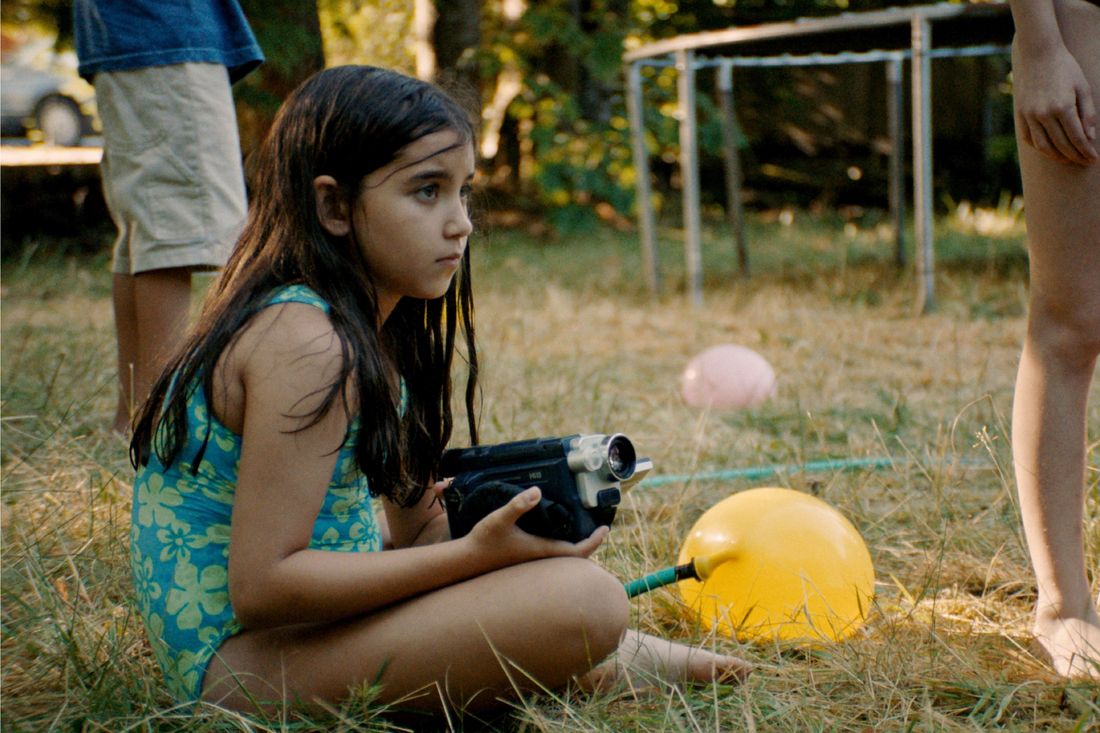
Sophy Romvari’s film, Blue Heron, is a deeply personal story drawn from her own childhood. It focuses on her family’s move to Vancouver Island when she was young, and feels less like a traditional movie and more like an attempt to understand the past. Specifically, Romvari uses the film to explore the complexities of her older brother, Jeremy, and things she couldn’t understand as a child. The film delicately balances documentary and fictional elements, using re-creation to reveal a deeper, more honest truth. It’s a moving, yet heartbreaking, work. —Alison Willmore
Faces of Death
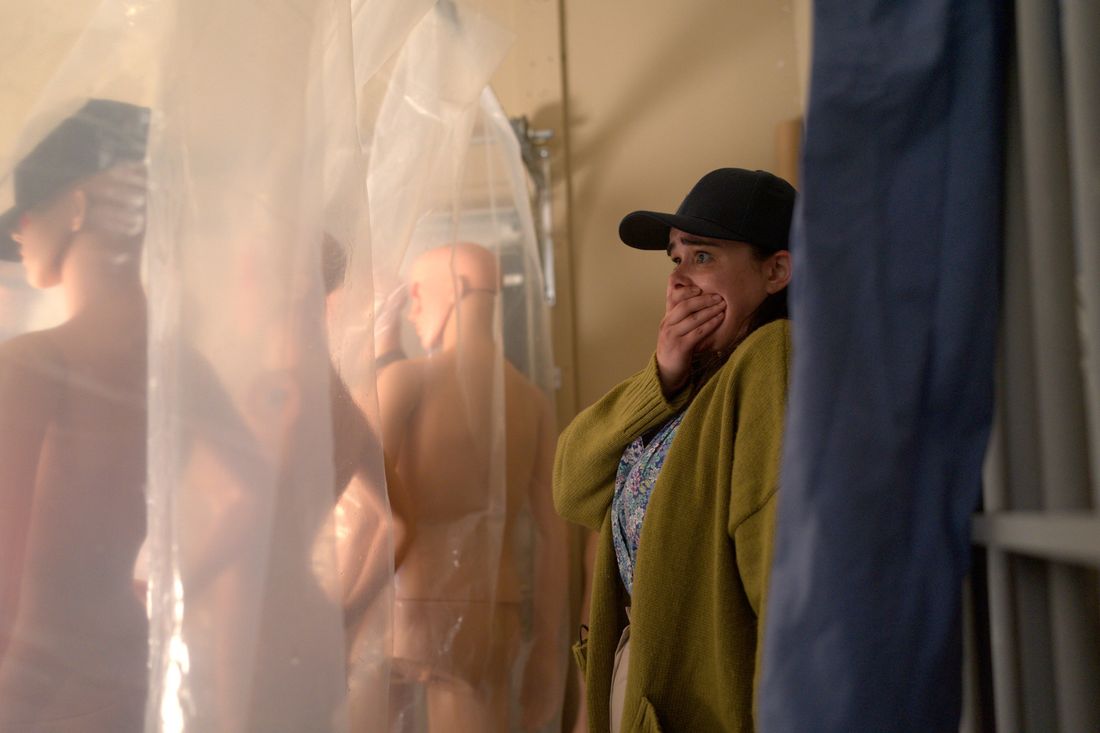
Daniel Goldhaber and Isa Mazzei’s film isn’t a remake of the notorious 1978 film Faces of Death. Instead, it’s a modern take on the original’s themes – specifically, the line between reality and fiction, and our disturbing fascination with violence. The film follows Barbie Ferreira as a content moderator who becomes convinced that flagged videos might actually show real murders, leading her into a dangerous confrontation with a serial killer (Dacre Montgomery) who is equally obsessed with the internet. The result is a surprisingly enjoyable horror movie with a relevant message: the main character desperately wants people to stop treating terrible events as entertainment, especially in a world where everything is shared online. —A.W.
Exit 8

Director Genki Kawamura’s thriller is inspired by a small, atmospheric indie game where players move through looping train station corridors. It might be the best video game adaptation ever made, though the competition isn’t very strong. Kawamura skillfully weaves the theme of parental worry into the game’s already unsettling idea, making the film feel like a natural extension of the gameplay, not a restriction of it. Actor Kazunari Ninomiya plays the unnamed “Lost Man,” and often appears alone as he leads us through a bleak, industrial world, revealing the emotional state of a character who was lost long before finding himself physically trapped.
The Christophers
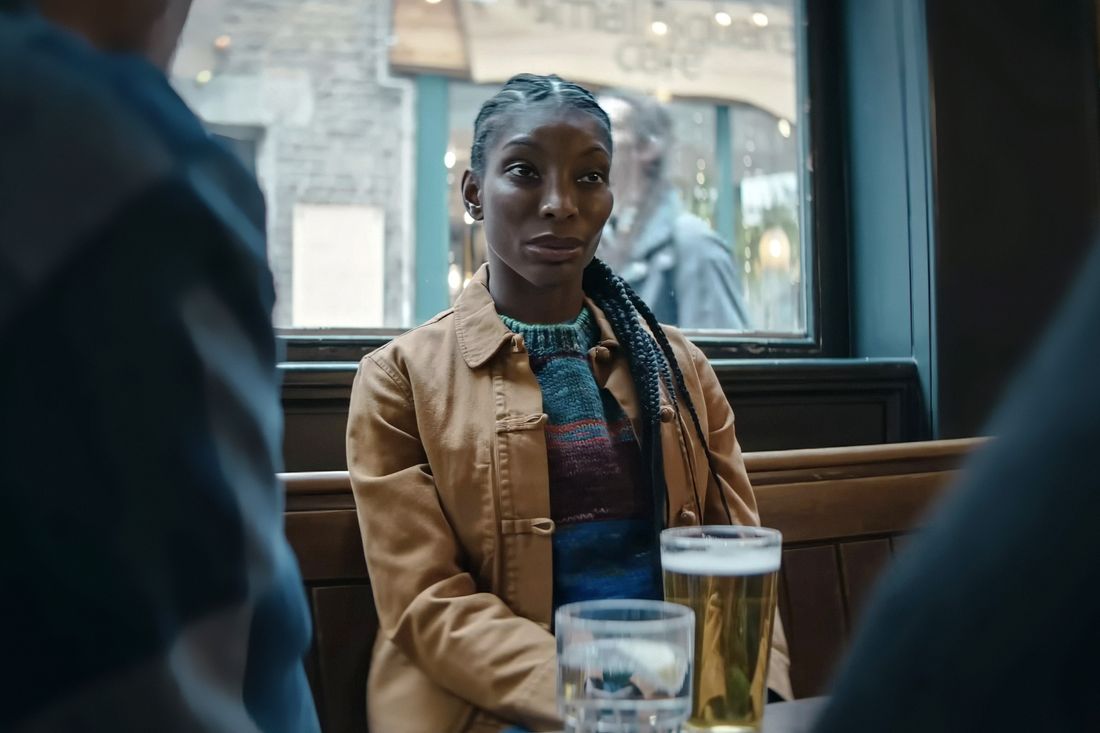
Steven Soderbergh’s latest film, The Christophers, is a small, quietly engaging story that feels effortlessly made. It stars Ian McKellen and Michaela Coel as artists with very different levels of fame. The film is a clever blend of drama and comedy, focusing on Lori Butler (Coel), a struggling artist who becomes involved with Julian Sklar (McKellen), a once-famous painter who hasn’t created anything in decades. While it initially feels like a low-key heist movie, with Julian and Lori constantly testing each other, it ultimately becomes a nuanced character study. It’s a dual portrait of two wounded individuals who still crave recognition from the art world. —A.W.
Fantasy Life
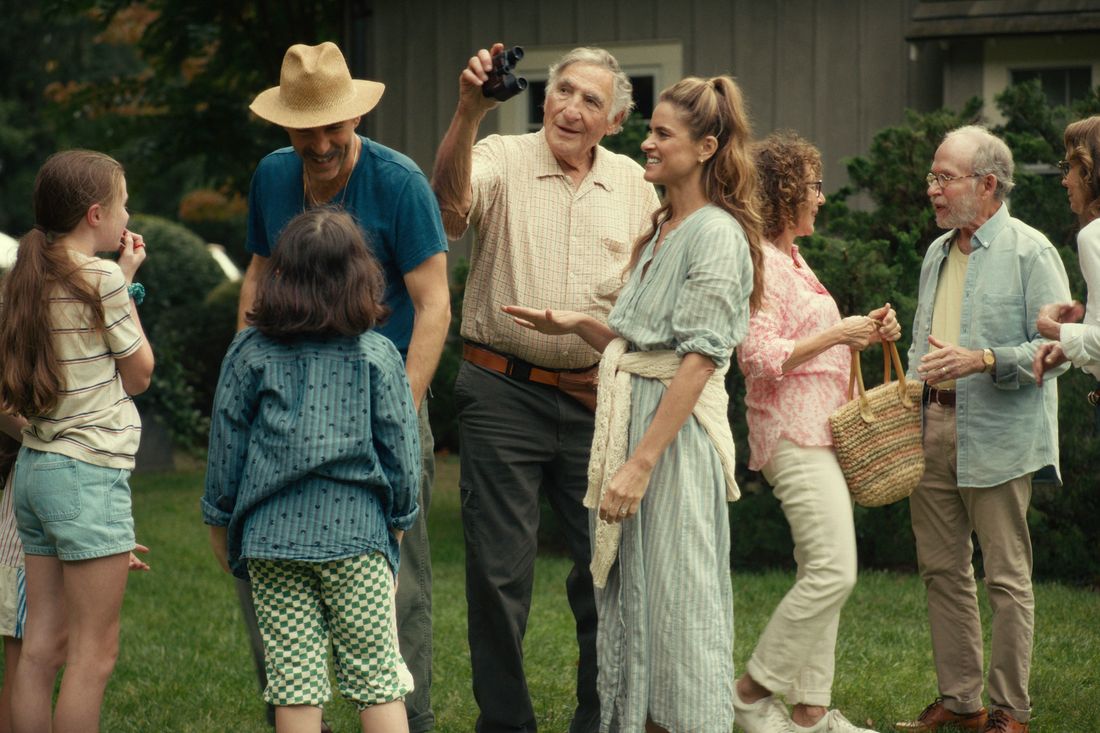
Matthew Shear’s first time directing is a gentle, touching film about connection and feeling lost. It centers on Sam, a somewhat clumsy man who dropped out of law school and is struggling after losing his job. However, the movie truly shines thanks to Amanda Peet’s performance as Dianne, an actress whose career and marriage to musician David (Alessandro Nivola) have both hit a standstill. Sam becomes the couple’s nanny, and finds himself falling for Dianne, a woman who appears comfortable but is secretly unhappy and unsure of what she needs. Peet delivers a nuanced performance, portraying Dianne as fragile, radiant, and hesitant to admit she might need help. —A.W.
Kontinental ’25
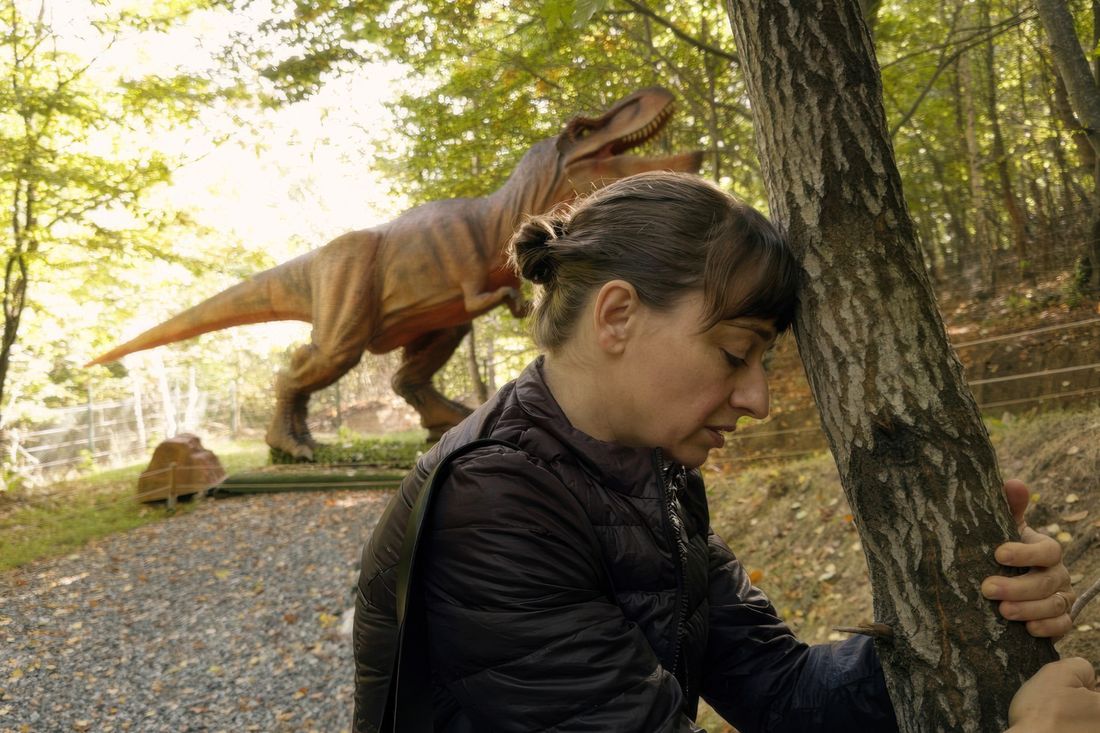
I absolutely love Radu Jude’s films – he’s made two of my favorites this century! While his newest, Kontinental ’25, doesn’t quite reach the brilliance of Bad Luck Banging or Loony Porn or Do Not Expect Too Much From the End of the World, it’s still distinctly him. You can feel his sharp, cynical humor and his understanding of how hard it is to do the right thing when the world just seems to be working against you. The film centers on Orsolya, played by Eszter Tompa, a bailiff in Romania who’s tasked with evicting a squatter, and things quickly spiral out of control. Jude has a knack for highlighting uncomfortable truths, but he also finds humor in the simple struggle to survive. Orsolya’s reaction to everything that happens takes the movie to some really unexpected, and surprisingly funny, places. It’s a wild ride!
The Stranger

François Ozon’s film adaptation of Albert Camus’s The Stranger opens with a striking statement: “I killed an Arab.” This immediately signals that Ozon is offering a fresh perspective on the classic 1942 novel. By emphasizing this moment, the director demonstrates an understanding of the story’s complex themes. The Stranger centers on Meursault, a detached and largely passive character whose act of violence leads to his execution. Ozon subtly enriches our understanding of Meursault’s motivations while remaining true to the source material. The film is visually stunning, shot in black and white with a focus on the sensory details of Meursault’s life, mirroring Camus’s writing style. Crucially, Ozon captures Meursault’s inner silence – a silence that reflects not only his alienation from society but also a deeper, universal truth about the world. He portrays Meursault as an outsider who challenges our expectations and forces us to confront the fundamental quietude of existence. —Bilge Ebiri
Miroirs No. 3
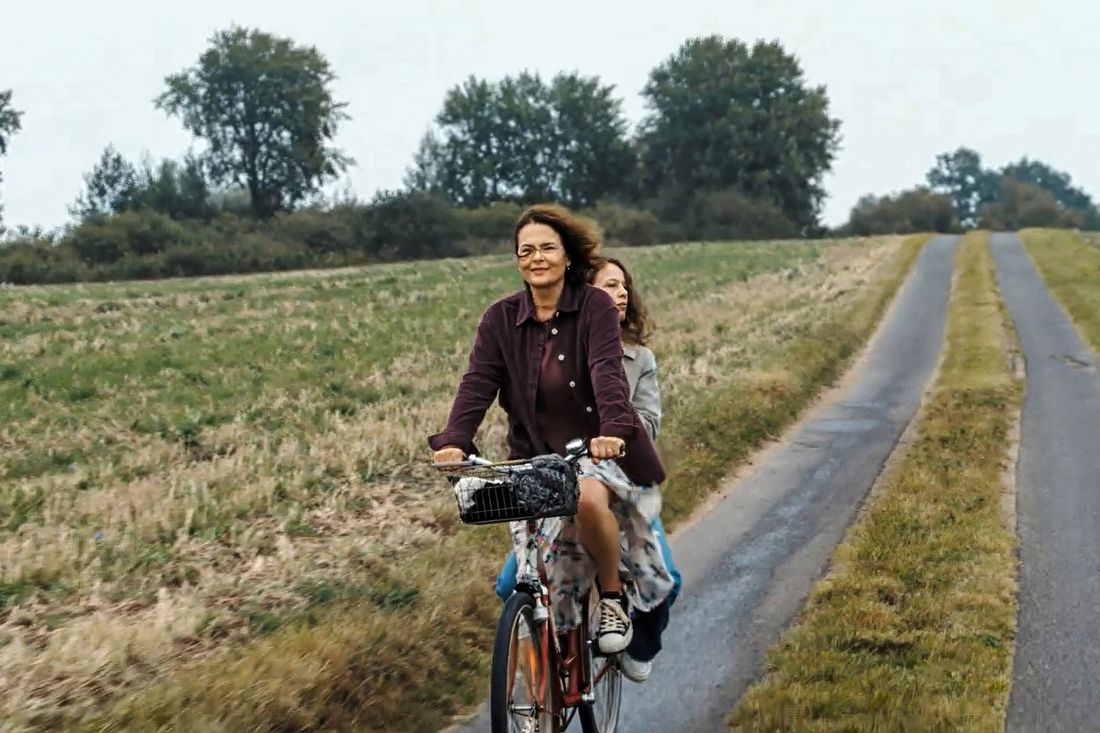
I’ve been thinking a lot about Christian Petzold’s latest film, and what really struck me is how subtly he explores the little lies and comforts his characters create for themselves. It’s a quiet film, but incredibly moving. The story centers on Laura, a music student in Berlin, who survives a car accident that kills her boyfriend. What’s fascinating is how casually she asks to stay with the woman, Betty, who found her at the scene. And Betty, in turn, acts like it’s perfectly normal to take in this complete stranger. It feels like a fairytale, but as the film unfolds, you realize both women are dealing with deep pain and are, almost unconsciously, helping each other heal. It’s a beautiful, understated film about connection and unspoken needs.
Two Prosecutors
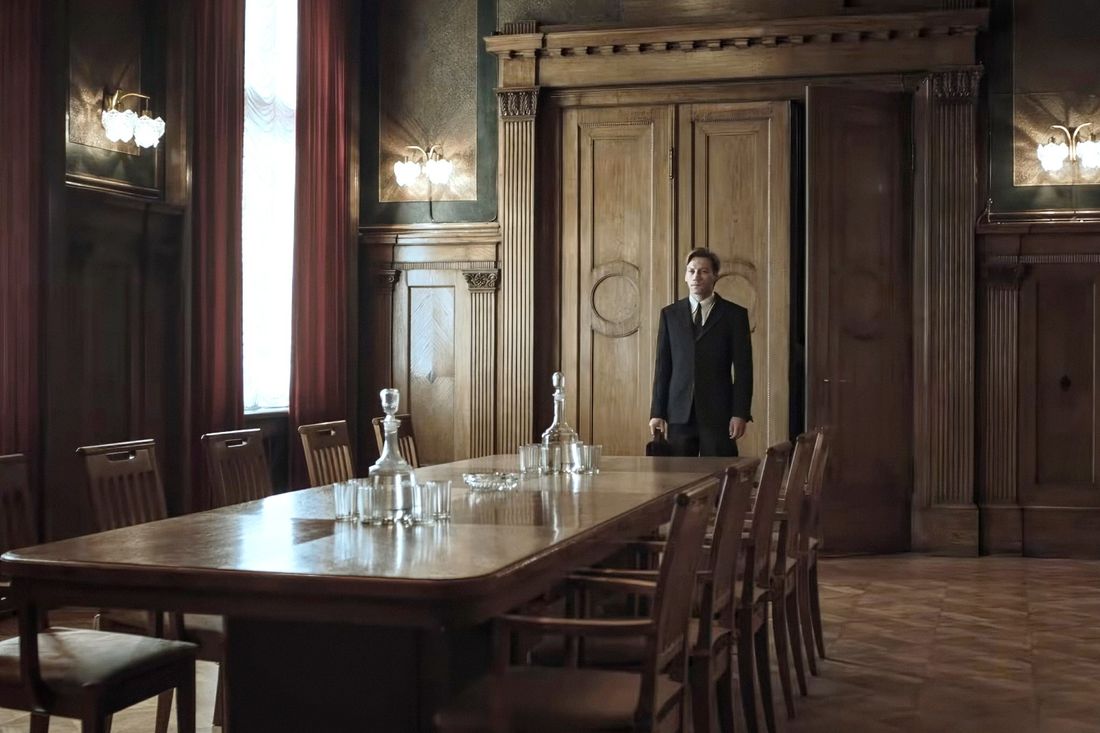
Sergei Loznitsa’s new film, his first narrative feature in seven years, is a haunting story set in 1937, during Stalin’s infamous purges. It follows a young lawyer determined to secure justice for an elderly Bolshevik wrongly imprisoned and brutally tortured. The lawyer travels to Moscow, even appealing to the country’s top prosecutor, hoping to launch an investigation. What makes the film stand out isn’t the plot itself – which feels more like a dark and cynical joke – but the nuanced way Loznitsa portrays the lawyer’s journey through a corrupt system. In the twisted world of Stalinist Russia, the lawyer’s dedication and perseverance ironically become his downfall. He believes he’s making progress and circumventing the injustice, but he’s actually participating in a pointless exercise, each effort proving more futile than the last.
Late Shift
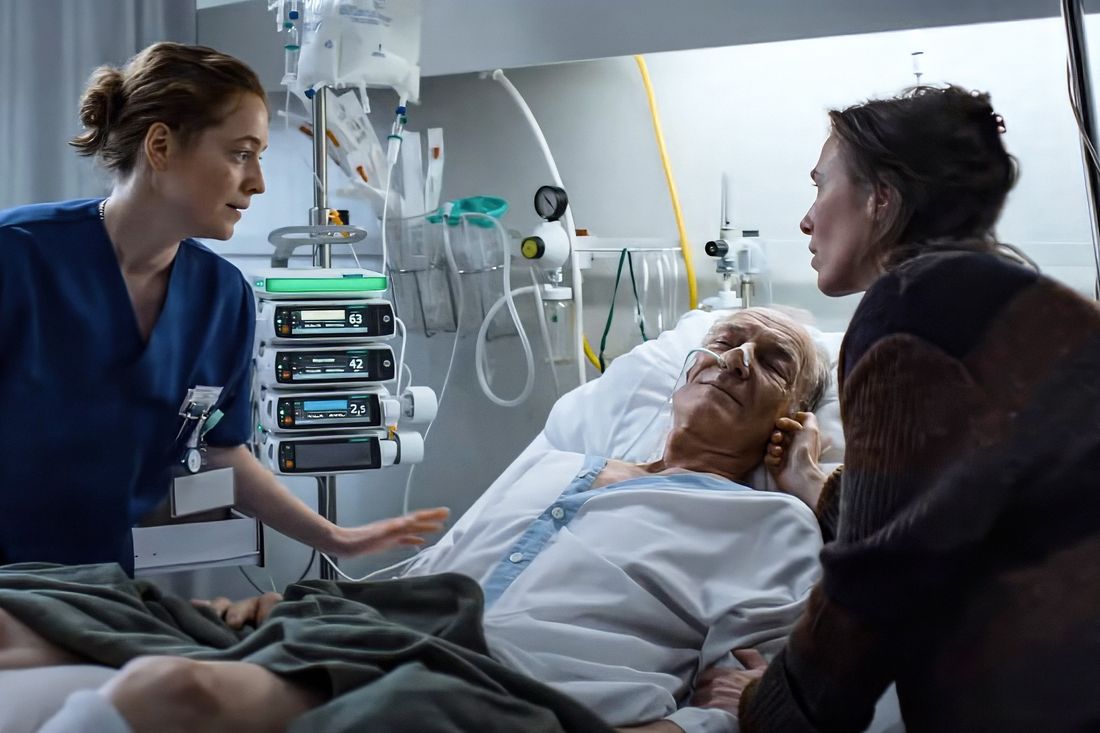
Though Petra Volpe’s film wasn’t nominated for an Oscar, it’s a strong contender for fans of medical dramas like The Pitt. Set in a surprisingly pleasant, yet understaffed, Swiss hospital, Late Shift follows nurse Floria Lind (Leonie Benesch) during a particularly challenging night. She arrives to find the ward overflowing with patients and a colleague absent, putting her in a near-impossible situation. Constantly battling new emergencies, she struggles to give her patients the care and attention they desperately need. While sometimes direct in its portrayal of characters, Late Shift keeps you on the edge of your seat, wondering if and when the overwhelmed protagonist will reach her breaking point. —A.W.
Project Hail Mary

I have to admit, I was surprised how well Andy Weir’s books – which are packed with science and math – have become such hits, first with The Martian and now with Project Hail Mary. But the team behind the adaptation really nailed it. With Project Hail Mary, the directors and screenwriter smartly decided to lean into a classic *Star Warsstyle dynamic: a charming hero and a lovable alien working together to save the world. That vision comes to life beautifully thanks to Ryan Gosling and puppeteer James Ortiz. They bring so much genuine optimism, warmth, and sincerity to Ryland Grace and Rocky, the alien, as they try to solve the mystery of why their suns are being eaten by these strange microorganisms and how to get home. What I loved wasn’t just the humor, but how much the practical effects and physical performances – like the way Gosling throws himself around the spaceship when he wakes up with amnesia, or the nuances in Rocky’s voice as he learns the word ‘amaze’ – really brought the story to life. Gosling and Ortiz have incredible chemistry, and it adds to the film’s hopeful message about collaboration and open-mindedness. It’s a belief that maybe isn’t explicitly in Weir’s books, but the filmmakers rightly saw as the heart of any good sci-fi story.
Undertone
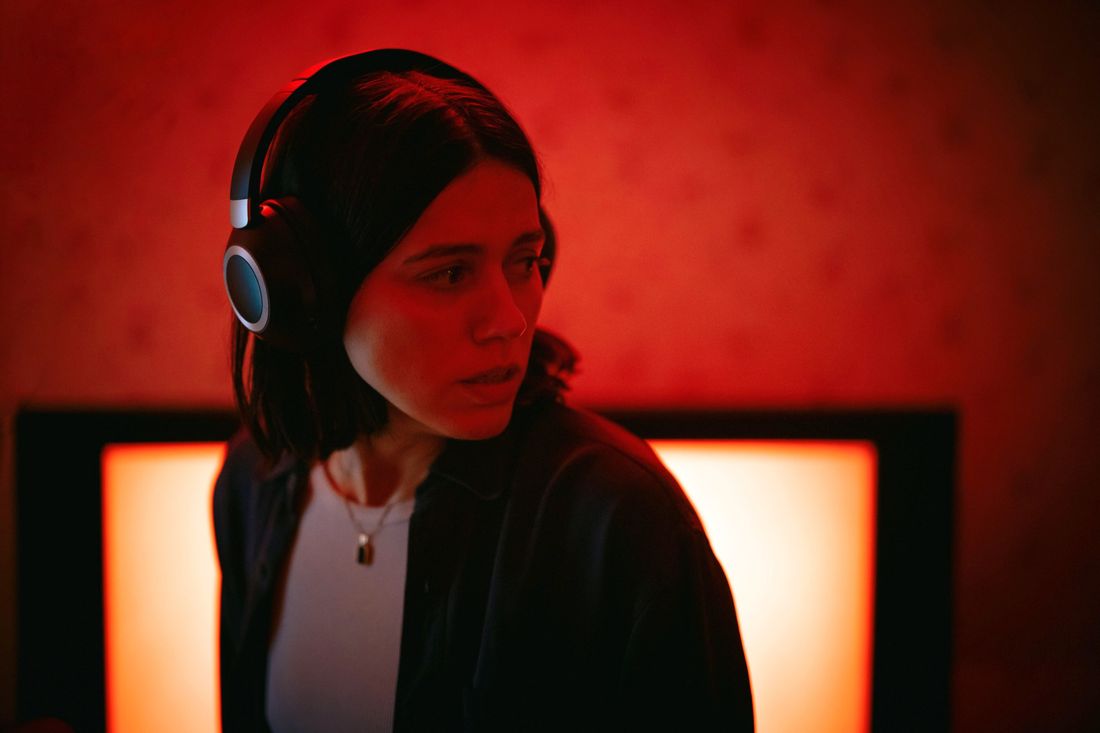
Ian Tuason’s first film is a Canadian horror movie made on a small budget, but it’s surprisingly effective. The story focuses on Evy (Nina Kiri), a podcaster caring for her ill mother at home. As boredom and stress build, Evy starts to unravel while investigating strange, possibly haunted, audio files. The film creates a particularly unsettling atmosphere through its visuals – often showing large empty spaces behind Evy as she listens with headphones, making the eerie sounds she hears even more disturbing. This clever technique, used frequently by Tuason and cinematographer Graham Beasley, really enhances the film’s creepy feel. —A.W.
Pompei: Below the Clouds

Naples, Italy, a city constantly overshadowed by the looming presence of Mount Vesuvius, feels perpetually on the brink of disaster. Director Gianfranco Rosi captures this feeling in his captivating documentary. He doesn’t focus solely on the ancient destruction of Pompeii, but also on the ongoing crises and potential for renewal that define our times. The film opens with a historical account of the Pompeii and Herculaneum disaster, then seamlessly blends these images of ruin with scenes of contemporary Naples – a city prone to earthquakes and wildfires, and historically exploited by looters. Rosi uses striking, high-contrast visuals, creating shadows that make the people he films resemble the ancient sculptures surrounding them. While observational in style, the documentary goes beyond simple documentation, seeking deeper meaning and beauty. It’s less a straightforward record and more a visually arresting work reminiscent of a Caravaggio painting.
Crime 101
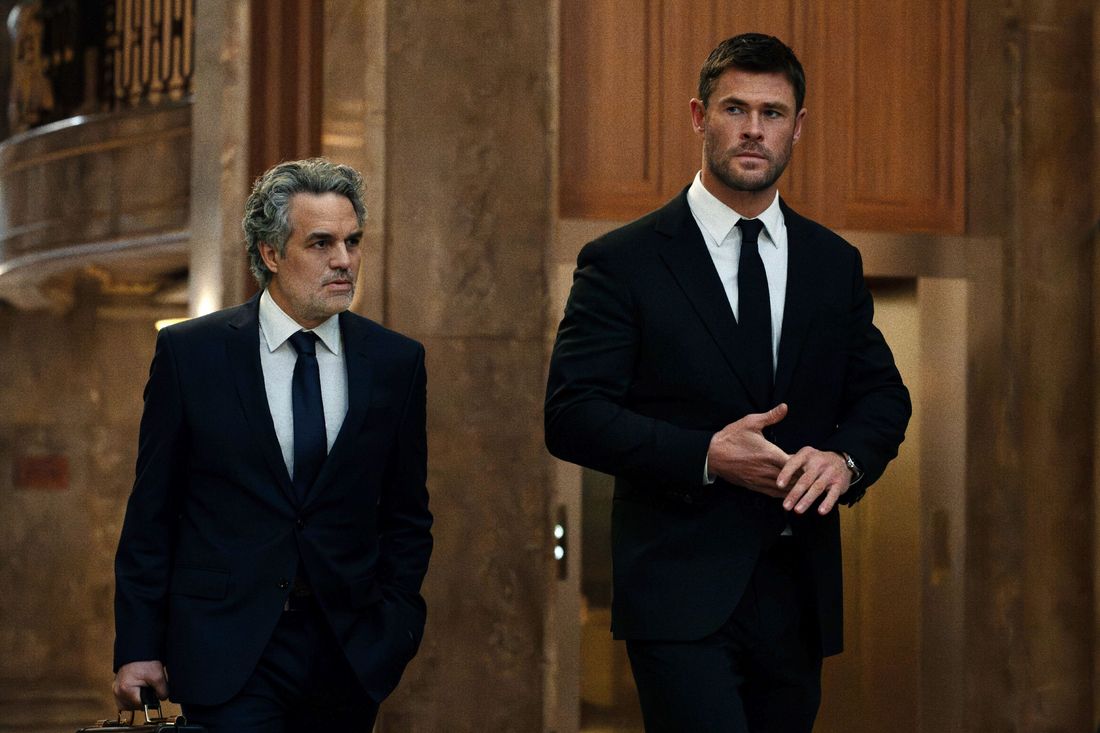
If you’re looking for a grown-up movie, look no further. Crime 101 is a well-made and enjoyable heist film – the kind Hollywood used to make all the time, but now mostly reserves for franchises like Fast & Furious. This isn’t a story about saving the world or over-the-top car chases. Instead, it’s a character-driven film with fantastic performances from Chris Hemsworth, Halle Berry, and Mark Ruffalo. Hemsworth plays a jewel thief looking for a change, Berry is an overlooked insurance broker, and Ruffalo is a detective convinced a single thief is behind a string of robberies. The movie expertly weaves their stories together over two hours, introducing a dangerous young criminal played by Barry Keoghan who threatens everything. It builds to a thrilling climax with a Western feel, made even better by the actors, especially Ruffalo, who brings a memorable, Columbo-esque style to his detective work. —R.H.
Nirvanna the Band the Show the Movie
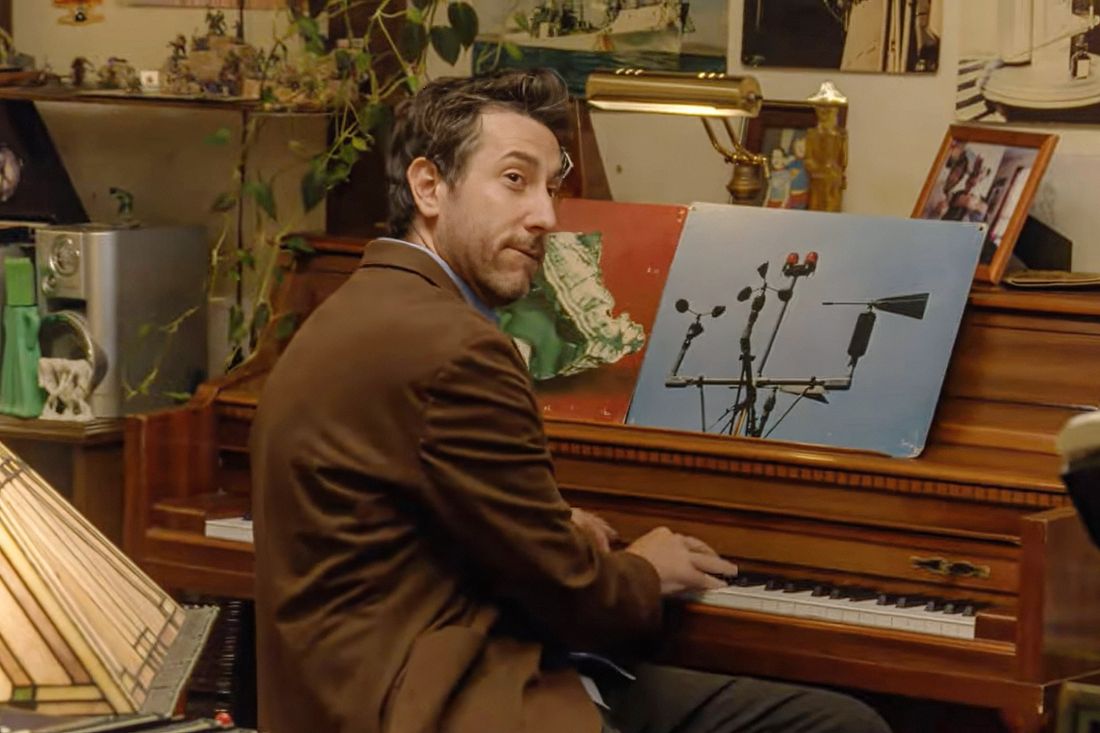
You don’t need to have seen Matt Johnson and Jay McCarrol’s web series, Nirvanna the Band the Show, to enjoy their new movie. In fact, it’s arguably better experienced fresh, as an introduction to their fictionalized selves and a clever twist on the show’s original idea—think Back to the Future. The film follows Johnson and McCarrol as they accidentally travel back to 2008 thanks to an old Canadian soda, and then struggle to return. It’s a funny, low-budget adventure fueled by their creativity, willingness to take risks, and years of archived footage. This Toronto-based story is lighthearted but also has a surprisingly touching quality, reminiscent of the film Boyhood. —A.W.
Wuthering Heights
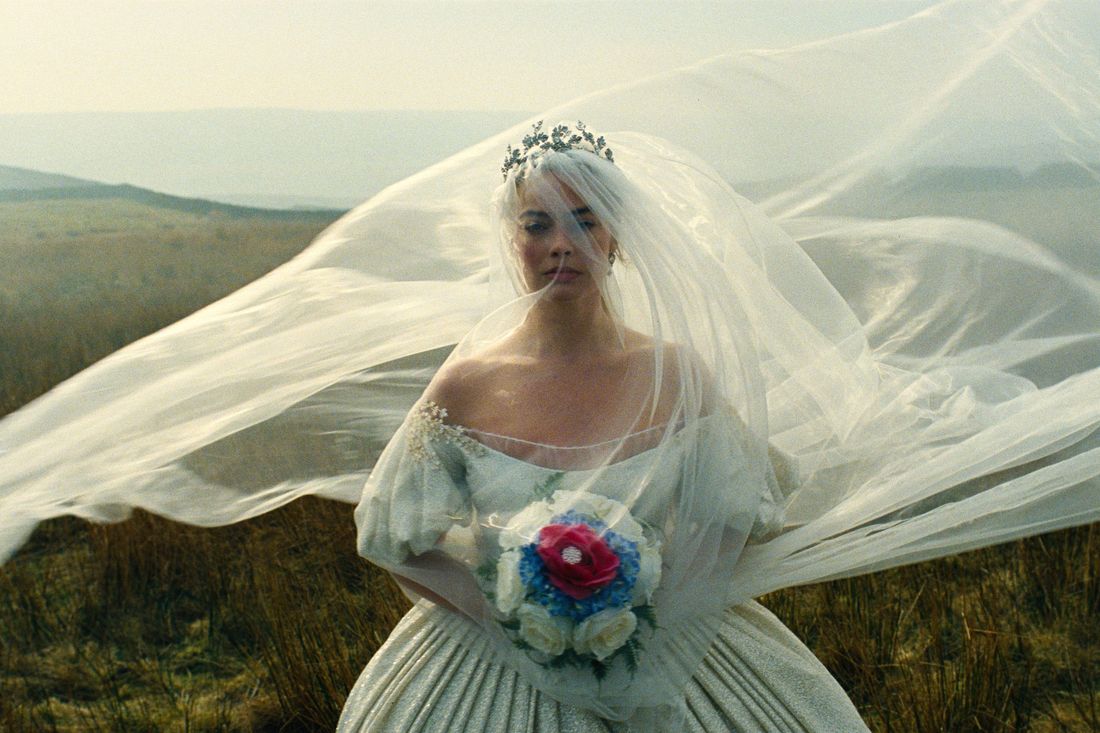
Emerald Fennell’s take on Wuthering Heights feels like a teenager discovering passionate romance – reading the classic novel for school while secretly indulging in steamy fiction. It’s pointless to ask if it’s a faithful adaptation; it’s its own intense, over-the-top experience, much like a first crush. Jacob Elordi is brooding and captivating, Margot Robbie is playfully dramatic, and even the snails seem to be caught up in the lustful atmosphere. Everything goes spectacularly wrong for these wonderfully terrible characters. —A.W.
Pillion

Harry Lighton’s first film as director, despite some provocative imagery, is surprisingly gentle at its heart. It’s less about sex and more about a character finding themselves, much like the film Babygirl. The story follows Colin, played by Harry Melling, as he learns to express his desires, especially after meeting Ray, a strikingly handsome biker, at a pub. Alexander Skarsgård brings a playful energy to the role of Ray – the humor comes partly from how unexpectedly attractive and out-of-place he seems in suburban London, but it’s a welcome joke. – A.W.
Send Help
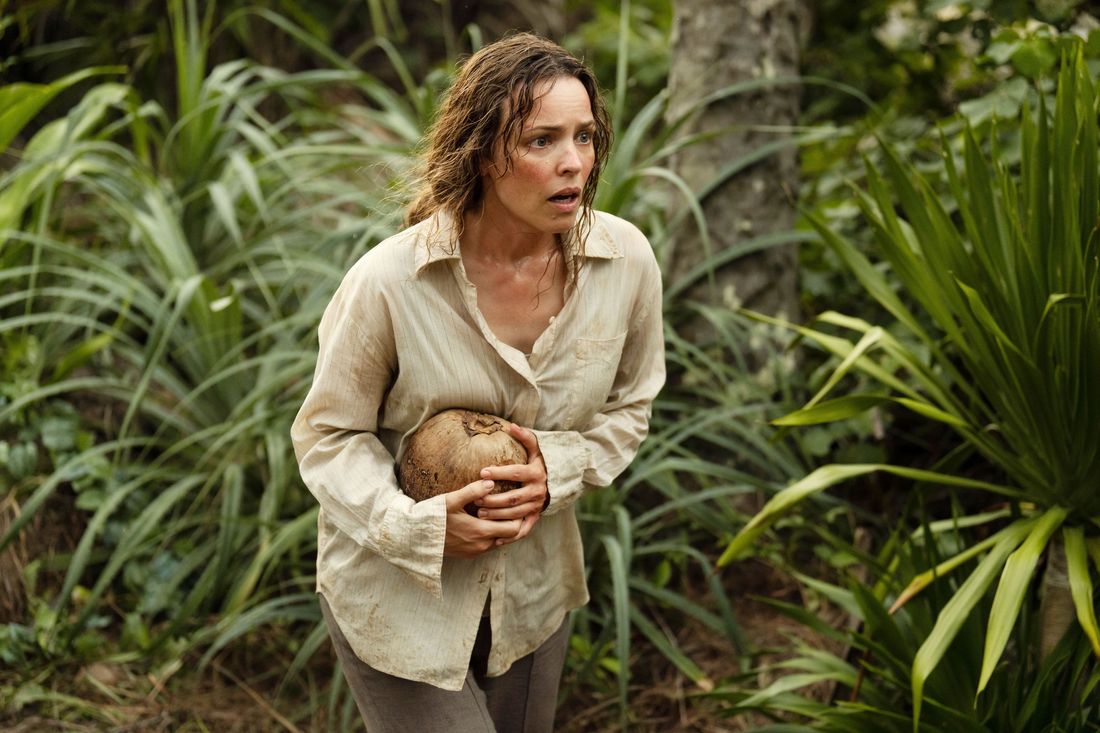
Rachel McAdams is hilarious in this film, which feels like a classic Sam Raimi movie. She’s so funny, you almost don’t notice her character might have been better suited for someone like Phyllis Smith from The Office. The movie itself is a funny thriller about a frustrated employee who gets stuck on a Pacific Island with her arrogant new boss (Dylan O’Brien), and it works largely because of McAdams’s consistently funny and enthusiastic performance. Whether she’s fearlessly diving into messy scenes—like a boar hunt involving blood and mucus—or convincingly preparing high-quality sashimi from foraged ingredients, she’s a perfect match for Raimi’s blend of gross-out humor and dark amusement. —A.W.
A Useful Ghost
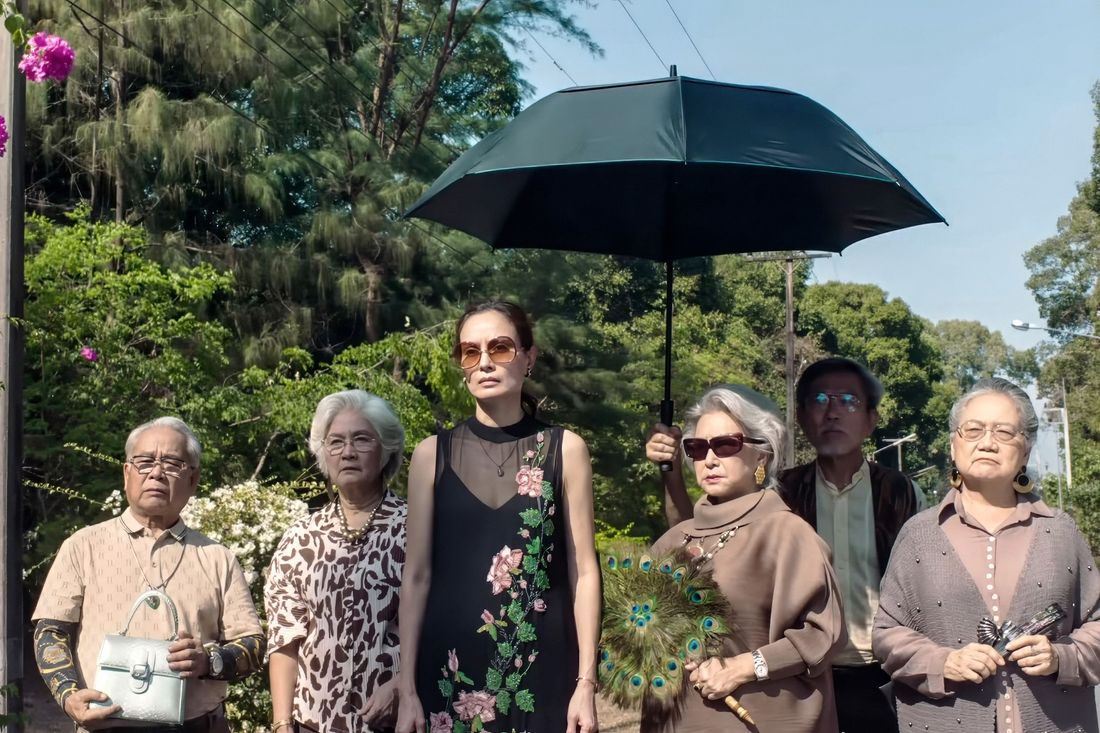
Ratchapoom Boonbunchachoke’s first film as director starts out as a funny story about ghosts haunting machines in a factory, but it evolves into a thought-provoking look at how people can end up working against their own interests. The story centers on Nat (Davika Hoorne), the deceased wife of the factory owner’s son, who refuses to let death keep her from being with her husband and having the family they dreamed of. While the film uses bright colors and a dry, witty style – like the absurdly funny scene of Nat seducing her husband while possessing a vacuum cleaner – it eventually tackles serious themes. Nat is just as driven to prove her worth after death as she was in life, and she begins helping to eliminate other ghosts in exchange for her own safety, ultimately becoming a tragic and complicit figure. —A.W.
28 Years Later: The Bone Temple
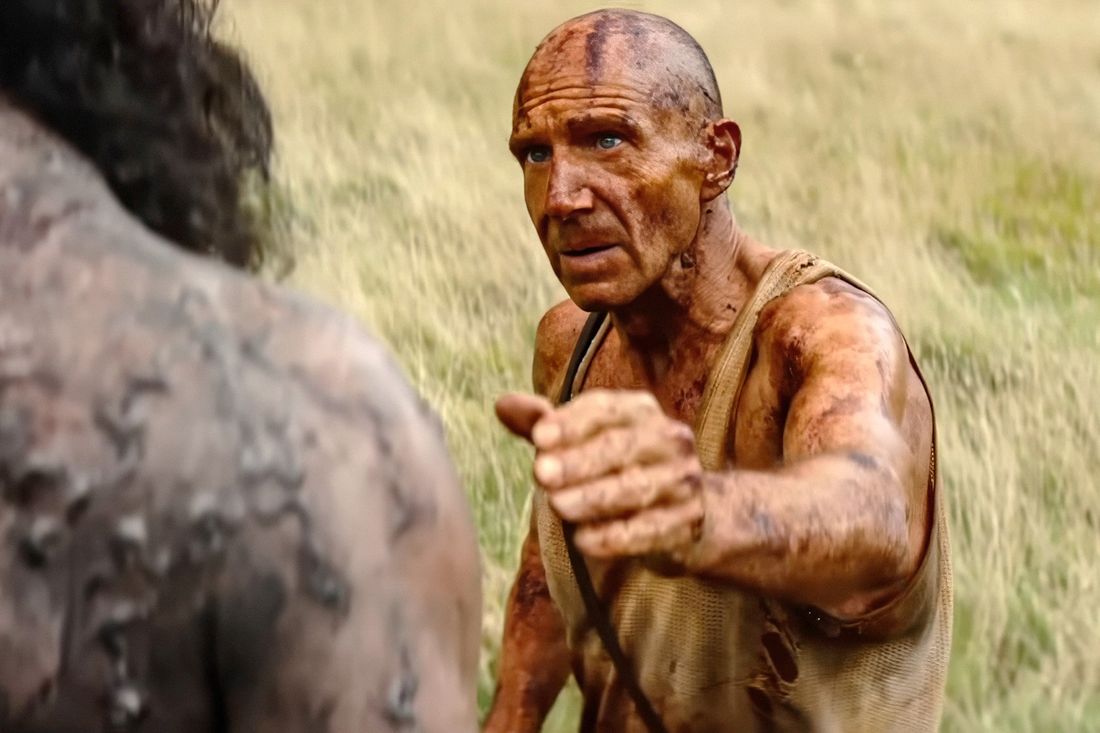
Nia DaCosta’s new film, while more straightforward than last year’s 28 Years Later, delves deeper into the characters’ minds. The story centers around a strange group of zombie hunters—all sporting blond wigs, tracksuits, and calling themselves Jimmy—led by the unstable Jimmy Crystal (Jack O’Connell). Their adventures are shown alongside the work of Dr. Ian Kelson (Ralph Fiennes), a reclusive scientist trying to understand and potentially cure the “rage virus” that has devastated the world. Kelson spends much of his time experimenting with and observing Samson, a massive and ferocious zombie. These different storylines gradually reveal a disturbing look at human cruelty. DaCosta subtly weaves in these themes, despite the film, The Bone Temple, being visually wild and over-the-top. Its chaotic energy reflects a society frozen in time, stuck in the moment of its downfall. The film suggests that the only way to cope with a dying world is to embrace individuality and be true to yourself. —B.E.
All That’s Left of You
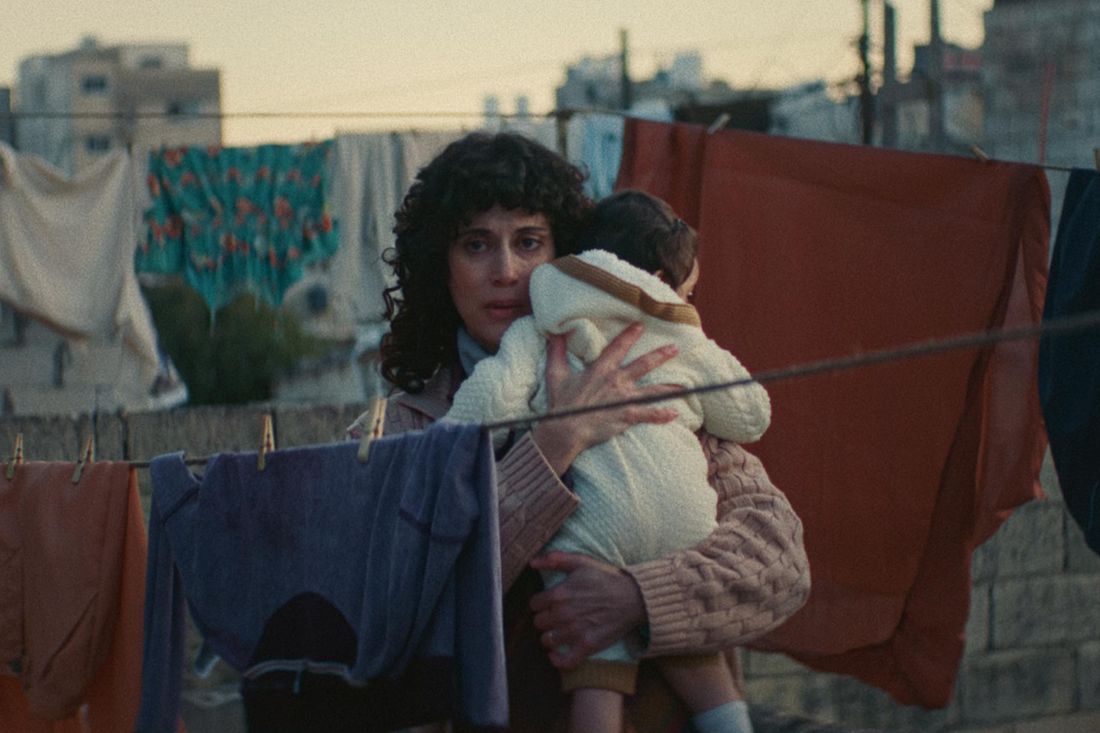
Cherien Dabis’s film is a sweeping family story that also serves as a powerful moral tale. It begins with a Palestinian teenager, Noor, being shot during a protest in 1988, then travels back in time to 1948, introducing us to his prosperous family living in Jaffa. The film follows them through the years – 1978, 1988, and beyond – showing how war and displacement increasingly isolate them. We see vibrant young men become hardened with age, and children grow into fathers who themselves face harassment. These events highlight the repeated hardships endured by Palestinians. The first half of the movie sets the stage for Noor’s story, and even after that, the film continues to surprise. All That’s Left of You doesn’t aim to simply evoke sympathy; instead, it portrays the sense of detachment that can come with just trying to survive. It’s a moving, if sometimes uneven, film that left a lasting impact. —B.E.
Dead Man’s Wire
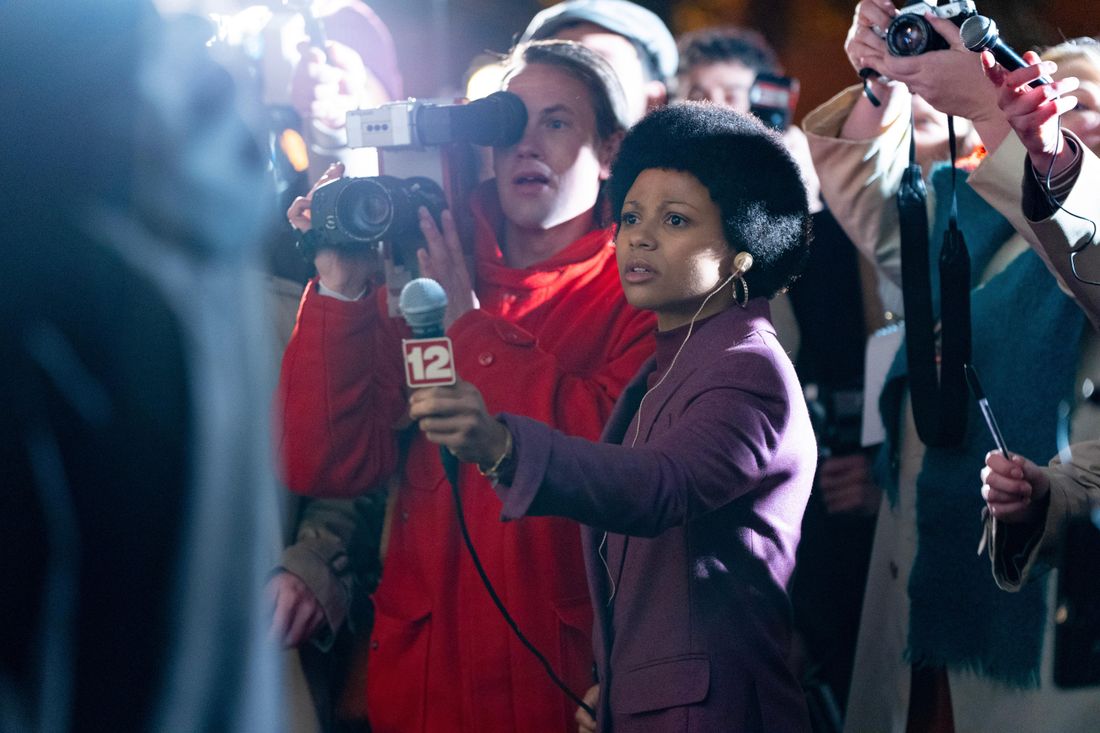
Gus Van Sant’s new film tells the true story of Tony Kiritsis (Bill Skarsgård), a hopeful entrepreneur who, in February 1977, kidnapped his broker, Dick Hall (Dacre Montgomery), at the Meridian Mortgage office, using a wired shotgun. Tony felt the mortgage company had cheated him after he took out loans to develop land for a shopping center. Essentially, he was a man who believed in the American dream – that hard work and smart ideas would lead to success. Skarsgård portrays Tony with an energetic, almost playful quality, suggesting a rebellious child. Dick, an executive working for his father (Al Pacino), is similarly powerless and feels trapped by the same system. Both men are victims of a relentless pursuit of profit. The film’s central image – two struggling businessmen in a deadly standoff – serves as a powerful commentary on society and its values.
Read More
- Gold Rate Forecast
- What is Omoggle? The AI face-rating platform taking over Twitch
- Elden Ring Is Back With A New Free Game, Thanks To The Fans
- Audible opens first ‘bookless bookstore’ in New York
- 10 Adorable Quotes from Diana in Pragmata
- Wartales Curse of Rigel DLC Guide – Best Tips, POIs & More
- How To Grow Money Trees In Animal Crossing: New Horizons
- 10 Relentless ’80s Movie Remakes That Make the Perfect Double Feature With The Running Man
- The 10 Best Performances In The Star Trek Movies, Ranked
- Senate Crypto Gamble Advances: What Price Does the Soul Pay?
2026-05-05 19:58