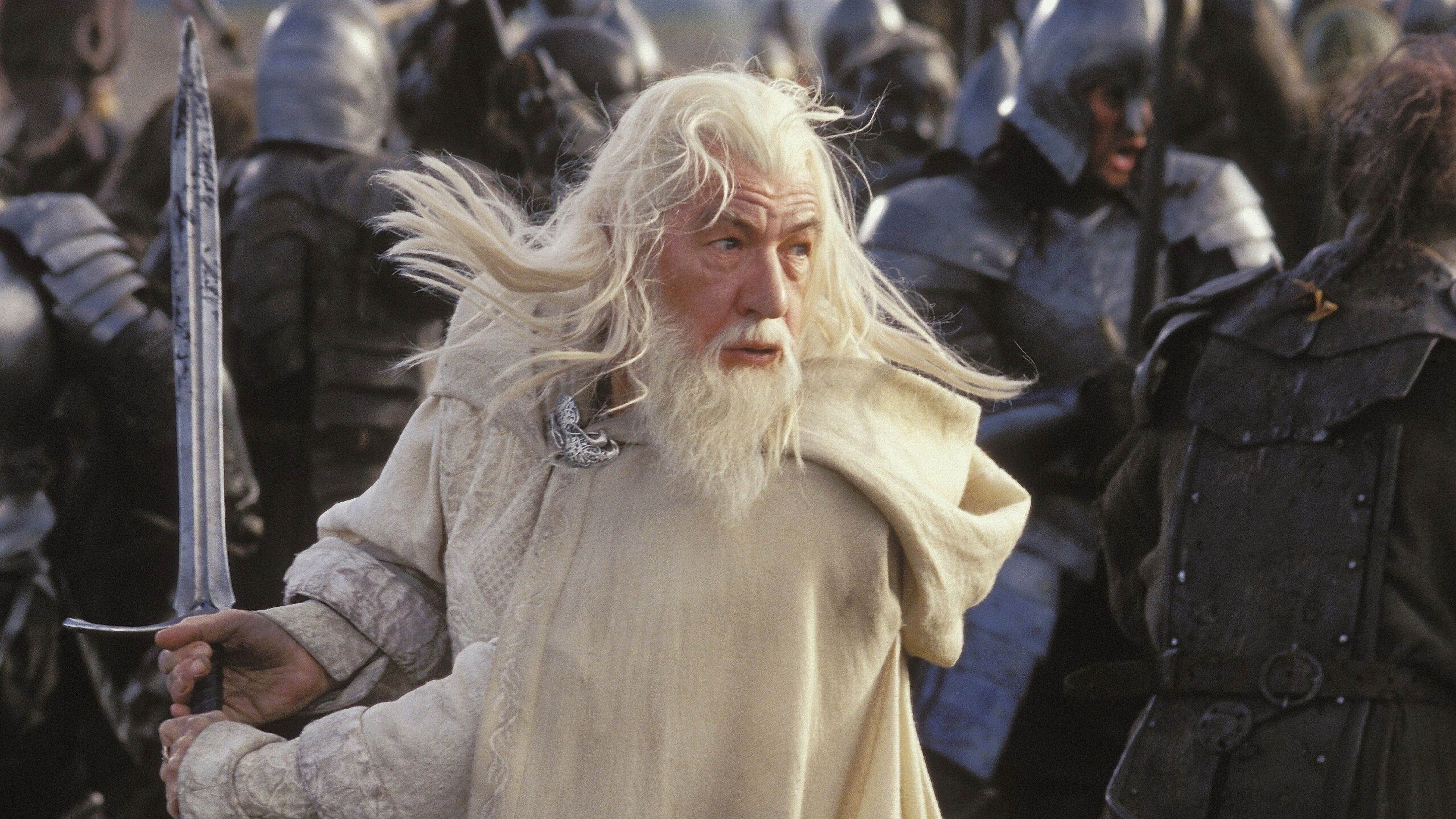
Written over a decade between 1937 and 1949, and published in the 1950s, J.R.R. Tolkien’s The Lord of the Rings is a sequel to his famous novel, The Hobbit. This epic fantasy series is considered a landmark achievement in the genre, offering a detailed exploration of the world of Middle-earth. With over 150 million copies sold worldwide, it’s one of the best-selling book series of all time. Peter Jackson’s film adaptations have also been incredibly successful and well-received, becoming a beloved and highly profitable franchise. The first film, The Fellowship of the Ring, is widely considered a cinematic masterpiece and one of the most influential films ever made.
Though some writers weren’t immediately impressed, J.R.R. Tolkien’s world of Middle-earth is now recognized as a hugely important fantasy work that helped define the genre. Since it was first published, the series has been reprinted countless times and translated into over 38 languages. Beginning in the 1950s, The Lord of the Rings has deeply impacted popular culture and continues to be studied and inspire writers today.
The Wheel of Time is LOTR’s Literary Successor
Robert Jordan’s The Wheel of Time (completed by Brandon Sanderson after Jordan’s death in 2007) is a sprawling high fantasy series consisting of 14 novels, a prequel, and three companion books. It’s frequently compared to Lord of the Rings due to its similar focus on the classic Hero’s Journey – a story where a group of unassuming characters from a small village embark on an epic quest across a vast world to fight against a powerful, evil force in a battle between good and evil.
Jordan’s epic novel tells a grand story of good versus evil, weaving together cultures from Europe and Asia. It’s heavily inspired by myths and the concept of cyclical time found in Buddhism and Hinduism. The series is famous for being long and detailed, with a complex magic system and a huge cast of characters. Often seen as the modern successor to The Lord of the Rings, it has sold over 90 million copies worldwide, making it one of the best-selling epic fantasy series since Tolkien’s work—a status recently reaffirmed following the cancellation of its television adaptation.
Sanderson’s Cosmere Universe Spans Multiple Series
Brandon Sanderson’s The Stormlight Archive is an epic fantasy series planned to eventually have ten books. Currently, five novels and two shorter stories have been released. Like much of Sanderson’s work, this series takes place in worlds that blend high fantasy with elements of city life.
The Stormlight Archive takes place on Roshar, a planet where humans and mysterious beings called Singers live. Roshar is constantly battered by powerful magical storms called highstorms, which are the source of the planet’s unique magic system. With its fascinating environment, complex magic, and compelling characters facing difficult ethical and political dilemmas – including widespread slavery of the native Singers – this series sets a new standard for detailed world-building, comparable to the legendary Middle-earth created by Tolkien.
George R.R. Martin’s World-Building Rivals Middle-Earth
Released in 1996, A Game of Thrones launched George R.R. Martin’s epic fantasy series, A Song of Ice and Fire, which also includes its popular television adaptations. The series is set in a brutal medieval world where magic exists but takes a backseat to political intrigue and realistic power struggles. The story unfolds through the eyes of many different characters, each with their own biases, and explores themes of loyalty, ambition, relationships, violence, and difficult moral choices.
Unlike typical high fantasy stories focused on clear-cut quests, this series delves into the often-dirty world of politics and realistically portrays the pursuit of power. It moves away from the simple ‘good versus evil’ found in works like The Lord of the Rings, presenting characters who are complex and morally ambiguous. Though inspired by Tolkien, the author creates a more nuanced world, moving beyond idealized heroes and chivalry. This approach is often credited with popularizing grimdark fantasy – a modern subgenre that deliberately contrasts with Tolkien’s more optimistic style. For readers seeking an epic story with a more realistic and unpredictable plot, this series is a must-read.
Steven Erikson Is Tolkien Meets Dostoevsky
If you’re looking for a truly complex and sprawling fantasy series, Steven Erikson’s Malazan Book of the Fallen is the one to read. The series, which runs ten books from Gardens of the Moon (1999) to The Crippled God (2011), features interconnected storylines that span thousands of years and multiple continents. While the first five books each have their own self-contained plots and resolutions, they also contribute to a much larger, overarching narrative involving hundreds of characters.
As a huge fan of epic stories, I’m completely captivated by the Malazan Book of the Fallen series. It’s got this incredible political depth and explores issues of inequality that remind me of A Song of Ice and Fire, but on an even grander scale. Originally built from the world-building for a Dungeons & Dragons game, it’s been praised by critics who see echoes of literary giants like Conrad, James, and Dostoevsky in Erikson’s writing. The series focuses on the conflicts within the vast Malazan Empire, and it’s amazing – filled with powerful magic, a really unique way of telling the story, and fascinating ancient cultures. It definitely isn’t a light read; it demands your attention. But if you’re up for a complex and challenging fantasy world, the payoff is absolutely worth it – it’s a truly rewarding experience.
Earthsea Was the First Fantasy Series Inspired By LOTR
Ursula K. Le Guin’s Earthsea Cycle is as significant a work of fantasy literature as The Lord of the Rings, despite being a shorter series. It began with A Wizard of Earthsea in 1968 and includes five novels and a collection of short stories, all set in the expansive world of Earthsea—a large group of islands surrounded by mysterious oceans. Sadly, the series hasn’t been well-served by recent adaptations, including a television series and a Studio Ghibli film that tried to cram too much story into one movie.
Ursula K. Le Guin’s Earthsea Cycle is often considered the first fantasy series deeply influenced by J.R.R. Tolkien’s Middle-earth. Le Guin borrows familiar elements like a wizard protagonist (Ged), a magical ring (from The Tombs of Atuan), a prince who’s lost his inheritance (Arren in The Farthest Shore), a classic quest, and powerful dragons (such as Pendor in A Wizard of Earthsea). But beyond these familiar tropes, Le Guin crafts a poetic and thoughtful world that explores themes of balance, the responsible use of power, and the challenging but rewarding path to understanding oneself. Like Middle-earth, Earthsea feels richly detailed, carefully constructed, and utterly real.
Tad Williams’ Books Inspired the Likes of George R.R. Martin
Tad Williams’s epic fantasy trilogy, Memory, Sorrow, and Thorn (published between 1988 and 1993), is often seen as a turning point in the genre. It helped move fantasy from the traditional style of authors like Tolkien towards the more realistic and complex stories we see today. The story takes place on the continent of Osten Ard, inhabited by humans, the immortal elf-like Sithi, and the mountain-dwelling Qanuc. Though the land is generally peaceful under the rule of King John the Presbyter, his declining health throws the future into uncertainty. The main story follows Simon, a young kitchen boy and budding adventurer, who unexpectedly finds himself at the center of a dangerous plot that could destroy Osten Ard.
Told from the perspectives of many characters – heroes and villains alike – these novels offer readers different, and sometimes untrustworthy, viewpoints. Though the series shares elements with The Lord of the Rings, like elves, dwarves, ancient threats, and divided lands, it often twists familiar fantasy ideas. Instead of clear-cut heroes and villains, you’ll find complex characters, a more deliberate pace, and a focus on gritty political conflicts. Despite being largely overlooked, Memory, Sorrow, and Thorn significantly influenced fantasy writers like George R.R. Martin, who credited Williams’ work as inspiration for his own epic novels. Its impact on the fantasy genre is truly remarkable.
The Farseer Trilogy is an Introspective High Fantasy Quest
I recently finished Robin Hobb’s Farseer trilogy – originally published in the mid-90s – and it’s truly stayed with me. It’s epic fantasy, but not in the sprawling, battle-heavy way you might expect. This is a deeply personal story, told looking back on events, and it really focuses on the inner life of its protagonist. The series draws a lot from Arthurian legends, framing everything as a quest. We follow FitzChivalry Farseer, Fitz for short, the illegitimate son of a prince, who’s trained as an assassin and tasked with saving the kingdom of the Six Duchies. What I found particularly compelling was how Hobb explores themes of being an outsider. Fitz has a secret ability – he can communicate with animals telepathically, a skill that’s feared and despised – and many readers interpret this as a powerful allegory for the experience of being queer. Beyond that, the series also thoughtfully examines our relationship with the natural world. It’s a really moving and thought-provoking read.
Hobb’s fantasy series, much like Tolkien’s work featuring Frodo Baggins, is set in a world inspired by medieval England. Unlike many epic fantasies that prioritize grand storylines, Hobb’s books center on the personal journeys of her characters. She’s known for creating complex, realistic people within a magical world, delivering both a captivating setting and deeply emotional stories that connect with readers.
Disney’s The Black Cauldron Was Adapted from Alexander’s Novels
Based on the first two books in the series, Disney’s The Chronicles of Prydain is a five-part fantasy adventure for children inspired by Welsh myths and legends. The story follows Taran, a young farmhand who wants to be a hero, and his quest to defend the magical land of Prydain from danger. Author Lloyd Alexander aimed to capture the spirit of Wales and its folklore through The Prydain Chronicles.
Many people suggest The Chronicles of Prydain as a great starting point for fantasy readers because it’s easier to get into than The Lord of the Rings. While both series share similar elements – an epic quest, a struggle between good and evil, a young hero, and a wise guide – Prydain moves at a quicker pace and has a lighter tone. Like Tolkien’s famous books, The Chronicles of Prydain explores themes of fate, bravery, and growing up, making it a classic introduction to high fantasy for children and a stepping stone to more challenging novels.
The Riftwar Saga Was Inspired By Dungeons & Dragons
Raymond E. Feist’s epic fantasy series, beginning with the novel Magician, is known as the Riftwar Cycle. Spanning ten series published between 1982 and 2013, it’s set in the fantasy worlds of Midkemia and Kelewan. The Riftwar Saga comprises the first three books and blends traditional high fantasy with the portal fantasy subgenre, focusing on powerful magicians from both worlds who can create rifts connecting their planets.
Feist’s Riftwar Saga is a defining series of 1980s fantasy, frequently compared to Tolkien’s work due to its detailed world and familiar fantasy creatures like elves, goblins, and dwarves, along with the use of magic. While it follows a typical story of a young hero on a quest, the Saga stands out with its unique coming-of-age narrative. Spanning centuries, it tells the story of a world invaded by an alien empire, capturing the essence of classic high fantasy—with wizards, knights, and large-scale battles—while also growing into a complex and interconnected universe of stories.
A Multi-Genre Series That Links Stephen King’s Novels
Stephen King’s The Dark Tower is a massive, genre-bending epic that combines westerns, horror, science fiction, fantasy, and dark fantasy. The series, which includes eight novels, a novella, and a children’s book, follows Roland Deschain, the last of a legendary group of gunslingers, on a journey across a world that’s falling apart. He’s physically traveling towards a mysterious tower, but also on a deeper, more symbolic quest. The Dark Tower is special because it connects almost all of Stephen King’s other stories, bringing characters, places, and events from novels like It, The Stand, ‘Salem’s Lot, Black House, and The Shining into one shared universe. It essentially acts as a central point that ties everything together.
Stephen King has often talked about the things that inspired his series, including Arthurian legends, The Lord of the Rings, and the film The Good, the Bad and the Ugly. He’s especially influenced by Tolkien’s The Lord of the Rings, even naming the setting of his series, Mid-World, after Middle-earth. King adopted Tolkien’s use of quests, rich mythology, and even created his own fictional language, High Speech. In what he considers his best work, King echoes The Lord of the Rings with a group of travelers on a dangerous mission through a ruined world, battling an ultimate evil – the Crimson King. Like Tolkien’s work, King’s series has a grand, epic feel, but he blends it with elements of dark fantasy and Westerns to create something uniquely his own.
Found an error? Send it so it can be corrected.
Read More
- Scientology speedrun trend escalates as viewers map out Hollywood facility
- How to Get to the Undercoast in Esoteric Ebb
- All Golden Ball Locations in Yakuza Kiwami 3 & Dark Ties
- Noah Beck’s mom suspended from teaching duties after “inappropriate” TikTok with son resurfaces
- What Fast Mode is in Bannerlord and how to turn it on
- Streamer crushes MrBeast charity record with $55M fundraiser for kids with cancer
- Jenna Ortega’s Jurassic World Series On Netflix Is The Franchise’s Best Since 1993
- Untangling Cause and Effect in Complex Networks
- Gold Rate Forecast
- Crimson Desert Guide – How to Pay Fines, Bounties & Debt
2026-05-02 23:14