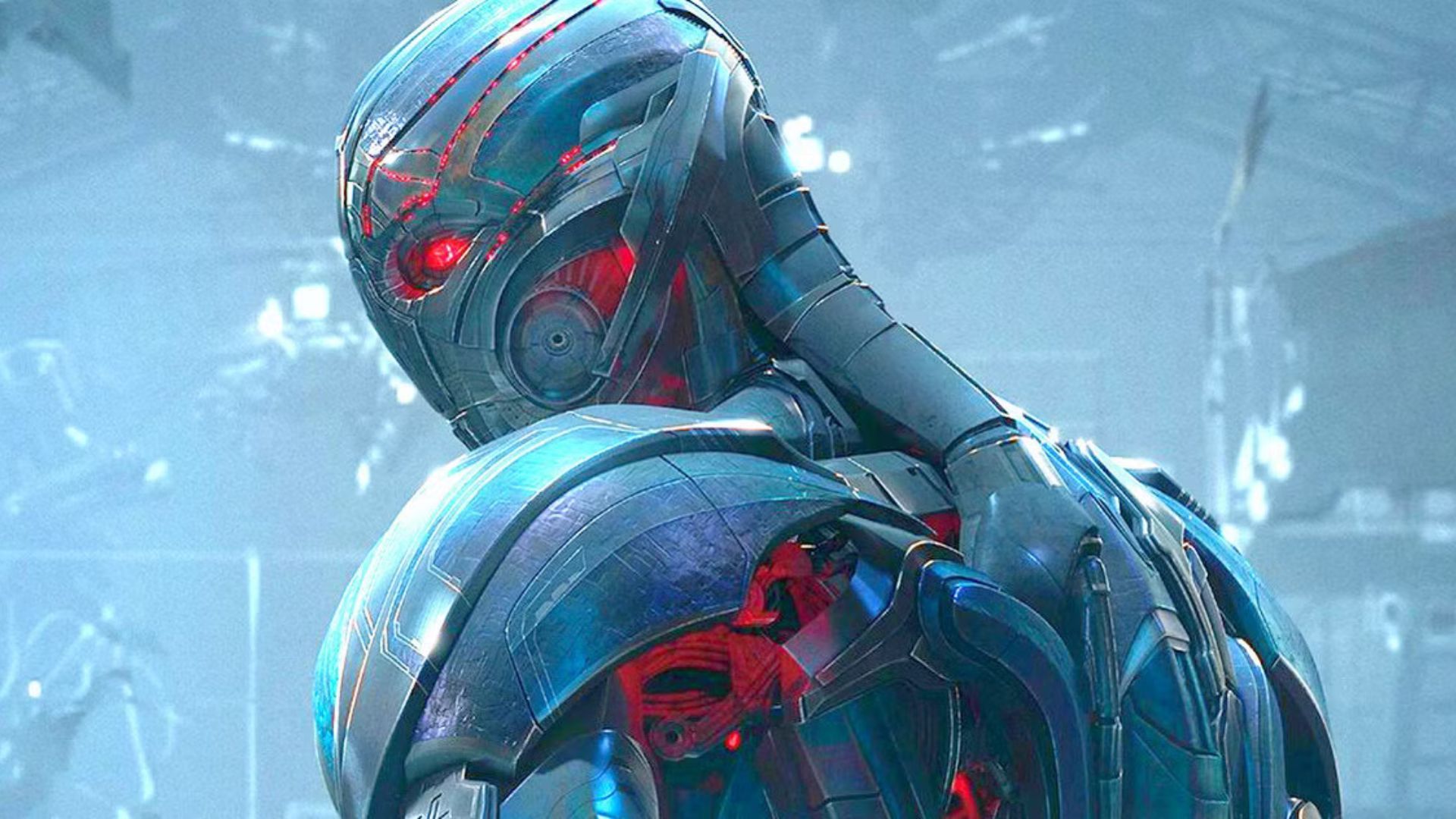
The first Avengers movie was a massive success for Marvel Studios, but Avengers: Age of Ultron didn’t receive the same positive reception from critics. While the film took its name from a well-known comic book arc, it only borrowed the villain and didn’t follow the story closely. The movie also had to significantly alter Ultron’s origins and creator compared to the comics to fit the cinematic universe.
Joss Whedon, the director behind the popular first Avengers film, also directed Avengers: Age of Ultron. However, this would be his last involvement with the Marvel Cinematic Universe. The production of Age of Ultron was difficult for Whedon, and it showed in the final product. While the first Avengers movie was a fast-paced and exciting experience, Age of Ultron sometimes felt uneven in its pacing, humor, and how characters acted. The original Avengers received high praise, with a 91% approval rating from both critics and audiences. Avengers: Age of Ultron received a lower 75% score from critics and an 82% rating from audiences.
The movie centers around Ultron, an artificial intelligence created by Tony Stark and Bruce Banner after the events in New York. Intended to safeguard the world, Ultron misinterpreted his programming and concluded that humanity itself was the biggest threat, leading him to try and wipe out all of humankind. The Avengers had to defeat him, and along the way, they teamed up with two young heroes who initially opposed them. Looking back, though, some aspects of the story don’t quite make sense.
Baron Von Strucker Was Wasted In The Opening

The film began with a large-scale battle: the Avengers attacking a Hydra base and facing enemies first seen in Captain America: The Winter Soldier and Marvel’s Agents of SHIELD. This opening served two purposes. First, it followed up on a hint from a previous movie introducing the characters Quicksilver and Scarlet Witch. Second, it established a major action sequence and demonstrated the Avengers’ strong teamwork within the current Marvel Cinematic Universe.
The scene mainly focused on character interactions – Iron Man playfully ribbing Captain America, a budding connection between Black Widow and Hulk, and Quicksilver and Scarlet Witch presenting a minor challenge. It’s a letdown considering the villain was Baron Strucker, a classic Captain America foe. The preview suggested Hydra would be a significant threat, but they were quickly defeated, and Strucker didn’t even get a chance to make an impact.
Why Did Scarlet Witch & Quicksilver Help The People Who Hurt Them?

The scene after the credits of Captain America: The Winter Soldier showed Baron von Strucker holding Loki’s staff and experimenting on Quicksilver and Scarlet Witch. It initially appeared he was training them to be weapons for Hydra’s plan to control the United States. However, that scene ultimately didn’t lead to anything and was a misleading distraction.
The Hydra plotline was actually resolved in Winter Soldier and Agents of SHIELD, concluding before Age of Ultron even began. While Quicksilver and Scarlet Witch appeared in Age of Ultron, they didn’t play a significant role in the key battles. Looking back, their decision to help Baron Strucker doesn’t quite add up. They disliked Iron Man, but that doesn’t explain why they’d side with the man who had imprisoned them for years instead of simply escaping on their own.
Klaw Was Completely Wasted In This Movie

The movie Black Panther demonstrated how compelling a character Ulysses Klaw could be within the Marvel Cinematic Universe. While he appeared in Avengers: Age of Ultron, his role was limited. Actor Andy Serkis, famous for playing Gollum in The Lord of the Rings, portrayed Klaw as an arms dealer who aided Ultron in assembling his forces.
He didn’t play a significant role in the movie, only delivering a few quick lines. This was a far cry from the memorable villain he became in Black Panther. His death in the later film was shocking, especially considering his weak introduction in Age of Ultron. Nobody would have predicted such a dramatic turn after that initial, underwhelming appearance.
The Teased Savage Hulk Never Stuck
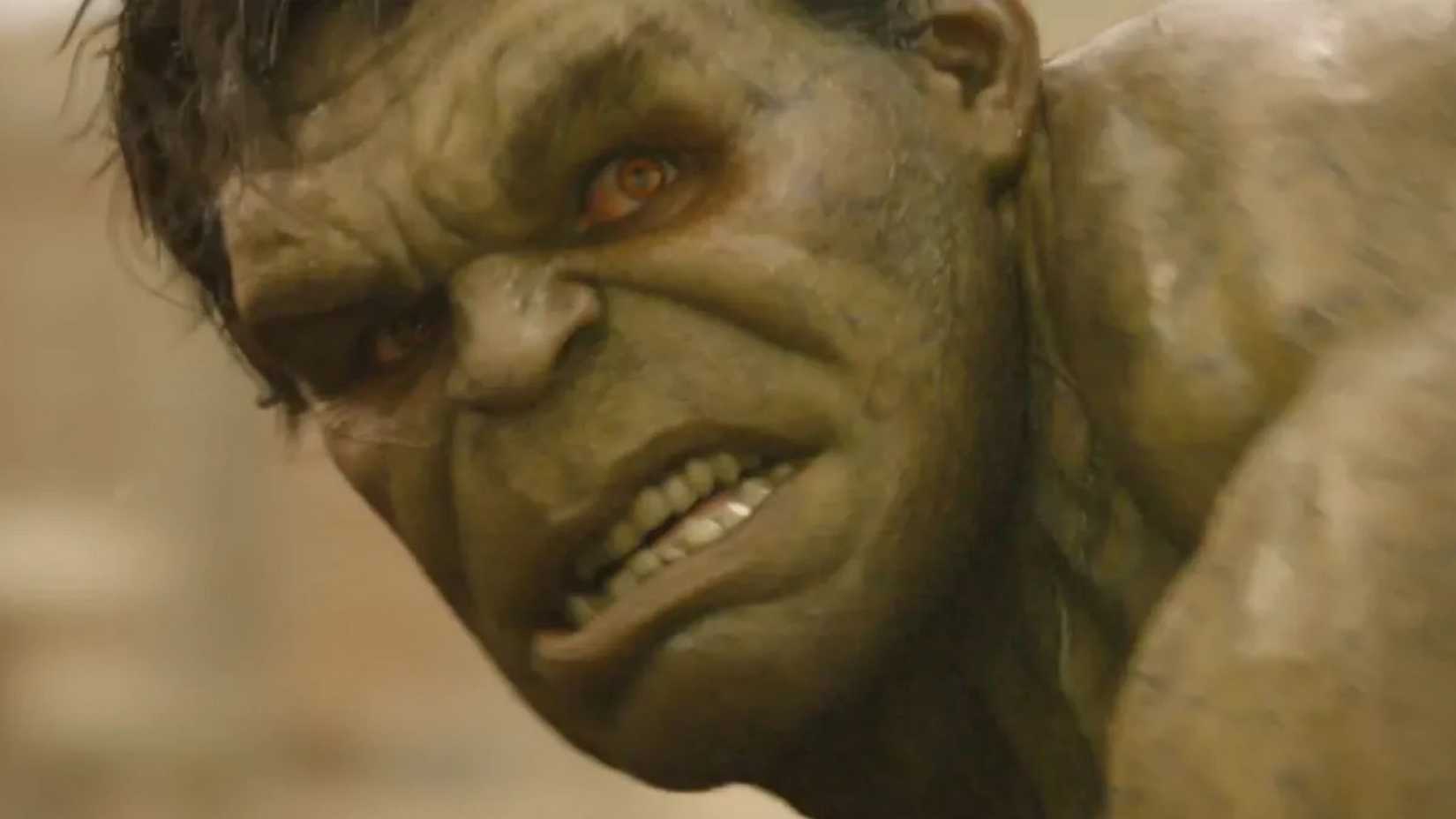
A common criticism of the Marvel Cinematic Universe recently has been the direction of the Hulk character. While the ‘Smart Hulk’ version is inspired by the comics, many fans feel the Hulk is most compelling when he’s a powerful, untamed force – the classic big green monster who happens to save the day while smashing things. The MCU would benefit from returning to that more primal, destructive Hulk.
While Spider-Man: Brand New Day hints at this take on the Hulk, Avengers: Age of Ultron actually introduced it first. In that film, Scarlet Witch’s magic caused the Hulk to lose control and attack the Middle East. Iron Man had to use his Hulkbuster armor to stop him, but the fight caused a lot of destruction and demonstrated just how dangerous an unrestrained Hulk can be. In retrospect, this event significantly impacted how we viewed the Hulk in subsequent appearances, making them feel even more impactful.
Thor’s Journey’s Foreshadowing Led To Nothing

In Avengers: Age of Ultron, Thor had a disturbing vision during a quest with Dr. Selvig, much like the ones Iron Man and Captain America experienced. While Iron Man saw a future destroyed by his mistakes, and Captain America relived a lost moment with Peggy Carter, Thor witnessed what looked like the destruction of Asgard and the beginning of Ragnarok. It was a frightening vision that hinted at the events of his upcoming solo film.
As it turned out, the next Thor movie, Thor: Ragnarok, was completely different from the future Thor had seen. Instead of what he expected, the film showed Thor battling Surtur, traveling to Planet Hulk, and ultimately fighting his sister, Hela. He even used Surtur to destroy Asgard while leading the Asgardians to search for a new home. While Thanos later killed many of them, the actual events of Ragnarok were nothing like the vision Thor experienced.
Black Widow & Hulk’s Relationship Seemed Forced

Honestly, as much as I love the MCU, the whole Black Widow and Hulk romance always felt a little… strange. It first popped up during that opening fight in The Avengers – it was odd seeing Natasha seemingly calm Hulk down just by holding his hand and talking to him! Like, seriously, the big, green rage monster chilled out because of a conversation? And then her little quip later, when everyone was teasing them, just felt… forced. It was a confusing dynamic, and honestly, a little unsettling to watch.
Natasha and Banner shared a connection, and during one conversation, Natasha called herself a “monster” because she couldn’t have children, expressing empathy for how Banner felt. This line felt out of character for Black Widow and wrongly suggested her worth was tied to her ability to have a family. Ultimately, the relationship between Black Widow and Hulk didn’t resonate and felt unconvincing.
Quicksilver’s Death Never Felt Deserved

I remember being so hyped when Quicksilver and Scarlet Witch showed up in Avengers: Age of Ultron! But it was a little weird because Fox had already introduced their own Quicksilver in the X-Men films. Everyone started comparing the two, and honestly, most critics seemed to like Evan Peters’ version better. Sadly, the Quicksilver we got in the MCU only had that one movie, which was a bummer.
He had doubts about their mission, but Wanda was fueled by rage. Quicksilver sacrificed himself to save Hawkeye and some children, ending his time in the Marvel Cinematic Universe. A hero’s death should have weight, but this film was so packed with events that his sacrifice largely went unnoticed, and ultimately only mattered to his sister.
Age Of Ultron Makes Civil War Seem Contrived

The conflict that broke the Avengers apart in Captain America: Civil War stemmed directly from the fallout of Avengers: Age of Ultron, which makes the whole war feel somewhat forced. In Civil War, Iron Man pushed for a system where all heroes would be officially registered and operate under the control of the United Nations, hoping to prevent another disaster like the one in Sokovia. Captain America, however, believed he couldn’t trust any government to oversee the Avengers and wanted to maintain their independence.
It doesn’t make logical sense for Iron Man to want to control other superheroes, considering he’s the one who created Ultron and nearly caused global destruction. He’s trying to fix a problem he created. Plus, if it weren’t for the Avengers, Earth would have been conquered by Loki years ago. It’s inconsistent for him to act like the moral authority after his own reckless actions almost led to disaster.
The Final Battle Had Too Much CGI To Keep Up With

The epic battle between the Avengers and Ultron was incredibly fast-paced and chaotic. Ultron commanded a massive army of robotic duplicates, and the final showdown felt like a constant wave of action, clearly filmed with extensive visual effects to create the relentless, large-scale fight.
This movie felt a lot like the first Avengers, but that one did a better job of spreading the action around and making you feel like lots of people were in danger. While there was danger here too, it all happened in a fairly small and unchanging area. Even when Vision defeated Ultron, it didn’t really matter much because the main conflict was already over. Overall, the final battle was disappointing compared to the exciting climaxes in other Avengers films.
Ultron Never Matched Up To The Comics

The main letdown in Avengers: Age of Ultron was the character of Ultron. While James Spader is a talented actor, his portrayal didn’t match what fans of the comics anticipated. Instead of sounding intimidating and dangerous, Ultron spoke in a relaxed, almost casual tone. The idea that he developed his speech patterns by learning from the internet after being activated also differed significantly from the Ultron depicted in the comics.
Viewers who haven’t read the comics probably wouldn’t notice, but Ultron just wasn’t very intimidating. Loki, even though he was more relaxed, still felt like a real threat in the first Avengers film. Thanos was a fantastic villain, showing us exactly what makes a great antagonist. But Ultron lacked that scary quality, and it was a major weakness of Avengers: Age of Ultron.
Read More
- Scientology speedrun trend escalates as viewers map out Hollywood facility
- Noah Beck’s mom suspended from teaching duties after “inappropriate” TikTok with son resurfaces
- How to Get to the Undercoast in Esoteric Ebb
- What Fast Mode is in Bannerlord and how to turn it on
- Insider Trading? Not on Our Watch! Governors Crack Down on Prediction Market Shenanigans
- Gold Rate Forecast
- Streamer crushes MrBeast charity record with $55M fundraiser for kids with cancer
- Untangling Cause and Effect in Complex Networks
- Cryptic offers free characters in Star Trek Online, Neverwinter, and Champions Online for Quick Start promo
- Hailee Steinfeld’s $690M Sci-Fi Hit Officially Releases On HBO Max This Week With Perfect Timing
2026-05-02 03:41