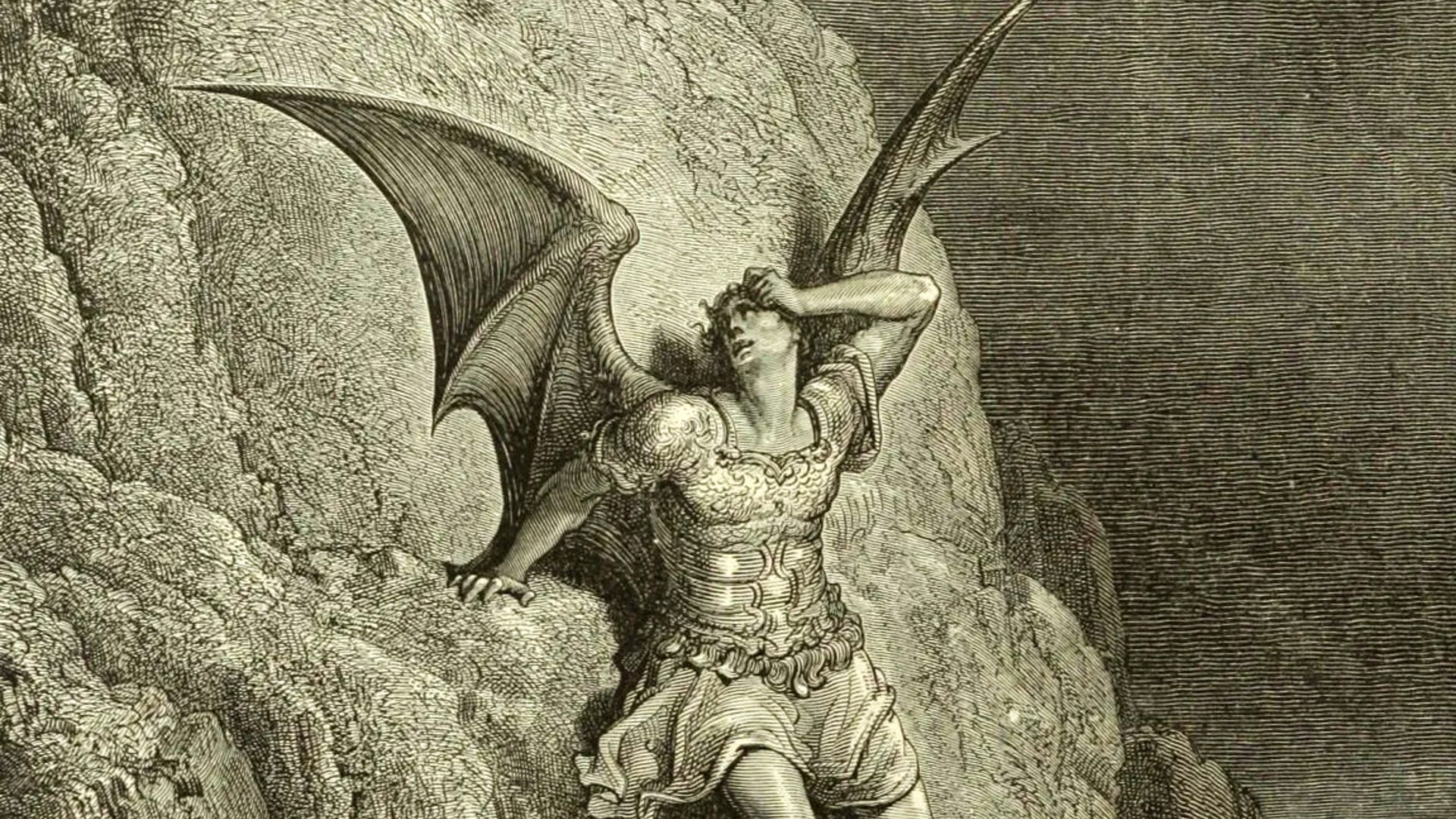
Paradise Lost has finally found a way to make it to the big screen, but there’s a major catch.
John Milton’s epic poem, Paradise Lost, written in the 1600s, retells the story of Adam and Eve’s temptation by Satan and their expulsion from the Garden of Eden. Though it would make a visually stunning movie, Paradise Lost hasn’t been adapted for the big screen, mainly because creating its grand depiction of heaven and hell would demand incredibly elaborate and costly special effects.
Ex Machina Studios is creating a new film adaptation of Paradise Lost. The movie will be written and directed by Roger Avary, who is famous for co-writing Pulp Fiction (1994) with Quentin Tarantino – a script that won him an Academy Award. Avary also directed The Rules of Attraction (2002) and wrote the screenplay for Beowulf (2007).
Marco Weber, a co-founder and CEO of Ex Machina and producer of films like The Thirteenth Floor, Igby Goes Down, and Brooklyn’s Finest, is producing the project. Kirk Petruccelli is serving as executive producer.
The new film, Paradise Lost, tells the epic story of Lucifer’s rebellion against God. Cast out of heaven and into hell, Lucifer, now known as Satan, plots his revenge by tempting Adam and Eve in the Garden of Eden, leading to humanity’s fall from grace. The film explores a timeless question: when facing difficult times, do we choose obedience, rebellion, or redemption? It’s a fresh, cinematic take on the oldest story ever told – the story of humanity’s beginnings.
The main thing to know is that the Paradise Lost movie will be made using Ex Machina Studios’ special AI-powered system. This is the same system they’re already using to quickly create a lot of new projects, like Heaven by Alex Proyas, Cortés, and Space Nation. The studio says this system lets them build detailed and imaginative worlds without spending a fortune, all while still using real actors, original stories written by people, and working with standard film industry practices.
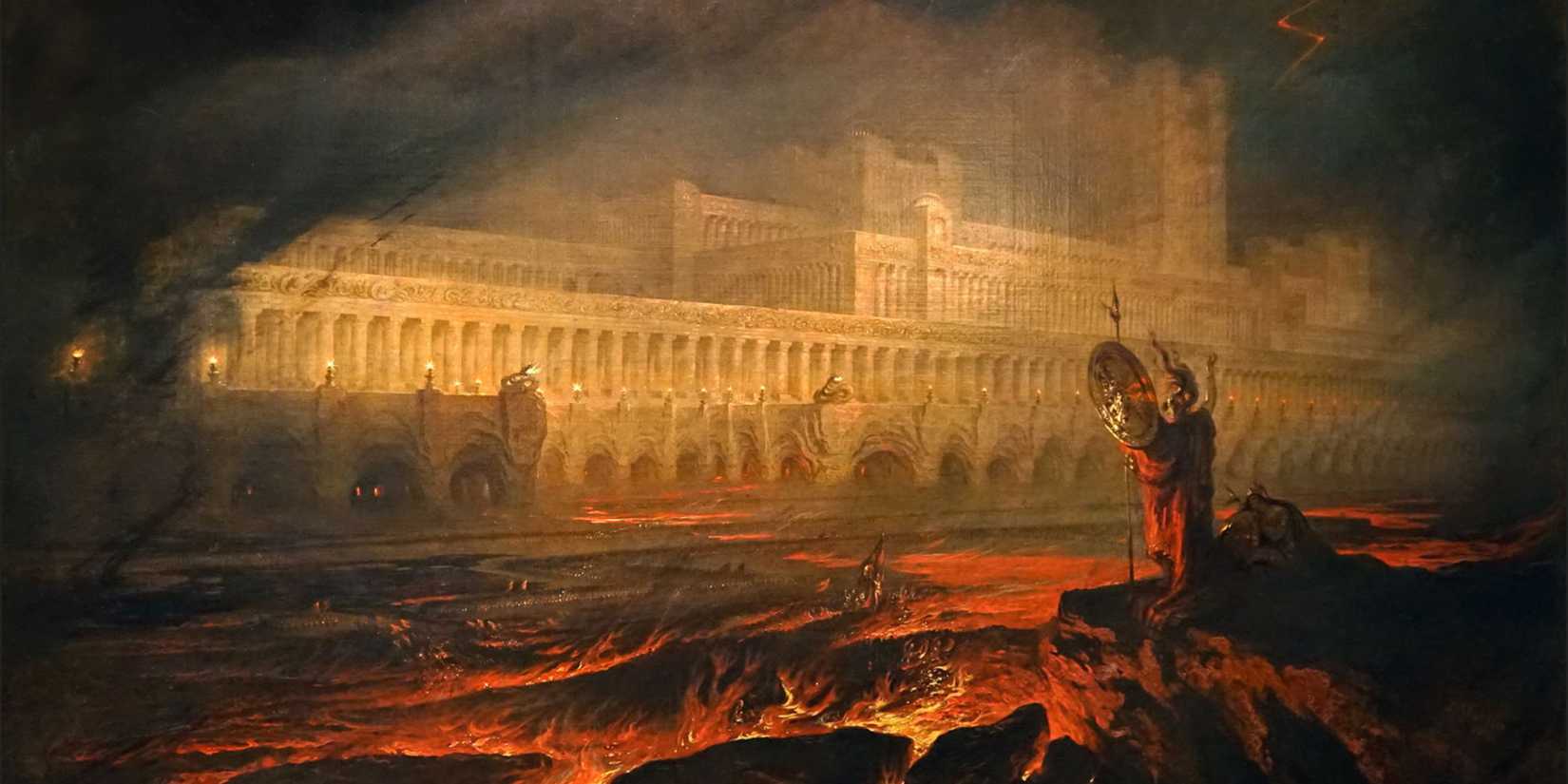
The upcoming Paradise Lost film will be made with full cooperation from Hollywood unions, demonstrating Ex Machina’s dedication to fair treatment and collaboration with artists throughout the entire production process. Staying true to their commitment to filming in California, the main production will take place in Los Angeles. Ex Machina will also utilize cutting-edge, publicly available AI video tools when beneficial, allowing for creative freedom, technical efficiency, and adaptability in the quickly changing world of artificial intelligence.
The studio notes that this project gives the writer-director, known for creating detailed and imaginative worlds in their films, a unique chance to tell a truly grand story without the usual limitations of big-budget movie making.
Roger Avary and Marco Weber shared the following statements:
I approached ‘Paradise Lost’ differently than ‘Beowulf.’ While ‘Beowulf’ was a large-scale reinvention, I’m aiming for a more accurate adaptation of Milton’s work, and doing it with a much smaller budget. We’re using new AI technology to create visuals that wouldn’t have been possible just a few years ago. This project combines everything I’ve learned as a director, proving that you don’t need a huge budget to tell a powerful story – you need the right team and tools. Working with Ex Machina and Marco Weber, we’ve made something I hope will deeply affect viewers, encourage discussion, and remind us all why stories matter – why we try to understand what it means to be human when faced with something greater than ourselves. I’m excited to finally share it.
As a huge fan, I’m completely blown away that Marco Weber is working with Roger Avary and Milton! Honestly, that’s all the news I needed to hear. I’m so excited to see what they create together – it’s going to be amazing!
Roger Avary’s film, Paradise Lost, is part of a growing movement of experienced directors like Steven Soderbergh and Darren Aronofsky who are trying out artificial intelligence in their work. While many filmmakers used to be hesitant, they’re now carefully exploring how AI can enhance visual storytelling as a creative tool, without taking over the artistic side of filmmaking.
I’m seeing a lot of cautious optimism around AI in filmmaking. People like James Cameron and Ben Affleck are interested, but aren’t fully on board yet – it feels like the whole industry is trying to figure out if this is a real game-changer or just a temporary trend. Everyone agrees it can help with production, but most of us believe it should assist artists and crew, not replace their skills and creativity. We want to use it to make things better, not just automate the process.
A key challenge facing films like Avary’s Paradise Lost reflects a larger debate in Hollywood: balancing cost-effectiveness with creative vision. Similar to the transition to digital cameras, AI has the potential to seamlessly enhance filmmaking or become a noticeable distraction if not used carefully. The real worry isn’t filmmakers trying out AI, but the possibility that over-reliance on it could ultimately lower the overall quality of movies.
Read More
- Netflix’s Little House On The Prairie Reboot: Release Date, Cast & Everything We Know
- Off Campus Season 1 Soundtrack Guide
- Silver Rate Forecast
- Prime Video’s New R-Rated Spy Thriller Is Officially No.1 On Streaming Despite Poor Reviews
- Gold Rate Forecast
- Brent Oil Forecast
- EUR ZAR PREDICTION
- EUR USD PREDICTION
- 币安人生 PREDICTION. 币安人生 cryptocurrency
- Amazon Primes new GenAI cartoon looks like K-Pop Demon Hunters with aliens
2026-04-29 22:29