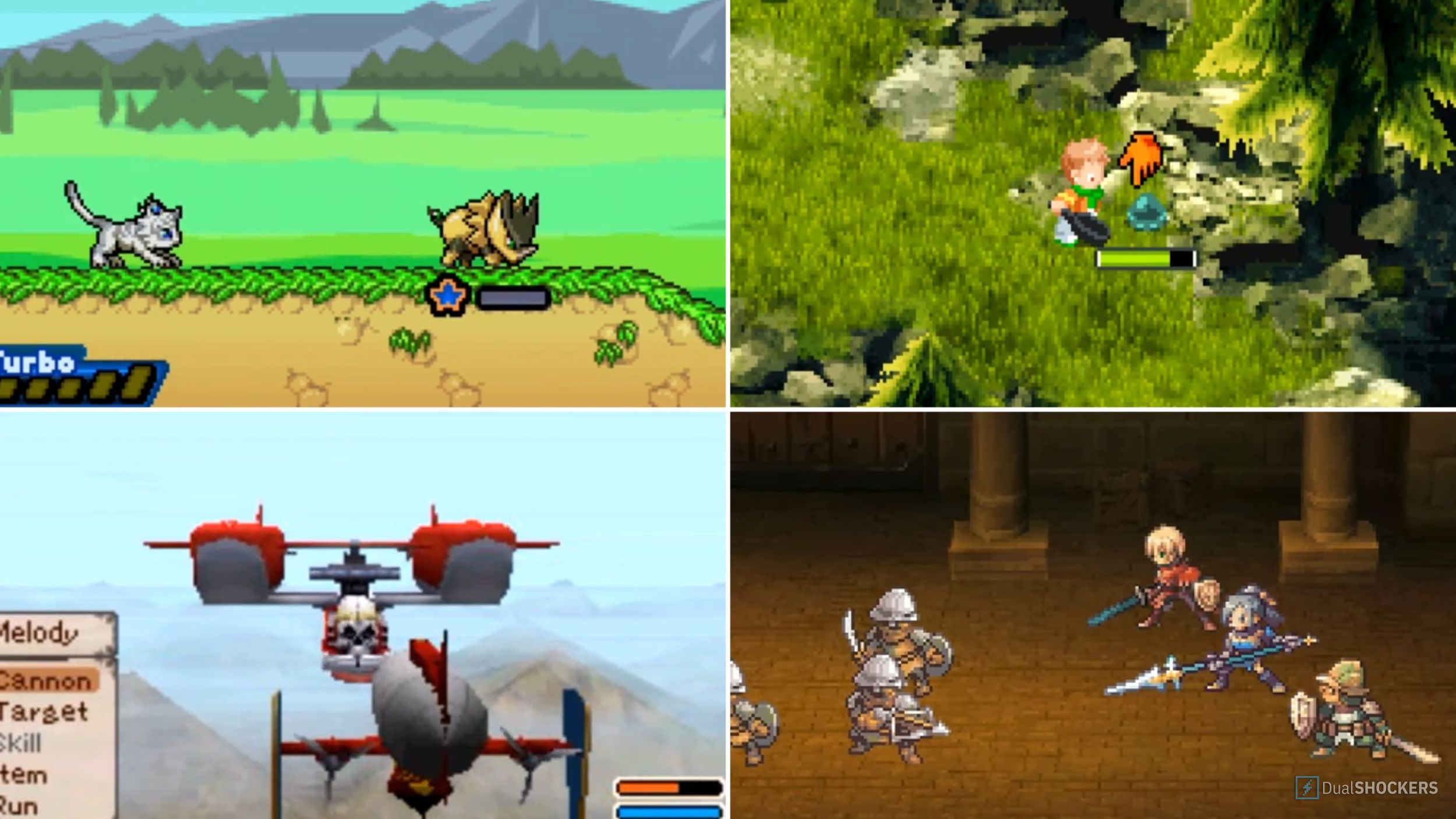
JRPGs are a classic game genre with a lot of freedom for creativity. They don’t need to stick to the typical formula of turn-based battles with a small group of heroes. JRPGs can be strategy games, action-packed adventures, or feature unique stories. The original Nintendo DS was a particularly great platform for these ambitious ideas, as it was an innovative console itself.
The Nintendo DS actually has a lot of Japanese role-playing games, or JRPGs, and games like them. While many follow the standard formula, some tried to do something different with their gameplay, stories, or how they looked. These experiments weren’t always successful, but even if they weren’t hits, isn’t it valuable to try something ambitious? I believe simply creating a bold JRPG is worthwhile in itself.
We’re highlighting games that were innovative and tried something different with their ideas, even if they weren’t perfect overall. The main thing we’re looking for is ambition.
10. Monster Racers
Take it to the Track
| Developer | Koei |
|---|---|
| Platforms | DS |
| Release Date | May 2010 |
The Pokémon craze of the 90s inspired many developers to create their own monster-collecting games. One unique example is Monster Racers, released in 2010. Instead of battling, this game focuses on racing the monsters you collect.
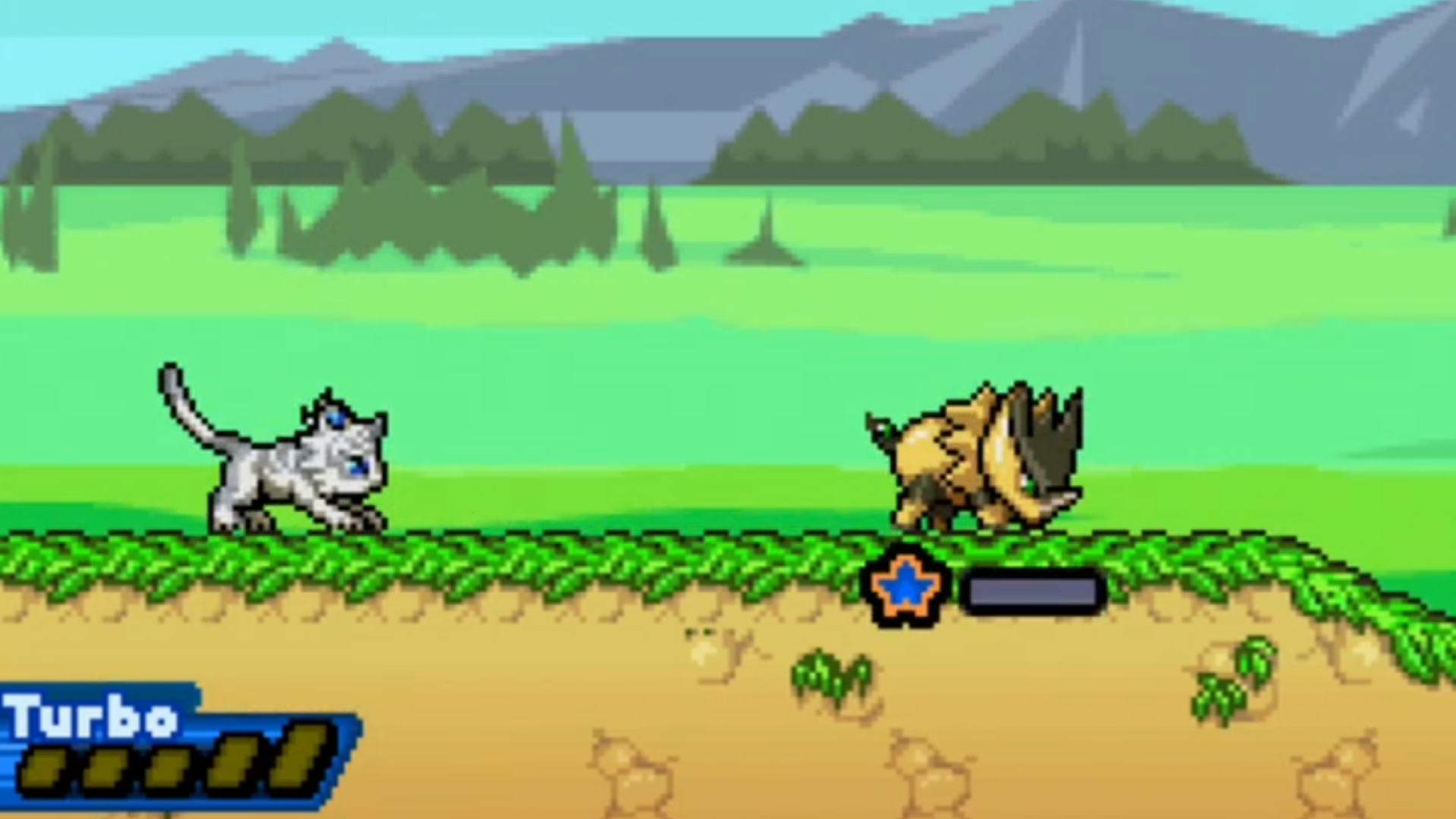
Okay, so I just started playing Monster Racers, and the setup is wild! It’s basically our Earth, but then this crazy island full of monsters just appears out of the Pacific. And people don’t freak out, they start… racing the monsters?! It’s a really fun game. Exploring feels a lot like Pokémon – you go around from above and bump into other racers. But when the battle starts, it’s not a traditional fight – it turns into an actual race! You’re controlling your monster on a track, which is a super cool twist.
You’ll race your collected monsters on 2D tracks! Their strength, speed, and jumping ability all affect how they perform, including how well they can bump other monsters out of the way. It’s a quicker, more action-packed game than Pokémon, and it’s surprisingly enjoyable when playing with friends.
9. Spectrobes
Collect ‘Em All
Okay, so everyone knows Pokémon is a massive deal – like, the biggest media franchise ever. That probably stings for Disney, whose Mickey Mouse franchise is number two. I’m guessing that’s why Disney tried to get in on the monster-collecting action back in 2007 with a game called Spectrobes. Honestly, the Japanese name, Fossil Super-Evolution Spectrobes, sounds way cooler, but yeah, they were definitely trying to compete with Pokémon!
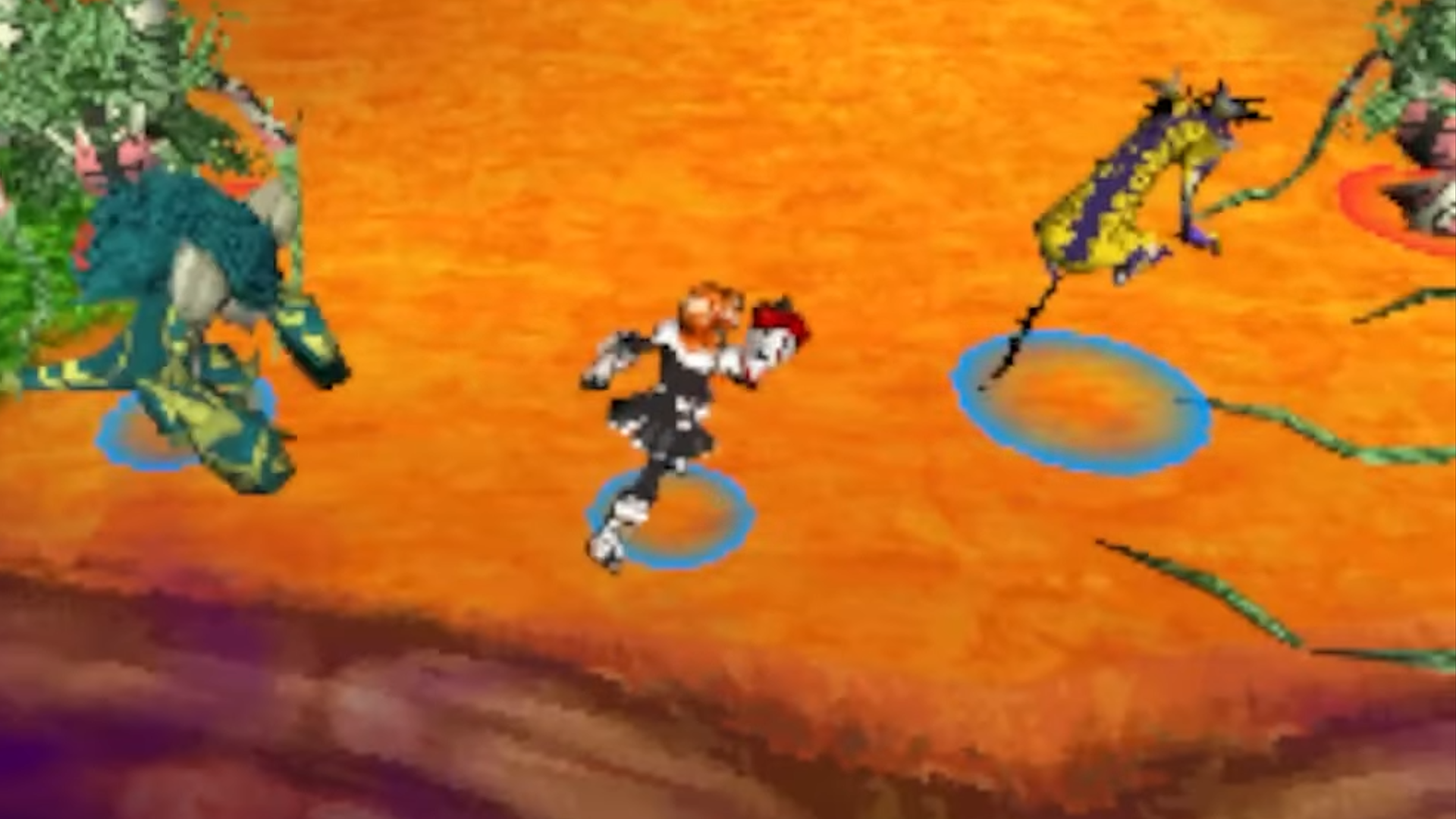
Spectrobes puts you in the role of a space patroller who discovers a device that lets you control powerful, ancient creatures called Spectrobes. You find Spectrobe fossils while exploring planets, clean them off using the touchscreen, and bring them to life. Then, you battle your revived Spectrobes against others in exciting arena fights, where you actively participate in the action.
Spectrobes, a game ahead of its time, surprisingly included features that required an ongoing internet connection. Players could download new creatures, gear, and items by connecting to Nintendo Wi-Fi. These downloads were earned through weekly logins, but if you skipped a week, you’d lose your progress – a classic example of a frustrating design tactic, even back then, courtesy of Disney.
8. Sonic Chronicles: The Dark Brotherhood
Who Asked Sonic to Wait his Turn?
Sonic the Hedgehog has appeared in many different kinds of games – platformers, racing games, party games, and more – often trying to compete with the success of Nintendo’s Mario. Just as Mario starred in several highly-rated Japanese role-playing games (JRPGs), Sonic also tried the turn-based adventure style with the game Sonic Chronicles: The Dark Brotherhood.
This role-playing game (JRPG), surprisingly created by BioWare, features a brand new adventure with Sonic and his friends as they fight against a shadowy group called the Marauders. Instead of the fast-paced platforming Sonic is known for, this game lets you explore large, open areas using the Nintendo DS touchscreen. You’ll also be able to play as other characters like Knuckles and Tails to overcome challenges.
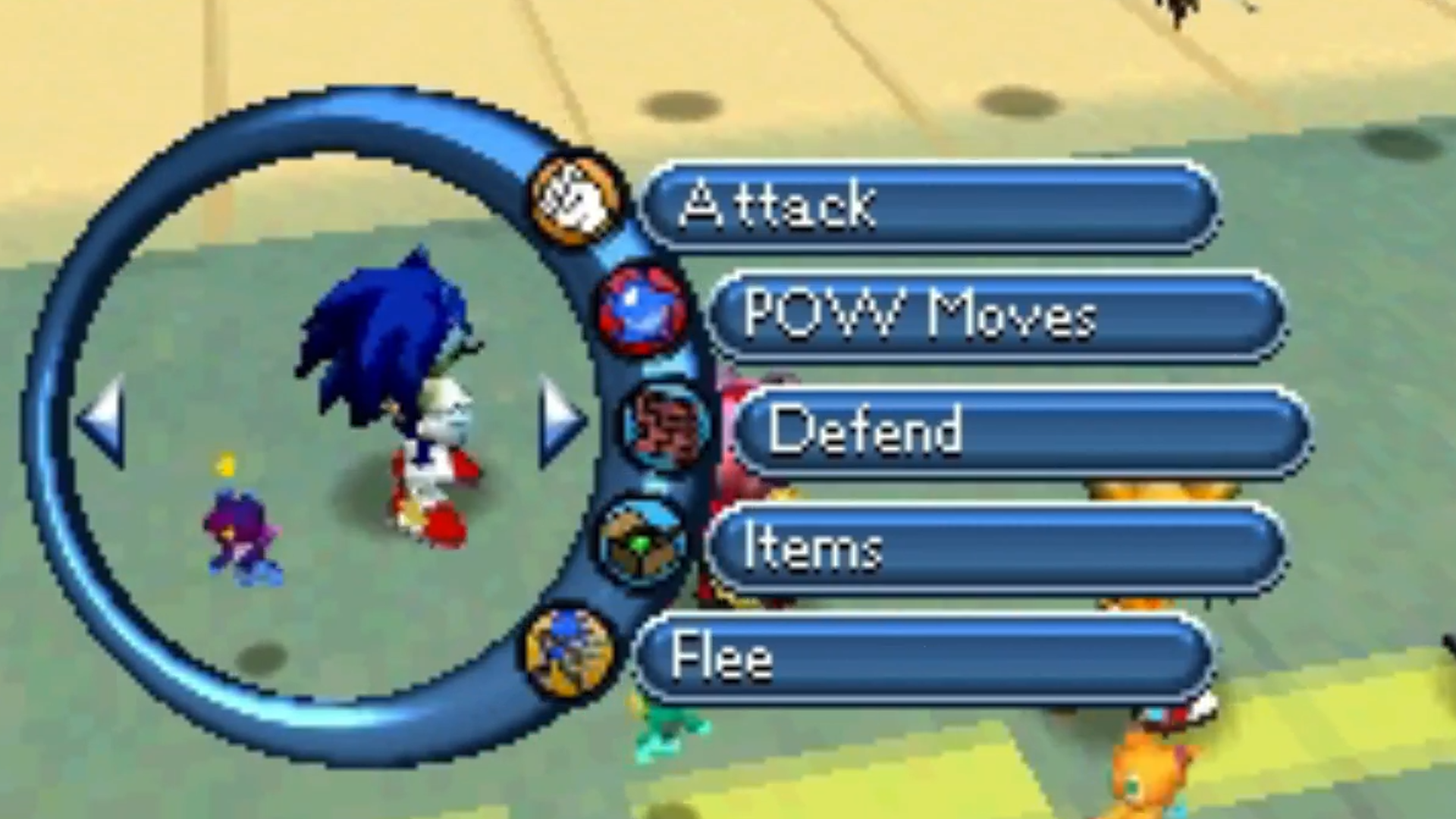
The game’s combat is turn-based, but it works a bit differently than most games. Instead of choosing moves one at a time, you commit each character to a single action for an entire ’round.’ Special attacks also involve quick, rhythm-based challenges similar to the game Elite Beat Agents. While it was a unique system that players didn’t fully embrace, it definitely stood out when it was released.
7. Solatorobo: Red the Hunter
Steampunk Furries
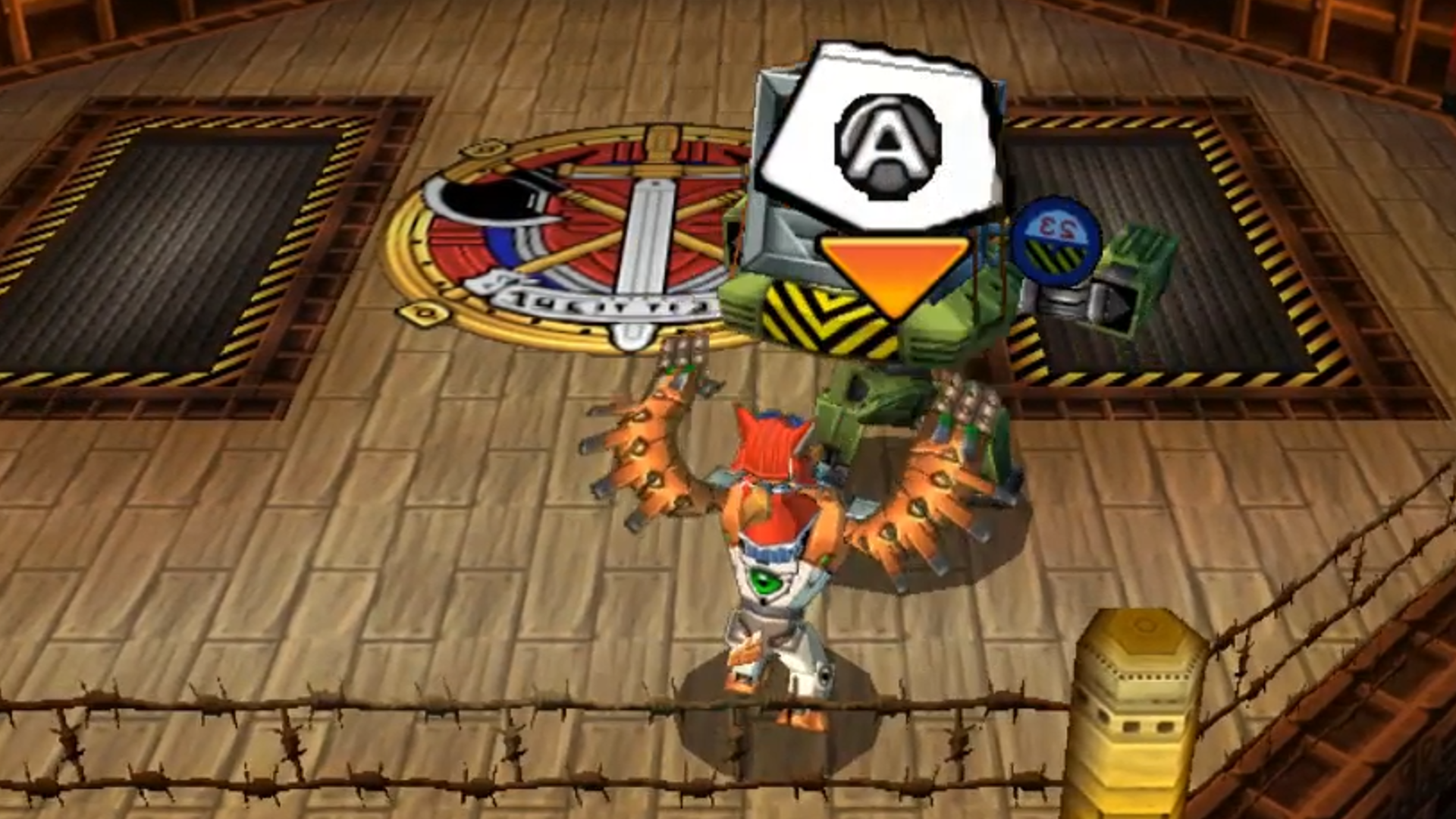
I’d love to see more Japanese role-playing games featuring giant robots. It feels like a great idea that hasn’t been explored enough – though that might just be my personal preference! Even if not giant robots, many JRPGs do include robots of a more typical size, like in the game Solatorobo: Red the Hunter.
I’m really into Solatorobo – it’s an action RPG with a cool steampunk setting, and all the characters are these awesome cat and dog people! You play as Red, and he basically drives around in his own giant robot, taking on jobs as a mercenary. The game is structured like the old Mega Man games, with levels you go through one after another. But here’s the thing – you can’t just jump into any level you want. You have to do a bunch of sidequests first to raise your ‘Hunter Rank’. These aren’t huge epic quests, though – more like running around collecting things, playing little games, and other fun distractions. It’s a bit of a grind, but it adds to the world!
The core of the game involves controlling a mech and battling through levels, using its arms to defeat enemies. As you win, you earn experience points that make your mech stronger and unlock new moves. You can also customize your mech with different parts to fine-tune its performance and create powerful builds.
6. Knights in the Nightmare
Strategy Meets Bullet Hell
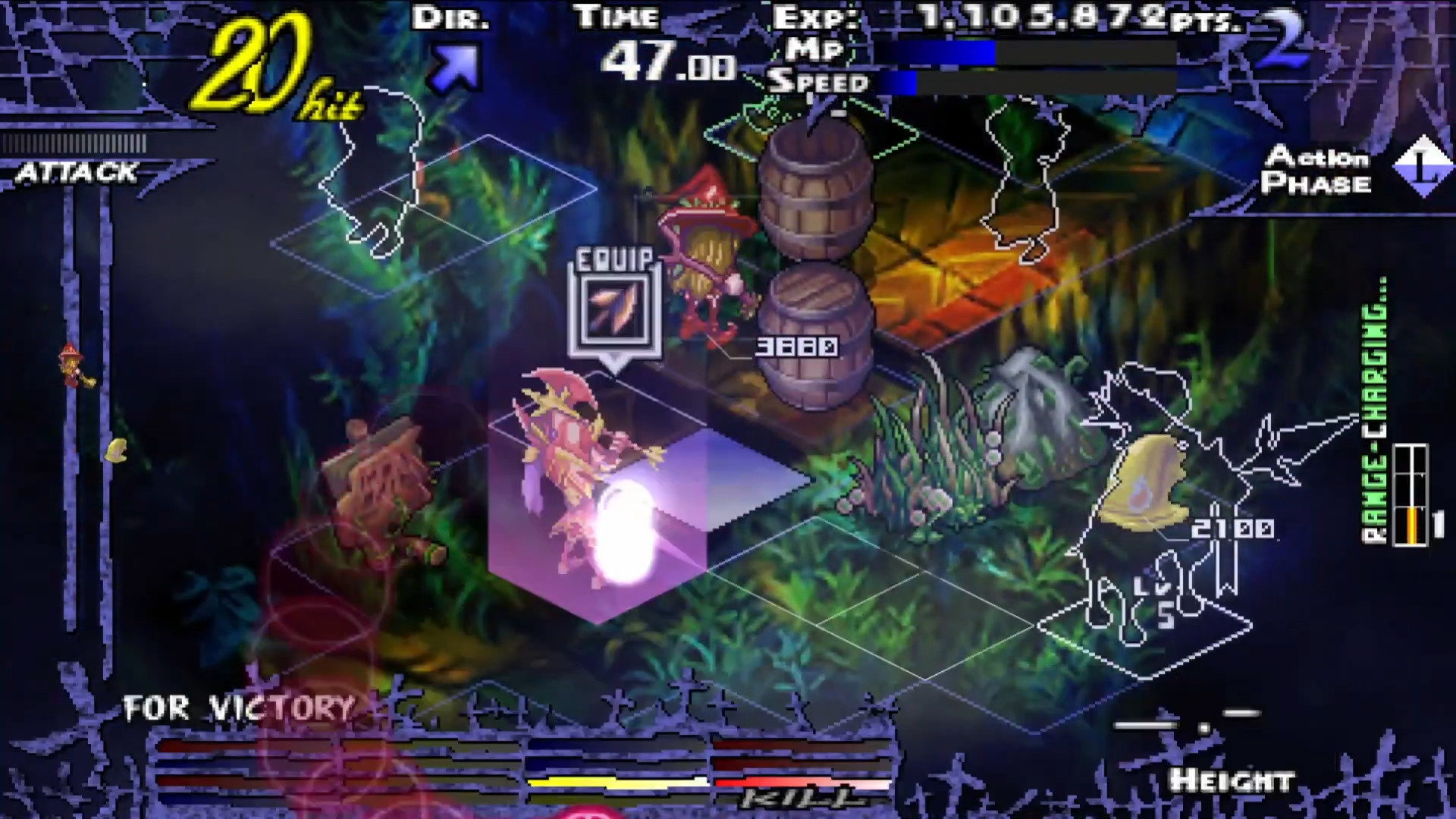
Some game combinations just seem unlikely to work, but others, like mixing a Japanese Role-Playing Game (JRPG) with a tactical or bullet hell style, could actually be good. But what about combining all three? That’s a really strange idea… and Knights in the Nightmare is a game that tries exactly that.
In Knights in the Nightmare, you play as a tiny, magical wisp who helps a brave valkyrie battle waves of demons. You don’t directly control the valkyrie – instead, you guide her and her companions during fights. Using the touchscreen, you’ll move the wisp around the battlefield to tell your allies where to go and what to attack.
Here’s the catch: while your little helper is moving around the map, enemies will constantly try to shoot it down, so you’ll need to steer it to safety. Both taking damage and boosting your teammates’ attacks will use up your time limit, meaning you have to keep an eye on everything happening on the battlefield and avoid getting hit.
5. Contact
The Hero Doesn’t Know he’s the Hero
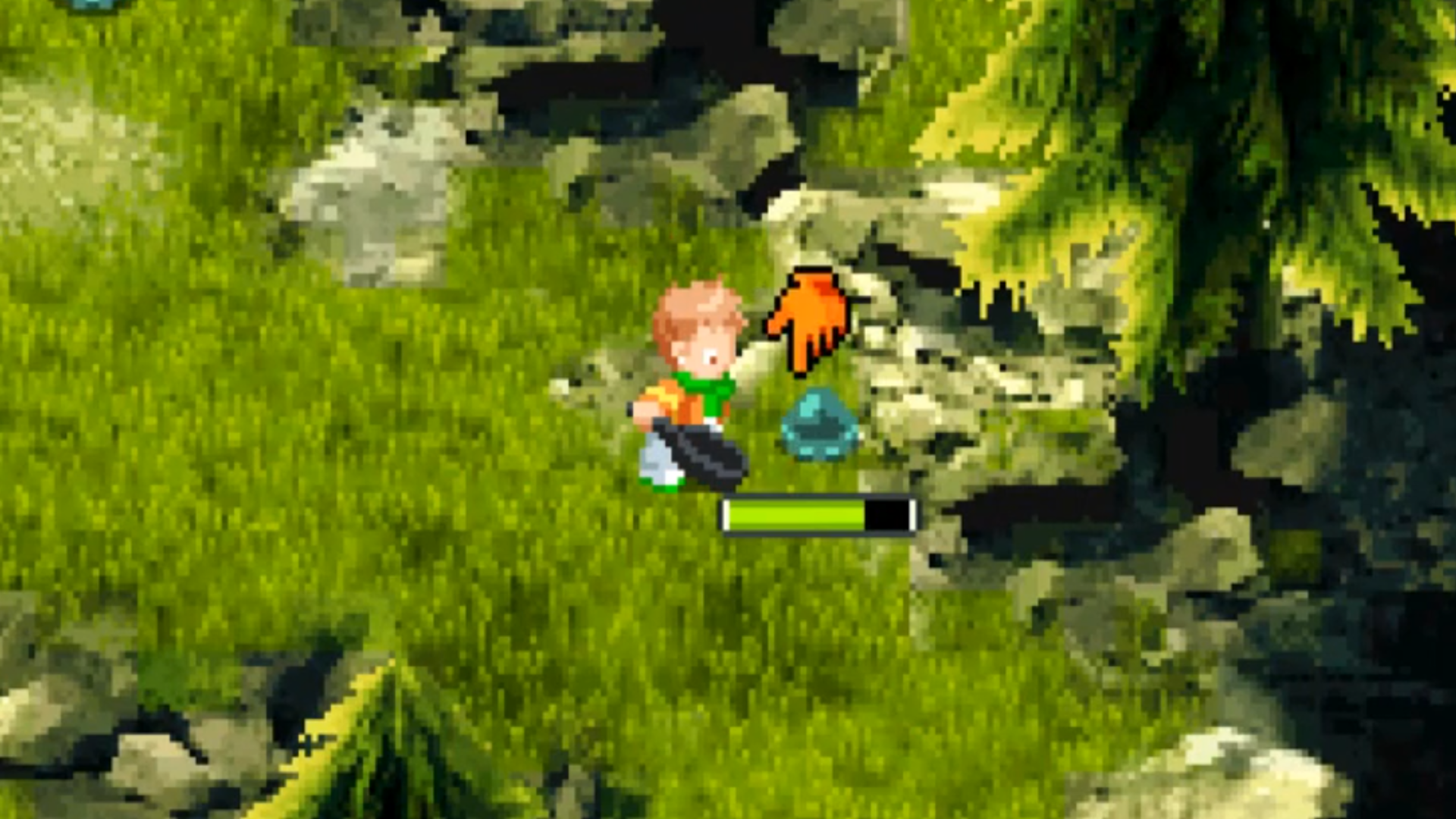
It seems like every Nintendo console, whether portable or home-based, always includes at least one really unique and unusual Japanese role-playing game – think of titles like Earthbound or Paper Mario. The Nintendo DS was no exception, and while there were plenty of quirky games available, the one I remember most fondly is Contact.
Contact, created by Grasshopper and published by Atlus, has a simple story: a professor traveling in space crash-lands on a strange planet and needs help from a boy named Terry to escape. It’s best described as an action-RPG, but it also shares similarities with auto-battler games.
Terry largely operates on his own, both in the story and during battles. While you move him around the main world, he’ll fight and make decisions independently. Your role is to support him during combat by telling him where to move, giving him items, and using abilities. A key part of this is switching his costume, which changes the attacks and skills he has available.
4. Infinite Space
Command the Fleet
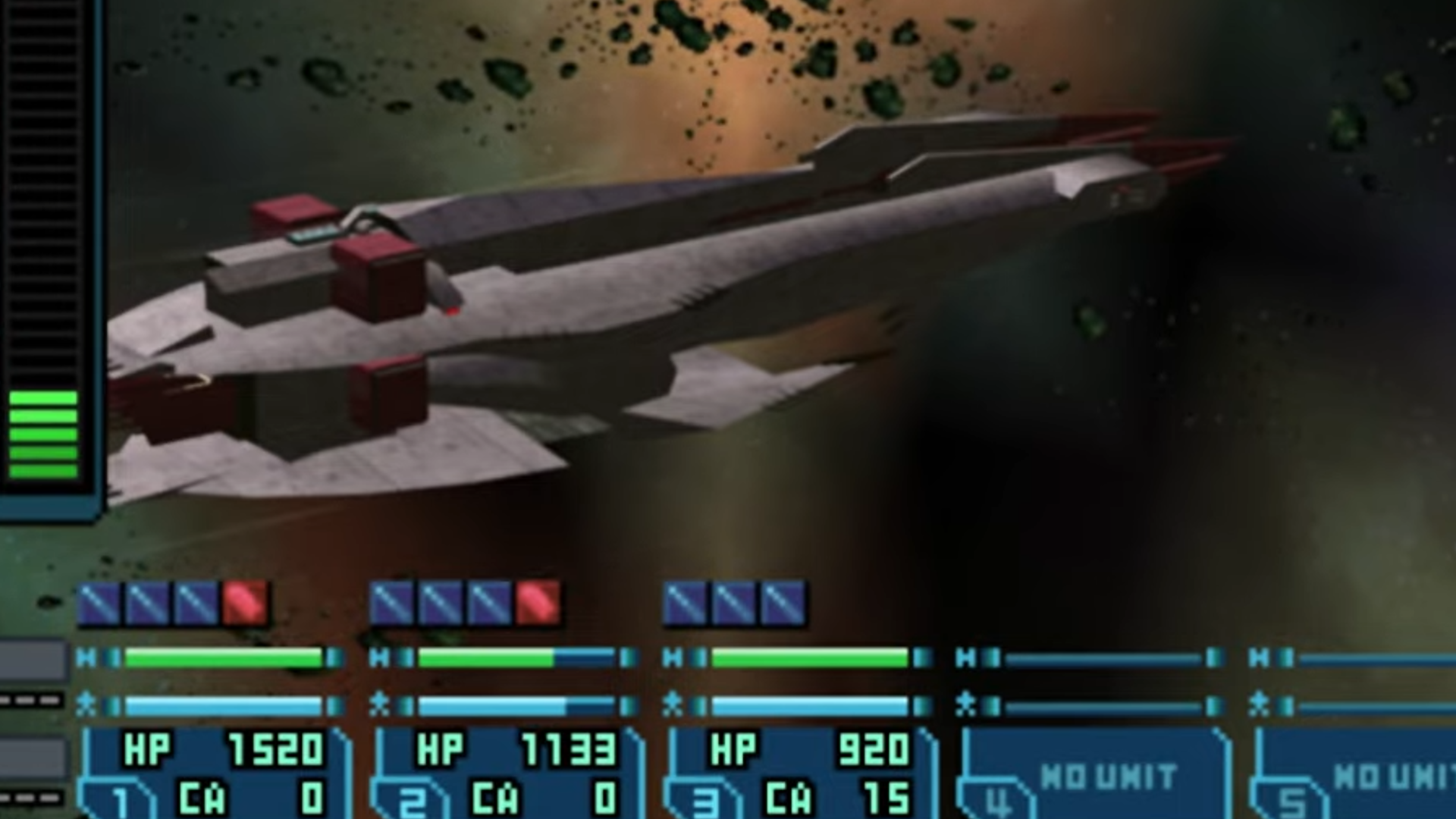
In many Japanese role-playing games (JRPGs), how strong your team is depends a lot on the equipment you give them – better armor, boots, and weapons all improve their abilities. Could a spaceship, with its own replaceable parts, be upgraded and managed in a similar way? Someone already proved it could work – the game Infinite Space did exactly that.
In Infinite Space, you command a fleet of mercenary ships traveling across the galaxy. Instead of directly controlling the ships in battle, you give orders from the bridge of your main ship, managing both combat and navigation. Your goal is to guide your fleet on extended journeys, pausing along the way to repair, refuel, and restock before reaching your final destination.
During space battles, you’ll need to quickly direct your ships – telling them when to fire, raise shields, or close in for a ramming attack. Between battles, you can visit spaceports to buy new ship parts and customize your fleet, improving their strengths in attack and defense.
3. Nostalgia
On Foot and in the Air
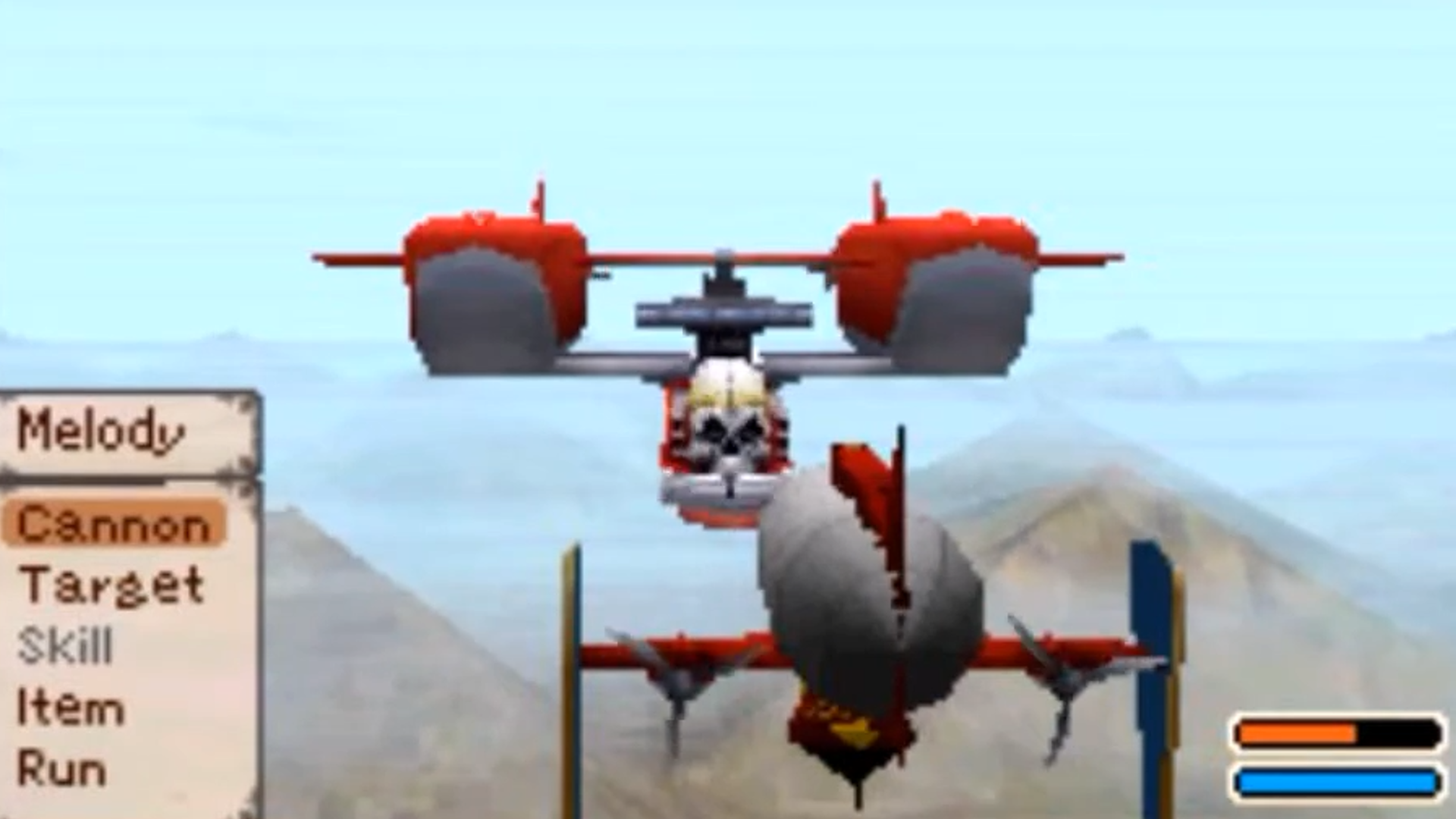
Ship-to-ship battles felt surprisingly good on the DS. It’s hard to say exactly why – maybe using the touchscreen to control ships felt similar to plotting a course on a paper map? Regardless, several DS games explored this idea, and Nostalgia was one of the most compelling JRPGs to do so.
Subscribe to the newsletter for bold JRPG deep dives
Nostalgia initially seems like a classic fantasy JRPG, similar to popular games like Final Fantasy III and Bravely Default. It features traditional turn-based battles with characters using items and special moves. But the game offers more than just standard party combat.
Given the game’s steampunk world, you’ll battle enemies while traveling in your airship. During these fights, your crew members’ skills are automatically adapted to control the ship – for example, their abilities might power the cannons or help you ram into opponents. Because your airship has its own health, you’ll need to plan your attacks carefully, focusing more on ship-to-ship combat than individual character actions.
2. Radiant Historia
Wibbly-Wobbly Timey-Wimey
It’s common now for games, movies, and TV shows to play with different timelines, but that wasn’t always the case. Around the late 2000s and early 2010s, it was a fairly new idea. Interestingly, two games from that period – 999, released in 2009, and Radiant Historia in 2010 – were among the first to really explore this concept.
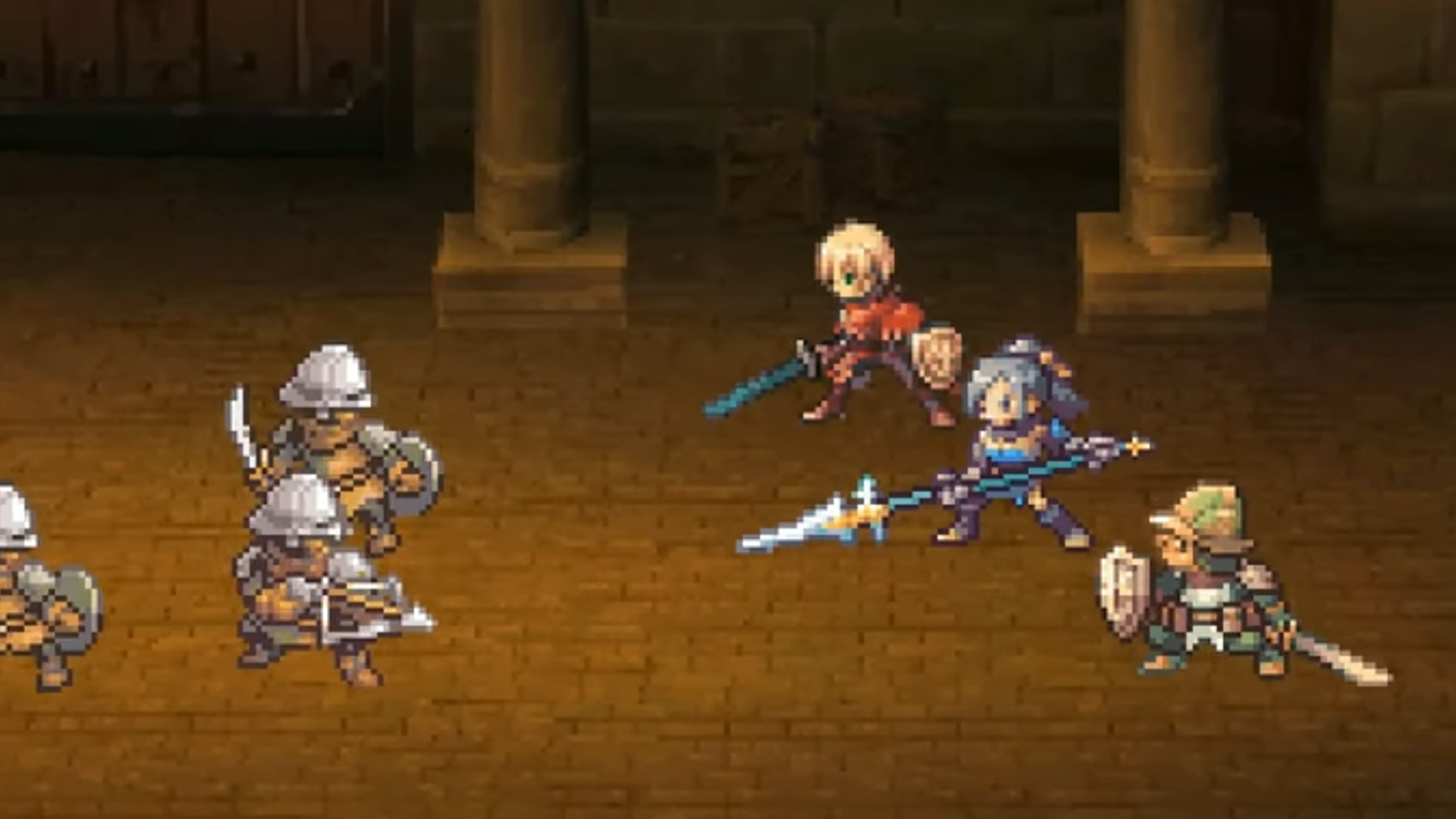
Radiant Historia initially appears to be a classic JRPG with a story centered around a large-scale war between different races, set in a world of swords and magic. Battles are turn-based, but with a unique twist: characters (both yours and the enemies’) are arranged on a 3×3 grid, and their positions affect how much damage they deal and can even trigger environmental effects.
Okay, so the battles in Radiant Historia are fine, but honestly, what really sets it apart is how the story works. It’s got this awesome system where you jump between different versions of the timeline, kind of like in 999. You can go back and change things to avoid bad endings, and you even keep your items and knowledge when you do! It’s so cool because even if you mess up and hit a dead end, you don’t lose your progress – you still keep your experience. That means you can experiment with choices without worrying about being totally stuck, which is a huge relief and makes it way more fun.
1. The World Ends With You
Nobody Said Staying Trendy was Easy
Look, I love games that really try to do something different, but sometimes they just don’t catch on with everyone. That was the case with The World Ends with You. It was a really cool and unique game, and anyone who played it seemed to dig it, but it never became super popular, probably because it was a bit too out there for a lot of people. It was a hidden gem for a while, honestly.
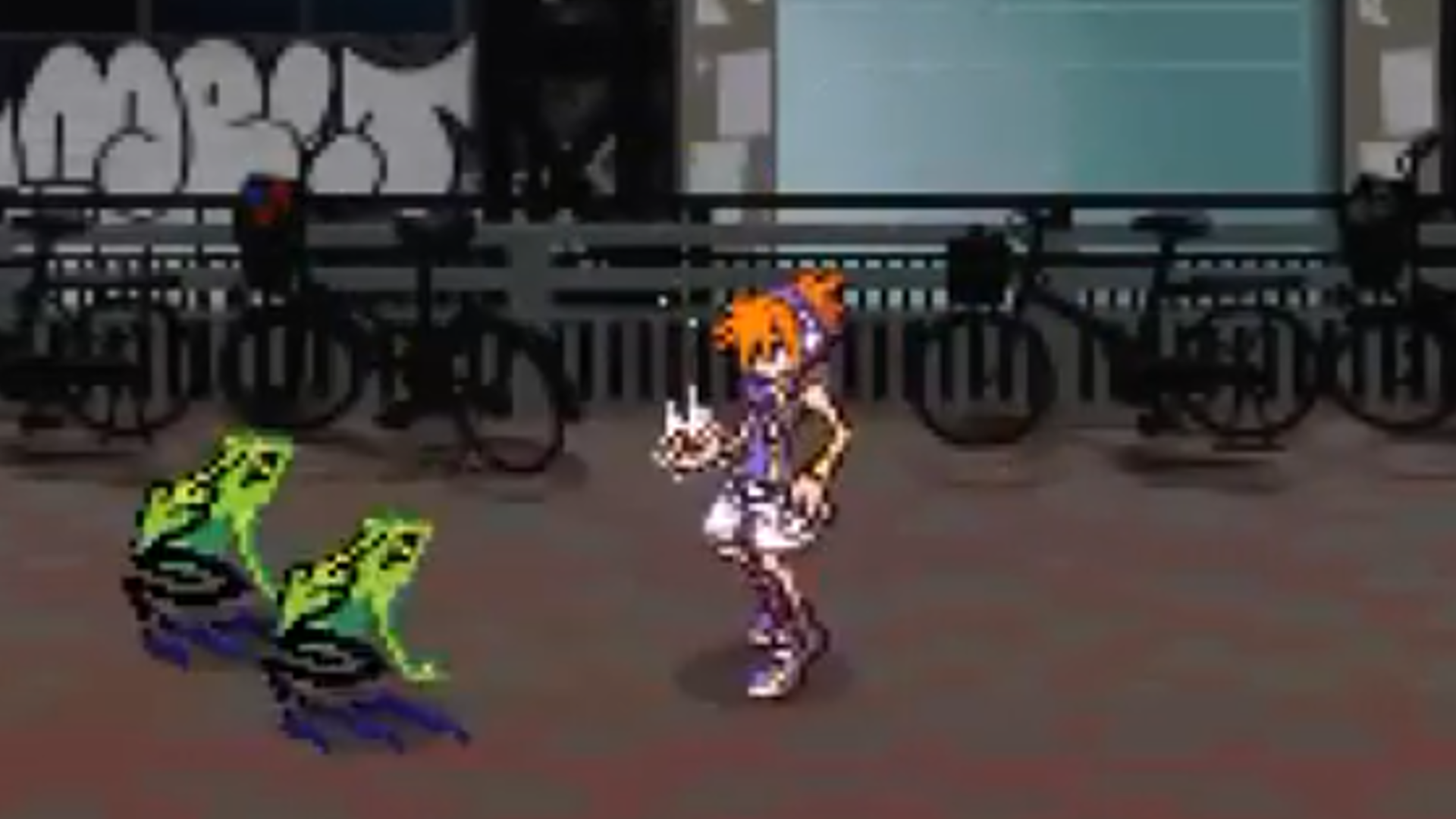
The World Ends with You centers around Neku, a teenager who wakes up in the bustling Shibuya district with no memory of his past. He’s suddenly forced into a dangerous game and must team up with a rotating cast of partners to survive. The game cleverly uses the Nintendo DS’s dual screens, especially during its exciting and visually striking battles.
During battles, you control both Neku and his partner, switching between them quickly. To use Neku’s powers, you’ll draw patterns on the touchscreen, and to make his partner attack, you’ll need to press the controller buttons in the right order. Speed and good timing are essential, as if either character is defeated, both characters lose.
Read More
- Netflix’s Little House On The Prairie Reboot: Release Date, Cast & Everything We Know
- Off Campus Season 1 Soundtrack Guide
- Silver Rate Forecast
- Prime Video’s New R-Rated Spy Thriller Is Officially No.1 On Streaming Despite Poor Reviews
- Brent Oil Forecast
- Gold Rate Forecast
- EUR ZAR PREDICTION
- YouTuber arrested after viral AI bodycam videos spark real police complaints
- 币安人生 PREDICTION. 币安人生 cryptocurrency
- Bulgakov’s Take: Koreans Bet the Farm on Chips, Crypto, and Chaos
2026-04-29 21:42