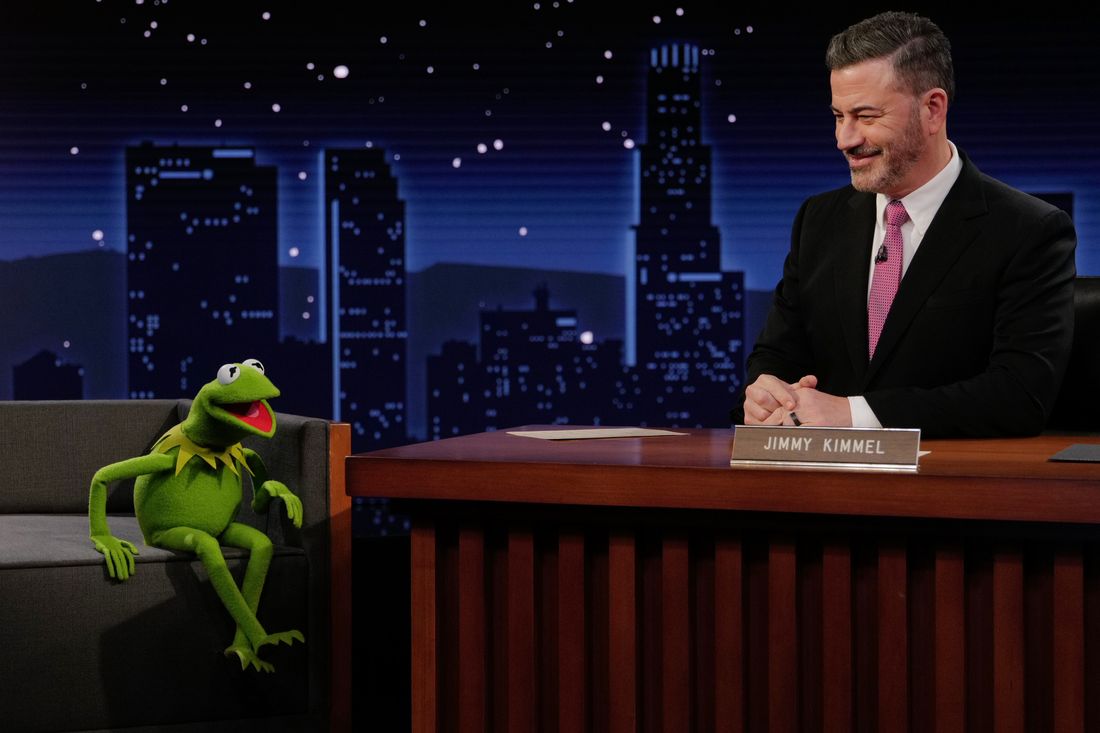
The White House took another step in limiting free speech on Tuesday when Brendan Carr, the head of the Federal Communications Commission and a supporter of Donald Trump, initiated a review of the broadcast licenses for Disney’s eight ABC television stations. The FCC stated this was part of a larger investigation into Disney’s diversity and inclusion policies, but the move came just one day after Donald and Melania Trump called for ABC to fire Jimmy Kimmel. Many believe this timing reveals the true motivation behind the review. According to Robert Corn-Revere, a former chief counsel for the FCC, the focus on diversity policies is simply an excuse to target ABC because the former president dislikes Kimmel.
According to Corn-Revere, now a lead attorney at the Foundation for Individual Rights and Expression, many agree with his view of the FCC’s actions. FCC Commissioner Anna Gomez, the agency’s only Democrat, stated that the recent decision is a severe attack on First Amendment rights – the worst she’s seen from the FCC. She also noted that moving up the renewal dates for Disney’s licenses – some of which weren’t up for renewal for another five years – is something the agency hasn’t done in decades. Gomez described the move as a clear attempt to punish a broadcast network, silence dissenting voices, and retaliate against individuals within the network, calling it “outrageous.” She warned that media companies can’t assume giving in to demands will protect them from future actions that violate their First Amendment rights.
Gomez has been warning about actions taken by Carr and Trump that threaten free speech since Trump returned to office last year. She said Tuesday’s moves were the most extreme attempt yet to undermine constitutional protections. According to Gomez, the administration is clearly trying to punish its critics and control media coverage. She believes this action is aimed at Disney specifically, but also serves as a warning to other broadcasters, signaling the administration’s desire to control what is reported and ensure favorable coverage.
Both Gomez and Corn-Revere saw a positive sign in Disney’s response to the FCC. While not overly assertive, Disney indicated it wouldn’t back down easily to Commissioner Carr. The company stated that ABC and its stations have consistently followed FCC rules and served their communities with reliable news, emergency updates, and valuable programming. Disney expressed confidence in its continued eligibility as a licensee under the law and the First Amendment, and said it was ready to defend its record in court if necessary.
Despite facing calls for his removal, Jimmy Kimmel hosted his show as usual on Monday and didn’t apologize for his joke about Donald Trump’s health. This suggested that Disney’s new CEO, Josh D’Amaro, wasn’t planning to back down in response to criticism from the White House. Disney representatives declined to provide further comment beyond their original statement. Communications expert Karla Gomez thought Disney’s response was perfect and encouraged them to continue defending Kimmel, arguing they have the law and the First Amendment on their side and are likely to prevail.
Corn-Revere believes Carr’s current actions will likely fail, similar to how his attempt to discredit Kimmel last summer actually increased the comedian’s popularity and strengthened his image. Because of Corn-Revere’s extensive background in communications law, free speech, and his previous criticism of Carr, we asked him to explain today’s events, their significance, and what to expect moving forward.
Is the FCC’s investigation into Disney’s diversity, equity, and inclusion practices really about that, or is it a way to punish Disney for things Chairman Carr and the president dislike, like Jimmy Kimmel’s show? Will the FCC keep adding new complaints once the review starts, forcing Disney to change its business practices?
ROBERT CORN-REVERE: It’s pretty clear the DEI issue is just an excuse to go after ABC because the president doesn’t like Kimmel. For the past 14 months, there have been warnings and threats made to ABC, and this is just the latest example of that pattern.
It seems like you believe this DEI initiative is just a superficial attempt to cover up something else. The timing of it all feels questionable, and this short announcement actually kicks off a whole process.
Could you elaborate on that? Well, before the FCC can take action regarding a broadcasting license, they must first issue a hearing designation order. This order needs to clearly define all the issues the FCC will consider when making a decision about the license. If the FCC claims this case involves diversity, equity, and inclusion, they can’t investigate just anything. They must establish a legal reason why these stations aren’t serving the public interest. The idea of ‘public interest’ doesn’t give the government unlimited power. They can’t simply do as they please. This situation seems to be a response to jokes made on the air, but it’s only the first step in a lengthy process.
Okay, so here’s what’s going on as I see it. They’re trying to figure out if they can bring up the stuff with Jimmy Kimmel again. They’ve used this ‘news distortion’ argument before, and Kimmel’s thrown out a bunch of other ideas, but honestly, the whole ‘news distortion’ thing is a stretch. The FCC Chairman, Carr, has actually said jokes on late-night shows are news distortion, which, come on, they’re not! Then he argues those same shows shouldn’t get special treatment under equal time rules because they aren’t news. Seriously? Make up your mind! It all feels like they’re just trying to strong-arm broadcasters who criticize the president, making them pay a price for speaking out.
Section 326 of the Communications Act and the First Amendment both protect free speech by preventing censorship. However, some are concerned that FCC Chairman Carr and others might try to bypass these protections by using the FCC’s license review process. This process looks at past actions and is based on a broad standard – acting in the public’s best interest – which could be interpreted widely. Essentially, Section 326 doesn’t just prevent censorship before it happens; it prevents the FCC from imposing any rules based on what’s been said. It’s a broad protection against any activity that would violate the First Amendment, and the fact that the FCC reviews past programs doesn’t give them the power to circumvent these protections.
When it comes to serving the public, the FCC isn’t allowed to control what stations broadcast just by saying it’s ‘in the public interest.’ The FCC and the courts have consistently stated that any such standard must respect First Amendment rights. So, when the Chairman says he’ll hold stations accountable to their public interest obligations, it doesn’t actually give the FCC any power to regulate programming content.
How long will the license review take? It’s likely to take so long that Donald Trump will no longer be in office by the time it’s finished.
Is that so? Well, these situations can often drag on for years. It’s been a long time – decades, actually – since anything like this has happened. Usually, a license gets renewed early if a broadcaster stops operating their station and providing service. This is definitely unusual.
Will ABC follow the standard regulatory process, or will they need to take legal action? What are the next steps? There are several possibilities, and I don’t want to guess at them. However, if this proceeds through the usual Federal Communications Commission (FCC) procedures, the FCC would first issue a hearing designation order. A hearing would then be held before an administrative law judge (ALJ), who would make a decision. That decision could then be reviewed by the full commission, and any commission decision could be appealed in court. Because of all these steps, a resolution could take years.
Let me tell you, as someone who’s seen a lot of films, this one… it’s just not grounded in reality. Honestly, it’s completely wild. And I’m not just saying that – it legitimately feels like the only accurate description is, well, utterly insane. I know it’s not exactly professional, but that’s genuinely the best way to put it.
So far, the courts have been the most effective way to delay these actions, and that’s something. Chairman Carr seems to have based his strategy on avoiding lawsuits, so this current approach might be a mistake.
Despite his efforts, Carr has achieved a desired outcome: significant media attention focused on his opposition to those he labels as ‘Woke Liberals,’ which his superiors appreciate. However, his attempts to silence critics have consistently backfired. For example, when he threatened Jimmy Kimmel, Kimmel returned to the air after a brief absence and achieved his highest ratings in over ten years. Instead of reducing criticism, Carr’s actions have repeatedly amplified it.
From a legal standpoint, there’s no justification for revoking a broadcast license simply because someone dislikes a program. I also don’t see how any diversity, equity, and inclusion concerns would apply in this situation. Historically, courts have been hesitant to allow the FCC to make licensing decisions based on employment opportunity policies. Ultimately, I don’t believe there’s a viable legal path forward for the administration on this issue.
For a long time, many conservatives have felt that Hollywood is too liberal and that networks push agendas they disagree with. However, what Ben Carr is attempting seems like a particularly bad way to address those concerns. As you pointed out, it could easily backfire and also infringes on First Amendment rights.
Exactly. Throughout my career defending the First Amendment, I’ve opposed attempts to control programming content from both the left and the right. The Supreme Court made this clear in 2024 when considering social media policies: the government shouldn’t be trying to eliminate bias or enforce a specific standard of free speech. It’s simply not a legitimate government function.
Do you believe Trump and his administration have less political power now than they did six months ago, potentially making it more difficult for Carr to achieve his goals? And if you were ABC’s lawyer, would you have recommended they issue a simple statement and then quietly defend themselves legally, rather than trying to win in the public eye? I won’t offer opinions on political strategy, but I believe ABC has a strong legal position and should focus on upholding the law.
Slowing things down isn’t necessarily a bad thing. In fact, it can help ensure accuracy and quality.
Read More
- Netflix’s Little House On The Prairie Reboot: Release Date, Cast & Everything We Know
- Off Campus Season 1 Soundtrack Guide
- Silver Rate Forecast
- Prime Video’s New R-Rated Spy Thriller Is Officially No.1 On Streaming Despite Poor Reviews
- Gold Rate Forecast
- Brent Oil Forecast
- EUR ZAR PREDICTION
- Amazon Primes new GenAI cartoon looks like K-Pop Demon Hunters with aliens
- KPop Demon Hunters Meets Avatar: The Last Airbender In Netflix’s 3-Part Fantasy Series
- Bulgakov’s Take: Koreans Bet the Farm on Chips, Crypto, and Chaos
2026-04-29 03:56