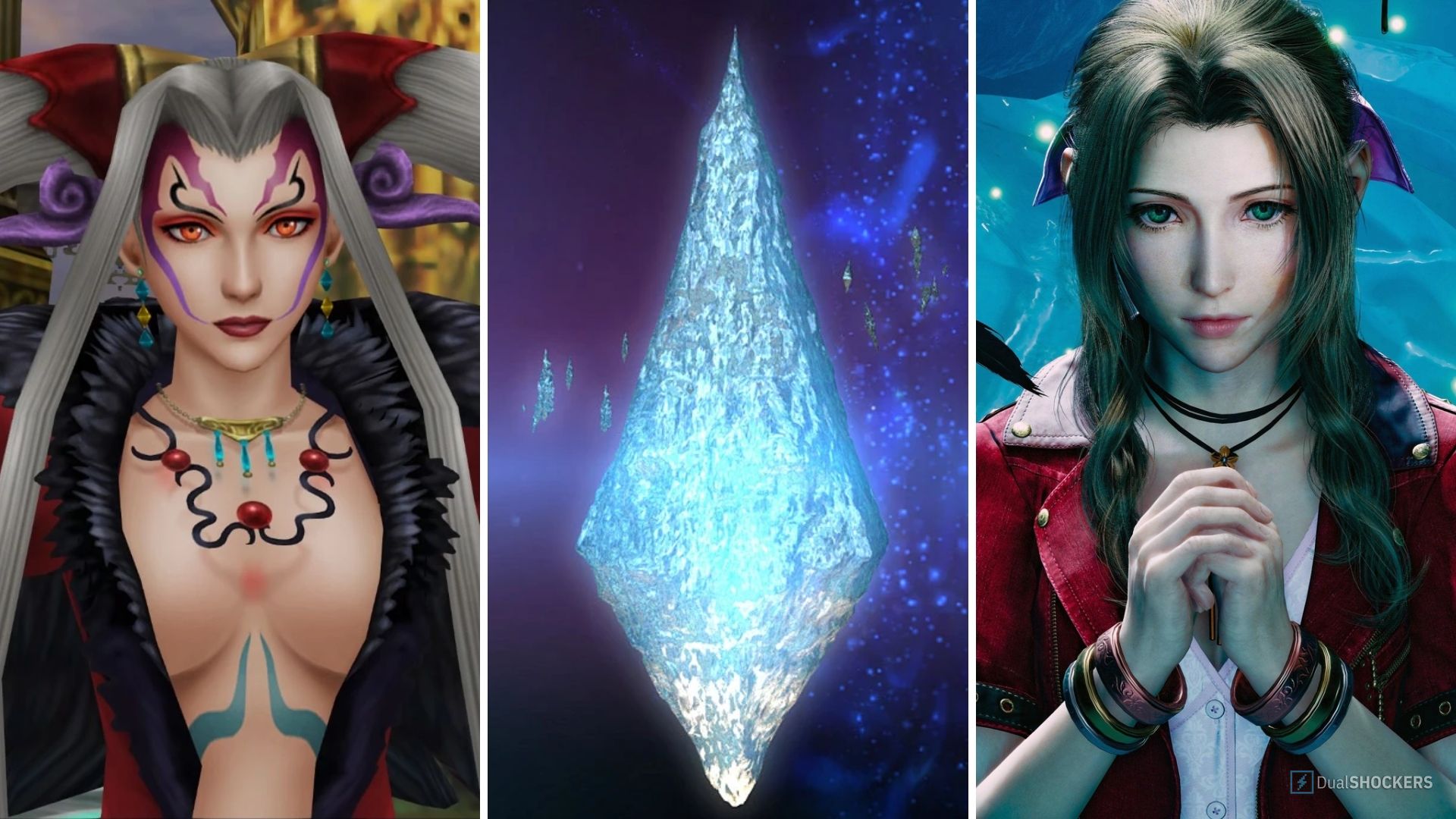
For over thirty years and across many gaming consoles, Final Fantasy has become a global sensation. With its stunning core games and imaginative worlds, the series will celebrate its 40th anniversary in 2027. This landmark achievement is thanks to the franchise’s deep and fascinating lore.
As a huge Final Fantasy fan, what I love is how each game builds on what came before, always adding something new and improving the formula. And honestly, every single game I’ve played is packed with incredible stories, myths, and a rich history that’s been developing for almost four decades now – it’s what really makes the series special!
As Final Fantasy approaches its 40th anniversary, let’s revisit some of the most interesting stories and ideas from the series. Over nearly four decades, Final Fantasy has built a rich history with compelling conflicts, events, and concepts.
10. War of the Lions
An Ancient War
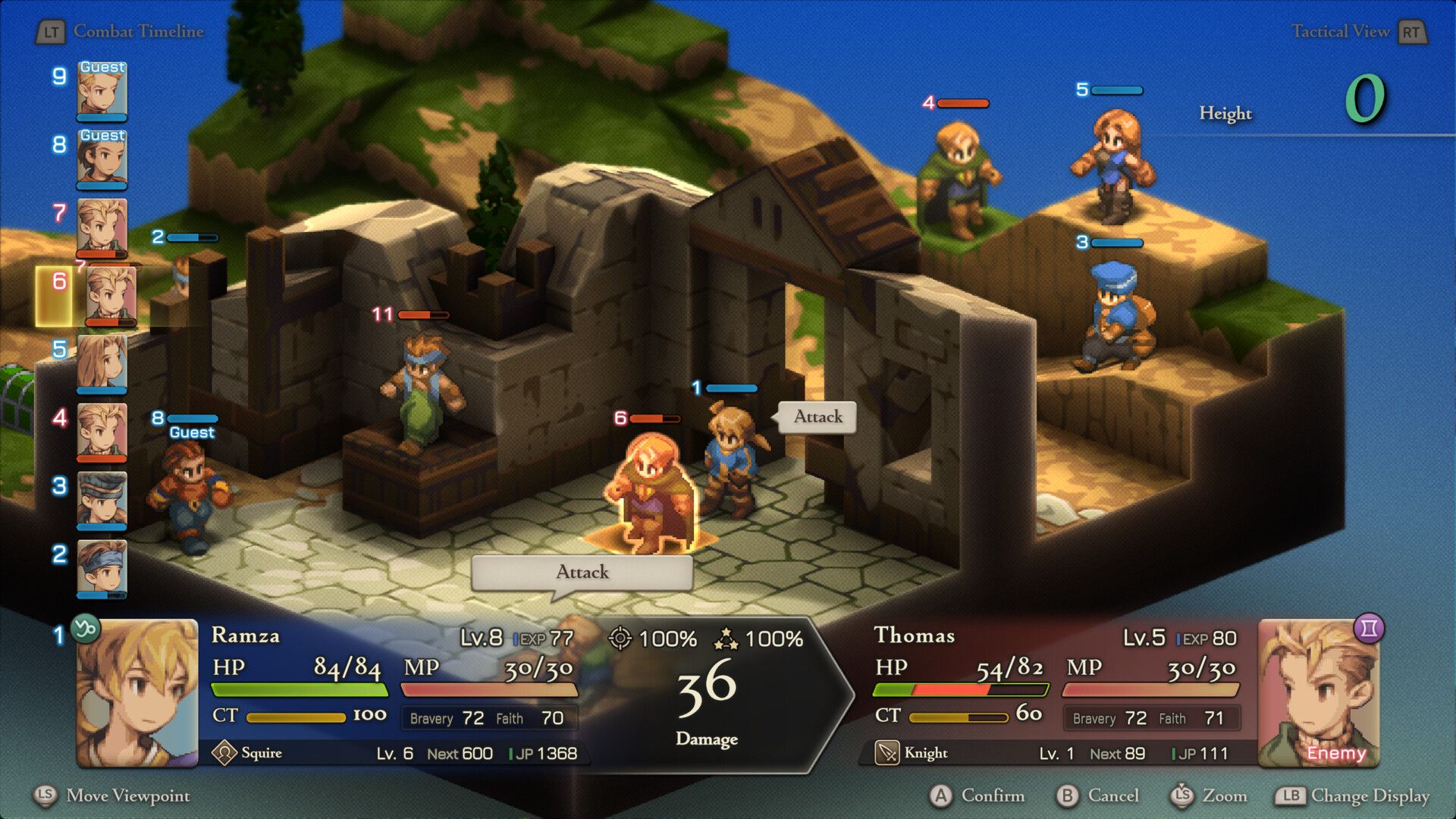
Final Fantasy Tactics is still considered a highlight of the Final Fantasy series. This acclaimed strategy game first introduced players to the world of Ivalice, a unique fantasy kingdom, and established a central conflict that shaped the story of the original game and much of Ivalice’s rich backstory.
The War of the Lions, a central conflict in Final Fantasy Tactics, was inspired by historical civil wars, particularly the 15th-century War of the Roses fought for the English throne. The game’s story of a desperate struggle for power clearly reflects this historical influence.
This conflict is central to the story of Final Fantasy Tactics, and its harsh setting deeply impacted the broader world of Ivalice. Pieces of this story later appeared in Final Fantasy 12, and the ancient war also delved into complicated religious ideas – a common theme throughout the Ivalice Alliance games.
9. The World of Ivalice
The Ivalice Alliance
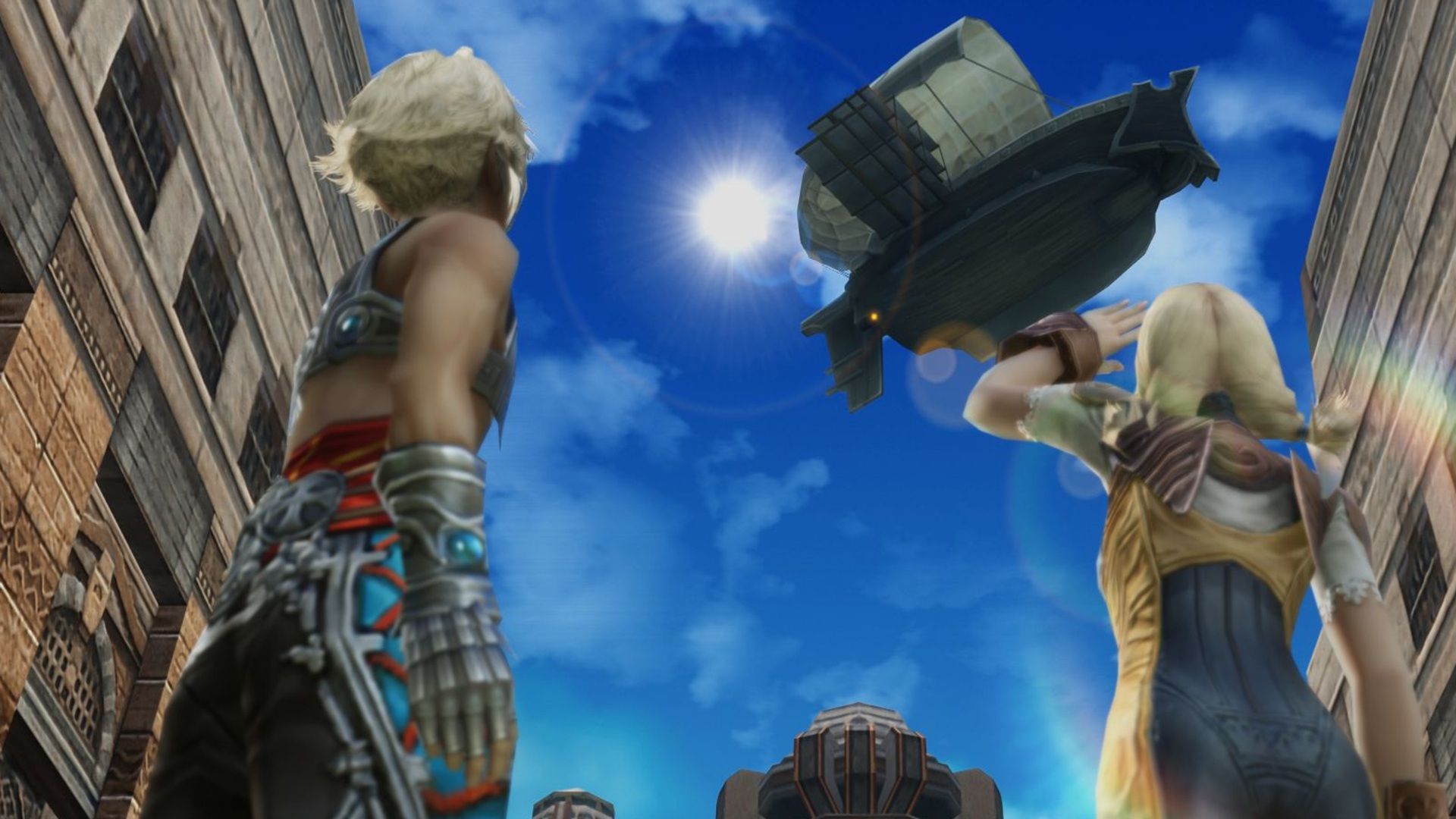
The world of Ivalice first appeared in Final Fantasy Tactics, created by Yasumi Matsuno as the game’s setting. Since then, Ivalice has become an important location in several other Final Fantasy games, like Vagrant Story and Final Fantasy Tactics Advance.
Final Fantasy 12 would also be a major focus, strengthening the established ideas and lore of this connected series. While the Ivalice Alliance games all explore similar concepts, each one approaches them from a fresh perspective.
The Ivalice Alliance games often explore characters facing religious persecution and trying to overcome destiny, and these themes build upon each other throughout the series. Ivalice itself is a wonderfully crafted fantasy world with a deep and complicated past, full of political intrigue and long-standing conflicts.
8. The Farplane
Listen to My Story
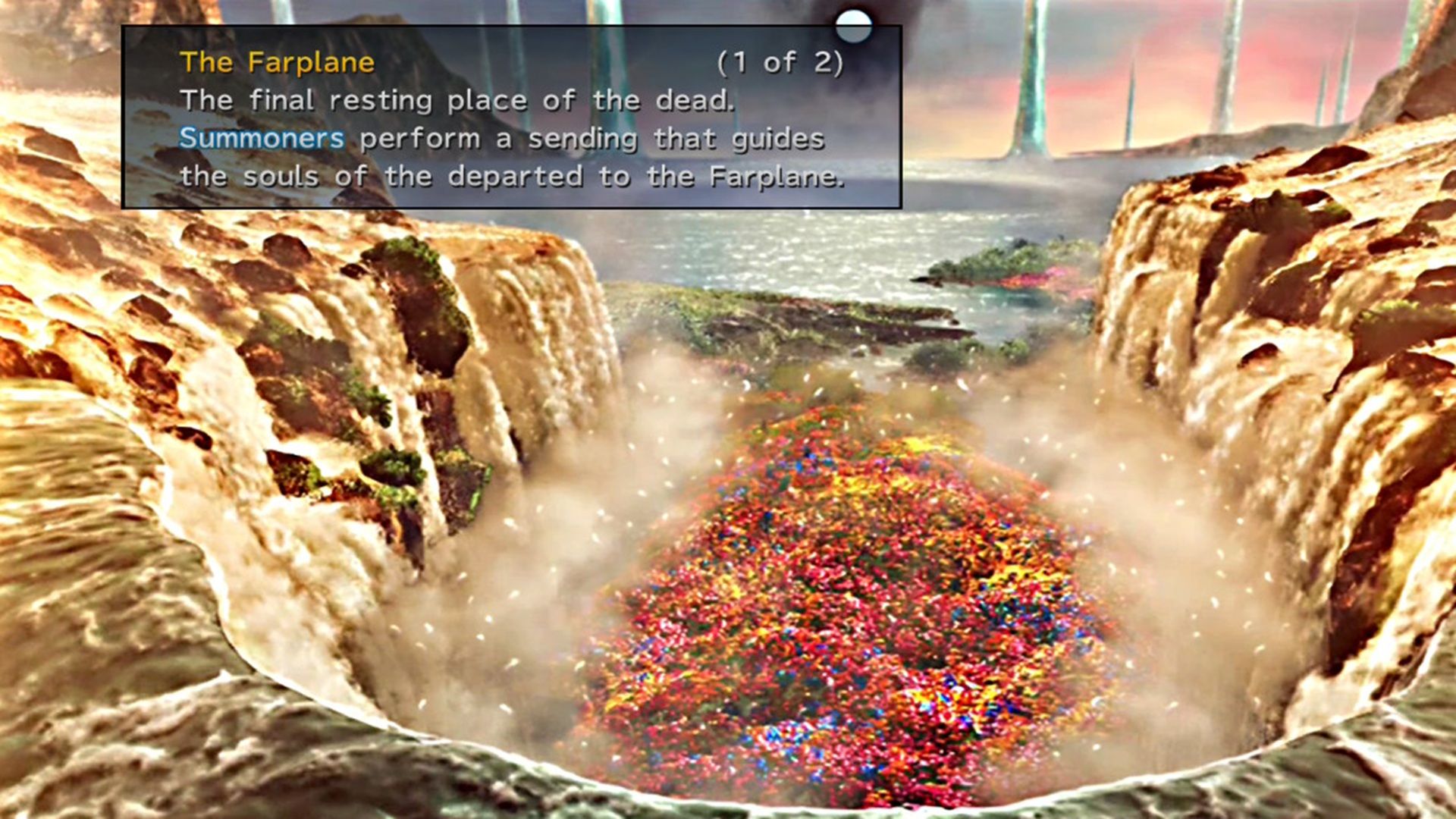
Final Fantasy 10’s story is deeply connected to themes of religion and what happens after death, all revolving around a core idea: the Farplane. Think of the Farplane as a central meeting place for all those who have died in the world of Spira – it’s where everyone goes after life.
People who don’t reach the Farplane become spirits known as Fiends, or as the people of Spira call them, the Unsent. This existence is deeply troubled, and the unsettling nature of the Farplane makes it a particularly haunting part of the game’s story.
The Farplane plays a crucial role in the deeply moving story of Final Fantasy X, particularly in how it connects to both the world of Summoners and the idea of life after death. The experiences Yuna and Tidus share are heavily influenced by the Farplane and its significance to their journey.
7. The War of the Magi
Welcome to the World of Ruin
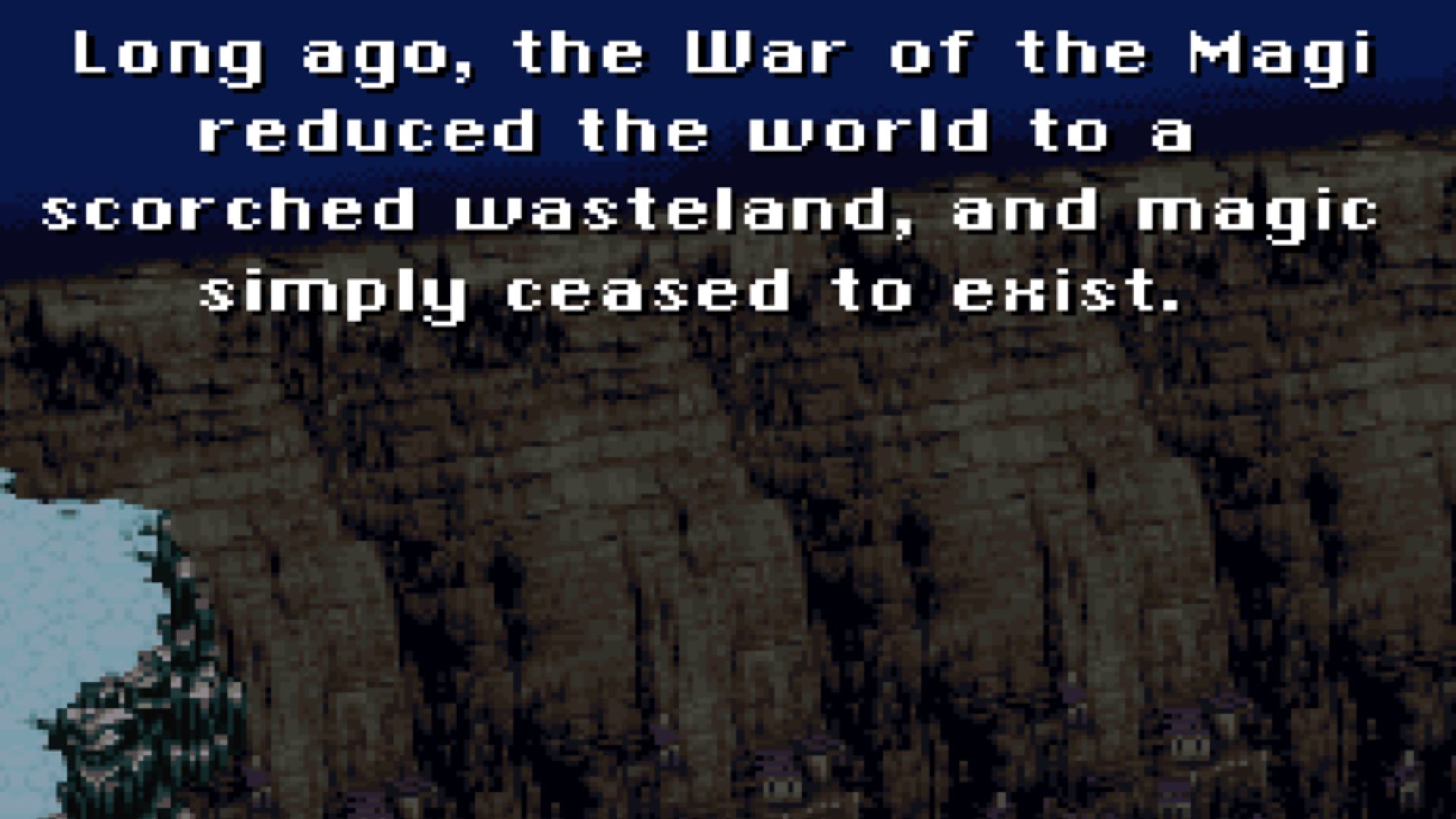
Around a thousand years before the story of Final Fantasy 6, a huge war called the War of the Magi took place. It was fought between powerful magical beings called Espers and humans who had gained magical abilities, then known as Magi. This war was incredibly destructive.
So, after everything went down, the Espers basically had to leave and build their own place to live. And when you’re playing Final Fantasy 6, the War of the Magi is this huge event that really changes everything – it’s the point where things really start happening.
In Final Fantasy 6, the villain Kefka’s insane plot to obliterate the world is challenged by Terra Branford discovering her magical powers. The ancient War of the Magi is central to the game’s story and final events, making it a pivotal and unforgettable conflict in the Final Fantasy series.
6. Time Compression
Kurse All SeeDs
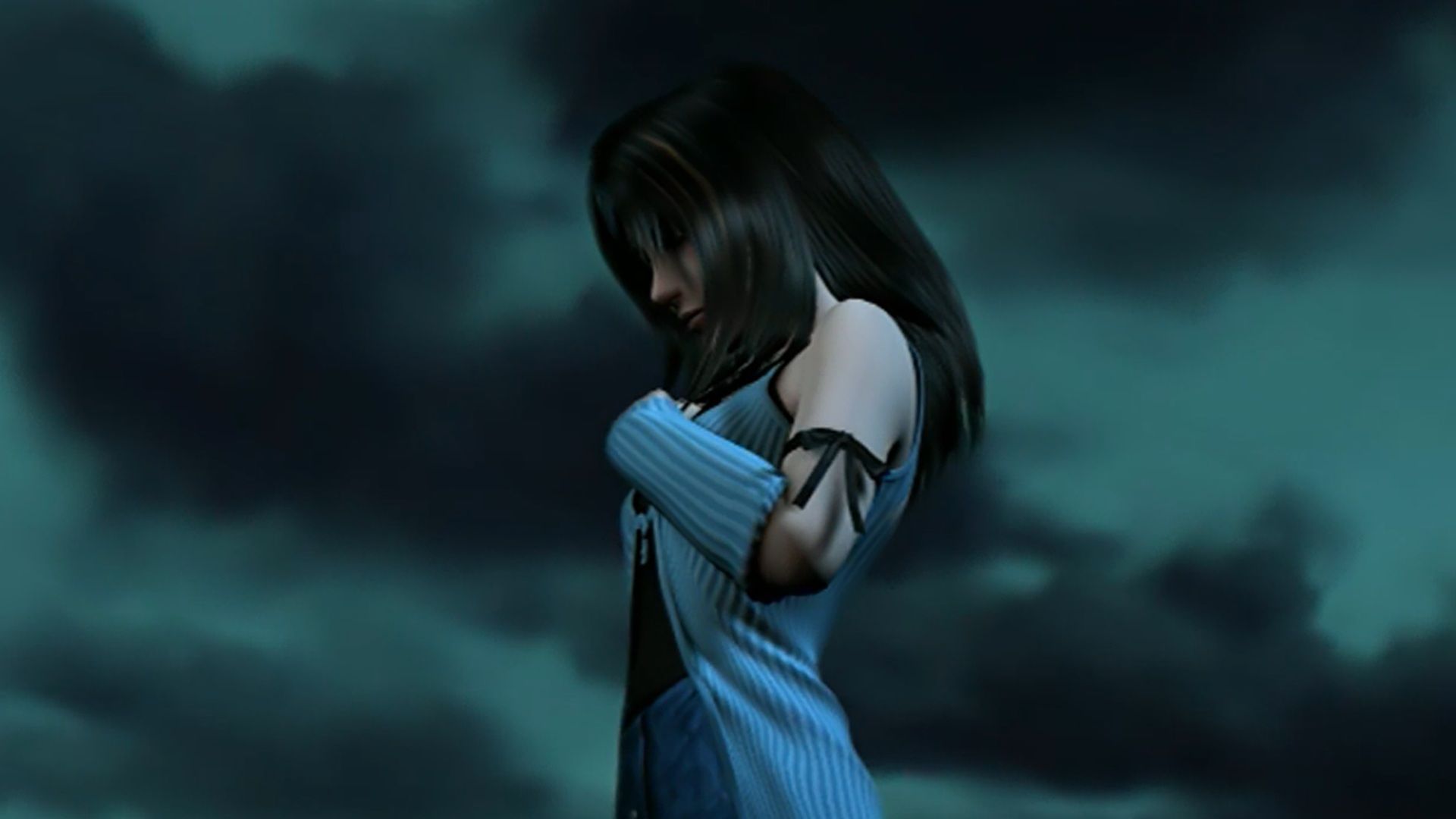
Sorceress Ultimecia, after experiencing her own defeat by a group of young soldiers who would become her future enemies, sends her mind back in time. She takes control of Edea Kramer as part of a scheme to perform a powerful spell called Time Compression.
A major part of Final Fantasy 8’s story revolves around Time Compression, and this theme is present throughout the entire game. It becomes especially important in the last two discs, as the villain Ultimecia’s plans expand and involve other characters with complicated reasons for their actions, like Seifer.
Perhaps the most interesting thing about Time Compression is that it genuinely works within the game. When Ultimecia successfully casts it near the end of the game, the world noticeably changes. Exploring the world map afterward reveals significant alterations – some areas become inaccessible, and others appear completely different.
5. Cid
Multiverse of Madness
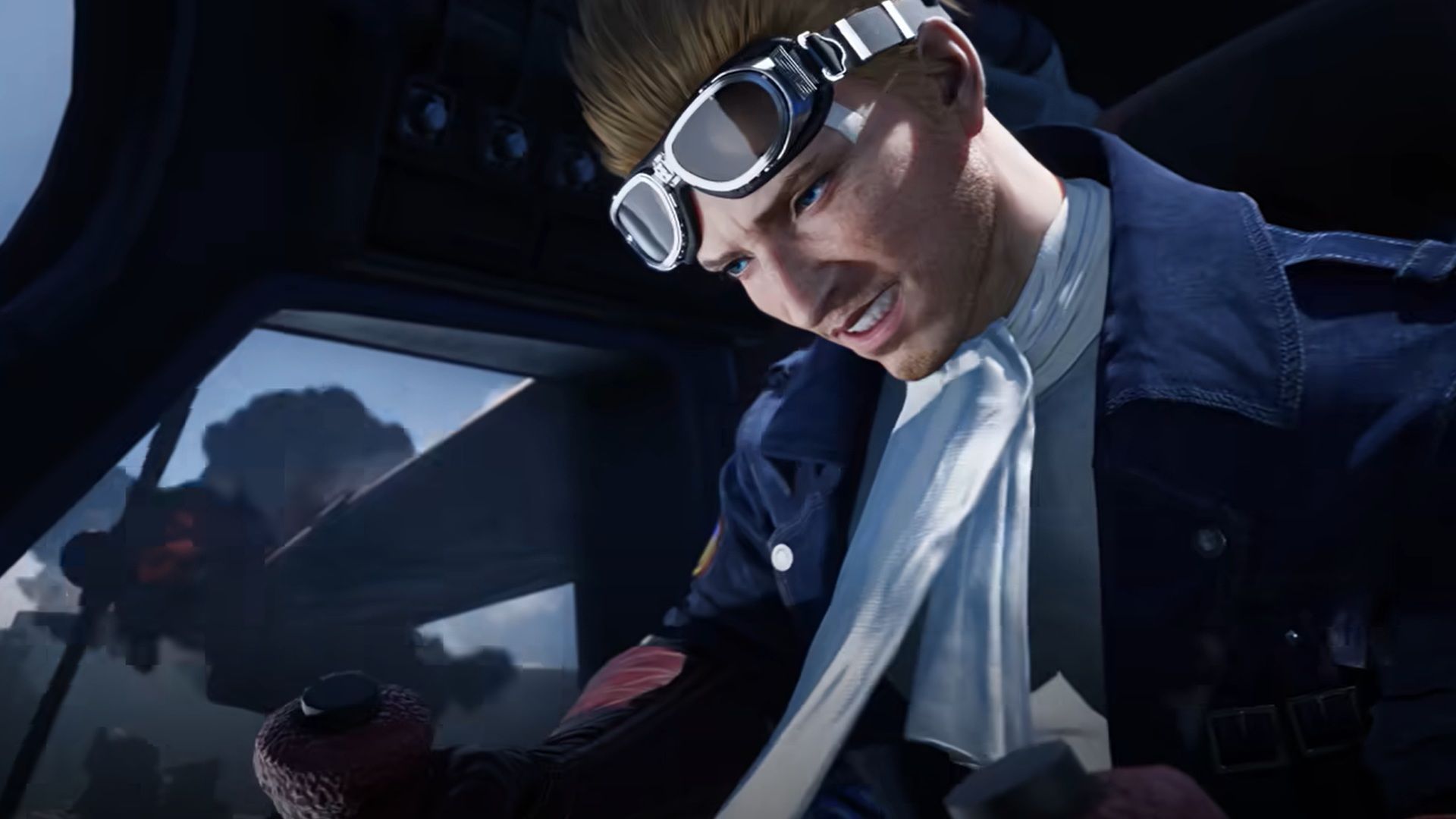
Final Fantasy 2 was a pivotal game for the series, debuting iconic elements like Chocobos and the Dragoon class. But arguably its most lasting contribution was the character of Cid, who became a recurring figure in future installments.
Cid first appeared in Final Fantasy II and has since become a beloved and important character in the series. Each game features a different version of Cid, and each plays a unique role in their respective worlds.
Throughout the Final Fantasy series, Cid has appeared in many different forms – sometimes as a man, sometimes as a woman. They’ve played various roles too, from helpful friend and wise teacher to outright enemy. No other character in Final Fantasy has had such a diverse and unpredictable history across different worlds.
4. Lunar Cry
Monster Invasion
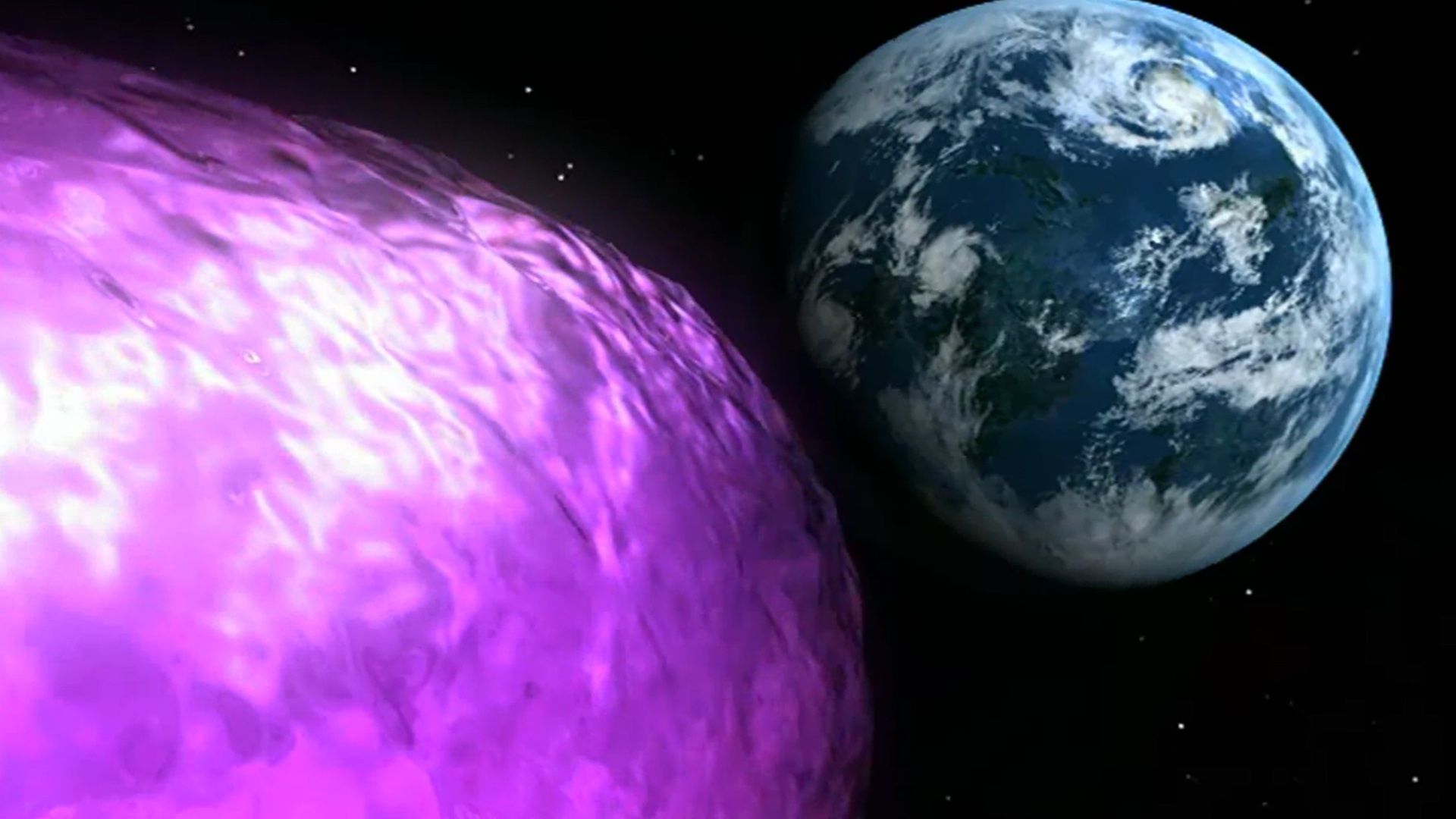
In Final Fantasy 8, Lunar Cry is a pivotal event that begins the game’s final act. It’s depicted as monsters falling from the moon, and is initiated by the sorceress Ultimecia to bring Adel’s tomb to Earth. This event not only boosts Ultimecia’s power, but also sets in motion Time Compression.
Lunar Cry is genuinely scary once you understand what’s happening. It’s a relentless attack featuring the strongest enemies from Final Fantasy VIII, all quickly heading towards Esthar City.
The Siege of Esthar is a particularly gripping part of Final Fantasy 8. It forms the bulk of the game’s third disc, centering around the quest for Lunar Cry and the party’s struggle to stay alive.
3. Jenova
The Calamity From the Sky
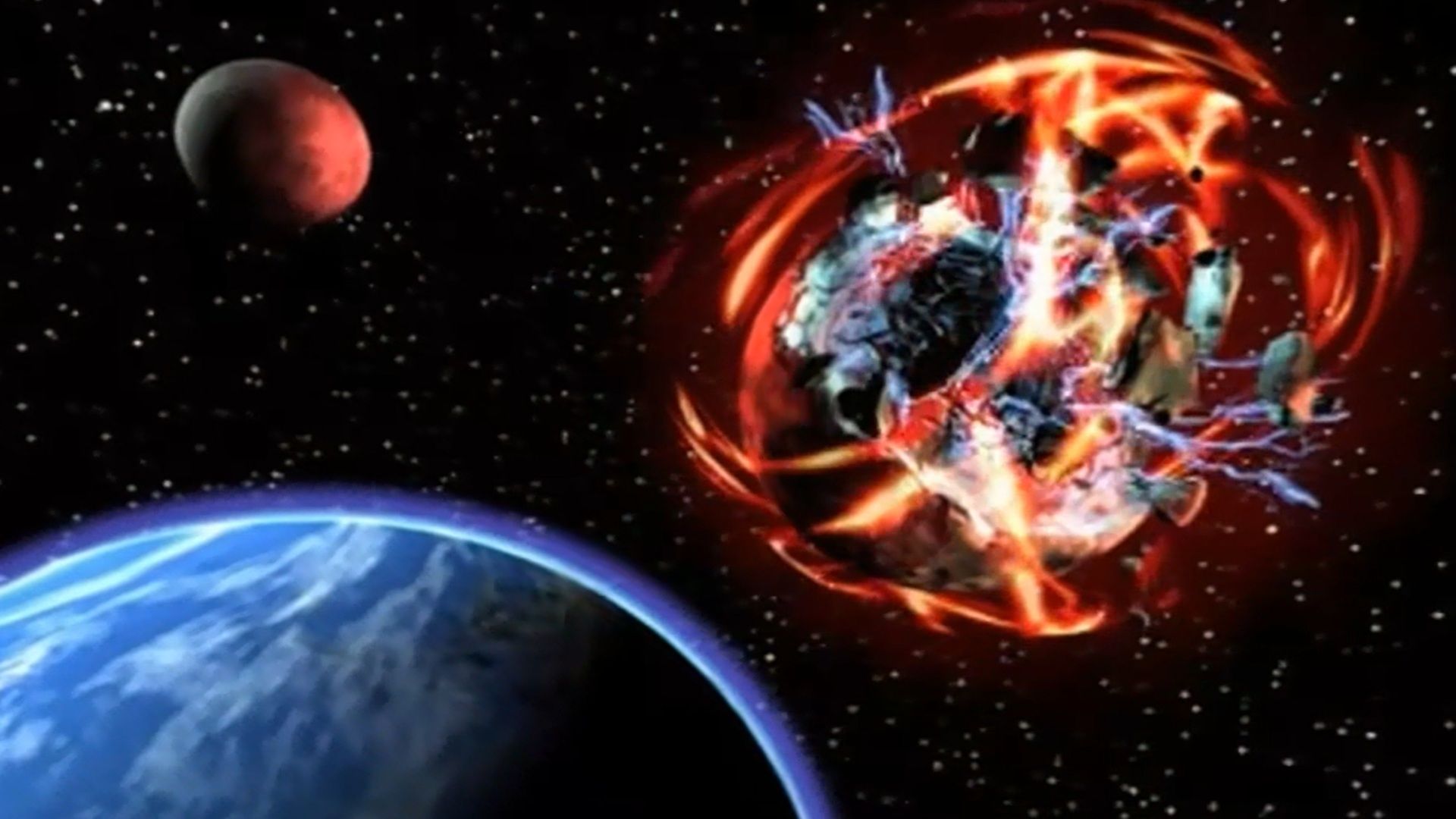
Long before the story of Final Fantasy 7 begins, a mysterious object called Jenova crashed onto the planet Gaia. This event was incredibly important, as it set in motion everything that happens in the game and all its related stories.
Subscribe for Deep Dives into Final Fantasy Mythology
Okay, so as a huge FF7 fan, let me tell you, the whole thing with Jenova and the Cetra is massive. They basically locked this alien lifeform away in the Northern Crater, and honestly, almost everything that happens in the game stems from that. It’s because of Jenova that Sephiroth went from being a promising SOLDIER to, well, the completely insane villain we all know. He got messed up with Jenova cells, and that’s where it all went wrong. Seriously, understanding that meeting is key to understanding the whole story.
When Jenova crashed on the planet Gaia, it ultimately led to the creation of many of the key characters in Final Fantasy 7. Cloud, Zack, Genesis, and several others all received Jenova’s genetic material.
2. Crystals
Fabula Nova Crystalis
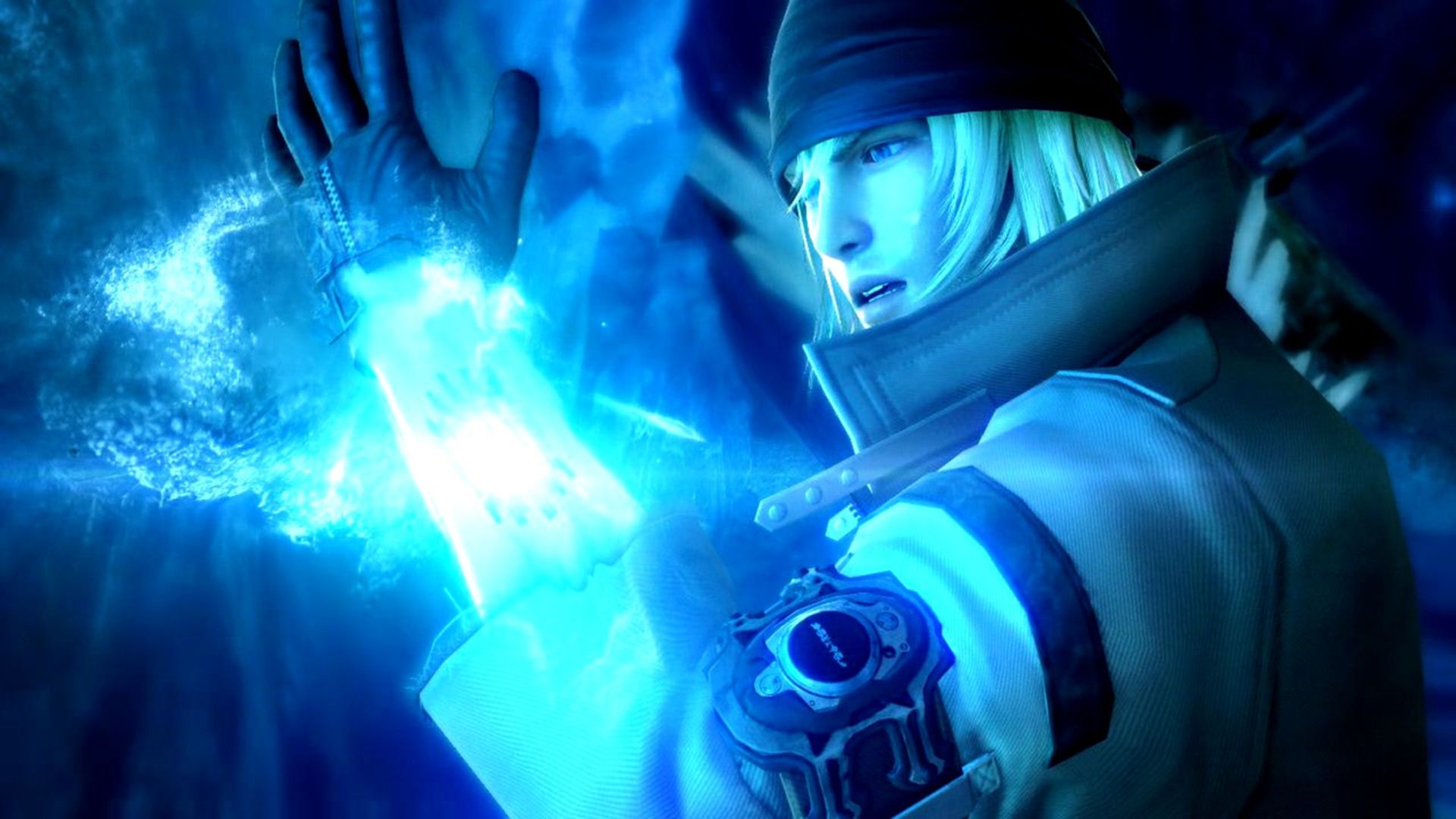
As a long-time Final Fantasy player, I’ve noticed one thing that always shows up: crystals. Seriously, they’re in almost every single game, all the way back to the very beginning! It feels like you can’t have a Final Fantasy without them, they’re just so central to the whole mythology.
I’ve always been fascinated by how crystals are used throughout the Final Fantasy series! It started way back when they were literally made to give power to four heroes. But over time, the idea really evolved. In Final Fantasy 7, they became Materia, which is how you customize your characters with magic. And then in FF12, they weren’t just about power – they were actually used as both save points and a way to teleport around the world. It’s cool to see how one concept can be reimagined in so many different ways!
Final Fantasy 9 was Hironobu Sakaguchi’s effort to recapture the feel of the earliest games in the series, bringing crystals back as a central element. Like in the original Final Fantasy, these crystals are essential to the world’s power and drive the story’s main conflict.
1. The Lifestream
The Cry of the Planet
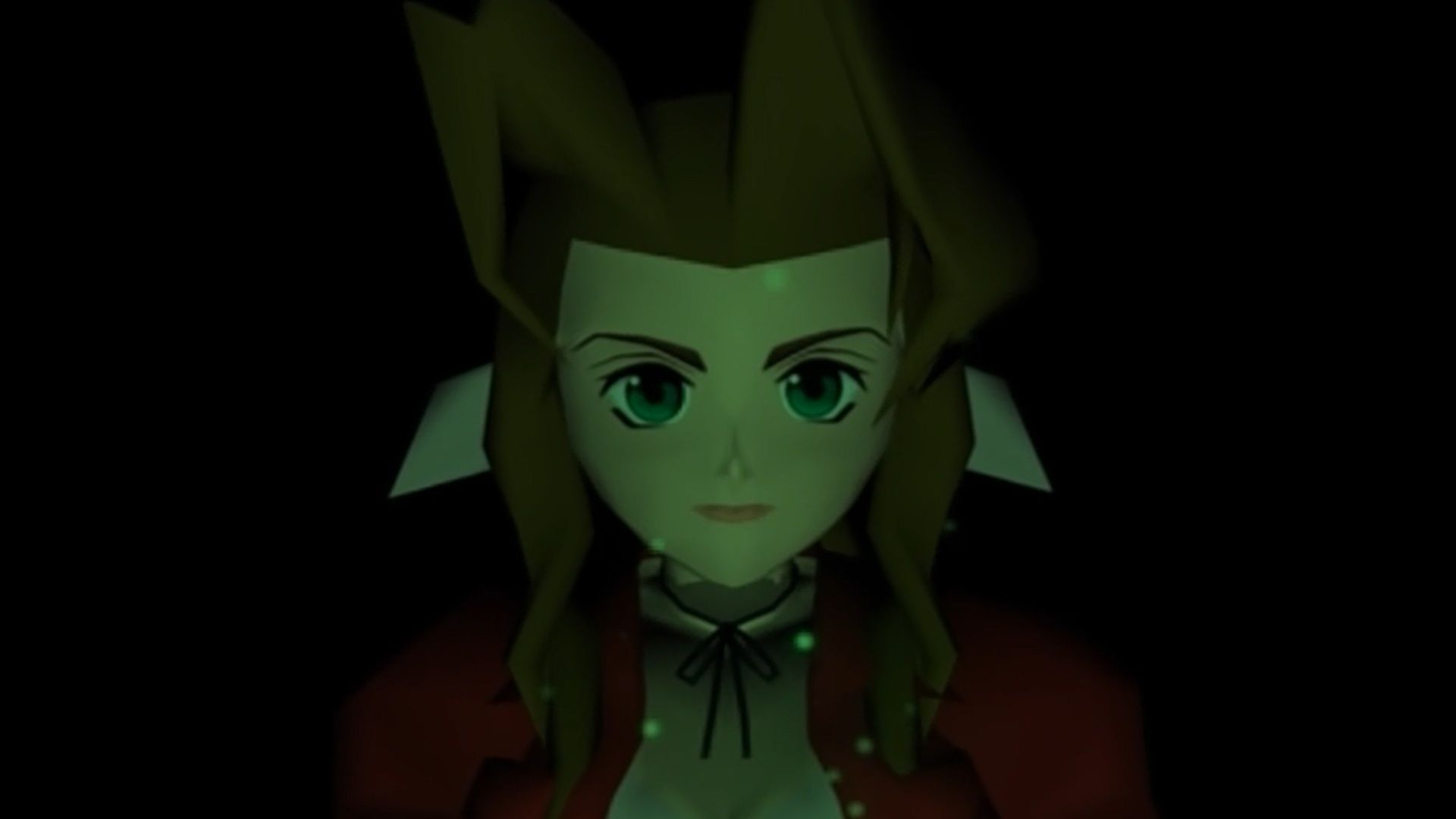
A central idea in Final Fantasy 7, present from the very beginning of its development, is how precious and delicate life is. This is symbolized by the Lifestream, a spiritual realm where all living things return after death on the planet Gaia.
The Lifestream is central to everything that happens in Final Fantasy 7. The Shinra Electric Power Company’s entire operation revolves around it; they exploit the Lifestream to extract Mako energy, driven by their ambition and vast resources.
The idea of the Lifestream, representing a cycle of life and rebirth, is a really moving element of Final Fantasy 7. It highlights how fragile life can be, and this theme connects to every character, especially during the game’s impactful ending.
Read More
- Netflix’s Little House On The Prairie Reboot: Release Date, Cast & Everything We Know
- Off Campus Season 1 Soundtrack Guide
- YouTuber arrested after viral AI bodycam videos spark real police complaints
- Silver Rate Forecast
- Prime Video’s New R-Rated Spy Thriller Is Officially No.1 On Streaming Despite Poor Reviews
- Brent Oil Forecast
- Peaky Blinders: The Immortal Man’s Tommy Shelby Is a Better Father Than Michael Corleone
- Gold Rate Forecast
- EUR ZAR PREDICTION
- Bulgakov’s Take: Koreans Bet the Farm on Chips, Crypto, and Chaos
2026-04-25 15:41