Markets
What to know:
- A quantum computer could theoretically unlock around 1.7 million BTC from early wallets, but similar volumes of sell-side pressure have already been absorbed within months during past cycles.
- The real debate is not market collapse, but whether Bitcoin should preserve strict property rights or intervene to freeze coins at risk.
Recent progress in quantum computing has reignited a long-standing concern for bitcoin. Imagine a machine so powerful it could crack cryptographic codes like a sentient nutcracker. But hey, it’s not like we’re in a Discworld novel-yet.¹
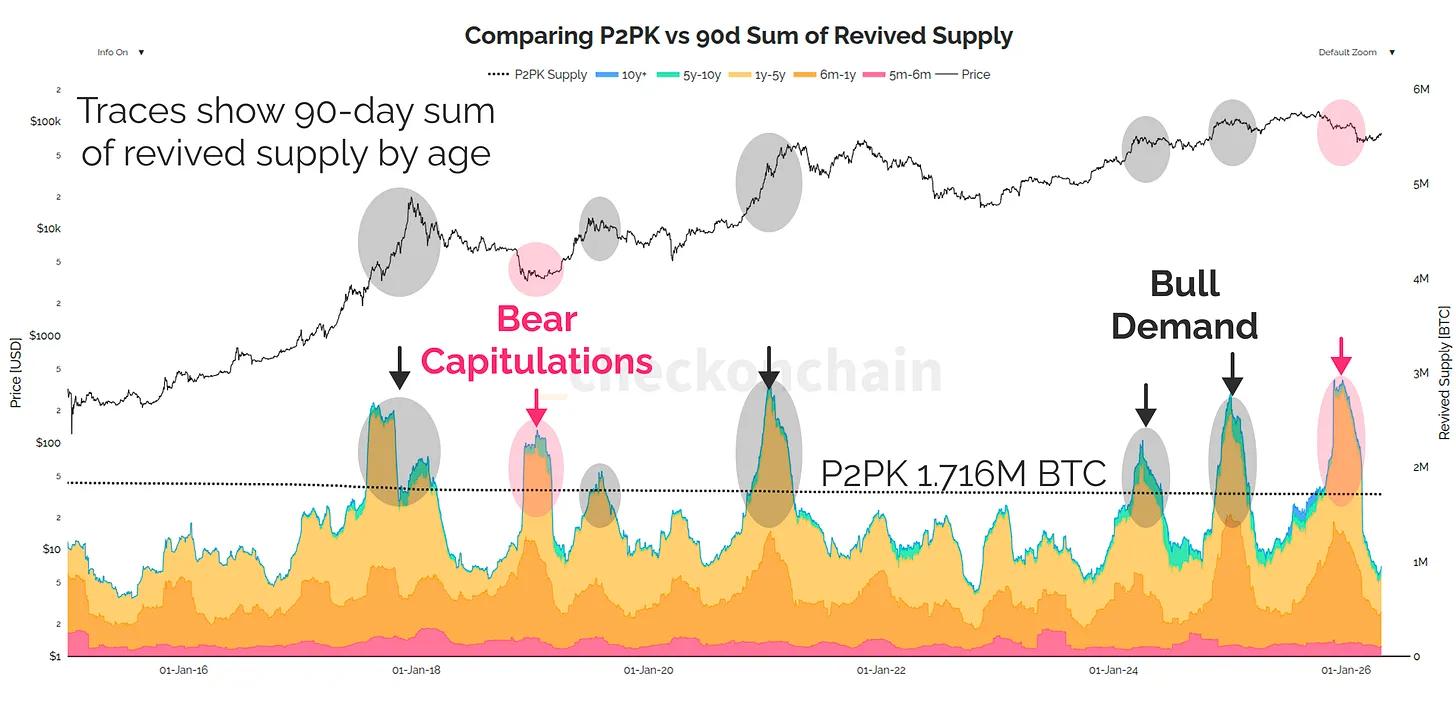
A sufficiently powerful cryptographically relevant quantum computer could, in theory, break bitcoin’s elliptic curve signatures, exposing coins with visible public keys, particularly early Satoshi-era wallets, according to bitcoin analyst James Check. Let’s call it the “quantum doomsday machine” for now.²
Quantum doomsayers warn that this would unleash a flood of supply and crash the market. The numbers suggest otherwise. It’s like saying a rainstorm will flood the Sahara.³
The threat of quantum computing is not in question. Roughly 1.7 million BTC sit in Satoshi-era addresses that could be vulnerable under such a scenario. That is about $145 billion at current prices in potential sell pressure, which sounds catastrophic, but is in fact manageable. It’s like a modest picnic compared to the daily chaos of Bitcoin’s liquidity.⁴
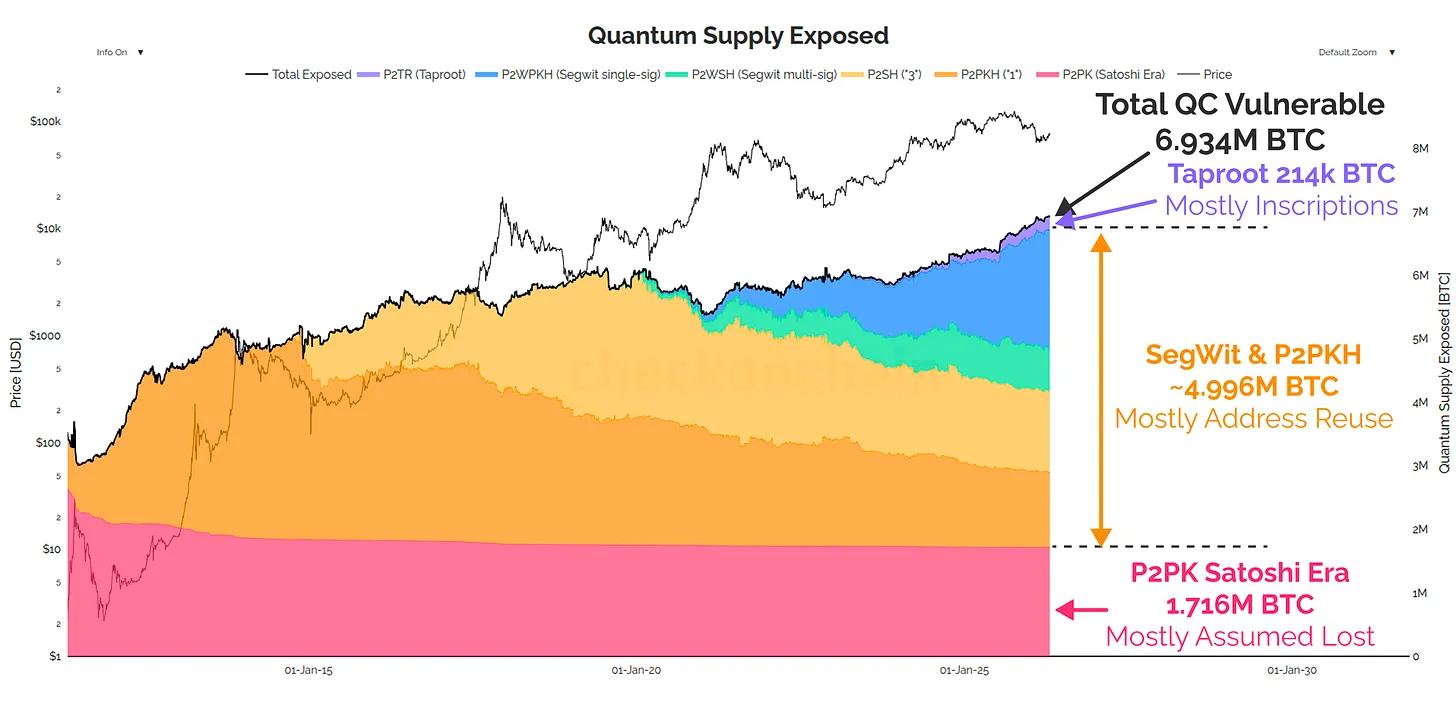
During bull markets, long-term holders (investors that have held bitcoin for at least 155 days) routinely distribute between 10,000 and 30,000 BTC per day. At that pace, the entire Satoshi-era supply equates to roughly two to three months of typical profit taking. In the most recent bear market, more than 2.3 million BTC changed hands in a single quarter, exceeding the full quantum “target,” with no systemic collapse. It’s like watching a toddler try to eat a cake-they’ll make a mess, but the cake still exists.⁵
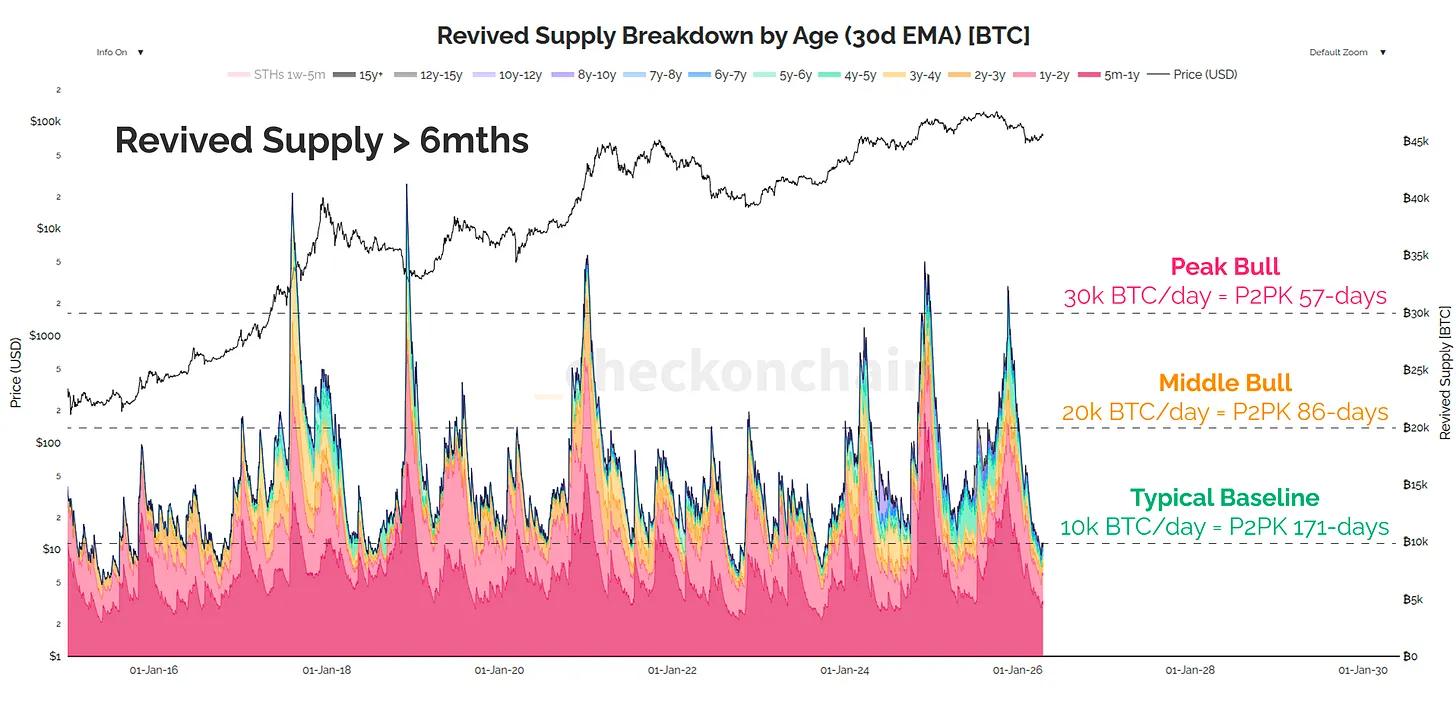
In addition, monthly exchange inflows approach 850,000 BTC. Derivatives markets cycle through notional volumes equivalent to the entire Satoshi stash every few days. What appears massive in isolation becomes relatively ordinary when set against bitcoin’s existing liquidity and turnover. It’s like comparing a library to a bookshelf-both exist, but one is just better at pretending to be important.⁶
A sudden, concentrated release would still matter. It would likely drive volatility and could trigger a prolonged downturn, according to Check. But even that scenario assumes economically irrational behavior. Any actor capable of accessing such a trove would be incentivized to distribute gradually, likely hedging through derivatives to minimize slippage and maximize returns. It’s not like they’re running a charity for the benefit of humankind.⁷
Bitcoin markets routinely absorb supply on the same order of magnitude as the P2PK era coins. The timeframe is measured in months, not years. Volatility is just the market’s way of saying, “Hello, I’m here!” while throwing a tantrum.⁸
The real issue is not mechanical sell pressure. It is governance. The bigger issue is potentially freezing the Satoshi coins, through BIP-361, then letting everything play out as it should. Because nothing says “trust” like a bureaucratic freeze on coins older than your great-aunt’s knitting.⁹
tags or color styles, and a clickbait title under 100 characters in the
Read More
- Netflix’s Little House On The Prairie Reboot: Release Date, Cast & Everything We Know
- Off Campus Season 1 Soundtrack Guide
- YouTuber arrested after viral AI bodycam videos spark real police complaints
- Silver Rate Forecast
- Prime Video’s New R-Rated Spy Thriller Is Officially No.1 On Streaming Despite Poor Reviews
- Brent Oil Forecast
- Bulgakov’s Take: Koreans Bet the Farm on Chips, Crypto, and Chaos
- EUR ZAR PREDICTION
- Peaky Blinders: The Immortal Man’s Tommy Shelby Is a Better Father Than Michael Corleone
- Gold Rate Forecast
2026-04-23 17:17