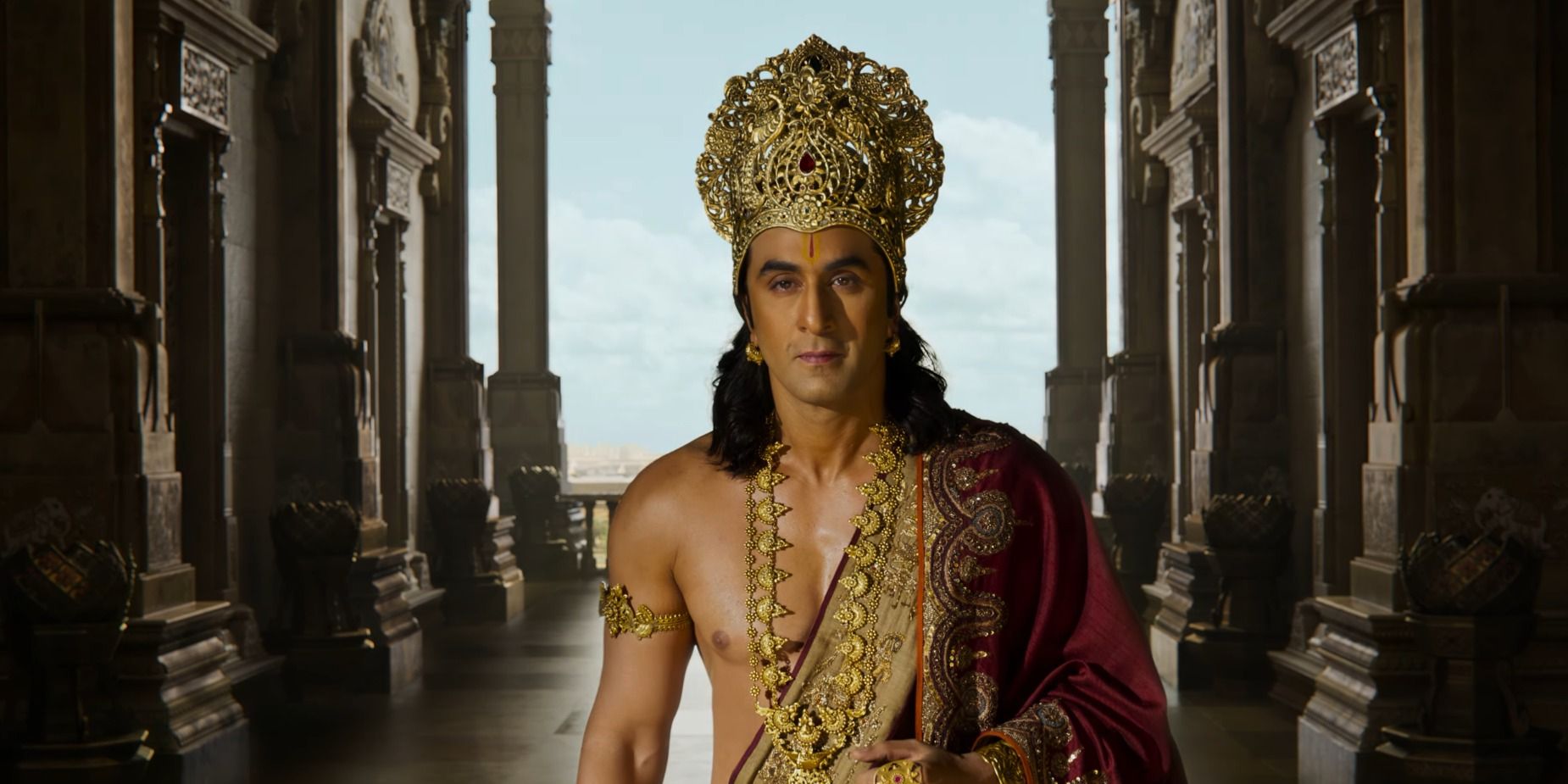
The upcoming IMAX releases in 2026 are generating a lot of buzz, especially for large-scale films like The Odyssey. However, Ramayana, a highly anticipated movie from India, is also positioning itself as a major contender, having made a significant impact at the recent CinemaCon event. This mythological story will be released in two parts and boasts a huge production, supported by Academy Award-winning composers and visual effects artists.
The epic story of Ramayana, one of the oldest and most important religious tales ever told, is now coming to IMAX theaters for audiences worldwide. This new adaptation combines stunning visuals and a richly detailed world with a strategy similar to blockbuster franchises like Dune, making it a unique and ambitious mythological film that deserves to be seen.
Ramayana Brings One of the Ancient Epics Ever to IMAX
The Ramayana is a classic story rooted in ancient Hindu teachings and central to South Asian culture. For centuries, it’s been shared through books, plays, and storytelling. The tale focuses on Lord Rama, who is believed to be an earthly form of the god Vishnu, known for protecting the universe. Rama’s life isn’t about personal gain, but about doing what’s right, staying disciplined, and following a universal moral code.
The story starts when Rama is unexpectedly forced to leave his kingdom, separating him from his family and beginning a long journey with his wife, Sita, and brother, Lakshmana. It’s not a simple adventure, but a complex story exploring themes of being uprooted, unwavering loyalty, and growing conflict.
This initial separation sets the stage for a larger war story, where personal bonds are strained by powerful political and spiritual conflicts. Similar to the tale of Sita’s kidnapping by Ravana, the narrative grows to include forming alliances and ultimately battling evil forces across multiple kingdoms and fantastical settings.
However, the story consistently focuses on a core conflict: the struggle between what one feels and what one must do, the battle between good and evil, and the price of keeping things fair when the world is in turmoil.
As a lifelong movie fan, I’ve always been struck by how the Ramayana feels different from most stories. It isn’t something created as a narrative; it’s an ancient, established world – a myth and a guide to right and wrong that’s existed for centuries, and honestly, feels separate from anything ‘modern’. It’s not just about big battles, journeys, or gods stepping in, though it has plenty of that. The story digs much deeper than spectacle.
The story’s strength lies in its universal themes: the bonds of family, loving partnerships, selflessness for what’s right, and overcoming hardship. This is why adapting it works so well. It isn’t being stretched to fit a movie format; it’s being reimagined visually to truly capture its grand scale. The story already encompasses vast worlds and epic conflicts, and its powerful emotions have resonated with audiences for generations.
Ramayana Has the Same Technical DNA as Dune
Fans of films like Dune will find Ramayana built on a similar approach. Just as Denis Villeneuve created a believable world in Dune by focusing on realism rather than excessive special effects, Ramayana is doing the same.
The creators of the upcoming series Ramayana hired DNEG, the award-winning visual effects company behind the stunning landscapes of Dune, to build the fantastical cities of Ayodhya and the demon kingdom of Lanka. This shows Ramayana isn’t just a grand idea – it has the technical expertise to compete with major Hollywood blockbusters.
With a powerful score composed by Hans Zimmer – his first time working on an Indian film, alongside Academy Award winner A.R. Rahman – the movie delivers a visual and auditory experience comparable to your most beloved films.
A Two-Part IMAX Event Built Like a Global Franchise
This isn’t a small, limited film release. The creators are planning a long-term, multi-year series of movies with a total budget of $500 million. To properly tell the complex story and build the world without feeling rushed, the studio is releasing the films in a specific, carefully planned way.
The first part of Ramayana is planned for a global release in November 2026, and will compete with major Hollywood films shown in large-format theaters. The second part is already set to be released a year later, in November 2027. This planned back-to-back release demonstrates the studio’s strong belief in the film and indicates it will be a large-scale production comparable to the biggest movies worldwide.
IMAX viewers are always looking for a few key things in a movie: a huge, expansive screen, a truly immersive experience, and a compelling story. The 2026 movie lineup promises all of those things, but Ramayana offers something different – a unique kind of blockbuster for audiences craving a new experience.
The Dune series offers a futuristic sci-fi adventure rooted in Western myths, but Ramayana delivers something different: a timeless, spiritual story with universal appeal. If you’re looking for a grand cinematic experience like Dune, Ramayana is poised to be the next big thing.
Read More
- All Itzaland Animal Locations in Infinity Nikki
- Cthulhu: The Cosmic Abyss Chapter 3 Ritual Puzzle Guide
- Persona PSP soundtrack will be available on streaming services from April 18
- Solo Leveling’s New Manhwa Chapter Revives a Forgotten LGBTQ Story After 2 Years
- Raptors vs. Cavaliers Game 2 Results According to NBA 2K26
- Gold Rate Forecast
- Focker-In-Law Trailer Revives Meet the Parents Series After 16 Years
- The Boys Season 5 Spoilers: Every Major Character Death If the Show Follows the Comics
- Morgan Stanley’s Tokenized Tango: Wealth, AI, and the Onchain Waltz
- Warriors vs. Clippers Play-In Results According to NBA 2K26
2026-04-20 01:37