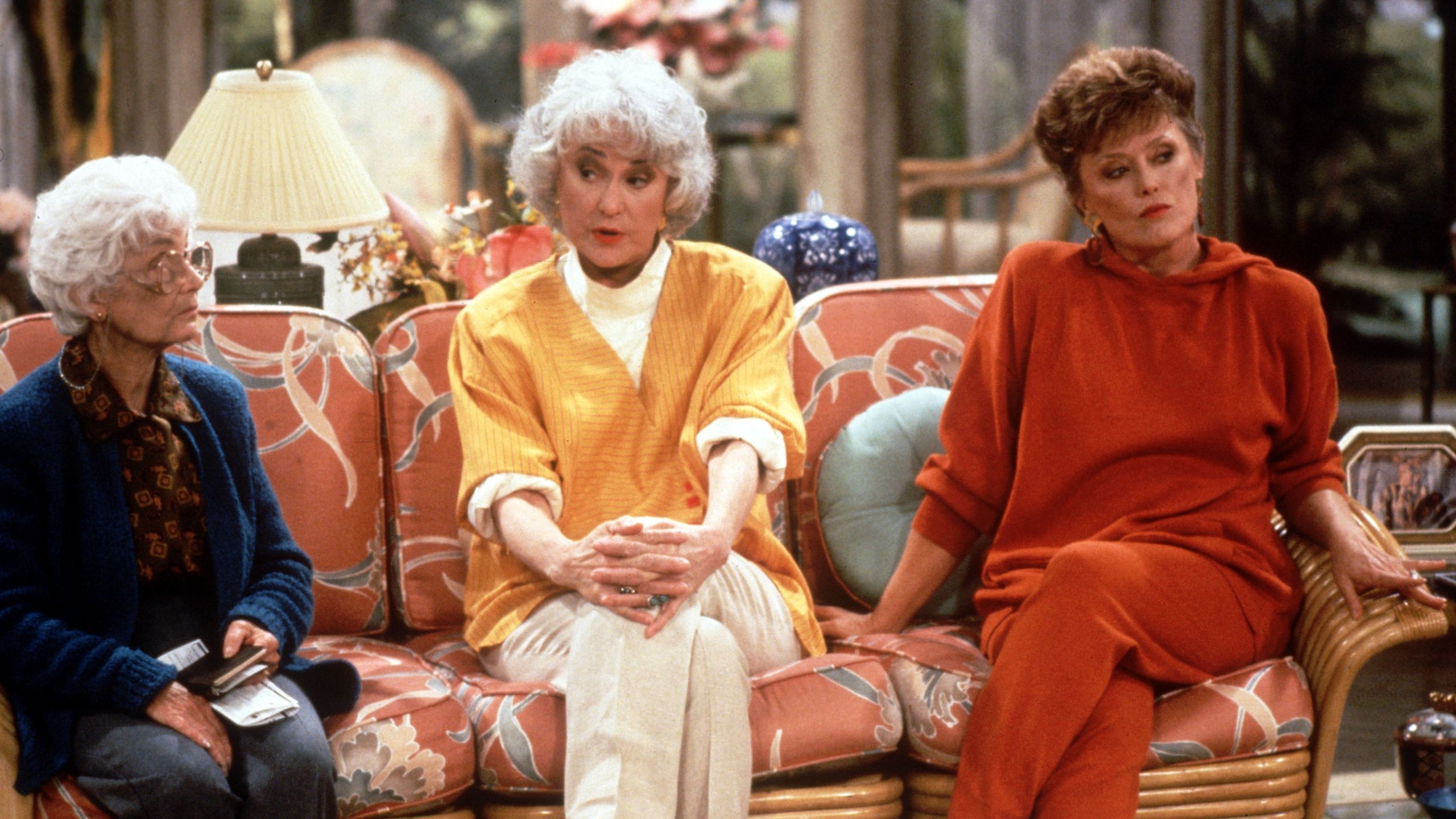
As a lifelong movie and TV fan, I always find it fascinating to look back at the 80s. TV really changed during that decade – it became much more focused on attracting viewers, shows started telling longer, connected stories, and the style became bolder. While the best shows from the 70s still carried a bit of that ‘making a difference’ vibe and weren’t afraid to experiment, the 80s saw a shift. Suddenly, sitcoms and dramas weren’t afraid to tackle important issues, genres started blending together, and TV began to really reflect what was happening in the world around us – the politics, the changes, everything.
In the 1970s, TV shows often felt like individual episodes with their own stories, and were created with the idea that television was a place for public discussion. By the 1980s, however, shows became more focused on competition and attracting viewers. Networks started using catchy premises, more dramatic storylines, and ongoing plots to encourage people to tune in every week.
Shows that were hits throughout the decade helped make long, continuing storylines, season-ending surprises, shows with large casts, and movie-like visuals commonplace. The 1980s also saw the beginnings of popular types of TV we still enjoy today, like dramatic soap operas, realistic police shows, and comedies that playfully commented on themselves.
Television in the 1980s focused on keeping viewers hooked and building stories that would last. These ten shows weren’t just popular during that decade – they changed what television could be, and their impact on how shows are made and told is still felt today.
The Tracey Ullman Show
1987-1990, 4 Seasons
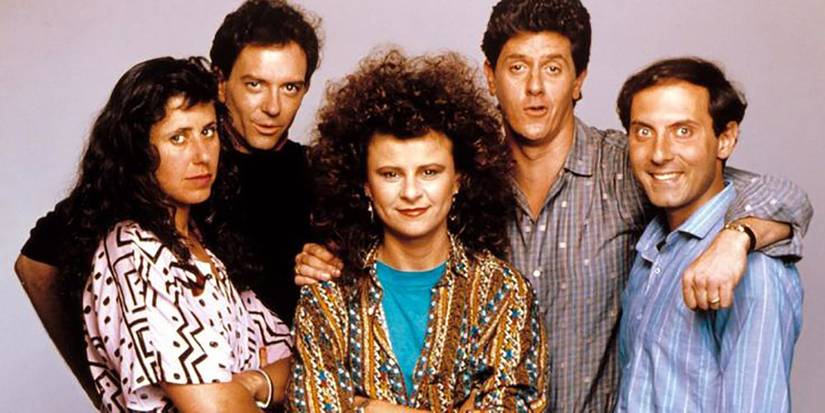
As a huge fan of comedy, I always loved The Tracey Ullman Show. It was so different from other shows back in the late 80s. It wasn’t just live sketches; they had these amazing, original animated shorts mixed in. They were usually super quick – under a minute – and packed with funny moments and characters you started to recognize. It gave the whole show a really unique energy and pace that I haven’t seen replicated much since.
Notably, one short featured a quirky, dysfunctional cartoon family created by Matt Groening. These shorts were so well-received that they were developed into a full series, The Simpsons, which first aired in 1989 and is still on television today. This makes The Tracey Ullman Show a surprising starting point for one of TV’s most enduring and impactful comedies.
Murphy Brown
1988-1998, 11 Seasons
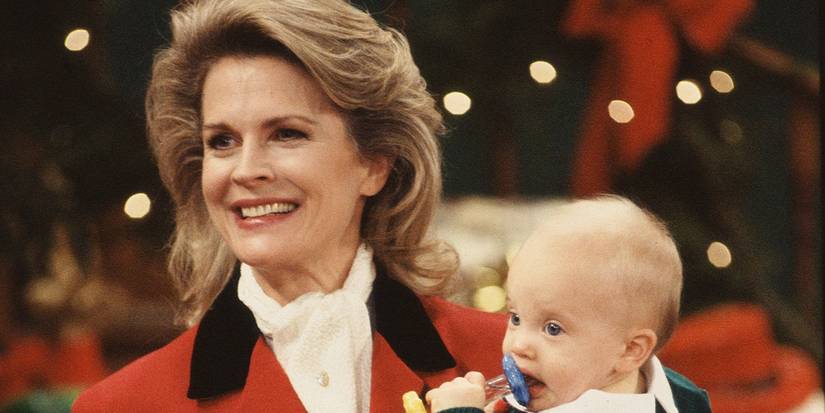
I’ve always loved Murphy Brown because it wasn’t afraid to tackle what was really happening in the world. Candice Bergen was brilliant as this incredibly smart, no-nonsense journalist, and the show felt so fresh because it didn’t shy away from tough topics. It wasn’t just about the funny stuff happening behind the scenes of a news show; it really dug into things like overcoming addiction, the challenges women face at work, getting older in a young industry, and what’s right and wrong in journalism. It was smart, funny, and surprisingly relevant.
The show reached its height of cultural influence with the storyline where Murphy became a single mother, which caused a national conversation. This decision was so impactful that in 1992, Vice President Dan Quayle publicly criticized the character, claiming the show glorified single parenthood.
That moment made it hard to tell where the TV show ended and real politics began, establishing Murphy Brown as a sitcom that didn’t just mirror what was happening in the country, but actually helped drive the national discussion.
The Golden Girls
1985-1992, 7 Seasons
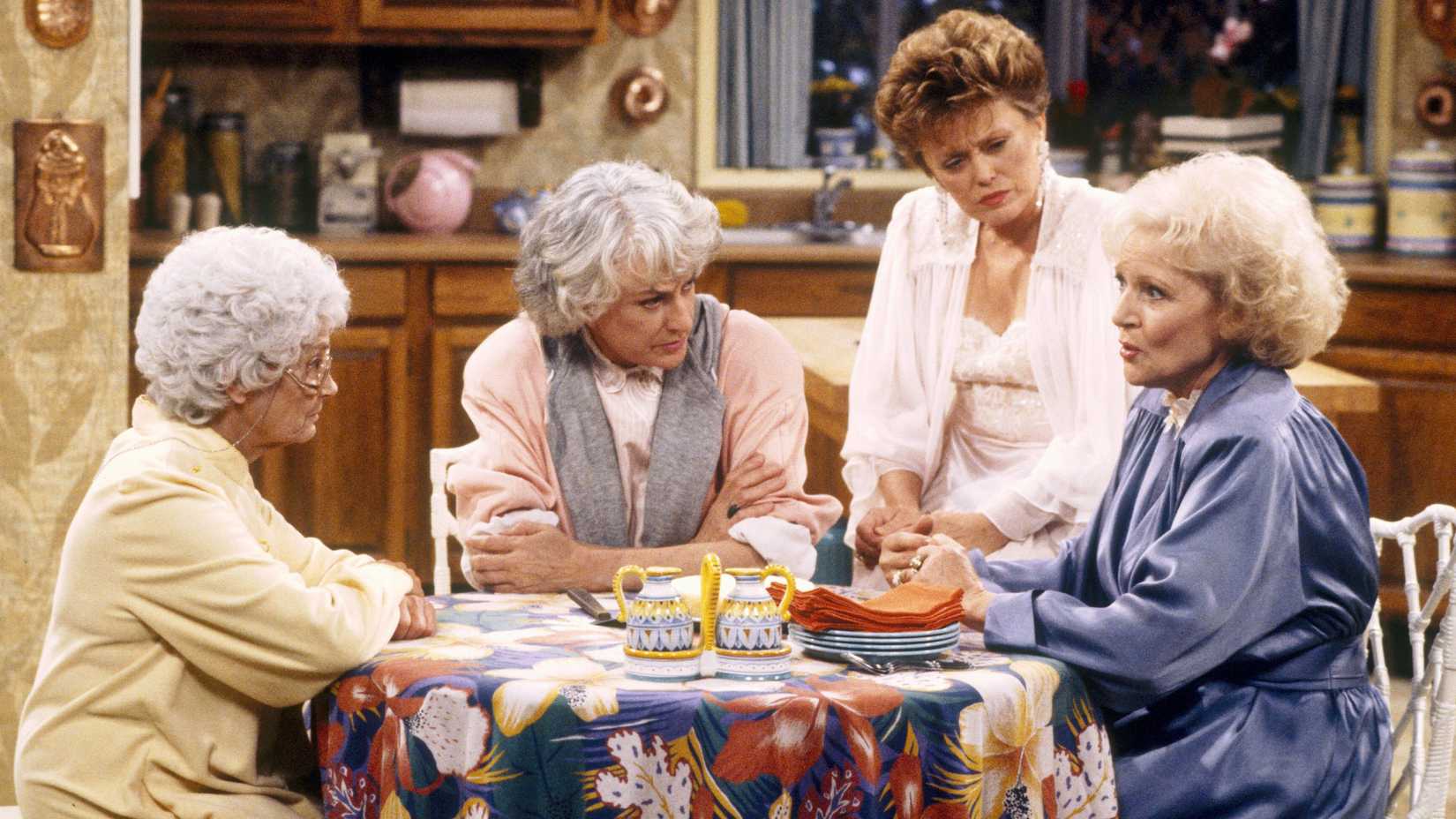
The Golden Girls changed television by focusing on the full, funny, and complicated lives of four older women – something rarely seen in mainstream sitcoms at the time. While most shows centered on traditional families or young adults, this series broadened what sitcoms could be about and who watched them.
Despite being a sitcom, Golden Girls wasn’t afraid to explore serious issues like getting older, relationships, feeling alone, money problems, and illness. Its quick, witty dialogue often felt more like a show filmed with a single camera than a typical sitcom. Even with its unusual focus, the show was a huge success, lasting seven seasons and demonstrating that audiences loved stories about strong female friendships.
I’ve always loved how groundbreaking this show was! It really paved the way for other comedies like Sex and the City and Grace and Frankie, which, like it, beautifully explore the bonds of female friendship, the ups and downs of dating, and those honest, real conversations about what it’s like to move through different phases of life – things you just didn’t see much of on TV before.
Thirtysomething
1987-1991, 4 Seasons
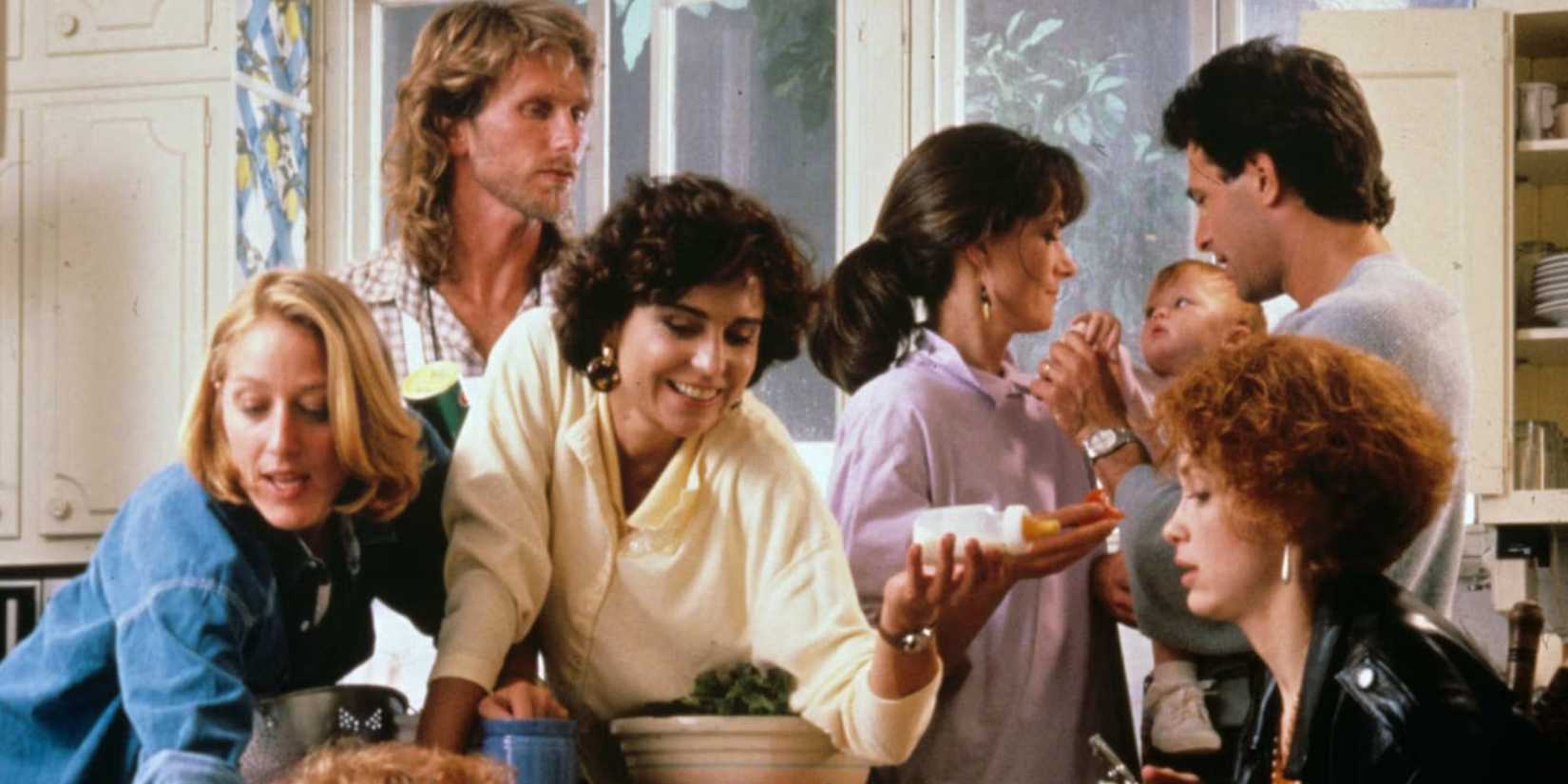
The TV show Thirtysomething was innovative because it broke away from typical sitcom and drama formats. Instead of focusing on one specific idea – like family, work, or dating – it realistically showed a group of friends dealing with all the challenges of being adults, including relationships, jobs, marriage, and raising children.
The show focused on realistic characters and their feelings, rather than relying on dramatic plot twists. This helped pave the way for other shows that blended comedy and drama. Dialogue felt natural, characters often struggled with their own thoughts and feelings, and each episode centered on their personal journeys instead of silly, self-contained adventures.
I’ve always been fascinated by how Thirtysomething really changed the game for TV. It wasn’t just a show; it showed everyone what network television could be. You can really see its impact in so many shows that came after – things like My So-Called Life, Felicity, Parenthood, and even This Is Us. While it might not hold up perfectly today, it definitely laid the groundwork for the character-focused dramas we love now.
Star Trek: The Next Generation
1987-1994, 7 Seasons
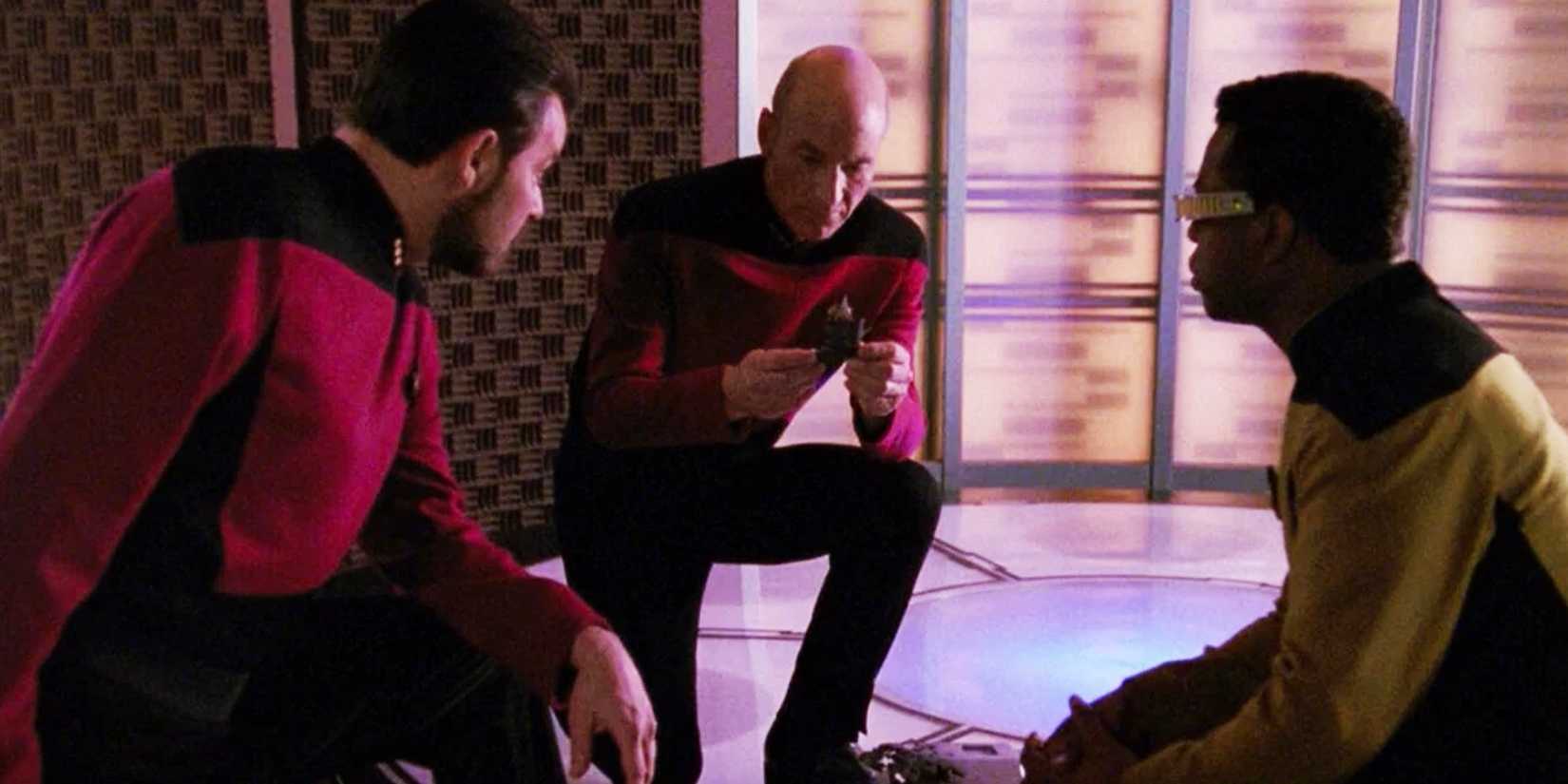
Star Trek: The Next Generation changed the landscape of science fiction TV and how shows were distributed. Instead of starting on a major network, it found success by being shown first through syndication. This success also motivated Paramount to invest more in television, partly because the Star Wars films were so popular that making science fiction movies seemed like a bigger risk.
Creating TV shows would allow the studio to build on its existing stories with complex plots and reach viewers every week. The Next Generation demonstrated that high-quality science fiction could succeed outside of traditional network television, achieving high ratings and lasting for seven seasons. This proved that creating shows specifically for syndication could be a successful strategy for ambitious and costly series.
Beyond its success, The Next Generation is widely considered the high point of Star Trek, skillfully combining thought-provoking science fiction with compelling characters and relationships. Its impact is still felt today, as Paramount continues to try and recreate the optimistic tone, ongoing storylines, and detailed universe that made The Next Generation so memorable.
It’s Garry Shandling’s Show
1986-1990, 4 Seasons
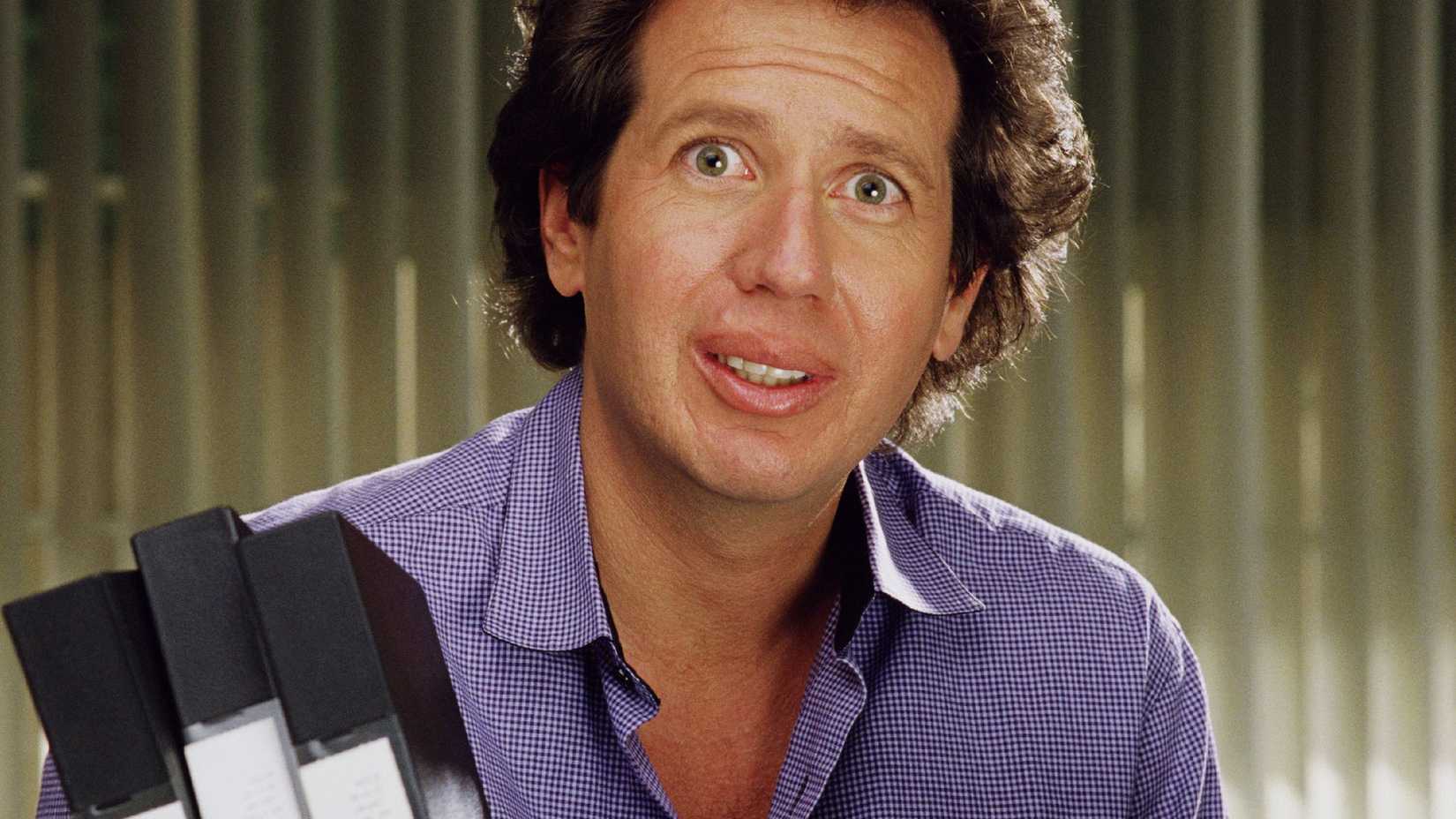
It’s Garry Shandling’s Show was a truly innovative comedy that openly admitted it was a TV show – a concept that was unusual for its time. Garry Shandling played a character based on himself, and the show was hilarious in its self-awareness, ultimately changing the landscape of television.
Instead of following typical TV sitcoms, this show often playfully acknowledged it was a TV show. Shandling would talk directly to the audience, joke about the plot, and even alter events mid-episode. This self-awareness wasn’t a flaw – it became a key part of what made the show funny, turning the usual rules of sitcoms into a source of comedy.
As a total cinema and TV fanatic, I’ve always been fascinated by how certain shows break the fourth wall. This series really paved the way for the self-aware TV we see today, blurring the lines between the actors, their characters, and us, the audience. You can definitely see its impact in shows like Malcolm in the Middle, which wasn’t afraid to have characters talk straight to the camera. And later on, shows like Community and 30 Rock really ran with that idea, building whole jokes around the fact that they are TV shows, poking fun at all the usual tropes and structures.
St. Elsewhere
1982-1988, 6 Seasons

Building on the success of Hill Street Blues, which pioneered ongoing storylines, interconnected characters, and realistic portrayals in network television, St. Elsewhere brought a similar innovative approach to medical dramas. While Hill Street Blues used a documentary-style realism and complex narratives for police stories, St. Elsewhere did the same for the world of hospitals.
Let me tell you, St. Elsewhere wasn’t your typical medical drama. It dropped you right into the gritty reality of St. Eligius, a hospital that was definitely seen better days. The show followed a group of doctors who were, frankly, worn down and dealing with some serious moral dilemmas. Forget the glamorous, heroic doctor trope – this series embraced the messiness of real life, where tough choices and personal problems were part of every single case. It wasn’t about saving the day; it was about the compromises they made trying to save the day, and the toll it took on them.
Despite its famously debated ending, St. Elsewhere was groundbreaking for combining long-term character arcs with a case-of-the-week format, essentially creating the template for modern medical dramas. Shows like ER, Grey’s Anatomy, and House clearly borrowed from this style, continuing its tradition of focusing on both a team of doctors and their patients’ individual stories, all while building ongoing emotional connections with the characters.
Miami Vice
1984-1990, 5 Seasons

Miami Vice revolutionized police shows by moving away from typical crime-solving formats and creating a visually striking, culturally rich experience. Instead of focusing only on weekly cases and police work, the show immersed viewers in 1980s culture, featuring popular music, trendy fashion, and high-end sports cars as integral parts of the stories.
As a huge fan, I always loved how Miami Vice felt more than what actually happened in the stories. It wasn’t about complicated plots; it was all about the vibe, the look, and the music. The way it was filmed, with those quick cuts and beautiful shots, was totally groundbreaking for TV. It really changed things! You can definitely see its influence on shows that came after, like Nip/Tuck and even CSI: Miami. They weren’t just focused on solving crimes; they really paid attention to style and creating a specific mood, just like Miami Vice did. It’s one of the best police shows ever, and it paved the way for so much of what we see on TV today.
Dallas
1978-1991, 14 Seasons

Though Dallas first aired in the late 1970s, it truly became a cultural phenomenon in the 1980s. The show started as a love story reminiscent of Romeo and Juliet, set against the backdrop of a bitter rivalry between two wealthy Texas oil families – the Ewings and the Barneses. It soon grew into a complex, decades-spanning drama filled with themes of ambition, family history, and deception.
Over time, the show moved away from being a romance and focused more on intense business rivalries and family conflicts. Dallas also revolutionized TV storytelling with its unforgettable season finale – the “Who shot J.R.?” cliffhanger – which became a massive cultural event and changed how people expected shows to unfold.
Dallas was a groundbreaking TV show that sparked the popularity of primetime soap operas in the 1980s and proved that long, dramatic stories could attract a huge audience.
Hill Street Blues
1981-1987, 7 Seasons
Hill Street Blues changed television by creating a more realistic and immersive style for police dramas. It used techniques like shaky camera work, natural lighting, and characters talking over each other, giving it a documentary-like feel. Unlike typical cop shows with self-contained episodes, Hill Street Blues told ongoing stories with multiple cases and focused on the personal lives of its characters.
The show wove together the characters’ personal and professional lives with their ongoing investigations, making the world feel more believable and engaging. This focus on realism and complex storylines—where events built on each other and characters developed over time—was a significant change for television, moving away from stories that simply reset each episode.
Hill Street Blues is considered the show that really launched the era of complex, character-driven television dramas. It heavily influenced shows like The Wire, and practically every major serialized drama since, whether it airs on traditional networks or streaming services. It was a defining show of the 1980s, helping to redefine what television could achieve.
Read More
- The Boys Season 5 Spoilers: Every Major Character Death If the Show Follows the Comics
- All Itzaland Animal Locations in Infinity Nikki
- Gold Rate Forecast
- Cthulhu: The Cosmic Abyss Chapter 3 Ritual Puzzle Guide
- Persona PSP soundtrack will be available on streaming services from April 18
- Solo Leveling’s New Manhwa Chapter Revives a Forgotten LGBTQ Story After 2 Years
- DTF St. Louis Series-Finale Recap: You Can’t Hold the Sun in Your Hand
- ‘The Hunt For Gollum’ Reveals Cast, Including New Aragorn
- Nitro Gen Omega full version releases for PC via Steam & Epic, Switch, PS5, and Xbox Series X|S on May 12
- First 7 minutes of Dune 3 reveals 17 year time-jump
2026-04-18 22:54