Behold, the Ertzaintza, that paragon of Basque vigilance, proclaims that crypto now slyly infiltrates a growing share of tech-enabled crimes in Euskadi-though one might wonder if they’ve mistaken a spreadsheet for a villain’s lair.
More Than 500 Crypto Crimes In A Small Region
In a report of last Monday, the Ertzaintza, ever the drama queens of northern Spain, revealed 541 crypto-linked complaints in 2025, all under investigation. These cases? A mix of fraud, money laundering, and embezzlement, with crypto merely a convenient ploy to hide funds-like a child hiding a cookie under a pillow, but with more blockchain.
A Growing Trend
The Basque Country’s plight is but a microcosm of Europe’s broader folly, where crypto crimes swell like a poorly managed investment portfolio. Europol, that stalwart of European law enforcement, calls crypto-enabled fraud a “significant burden”-a burden so light, one might think it’s just a fancy way of saying “tax evasion.”
Spain, ever the crypto’s nemesis, has dismantled pyramid schemes and laundering networks with the flair of a Shakespearean tragedy. Yet, despite these efforts, illicit wallets gobbled up $158 billion in 2025-a mere 1.2% of total volume, proving that even criminals have limits… or perhaps just prefer to keep their gains modest.
Spain, that paragon of regulatory rigor, now demands crypto exchanges like Binance and Coinbase to spill customer secrets under the Law on Measures to Prevent and Combat Tax Fraud. One might say the government has gone from “watching” to “stalking” crypto users with the fervor of a jealous lover.
And now, lawmakers propose taxing crypto gains as regular income, with rates up to 47%-a tax so steep, it could make even the most ardent trader weep into their coffee. Yet, what is life without a little financial drama?
Markets, ever the fickle lovers, price in regulatory risks with the same enthusiasm as a teenager scrolling through social media. Short-term spikes may come and go, but harsher taxes and AML rules in Spain could leave traders with less liquidity and more headaches than a bad investment.
For traders, increased enforcement means more KYC friction-like a bureaucratic obstacle course-but also cleaner counterparties and a stronger institutional case. After all, if the police are warning you, it’s probably not a scam… unless they’re in on it.
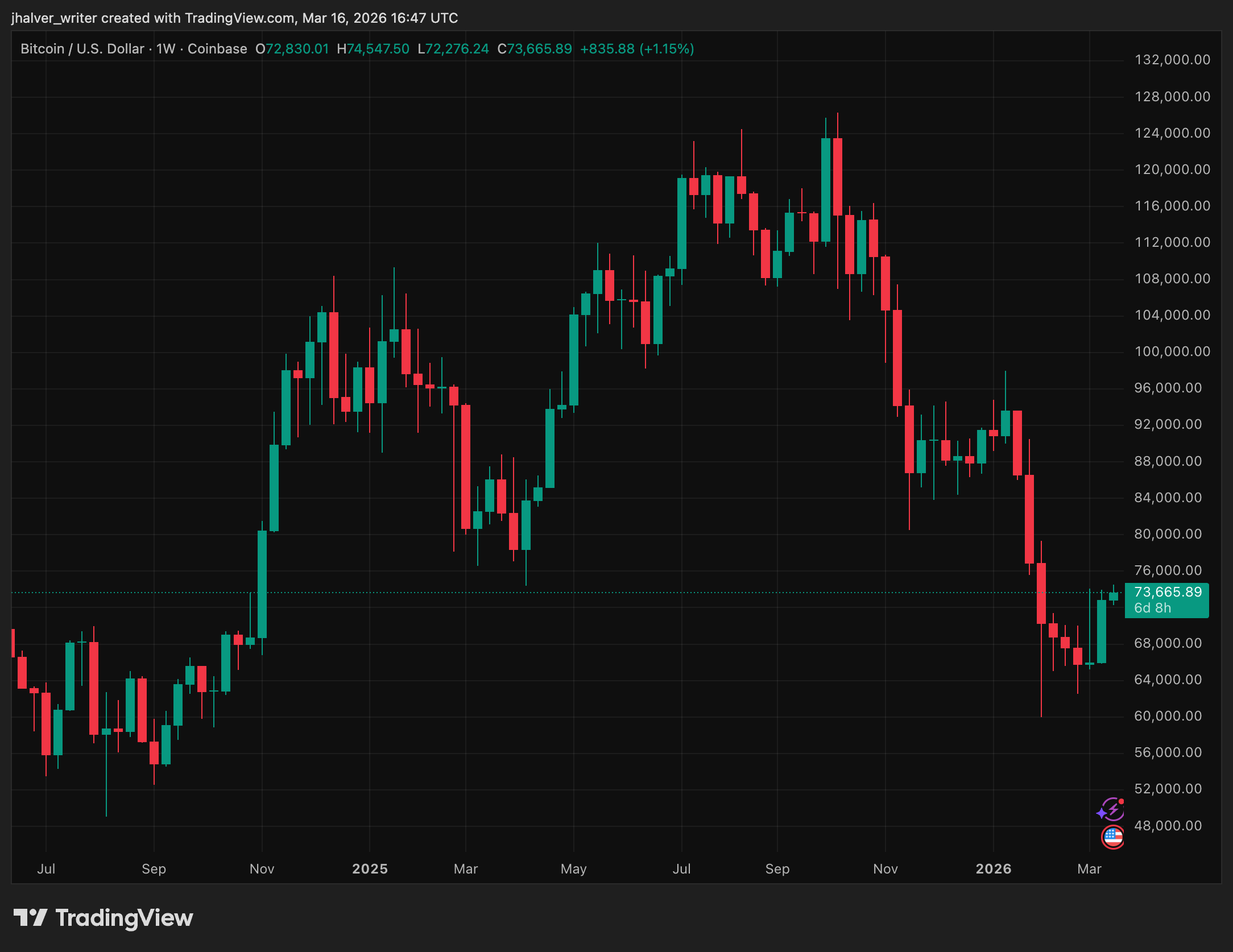
Cover image from Perplexity, BTCUSD chart from Tradingview
Read More
- Off Campus Season 1 Soundtrack Guide
- Euphoria Season 3’s New R-Rated Sydney Sweeney Scene Proves The Show Is Trolling Us
- Gold Rate Forecast
- How to Get to the Undercoast in Esoteric Ebb
- Brent Oil Forecast
- Olympian Says Heated Rivalry Tugged At His Heartstrings
- Why is there no Jujutsu Kaisen this week? Missing Season 3 Episode 8 explained
- Jailbreak codes (April 2026)
- What is Omoggle? The AI face-rating platform taking over Twitch
- Popeye Slasher Horror Film Officially Kicks Off Production on ‘Bigger & Bloodier’ Sequel
2026-03-16 21:40