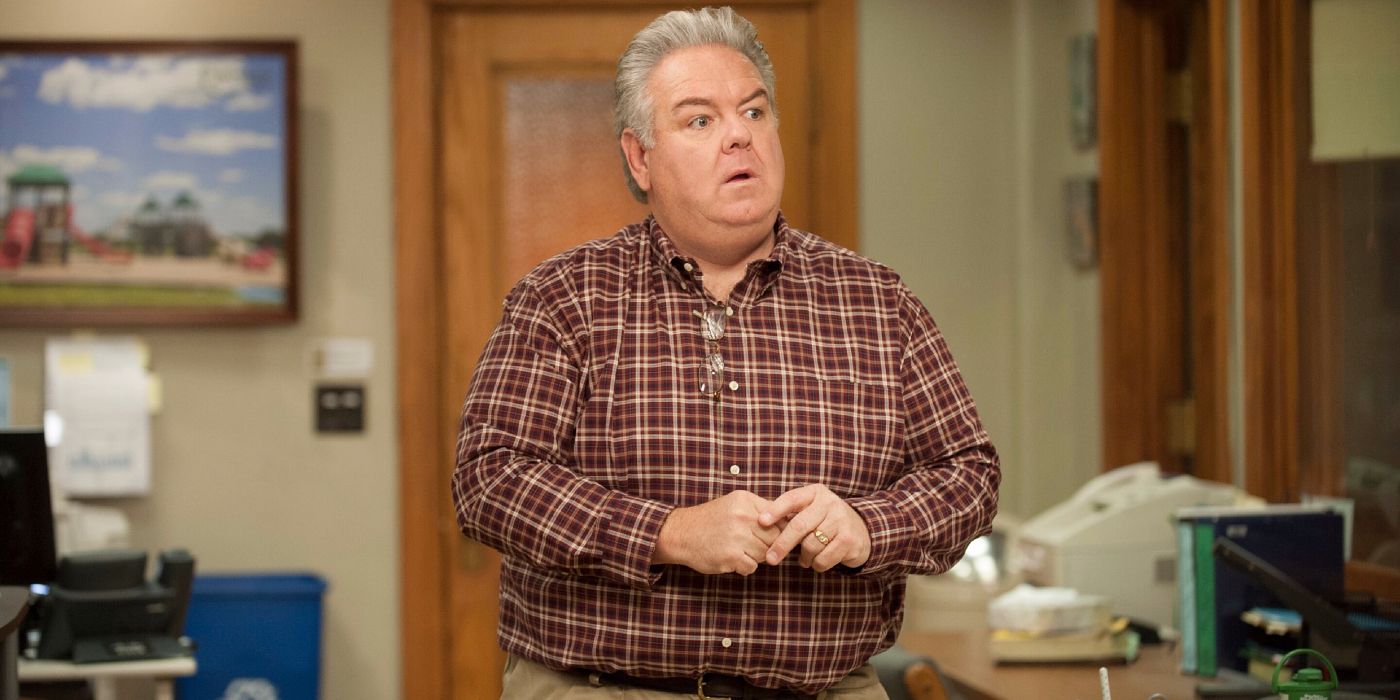
Over its seven seasons, Parks and Recreation evolved from a basic workplace comedy into a critically acclaimed sitcom. A key running gag throughout the series is the constant renaming of the character Jerry Gergich – he’s called Jerry, Larry, Terry, and Garry at different times. What starts as a joke about a forgettable man whose coworkers can’t recall his name ultimately becomes a clever observation about the way sitcoms tell stories.
Throughout the series, the running joke about Jerry’s name changes from being simply funny to becoming a sign of affection. Each time someone mispronounces or forgets his name, it highlights not only the humorous bureaucracy of Pawnee, but also the show’s growing self-awareness. This bit, which began as a simple joke, ultimately becomes a symbol of the show’s optimistic outlook. Every misnomer subtly builds the show’s world, reminding viewers that humor and genuine fondness can create strong bonds and a feeling of togetherness.
Jerry Gergich Was the Butt of Many Jokes in Parks and Rec
You know, the running gag with Jerry Gergich always struck me as simple at first. Early on in the show, Jim O’Heir played him as this genuinely nice guy, but totally clumsy at work. He’d mess up presentations, break the office equipment, and basically become the target of everyone’s jokes. It was a classic setup, honestly – the lovable loser in the office.
In the show, a funny moment happens when Leslie accidentally calls Jerry “Larry,” and no one points out her mistake. This becomes a recurring joke, highlighting how overlooked Jerry is at work. He often ends up taking the blame for things, becoming the person everyone vents their frustrations to. This reinforces the idea that he’s so unnoticed, he’s practically nameless.
The show blends humor with a touch of sadness. While Jerry constantly faces jokes and teasing at work, we gradually discover he has a wonderful family – a devoted wife named Gayle and three caring daughters. It’s the contrast between these two sides of Jerry – the target of office humor and a loving father and husband – that elevates the show beyond simple meanness and offers a deeper message.
Whenever Jerry’s name changes, it suggests the show is heading in a new direction. When he’s renamed Larry after a workplace shakeup, it perfectly captures the over-the-top, ridiculous bureaucracy the show is famous for making fun of. The humor is amplified because audiences recognize this as a common type of office mistreatment, hinting that Jerry has some level of self-awareness about his situation.
The joke started when someone accidentally called him Terry, and it quickly turned into a recurring, embarrassing situation – almost like a strange performance. By the time he was called Garry, the original reason for the joke was forgotten. It had become a pattern, repeating with different names but the same frustrating result – a familiar cycle of variation.
The characters’ changing names happen as part of the story, not as a direct address to the audience. This creates a unique effect – a long, playful discussion about itself, presented as everyday office jokes.
Jerry’s Name Change Actually Reflected Pawnee’s Community
The running gag about Jerry’s constantly changing name isn’t just funny—it highlights how Pawnee functions as a community. In a town focused on individual egos and sticking to rules, even something as basic as a person’s name isn’t fixed or certain.
Jerry’s coworkers call him different, silly names not to be funny or mean, but simply because they’ve stopped really seeing him. This habit reflects the way things work in Pawnee – people are quickly categorized and redefined as power shifts, like labels that are easily changed or tossed aside.
The joke quickly becomes a symbol for the show’s political satire, especially because the characters knowingly participate in the deception. The show carefully builds its world by developing characters and using consistent details and recurring jokes to create a rich and recognizable atmosphere.
The repeated renaming of Jerry becomes a funny, shared experience that draws the characters—and the audience—into the world of the show. Just like the people of Pawnee unite during quirky festivals and wild town meetings, the Parks Department builds its connection through lighthearted, silly moments.
Calling Jerry by the wrong name – Larry, Terry, or Garry – became a running joke on the show. It strangely brought the characters together while also setting Jerry apart. This simple, repeated humor created a feeling of shared experience, and the writers later used the gag to playfully reflect how they themselves worked.
Similar to how bureaucrats work, creating new episodes of the show involves a structured creativity – building something fresh while still following a familiar pattern. Each new storyline about Jerry is actually a clever commentary on the show itself, allowing it to playfully acknowledge and tweak its own formula. By the end of the series, when everyone casually calls him Garry without any pretense, the audience understands and appreciates the joke.
Parks and Rec’s Best Joke May Seem Cruel, But It’s Actually Affectionate
Throughout the show, the recurring “Jerry/Larry/Terry” joke evolves into an exploration of comedy itself. It’s part of a broader use of self-aware humor that playfully questions how consistent storylines need to be in sitcoms. Unlike most comedies where running jokes simply repeat, Parks and Recreation allows its gags to develop and change over time.
The nicknames Jerry gives people reflect how the show’s tone changed over time. At first, the show used a somewhat harsh, documentary-like style with jokes that could feel a bit mean. But as the series became more upbeat, the humor softened and became more lighthearted.
The show keeps playfully teasing the character, but now with genuine affection instead of criticism. The constant use of his name shows a sense of warmth and acknowledges his enduring presence. By reminding viewers that it’s a continuing series, the show adds new layers of meaning to its running gags and rewards loyal viewers.
Each new nickname for Jerry isn’t just a running gag – it also shows how the character is changing and growing. This makes Parks and Rec unusual because it carefully builds character development over time, and Jerry is central to that process. Ultimately, Jerry demonstrates that even small, seemingly unimportant details can have a real emotional impact.
Cameras can sometimes ruin a joke by revealing too much – like showing Jerry’s personal life or hidden talents, which encourages the audience to overanalyze things. However, Parks and Recreation has evolved its clever, self-referential humor into something that’s both understanding and aware of itself, all while remaining optimistic.
Parks and Rec Gave Jerry Gergich a Beautiful Legacy
By the end of the show, Jerry—or Garry, as he’s known—has undergone a surprising transformation. After a remarkably long run as Pawnee’s mayor, he finally retires, leaving behind a strong reputation and the affection of his loved ones. It’s a funny twist: the character everyone often overlooked has become the very heart and soul of the town he’s called home for three decades.
The joke isn’t just for laughs; its long-running nature builds to a surprisingly emotional payoff. This ending feels like it was planned all along, giving the entire series a deeper, ironic meaning when you look back on it.
Every time someone made fun of Jerry in the past now seems like part of a bigger, ironic joke. The show never ignores the running gag of his name being misspelled, but instead uses it to its advantage. Jerry’s success is quiet and subtle, his humor is gentle, and his long-running presence on the show is almost beautiful. Ultimately, Parks and Rec shows that kindness, even when overlooked or made fun of, can endure.
What really struck me about Brooklyn Nine-Nine is how it keeps the spirit of Parks and Recreation alive. Both shows manage to be genuinely heartwarming and self-aware, which is a tricky balance. But it’s not just about the characters growing – it’s how a joke can keep running throughout the series and still feel meaningful. These shows prove a good running gag isn’t just funny, it can actually add emotional weight to the story.
The running joke about characters being mistaken for each other – “Jerry/Larry/Terry” – is an early example of how a comedic bit can develop into a longer story, showing that repeating a joke doesn’t have to mean it gets old. Looking back, this gag also highlights a shift in comedy at the time, moving away from sarcasm and towards genuine kindness. While many shows rely on being sarcastic, Parks and Recreation chooses to be heartwarming instead.
The way Jerry’s character goes from being the butt of jokes to being genuinely liked mirrors how the show itself changed what viewers expected from comedy. What starts as mockery transforms into affection, reflecting a shift towards more sincere and heartwarming humor. Ultimately, Parks and Recreation hides its most clever joke in plain view: the running gag about Jerry’s name. This playful exchange isn’t just a funny bit; it’s also a commentary on the show’s overall journey from a cynical to a more optimistic and supportive ensemble comedy.
Instead of relying on silly physical humor or obvious jokes, the show cleverly acknowledges itself, building an entire, enjoyable storyline around a seemingly minor gag. Beyond just a simple, funny story, the series also evolves as a smart and self-aware comedy on its own terms.
I’ve always loved how Parks and Recreation used running gags – they weren’t just funny, they actually meant something. The show cleverly pointed out that these repeated jokes weren’t pointless; they were a way to show how things were changing and how characters were growing. It’s like they were saying even silly stuff can be part of a bigger, more meaningful story, and I really appreciated that.
Found an error? Send it so it can be corrected.
Read More
- Off Campus Season 1 Soundtrack Guide
- Euphoria Season 3’s New R-Rated Sydney Sweeney Scene Proves The Show Is Trolling Us
- Gold Rate Forecast
- Brent Oil Forecast
- Olympian Says Heated Rivalry Tugged At His Heartstrings
- Why is there no Jujutsu Kaisen this week? Missing Season 3 Episode 8 explained
- How to Get to the Undercoast in Esoteric Ebb
- Jailbreak codes (April 2026)
- What is Omoggle? The AI face-rating platform taking over Twitch
- Popeye Slasher Horror Film Officially Kicks Off Production on ‘Bigger & Bloodier’ Sequel
2026-03-15 02:10