Comics have often sparked debate and disagreement. Sometimes fans are upset by a character’s death, and other times stories or images cause public concern due to moral objections. This is particularly common when it comes to…
The horror genre, known for its dark and disturbing themes, actually helped lead to the creation of the Comics Code Authority. While voluntary, this code strongly discouraged creators from including potentially inappropriate or violent content in their comics. Certain issues and series were particularly influential in sparking these debates and ultimately shaping the code.
Comics experienced a huge wave of controversy in the early 1950s due to the increasing popularity of horror. Much of this outrage stemmed from a single, particularly shocking comic book cover. It showed a man holding an axe and a woman’s severed head, suggesting a story about murder and infidelity – a man plotting with his mistress to kill his wife.
Public anger about this issue of the popular EC Comics anthology reached Congress. Combined with pressure from Dr. Fredric Wertham and his book, Seduction of the Innocent, which criticized comics, it led to the anthology being cancelled in 1955. It wasn’t the only comic affected; many other horror comics of the time, including another EC favorite, Tales from the Crypt (which later inspired a successful TV show), were also discontinued.
Joe Shuster is a legendary and incredibly important figure in the history of comic books. He and writer Jerry Siegel famously co-created Superman in 1938. But Shuster, a Canadian-American artist, also enjoyed illustrating spooky tales, as seen in his work on Nights of Horror.
First published in 1954, this comic book contained disturbing images of violence, cruelty, and sexual content. This quickly drew the attention of Dr. Frederic Wertham, who campaigned to have it banned. He succeeded, particularly after the police commissioner in New York City publicly claimed that Nights of Horror was connected to actual crimes.
These days, comic books often feature dark and controversial themes, but even recent stories haven’t always been accepted easily, sometimes due to public outcry or simply unfortunate circumstances. One example is a story called “Shoot,” created by Warren Ellis and Phil Jimenez.
The comic story was originally planned for Hellblazer #141, scheduled to come out just weeks after the tragic school shooting at Columbine High School in Littleton, Colorado, on April 20, 1999. The story featured John Constantine investigating a demon linked to school shootings and was written before the shooting occurred. However, because the subject matter was so close to the real-life tragedy, DC Comics decided to postpone its release. It eventually appeared in the Vertigo Resurrected one-shot issue in 2010.
Sometimes, horror comics caused controversy not because of the stories or artwork inside, but due to their covers. A prime example is Tomb of Terror #15, which sparked outrage due to its cover art.
The shocking cover art for this 1954 Harvey Comics issue was created by renowned comic artist Lee Elias. It hints at the story “The Break-Up” with a disturbing image: a man’s face appears to be bursting off his head, while a woman looks on in horror. Tomb of Terror, like many horror comics of the early 1950s, was cut short due to pressure from Congress, and this unsettling illustration played a part in its demise.
I recently learned about Chamber of Chills, and it’s sad to hear it was one of the comics Dr. Fredric Wertham targeted. He actually used a story from it in his book Seduction of the Innocent as proof of what he thought was corrupting kids. What’s really interesting, though, is that the story he picked isn’t the type of thing most people today would even find shocking!
A 1952 issue of the classic comic Chamber of Chills contained a bizarre story about a man transforming into a giant crab and then consuming his wife. While the cover depicted a dramatic scene of a man trying to escape a pit with a chained woman visible behind him, it was this strange story that particularly bothered critic Fredric Wertham. This reveals a lot about what he truly objected to in comic books – it wasn’t necessarily the violence or drama, but the outlandish and disturbing content itself.
Although the Comics Code Authority is no longer in effect, horror comics still sometimes spark debate. While the U.S. government rarely intervenes, a few comics have been criticized for being excessively graphic and disturbing to both reviewers and readers.
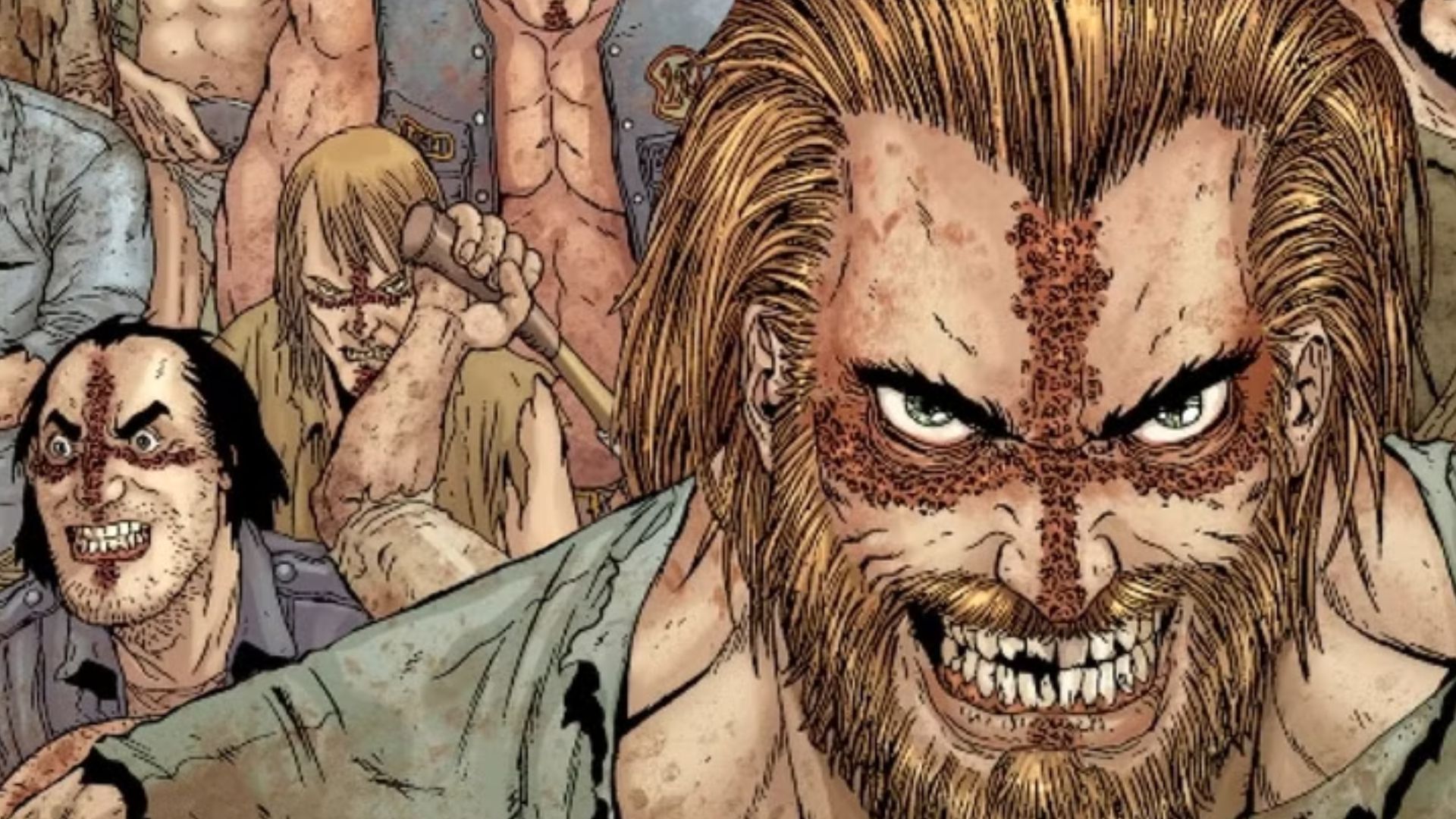
The comic series Crossed, created by Garth Ennis and Jacen Burrows, depicts a global pandemic that transforms people into violent killers – it was even shocking to Robert Kirkman, the creator of The Walking Dead. The extreme violence has already drawn criticism, as even fans who enjoy gore are finding it overwhelming for a live-action adaptation.
Howard Chaykin became well-known in the 1980s for his witty and often violent comic books, including his updated versions of classic characters like The Shadow and Blackhawk. But nothing could have prepared readers for his 1988 series, Black Kiss, which would become his most famous work.
The comic Black Kiss was a highly provocative, adult-themed noir with horror influences – including vampires and Voodoo – and retailers worried it might be mistaken for pornography. To address these concerns, the publisher, Vortex, shipped each issue in a sealed plastic bag, preventing casual viewing of the contents. They also included black cards to cover up the provocative cover art.
The 1980s horror comic Twisted Tales was known for its disturbing stories, such as “Banjo Lessons” from issue five. The story centers on Sim, who is on trial for killing the men who abused his dog. He recounts a hunting trip where these friends brutally mistreated a dog named Banjo, and after being stranded by snow, they killed and ate him. The shocking twist reveals that Banjo was actually a Black man, implied to be Sim’s secret lover, a painful memory Sim had subconsciously repressed by imagining him as a dog.
The story sparked controversy, with some readers believing it promoted racism and homophobia. However, the editor of Twisted Tales explained that, when viewed today, the story was actually intended to criticize those harmful beliefs, and had to issue a statement to address the negative reaction.
Found an error? Send it so it can be corrected.
Read More
- Off Campus Season 1 Soundtrack Guide
- Euphoria Season 3’s New R-Rated Sydney Sweeney Scene Proves The Show Is Trolling Us
- Gold Rate Forecast
- What is Omoggle? The AI face-rating platform taking over Twitch
- Man pulls car with his manhood while on fire to raise awareness for prostate cancer
- Why is there no Jujutsu Kaisen this week? Missing Season 3 Episode 8 explained
- Crimson Desert Guide – How to Pay Fines, Bounties & Debt
- Jailbreak codes (April 2026)
- Lord Of The Flies Review: Near-Perfect Adaptation Is A Reminder Of Classic Novel’s Haunting Power
- Popeye Slasher Horror Film Officially Kicks Off Production on ‘Bigger & Bloodier’ Sequel
2026-03-14 17:09