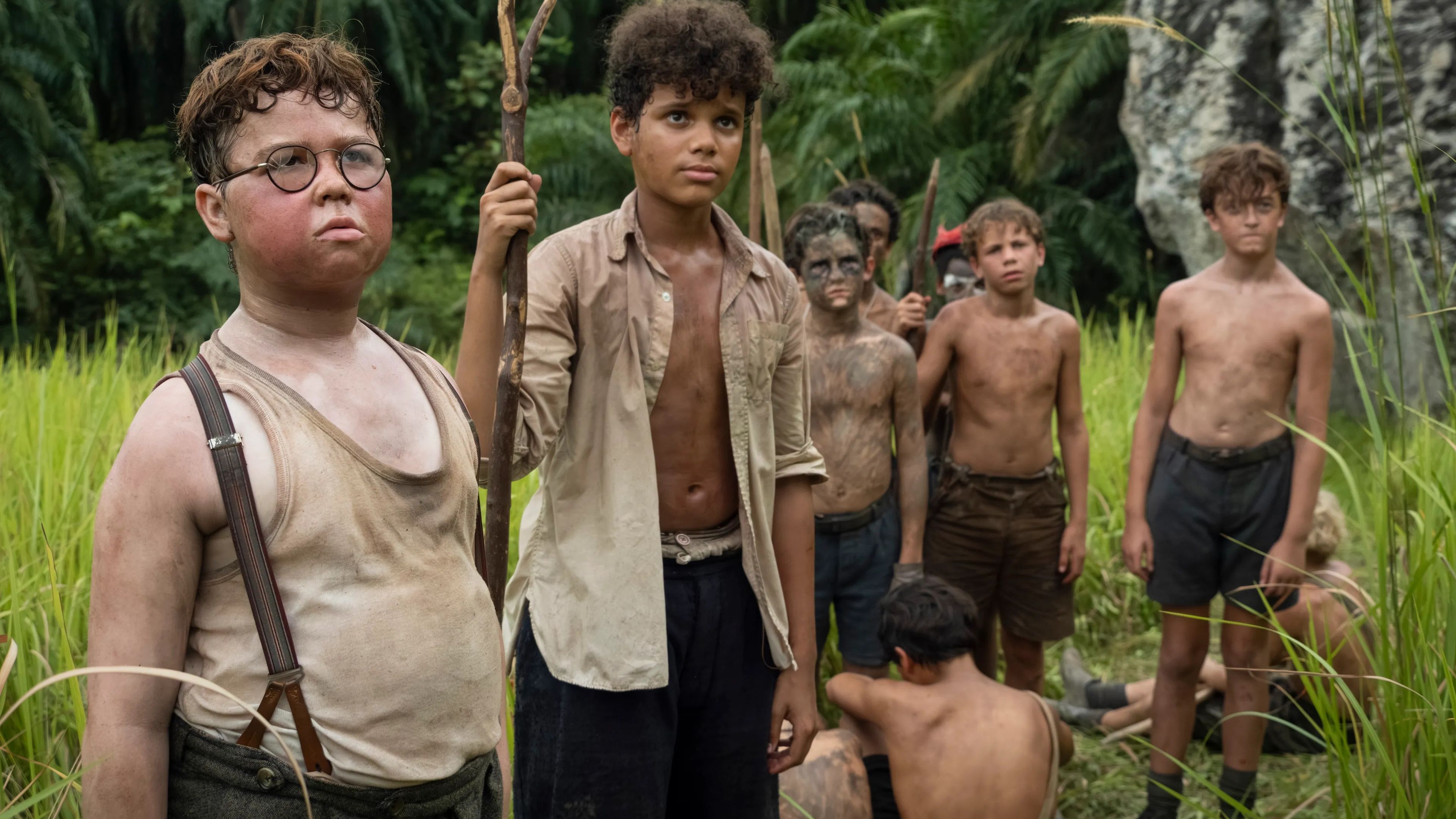
Seventy-two years after its release, the BBC has created a remarkably faithful and chilling adaptation of Lord of the Flies. William Golding’s 1954 novel follows a group of British schoolboys stranded on a tropical island after a plane crash, and their story of a descent into savagery has been a popular choice in classrooms for generations. The core idea – boys dividing into rival groups on a remote island – continues to inspire popular shows like Survivor, Lost, and Yellowjackets.
Though Lord of the Flies has been adapted into several films over the years, this marks the first time the classic story has been brought to television. The new series was created and written by Jack Thorne, known for co-creating and writing Netflix’s Adolescence and for his work on HBO’s critically acclaimed fantasy series, His Dark Materials.
Rather than attempting a new take on Lord of the Flies, Thorne delivers a close and compelling adaptation, focusing on the original novel’s intense psychological horror and character-driven story. While some changes might bother fans of the book, they generally improve upon the source material, making the miniseries a truly worthwhile watch.
Lord Of The Flies Is Grounded By Exceptional Performances & A Compelling Episodic Structure
As a huge fan of ‘Lord of the Flies’, I was really captivated by this four-part miniseries. What I particularly loved was how each episode really dove into the story through the eyes of a different character – Piggy, Ralph, Jack, and Simon. It was brilliant because it gave each of them the space to truly develop and feel real. The way the story unfolded, starting with Piggy and the initial order they tried to create, then shifting to Jack and the boys’ descent into chaos, was incredibly effective. It felt like a natural progression and really highlighted the core themes of the book.
I was really blown away by the acting, especially considering that most of the four main actors haven’t been in anything before! It’s incredible what they accomplish. McKenna, in particular, just became Piggy. He made all of Piggy’s sweet, smart moments feel so real, and his struggle to hold onto rules when everyone else had given up was heartbreakingly believable. Honestly, I can’t picture anyone else playing Piggy now – McKenna completely owns the role.
This adaptation of Lord of the Flies gives Jack a bit more depth, showing how his own anxieties and fears fuel his harsh and damaging actions. The actor, Pratt, perfectly captures this complexity, making him an ideal choice to play Draco Malfoy in the new HBO Harry Potter series. His proud delivery, sense of being better than others, and fear of looking weak will all fit the character of Draco very well.
I’ve always found Ralph in Lord of the Flies a bit…flat. He’s meant to be the good guy, the counterpoint to Jack’s savagery, but I never really connected with him as a person. That is, until I saw the recent miniseries. The actor, Sawyers, absolutely gets Ralph. He portrays that initial charisma that makes everyone naturally look to Ralph for leadership, but he also adds a layer of gentleness and vulnerability that was missing from the book’s depiction. It completely changed my perspective on the character.
Talbut delivers a performance that’s as strong as the other actors, playing Simon as a uniquely insightful and isolated character. He skillfully portrays Simon, especially benefiting from the expanded role given to him compared to the original book, even with some differences in how the character is written.
Most Changes Work, With One Important Exception
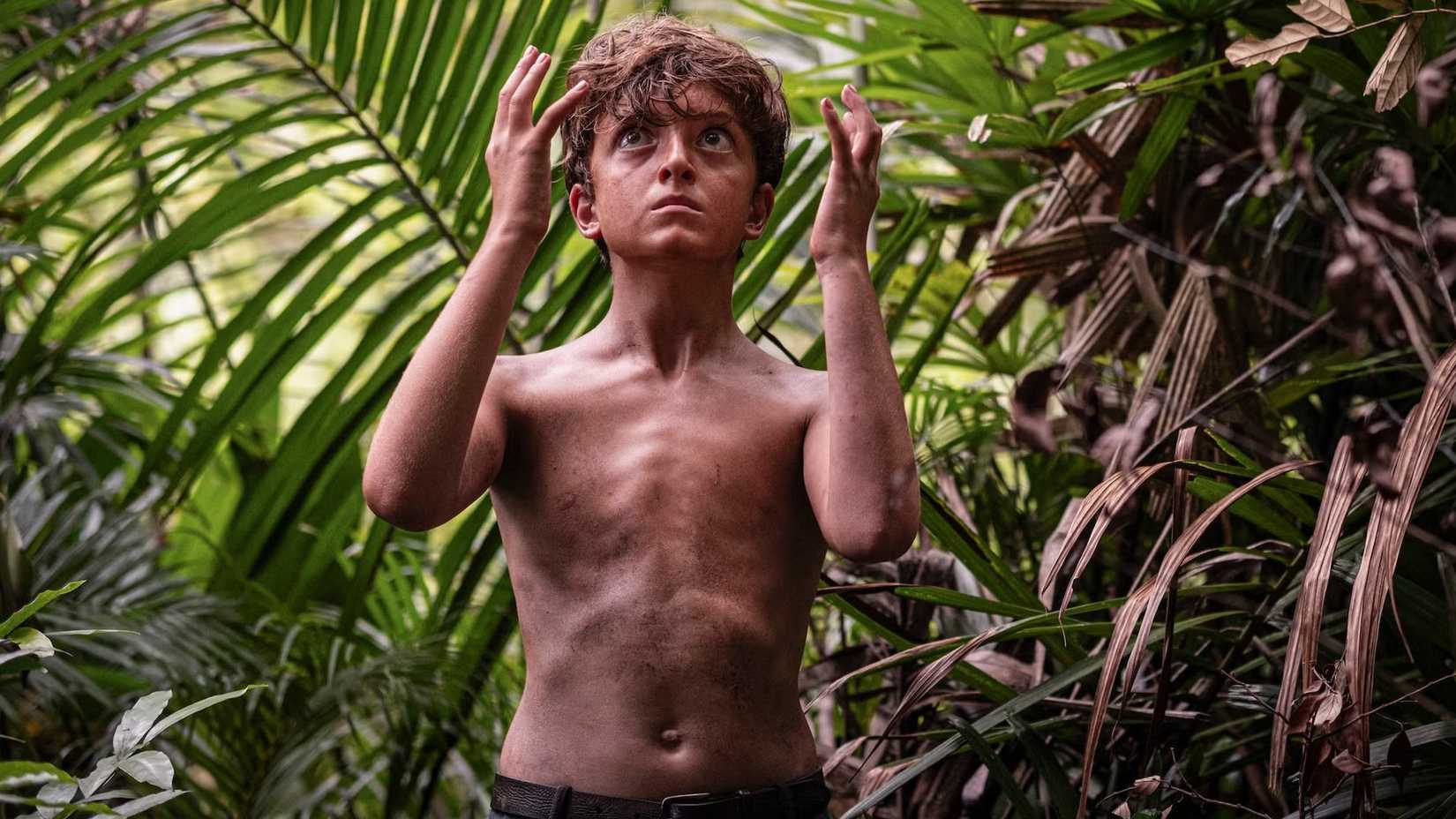
The movie closely follows the book’s story, characters, and ideas, with many lines of dialogue taken directly from the original text. While some changes were made, they generally improve the adaptation, particularly in how Piggy and Ralph interact. These adjustments actually make the ending even more impactful than that portion of the book.
The biggest issue with the story is the use of flashbacks showing the boys’ lives before the island. While things like Piggy being bullied or Jack leading the choir are interesting, most of their past isn’t crucial to the story. What really matters is how the boys change after the crash and how those changes cause them to lose their innocence forever.
As a viewer, I didn’t feel like the movie needed to show us Jack’s backstory or why he’s such a bully, especially towards Piggy. It just is, and that’s enough. Similarly, Ralph’s natural leadership just feels inherent to his character. What did pull me out of the story, though, were the scenes set back in the ‘real world’ with adults. It’s a story that works best when confined to the island and these interruptions felt really jarring and disrupted the flow. Honestly, the movie was strongest when it stayed with the boys and their struggle.
The show’s flashbacks lessen the enigmatic quality of Simon that makes him so compelling in the novel. While we learn more about his relationship with Jack and why he supports Ralph, these additions don’t really improve his overall story.
The Cinematography & Music Take Lord Of The Flies To Another Level

Marc Munden directed all four episodes of Lord of the Flies, and Mark Wolf handled the cinematography. The series makes extensive use of close-up shots, focusing on characters’ expressions to build tension and help viewers connect with even minor characters. This is especially impactful when showing the emotional toll the events take on the younger boys, making their trauma a key part of the story.
As a film buff, I was really struck by how the cinematography in the later episodes would bathe a lot of the island’s plants in this incredibly surreal red hue. It wasn’t just beautiful to look at – it felt like it was adding another layer to the story, giving it a much richer meaning.
As a film buff, I’ve always been struck by how the music in this story really carries the emotional weight of the boys’ changing relationship with the island. At the beginning, when everything feels adventurous and almost idyllic, the score is light and breezy, with lots of flutes and other woodwinds creating that sense of wonder. It perfectly captures the initial magic of the place.
As the story unfolds, the music really starts to get under your skin – it gets creepier and more intense, mirroring how the characters are increasingly terrified of this mysterious creature and how it brings out the worst in them. It’s amazing work, actually. Hans Zimmer, a legend, created the main theme and contributed extra music alongside Kara Talve, and Cristobal Tapia de Veer composed the original score. It all blends together to create a truly unsettling atmosphere.
As a movie and TV fan, I have to say this version of Lord of the Flies really delivers. It’s not only a fantastic adaptation of the book, but it stands on its own as a truly great miniseries. It’s a really rewarding watch if you’re already familiar with the story, reminding you why it’s such a powerful and enduring tale. But honestly, even if you’ve never read the book or seen any other version, this one will still grab you and leave a lasting impression. It’s perfectly accessible and packs a real punch.
All four episodes of Lord of the Flies release Monday, May 4, 2026, on Netflix.
Read More
- Off Campus Season 1 Soundtrack Guide
- X-Men ’97 Finally Gave Gambit the Hero Moment He Deserved
- Chainsaw Man Volume 24’s Cover Art Reveals a Brand-New Denji
- 46 Years Later, The Mandalorian & Grogu Answers A Major Empire Strikes Back Question
- 10 Worst End-Game Couples In Sitcom History
- HoI4 fans harsh reactions to the announcement of another DLC pack
- DoorDash responds after customer uses AI to make food look bad and get a refund
- Gold Rate Forecast
- Emily Henry Says to ‘Trust the Vision’ For Beach Read Adaptation
- Katanire’s Yae Miko Cosplay: Genshin Impact Masterpiece
2026-05-04 13:10